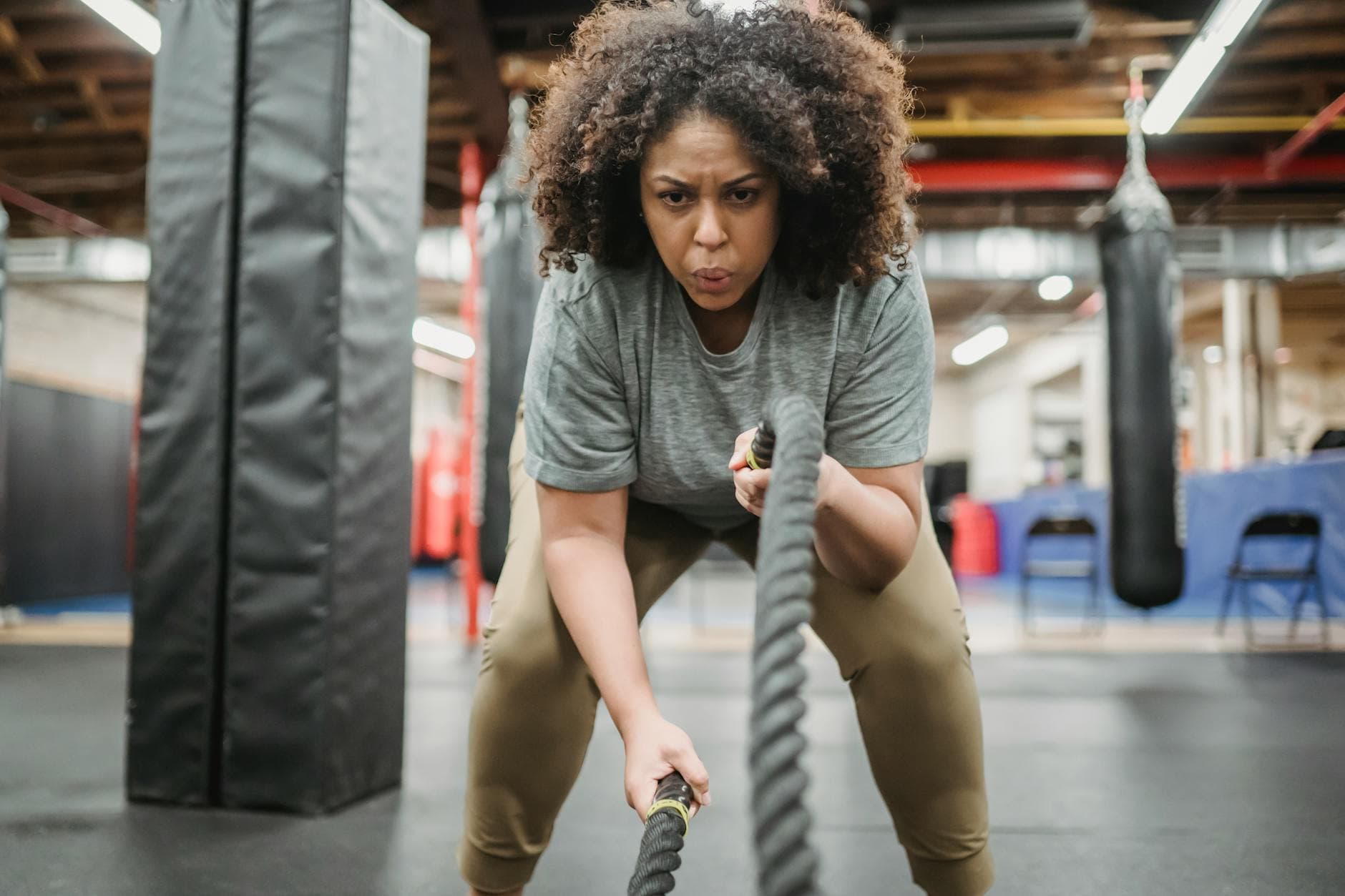
Ever felt like you’re running on a treadmill for ages, sweating buckets, and still not seeing the changes you desperately want? You’re not alone. I’ve been there, staring at the clock, wondering if this endless, steady-state cardio was truly the most efficient path. What if I told you there’s a way to get a more effective, fat-blasting, and time-saving workout that can transform your body and your energy levels? That’s where a solid hiit cardio workout comes into play, and trust me, it’s a game-changer.
For years, I believed the longer I exercised, the better the results. More miles, more minutes, more misery. But then I stumbled upon high-intensity interval training, or HIIT, and it completely reshaped my understanding of fitness. This isn't just another fad; it's a scientifically backed method that pushes your body to its limits in short bursts, followed by brief recovery periods. The beauty of it? You can achieve incredible results in a fraction of the time traditional cardio demands. It’s efficient, it's effective, and honestly, it's a lot more engaging.
Why HIIT Cardio is Your Secret Weapon for Fat Loss and Fitness
When we talk about burning fat and boosting cardiovascular fitness, most people immediately think of long, slow jogs. I used to, too. But the truth is, while those have their place, they don't hold a candle to the metabolic furnace that HIIT creates. This isn’t just about burning calories during the workout; it’s about what happens after.
The Afterburn Effect: EPOC Explained
Here's the thing about HIIT: it doesn't just burn calories while you're doing it. It kicks your body's metabolism into overdrive, leading to something called the "afterburn effect," or Excess Post-exercise Oxygen Consumption (EPOC). Think of it like this: your body has to work harder to recover from those intense bursts, consuming more oxygen and burning more calories for hours after you've finished your last burpee. This means you're still incinerating fat while you're showering, working, or even sleeping. National Institutes of Health research on hiit cardio workout has consistently shown this elevated metabolic rate post-HIIT.
Time Efficiency and Cardiovascular Health
Let's be real, time is a precious commodity. Who has an hour or more every day to dedicate solely to cardio? A good hiit cardio workout can deliver superior fitness benefits in as little as 15-20 minutes. This efficiency is why it's become a cornerstone of many fitness routines, including my own. You’re not just saving time; you're also dramatically improving your heart health. The rapid shifts between high exertion and recovery strengthen your cardiovascular system in a way that steady-state exercise often doesn't, enhancing both aerobic and anaerobic capacities.
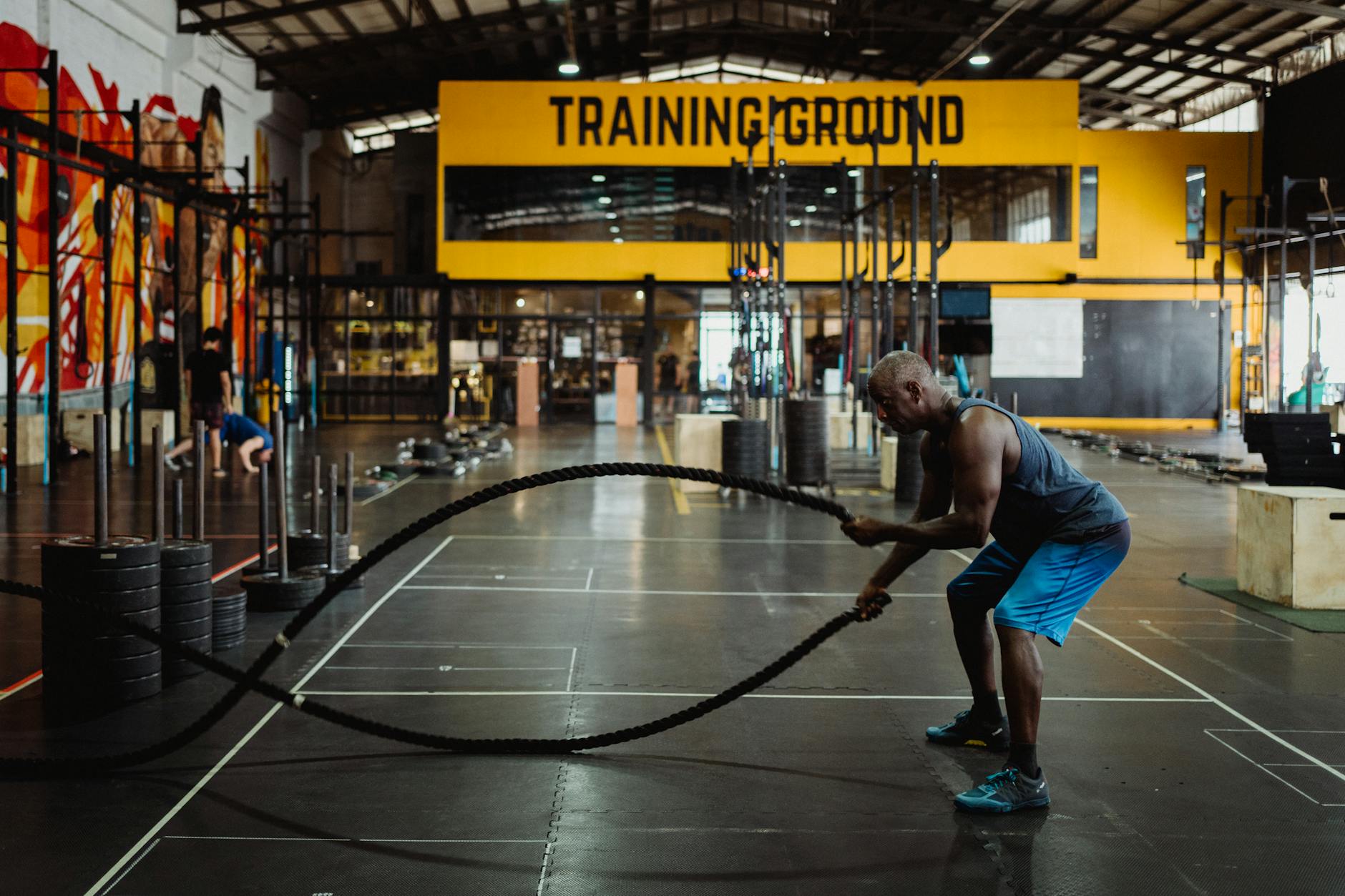
Crafting the Best HIIT Cardio Routine: What to Include
So, you're ready to jump in. But what does a truly effective HIIT session look like? It’s not just about flailing around wildly; there’s a method to the madness. The key is selecting exercises that engage large muscle groups and allow for maximum effort in short periods.
Choosing Your Movements Wisely
For a killer best hiit cardio session, you want movements that get your heart rate soaring quickly. Think full-body, compound movements. Squat jumps, burpees, mountain climbers, high knees, and jumping jacks are fantastic starting points. These exercises aren't just about speed; they're about explosiveness and power. You want to feel that burn, that breathless push, during your work intervals.
Sample Exercises for Maximum Impact
- Burpees: The ultimate full-body challenge. Push-up, jump feet forward, jump up. Repeat.
- Mountain Climbers: Get into a plank position and rapidly drive your knees towards your chest.
- Squat Jumps: Squat down, then explode upwards, landing softly back into a squat.
- High Knees: Run in place, driving your knees as high as possible towards your chest.
- Jumping Jacks: A classic for a reason, gets the blood pumping quickly.
Structuring Your Intervals: Work to Rest Ratios
The magic of HIIT lies in its interval structure. There's no single "perfect" ratio, but common effective setups include 30 seconds of intense work followed by 30 seconds of rest, or 45 seconds of work with 15 seconds of rest. For beginners, I often recommend a 1:1 or even 1:2 work-to-rest ratio (e.g., 30 seconds work, 60 seconds rest) to ensure proper recovery and form. As you get fitter, you can shorten those rest periods or extend your work periods. The goal is to maximize your effort during the work phase, not to just go through the motions. This is where the "high-intensity" part really comes alive.
Beginner HIIT Cardio: Starting Smart and Staying Safe
I’ll be real with you: HIIT can be intimidating at first. The intensity can feel overwhelming, and it's easy to push too hard too soon. But with a smart approach, anyone can integrate beginner hiit cardio into their routine and reap the benefits without risking injury or burnout.
Prioritizing Warm-up and Cool-down
This is non-negotiable, folks. Before any intense workout, especially HIIT, you absolutely need a proper warm-up. Five minutes of light cardio like marching in place, arm circles, leg swings, and dynamic stretches will prepare your muscles and elevate your heart rate gradually. Similarly, don't just stop cold. A 5-minute cool-down with static stretches helps bring your heart rate down, improves flexibility, and can aid in recovery. Skipping these steps is a fast track to soreness and potential injury.
Modifying Exercises and Listening to Your Body
The beauty of HIIT is its adaptability. Every exercise can be modified. Can't do a full burpee yet? Do a plank-to-stand. Struggling with squat jumps? Just do bodyweight squats. The intensity comes from your effort, not necessarily from performing the most complex version of an exercise. Listen to your body. If something causes sharp pain, stop. Push yourself, yes, but differentiate between muscle fatigue and actual injury. Consistency beats sporadic, overly ambitious efforts every single time. If you're just starting out, consider pairing your new routine with something foundational like a Gym Workout for Beginners to build a solid base.

HIIT Cardio at Home: No Equipment, No Excuses
One of the biggest excuses I hear is, "I don't have a gym membership" or "I don't have any equipment." Here's the truly fantastic news: you don't need any of that for an incredible hiit cardio at home workout. Your body weight is the only tool you truly need, making it one of the most accessible and effective forms of exercise out there.
Designing Your No-Equipment Cardio Blast
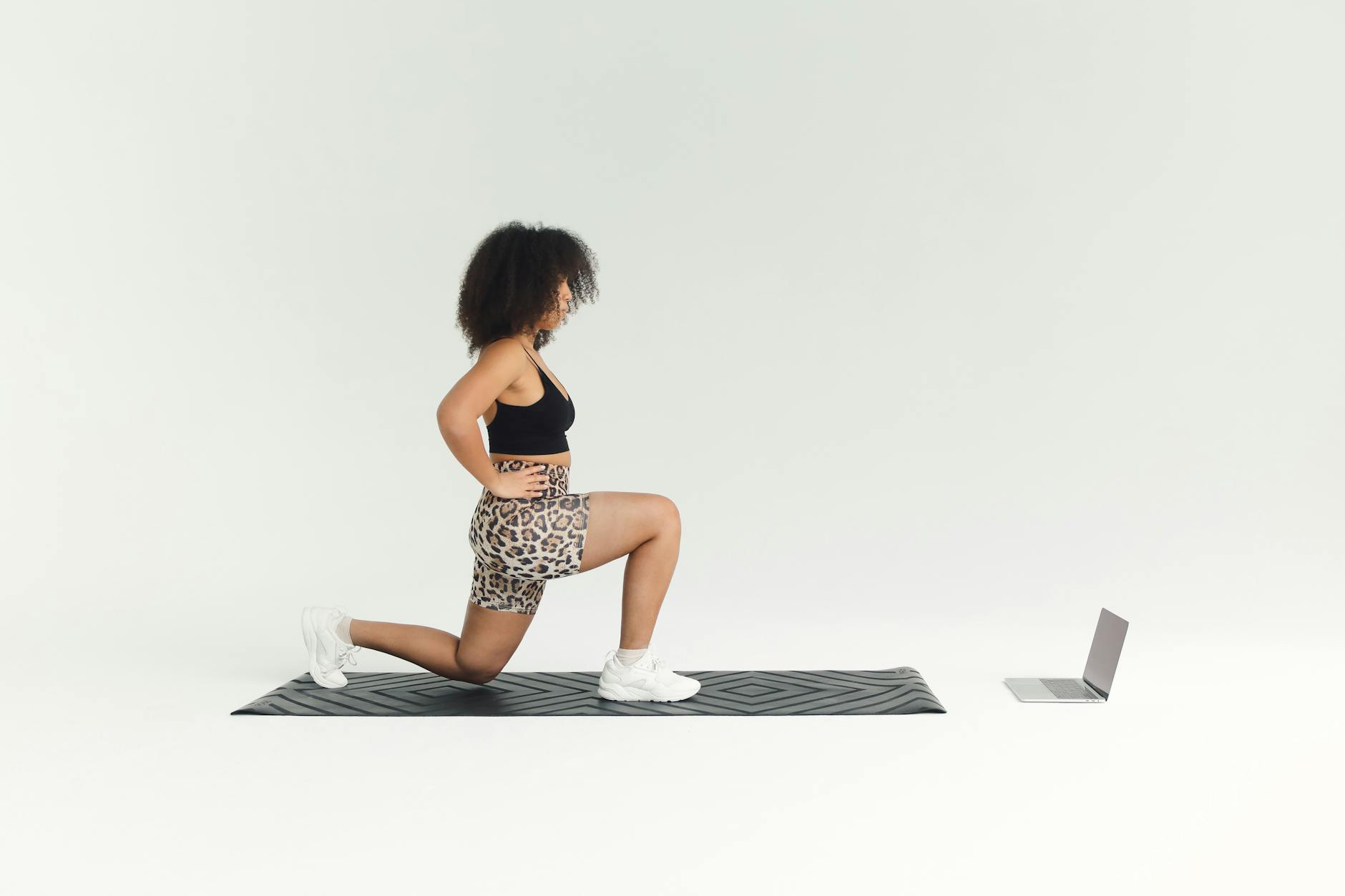
Think about movements you can do in a small space that get your heart rate up. We've already touched on some: burpees, mountain climbers, high knees, jumping jacks. Add in lunges, planks, push-ups (even on your knees), and bodyweight squats. You can string these together into a powerful sequence. A typical Home Workout Plan often integrates these very principles.
A Sample No-Equipment HIIT Cardio Routine
Try this 20-minute routine (including warm-up and cool-down):
- Warm-up (5 minutes): Light jogging in place, arm circles, leg swings.
- Workout (12 minutes - 4 rounds, 30s work/30s rest):
- Round 1: Jumping Jacks
- Round 2: High Knees
- Round 3: Mountain Climbers
- Round 4: Bodyweight Squats
- Round 5: Burpees (modified if needed)
- Round 6: Plank (hold for 30s, rest 30s)
- Cool-down (3 minutes): Gentle stretches for hamstrings, quads, chest, and triceps.
This Home Cardio Workout: Burn Fat & Boost Fitness Fast can be adapted easily. Just switch out the exercises to keep things fresh and challenging.
Staying Motivated and Consistent
Consistency is the real secret sauce. It's easy to get excited for a week or two, but the long-term results come from showing up, even when you don't feel like it. Set a schedule, put it in your calendar, and treat it like an important appointment. Find a workout buddy, track your progress, or even just put on some killer music. Whatever it takes to make that hiit cardio routine a regular part of your life.

My Personal Take: The Real Power of HIIT
Honestly, when I first heard about HIIT, I was skeptical. I loved my long runs; they were my meditative escape. The idea of short, intense bursts felt... aggressive, almost. But my results plateaued, and I was getting bored. So, I decided to give a hiit cardio workout a serious try. What surprised me most wasn't just the physical transformation, though that was undeniable – leaner, stronger, with better stamina. It was the mental shift.
Pushing past that comfort zone, even for just 30 seconds, taught me a lot about resilience. It’s like a mini-challenge in every workout. You think you can't do another squat jump, but then you dig deep, and you do it. That mental toughness spills over into other areas of life, trust me. I remember one particular session, a brutal Tabata (20s work, 10s rest) with burpees and jump squats. I wanted to quit after the second round. But I kept reminding myself: it's only 20 seconds. You can do anything for 20 seconds. And I finished it. That feeling of accomplishment? Unbeatable.
HIIT isn't just about the sweat; it's about proving to yourself what you're capable of. It’s about efficiency, yes, but also about building a stronger, more resilient self, both inside and out. Harvard Health research on hiit cardio workout often highlights the psychological benefits alongside the physical ones, which I find incredibly validating.
Beyond the Sweat: Maximizing Your HIIT Benefits
A great hiit cardio workout is a powerful tool, but it's part of a larger picture. To truly maximize your results and sustain them, you need to think holistically.
Nutrition and Recovery: The Unsung Heroes
You can't out-train a bad diet. Period. Fueling your body with whole, unprocessed foods is critical for energy during your workouts and for recovery afterward. Protein for muscle repair, complex carbs for sustained energy, and healthy fats for overall health – these are your allies. And don't underestimate sleep. Your muscles don't grow and repair during the workout; they do it when you're resting. Prioritize 7-9 hours of quality sleep.
Varying Your Training and Avoiding Overtraining
While HIIT is amazing, it's intense. I wouldn't recommend doing it every single day, especially when you're starting. Two to three times a week is often plenty. On other days, consider active recovery like walking, yoga (perhaps exploring Yoga Classes for Beginners), or some strength training. Overtraining can lead to plateaus, injuries, and burnout. Listen to your body and give it the rest it needs to come back stronger.
So, are you ready to ditch the long, monotonous cardio sessions and embrace a more dynamic, effective approach? A well-structured hiit cardio workout can unlock incredible changes in your body, your energy, and your mindset. It’s not just about getting fit; it’s about discovering a new level of strength and resilience within yourself. Give it a try, commit to it, and prepare to be amazed by what you can achieve.