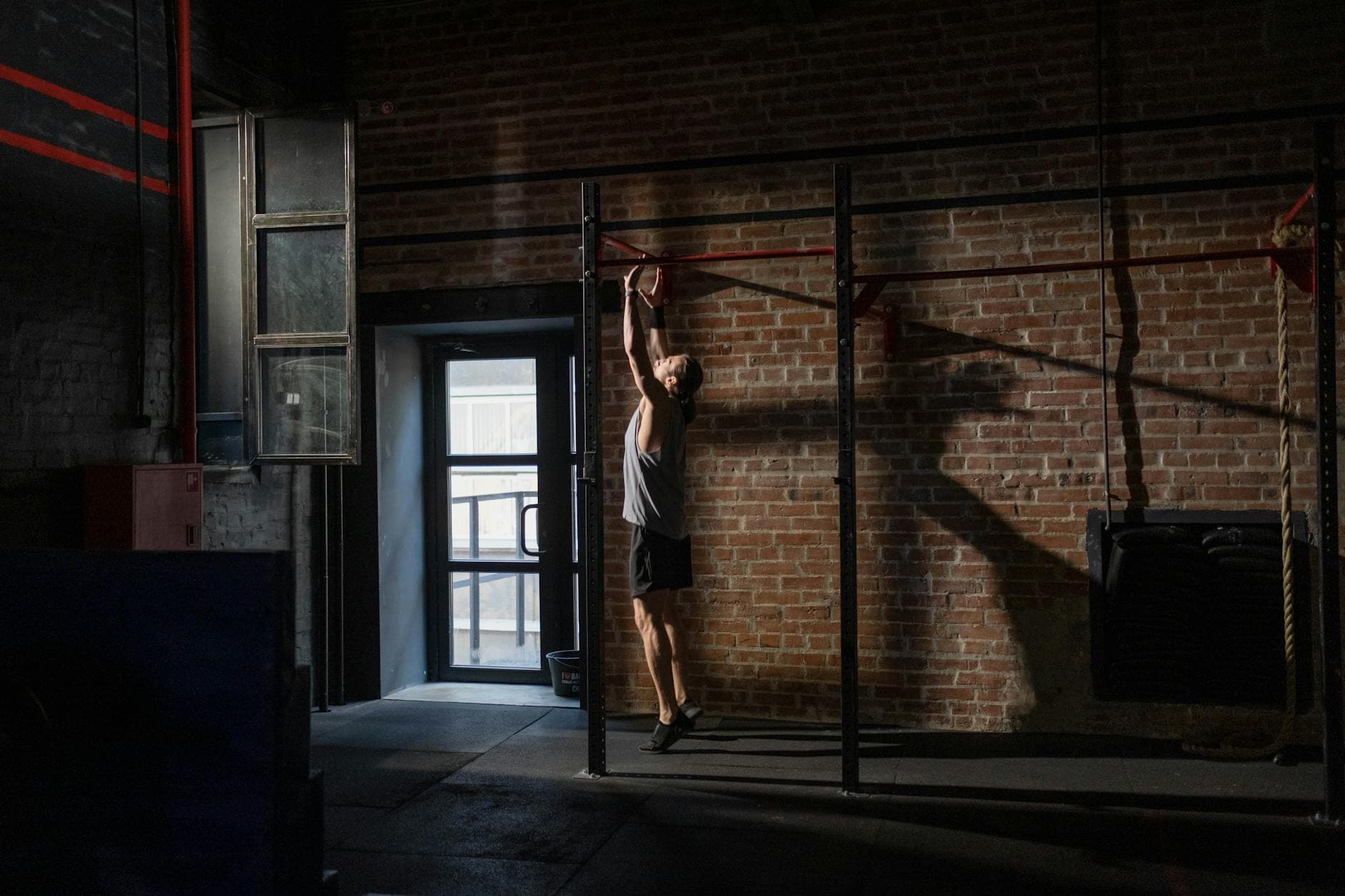
Did you know that most people think you need fancy gym equipment or hours of dedicated time to get a killer cardio workout? It’s a myth that’s kept countless people from starting their fitness journey. The truth is, you can achieve incredible cardiovascular results with nothing more than your own body. Yes, I'm talking about the power of **bodyweight cardio**. It's accessible, effective, and frankly, liberating. Forget the excuses; your living room is now your gym.
The Unseen Power of Bodyweight Cardio
I'll be real with you, when I first started looking into fitness, the idea of "cardio" conjured images of treadmills, ellipticals, and maybe a sweaty spin class. It felt intimidating, expensive, and frankly, a bit boring. But then I discovered how much you could achieve with just your bodyweight. It’s a game-changer for anyone looking to boost their heart health, burn calories, and build endurance without a single piece of equipment.
Why Bodyweight Cardio is Your New Best Friend
This isn't just about jumping jacks and high knees, although those are great! Bodyweight cardio utilizes a vast array of movements that elevate your heart rate and challenge your entire system. It taps into primal movement patterns, making it incredibly functional for everyday life. Think about it: running, jumping, climbing – these are all natural human movements that our bodies are designed for.
Debunking the "No Pain, No Gain" Myth
While it's true that pushing yourself is key, you don't need to endure excruciating pain to see results. Effective bodyweight cardio is about consistency and intelligent progression. It’s about finding that sweet spot where you’re challenged but not overwhelmed. The goal is sustainable fitness, not a short-lived, painful ordeal. This approach is supported by Harvard Health research on bodyweight cardio, which highlights its effectiveness for overall cardiovascular health.
Cardio Without Equipment: The Ultimate Freedom
The beauty of cardio without equipment is its sheer versatility. You can do it anywhere, anytime. Stuck in a hotel room? No problem. Limited on space at home? That’s fine too. This accessibility is a huge motivator. It removes so many common barriers that prevent people from getting their heart rate up regularly.
Building Your Foundation: Beginner Bodyweight Cardio
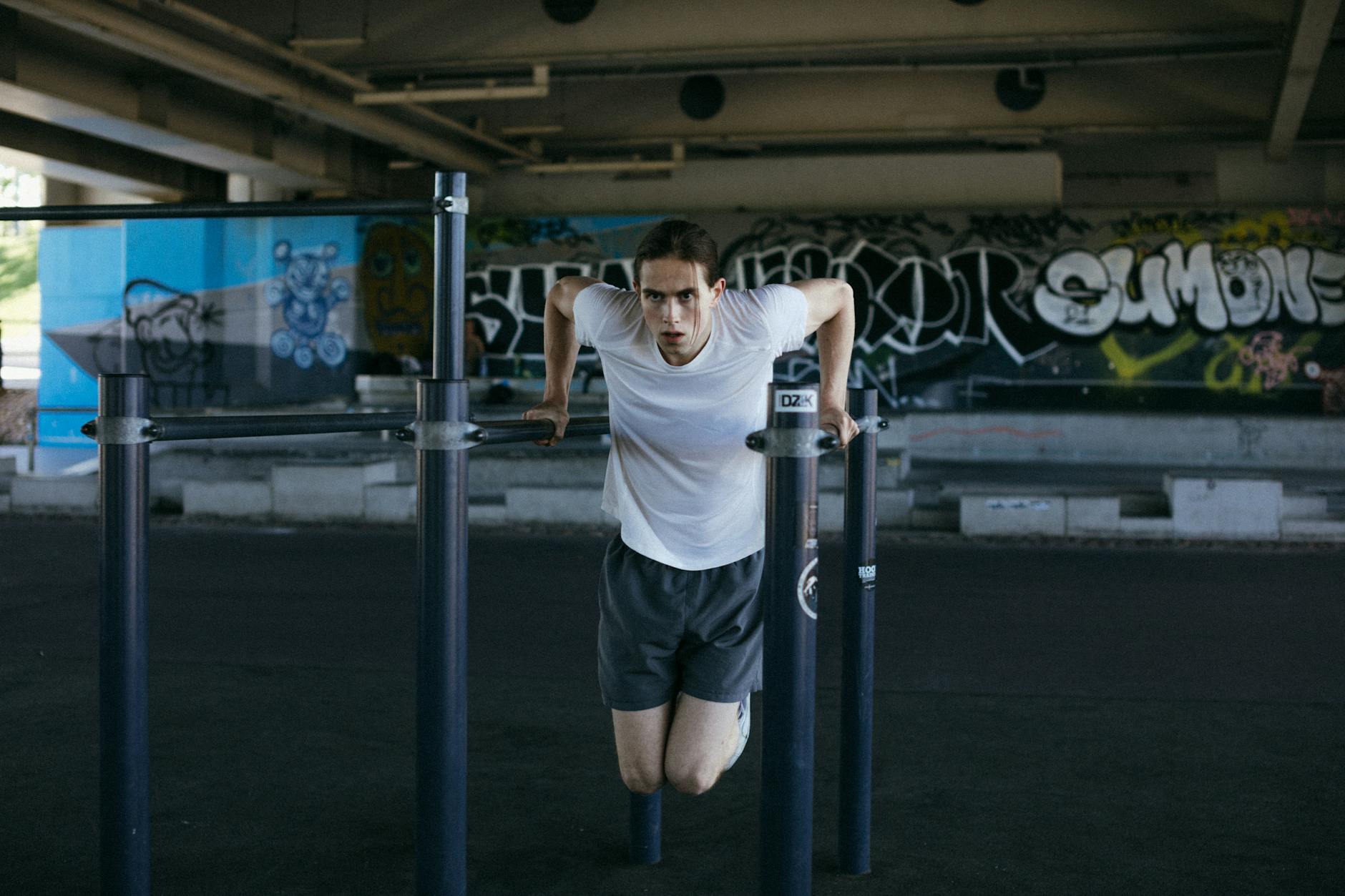
If you're just starting out, the thought of high-intensity bodyweight workouts might seem daunting. That’s perfectly normal. The key is to start with foundational movements and gradually increase intensity and duration. Think of it as learning to walk before you run. You’ve probably noticed that many beginner programs focus on simpler, lower-impact exercises, and that’s for good reason.
Getting Started: The Essential Movements
When I first began, I focused on mastering the basics. Here are a few that form the bedrock of any good beginner bodyweight cardio routine:
- Jumping Jacks: A classic for a reason. They get the blood flowing quickly and work multiple muscle groups simultaneously.
- High Knees: Focus on driving your knees up towards your chest while engaging your core.
- Butt Kicks: A great way to warm up your hamstrings and get your heart rate up.
- Mountain Climbers: These are fantastic for core strength and cardiovascular endurance.
Pacing Yourself for Progress
It’s crucial not to go all-out from day one. Start with shorter intervals. For example, try 30 seconds of an exercise followed by 30 seconds of rest. As you get fitter, you can gradually decrease the rest time or increase the work time. This gradual progression ensures you build endurance safely and effectively. This is a core principle of any good home workout plan.
The Importance of Form Over Speed
I used to think that doing an exercise faster meant I was getting a better workout. This one surprised me when I started to feel aches and pains that weren't part of the "good" kind of sore. Proper form is paramount, especially when you're new to bodyweight exercises for cardio. It prevents injuries and ensures you’re actually targeting the intended muscles. Focus on controlled movements, and the speed will come with time and practice.
Taking It Up a Notch: High Intensity Bodyweight
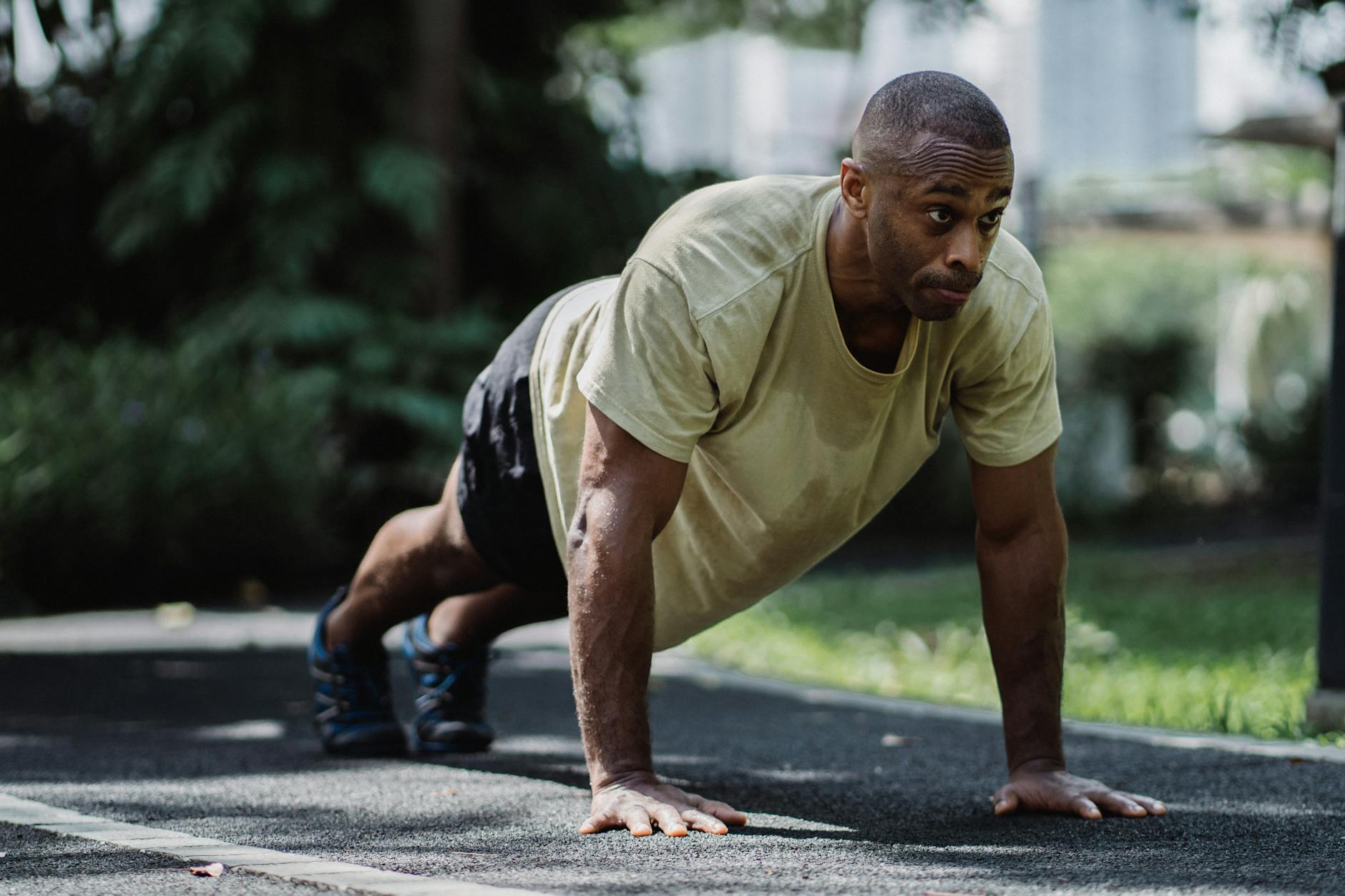
Once you've built a solid base, you'll likely crave a bit more challenge. This is where high intensity bodyweight training truly shines. It’s about maximizing your effort in short bursts, leading to significant calorie burn and a powerful metabolic boost. Think of the impact this can have on your overall fitness; it’s often cited in Centers for Disease Control and Prevention research on bodyweight cardio as a highly effective strategy.
Explosive Movements for Maximum Impact
High-intensity bodyweight cardio often involves plyometric exercises – those that use a rapid stretching and contracting of muscles to increase power. These are movements that require you to generate force quickly.
- Burpees: The king of full-body bodyweight exercises. They combine a squat, push-up, and jump into one dynamic movement.
- Jump Squats: Explode upwards from a squat position, landing softly.
- Sprints (in place or short distances): Give it everything you’ve got for 15-30 seconds.
- Skaters: A lateral jump that mimics speed skating, great for agility and cardio.
The Power of Interval Training
The most effective way to implement high-intensity bodyweight cardio is through interval training, often referred to as HIIT. This involves alternating between very intense bursts of exercise and short recovery periods. A common protocol is the Tabata method: 20 seconds of maximum effort, followed by 10 seconds of rest, repeated for 8 rounds (4 minutes) per exercise. It’s brutal, but incredibly effective.
Pushing Your Limits Safely
When you’re pushing yourself this hard, listening to your body is non-negotiable. If you feel sharp pain, stop immediately. It's better to dial back the intensity slightly and finish your workout than to push through an injury and be sidelined for weeks. This is why consulting with a fitness professional or a doctor, especially if you have pre-existing conditions, is always a wise step, as recommended by organizations like the National Institutes of Health research on bodyweight cardio.
Bodyweight Cardio for Weight Loss: The Calorie-Burning Machine
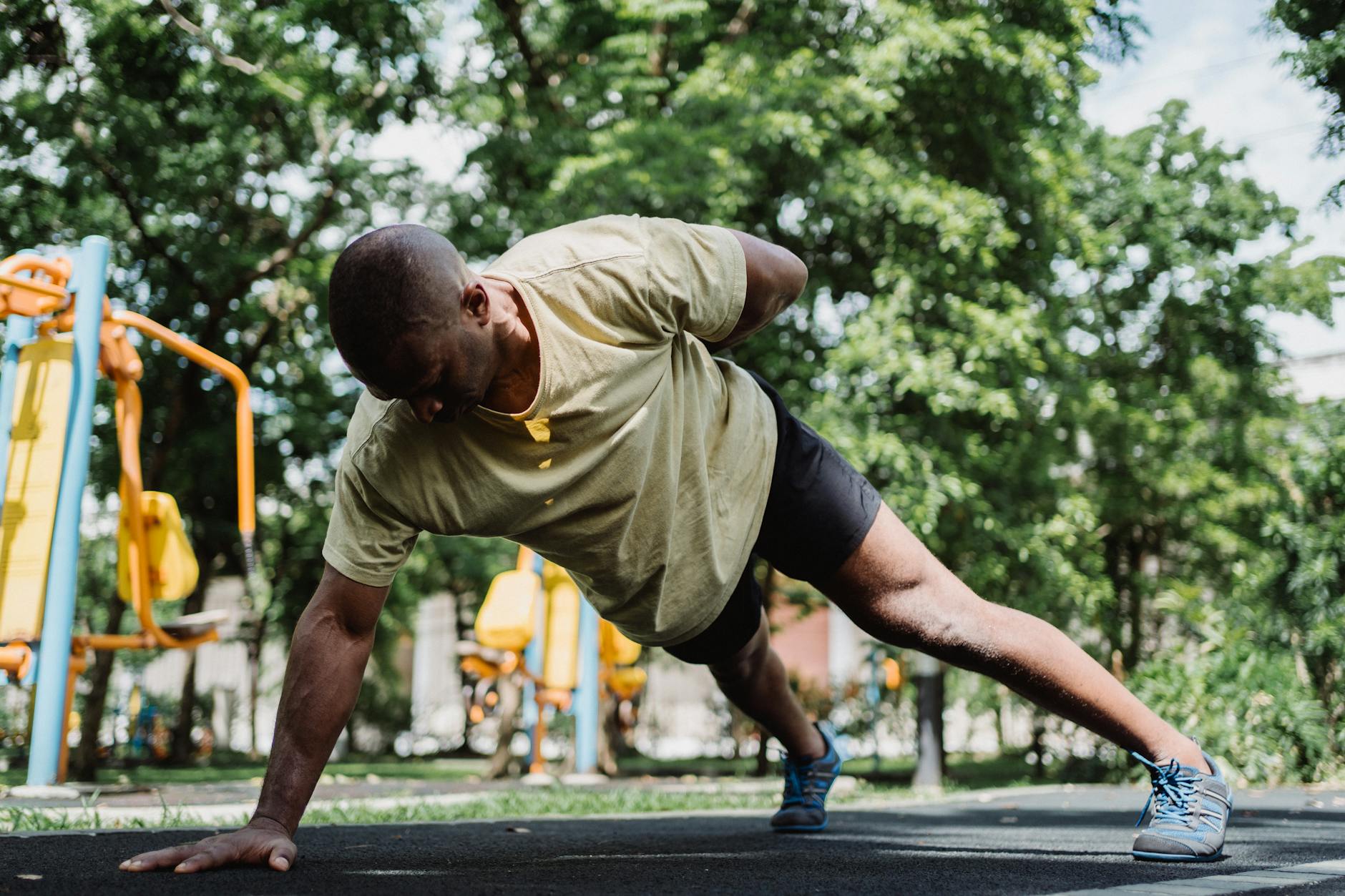
If shedding a few pounds is one of your primary goals, bodyweight cardio can be an absolute powerhouse. The reason is simple: it burns a significant amount of calories in a relatively short amount of time, and it continues to burn calories even after your workout is finished (the "afterburn effect"). This makes it a cornerstone for effective no equipment cardio workouts.
The Metabolic Advantage
High-intensity bodyweight training, in particular, significantly ramps up your metabolism. When you engage large muscle groups and perform compound movements, you’re asking your body to work harder, thus burning more fuel. This sustained elevated metabolic rate means you’re burning more calories throughout the day, not just during your sweat session.
Fueling Your Body Right
While bodyweight cardio is fantastic for calorie expenditure, remember that nutrition plays an equally vital role in weight loss. You can’t out-exercise a bad diet. Focus on whole, unprocessed foods, lean proteins, healthy fats, and plenty of fruits and vegetables. Think of your workouts as the accelerator and your diet as the fuel; you need both to reach your destination efficiently.
Consistency is Your Best Ally
The most effective cardio for weight loss is the kind you’ll actually stick with. If you dread your workouts, you won’t do them. Find a bodyweight cardio routine that you enjoy – whether it’s dancing, martial arts-inspired moves, or structured HIIT sessions. Aim for at least 150 minutes of moderate-intensity or 75 minutes of vigorous-intensity aerobic activity per week, as recommended by public health guidelines. Even 20-30 minutes of focused bodyweight cardio a few times a week can make a significant difference.
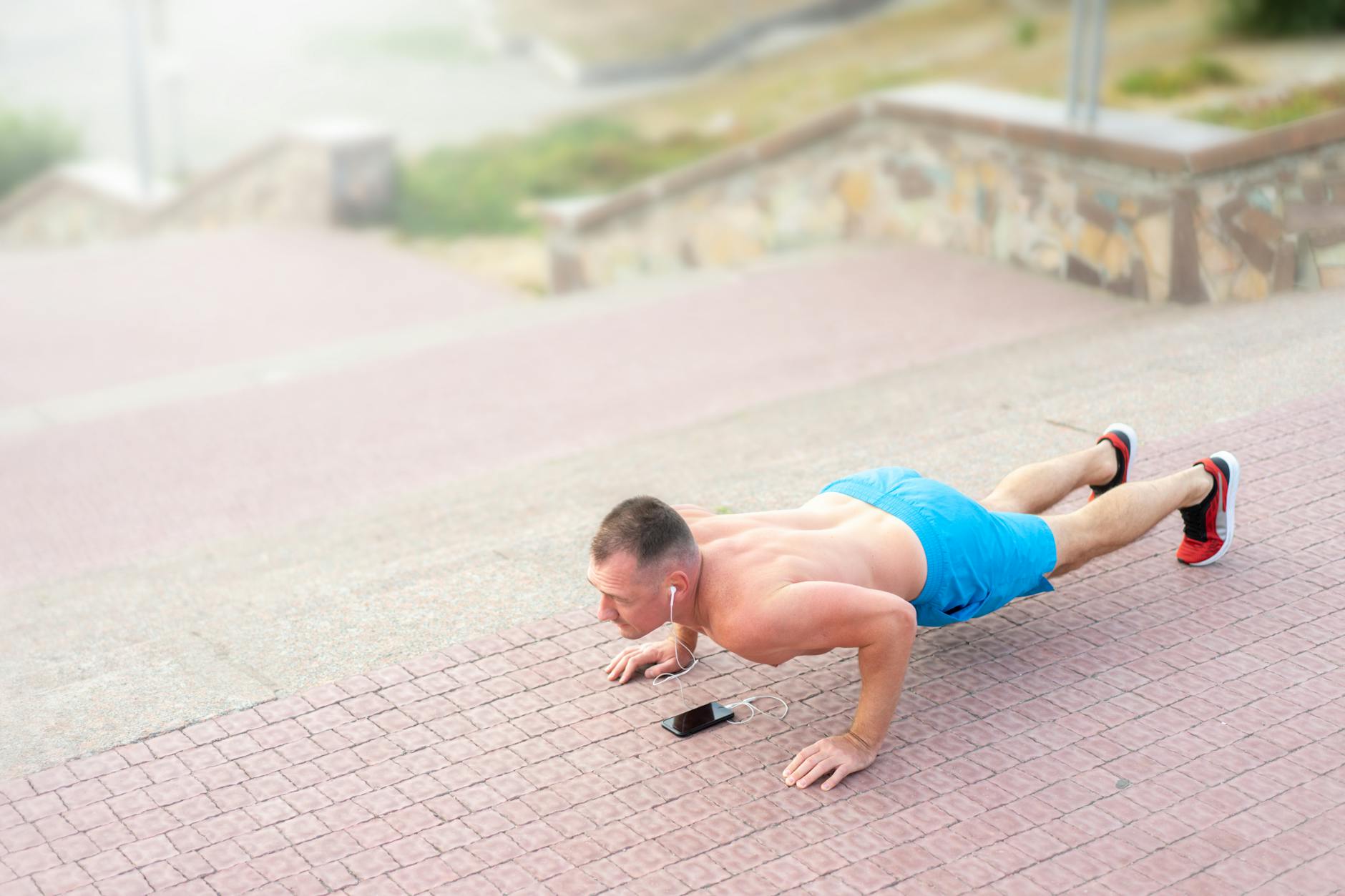
Full Body Bodyweight Workout: Efficiency at Its Finest
One of the most compelling aspects of bodyweight cardio is its ability to deliver a comprehensive, full body bodyweight workout. Unlike isolated exercises that target just one or two muscle groups, many bodyweight movements engage your entire kinetic chain. This means you’re getting a more efficient workout, hitting multiple areas simultaneously.
Compound Movements for Maximum Engagement
Think about a burpee again. It works your legs, glutes, chest, shoulders, triceps, and core. That’s an incredible return on investment for a single exercise! Other examples include:
- Squat Thrusts: Similar to mountain climbers, these work your legs, glutes, and core.
- Plank Jacks: A variation of jumping jacks performed in a plank position, excellent for core and shoulder stability while elevating heart rate.
- Inchworms: A fantastic movement that stretches your hamstrings, strengthens your shoulders and core, and gets your heart pumping.
The Synergy of Strength and Cardio
Bodyweight cardio isn't just about getting your heart rate up; it's also about building functional strength. As you get stronger, you can perform movements with greater power and endurance, which in turn elevates your cardiovascular capacity even further. It's a beautiful, self-reinforcing cycle. This integrated approach is what makes bodyweight training so powerful.
Structuring Your Full Body Session
You can create an effective full-body bodyweight cardio workout by selecting 5-7 exercises that target different areas and performing them in a circuit. Aim for 3-4 rounds, with minimal rest between exercises and 60-90 seconds of rest between rounds. For example:
- Jumping Jacks (1 minute)
- Squat Thrusts (1 minute)
- Push-ups (as many as possible with good form)
- High Knees (1 minute)
- Plank (hold for 30-60 seconds)
- Jump Squats (1 minute)
This structure provides a balanced challenge, ensuring you work your entire body while keeping your heart rate elevated. It’s a fantastic way to get a complete workout without leaving your home, a perfect example of a comprehensive home cardio workout.
Quick Bodyweight Cardio: Fitness on Your Schedule
Life is busy. I get it. Sometimes the idea of a 60-minute gym session feels impossible. But here’s the thing: even a 10-minute burst of intense bodyweight cardio can make a significant difference. These quick workouts are perfect for those days when time is exceptionally tight.
The 10-Minute Power Blast
You don't need much time to get a solid cardio session in. Try this quick routine:
- Minute 1: Jumping Jacks
- Minute 2: High Knees
- Minute 3: Burpees (modify as needed)
- Minute 4: Mountain Climbers
- Minute 5: Jump Squats
- Minute 6: Butt Kicks
- Minute 7: Skaters
- Minute 8: Plank Jacks
- Minute 9: Sprint in Place
- Minute 10: Rest or light stretching
This is a fantastic way to boost your energy levels and get your metabolism firing, even if you only have a short window. It’s proof that you can achieve effective bodyweight training without dedicating hours.
Fitting Fitness Into Your Day
Think about small pockets of time you might have. Can you do 5 minutes before breakfast? Another 5 minutes during your lunch break? Or perhaps a quick 10-minute session before dinner? These short bursts add up. It’s about making fitness a consistent habit, not a rare event.
The Mental Boost
Beyond the physical benefits, a quick burst of bodyweight cardio can be incredibly beneficial for your mental well-being. It’s a fantastic stress reliever and can significantly improve your mood and focus. This one surprised me when I first started; I always thought cardio was just about the physical, but the mental clarity it brought was a revelation.
Making Bodyweight Cardio Work For You
The most effective fitness plan is the one you can sustain. Bodyweight cardio offers unparalleled flexibility, allowing you to tailor your workouts to your lifestyle, fitness level, and goals. Whether you're aiming for weight loss, improved endurance, or simply better overall health, your own body is the most powerful tool you have.
Listen to Your Body, Progress Smartly
Remember, consistency beats intensity every time. Start where you are, celebrate small victories, and don't be afraid to modify exercises. The goal is to build a healthier, stronger you, and bodyweight cardio is an incredibly accessible and effective path to get there. It’s about creating sustainable habits, not chasing fleeting trends.
Embrace the Simplicity
Don't underestimate the power of simplicity. You don't need a gym membership or expensive gear to achieve remarkable results. Embrace the freedom and effectiveness of bodyweight cardio. Your body is a marvel of engineering, capable of incredible things when you give it the right stimulus. Go forth and move!