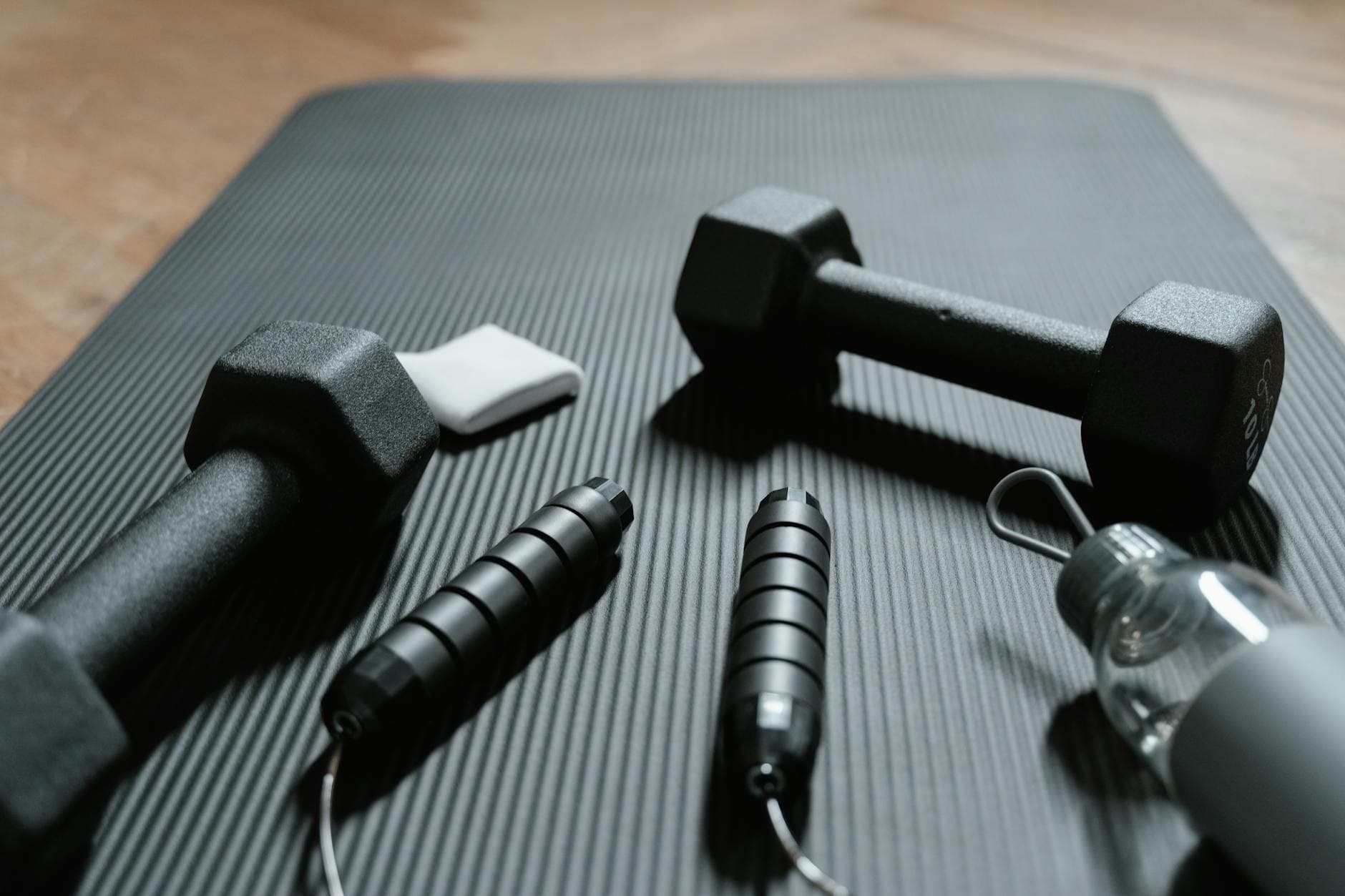
How many times have you promised yourself you’d get fit, only to have a busy schedule, bad weather, or the sheer dread of the gym derail your best intentions? For years, I watched clients struggle with this exact cycle, feeling like they needed a fancy gym membership or expensive equipment to truly achieve their fitness goals. But here's the honest truth: you don't. A truly effective home cardio workout is within everyone's reach, and it might just be the most powerful tool in your fitness arsenal.
I’ve helped hundreds of people transform their bodies and minds, and what consistently surprises them is how much can be accomplished without ever stepping foot outside their front door. Forget the notion that you need machines to get your heart rate up; your own body and a little space are all you truly require. This isn't just about convenience; it's about empowerment, consistency, and discovering the strength you already possess.
Why Your Living Room is the Best Gym You're Not Using
Think about the last time you felt guilty for skipping a workout. Was it because you didn't have time to travel to the gym, or perhaps you just couldn't face the crowds? Your home eliminates these barriers instantly. It offers a private, always-open space where you control the environment, the music, and even the attire – pajamas, anyone?
Dispelling the "Need for Equipment" Myth
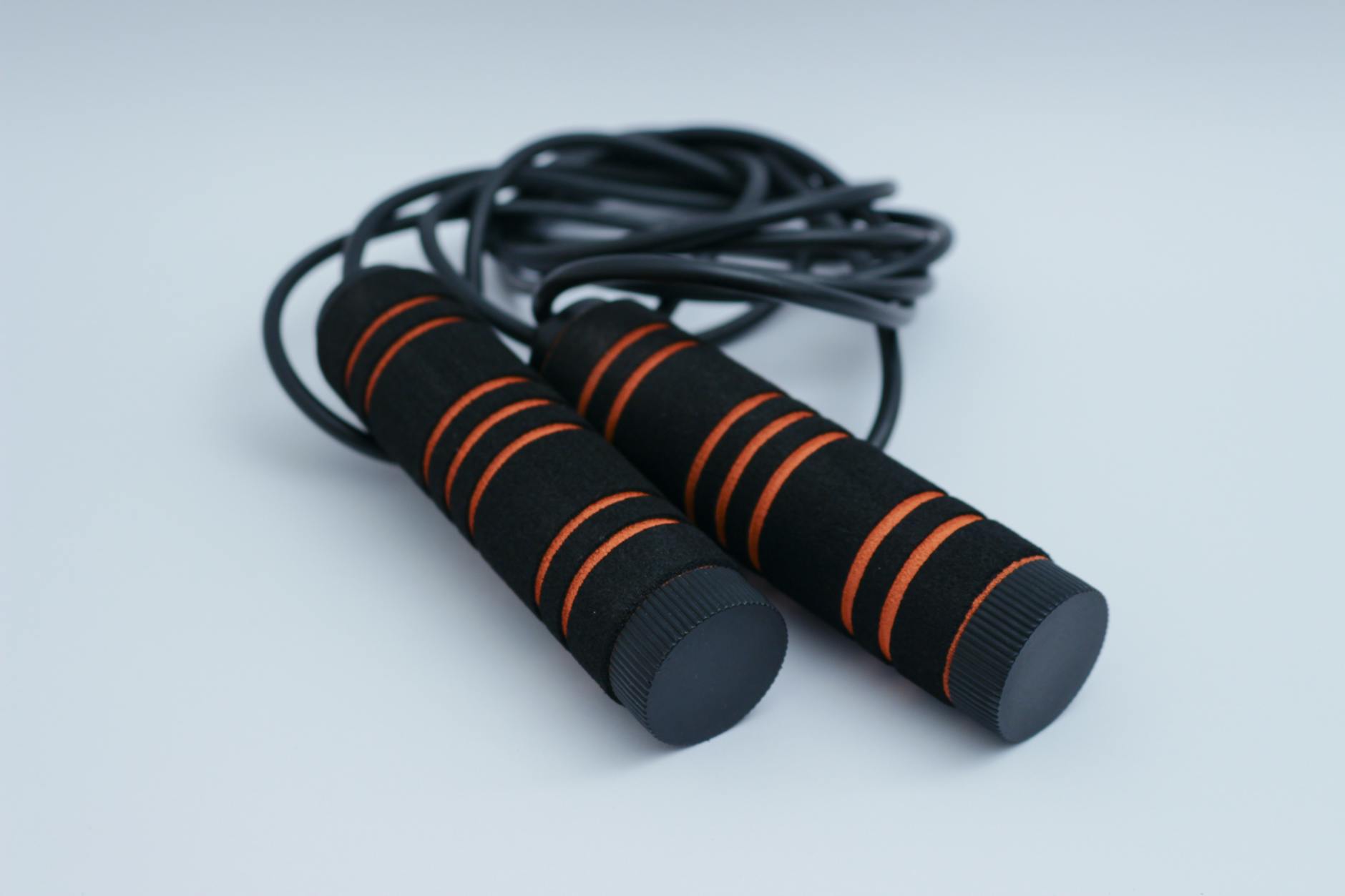
Many people assume that serious cardio requires a treadmill, an elliptical, or at least a jump rope. I used to think the same thing when I first started out, believing that bigger equipment meant better results. This simply isn't true. Your bodyweight is the most versatile piece of equipment you own. It provides all the resistance and movement patterns you need to get an incredible Bodyweight Workout Routine: Master Your Home Fitness Journey, elevate your heart rate, and build endurance.
We’re talking about exercises that have been around forever because they work: jumping jacks, high knees, burpees, mountain climbers. These aren't just warm-up exercises; they are potent tools for a full-body cardio at home experience. The World Health Organization research on home cardio workout consistently highlights the benefits of physical activity, regardless of location or equipment.
The Unbeatable Convenience Factor
Let's be real: life gets busy. Between work, family, and everything else, finding a dedicated hour to commute, workout, and commute back can feel impossible. That 20-minute gap between meetings, or the half-hour before dinner, suddenly becomes prime time for an indoor cardio workout when you don't have to leave the house.
This convenience isn't just about saving time; it's about removing excuses. When your gym is literally steps away, it's much harder to justify skipping a session. You can fit in a quick cardio workout whenever it suits you, making consistency a far more achievable goal.
More Than Just Sweat: Mental Benefits
Beyond the physical benefits of a strong heart and improved stamina, home cardio offers significant mental advantages. Working out in your own space can reduce anxiety related to public gyms, allowing you to truly focus on your body and breath. It becomes a sanctuary, a place to de-stress and reconnect with yourself.
I've seen clients who struggled with body image issues in traditional gyms thrive when they transition to Cardio Workouts for Men: Boost Your Fitness Today! at home. This private environment fosters a sense of self-acceptance and empowers you to push your limits without feeling judged. It's a powerful shift in perspective that genuinely impacts adherence.
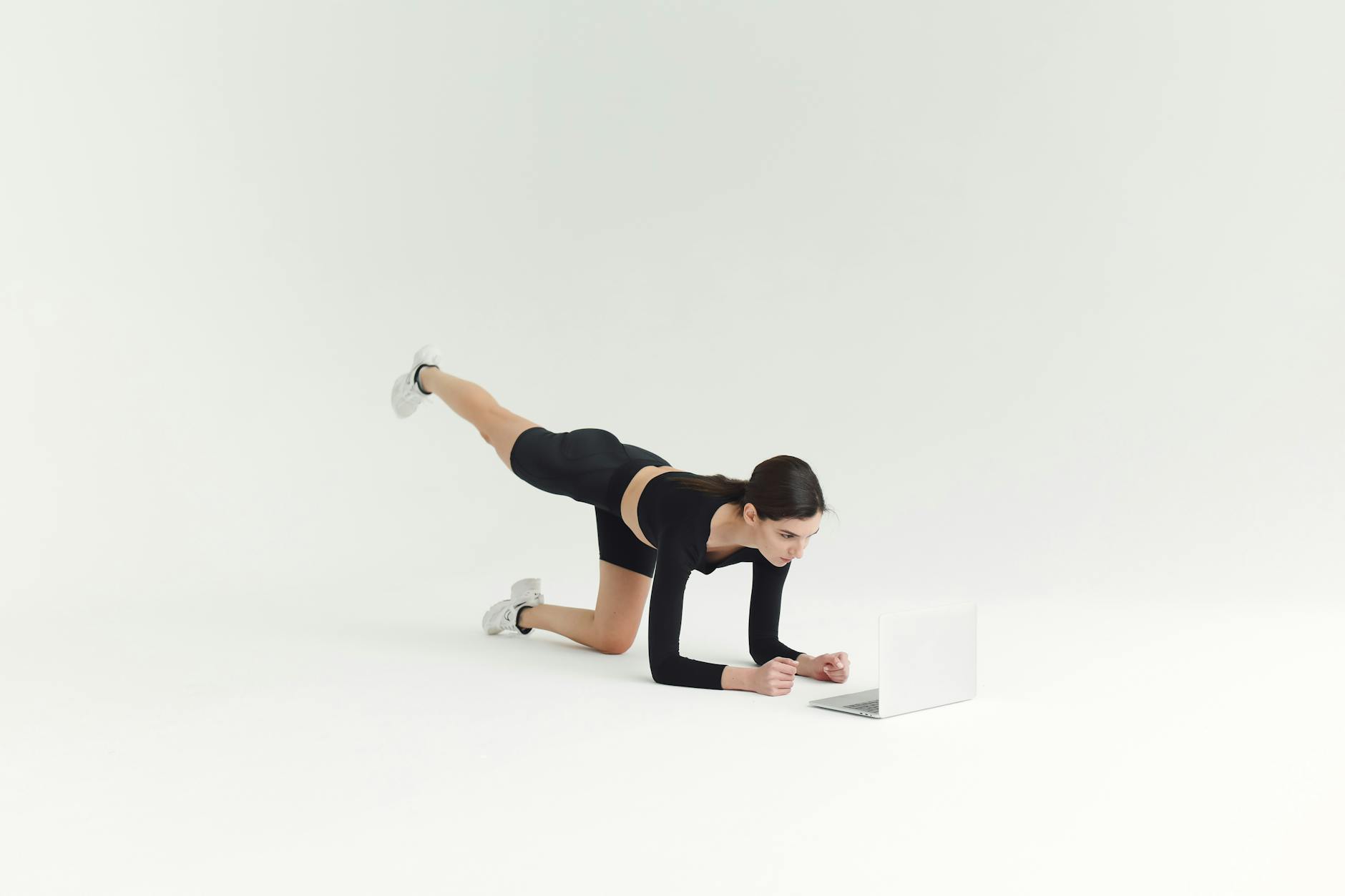
Crafting Your Ultimate Home Cardio Workout Plan
Just because you're at home doesn't mean you should just flail around. A structured approach is key to maximizing your results and preventing injury. You need a plan, a purpose, and a clear understanding of what your body is capable of.
Understanding Different Cardio Styles
Cardio isn't a one-size-fits-all concept. You have options, and varying them keeps things interesting and targets different energy systems. There's High-Intensity Interval Training (HIIT), which involves short bursts of intense effort followed by brief recovery periods. This is fantastic for boosting metabolism and improving cardiovascular fitness efficiently, making it a stellar option for hiit at home routines.
Then there's steady-state cardio, like jogging in place or continuous jumping jacks, which maintains a moderate intensity for a longer duration. For those needing a gentler approach, low impact cardio at home options like marching, step-ups, or even dynamic stretching can be incredibly effective. The best plan often incorporates a mix of these.
Building a Balanced Routine
A great home cardio workout incorporates exercises that hit different muscle groups and movement patterns. You want to engage your entire body for a truly effective session. Think about movements that get your arms pumping, your legs driving, and your core engaged. This isn't just about burning calories; it's about building functional fitness.
When you focus on full body cardio at home, you're not only improving your heart health but also building muscle endurance and coordination. Don't forget to integrate some Core Strength Workouts: Unlock Your Power & Stability! into your routine, as a strong core supports all your movements and prevents injury.
Progressing Without the Gym
Here's the truth: you don't need heavier weights to progress. You can increase intensity at home by doing more repetitions, performing exercises for longer durations, shortening your rest periods, or making movements more complex. For example, a basic squat can become a squat jump, or a plank can evolve into a plank jack.
This one surprised me when I first started exploring no equipment cardio. I used to think progression was solely about external resistance. But simply increasing the speed, range of motion, or duration of your at home cardio exercises can provide incredible challenges and lead to significant improvements in strength and stamina. The Mayo Clinic research on home cardio workout emphasizes the importance of progressive overload, which can absolutely be achieved with bodyweight alone.
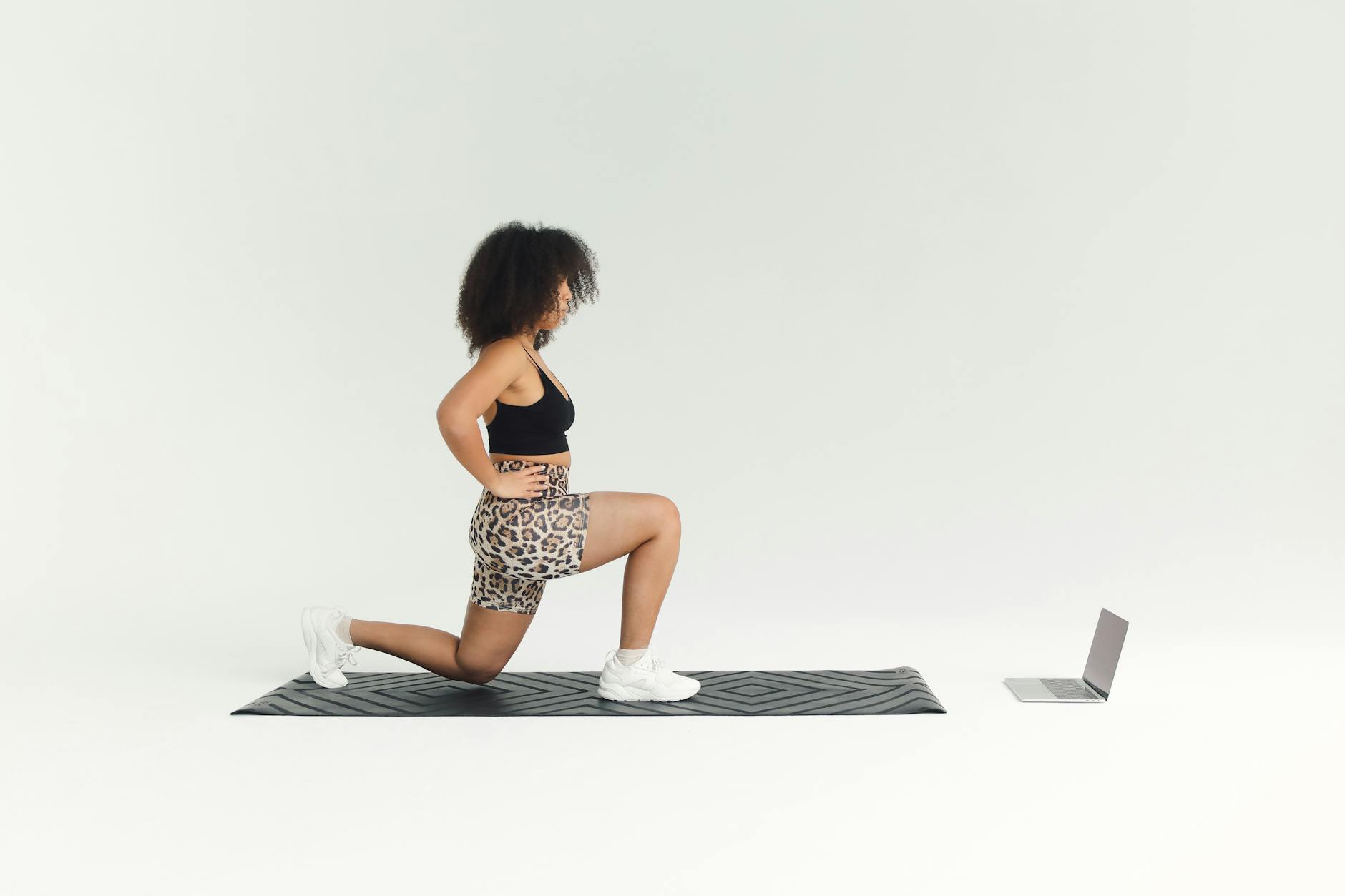
My Go-To At Home Cardio Exercises (No Equipment Needed)
I'm going to share some of my favorite moves that I've used with countless clients. These are simple, effective, and require zero special gear. Remember, proper form is always paramount to prevent injury and get the most out of each repetition.
High-Intensity, High-Reward Options
For those looking to really push their limits, these are fantastic. They get your heart rate soaring and challenge your entire body.
- Burpees: The king of full-body cardio. Start standing, drop into a plank, do a push-up (optional), jump feet to hands, then explode up into a jump. This is a true test of endurance.
- Mountain Climbers: From a plank position, rapidly drive your knees towards your chest, alternating legs. Keep your core tight and hips stable. This is a brilliant way to engage your core while getting your heart pumping.
- High Knees: Run in place, bringing your knees up towards your chest as high and as fast as you can. Pump your arms vigorously.
- Jumping Jacks: A classic for a reason. Great for a warm-up or as part of a circuit.
Low-Impact, Joint-Friendly Choices
If you're recovering from an injury, just starting out, or simply prefer less pounding on your joints, these options are incredibly effective for a low impact cardio at home session.
- Marching in Place (High Knees, modified): Simply march with purpose, lifting your knees high and swinging your arms. You can vary the speed.
- Step-Ups (onto a sturdy chair or stair): Use a low, stable surface. Step up with one foot, bring the other up, then step back down. Alternate leading legs.
- Shadow Boxing: Punching and ducking in the air is a fantastic way to engage your upper body and core, raise your heart rate, and improve coordination without impact.
- Butt Kicks: Run in place, trying to kick your glutes with your heels. This is easier on the knees than high knees but still elevates your heart rate.
Warming Up and Cooling Down Right
No matter what at home cardio exercises you choose, never skip your warm-up and cool-down. A proper warm-up, even just 5 minutes of light movement like arm circles, leg swings, and marching, prepares your muscles and cardiovascular system for the work ahead, reducing injury risk. Seriously, don't skimp on this.
Equally important is a cool-down, where you gradually bring your heart rate down and perform some static stretches. Hold each stretch for 20-30 seconds. This aids in flexibility and helps prevent post-workout soreness. Think about stretching your hamstrings, quads, chest, and shoulders.
Fueling Your Progress and Avoiding Pitfalls
A great workout plan is only one piece of the puzzle. What you do outside your workout window is just as crucial for sustained success with your home cardio workout routine.
The Truth About Consistency
I'll be real with you: consistency beats intensity every single time. It's not about doing one epic, two-hour session a week. It's about showing up, even for 15-20 minutes, most days. That consistent effort builds momentum, creates habits, and leads to lasting results. A quick cardio workout done daily is far more effective than an intense one done sporadically.
When you make exercise a non-negotiable part of your daily rhythm, like brushing your teeth, that's when the magic happens. Even on days when you don't feel like it, just showing up and doing a few minutes can make all the difference. This is what separates those who succeed from those who constantly start over.
Listening to Your Body
You might be wondering how to push yourself without overdoing it. The key is developing a strong connection with your body. Some days you'll feel like a powerhouse; other days, you'll need to dial it back. That's perfectly normal.
Pay attention to signs of fatigue, pain, or discomfort. Pushing through pain is never the answer. Rest when you need to, modify exercises as required, and understand that recovery is just as vital as the workout itself. The National Institutes of Health research on home cardio workout consistently advises listening to your body to prevent injury and promote long-term health.
Nutrition: The Unsung Hero
You can't out-train a bad diet. Period. If your goal is cardio for weight loss at home, your nutrition plays a massive role. Focus on whole, unprocessed foods: lean proteins, plenty of vegetables and fruits, and healthy fats. Hydration is also critical; drink water throughout the day, especially before, during, and after your workouts.
Think of food as fuel. The better the fuel, the better your performance and recovery. I've had clients meticulously follow their workout plans but neglect their diet, only to wonder why they weren't seeing results. It's an integrated system, and every component matters.
Making Your Home Cardio Workout Stick
Motivation ebbs and flows, but discipline lasts. How do you cultivate that discipline and ensure your home cardio workout routine becomes a permanent fixture in your life?
Setting Realistic Goals
Don't aim for perfection; aim for progress. Instead of declaring you'll work out for an hour every day, start with three 20-minute sessions a week. Once you consistently hit that, then you can gradually increase. Small, achievable wins build confidence and make the journey feel less overwhelming.
My client, Mark, used to set ambitious goals he'd never meet, leading to frustration. We started with just three 15-minute indoor cardio workouts per week. Within a month, he was consistently hitting those, and the feeling of accomplishment motivated him to add a fourth session. He lost 10 pounds in three months, not from grueling workouts, but from consistent, realistic effort.
Finding Your Motivation Sweet Spot
What truly drives you? Is it better sleep, more energy, fitting into old clothes, or simply feeling stronger? Connect your workouts to these deeper desires. Remind yourself of your "why" before each session. Sometimes, it’s as simple as putting on your favorite music or finding an engaging online class to follow. Explore what makes you excited to move.
Tracking Your Wins
You might not see drastic changes in the mirror every day, but tracking your progress keeps you motivated. Use a journal, a simple app, or even a calendar to mark down each workout. Note how long you exercised, what exercises you did, and how you felt. Seeing those consistent checkmarks builds a powerful sense of accomplishment.
Even better, track non-scale victories: "I could do 5 more burpees today," or "I felt less winded during my jumping jacks." These small wins are proof that your hard work is paying off, even if the numbers on the scale aren't moving as fast as you'd like. Remember, a strong Best Core Exercises: Strengthen Your Abs & Back Today and a healthy heart are wins in themselves.
Your fitness journey doesn't need to be complicated or expensive. It begins right where you are, with the commitment to move your body and honor your health. Embrace the simplicity and power of a home cardio workout, and watch how it transforms not just your physique, but your entire outlook on life. It's time to stop waiting for the perfect conditions and start creating them, right in your own home.