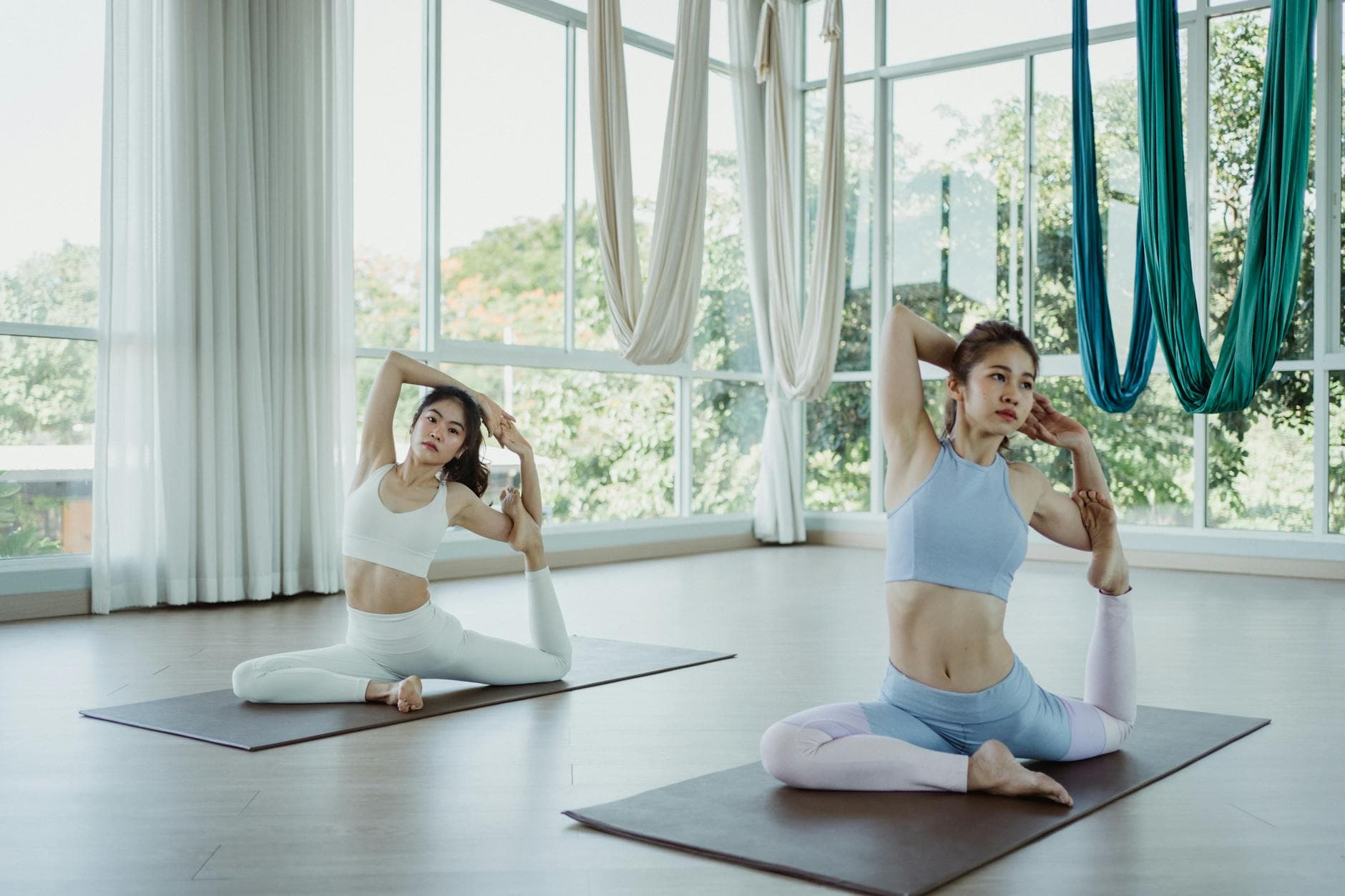
Have you ever felt that subtle shift in your body as winter's grip loosens, a sense of yearning for more space, more movement? That’s the essence of embracing spring yoga flexibility. It's not just about touching your toes; it's about reconnecting with your body's natural rhythm, shedding the stiffness of colder months, and welcoming the season of renewal with open limbs and a lighter spirit.
Awakening Your Body: The Spring Yoga Advantage
Spring arrives like a gentle whisper, coaxing life back into the world after winter's slumber. Our bodies often mirror this, feeling a bit dormant, perhaps a little tight. This is precisely why focusing on spring yoga flexibility now is so powerful. It's a chance to shake off that sluggishness and invite a vibrant, expansive energy into your practice and your life.
The Seasonal Shift and Your Body
Think about the last time you felt truly stiff after a long winter. You might have noticed your shoulders hunched forward, your hips feeling a bit locked, or a general resistance to deep bending. This isn't just in your head; the change in light, temperature, and even our internal clock can influence our physical state. Spring is the perfect antidote, offering longer days and a natural inclination towards outdoor activity and movement.
Beyond the Mat: How Flexibility Impacts Daily Life
Improving your range of motion isn't solely about looking good in a yoga pose. It translates directly into everyday actions. Imagine reaching for something on a high shelf with ease, bending down to tie your shoes without a twinge, or simply sitting more comfortably for extended periods. These small victories, fueled by increased flexibility, contribute significantly to your overall well-being and prevent those nagging aches and pains.
What Nobody Tells You About Spring Yoga Flexibility
Here’s the truth: while everyone talks about "spring cleaning" for their homes, we often neglect spring cleaning for our bodies. We think flexibility is something you either have or you don't, or that it requires hours of dedicated practice. But honestly, it’s more about consistency and intelligent movement. You don't need to be an advanced yogi to see significant gains. It’s about showing up for yourself, even if it's just for 15 minutes, and encouraging your muscles to lengthen and release. This is where a dedicated spring flexibility routine can truly shine.
Building a Foundation: Essential Spring Yoga Poses
When we talk about spring yoga flexibility, it's about creating a balanced approach. We want poses that open up the areas that tend to tighten during winter, like the hips and chest, while also building strength to support that newfound mobility. It’s not about forcing yourself into anything; it’s about inviting space and breath.
Opening the Hips: Releasing Winter's Hold
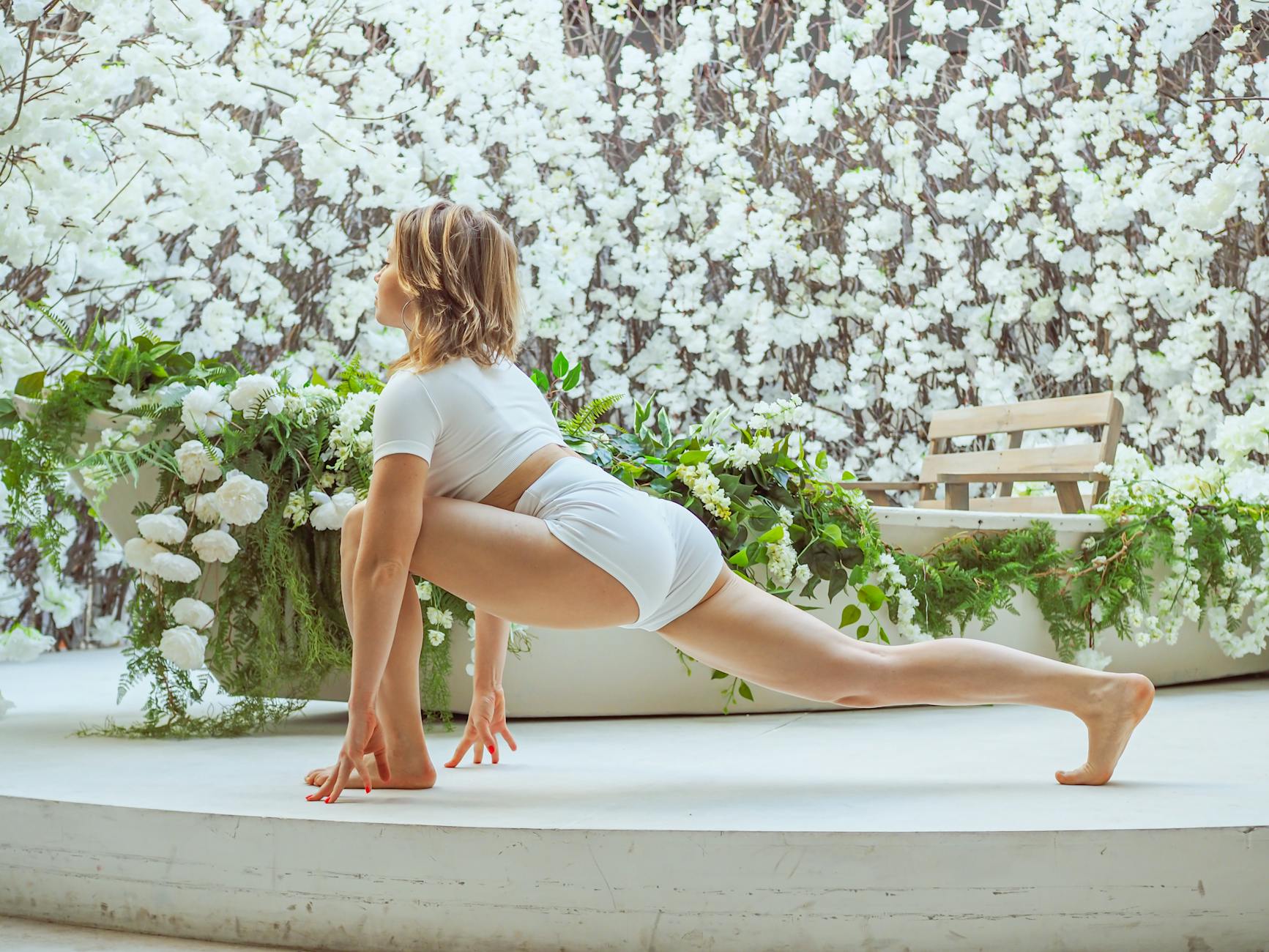
The hips are often where we store a lot of tension, especially after months of sitting more and moving less. Poses that gently encourage hip opening can feel incredibly liberating. Think about Pigeon Pose (Eka Pada Rajakapotasana) or Lizard Pose (Utthan Pristhasana). Even simple poses like Bound Angle Pose (Baddha Konasana) can work wonders when held with mindful breathing.
A Gentle Approach to Hip Openers
Start by not pushing too hard. If Pigeon Pose feels too intense, modify it. You can place a block under your hip for support or even practice it lying on your back with one ankle crossed over the opposite knee (Figure Four stretch). The goal is a sensation of release, not pain. Listen to your body; it will tell you when it's ready for more.
Chest and Shoulder Openers: Breathing Freely
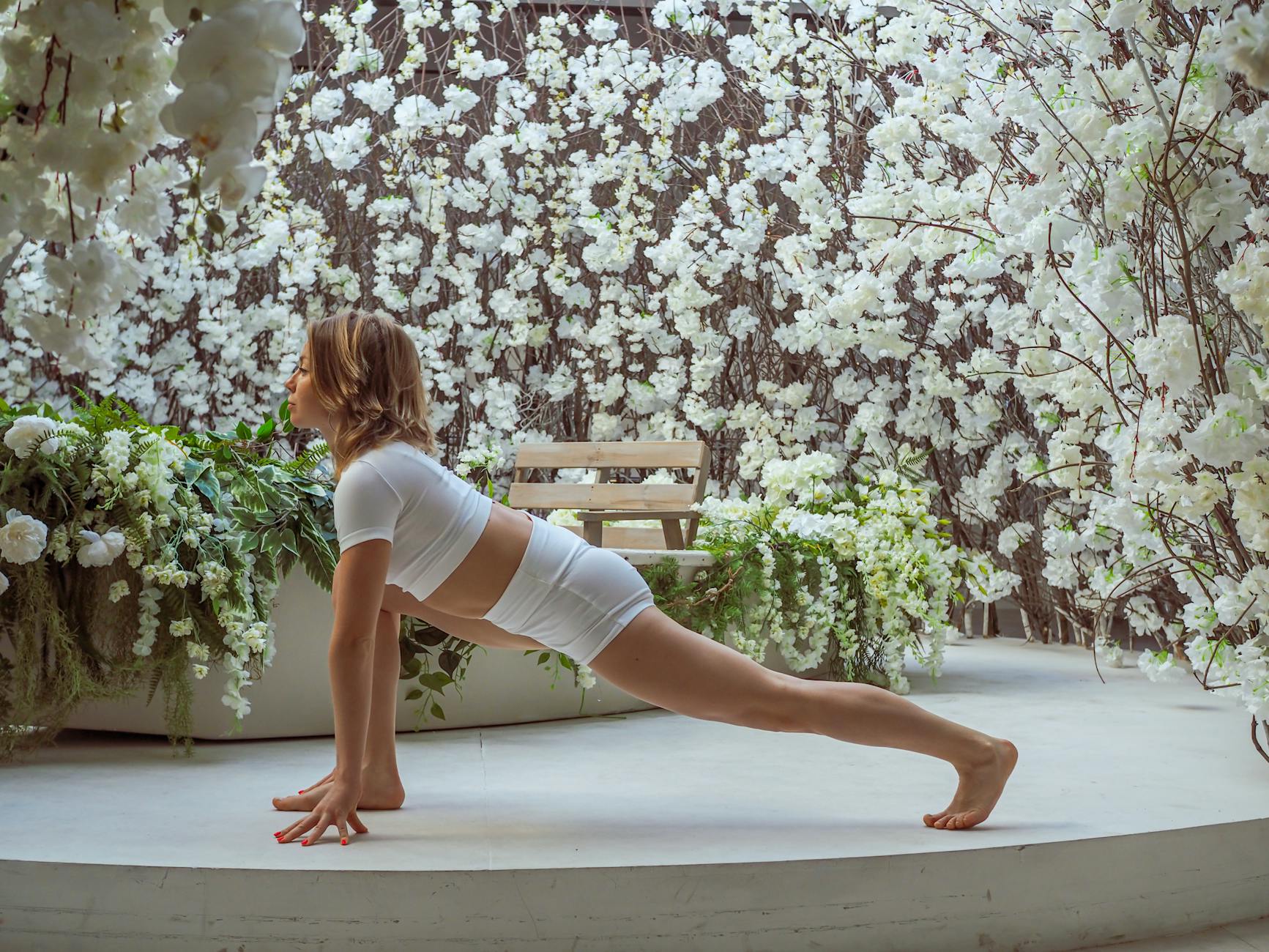
Winter can often lead to a rounded posture, with shoulders slumping forward. Releasing this tension is crucial for better posture and deeper breaths. Cobra Pose (Bhujangasana) and Upward-Facing Dog (Urdhva Mukha Svanasana) are fantastic for opening the chest. Even simpler, lying over a rolled-up blanket or yoga bolster can create a beautiful chest opening.
The Power of Counter-Poses
After opening the front of your body, it's important to balance it out. Downward-Facing Dog (Adho Mukha Svanasana) is a wonderful full-body pose that also helps to lengthen the spine and shoulders. It’s a cornerstone pose for a reason.
Forward Folds: Embracing Surrender
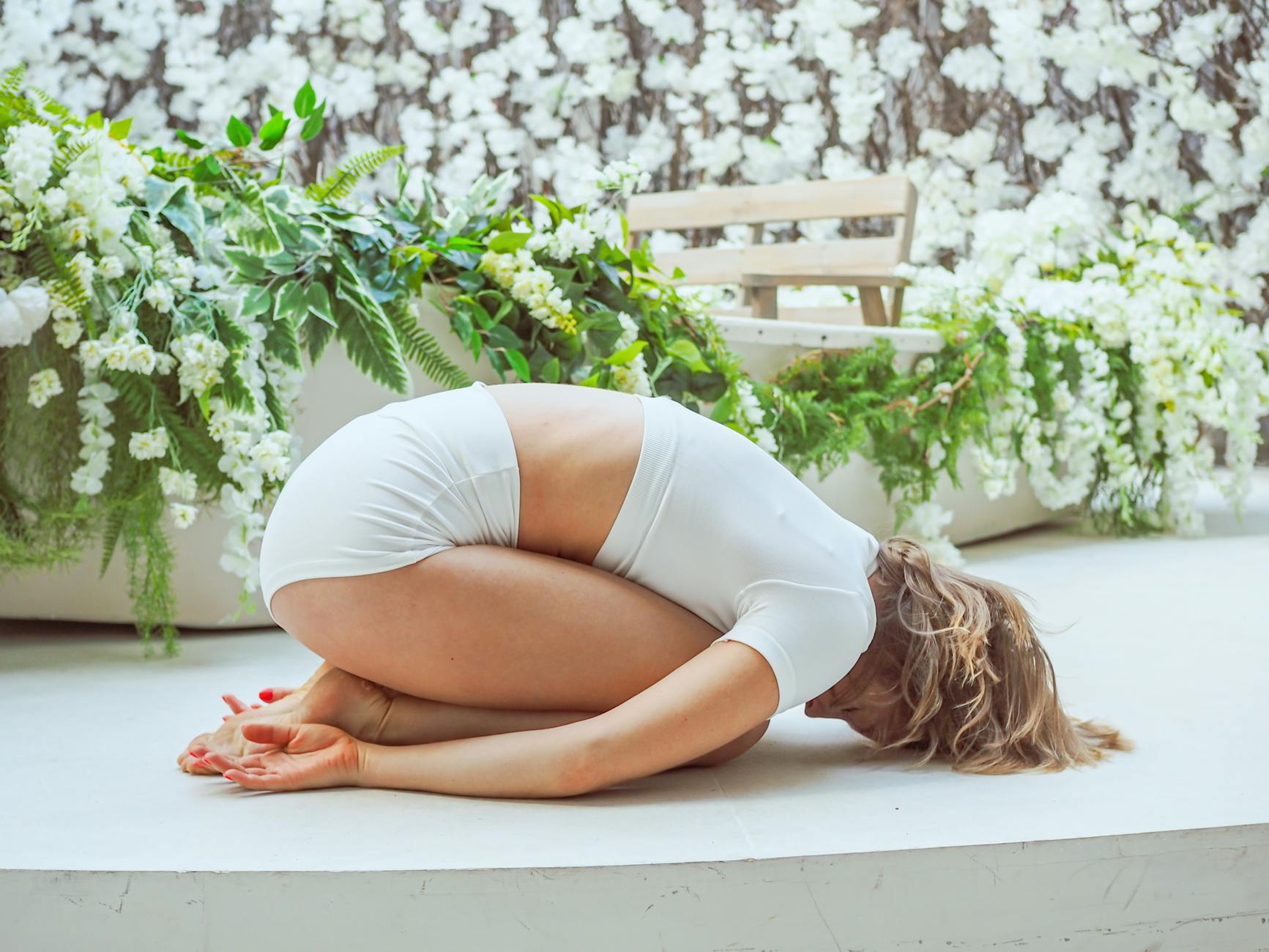
Forward folds, like Standing Forward Bend (Uttanasana) or Seated Forward Bend (Paschimottanasana), might seem counterintuitive when you're trying to gain flexibility, but they are essential. They allow the muscles along the back of your body – your hamstrings and spine – to lengthen. For those with tight hamstrings, bending the knees is not a sign of weakness, but a smart modification to protect your lower back.
Beyond Static Stretches: Dynamic Movement for Spring Flexibility
While holding poses (static stretching) is important, especially for deep stretching yoga, spring is also a perfect time to incorporate more dynamic movement. This means moving through a range of motion with control, preparing your muscles for deeper stretches and improving your overall mobility.
Flowing Through Sun Salutations
Sun Salutations (Surya Namaskar) are the heart of many yoga practices for a reason. They are a beautiful sequence of poses that move your body through a full range of motion. As the days get longer, practicing them in the morning, perhaps with the sunrise, can be incredibly invigorating. You can find many variations, from the classic to more fluid ones, each offering a unique challenge and benefit.
Customizing Your Sun Salutations
Don't feel you have to do them perfectly from day one. If you're new to them, break them down. Focus on the breath with each movement. Perhaps start with just a few rounds, gradually increasing as your stamina and flexibility improve. This is a great way to integrate sunrise workouts into your spring routine.
Incorporating Flow and Vinyasa
Vinyasa, often translated as "to place in a special way," is a style of yoga that links breath with movement. This creates a flowing, almost dance-like practice. It's excellent for building heat, increasing cardiovascular health, and enhancing flexibility. Many spring yoga poses can be woven into a Vinyasa sequence, allowing you to move fluidly from one to the next.
Active Flexibility vs. Passive Flexibility
It's important to understand the difference. Passive flexibility is your range of motion when an external force (like gravity or a partner) is applied. Active flexibility is your range of motion that you can achieve using your own muscles. Dynamic movements and Vinyasa flow help build active flexibility, which is crucial for injury prevention and functional movement. This is where you'll see real gains in your spring yoga flexibility.
Advanced Yoga Poses and Progressions
As your practice deepens and your flexibility blossoms, you might find yourself drawn to more challenging poses. This is a natural progression, but it's vital to approach advanced yoga poses with respect for your body and a solid understanding of foundational alignment. Pushing too hard, too soon, is a fast track to injury.
Building Towards Deeper Backbends
Poses like Wheel Pose (Chakrasana) or King Dancer Pose (Natarajasana) require significant flexibility in the spine, shoulders, and hips. The journey to these poses is often more rewarding than the pose itself. It involves consistent practice of preparatory poses, strengthening the core, and opening the chest and shoulders. Think of it as a gradual unfolding, not a sudden leap.
The Role of Props in Progression
Don't dismiss props! Blocks, straps, and bolsters are not just for beginners. They can help you access the correct alignment in more challenging poses, providing support and allowing you to build strength safely. For instance, using a strap in King Dancer Pose can help you reach your foot if your hamstrings are tight, allowing you to focus on the backbend itself.
Deepening Hamstring and Hip Openers
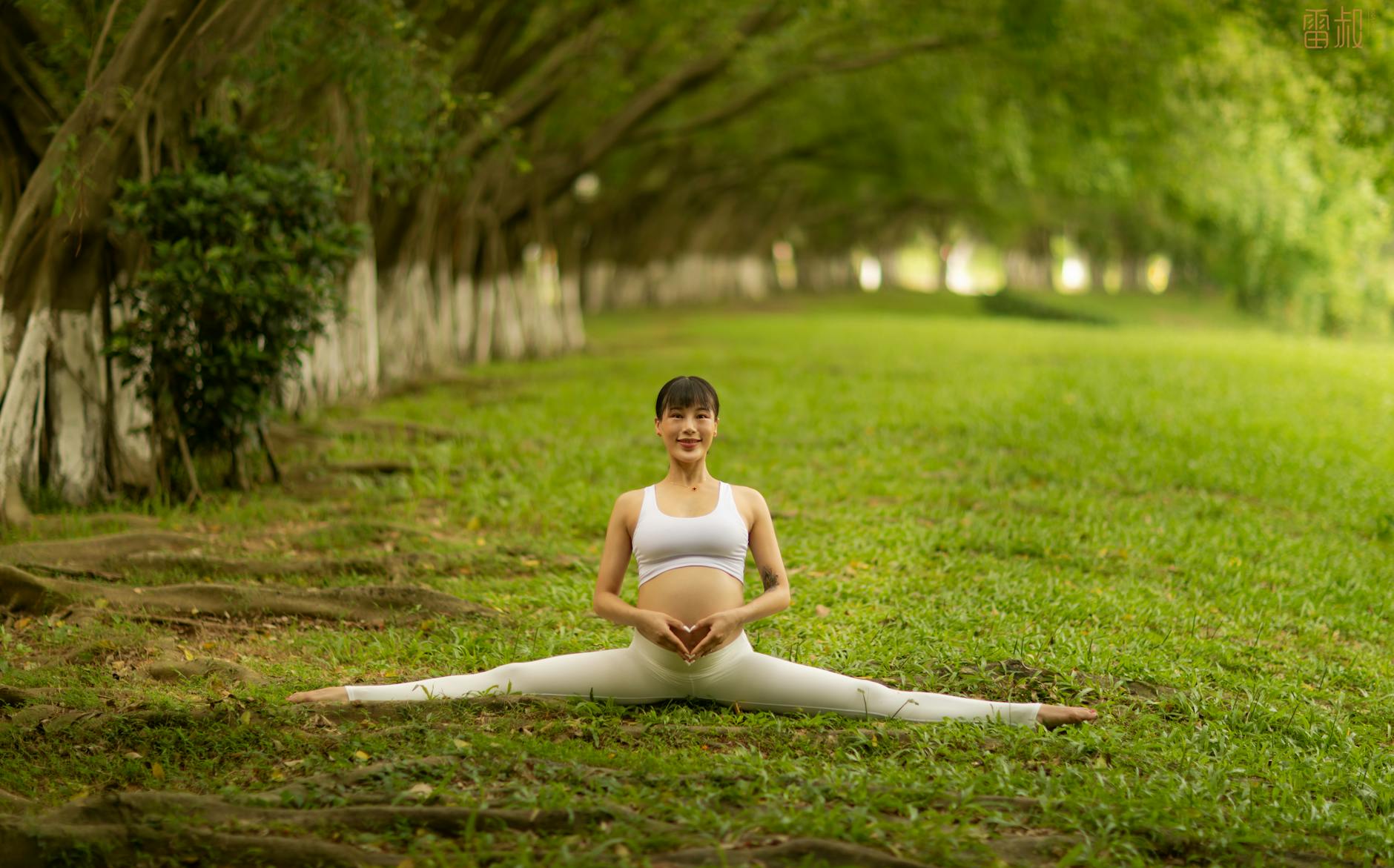
Poses like Splits (Hanumanasana) or advanced hip openers such as Eka Pada Sirsasana (Foot-Behind-Head Pose) require years of dedicated practice. The key is patience and consistent effort. Focus on consistent, gentle stretching rather than aggressive attempts. You might find that incorporating practices like Yin Yoga, which involves holding poses for longer durations, can be incredibly beneficial for targeting connective tissues and improving deep flexibility.
Listening to Your Body's Signals
With any advanced yoga poses, the most critical element is listening to your body. If something feels sharp or painful, back off immediately. There's a difference between a deep stretch and an injury. The goal of spring yoga flexibility is to feel more open and alive, not to push yourself into a state of discomfort or risk.
Integrating Spring Wellness into Your Practice
Spring is a season of renewal, and your yoga practice can reflect this beautifully. It's about more than just the physical postures; it's about aligning your practice with the natural world and your own internal state. This holistic approach can amplify the benefits of your yoga for spring efforts.
Mindful Breathing and Seasonal Energy
Pranayama, or yogic breathing techniques, becomes even more potent in the spring. Practices like Kapalabhati (Skull Shining Breath) can invigorate and energize, while alternate nostril breathing (Nadi Shodhana) can balance your energy. As you inhale, imagine drawing in the fresh, vibrant energy of spring; as you exhale, release any lingering winter heaviness. This mindful breathing is fundamental for improving your yoga for increased flexibility.
Hydration and Nutrition for Flexibility
Don't forget the basics! Staying well-hydrated is absolutely crucial for muscle health and flexibility. As the weather warms up, it’s easy to overlook your fluid intake. Ensuring you're drinking enough water can make a significant difference in how your body moves and recovers. Consider incorporating more hydrating fruits and vegetables into your diet. For more on this, check out Spring Workout Hydration: Stay Energized & Beat Heat.
The Power of Consistency
Here's a simple truth: the most effective spring flexibility routine is the one you actually do. Whether it's a short morning practice or a longer session a few times a week, consistency is king. Even 15-20 minutes daily can yield more profound results than one long, infrequent session. Think about fitting in short bursts of movement, like those found in Spring Workouts Busy Mornings: 5 Quick Energy Boosters.
Embracing the Journey of Spring Yoga Flexibility
As the world around us awakens, let your body join in the celebration. Embrace the process of deepening your spring yoga flexibility not as a race to achieve certain poses, but as a journey of self-discovery and embodiment. Each stretch, each breath, is an opportunity to connect with your body's innate wisdom and capacity for change. Remember, true flexibility is a combination of strength, openness, and an honest relationship with yourself. So, roll out your mat, breathe in the fresh spring air, and let your practice bloom.