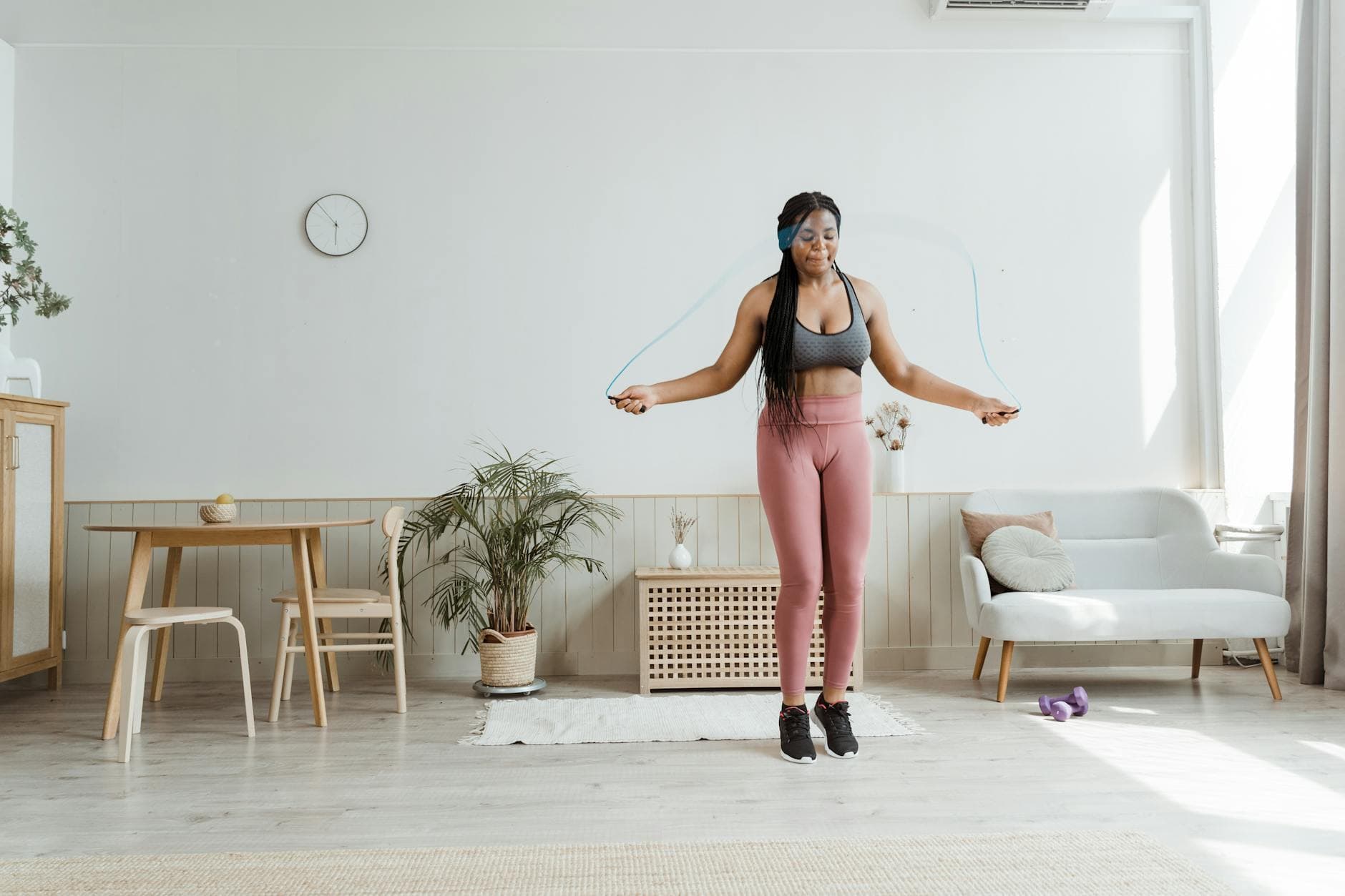
Imagine this: It’s 6 AM, the sun is just starting to peek over the horizon, painting the sky in soft oranges and pinks. You’re in your living room, which also happens to be your gym, your office, and your dining room. Your yoga mat is unrolled precariously close to the coffee table, and you’re trying to do a burpee without knocking over that stack of books. This is the reality for so many of us these days, and honestly, it’s a challenge. But the good news? You absolutely can get a fantastic workout with small space workouts, no matter how cramped your digs are.
Making Your Tiny Space a Fitness Powerhouse
Embracing the Limitations
I used to think you needed a sprawling gym or at least a dedicated room to make real fitness gains. That was a big misconception. The truth is, your environment doesn't have to be the barrier. It can actually be the catalyst for some incredibly creative and effective home workouts small space.
The "No Excuses" Mindset
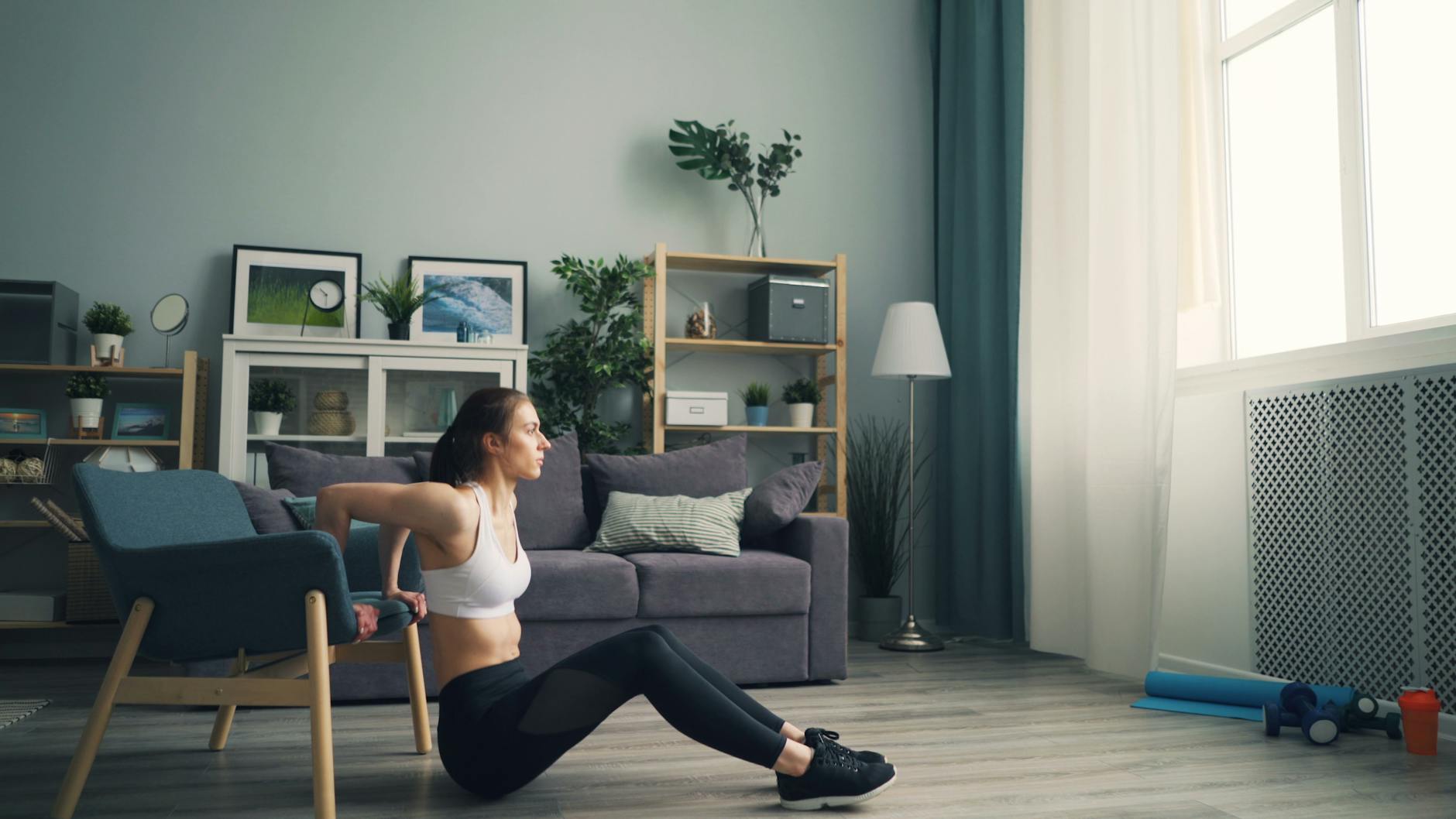
This is where the mental game comes in. When you’re working out in a limited space, you learn to be more resourceful. You start seeing everyday objects as potential fitness tools. A sturdy chair becomes a bench for triceps dips, a wall becomes your best friend for push-ups, and your own body weight becomes the ultimate resistance band.
Setting Up for Success
Even in a tiny apartment, a little bit of intentional setup goes a long way. Clear out a small corner, even if it’s just enough space to lie down and stand up comfortably. This designated zone, no matter how small, signals to your brain that it’s time to move. Think of it as your personal fitness sanctuary, even if it’s just a square meter of carpet.
Effective Exercises for Limited Space
The Power of Bodyweight
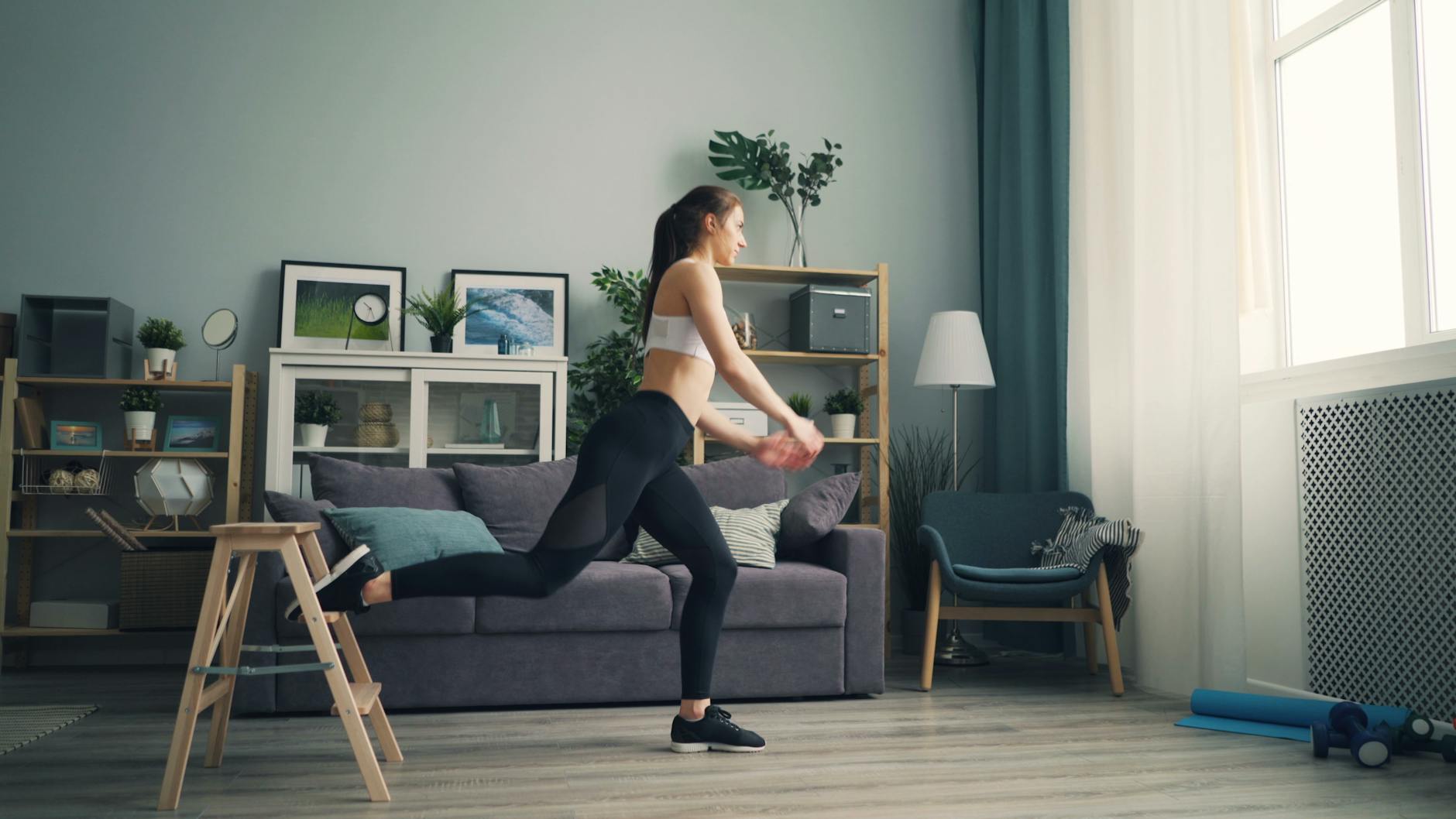
When you’re dealing with apartment workouts, bodyweight exercises are your absolute MVP. They require zero equipment and can be modified endlessly to suit your fitness level. Squats, lunges, push-ups (on your knees or toes), planks, glute bridges – these are the staples. You can target every major muscle group with just your own body. For instance, a simple set of 10-15 squats, followed by 30 seconds of a plank, repeated for 3-4 rounds, can be a surprisingly tough full body workout at home.
Cardio Without the Court
Getting your heart rate up doesn't require a treadmill or a running track. Jumping jacks, high knees, butt kicks, and mountain climbers are all excellent cardio options that take up minimal floor space. You can even do shadow boxing or dance to your favorite playlist for a fun and effective cardio session. I’ve spent many an evening doing high-intensity interval training (HIIT) right in my living room, and trust me, it gets you sweating!
Strength Through Creativity
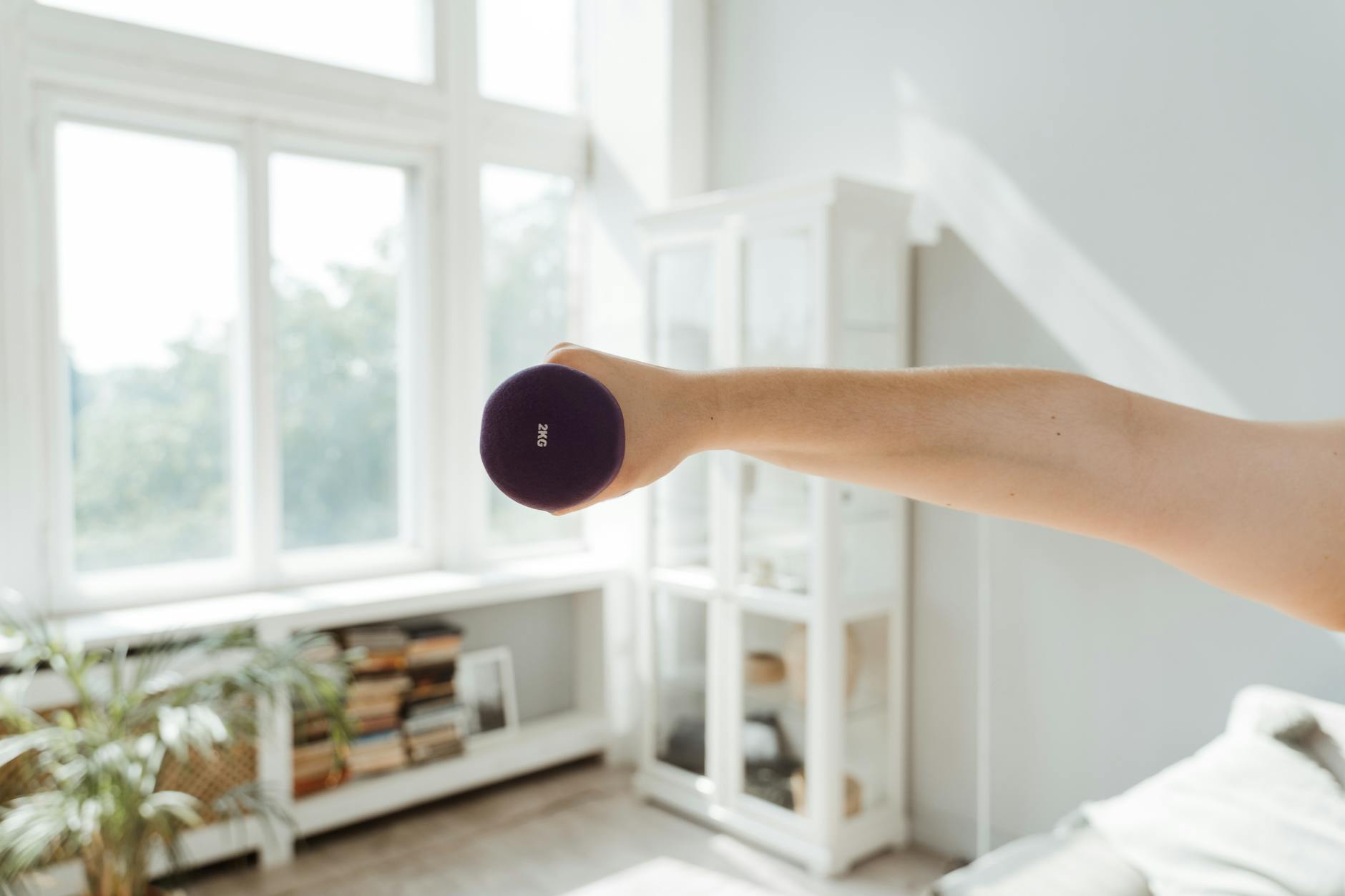
Beyond the basic bodyweight moves, get creative with resistance. You can use resistance bands for added challenge in lunges or bicep curls. If you have dumbbells or even full water bottles, you can incorporate them into your routine. Wall sits are fantastic for building quad endurance, and calf raises are simple yet effective. For a bit of a challenge, try single-leg Romanian deadlifts – they’re brilliant for your hamstrings and balance, and you can find a link to more Balance Exercises: Improve Stability & Prevent Falls right here.
Structuring Your Tiny Space Fitness Routine
Morning Momentum Boosters
You might be wondering how to fit it all in. Here’s the thing: quick home workouts are your best friend. Even 15-20 minutes can make a difference. Try incorporating some Spring Workouts Busy Mornings: 5 Quick Energy Boosters. A few minutes of stretching and some dynamic movements can set a positive tone for your entire day. This is perfect for those days when you just need a little push.
The Full Body Approach
For a truly effective home exercise plan, aim for full-body workouts most days. This ensures you’re hitting all your major muscle groups and maximizing your time. You can alternate between upper body and lower body focused days, or do a complete circuit that hits everything in one go. Think about combining exercises like push-ups, squats, lunges, planks, and glute bridges into a circuit you repeat.
Consistency Over Intensity (Sometimes)
This one surprised me when I first started taking my fitness seriously in a small space. While intensity is great, consistency is king. It’s better to do a 20-minute workout every day than a 90-minute workout once a week. For tiny space fitness, this means having routines you can easily slot into your day, even if you're feeling low on energy.
Making the Most of What You Have
Utilizing Everyday Objects
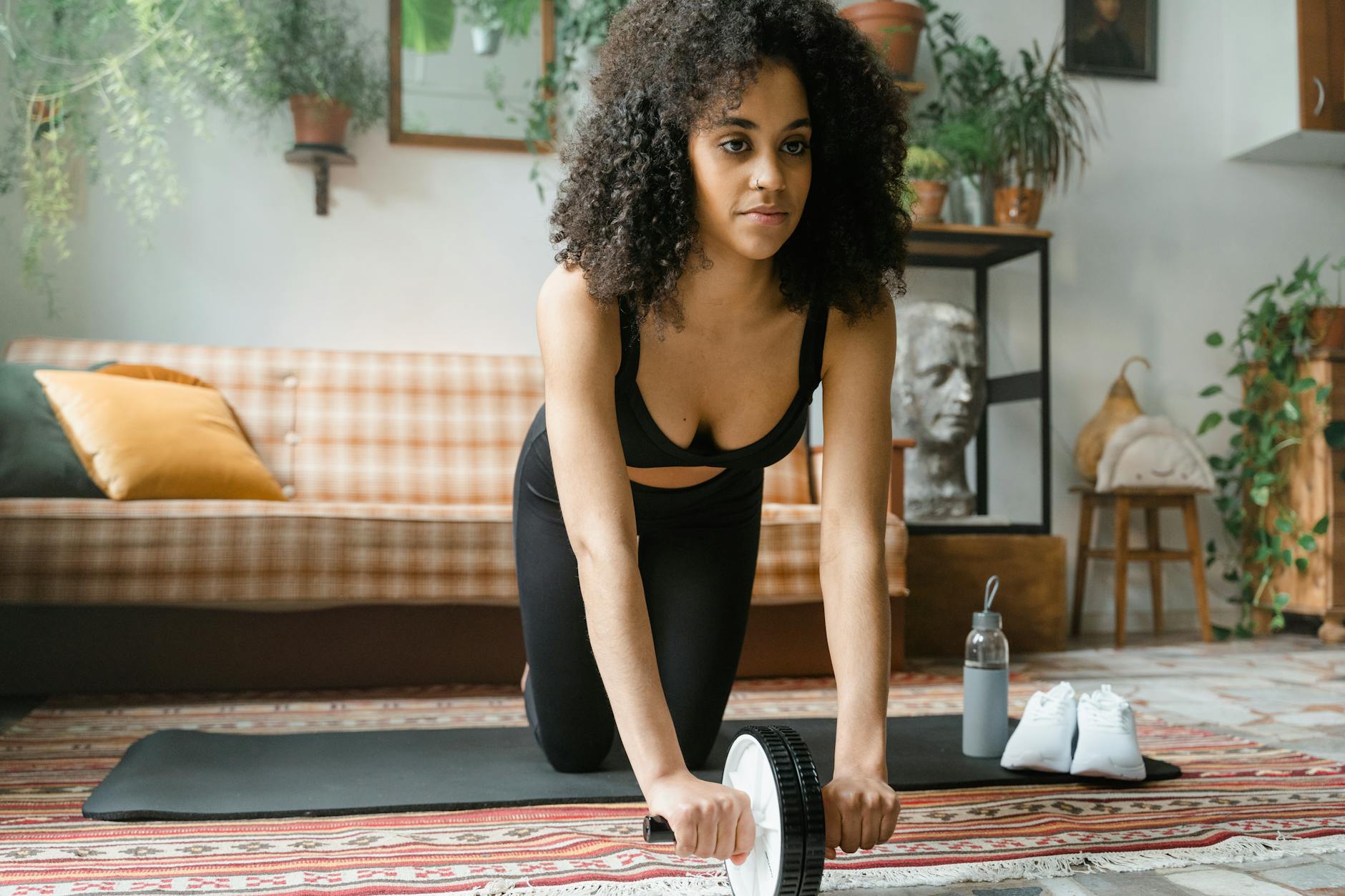
I’ll be real with you, I’ve used my couch cushions for step-ups and a heavy book for added weight in squats. Don’t underestimate the fitness potential of your surroundings. A sturdy kitchen chair can be used for incline push-ups or dips. A towel can be used for sliding lunges on a hardwood floor. The key is to be observant and think outside the box.
Embracing No Equipment Home Workouts
The beauty of no equipment home workouts is that they are accessible to everyone, everywhere. You don't need fancy gear to get fit. This philosophy is central to making small space workouts work. It forces you to rely on your own strength and ingenuity, which builds a unique kind of resilience.
The Role of Active Recovery
Even in a small space, active recovery is important. This could be gentle stretching, yoga, or even just a short walk around your neighborhood. If you’re looking for a way to get moving outdoors, consider a Spring Walking Plan: Get Fit Outdoors This Season. Active recovery helps your muscles repair and prevents burnout, which is crucial when you’re training in a confined area.
Beyond the Sweat: The Mental Wins
Stress Relief in Your Living Room
Let’s be honest, life can be stressful. Having a dedicated time and space, however small, to move your body can be an incredible outlet for stress. The endorphins released during exercise are powerful mood boosters. Doing a quick home workout can completely change your outlook on a challenging day.
Building Self-Discipline
Successfully sticking to a small space workouts routine builds serious self-discipline. You’re proving to yourself that you can achieve your goals even when circumstances aren’t ideal. This sense of accomplishment spills over into other areas of your life, giving you a confidence boost that’s hard to beat.
A Foundation for a Healthier Lifestyle
What nobody tells you is that mastering limited space training can actually be a gateway to a healthier lifestyle overall. When you prove to yourself that you can be consistent and effective with your fitness in a small space, you realize that many perceived barriers are just mental. This mindset shift can encourage better eating habits, more mindful living, and a generally more positive approach to well-being. The World Health Organization research on small space workouts often highlights the psychological benefits alongside the physical ones.
Putting It All Together: Your Next Steps
Start Small, Stay Consistent
If you’re just beginning, don’t try to do an hour-long, super intense workout every day. Start with 15-20 minutes, a few times a week. Focus on mastering the basic movements. Gradually increase the duration, intensity, or frequency as you get stronger and more comfortable. Remember, even a beginner home workout can be incredibly effective.
Listen to Your Body
This is non-negotiable. Pay attention to how your body feels. If something hurts, stop. If you’re feeling overly fatigued, take a rest day or opt for active recovery. Pushing too hard, too soon, especially in a confined space where you might feel more pressure, can lead to injury. The Mayo Clinic research on small space workouts emphasizes the importance of proper form and listening to your body.
Celebrate Your Progress
Did you complete all your reps today? Did you try a new, more challenging variation of an exercise? Did you simply show up when you didn't feel like it? Celebrate these wins! Track your progress, whether it’s in a journal or an app. Seeing how far you’ve come is a powerful motivator. The National Institutes of Health research on small space workouts points to the positive feedback loop that comes from tracking and celebrating fitness milestones.
So, the next time you look around your cozy living room and think, "I can't possibly work out here," I want you to remember this conversation. Your space doesn't define your fitness potential. Your commitment does. Grab that yoga mat, clear a little space, and get moving. You’ve got this.