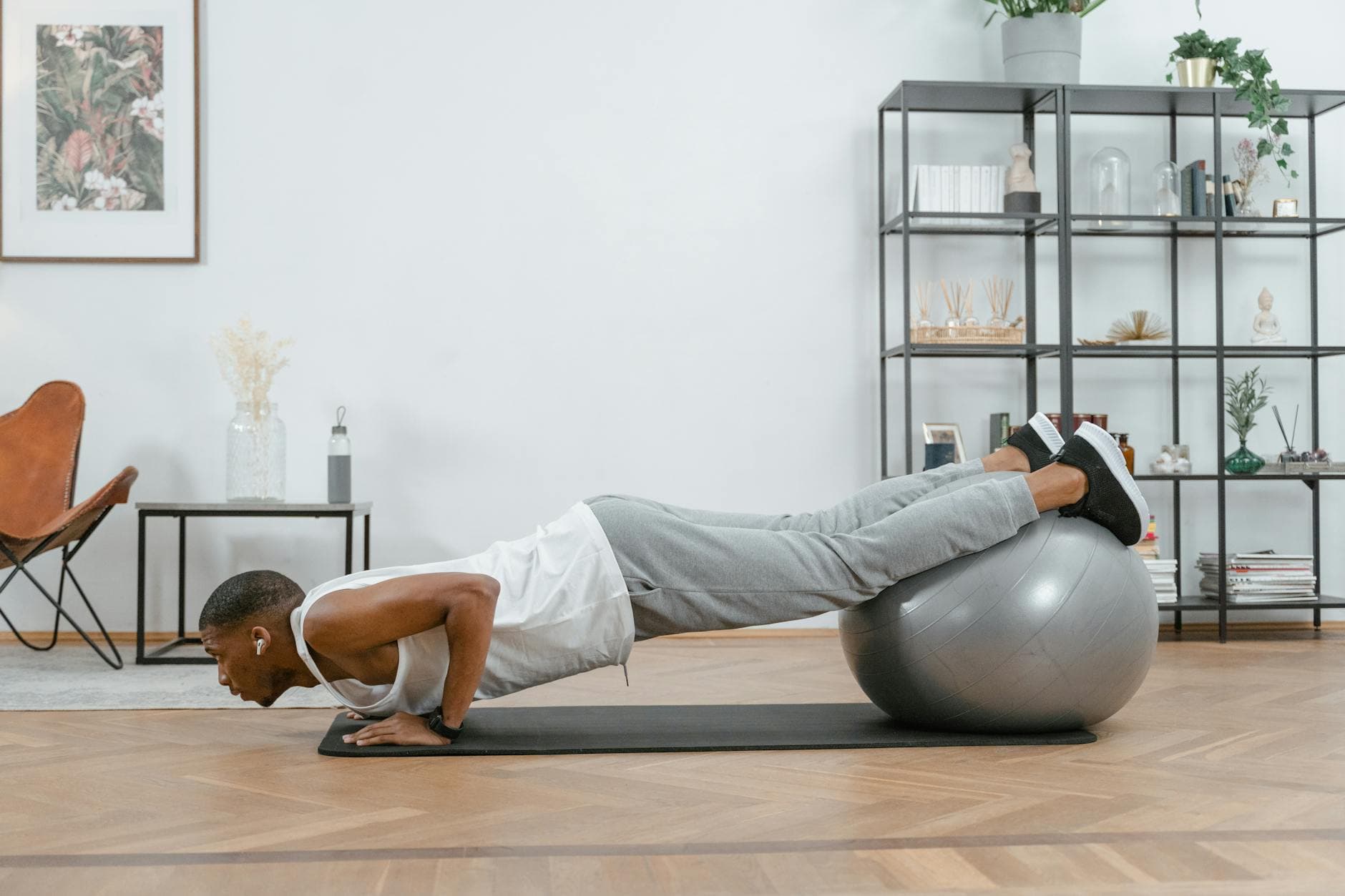
What if the most effective gym in the world wasn't a sprawling facility with gleaming machines, but the very space you call home? What if the path to genuine strength, lasting health, and unwavering confidence didn't require a commute, a membership fee, or navigating crowded rooms, but simply a commitment to yourself within your own four walls? This isn't some far-fetched fantasy; it's the profound reality waiting for you with a truly effective home workout plan.
For years, I believed the gym was the only place to get "serious" about fitness. I'd spend hours there, pushing weight, grunting, and feeling like I was earning my stripes. But life, as it always does, threw a curveball. A new job, a growing family, and suddenly, those dedicated gym hours became a luxury I couldn't afford. That's when I was forced to rethink everything I knew about exercise, and honestly, it was the best thing that ever happened to my fitness journey.
The Myth of the Gym-Bound Body: Why Your Home is Your Best Asset
We've been conditioned to believe that fitness lives within the confines of a commercial gym. You know the drill: monthly fees, specific operating hours, waiting for equipment, the subtle pressure to look a certain way. It’s a powerful narrative, one that often keeps us from even starting, let alone sticking with, an at home workout routine.
Redefining Fitness Spaces
Look, the gym has its place, absolutely. But it's not the *only* place. I used to think I needed heavy barbells and complex machines to build muscle or lose weight. This mindset, I’ve learned, is incredibly limiting. Your living room, a spare bedroom, even a patch of grass in your backyard – these are all legitimate, powerful fitness spaces. They offer privacy, convenience, and a level of comfort that a public gym rarely can. It’s about shifting perception, understanding that exercise isn't about the location, but the intention and effort you bring to it.
The Hidden Costs of the Gym Membership
Beyond the obvious financial drain of a monthly subscription, there are other costs that often go unmentioned. The time spent commuting, the mental energy of navigating a busy environment, the pressure to wear certain clothes. These aren't insignificant. For many, these hidden costs become insurmountable barriers to consistency. Think about the last time you skipped a workout because you "didn't have time to go to the gym." A solid home workout plan eliminates these obstacles, making fitness more accessible than ever before.
Embracing the Freedom of Your Own Four Walls
The freedom you gain when you commit to a home workout plan is profound. You can train at 5 AM or 11 PM. You can wear your pajamas. You can blast your own music, or enjoy the quiet. There’s no judgment, no waiting, just you and your effort. This autonomy breeds a unique kind of workout motivation that's often missing in a traditional gym setting. It's about taking ownership, making fitness truly yours.

Crafting Your Ultimate Home Workout Plan: More Than Just Push-ups
Designing an effective home workout plan isn't about haphazardly throwing together a few exercises. It requires intention, understanding your body, and a progressive approach. It’s not just about doing some no equipment home workout; it's about making it sustainable and challenging.
Laying the Foundation: Mindset and Goal Setting
Before you even do your first squat, you need to establish your "why." Are you aiming for weight loss workouts at home, to build muscle at home, improve energy, or just feel better? Be specific. Instead of "I want to get fit," try "I want to be able to do 10 push-ups and run for 15 minutes straight by the end of two months." This clarity will fuel your journey. Without a clear goal, even the best plan falls flat. Remember, consistency beats intensity every single time.
The Core Components of an Effective At Home Workout Routine
Every good workout, whether at home or in a gym, should hit a few key areas. You need to incorporate movements that challenge your major muscle groups, improve your cardiovascular health, and enhance your flexibility. Don't neglect any of these pillars. A balanced approach ensures comprehensive fitness, not just superficial gains.
Strength Training at Home
This is where bodyweight exercises shine. Squats, lunges, push-ups, planks, glute bridges – these are your bread and butter. They build foundational strength, improve posture, and are incredibly versatile. You can modify them to be easier or harder, ensuring continuous progress. I once challenged myself to do 100 push-ups a day, broken into sets, over a month. The strength gains were shocking, purely from bodyweight.
Cardiovascular Health Without the Treadmill
Burpees, jumping jacks, high knees, mountain climbers, skipping rope (if you have one) – these will get your heart rate up and improve your endurance. Even dancing vigorously to your favorite music counts! The goal is to elevate your heart rate and sustain it for a period, strengthening your cardiovascular system. A quick home workout can be surprisingly effective for this.
Flexibility and Mobility
This is often overlooked but crucial. Incorporate stretches, yoga poses, and mobility drills. A few minutes dedicated to improving your lower back flexibility exercises or hip mobility can prevent injuries and enhance your overall movement quality. I can tell you from personal experience, neglecting this leads to nagging aches and pains down the line.
Equipment? Optional, Not Essential
Many assume you need a full home gym setup for a proper home workout plan. This simply isn't true. While a set of resistance bands, a yoga mat, or a pair of dumbbells can add variety, you can achieve incredible results with just your bodyweight. The human body is an amazing piece of equipment, capable of countless variations and challenges. A beginner home workout can start with literally zero equipment.

Building Your Beginner Home Workout: Start Strong, Stay Consistent
If you're just starting, the most important thing is to build momentum and avoid burnout. Don't try to do too much too soon. A successful beginner home workout focuses on mastering fundamental movements and gradually increasing the challenge.
Simple Movements, Big Impact
Begin with basic bodyweight exercises. Aim for 2-3 sets of 8-12 repetitions for each exercise. Focus on proper form over speed or quantity. If a full push-up is too hard, do knee push-ups or incline push-ups against a wall. If a squat is challenging, use a chair to guide your depth. Consistency with good form is far more valuable than struggling through a difficult movement with poor technique, which can lead to injury.
Here’s a simple structure you could follow for a beginner full body home workout:
- Warm-up (5 minutes): Light cardio like marching in place, arm circles, leg swings.
- Squats (3 sets of 10-12 reps)
- Knee Push-ups or Wall Push-ups (3 sets of 8-10 reps)
- Lunges (3 sets of 8-10 reps per leg)
- Plank (3 sets, hold for 20-30 seconds)
- Glute Bridges (3 sets of 12-15 reps)
- Cool-down (5 minutes): Gentle stretches.
Progression, Not Perfection
The key to long-term success with any at home workout routine is knowing how to progress. Once an exercise becomes easy, don't just stop. Make it harder! Increase reps, add more sets, reduce rest time, or try a more challenging variation. For example, once knee push-ups are easy, move to full push-ups. Once squats are easy, try jump squats or single-leg squats. This constant challenge is how you continue to build muscle at home and improve your fitness.
The Power of a Quick Home Workout
Sometimes, life throws you a curveball and you only have 15-20 minutes. Don't let that deter you! A quick home workout is incredibly valuable. Instead of skipping, focus on high-intensity interval training (HIIT) with bodyweight exercises. For example, perform 45 seconds of intense effort followed by 15 seconds of rest, cycling through 3-4 exercises for 3-4 rounds. It’s amazing what you can achieve in a short burst of focused effort. This one surprised me with its effectiveness when I was really pressed for time.
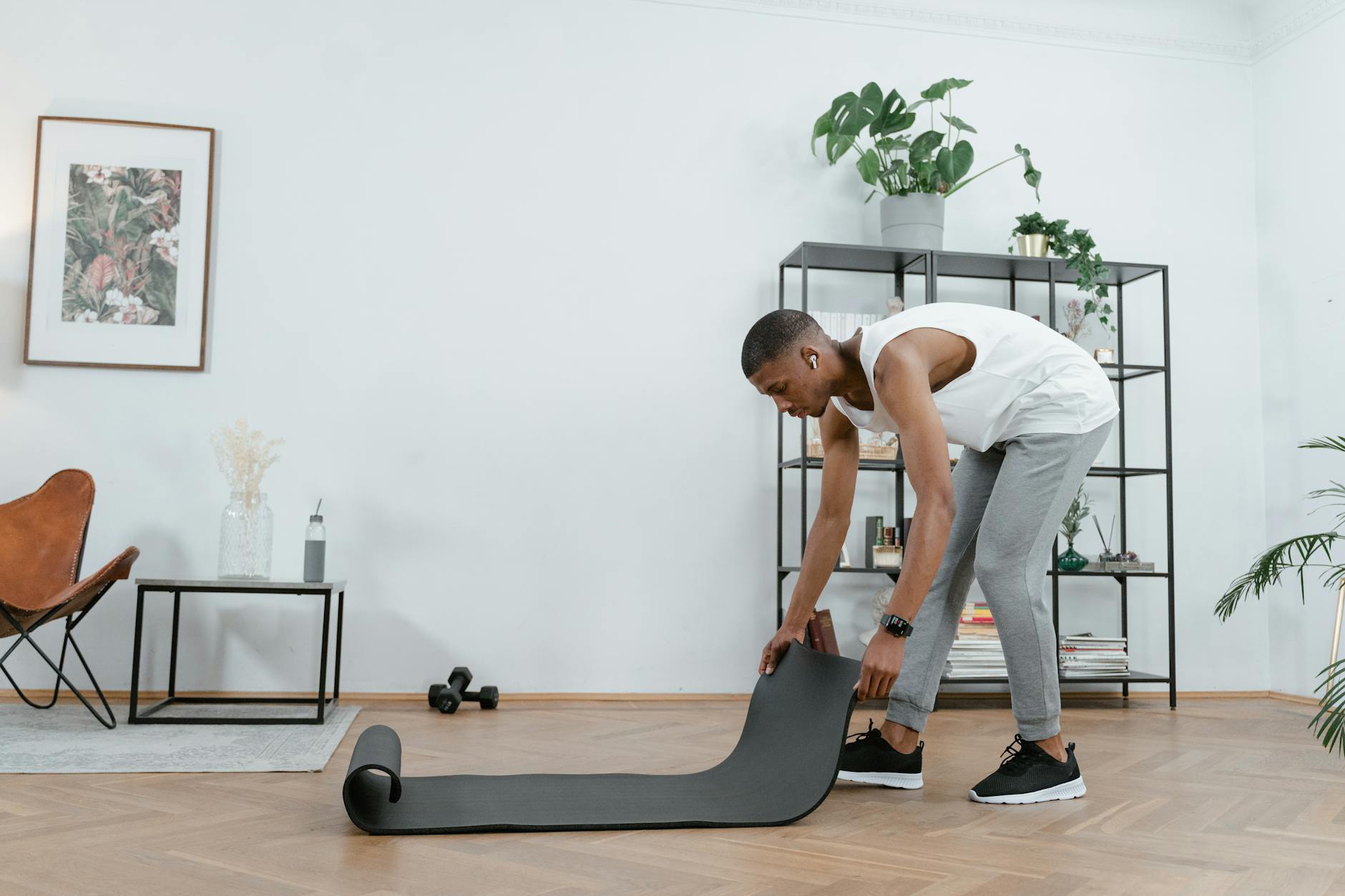
Beyond the Basics: Elevating Your Full Body Home Workout
Once you’ve mastered the fundamentals, it’s time to push your boundaries. A full body home workout can be incredibly challenging and rewarding, even without a gym full of equipment. It’s about being creative and understanding how to manipulate your body and environment for greater gains.
Challenging Your Bodyweight
Bodyweight exercises aren't just for beginners. Advanced variations can humble even seasoned athletes. Think pistol squats, one-arm push-ups, handstands, or L-sits. These require immense strength, balance, and coordination. Integrating these into your home workout plan provides endless opportunities for growth. Learning to control your own body in space is a foundational strength that translates to everything else you do.
Don't be afraid to explore calisthenics. There are entire communities built around these movements, and they offer a lifetime of progression. You might find yourself doing things you never thought possible, simply by leveraging your own weight and gravity.
Incorporating Minimal Equipment for Greater Gains
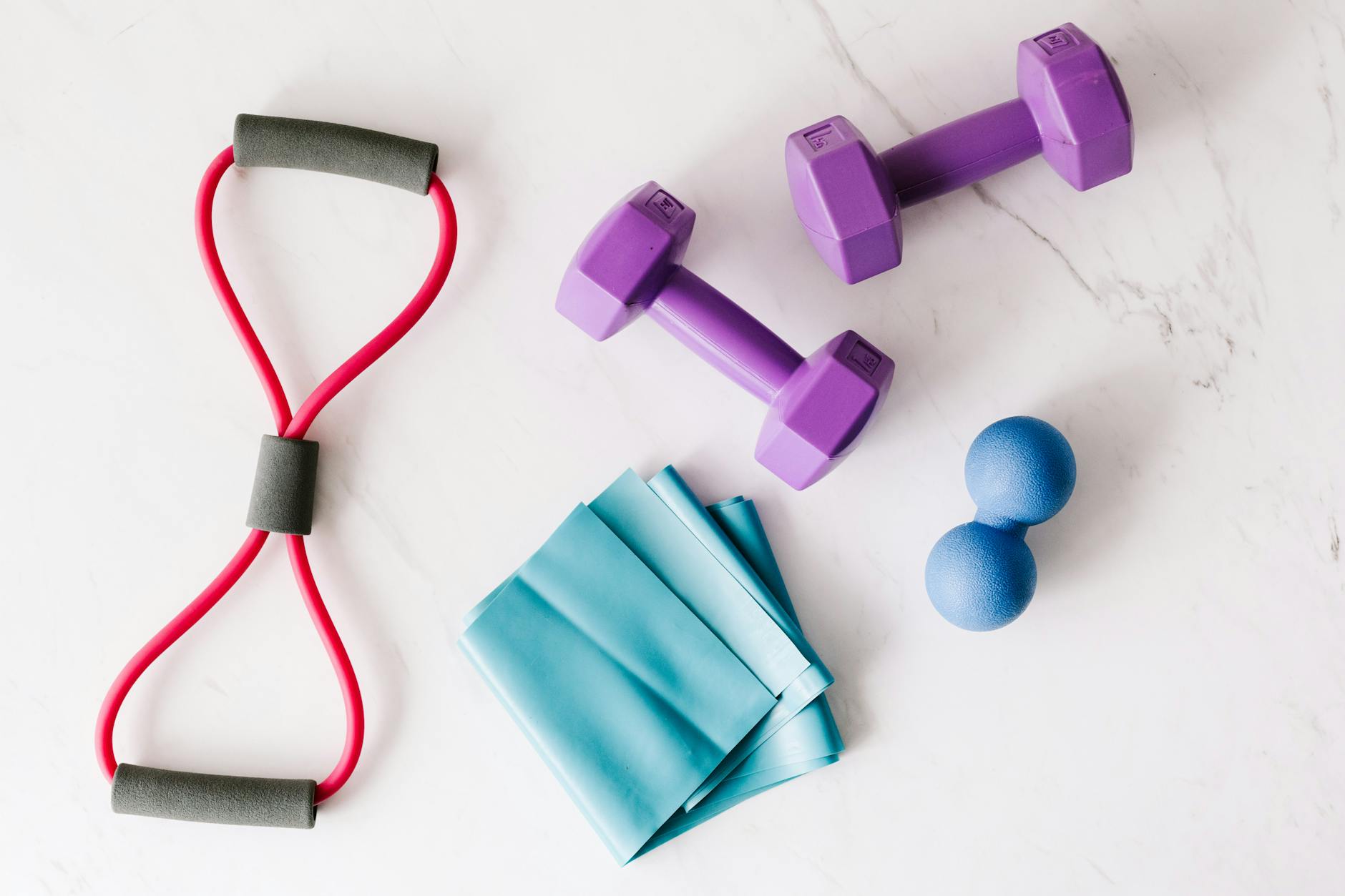
While not essential, a few pieces of minimalist equipment can significantly expand your options. Resistance bands are phenomenal for adding challenge to squats, glute bridges, and upper body movements. A pull-up bar, even a doorway one, opens up a world of back exercises and core work. Even household items like sturdy chairs for dips or water bottles for light weights can be utilized. The goal is to enhance, not complicate, your routine.
The Unsung Hero: Mobility and Recovery
I'll be real with you: when I was younger, I thought recovery was for the weak. I was wrong. Mobility work, stretching, and proper rest are just as vital as the workout itself. They prevent injury, improve performance, and ensure you can keep showing up. Dedicate time to foam rolling, dynamic stretches before your workout, and static stretches afterward. Consider exploring yoga classes for beginners online; it's a fantastic way to improve flexibility and mental focus. Your body will thank you, and your next workout will be better for it.
The Secret Sauce: Sustaining Your Home Fitness Journey
Starting a home workout plan is one thing; sticking with it for the long haul is another. This is where many people falter. But with the right strategies, you can cultivate true fitness consistency.
Battling the Motivation Monster
Motivation is fleeting. Discipline is what keeps you going. Set realistic expectations. You won't feel like working out every day, and that's okay. On those days, tell yourself you'll just do 10 minutes. More often than not, you'll find yourself completing the full workout once you start. Create a designated workout space, even if it's just clearing a rug. Make it easy to start, and hard to stop. This small psychological trick has saved countless workouts for me. Harvard Health research on home workout plan emphasizes the importance of making exercise a habit.
Tracking Progress: More Than Just the Scale
Don't let the scale be your only measure of success. Track your performance: how many push-ups can you do? How long can you hold a plank? Can you now do a full squat without assistance? These non-scale victories are incredibly powerful motivators. Take progress photos. Notice how your clothes fit better, how you have more energy, how your mood improves. These are all signs that your home workout plan is working its magic. Remember, building muscle at home takes time, but the changes are happening.
The Unexpected Joy of Home Fitness Consistency
What I've learned from years of training, both in gyms and at home, is that consistency isn't just about results; it's about building an unbreakable relationship with yourself. It's about proving to yourself, day after day, that you are capable, resilient, and committed to your well-being. There's a deep satisfaction that comes from knowing you showed up for yourself, even when no one else was watching. That feeling, that quiet confidence, is the true reward of a dedicated home fitness journey.
So, clear a space, put on your favorite tunes, and remember why you started. Your strongest self is waiting, right there, in your own home.