
My Biggest Back Training Mistake (and How You Can Avoid It)
I’ll be real with you, for years, I trained my back like most people: a few pull-downs, maybe some rows, and then straight to the "mirror muscles." I was chasing that big chest, those bulging biceps, and I honestly thought a strong back would just kind of… happen. It didn't. I paid the price with nagging shoulder issues, a perpetually rounded posture from too much desk time, and a general feeling of instability. That’s when I truly started to understand that finding the best back exercises wasn't just about looking good; it was about building a foundation for a strong, healthy, pain-free life.
The lesson I learned the hard way? Your back is the keystone of your entire physique, your posture, and your overall functional strength. Neglect it, and everything else suffers. Prioritize it, and you unlock a whole new level of performance and well-being. This isn't just theory; it's what I’ve lived and what I preach to every single person I train.
Why Most People Get This Wrong
Many gym-goers focus purely on what they can see in the mirror, leading to an imbalance. They'll hit chest and arms relentlessly, but their back workouts often become an afterthought, a quick run-through of whatever machine is free. This approach sets you up for injury and poor posture down the line.
The True Cost of a Weak Back
Think about the last time you saw someone hunched over a desk or struggling to lift something heavy without straining. A weak back isn't just about aesthetics; it compromises your ability to perform daily tasks, limits athletic potential, and is a primary contributor to chronic pain. We need to shift our mindset from "show muscles" to "go muscles," and your back is definitely a "go" muscle.

The Foundation: Why a Strong Back Matters Beyond Aesthetics
A robust back offers far more than just a V-taper. It's crucial for everything from standing tall to lifting groceries, and it plays a massive role in your overall quality of life. Building strong back muscles is a non-negotiable part of any comprehensive fitness plan.
Posture Improvement and Spinal Health
Good posture isn't just about looking confident; it's about protecting your spine. Your back muscles, particularly the erector spinae and rhomboids, are vital for maintaining proper spinal alignment. When these muscles are weak, gravity takes over, pulling your shoulders forward and rounding your upper back, which can lead to discomfort and long-term issues.
Injury Prevention and Core Stability
A strong back acts as a natural brace for your entire torso. It supports your spine during movements, reducing the risk of strains, sprains, and more serious injuries, especially when lifting. Furthermore, your back muscles work in concert with your abdominal muscles to form your core, providing stability and power for virtually every physical activity you undertake. This core stability is absolutely critical for safeguarding your back pain relief and overall spinal health.
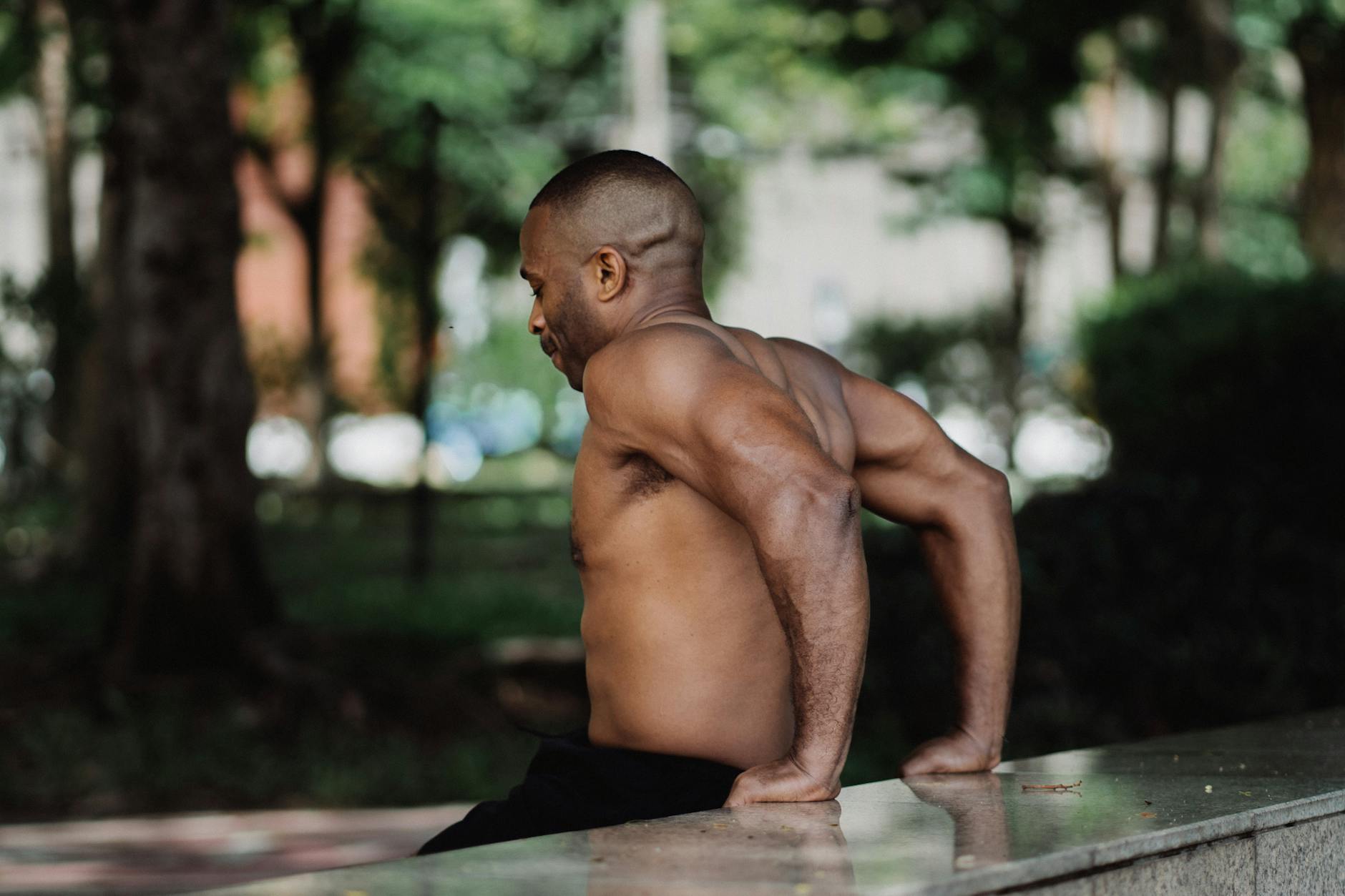
The Best Back Exercises You Need in Your Routine
Okay, let's get down to business. These are the movements that have consistently delivered results for me and countless clients. They hit different areas of the back and are scalable for nearly any fitness level. You'll notice a mix of compound and isolation work, because both play a vital role in building a truly comprehensive, strong back.
Powerful Compound Lifts
These exercises engage multiple muscle groups simultaneously, allowing you to lift heavier weights and build significant overall strength and muscle mass.
Deadlifts (Conventional or Sumo)
Honestly, if I had to pick just one exercise for total body strength, it would be the deadlift. It’s a phenomenal full-body movement that heavily recruits your entire posterior chain, including the lower back, lats, and traps. It teaches you to lift heavy things safely from the floor, building immense functional strength. Start light, master the form, and progress slowly. Don't let anyone tell you deadlifts are bad for your back; bad *form* is bad for your back.
Pull-Ups / Lat Pulldowns
Pull-ups are the king of upper body pulling movements, targeting your lats, biceps, and upper back. If you can't do full pull-ups yet, use assisted machines, resistance bands, or focus on lat pulldowns. The goal is to feel your lats engaging, pulling your elbows towards your hips. Vary your grip (wide, narrow, neutral) to hit the muscles from different angles.
Barbell Rows (Bent-Over Rows)
This is a classic for a reason. Bent-over rows blast your entire back, especially the lats, rhomboids, and traps. Maintain a strong, flat back throughout the movement, hinging at the hips. Resist the urge to use momentum; control the weight on both the pull and the eccentric (lowering) phase. This one is brutal but incredibly effective for building a thick, powerful back.
Refinements and Isolation Movements
Once you've built a foundation with compound lifts, these exercises help refine muscle development, improve symmetry, and target specific areas.
Seated Cable Rows
A fantastic exercise for building mid-back thickness and improving posture. Focus on pulling with your back muscles, squeezing your shoulder blades together at the peak of the contraction. Avoid shrugging your shoulders or leaning too far back; keep the movement controlled and deliberate.
Face Pulls
This one surprised me with how effective it is. Face pulls are incredible for hitting the often-neglected rear deltoids, rhomboids, and external rotators of the shoulder. They're fantastic for improving shoulder health, posture, and balancing out all the pressing movements we do. Use a rope attachment and pull it towards your face, externally rotating your shoulders at the end of the movement.
Hyperextensions (Back Extensions)
Often overlooked, hyperextensions are excellent for directly strengthening the erector spinae muscles of the lower back and glutes. They help build resilience and can be a great preventative measure against lower back pain. Go for a controlled range of motion, focusing on contracting the muscles rather than just flopping up and down.
Bodyweight Basics for Building Resilience
You don't always need heavy weights to get a great back workout. Bodyweight exercises are accessible and build fundamental strength.
Inverted Rows
If pull-ups are too challenging, inverted rows are a perfect starting point. You can adjust the difficulty by changing your body angle. The closer to parallel with the floor you are, the harder it gets. These are brilliant for targeting the mid-back and lats, and they reinforce proper pulling mechanics.
Supermans
A simple yet effective exercise for the lower back and glutes. Lie face down and simultaneously lift your arms, chest, and legs off the floor, holding for a second at the top. This helps build endurance in the spinal erectors and promotes a healthy spinal curve.

Targeting Specific Areas: Upper, Mid, and Lower Back
While many exercises work the entire back, you can emphasize certain regions by adjusting your grip, angle, or focus. This is how you build a truly balanced and aesthetically pleasing back.
Building a Powerful Upper Back
For that broad, powerful look, think about movements that emphasize width and thickness in the upper traps and lats. Wide-grip pull-ups and lat pulldowns are excellent for developing the lats, creating that V-taper. Shrugs, both with barbells and dumbbells, are fantastic for building thick upper traps. Don't forget those face pulls for the rear delts and rhomboids; they contribute significantly to upper back density and Mayo Clinic research on best back exercises often highlights their importance for shoulder health.
Sculpting the Mid-Back
The mid-back is all about thickness and density. Bent-over rows (barbell and dumbbell), seated cable rows, and T-bar rows are your best friends here. Focus on squeezing your shoulder blades together at the peak of the contraction, really feeling those rhomboids and middle traps engage. Imagine you're trying to pinch a pencil between your shoulder blades.
Fortifying Your Lower Back
Your lower back, or lumbar region, is critical for stability and injury prevention. Deadlifts, good mornings, and hyperextensions are prime choices for strengthening this area. These back strengthening exercises directly target the erector spinae, which run alongside your spine. Remember, a strong lower back isn't just about lifting heavy; it’s about having the endurance and stability to support you throughout your day. For those needing to improve their mobility in this area, consider incorporating lower back flexibility exercises into your routine.

Beyond the Gym: Posture, Core, and Everyday Back Health
Here's the thing: you can do all the back workouts in the world, but if you spend 8 hours a day hunched over a computer, you're fighting an uphill battle. Your back health isn't just about what happens in the gym; it's about your daily habits. This is where the unexpected angle comes in – integrating mindful movement and posture into your entire day.
The Posture-Back Connection
You might be wondering, "What does posture have to do with my back exercises?" Everything. Poor posture puts constant strain on your back muscles and ligaments, undoing all your hard work. Consciously pulling your shoulders back, engaging your core, and sitting or standing tall throughout the day reinforces the strength you build in the gym. I often tell my clients to imagine a string pulling them up from the crown of their head.
Core Stability: Your Back's Best Friend
Your back doesn't work in isolation. A strong core, encompassing your abs, obliques, and deep stabilizing muscles, is integral to a healthy back. Exercises like planks, bird-dogs, and anti-rotation movements (like Pallof presses) don't directly work your back, but they create a stable base that protects your spine and allows your back muscles to function more effectively. This is why when I talk about a strong back, I'm always talking about a strong core too. Even gentle Pilates exercises can dramatically improve core strength and stability, directly benefiting your back.
Mindful Movement for Spinal Health
Beyond specific exercises, simply being more aware of how you move can make a huge difference. When you bend to pick something up, do you round your back, or do you hinge at your hips? When you sit, do you slouch, or do you maintain a neutral spine? These small, consistent choices add up. Incorporating gentle stretching or mobility work, perhaps from yoga classes for beginners, can also contribute significantly to long-term spinal health.
Crafting Your Ultimate Back Workout Routine
Building a strong back isn't just about knowing the "best back exercises"; it's about structuring them into an effective back workout routine. You need a plan, not just a random collection of movements.
Principles of Effective Back Workouts
First, prioritize compound movements at the beginning of your workout when you're freshest. These allow you to lift the most weight and stimulate the most muscle growth. Second, aim for progressive overload: consistently try to lift more weight, do more reps, or improve your form over time. Third, ensure adequate recovery; your muscles grow outside the gym, not in it. A balanced approach to your gym workout for beginners will always include dedicated back days.
Sample Routine Framework
Here's a basic framework you can adapt. I recommend hitting your back twice a week, either on its own day or split with another muscle group like biceps.
Workout A (Strength Focus)
- Deadlifts: 3-4 sets of 4-6 reps
- Pull-Ups (or Lat Pulldowns): 3-4 sets of 6-10 reps
- Barbell Rows: 3-4 sets of 6-10 reps
Workout B (Hypertrophy/Detail Focus)
- Seated Cable Rows: 3 sets of 8-12 reps
- Dumbbell Rows: 3 sets of 8-12 reps per arm
- Face Pulls: 3 sets of 12-15 reps
- Hyperextensions: 3 sets of 10-15 reps
Adjust sets and reps based on your goals and experience. Rest 60-90 seconds between sets for hypertrophy, and 2-3 minutes for strength.
Addressing Back Pain: Smart Moves for Relief and Prevention
A lot of people come to me with back pain, and while I’m no doctor, I can tell you that often, strengthening the right muscles can make a world of difference. Many National Institutes of Health research on best back exercises shows that targeted strengthening is crucial for long-term back pain relief.
Strengthening for Back Pain Relief
If you're dealing with back pain, always consult a medical professional first. However, for many common types of discomfort, carefully executed back strengthening exercises can be incredibly beneficial. Focus on building core stability and strengthening the muscles that support your spine. Exercises like bird-dogs, cat-cow stretches, and gentle hyperextensions can be great starting points, performed with absolute control and no pain.
Gentle Movements and Flexibility
Sometimes, back pain isn't just about weakness; it's about tightness and immobility. Incorporating gentle Pilates for back pain or yoga stretches can improve flexibility and blood flow, reducing stiffness. Think about movements that gently articulate the spine, like pelvic tilts or knee-to-chest stretches. The key is never to push into pain, but rather to gently increase your range of motion over time.
Your Journey to a Resilient Back
Look, building a strong, healthy back is a marathon, not a sprint. It takes consistency, patience, and a willingness to learn proper form. It’s about more than just lifting heavy; it’s about moving better, standing taller, and living with less pain. By incorporating the best back exercises into your routine, paying attention to your posture, and listening to your body, you're not just building muscle; you're investing in your long-term health and quality of life. Start today, be consistent, and I promise you, your back will thank you for it.