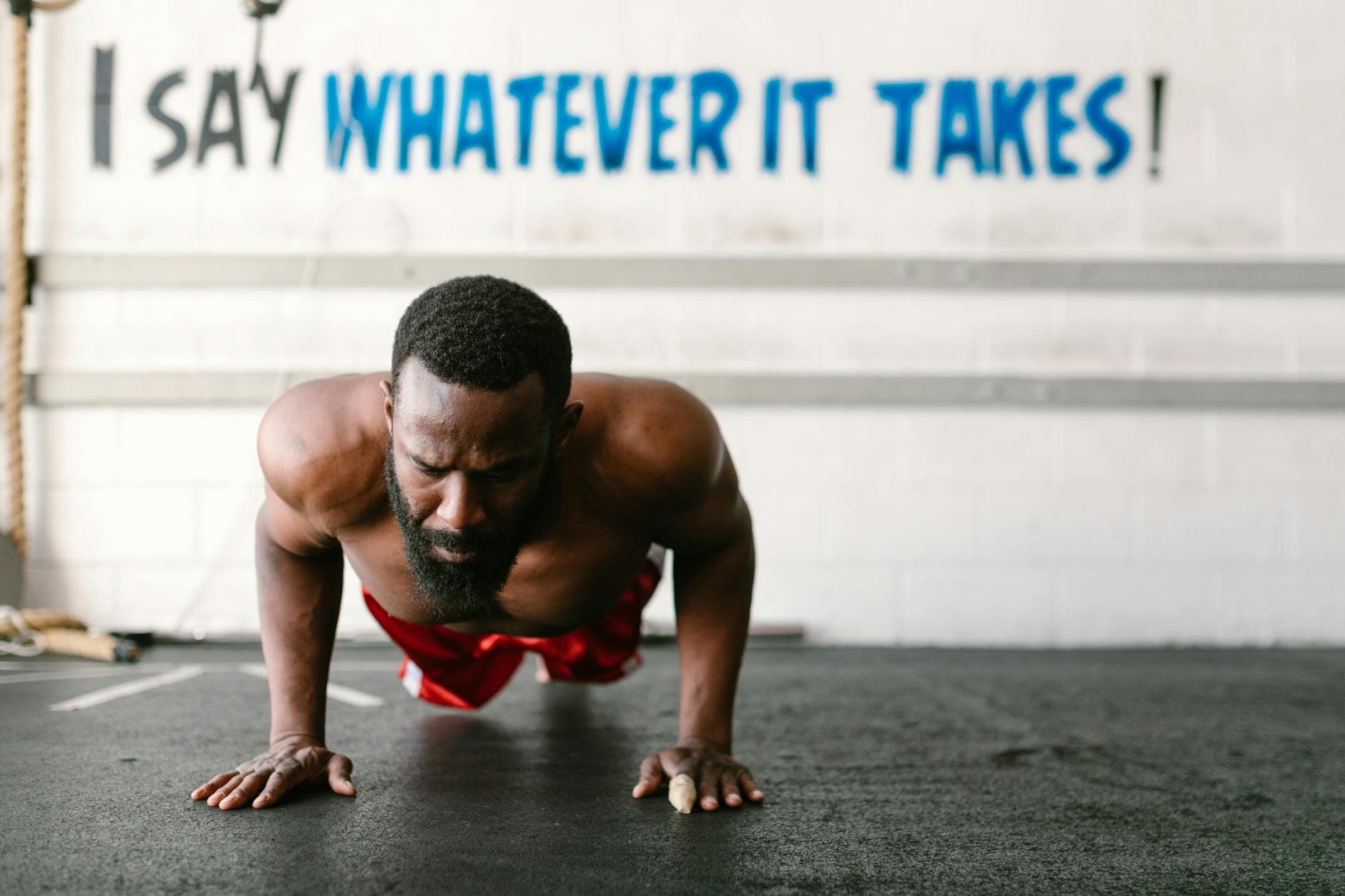
I remember a time, not too long ago, when I’d spend an hour on the treadmill, convinced that sheer duration was the golden ticket to shedding pounds. I’d be dripping sweat, my legs burning, but the scale barely budged. Frustrating, right? Then I stumbled upon the magic of high-intensity interval training, or HIIT, and my whole approach to hiit fat loss completely changed. It’s not about how long you suffer; it’s about how intensely you push yourself in short bursts.
The Real Deal with HIIT for Fat Burning
Beyond the Sweat: What Actually Happens
So, what’s the big deal with HIIT for fat burning? It’s a pretty simple concept, really. You alternate between short, all-out bursts of exercise and brief recovery periods. Think 30 seconds of sprinting followed by 30 seconds of walking, or 45 seconds of burpees with 15 seconds of rest. This isn't your grandma’s steady-state cardio, and honestly, it’s way more effective for torching calories and transforming your body. The science behind it is fascinating; your body keeps burning calories even after the workout is over, a phenomenon known as EPOC (Excess Post-exercise Oxygen Consumption). This means you're still in fat-burning mode while you're chilling on the couch, which is a win-win in my book.
Why It's a Game Changer
The primary reason HIIT is so powerful for fat loss is its ability to dramatically increase your metabolism. When you push your body to its limits, you create a significant oxygen deficit. Your body then needs to work overtime to recover, consuming more oxygen and, consequently, burning more calories. This is what makes hiit for fat burning so incredibly efficient. You can achieve more in 20 minutes of HIIT than you might in an hour of moderate-intensity cardio. For busy folks, this is a lifesaver. I’ll be real with you, fitting in long workouts was a struggle, but finding time for a quick, intense HIIT session? Totally doable.
The "Afterburn" Effect Explained
That EPOC I mentioned? It’s the star of the show. After a grueling HIIT session, your body is essentially in "repair mode." It needs to replenish oxygen, clear metabolic byproducts, and restore hormone levels. This entire recovery process requires energy, and that energy comes from burning calories. The intensity of your HIIT workout directly correlates with the magnitude of the EPOC effect. So, the harder you go during those work intervals, the more calories you'll continue to burn post-workout. This is a key reason why hiit cardio fat burn is such a popular and effective strategy for weight management.
Crafting the Best HIIT Workout for Fat Loss
It's All About Intensity, Not Duration
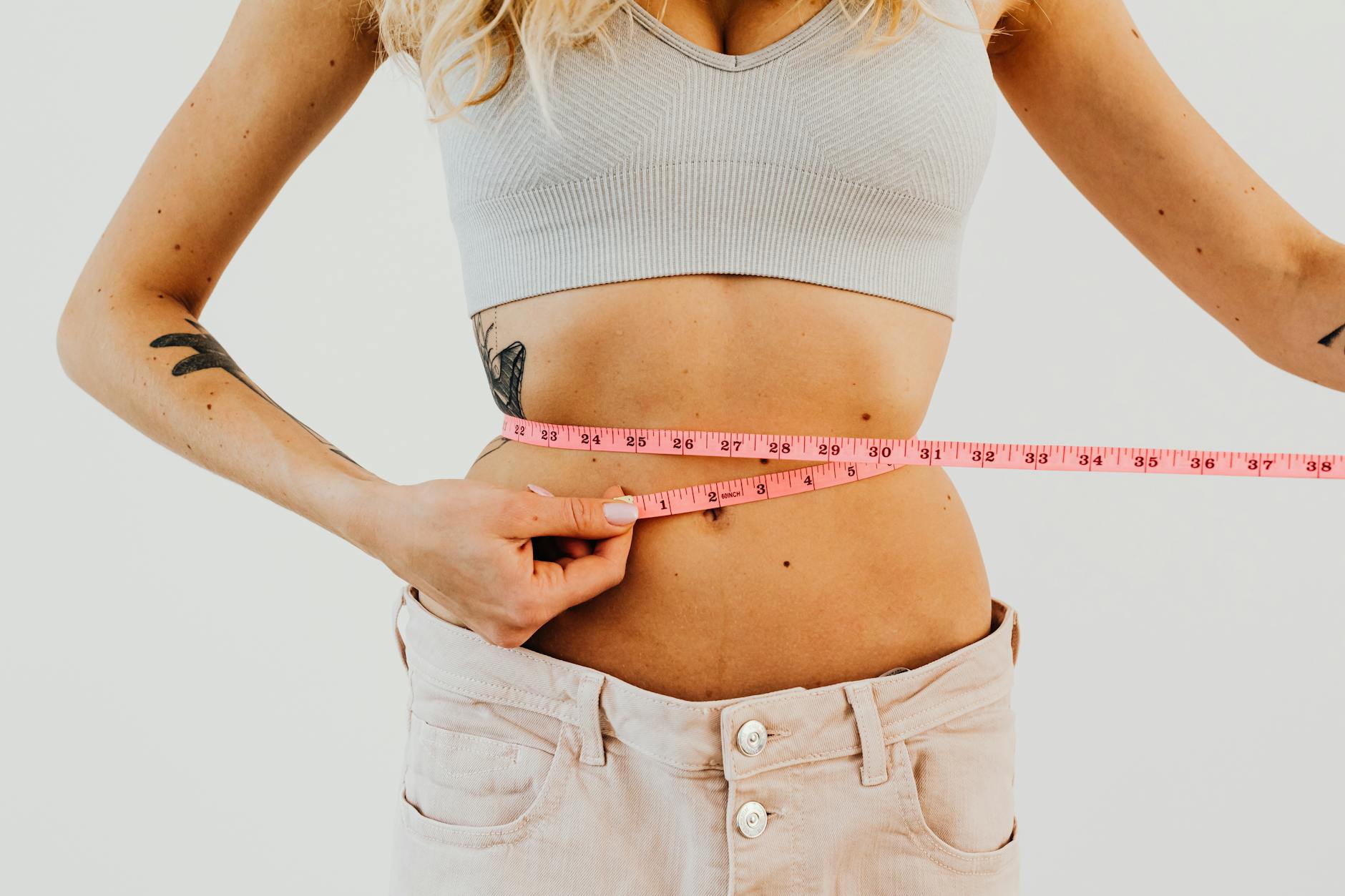
Forget spending an hour jogging. The best HIIT workouts for fat loss are characterized by short, intense bursts of activity followed by short rest periods. A common ratio is 2:1 or 1:1 for work-to-rest intervals. For example, 40 seconds of intense work followed by 20 seconds of rest, or 30 seconds of work with 30 seconds of rest. The key is to push yourself to about 80-90% of your maximum effort during the work intervals. If you can hold a conversation, you’re not going hard enough. This is where the magic happens for hiit fat loss.
Full Body HIIT Fat Loss: Maximizing Efficiency
When designing your workout, think full body. Engaging multiple muscle groups simultaneously amplifies the calorie burn and boosts your metabolism more effectively. Exercises like burpees, jump squats, mountain climbers, and high knees are fantastic because they hit a lot of muscles at once. A full body hiit fat loss routine ensures you’re working your entire system, not just isolating a few areas. This holistic approach is crucial for overall body composition changes and efficient fat reduction. You’re not just burning calories in the moment; you’re building a more metabolically active body.
Sample HIIT Circuit to Get You Started
Here’s a quick example of a hiit for fat burning circuit I’ve used:
- Burpees: 40 seconds work, 20 seconds rest
- Jump Squats: 40 seconds work, 20 seconds rest
- Push-ups (on knees if needed): 40 seconds work, 20 seconds rest
- High Knees: 40 seconds work, 20 seconds rest
- Plank Jacks: 40 seconds work, 20 seconds rest
HIIT vs. Traditional Cardio: The Fat Loss Showdown
The Efficiency Edge
When you compare cardio vs hiit for fat loss, the efficiency of HIIT is undeniable. While steady-state cardio is great for building endurance and can contribute to fat loss, it often requires a significant time commitment. A 60-minute jog might burn a certain number of calories, but a 20-minute HIIT session can often achieve a similar, or even greater, calorie burn due to that elevated EPOC. This is a huge win for anyone with a packed schedule. You get more bang for your buck in less time.
Metabolic Boost: The Long-Term Game
HIIT is a powerhouse for boosting your metabolism. The high intensity forces your body to adapt, leading to an increase in your resting metabolic rate over time. This means you’re burning more calories even when you’re not exercising. Traditional cardio is excellent for cardiovascular health, but it doesn't typically provide the same metabolic-boosting punch. For sustainable hiit fat loss, building a more efficient metabolism is key, and HIIT excels at this. It's like upgrading your body's engine.
Consistency is Key, But Intensity Matters More
Look, consistency is king for any fitness goal, including fat loss. If you hate running and love cycling, you’ll stick with cycling. However, if you’re looking for the *most efficient* way to maximize your fat-burning efforts within a limited timeframe, HIIT often takes the crown. It’s about finding a balance that works for your lifestyle and preferences. If you're just starting out, a beginner workout routine that gradually incorporates some interval training might be a better first step than jumping straight into intense sprints.
Lose Belly Fat with HIIT: Targeting Stubborn Areas
The Myth of Spot Reduction
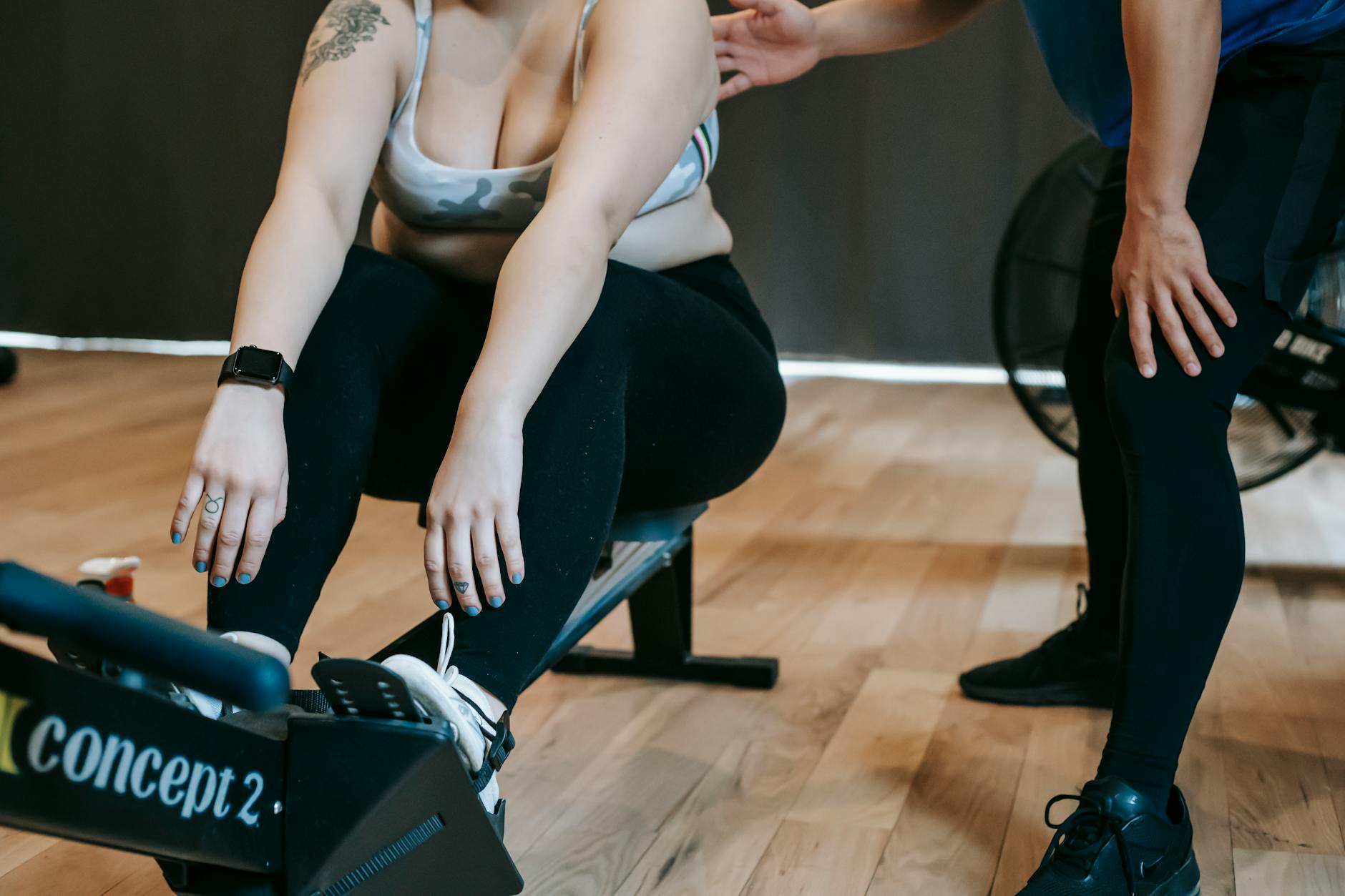
First off, let's address a common misconception: you can’t specifically target belly fat with any exercise, including HIIT. Spot reduction is largely a myth. While you can strengthen your abdominal muscles with exercises, you can't choose where your body loses fat from. Your genetics and hormones play a much bigger role in fat distribution. However, a comprehensive hiit fat loss program, especially a full body hiit fat loss routine, will contribute to overall body fat reduction, which will naturally include your midsection.
HIIT's Role in Overall Fat Reduction
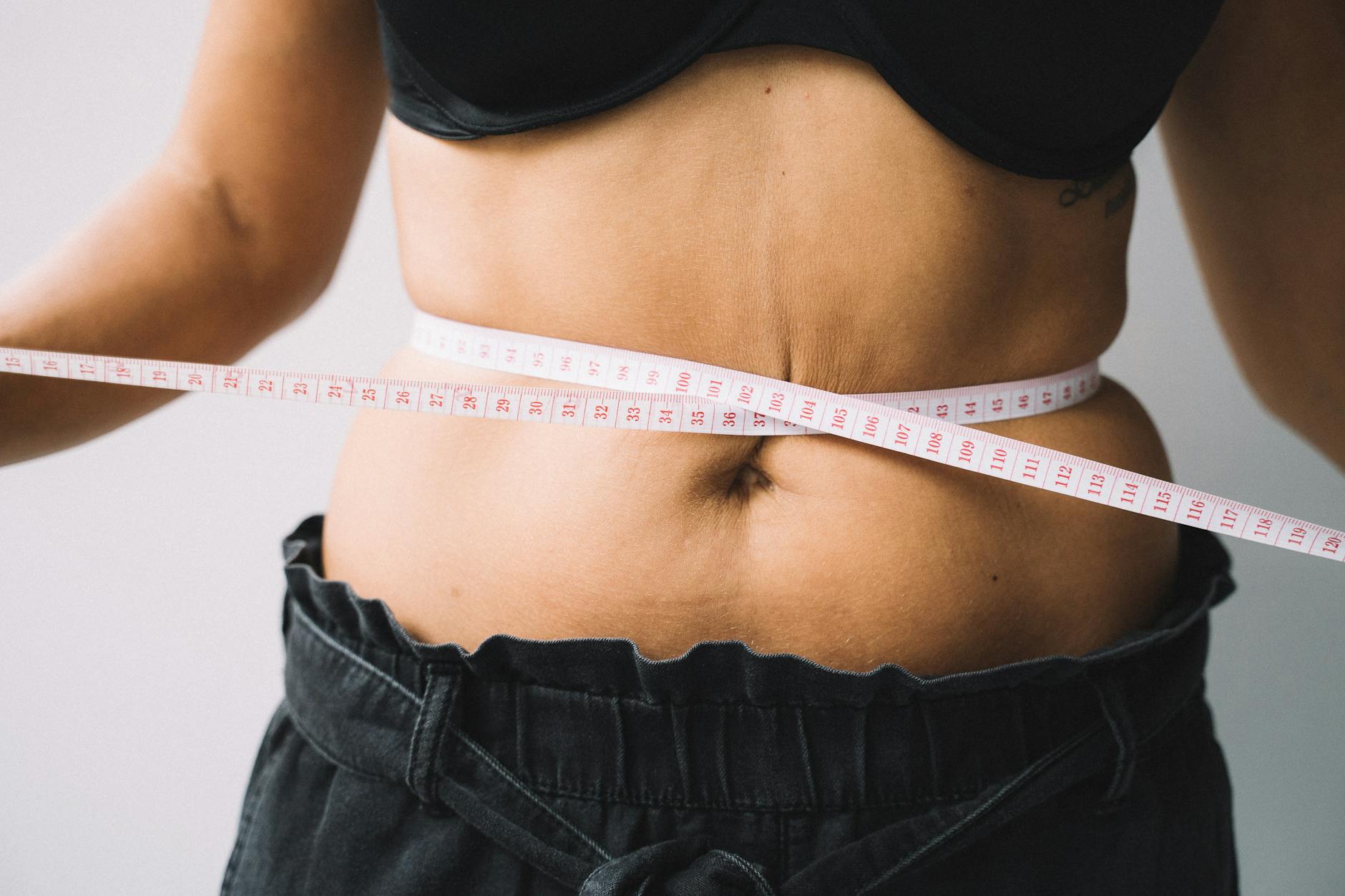
So, how does HIIT help you lose belly fat with HIIT? It’s all about creating a significant calorie deficit and improving your body composition. By burning a high number of calories during and after your workout, HIIT helps you shed fat from all over your body. As your overall body fat percentage decreases, the fat on your stomach will also reduce. Think of it as a systemic approach. You’re working towards a leaner physique, and the belly fat is just part of the package that gets trimmed down.
Nutrition: The Unsung Hero
Here’s the thing: no amount of exercise, not even the most intense HIIT, can outrun a bad diet. For truly effective hiit fat loss, especially when it comes to stubborn areas like the belly, you absolutely need to pair your workouts with a clean, nutrient-dense diet. Focus on whole foods, lean proteins, plenty of vegetables, and healthy fats. Reducing processed foods and sugary drinks will make a massive difference. It’s the combination of effective exercise and smart nutrition that yields the best results. You’ve probably noticed that when you clean up your diet, your body responds much better to your workouts.
Beyond Fat Loss: The Other HIIT Workout Benefits
Improved Cardiovascular Health
Don't underestimate the power of HIIT for your heart. The intense bursts of activity push your cardiovascular system to adapt and become stronger. This can lead to lower blood pressure, improved cholesterol levels, and a reduced risk of heart disease. Many studies, including those referenced by the Centers for Disease Control and Prevention research on hiit fat loss, highlight the cardiovascular benefits of interval training. It’s a fantastic way to keep your ticker in top shape.
Building Muscle While Burning Fat
Unlike some long-duration cardio that can sometimes lead to muscle loss, HIIT, especially when incorporating strength-based movements, can actually help you build or preserve muscle mass. More muscle means a higher resting metabolism, which further aids in hiit fat loss. This is what makes it such an efficient tool for body recomposition – getting leaner while getting stronger. This one surprised me when I first started; I expected to lose muscle but instead, I felt stronger and more toned.
Time Efficiency and Mental Toughness
We've touched on this, but it bears repeating: HIIT is incredibly time-efficient. A short, intense workout can provide significant health and fitness benefits. Beyond the physical, pushing yourself through a tough HIIT session also builds mental resilience. You learn to push past discomfort and develop a stronger mindset, which can translate into other areas of your life. Think about the last time you completed a really challenging workout; you felt a sense of accomplishment, right? That mental fortitude is a huge perk of consistent interval training for weight loss.
Making HIIT Work for You: Practical Tips
Listen to Your Body
While intensity is key, it’s crucial to distinguish between discomfort and pain. Pushing yourself is good, but ignoring sharp pains or warning signs from your body is not. If you’re new to exercise, consider starting with beginner workout routines that gradually incorporate interval training. Don't be afraid to modify exercises to suit your current fitness level. For instance, you can do step-jacks instead of jump-jacks if high impact is an issue. This is crucial for long-term success and preventing injuries.
Frequency and Recovery
You don't need to do HIIT every single day. In fact, overdoing it can lead to burnout and injury. For most people, 2-3 HIIT sessions per week are sufficient, especially when aiming for hiit fat loss. Allow your body adequate rest and recovery between sessions. This is when your muscles repair and grow stronger. Combining HIIT with moderate-intensity workouts or active recovery days can create a well-rounded fitness plan. Remember, recovery is as important as the workout itself.
Progression and Variety
As you get fitter, your body will adapt. To keep seeing results from your hiit workout benefits, you need to progressively challenge yourself. This could mean increasing the duration of your work intervals, decreasing your rest periods, adding more rounds, or choosing more challenging exercises. Introducing variety into your workouts also keeps things interesting and prevents plateaus. You might try different types of interval training, explore cardio fat burning activities, or even try a free running beginners class if you're feeling adventurous!
Ultimately, the power of HIIT for fat loss lies in its intensity and efficiency. It’s a potent tool for anyone looking to torch calories, boost their metabolism, and get more out of their workout time. But remember, it’s not a magic bullet. Combine it with a healthy diet, listen to your body, and stay consistent. You'll be well on your way to achieving your fitness goals. The journey to a healthier you is a marathon, not a sprint, but HIIT can certainly help you pick up the pace.