What if you could build a stronger, healthier you, starting today, without feeling overwhelmed or walking into a gym feeling completely lost? What if the path to feeling more energetic, confident, and capable was actually within reach, even if you’ve never lifted a weight or run a mile in your life? This isn't a far-off dream; it’s the reality that awaits when you embrace the right beginner workout routines. I’ve been there, staring at treadmills and weight machines with a mix of intimidation and determination, and I’ve learned a thing or two about making that first step not just manageable, but actually enjoyable.
## Your Blueprint for Getting Started Fitness
The journey of getting started fitness can feel like navigating a dense fog. You know where you want to go – a healthier, fitter you – but the path isn't always clear. This is where having a solid foundation with beginner workout routines becomes absolutely crucial. It’s not about reinventing the wheel; it’s about understanding the fundamental movements and principles that will serve you well for years to come. My own initial attempts were a bit haphazard, honestly. I’d jump from one fad to another, never really sticking with anything long enough to see real progress. That’s why I’m so passionate about laying out a clear, actionable approach for you.
### The Foundation: Why Consistency Trumps Intensity
Many beginners make the mistake of thinking they need to go all-out from day one. They’ll try to do too much, too soon, and end up sore, discouraged, or even injured. This is the quickest way to derail your progress.
#### Building the Habit
The real win in the beginning isn't about lifting the heaviest weight or running the fastest mile. It’s about showing up. It’s about making exercise a non-negotiable part of your routine, like brushing your teeth. Even 20-30 minutes, three times a week, is a fantastic start.
### Understanding Your Body's Signals
Learning to listen to your body is a skill that develops over time. In the early stages, it’s vital to differentiate between muscle soreness (a good sign of adaptation) and pain (a sign to stop or modify).
#### The Difference Between Soreness and Pain
Post-workout soreness, often called DOMS (Delayed Onset Muscle Soreness), usually peaks 24-72 hours after exercise and feels like a dull ache. Sharp, sudden, or persistent pain is your body’s warning system. Don't push through pain; it’s a red flag.
## Your First Time Gym Workout: Demystifying the Machines
Stepping into a gym for the first time can be daunting. The sheer number of machines and the confident stride of seasoned gym-goers can make anyone feel a bit out of place. But here’s the thing: everyone started somewhere. The key is to approach it with a plan.
### Navigating the Gym Floor
Don't feel pressured to use every machine you see. Focus on a few fundamental movements that target major muscle groups. This will give you the most bang for your buck and build a solid base.
#### Cardio Equipment: Your Starting Point
Treadmills, ellipticals, and stationary bikes are your friends. They offer a controlled environment to get your heart rate up and improve your cardiovascular health. Don't feel like you have to sprint; a brisk walk or a steady pace is perfectly fine.
##### Treadmill Tips for Beginners
Start with a comfortable incline and speed. Aim for a pace where you can hold a conversation but are still breathing a little heavier. Try for 20-30 minutes.
##### Elliptical and Bike Basics
These machines are often lower impact, which can be great if you have joint concerns. Focus on smooth, consistent movements.
### Strength Training Essentials
This is where many beginners get tripped up. They either avoid it entirely or try to lift too much too soon. Beginner strength training should focus on compound movements, which work multiple muscle groups at once.
#### Understanding Compound vs. Isolation Exercises
Compound exercises like squats, lunges, push-ups, and rows are king for beginners. They build functional strength and are far more efficient than isolation exercises that target a single muscle.
#### Simple Machines to Start With
The leg press, chest press machine, lat pulldown machine, and seated row machine are excellent starting points. They provide support and guidance, making it harder to perform the movement incorrectly.
## Easy Exercises at Home: Fitness Without the Commute
The beauty of easy exercises at home is their accessibility. You don’t need fancy equipment or a gym membership to get a good workout. This is where bodyweight exercises for beginners truly shine.
### The Power of Your Own Bodyweight
Your body is an incredible tool. With just your bodyweight, you can build strength, improve endurance, and boost your metabolism. This is the essence of a beginner workout plan no equipment.
#### Fundamental Bodyweight Movements
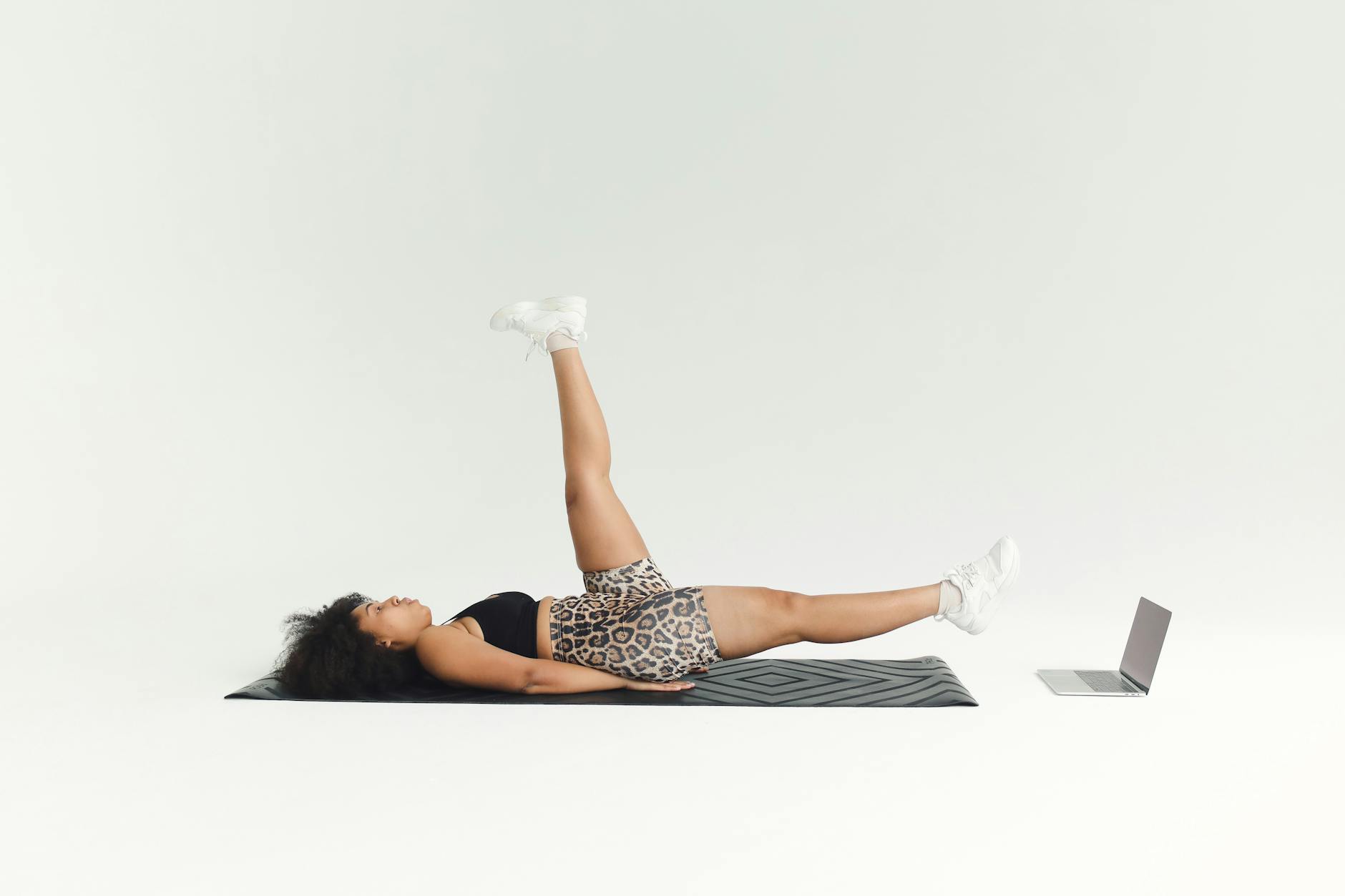
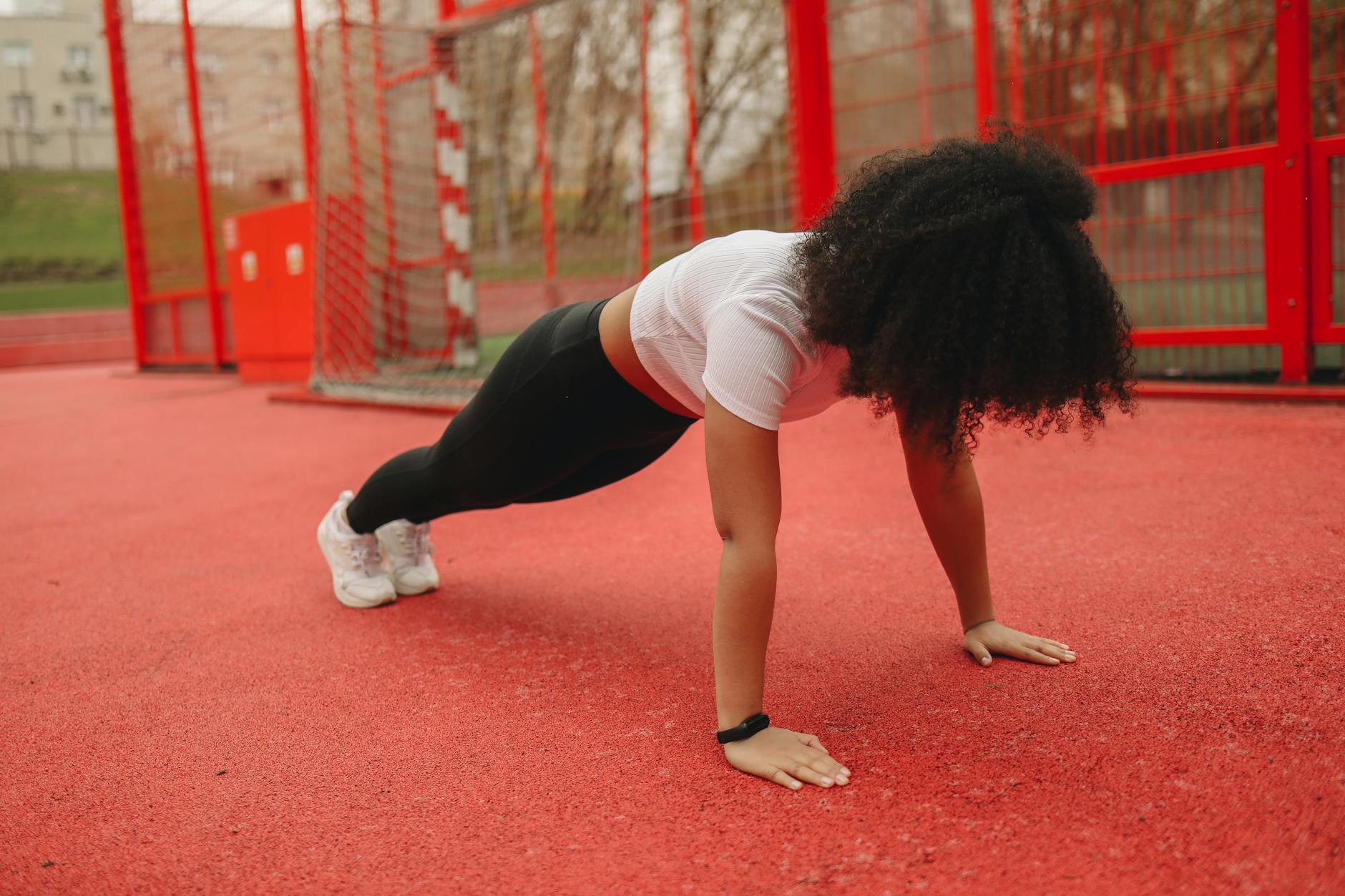
Squats, lunges, push-ups (even modified on your knees), planks, and glute bridges are foundational. They engage large muscle groups and build a solid base of strength and stability.
##### Squats: The King of Lower Body
Stand with your feet shoulder-width apart, chest up, and core engaged. Lower your hips as if sitting into a chair, keeping your back straight and knees tracking over your toes.
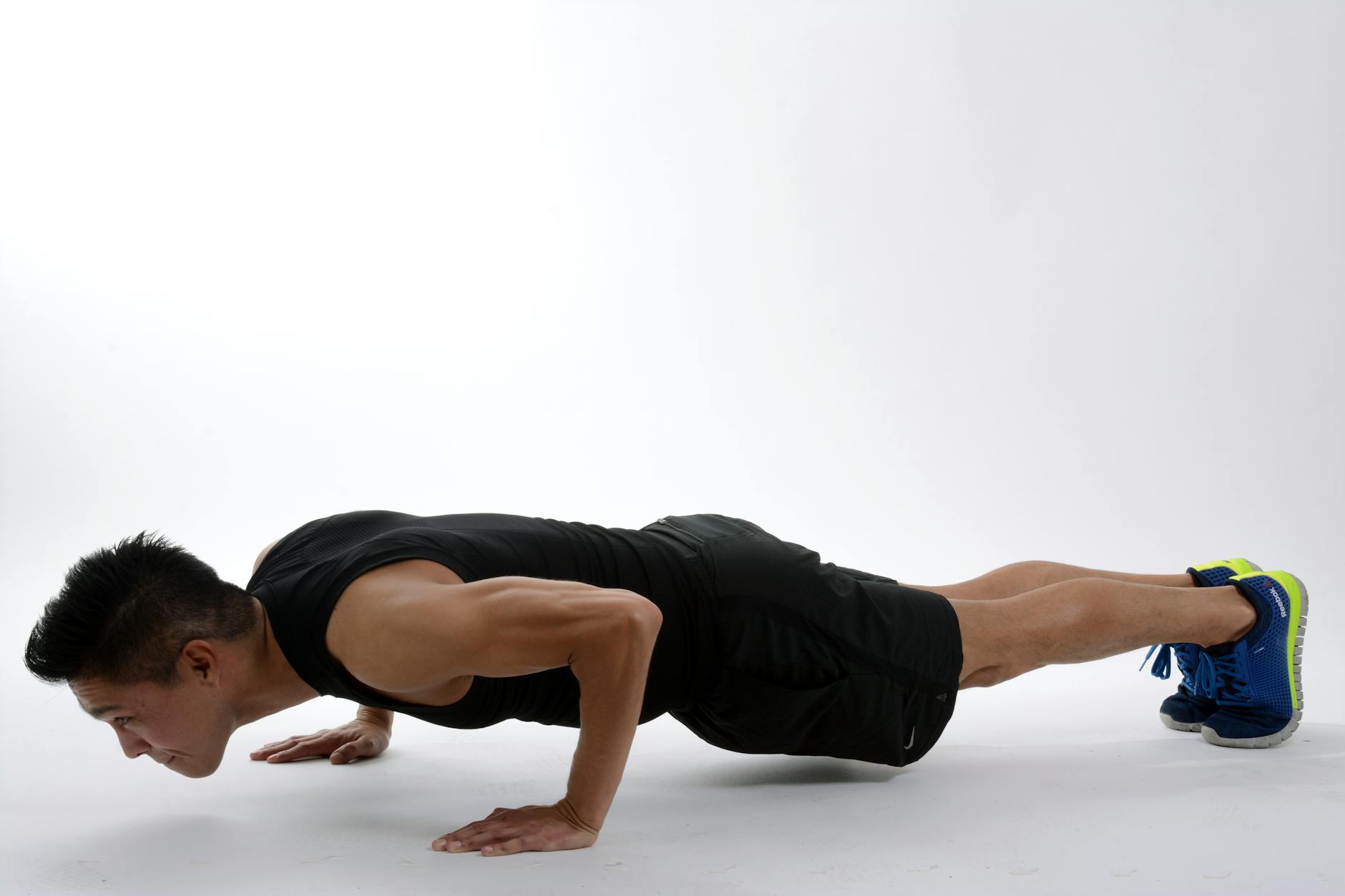
##### Push-Ups: Building Upper Body Strength
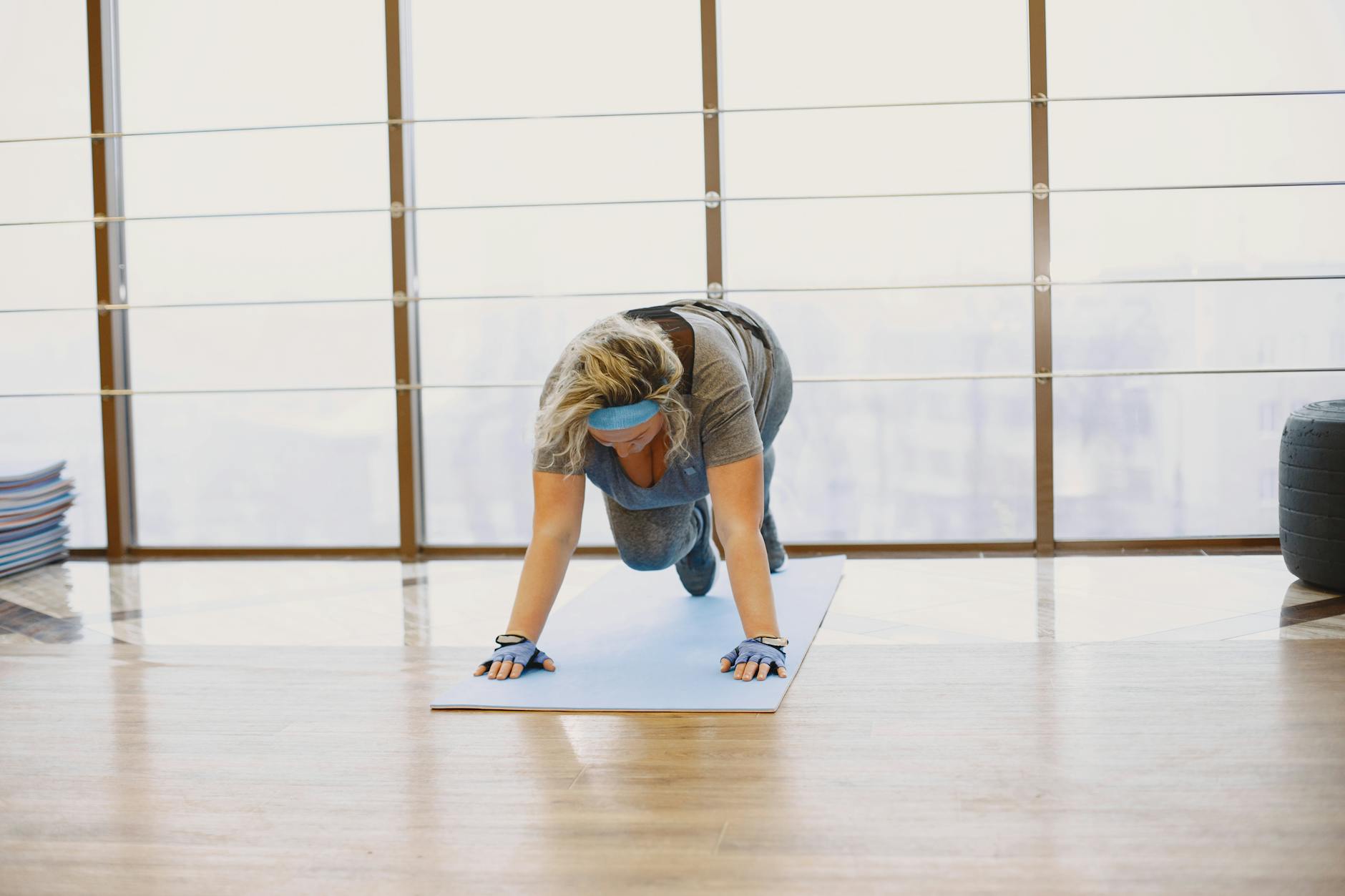
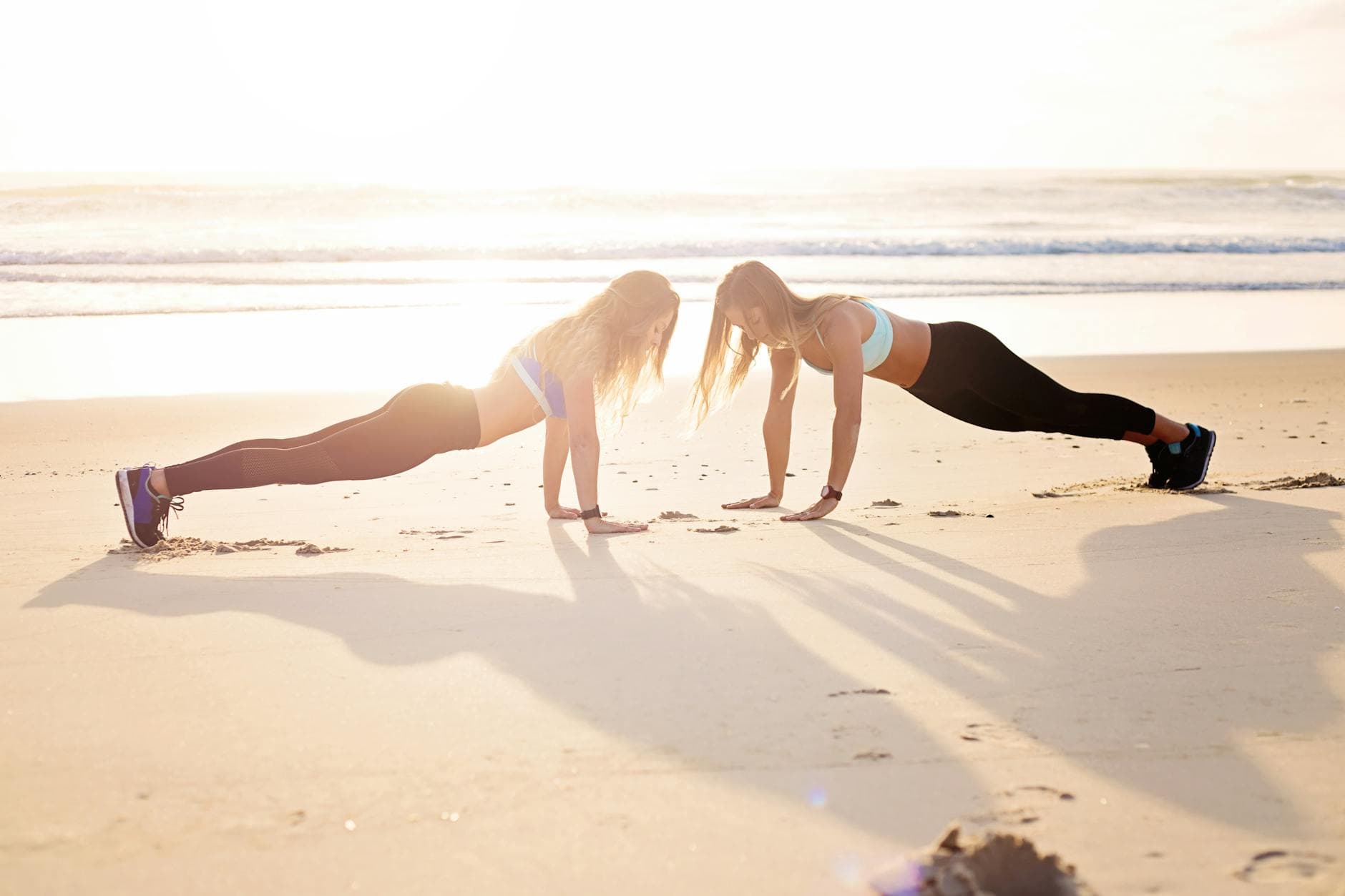
Start on your hands and knees, then lower your chest towards the floor, keeping your body in a straight line. You can progress to toes as you get stronger.
### At Home Cardio for Beginners
Cardio doesn't have to mean running miles. High-intensity interval training (HIIT) can be done in short bursts, and there are plenty of low-impact options.
#### Jumping Jacks and High Knees
These are classic cardio moves that can get your heart rate up quickly. Even 30 seconds on, 30 seconds off can be effective.
#### Walking and Dancing
Don't underestimate the power of a brisk walk around your neighborhood or putting on some music and dancing. These are excellent low impact exercises for beginners.
## Crafting Your Beginner Workout Plan: What Exercises Should Beginners Do?
So, you’re ready to put it all together. What exercises should beginners do? The answer lies in balance, consistency, and progressive overload. A well-rounded Beginner Workout Routine: Easy Steps to Start Fitness will typically include a mix of strength training and cardiovascular exercise.
### The Full Body Beginner Workout Approach
For most beginners, a full body beginner workout performed 2-3 times per week is ideal. This allows you to work all major muscle groups in each session and gives your body ample time to recover between workouts.
#### Sample Full Body Routine (Gym or Home)
- Warm-up (5-10 minutes): Light cardio like jogging in place, arm circles, leg swings.
- Strength Training (Choose 4-6 exercises):
- Squats (bodyweight, goblet squat with a dumbbell, or leg press machine)
- Push-ups (on knees, toes, or chest press machine)
- Lunges (bodyweight or holding dumbbells)
- Rows (dumbbell rows, resistance band rows, or seated row machine)
- Plank (hold for 30-60 seconds)
- Glute Bridges
- Cardio (20-30 minutes): Brisk walking, cycling, elliptical, or jogging.
- Cool-down (5-10 minutes): Static stretching, holding each stretch for 30 seconds.
### The Importance of Progressive Overload
Once you can comfortably complete a certain number of repetitions or hold a plank for a set duration, it’s time to make it a little harder. This is progressive overload, and it’s the key to continued progress.
#### How to Progress
- Increase Repetitions: If you’re doing 10 squats, try for 12.
- Increase Sets: If you’re doing 3 sets, try for 4.
- Increase Weight: If you’re using dumbbells, go up a pound or two.
- Decrease Rest Time: Gradually shorten the rest periods between sets.
- Increase Duration or Intensity: For cardio, walk faster, add incline, or increase the duration.
## The Unexpected Angle: Why Rest is Your Secret Weapon
It sounds counterintuitive, doesn’t it? When you’re trying to build fitness, why would rest be so important? I used to think that more exercise always meant better results. This one surprised me when I started seeing significant progress not just from the workouts themselves, but from the days I *wasn't* working out. Rest is not the absence of training; it's an integral part of the training process.
### Muscle Repair and Growth
Your muscles don’t grow during your workout; they grow and repair themselves during rest. Intense exercise creates microscopic tears in muscle fibers. When you rest, your body repairs these tears, making the muscles stronger and larger than before.
#### The Role of Sleep
Adequate sleep is non-negotiable for recovery. Aim for 7-9 hours of quality sleep per night. This is when your body releases growth hormone and performs essential repair processes. The World Health Organization research on beginner workout routines often highlights the importance of recovery for long-term adherence.
### Preventing Overtraining and Burnout
Pushing your body too hard, too often, without sufficient rest can lead to overtraining. Symptoms include persistent fatigue, decreased performance, mood disturbances, and increased susceptibility to injury. This is the antithesis of getting started fitness.
#### Active Recovery
This doesn’t mean sitting on the couch all day. Active recovery involves light, low-intensity activities on rest days, such as a gentle walk, yoga, or stretching. This can help improve blood flow and reduce muscle soreness. Consider Home Fat Burning Workout: Burn Calories Fast! on your active recovery days if you feel up to it, but keep it light.
## Embracing the Journey: Beyond the First Few Weeks
Starting is the hardest part. Those first few weeks of beginner workout routines will likely be the most challenging, but also the most rewarding. You’ll start to notice changes – clothes fitting a little looser, stairs feeling a little easier, and a general sense of increased energy. This is where the momentum builds.
### Consistency is Your Superpower
Remember, consistency trumps intensity. Sticking to your Beginner Workout Plan: Best Exercises for Easy Start, even on days you don’t feel motivated, is what builds sustainable habits.
#### Finding Your Tribe
Whether it’s a friend to work out with, an online community, or a supportive fitness class, having others on a similar path can make a huge difference. You might even find yourself enjoying Running for Women: Your Ultimate Beginner's Guide or Free Running Beginners: Your Ultimate Guide to Starting as you gain confidence.
### Celebrate Your Wins, Big and Small
Did you complete all your workouts this week? That’s a win! Did you try a new exercise? That’s a win! Did you choose water over soda? Another win! Acknowledging these milestones keeps you motivated. The Centers for Disease Control and Prevention research on beginner workout routines consistently points to positive reinforcement as a key factor in long-term adherence.
### Long-Term Vision
Think about where you want to be in six months, a year, or five years. These beginner workout routines are not just about immediate results; they are the building blocks for a lifetime of health and vitality. The journey is ongoing, and every step you take is a step towards a stronger, more resilient you. The Harvard Health research on beginner workout routines supports the idea that consistent, moderate exercise is far more beneficial long-term than sporadic, intense bursts. Embrace the process, be patient with yourself, and enjoy the incredible transformation that awaits.