
I remember being in my early twenties, convinced that the only way to shed those stubborn pounds was to spend hours on the treadmill, my lungs burning, my legs aching, feeling like I was running on fumes. It was a grind, and honestly, it wasn't very sustainable. I’d see the same people day after day, doing the exact same thing, and I started to wonder if there was a smarter way to approach cardio fat burning. It took years of trial and error, of talking to coaches, reading studies, and frankly, just experiencing it all firsthand, to really understand what makes cardio effective for shedding body fat. It’s not just about showing up; it’s about showing up with intention.
The Real Science Behind Cardio and Fat Loss
Let’s cut through the noise. When we talk about cardio fat burning, we’re essentially talking about creating an energy deficit. Your body burns calories for fuel, and when you expend more calories than you consume, your body has to dip into its stored fat reserves. Cardio exercise is incredibly efficient at increasing that calorie expenditure.
Understanding Energy Balance
It sounds simple, and in principle, it is. You eat food, which provides energy (calories). Your body uses energy for everything: breathing, thinking, moving, and especially for exercise. If the energy you take in consistently exceeds the energy you use, you gain weight, usually in the form of fat. Conversely, if you use more energy than you consume, you lose weight. Cardio is a powerful tool for increasing the 'energy out' side of the equation.
The Role of Metabolism
Your metabolism is your body’s engine. A faster metabolism burns more calories at rest. While genetics play a role, consistent cardio exercise can actually boost your resting metabolic rate over time. This means you're burning more calories even when you’re not actively working out, which is a huge win for long-term fat loss. Think of it as tuning up your engine to run more efficiently.
EPOC: The Afterburn Effect
This is where things get interesting. High-intensity exercise, in particular, creates something called Excess Post-exercise Oxygen Consumption, or EPOC. Essentially, your body needs extra oxygen to recover after a tough workout, and this recovery process burns additional calories for hours, sometimes even a day or two, after you’ve finished your session. This “afterburn” is a significant contributor to overall calorie expenditure, making certain types of cardio exceptionally effective for cardio fat burning.
Finding Your Best Cardio for Fat Burning
The "best" cardio isn't a one-size-fits-all answer. It depends on your fitness level, preferences, and what you can realistically stick with. I’ve seen people achieve incredible results with a variety of approaches, from steady-state jogging to intense HIIT sessions.
High-Intensity Interval Training (HIIT)
This is a method I’ve come to respect immensely. HIIT involves short bursts of very intense exercise followed by brief recovery periods. For example, you might sprint for 30 seconds as hard as you can, then walk or jog for 60 seconds, repeating this cycle for 15-20 minutes. The beauty of HIIT is its efficiency; you can get a fantastic workout and significant calorie burn in a shorter amount of time, and the EPOC effect is substantial. It’s a fantastic option for cardio fat burning, but it’s demanding and requires a solid base fitness level.
Sample HIIT Protocol
For a beginner-intermediate level, you could try:
- Warm-up: 5 minutes light cardio (jogging, cycling)
- Work Interval: 30 seconds of burpees (or jump squats, high knees)
- Rest Interval: 60 seconds of walking or slow jogging
- Repeat this work/rest cycle 8-10 times.
- Cool-down: 5 minutes stretching.
Low-Impact Cardio Options
Don’t let the term "high-intensity" scare you. Low-impact cardio can be incredibly effective for cardio fat burning, especially for those with joint issues or new to exercise. Think swimming, cycling, elliptical training, or even brisk walking. These activities still elevate your heart rate and burn calories, but with less stress on your joints. I’ve seen many individuals achieve remarkable weight loss through consistent, steady-state cycling or swimming. It's about sustained effort.
Steady-State Cardio
This is your classic, longer-duration cardio at a moderate intensity. Jogging, brisk walking, cycling, or using an elliptical for 30-60 minutes at a pace where you can still hold a conversation (but it’s not effortless) is excellent for building endurance and burning a significant amount of calories during the workout itself. It’s less taxing on the body than HIIT, making it easier to do more frequently. For many, this forms the backbone of their cardio fat burning strategy.
The Role of Strength Training in Fat Loss
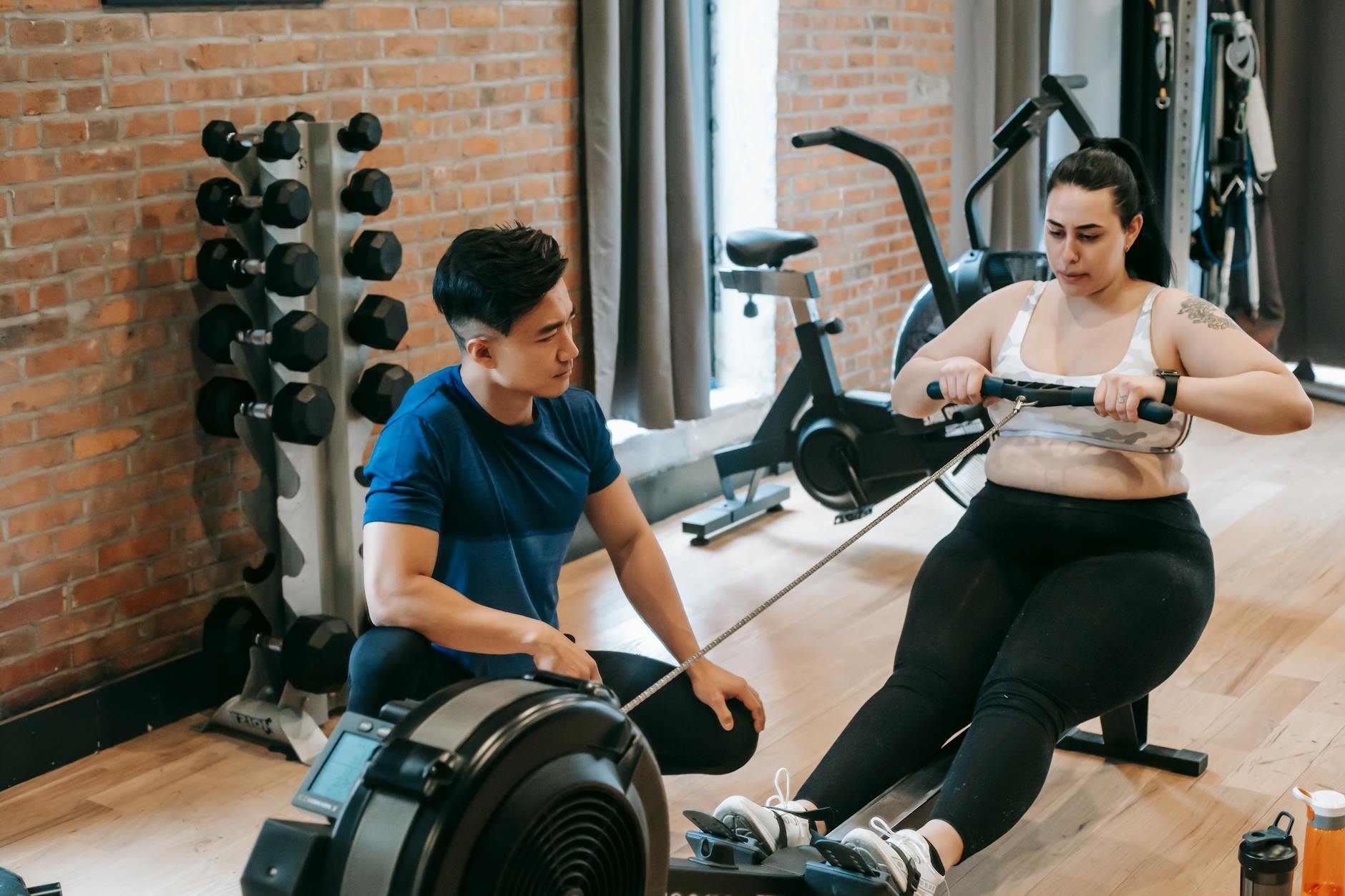
This is a point I can’t stress enough. While cardio is king for immediate calorie burn during the activity, strength training is a hidden gem for long-term cardio fat burning. Many people focus solely on cardio, but neglecting strength training is a missed opportunity.
Building Lean Muscle Mass
Muscle tissue is metabolically active. This means it burns calories even when you’re at rest. The more lean muscle mass you have, the higher your resting metabolic rate. So, while a 30-minute cardio session might burn 300 calories, building muscle through strength training can increase your daily calorie burn by hundreds over time, just by existing. This is crucial for sustainable fat loss.
Complementing Your Cardio Workouts
Strength training doesn’t have to replace cardio; it should complement it. Incorporating two to three full-body strength training sessions per week can enhance your overall cardio fat burning efforts. You’ll find that as your strength improves, you might be able to push harder during your cardio sessions, leading to even greater calorie expenditure. It also helps sculpt your body, so as you lose fat, you reveal a more toned physique.

Nutrition: The Unsung Hero of Fat Loss
I’ll be real with you: you can’t out-exercise a bad diet. This is one of the hardest lessons many people learn. While cardio is fantastic for burning calories, if you’re constantly overeating, you’ll never create the necessary calorie deficit for significant fat loss. Nutrition is the foundation upon which all your hard work in the gym is built.
Creating a Calorie Deficit
As we discussed, a calorie deficit is essential. Cardio helps create this deficit by increasing calorie expenditure, but controlling your calorie intake is equally, if not more, important. Focus on whole, unprocessed foods: lean proteins, plenty of vegetables, fruits, and healthy fats. These foods are nutrient-dense and satiating, helping you feel full while consuming fewer calories.
The Impact of Food Quality
It’s not just about the number of calories, but the quality. A diet rich in protein and fiber will keep you fuller for longer, reducing the urge to snack on less healthy options. For instance, a meal of grilled chicken breast with a large salad provides sustained energy and nutrients, whereas a sugary donut might give you a quick burst but leave you hungry again soon after. This mindful eating approach is a game-changer for cardio fat burning success.

Consistency and Patience: The Keys to Long-Term Success
This is where many people falter. They expect rapid results and get discouraged when they don’t see them immediately. The truth is, sustainable fat loss is a marathon, not a sprint. It requires consistent effort and a healthy dose of patience.
Making Cardio a Habit
The most effective cardio fat burning strategy is one you can stick with. If you hate running, don’t force yourself to run every day. Find activities you genuinely enjoy. Maybe it’s dancing, hiking, playing a sport, or even following a home fat burning workout video. When exercise feels like a chore, it’s much harder to maintain long-term. Aim for consistency, even if it’s just 20-30 minutes most days of the week.
Tracking Progress Beyond the Scale
The scale can be a fickle friend. It doesn’t always tell the whole story. Sometimes, you might be building muscle while losing fat, and the number on the scale might not change much. Pay attention to other indicators of progress: how your clothes fit, your energy levels, your sleep quality, and how much stronger you feel. These non-scale victories are often more motivating and indicative of true health improvements than a number alone. I learned this the hard way, obsessing over my weight when my body composition was actually improving.
Listening to Your Body
Rest and recovery are just as important as the workouts themselves. Pushing yourself too hard, too often, can lead to burnout, injury, and decreased motivation. Ensure you’re getting enough sleep, staying hydrated, and taking rest days when your body needs them. This will allow you to perform better during your cardio fat burning sessions and recover more effectively.
Ultimately, the journey to effective cardio fat burning is about finding a sustainable, enjoyable approach that integrates exercise, nutrition, and consistent effort. It’s about building a healthier lifestyle, not just chasing a number. So, find what works for you, be kind to yourself, and celebrate every step of progress. You’ve got this.