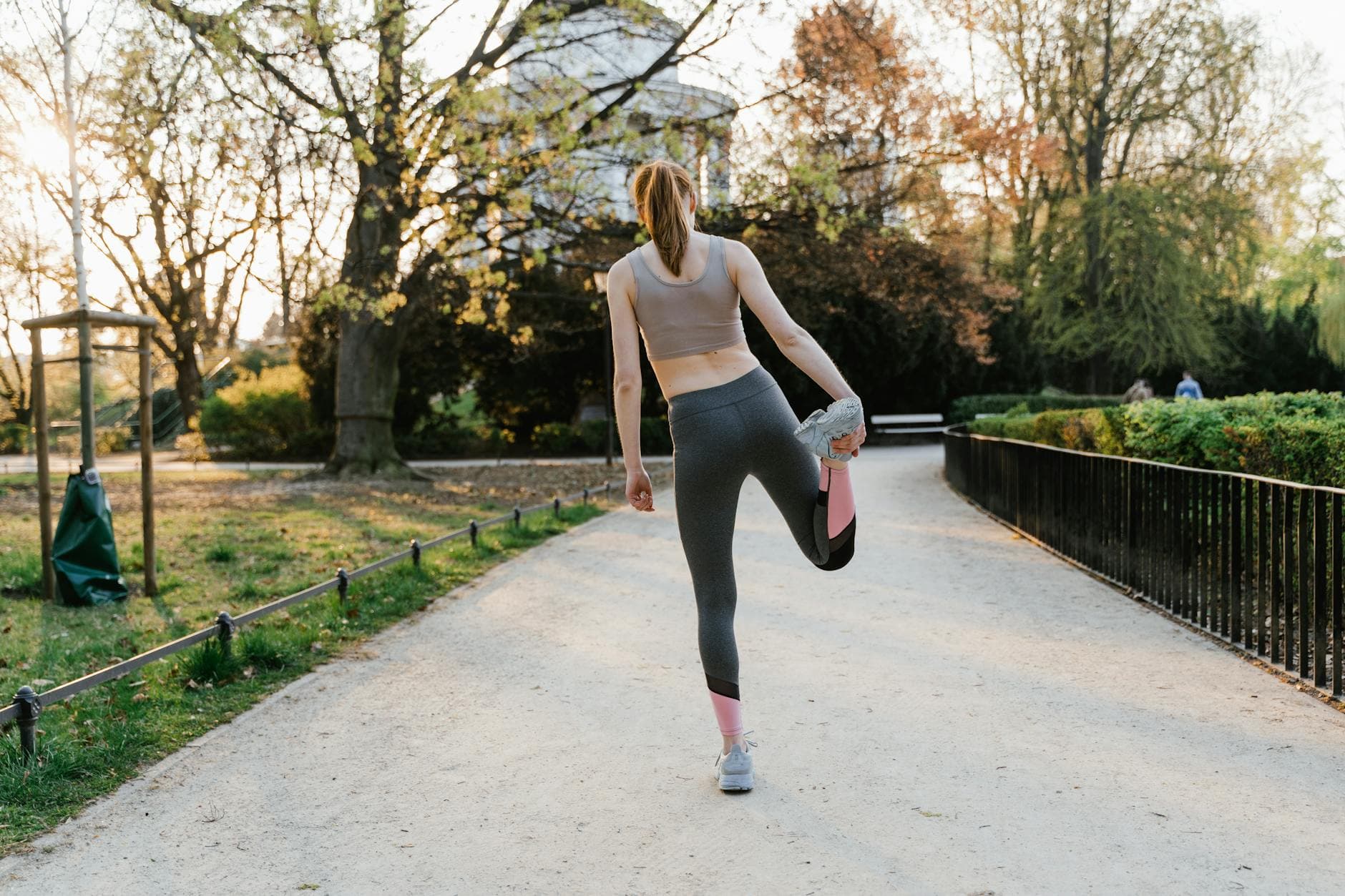
I remember a few years back, staring out my office window in early March. The sun was making a timid appearance, barely peeking over the horizon before retreating again. My motivation to get out and move felt as grey and short-lived as the daylight. It’s a feeling many of us share as winter loosens its grip. But then, something shifts. The days start to stretch, the air gets a little crisper, and the idea of spring exercise daylight starts to feel not just possible, but incredibly appealing. It’s more than just a change in the weather; it’s a fundamental shift in our environment that can profoundly impact our fitness journey.
Embracing the Extended Light: Your Spring Exercise Daylight Advantage
There's a reason we often feel a surge of energy and optimism as the clocks spring forward. It’s not just in our heads; the increased exposure to natural light plays a significant role in regulating our mood, sleep patterns, and overall energy levels. For those of us who struggle with shorter days, especially during winter months, the arrival of longer daylight hours in spring is a game-changer. This extended period of light offers a golden opportunity to recalibrate your fitness routine and truly embrace the outdoors.
The Psychological Boost of Brighter Days
You've probably noticed it yourself – that subtle lifting of spirits when the sun stays out longer. This isn't just a coincidence. Sunlight helps our bodies produce vitamin D, which is crucial for bone health and immune function, but it also impacts our brain chemistry. Exposure to light, particularly in the morning, helps to suppress melatonin (the sleep hormone) and boost serotonin (the feel-good hormone). This can lead to improved mood, reduced feelings of fatigue, and a greater sense of overall well-being. This psychological uplift is a powerful motivator for getting your body moving.
Circadian Rhythms and Your Workout Schedule
Our internal body clocks, known as circadian rhythms, are heavily influenced by light. When daylight hours are short, our rhythms can become a bit jumbled, leading to that sluggish feeling many of us experience. As the days lengthen, our circadian rhythms naturally align better with the cycle of day and night. This makes it easier to wake up feeling refreshed and to find the energy for an evening workout, rather than feeling like you’re fighting against your own biology. It's a gentle nudge from nature to get active.
The Science Behind Sunlight and Exercise
The connection between sunlight and exercise is well-documented. For instance, studies discussed in Harvard Health research on spring exercise daylight have shown that exposure to natural light can enhance exercise performance and endurance. The theory is that brighter conditions might make perceived exertion feel lower, allowing us to push a little harder or longer. This is a fantastic benefit to tap into as we transition to more outdoor activities. Furthermore, the National Institutes of Health has published extensive findings on the impact of light exposure on mood and energy, which directly relates to our motivation for exercise. You can explore this further through National Institutes of Health research on spring exercise daylight.
Maximizing Daylight for Workouts: Practical Strategies
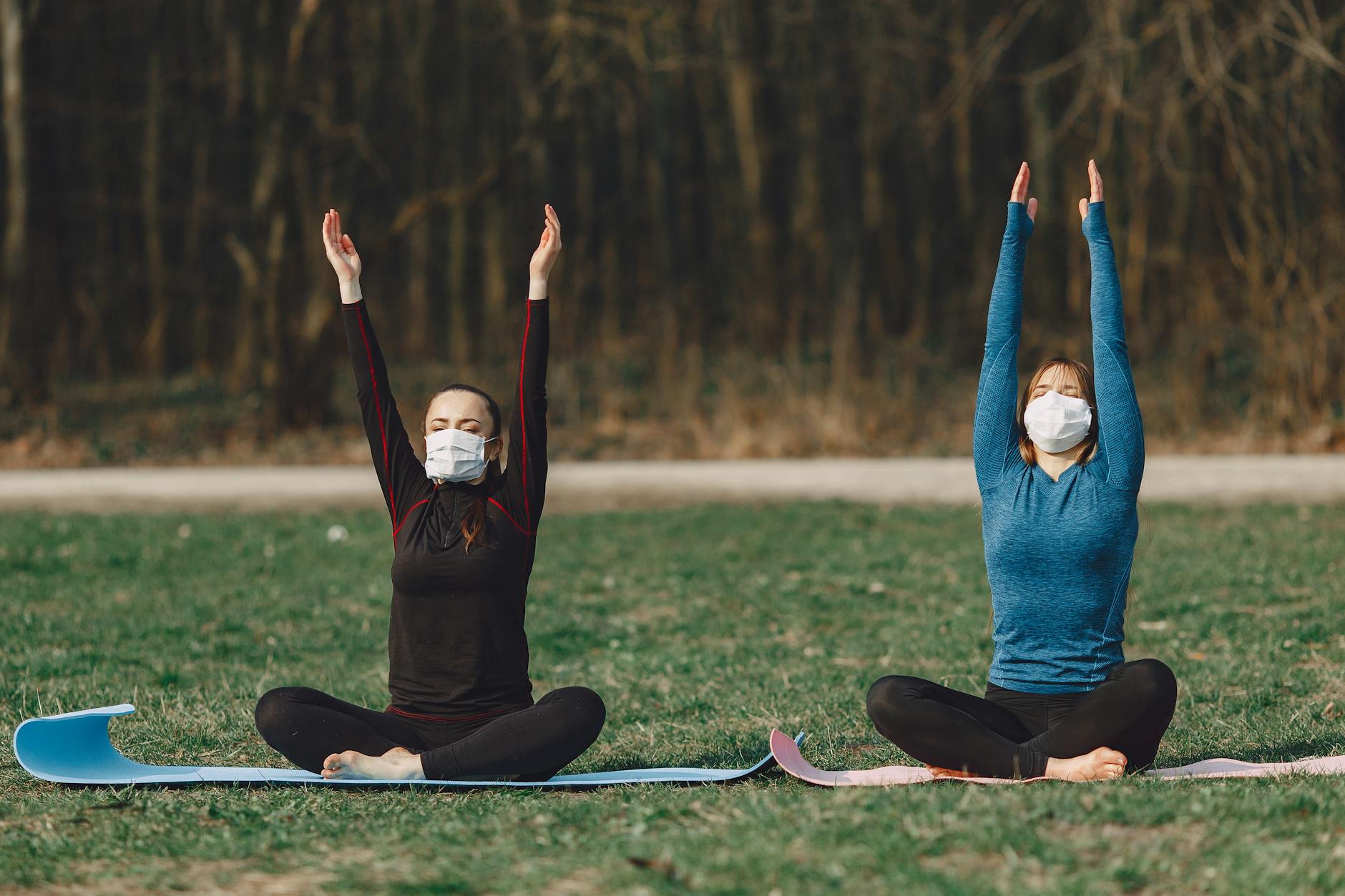
So, the daylight is there, beckoning you outside. But how do you actually leverage this gift of extended light for your fitness goals? It’s about being intentional and making small adjustments to your routine. Don't feel like you need to overhaul everything overnight; small, consistent changes are key.
Shifting Your Workout Times
This is the most obvious, yet often overlooked, strategy. If you're typically a morning exerciser who shies away from the pre-dawn darkness of winter, spring is your invitation to embrace those earlier hours. Even an extra 30 minutes of daylight can make a world of difference. Consider trying Sunrise Yoga Spring: Gentle Flow for Fresh Mornings or simply a brisk walk as the sun begins to rise. Conversely, if you’re an evening person, you’ll find that the light lingers much later, giving you ample time for that post-work run or gym session without feeling rushed by darkness.
Making the Most of Lunch Breaks
If your workday confines you indoors, your lunch break can become a mini-escape. Even a 20-minute walk around the block during the brightest part of the day can provide a significant mood and energy boost. It’s a chance to step away from screens, get some fresh air, and soak in some natural light. This isn't just about exercise; it's about mental rejuvenation too. Think of it as a strategic pause that fuels the rest of your day.
Outdoor Spring Exercise: Beyond the Walk
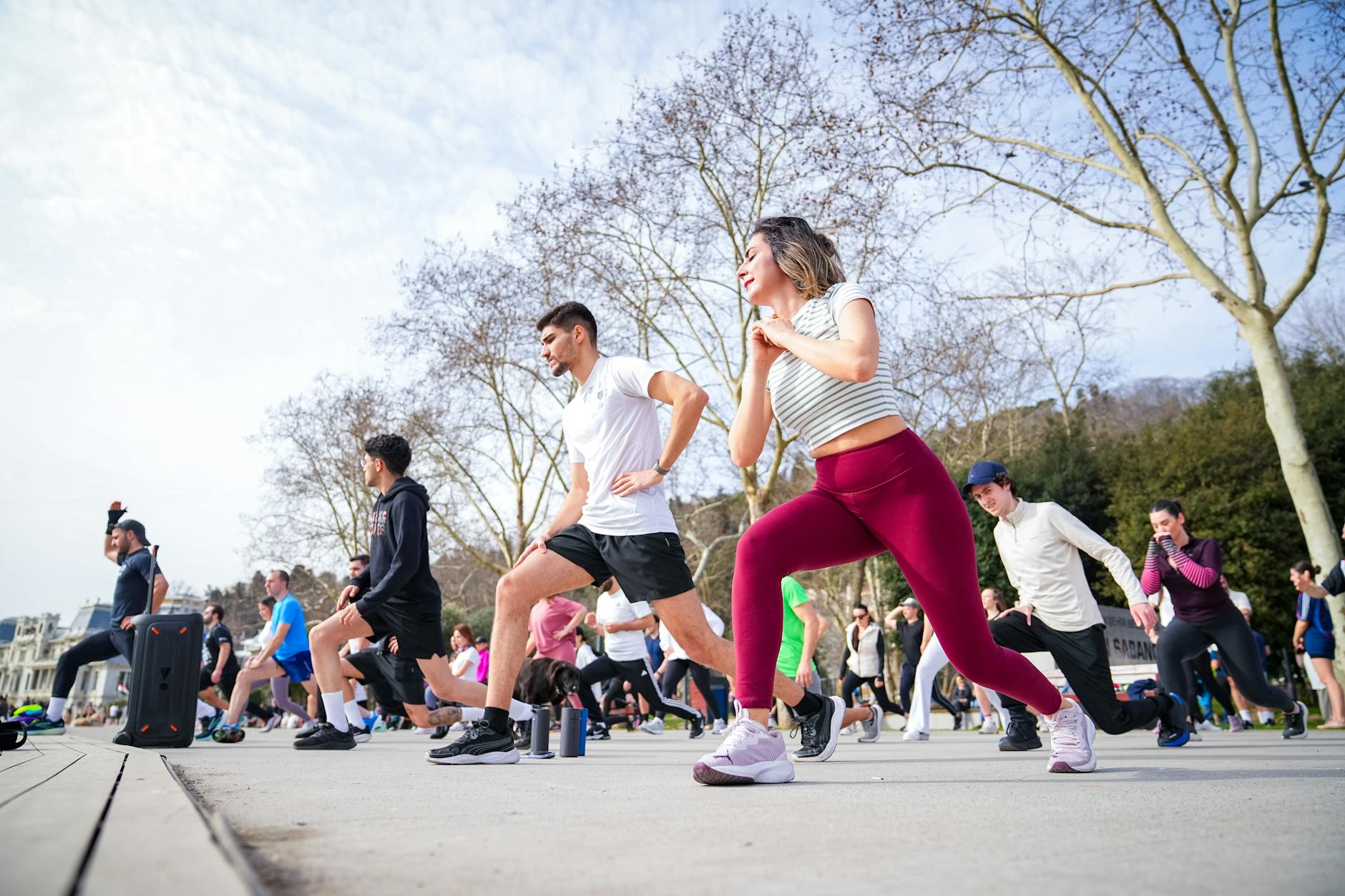
The extended daylight hours aren't just for walking or running. They open up a world of possibilities for outdoor spring exercise. Think about cycling on trails that were too dark to navigate safely just a month ago. Consider joining an outdoor sports league that now has longer practice times. Even simple activities like gardening or playing frisbee in the park become more feasible and enjoyable with more light. Investing in some basic Spring Training Gear: Essential Outdoor Fitness Picks can make these activities even more comfortable and effective.
The Unexpected Benefits of Longer Daylight Workouts
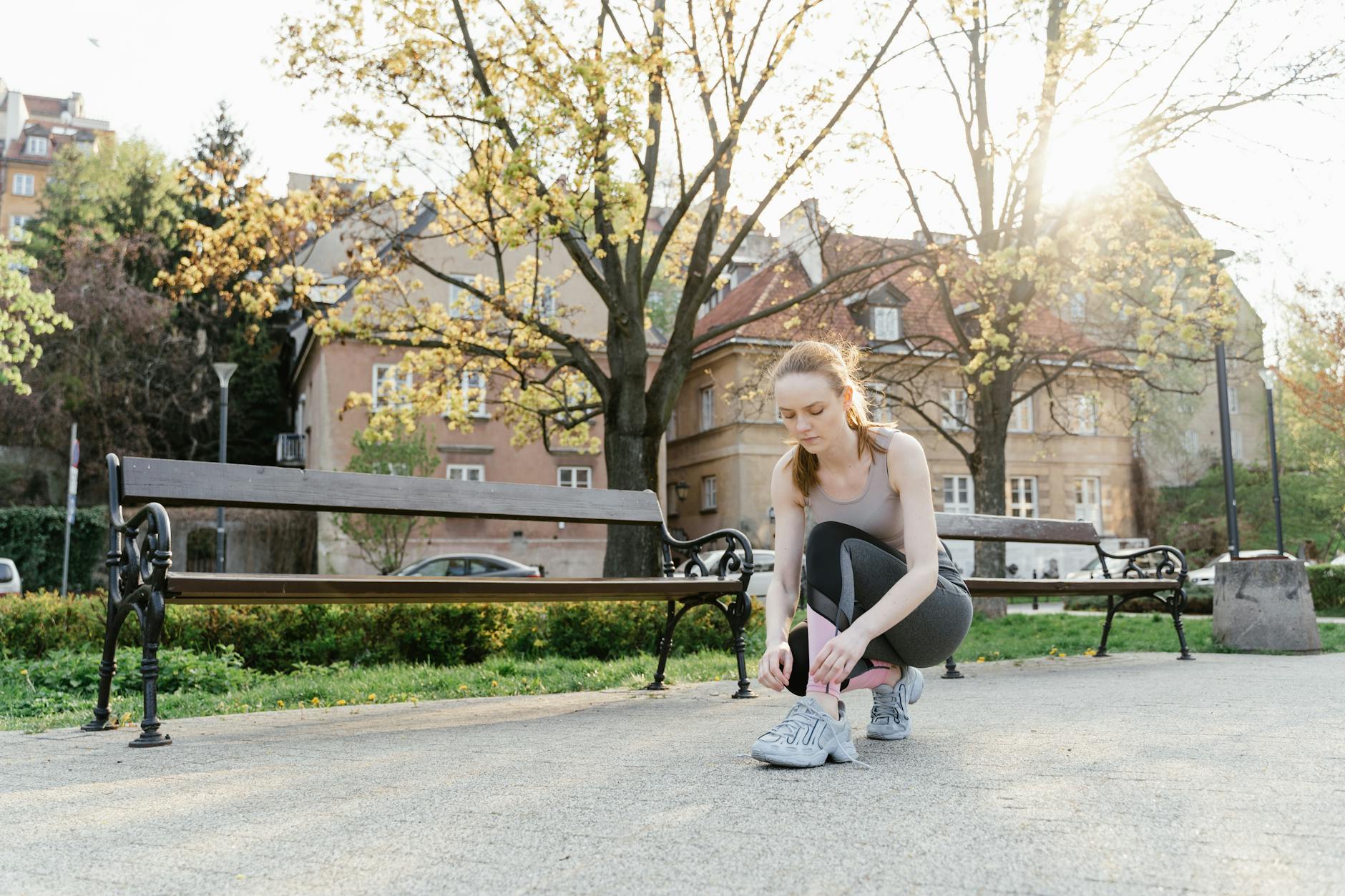
We often focus on the obvious advantages of more daylight – more time to exercise, better mood. But there are some subtler, perhaps even surprising, benefits that come with embracing longer daylight hours for your fitness.
Improved Sleep Quality
This one surprised me initially. You might think that exercising later in the day with more daylight would disrupt sleep. However, when your body's natural circadian rhythm is better aligned due to consistent light exposure, your sleep quality often improves. A well-timed outdoor workout, even in the early evening, can help you feel more tired at the right time for bed, leading to deeper, more restorative sleep. It's about finding that balance and letting your body respond to the natural cues.
Enhanced Social Connection
Longer daylight hours make it easier to schedule outdoor activities with friends and family. Think about evening picnics in the park after a light workout, or group bike rides that don't have to end at dusk. This social aspect of exercise is incredibly powerful. It adds accountability, makes workouts more fun, and strengthens relationships. It's a win-win for both physical and mental health. You might find yourself rediscovering the joy of shared activity when the weather and light cooperate.
Increased Vitamin D Synthesis
While we can get vitamin D from supplements and fortified foods, our bodies are designed to synthesize it most efficiently from direct sunlight exposure. As the days lengthen and temperatures become more amenable, you naturally increase your chances of absorbing those vital rays. This is crucial not just for bone health, but also for immune function and mood regulation. It's a passive benefit that comes along with enjoying your outdoor spring exercise.
Adjusting Your Exercise Routine for Spring Daylight
Transitioning from a winter routine to a spring one requires a thoughtful approach. It's not just about adding more workouts; it's about adapting your existing habits to take advantage of the changing light and energy levels.
Listen to Your Body, Not Just the Clock
While the longer daylight hours offer more opportunities, it's crucial to remember that your body has just come off a period of potentially less activity and perhaps more rest. Don't suddenly jump into intense, demanding workouts. Consider a Spring Body Reset: Gentle Moves for a Fresh Start. Gradually increase intensity and duration. If you feel energized for an extra mile or an extra set, great! But if you're still feeling a bit sluggish, it's okay to ease into it. The goal is sustainable progress, not burnout.
Incorporating Variety
The beauty of spring exercise daylight is that it opens up so many more options. If you've been doing the same indoor routine for months, now is the perfect time to shake things up. Try new outdoor activities, explore different parks or trails, or join a new fitness class that meets outdoors. Variety keeps things interesting and prevents your body from adapting too much to a single type of stress, which can lead to plateaus. You might even find yourself wanting to try some Advanced Core Training: Spring Your Fitness Forward once you've built a solid base.
The Power of Consistency
Here's the thing about consistency: it’s the bedrock of any successful fitness journey. The longer daylight hours make it easier to be consistent. Instead of thinking of it as a chore, try to view your outdoor workouts as a reward for getting through the day. Schedule them like important appointments. Even short, consistent bursts of activity are far more effective than sporadic, long sessions. The ease of fitting in a workout when it's light outside can be the very thing that keeps you on track.
Seasonal Exercise Tips: Beyond Just Light
While the abundance of spring exercise daylight is a major draw, there are other seasonal factors to consider for a well-rounded fitness approach.
Hydration is Still Key
Even though it might not feel as hot as summer, as you increase your outdoor activity, your body will still lose fluids. Make sure you're drinking enough water throughout the day, especially before and after your workouts. Don't wait until you're thirsty; that's a sign you're already starting to dehydrate. Carry a water bottle with you on longer excursions.
Listen to Your Body's Signals
Spring can bring unpredictable weather. One day it's sunny and 60 degrees, the next it's chilly and rainy. Pay attention to how your body feels in different conditions. You might need layers for cooler mornings or evenings, and sunscreen even on cloudy days. If you're feeling under the weather or overly fatigued, it’s okay to scale back. Pushing too hard when your body is signaling rest can lead to injury or illness, setting you back further.
Focus on Re-engagement, Not Perfection
This is perhaps the most important piece of advice I can give you. Spring exercise daylight is a fantastic opportunity to re-engage with movement and with the natural world. Don't aim for perfection immediately. Celebrate the small victories: showing up, completing a workout you might have skipped, or simply enjoying the feeling of the sun on your skin. It’s about building momentum and rediscovering the joy of being active. You don’t need to be running marathons or lifting heavy weights right away. Perhaps start with some Spring Strength Moves: 5 Fast Workouts for Busy Mornings and build from there.
The arrival of longer daylight hours in spring is a powerful, natural catalyst for change. It’s an invitation to step outside, to breathe deeper, and to reconnect with your body and the world around you. Embrace the extended light, adjust your routine thoughtfully, and enjoy the myriad benefits that come with outdoor spring exercise. Your body and mind will thank you for it.