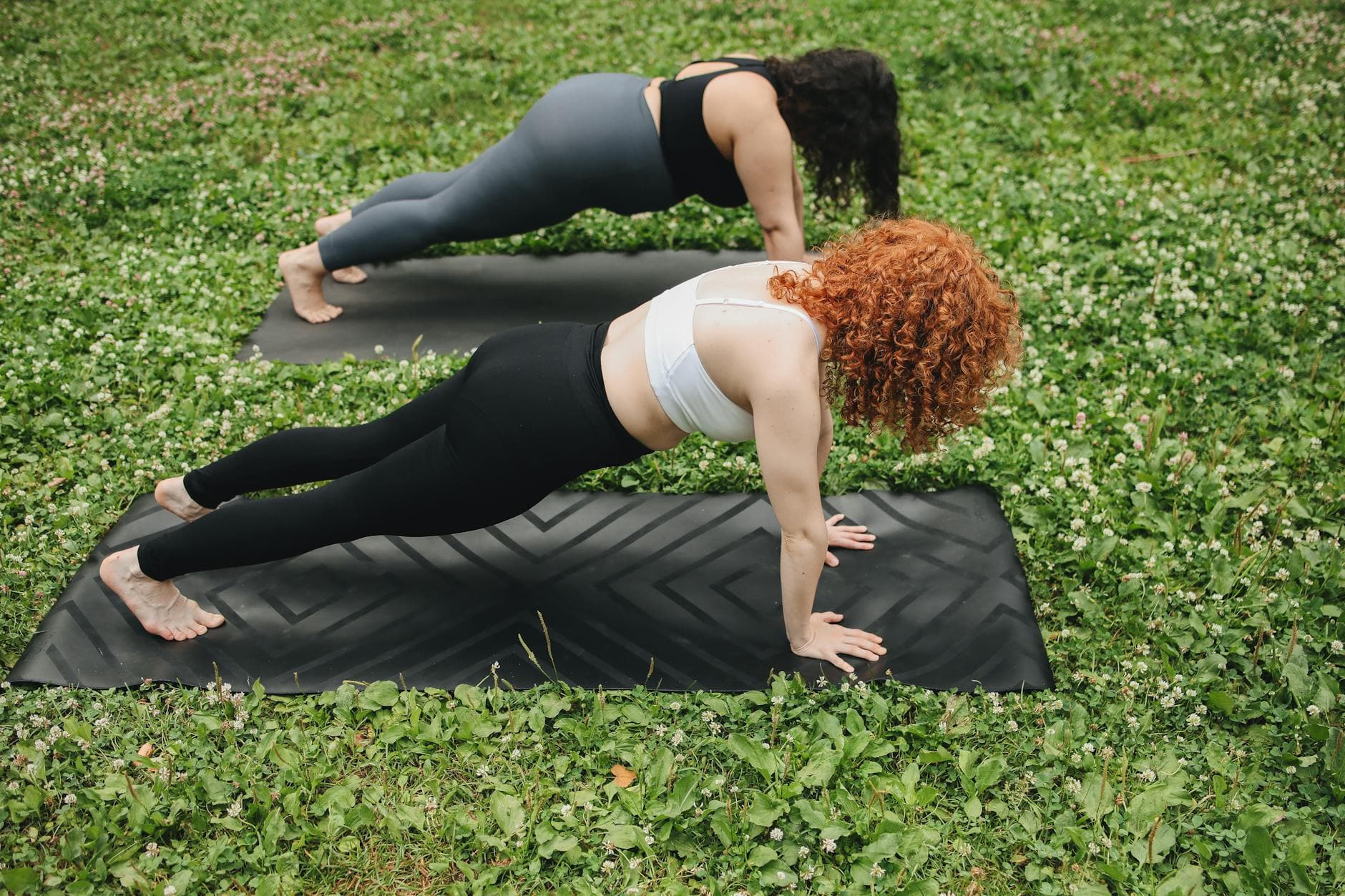
I used to think that the only way to build a truly strong core was to be in a gym, surrounded by machines and weights. I spent years grinding away on the floor, doing endless crunches and planks, convinced that confined spaces were the crucible of core strength. Then, one crisp spring morning, I found myself staring at a sturdy park bench and a towering oak tree, and it hit me: the world outside my gym walls was a far more dynamic and challenging training ground than I had ever imagined. This realization sparked my journey into the world of the outdoor core workout, and honestly, it’s changed everything about how I approach functional strength.
The Untapped Potential of Nature's Gym
The gym has its place, no doubt. But there’s a raw, primal energy that comes with training outdoors. The uneven ground, the unpredictable breezes, the sheer scale of natural elements – they all demand more from your body, especially your core. An outdoor core workout isn't just about mimicking gym exercises; it's about engaging your stabilizing muscles in ways that are directly transferable to everyday life and sport. Think about it: anytime you reach for something overhead, twist to pick up a child, or navigate a rocky trail, your core is working overtime. Training it outside prepares you for these real-world demands far better than sterile indoor environments.
Why the Outdoors Demands More
The Challenge of Instability
When you're on a stable gym floor, your body can rely on that predictability. Outdoors, the ground might be soft grass, uneven dirt, or a slightly sloped surface. This constant need to adjust and maintain balance forces your deep core muscles – the ones that truly stabilize your spine and pelvis – to work harder. This is where you start building genuine, functional core strength that goes beyond just aesthetics.
Engaging the Entire Kinetic Chain
An outdoor core workout often encourages movements that involve the whole body. You’re not just isolating a muscle; you’re using your core to transfer power from your legs to your arms, or to control your torso while your limbs are in motion. This interconnectedness is crucial for athletic performance and injury prevention. It’s the essence of spring core training, where you’re building a resilient foundation after the colder, more sedentary months.
The Mental Boost
Let's not forget the psychological aspect. The fresh air, the sunlight, the connection with nature – it all contributes to a better workout experience. I've found I can push myself harder and stay more motivated when I'm not staring at the same four walls. It’s a holistic approach to fitness, combining physical exertion with mental well-being.

Leveraging Park Bench and Tree Trunk for Core Power
When I first started experimenting with an outdoor core workout, I was amazed at the simple yet effective tools nature provided. Forget fancy equipment; a park bench and a sturdy tree trunk can become your best friends for building an ironclad core. These natural anchors allow for a variety of exercises that challenge your stability, strength, and endurance.
The Versatile Park Bench
Bench Dips with a Twist
This is a classic, but let’s elevate it for the core. Instead of just dipping, try adding a leg raise at the top. Place your hands on the bench, feet on the ground, and perform a dip. As you push back up, extend one leg straight out in front of you, engaging your lower abs. Alternate legs with each rep. This turns a simple upper-body exercise into an effective outdoor ab workout. Aim for 3 sets of 10-12 reps per leg.
Incline Plank Variations
Prop your feet on the bench and place your hands on the ground. This elevates your body, making the plank more challenging. For an advanced variation, try lifting one leg off the ground for 5-10 seconds before switching. This demands incredible core stability and works those often-neglected deep stabilizers. Hold for 30-60 seconds, focusing on keeping your hips level. This is excellent for building core stability exercises.
Bench-Assisted Crunches
Sit on the edge of the bench, knees bent, feet flat on the ground. Lean back slightly, keeping your back straight, and place your hands behind your head. Now, instead of a traditional crunch, focus on bringing your knees towards your chest while keeping your upper body relatively still. This engages your lower abs more intensely. Perform 3 sets of 15-20 repetitions.
The Mighty Tree Trunk
Tree Trunk Twists
Stand facing a sturdy tree trunk, about arm’s length away. Place your hands on the trunk at chest height, shoulder-width apart. Step back slightly so you have tension in your arms. Now, rotate your torso, allowing your hands to slide along the trunk as you twist. Imagine you’re trying to look behind you. This is a fantastic exercise for oblique strength and rotational power, crucial for many sports and everyday movements. Do 10-12 twists to each side, focusing on controlled movement rather than speed. This is a great addition to any outdoor core workout.
Tree Trunk Plank with Reach
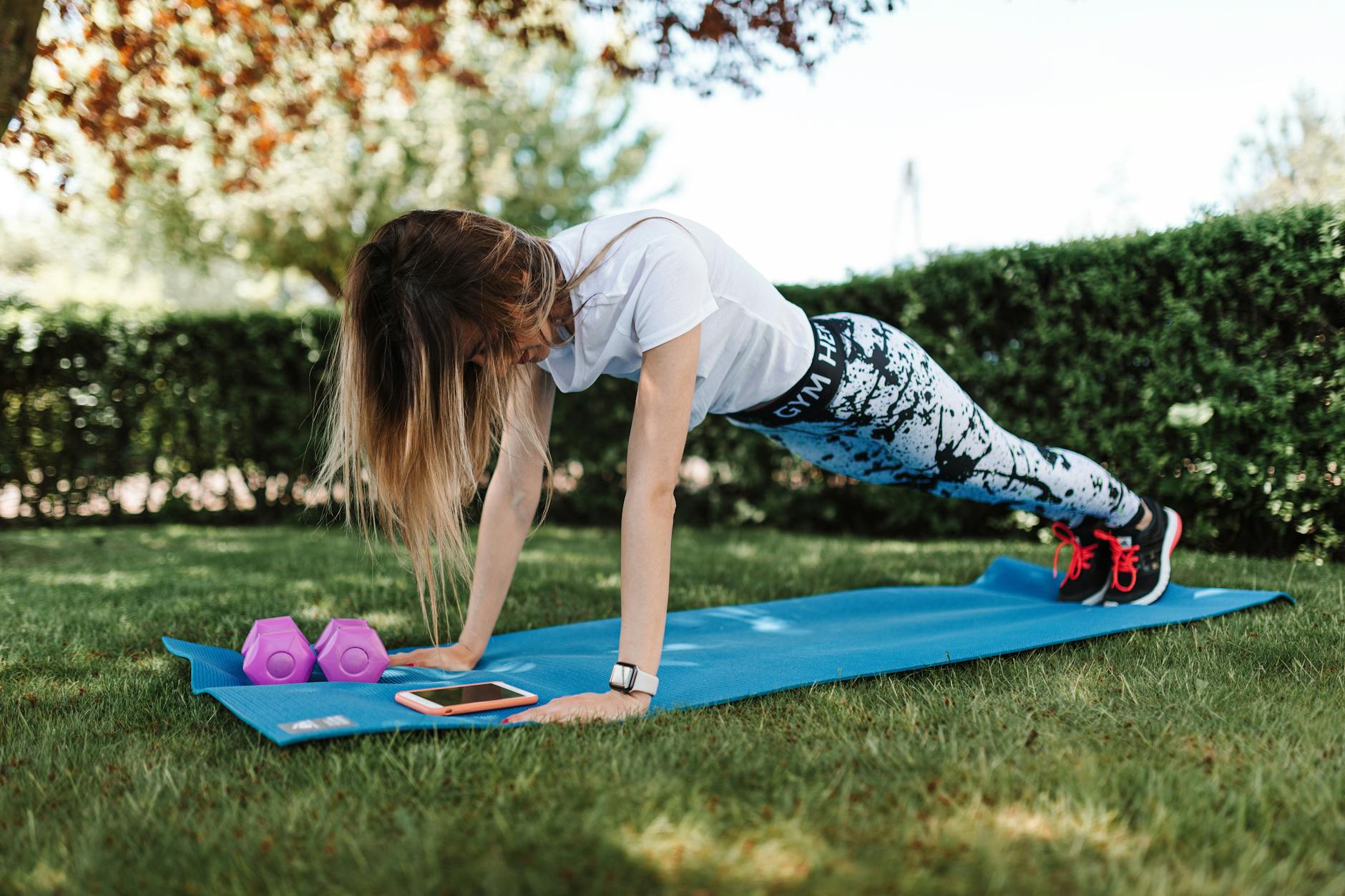
Get into a plank position with your hands on the tree trunk at chest height. Your body should be in a straight line from head to heels. From this position, slowly reach one arm forward, extending it as far as you can while maintaining a stable core. Hold for a second, then return to the starting plank. Alternate arms. This challenges your anti-rotation strength, a vital component of core stability. Aim for 3 sets of 8-10 reaches per arm.
Tree Trunk Leg Raises
Stand with your back against the tree trunk, hands gripping the trunk for support. Bring your knees up towards your chest, squeezing your abs. Then, slowly extend your legs straight out in front of you, hovering them just off the ground. Control the descent as you bring them back to the starting position. This is a challenging outdoor ab workout that targets the lower rectus abdominis. Perform 3 sets of 12-15 repetitions.
Beyond the Bench: Advanced Core Exercises in Nature
Once you’ve mastered the basics with park furniture and trees, it’s time to push your limits with more dynamic and challenging movements. An outdoor core workout can easily incorporate advanced techniques that build incredible strength and power. These exercises often demand more coordination and control, pushing your core to its absolute peak.
The Power of Uneven Terrain
Single-Leg Deadlifts on Grass
Stand on a patch of uneven grass. With a slight bend in your standing knee, hinge at your hips, lowering your torso towards the ground while extending your opposite leg straight back. Keep your back flat and your core braced. The instability of the grass will force your stabilizing muscles, including your core, to work overtime to keep you upright. Reach as far as you can without losing balance, then return to the starting position. This is a fantastic exercise for building functional core strength and improving proprioception. Aim for 3 sets of 8-10 reps per leg.
Bounding and Jumping Drills
The open space of a park allows for plyometric movements. Try bounding strides, where you explosively push off one leg and land on the same leg, covering as much distance as possible. Or, practice box jumps onto low park structures (ensure they are stable and safe!). These explosive movements require a powerful and stable core to absorb impact and generate force. Incorporating these into your spring core training routine will dramatically improve your athletic performance.
Bodyweight Mastery
Hollow Body Holds
Find a relatively flat patch of ground. Lie on your back and lift your arms and legs slightly off the ground, creating a "hollow" shape in your body. Your lower back should be pressed into the ground. Hold this position, focusing on engaging your entire core. This is a deceptively difficult exercise that builds incredible isometric core strength. Hold for 30-60 seconds, aiming for 3 sets. This is a cornerstone of many bodyweight core exercises.
Scapular Push-Ups with Rotation
Get into a standard push-up position on the ground. Instead of just lowering and pushing up, focus on squeezing your shoulder blades together as you lower, and then pushing them apart as you extend. For an advanced variation, add a torso twist at the top of the push-up, reaching one arm towards the sky. This challenges your core’s ability to resist rotation while your upper body is in motion. Aim for 3 sets of 10-12 reps per side. This is a great way to build agility and core strength.
Integrating the Outdoor Core Workout into Your Routine
It's one thing to know these exercises, but it's another to make them a consistent part of your fitness regimen. The beauty of an outdoor core workout is its flexibility. You can weave it into existing routines or create standalone sessions.
Morning Energy Boost
Start your day with a brisk walk to a local park. Dedicate 20-30 minutes to a circuit of bodyweight core exercises using benches, trees, or just the ground. Follow this with a few minutes of dynamic stretching and you’re ready to face the day with a strong, energized core. This fits perfectly into the concept of spring strength moves for busy mornings.
Interval Training Outdoors
Use the natural landscape for interval training. Sprint between two trees, then immediately perform a set of planks or mountain climbers. Rest briefly, then move to the next station. This type of interval training core work is highly effective for both cardiovascular fitness and core conditioning. You can find great ideas for outdoor spring activities that incorporate this.
Complementing Strength Training
If you’re already doing strength training outdoors, add a core finisher. After your main lifts, spend 10-15 minutes on specific core exercises. This ensures your core is adequately trained without becoming the sole focus of your workout. You might even consider investing in some lightweight spring training gear like resistance bands to add an extra challenge to these finishers.
The Importance of Consistency
I’ll be real with you, the biggest hurdle is consistency. It’s easy to find excuses when the weather isn’t perfect. But that’s where the mental toughness comes in. Even on a slightly cooler day, a brisk walk to the park and a focused 15-minute outdoor core workout can make a world of difference. The World Health Organization research on outdoor core workout consistently highlights the benefits of regular physical activity in natural environments.

When Progress Stalls: Elevating Your Outdoor Core Game
You’ve been doing your outdoor workouts, but you feel like you’ve hit a plateau. This is a common experience, and it’s a sign that it’s time to introduce more advanced challenges. The good news is, the outdoors offers endless opportunities to progress. The Mayo Clinic research on outdoor core workout often points to the benefits of varied stimuli for continued adaptation.
Progressive Overload in Nature
Increasing Time Under Tension
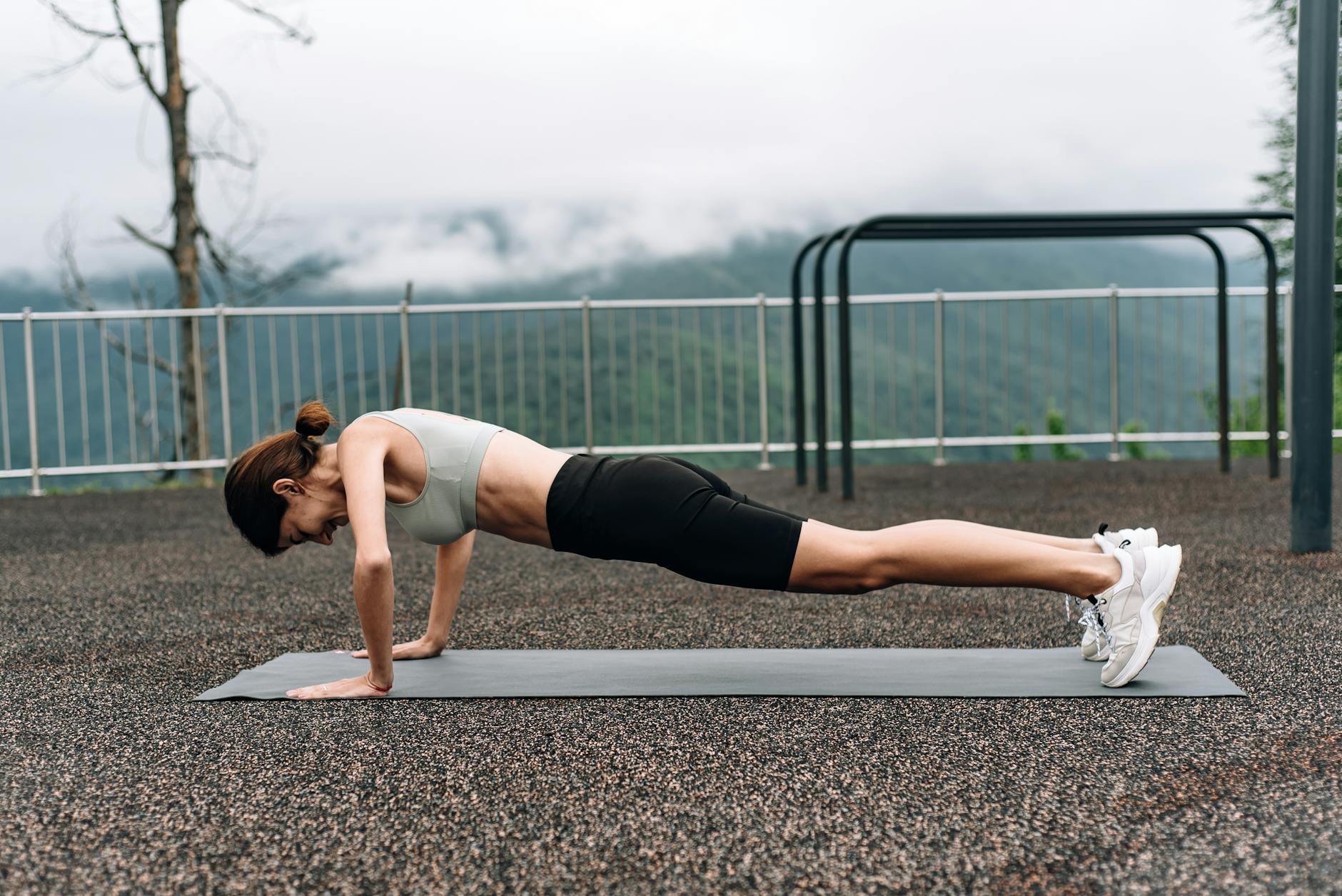
Instead of just holding a plank for 30 seconds, try holding it for 45 or 60. For exercises like hollow body holds, focus on making the hold more challenging by lowering your limbs further or holding them for longer intervals. This gradual increase in demand is key to continued muscle growth and strength development.
Adding Explosiveness
If you’ve been doing slow, controlled movements, it’s time to inject some power. Incorporate jump squats, burpees with a jump, or clapping push-ups if you’re on a stable surface. These movements recruit fast-twitch muscle fibers and demand a highly reactive core. This is where you really start building that explosive power for sports and life.
Introducing Rotational and Anti-Rotational Challenges
Many advanced core exercises focus on preventing unwanted rotation or generating powerful rotational movement. Think about medicine ball throws and catches (if you have a partner or a sturdy wall), or exercises like Pallof presses using resistance bands anchored to a tree. The National Institutes of Health research on outdoor core workout often emphasizes the importance of these multi-planar movements for overall core health.
Mastering Advanced Core Exercises
Pistol Squat Progressions
While not solely a core exercise, the pistol squat requires immense core stability to maintain balance and control throughout the movement. Start with assisted pistol squats, holding onto a tree or bench for support, and gradually reduce your reliance on external aids. This is a fantastic way to build unilateral strength and core endurance simultaneously.
Handstand Holds and Walks
If you have a safe, open space and are comfortable, attempting handstand holds against a wall or tree can be an incredible core challenge. Maintaining an inverted position requires constant engagement of your deep core muscles. Progressing to handstand walks further demands dynamic core control and balance. These are definitely in the realm of advanced core exercises.
The Mind-Muscle Connection Outdoors
This is crucial. When you’re outside, there are more distractions. It’s easy for your mind to wander. But to truly benefit from an outdoor core workout, you need to be present. Focus on the sensation of your muscles working, the feeling of stability, and the effort it takes to maintain form. This conscious connection amplifies the effectiveness of every movement. It’s about feeling your core engage, not just going through the motions.
The outdoors offers a playground for building a powerful, resilient core. It’s not just about aesthetics; it’s about building a body that can move efficiently, protect itself from injury, and tackle life’s demands with confidence. Don’t let the convenience of the gym be the sole determinant of your fitness journey. Step outside, embrace the elements, and discover the incredible strength that lies within you, waiting to be unleashed by an outdoor core workout. Your body will thank you for it.