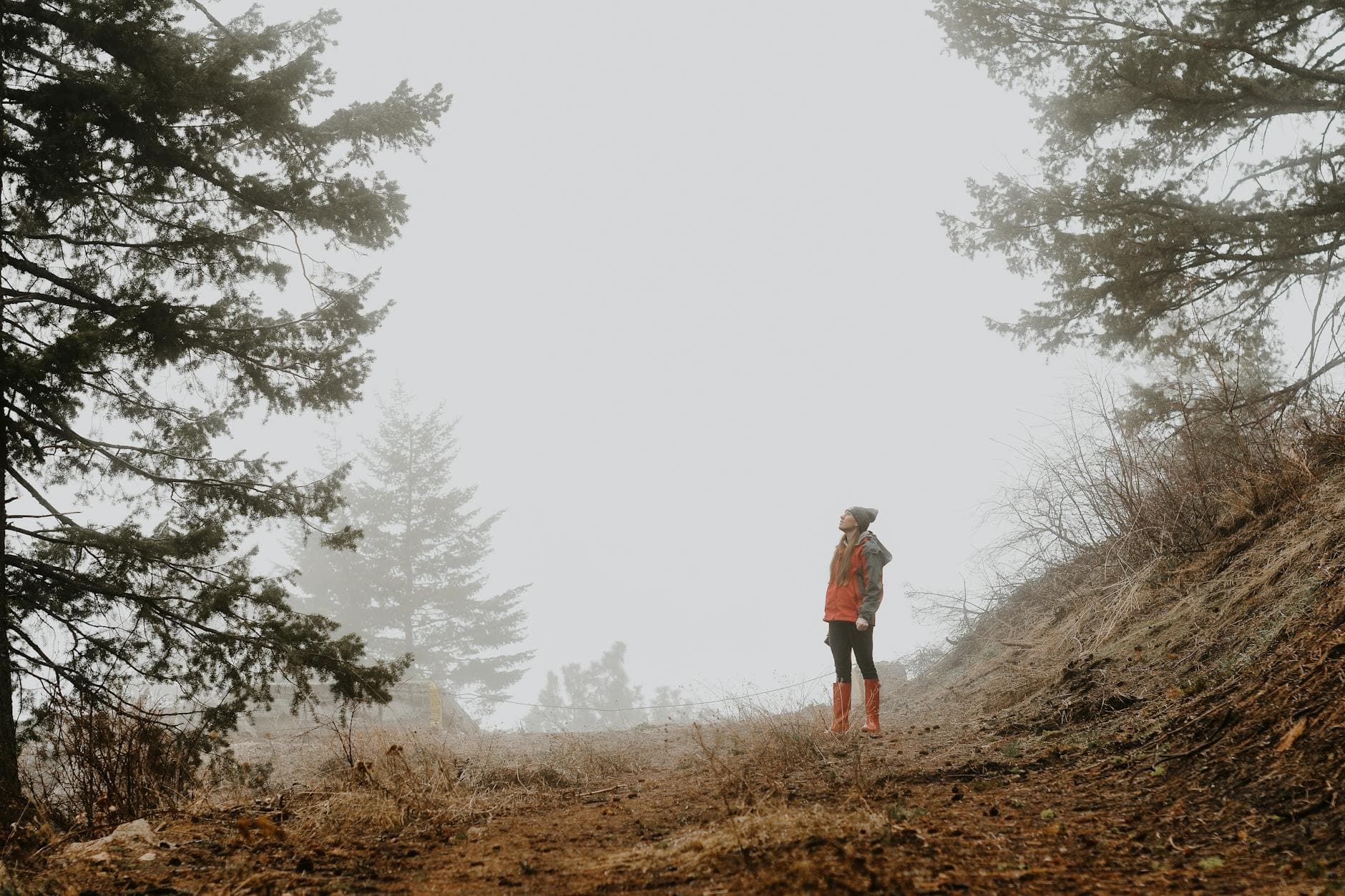
What if you stepped out your door on a beautiful spring morning, the air crisp and alive with the promise of new growth, only to find yourself shivering, soaked, or worse, unprepared for the trail's unexpected moods? It happens more often than you'd think. Spring hiking, while glorious, is a season of transition, a delicate dance between winter's lingering chill and summer's burgeoning warmth. Getting your spring hiking essentials right means the difference between a soul-stirring adventure and a damp, miserable ordeal. I've learned this through countless miles, through days where the sun blazed at the trailhead only to be swallowed by a sudden squall an hour later.
Mastering the Unpredictable: Your Spring Hiking Essentials
The beauty of spring is its wild card nature. You can have glorious sunshine one moment and a chilling downpour the next. This is precisely why a well-thought-out packing list for a spring hike isn't just a good idea; it's non-negotiable. We're talking about layering, about adaptability, and about respecting the mountain's ability to surprise you. These aren't just items; they're your ticket to enjoying the vibrant awakening of the natural world without being caught off guard. Let's break down the absolute must-haves for your spring adventures.
The Foundation: What to Wear Hiking Spring
This is where most people stumble. They either overpack and feel bogged down, or they underpack and end up regretting it. The key is smart layering. Think of your clothing as a system, designed to manage moisture and temperature effectively.
Base Layers: The Unsung Heroes
Forget cotton. Seriously. On a spring hike, a good base layer wicks sweat away from your skin, keeping you dry and preventing that clammy, chilled feeling. Merino wool is my go-to for its natural odor resistance and excellent temperature regulation. Synthetic materials are also a solid, often more affordable, option.
Mid Layers: Insulation and Breathability
This is your warmth layer. A fleece jacket or a lightweight down or synthetic insulated vest works wonders. The goal here is to trap heat without making you overheat. You should be able to shed this layer easily as your body temperature rises during exertion.
Outer Layers: Protection from the Elements
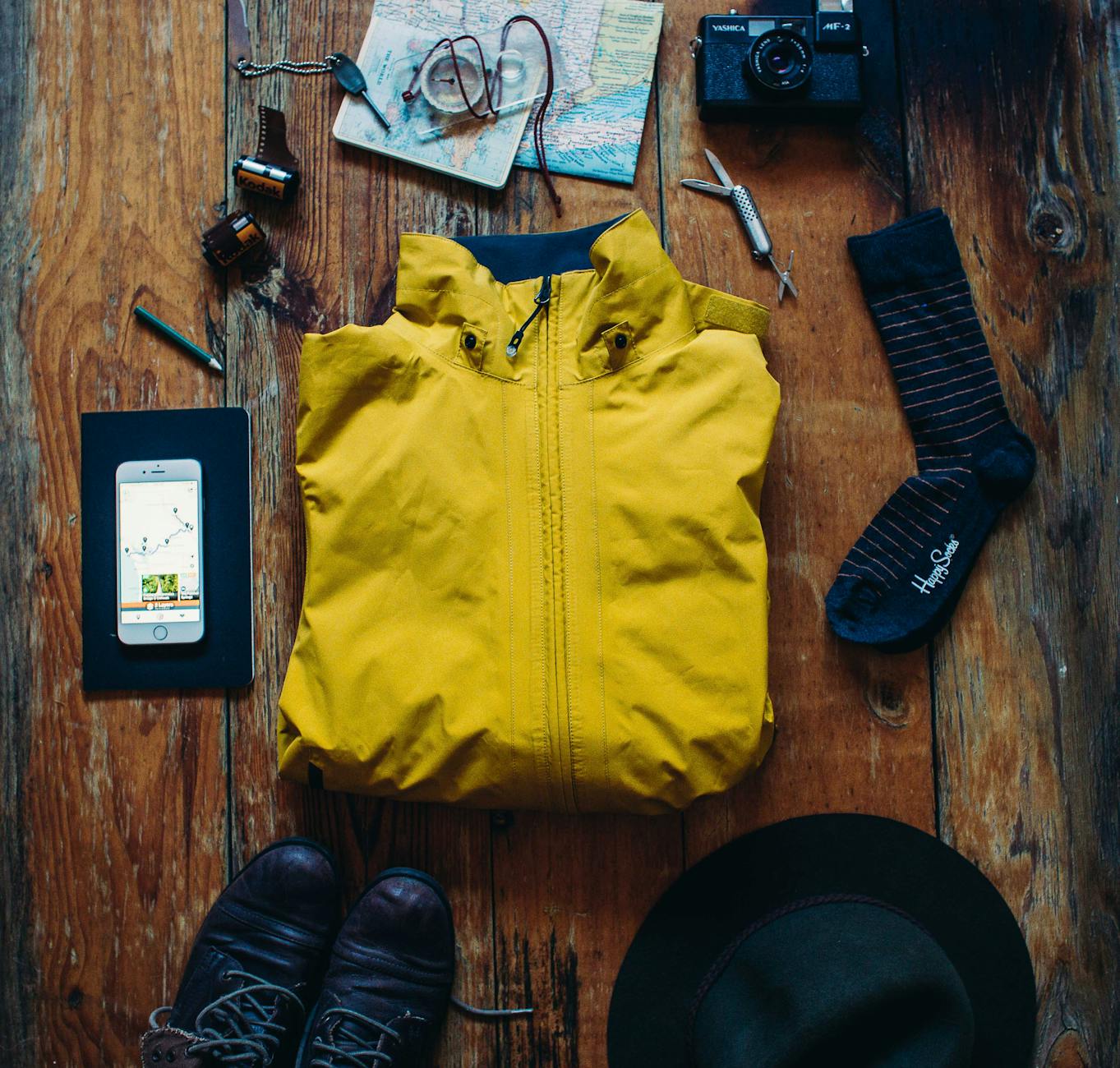
This is your shield. A waterproof and windproof jacket is absolutely critical. Even if the forecast looks clear, spring weather can change on a dime. Look for something breathable, too, so you don't get soaked from the inside out. I also always pack lightweight waterproof pants. They’ve saved me from soggy legs more times than I can count, especially on trails with overgrown brush or unexpected stream crossings.
Beyond the Obvious: Crucial Day Hike Packing List Items
It’s easy to focus on clothing, but a comprehensive day hike packing list goes much deeper. These are the items that might not seem as glamorous, but they can make or break your experience, and even your safety.
Footwear: Your Connection to the Trail
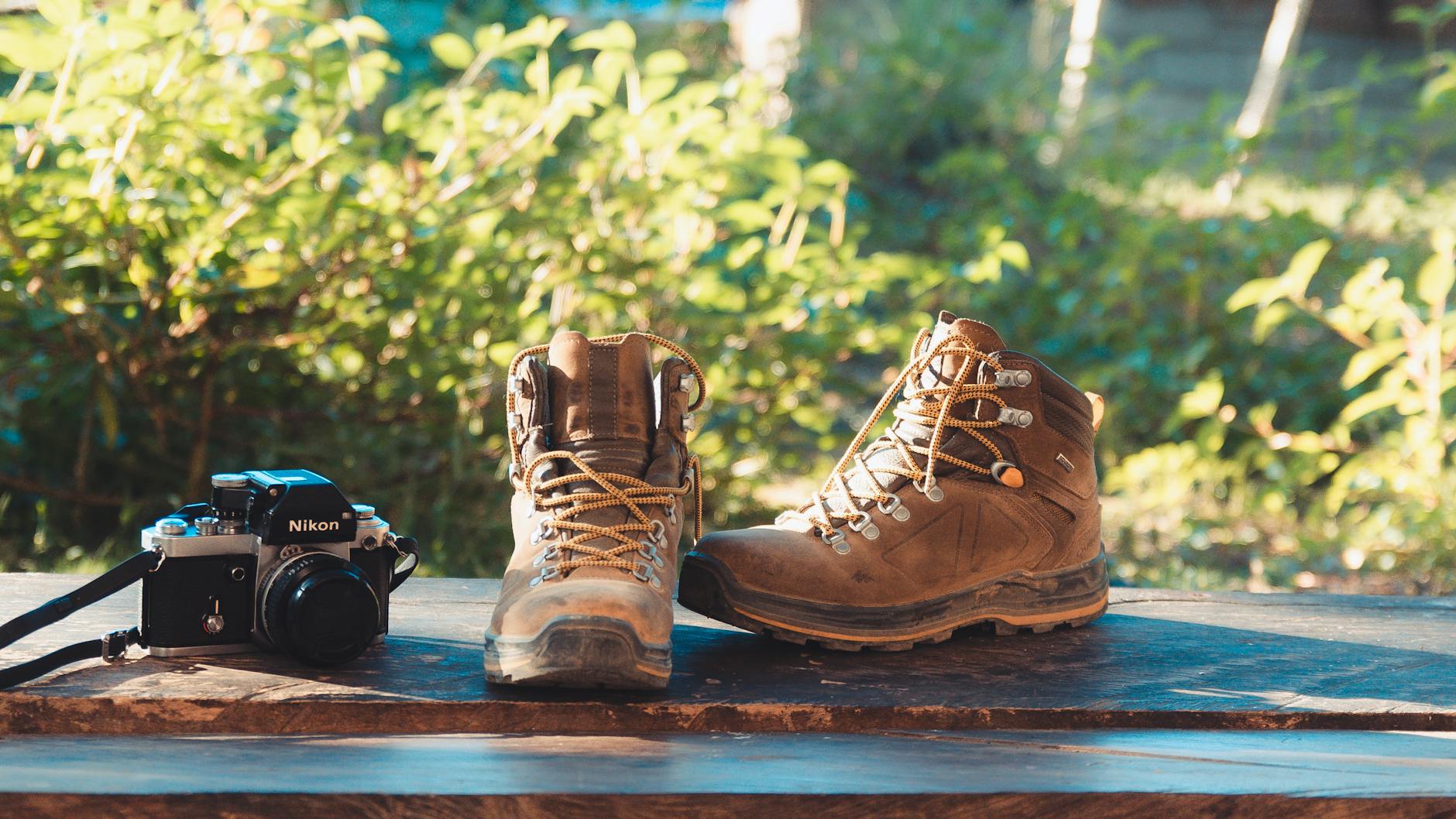
Good hiking boots or sturdy trail shoes are paramount. In spring, trails can be muddy, wet, and uneven. Look for something with excellent traction and water resistance. You don't necessarily need heavy-duty mountaineering boots for a day hike, but your everyday sneakers probably won't cut it. I’ve seen people hobbling back with blisters from inadequate footwear, and it’s no fun.
Navigation Tools: Don't Get Lost in the Beauty
Even on familiar trails, it's wise to carry navigation tools. A map and compass are essential, and knowing how to use them is even more so. While GPS devices and smartphone apps are convenient, batteries die, and signals can be lost. A physical map doesn't rely on anything but your ability to read it.
Hydration for Hiking: More Important Than You Think
Staying hydrated is vital, no matter the season, but spring can be deceptive. You might not feel as thirsty as in the heat of summer, but your body still needs fluids, especially with increased exertion. Carry more water than you think you'll need. A hydration reservoir or water bottles are standard, but consider a water filter or purification tablets for longer hikes where you can safely replenish from natural sources.
The Little Things That Make a Big Difference
These are the items that often get overlooked, the "what ifs" that you're glad you packed when the situation arises. They represent preparedness and a little bit of foresight.
Trail Snacks: Fueling Your Adventure
Energy bars, nuts, dried fruit, jerky – these are your trail fuel. Pack a variety of snacks that provide sustained energy. Aim for a good mix of carbohydrates and protein. And here’s a tip I learned the hard way: pack a little extra. You never know when a hike might take longer than expected, or when you might just need that extra boost.
First Aid Kit for Hiking: Be Ready for Anything
A well-stocked first aid kit is non-negotiable. It should include bandages, antiseptic wipes, pain relievers, blister treatment (moleskin is a lifesaver!), gauze pads, medical tape, and any personal medications. Knowing basic first aid can make a huge difference in an emergency.
Sun Protection: Spring Sun Can Be Deceiving
Don't let the cooler temperatures fool you. The sun's rays are still strong, and you can get a nasty sunburn, especially at higher altitudes. Pack sunscreen, a hat, and sunglasses. Even on cloudy days, UV rays can penetrate.
Here's the Truth About Spring Trail Conditions
What nobody tells you is that spring trails can be a muddy mess. Snowmelt often turns paths into streams, and low-lying areas can be saturated for weeks. This means you need to be prepared for wet feet, even if it's not raining. Waterproof boots are a godsend, and gaiters can be incredibly helpful for keeping mud and water out of your footwear. I've also found that trekking poles can be invaluable on slippery or steep sections, providing extra stability.
Essential Gear for Spring Hiking: Beyond Clothing
Beyond the clothing layers, there are other crucial pieces of hiking gear spring demands. These are the tools that enhance your safety and comfort on the trail.
Backpack: Your Mobile Base Camp
A comfortable, well-fitting backpack is essential for carrying all your gear. For a day hike, a 20-30 liter pack is usually sufficient. Make sure it has enough pockets and compartments to organize your essentials, and that the hip belt and shoulder straps are padded for comfort.
Headlamp or Flashlight: For Unexpected Delays
Always pack a headlamp or flashlight, even for a short day hike. You might encounter unexpected delays, or simply misjudge your return time. Being caught in the dark without a light source is not only inconvenient but also potentially dangerous. Check the batteries before you head out.
Multi-tool or Knife: For Quick Fixes
A basic multi-tool or a sturdy knife can be surprisingly useful. From cutting a loose thread on your pack to making a quick repair on gear, it’s a small item that can solve big problems.
Safety First: What to Pack for Spring Hike Considerations
Safety is always the top priority, and spring hiking has its own unique set of considerations that influence what to pack for a spring hike.
Communication Devices: Staying Connected
Carry a fully charged mobile phone. For remote areas where cell service is unreliable, consider a satellite messenger or personal locator beacon (PLB). Letting someone know your hiking plan, including your route and expected return time, is also a critical safety step.
Insect Repellent: The Buzzing Unwelcome Guests
As temperatures rise, so do insect populations. Mosquitoes and ticks can be a nuisance and a health concern. Pack an effective insect repellent, especially if you're hiking in wooded or marshy areas. Consider treating your clothing with permethrin for added protection against ticks.
Spring Hiking Tips for a More Enjoyable Experience
Beyond the physical gear, there are some tried-and-true spring hiking tips that can elevate your experience from good to great.
Check the Weather Forecast Religiously
This sounds obvious, but it’s worth repeating. Check the forecast for the specific area you’ll be hiking in, not just your general location. Mountain weather can be dramatically different from valley weather. Look for multiple forecasts and pay attention to wind speed, precipitation chances, and temperature fluctuations.
Start Your Hike Early
This is a golden rule for any hike, but especially in spring. Starting early often means cooler temperatures, fewer crowds, and better trail conditions before the sun has a chance to churn everything into mud. It also gives you a buffer for unexpected delays.
Be Aware of Wildlife
Spring is a time when many animals are emerging from hibernation or becoming more active. Be aware of your surroundings, make noise as you hike to avoid surprising animals, and know what to do if you encounter wildlife. Remember, we are visitors in their home.
Leave No Trace Principles
Always practice Leave No Trace principles. Pack out everything you pack in, stay on designated trails, and respect the natural environment. Spring is a delicate time for ecosystems as they reawaken, so tread lightly.
Consider Your Fitness Level
While the urge to hit the trails hard after a long winter is strong, be realistic about your fitness. If you've been focusing on low impact spring workouts for joint health recovery or haven't been as active, consider starting with shorter, less strenuous hikes. Building up your hiking endurance training: build stamina for spring trails gradually is key to preventing injury and enjoying your time outdoors. Think of your spring hikes as part of a broader fitness routine that might include outdoor cardio beginners: easy May workouts or May cardio workouts: jogging, cycling & more!.
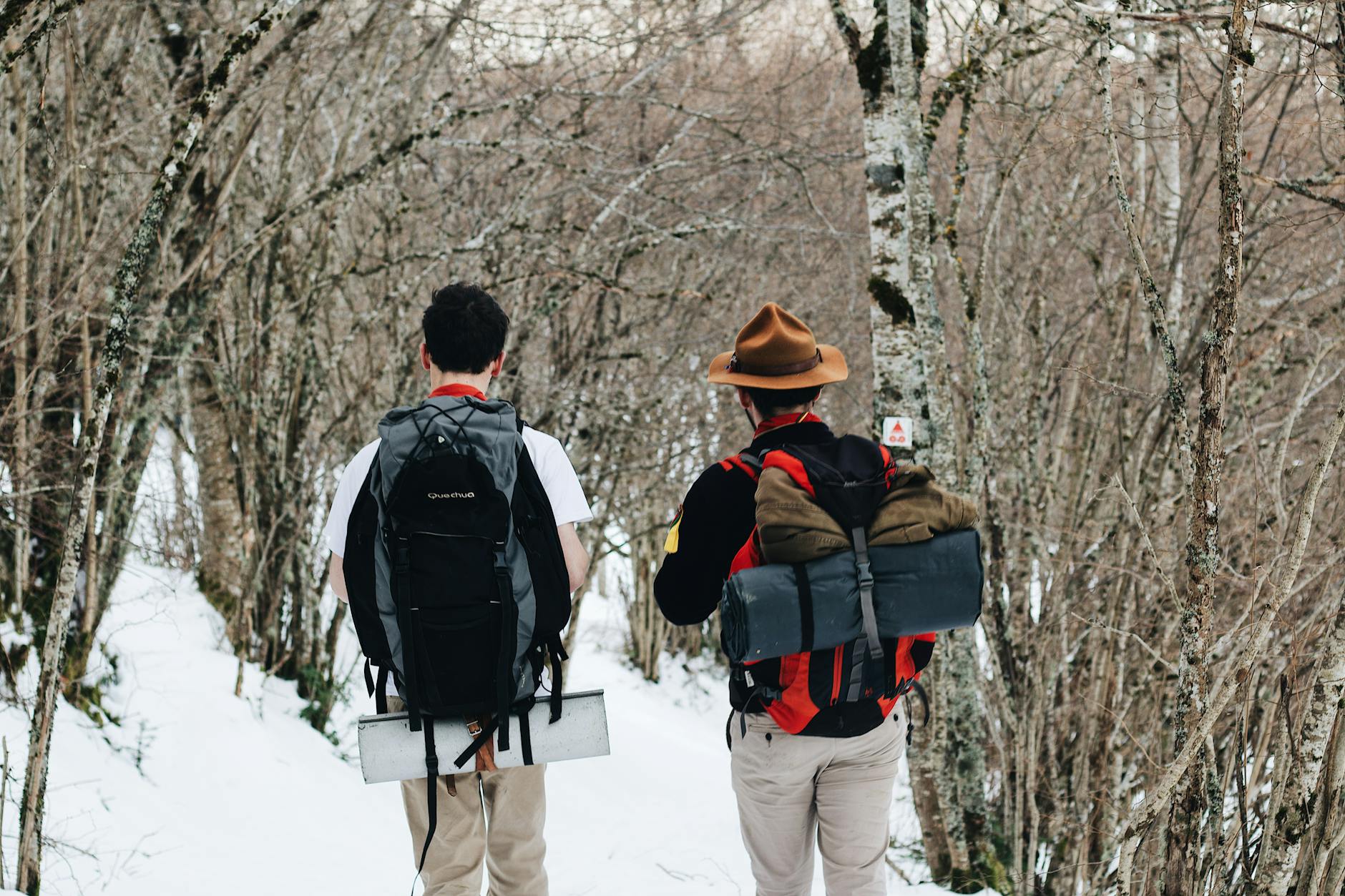
The Final Word on Spring Trail Preparedness
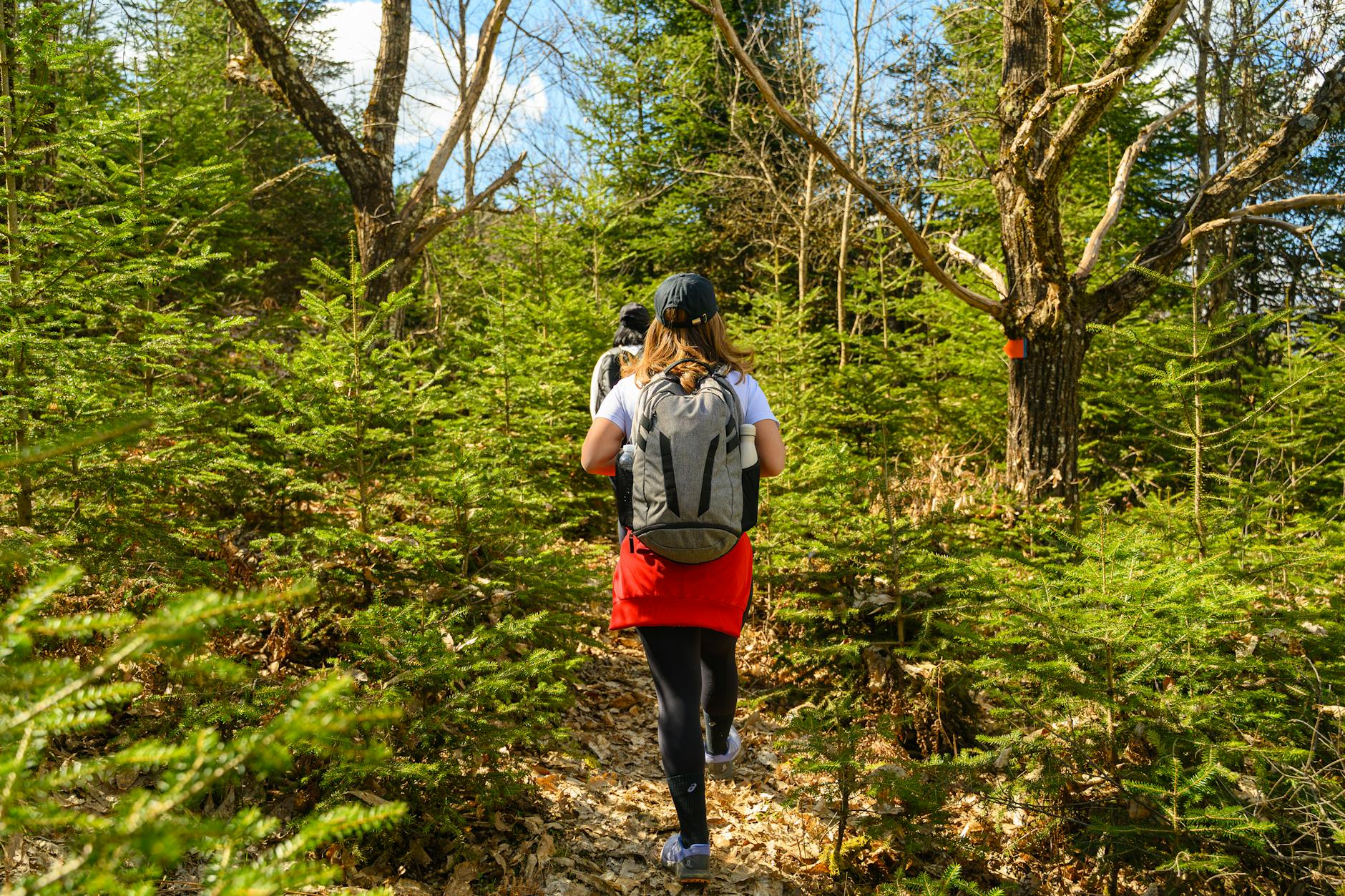
Getting your spring hiking essentials dialed in is an investment in your enjoyment and safety. It’s about understanding the nuances of the season and packing accordingly. You’re not just carrying gear; you’re carrying confidence. You’re carrying the ability to adapt, to overcome, and to fully immerse yourself in the beauty of the natural world as it awakens. So, as you plan your next outing, remember that a little preparation goes a long, long way. The mountains are calling, and with the right essentials, you’ll be ready to answer.