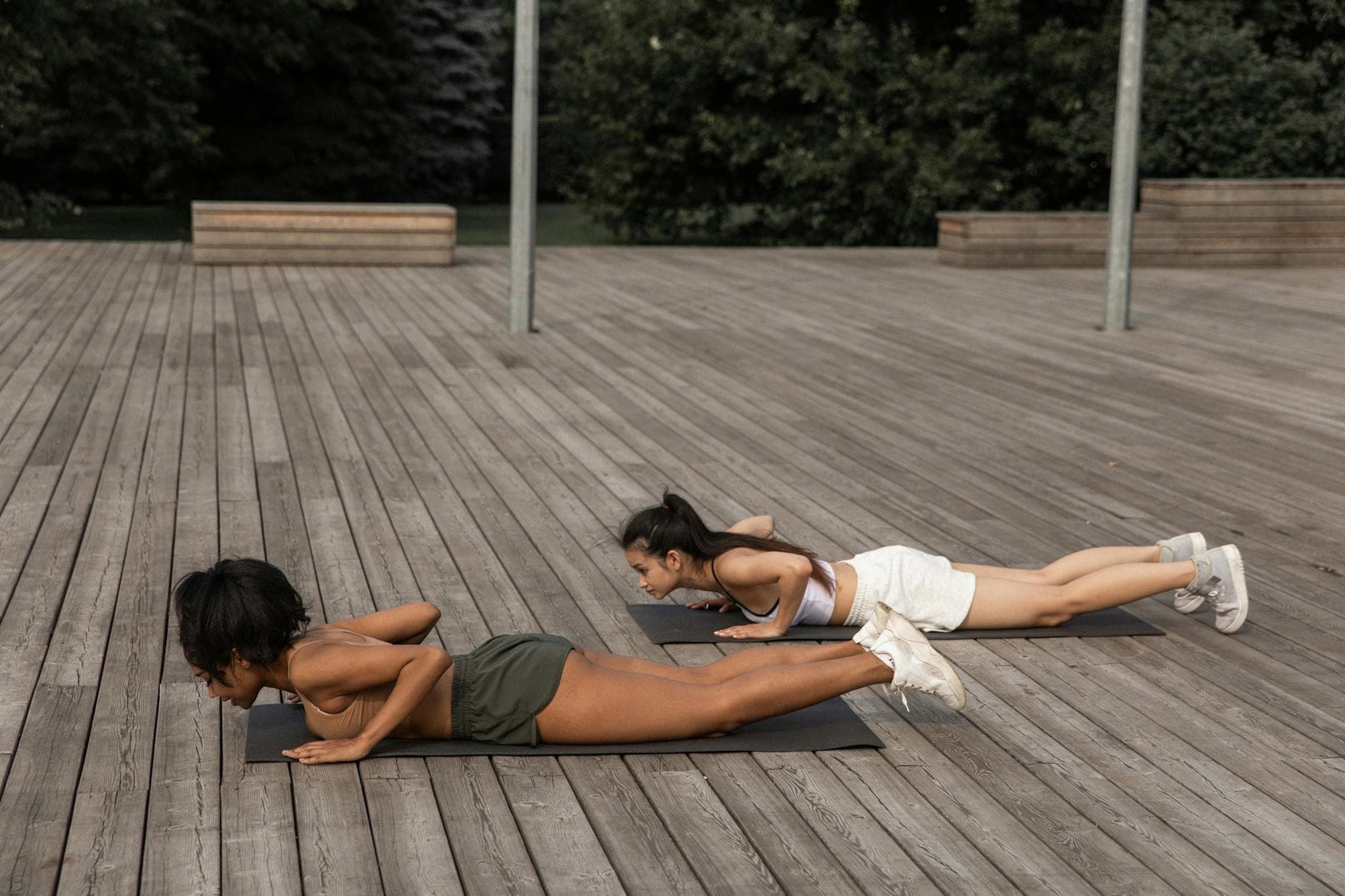
Have you ever felt that familiar ache in your knees or hips after a long winter, making you dread the thought of jumping back into intense workouts? You're not alone. Spring is a beautiful time, full of promise and vibrant energy, and it deserves workouts that honor that renewal without punishing your joints. That's where the magic of low impact spring workouts comes in.
My own journey with fitness has taught me a lot, and one of the biggest lessons was learning to listen to my body, especially after periods of less activity. I used to think that if a workout wasn't leaving me completely wiped out, it wasn't effective. Oh, how wrong I was. The real effectiveness comes from consistency and building a sustainable routine that supports long-term health, not just short-term gains.
Embracing Gentle Movement as Spring Unfolds
As the days get longer and the world outside bursts with color, it's the perfect invitation to reconnect with movement. For many of us, especially those dealing with joint stiffness or recovering from an injury, the idea of "spring fitness" can still feel a bit daunting. We want to shake off the winter blues and feel energized, but not at the expense of our joints. This is precisely why focusing on low impact spring workouts is so crucial. It’s about nurturing your body, not forcing it.
The Shift from Winter to Spring
The transition from a sedentary winter to an active spring doesn't have to be a jarring one. Think of it less as a sudden leap and more as a gentle unfolding, mirroring nature itself. Your body has likely adapted to a slower pace, and expecting it to immediately handle high-impact activities can lead to setbacks.
Listen to Your Body's Cues
This is perhaps the most important piece of advice I can give you. Your body sends signals all the time. Are you feeling a twinge? Is there a persistent ache? Pushing through pain is rarely the answer. Spring joint recovery is all about respecting these signals and choosing activities that allow you to move freely and without discomfort.
Why Low Impact is Your Spring Secret Weapon
So, what exactly makes a workout "low impact"? Simply put, it’s any activity that minimizes the stress placed on your joints. This means avoiding activities with a lot of jumping, pounding, or sudden, forceful movements. Instead, we focus on smooth, controlled motions that build strength and endurance while being kind to your knees, hips, and ankles. This is the foundation of truly effective low impact spring workouts.
Benefits Beyond Joint Health
While protecting your joints is a primary benefit, the advantages of low impact exercise extend much further. You'll find that these types of activities can significantly improve cardiovascular health, build lean muscle mass, boost your mood, and enhance overall mobility. It’s a holistic approach to fitness that truly supports your well-being.
Discovering Your Low Impact Spring Workout Arsenal
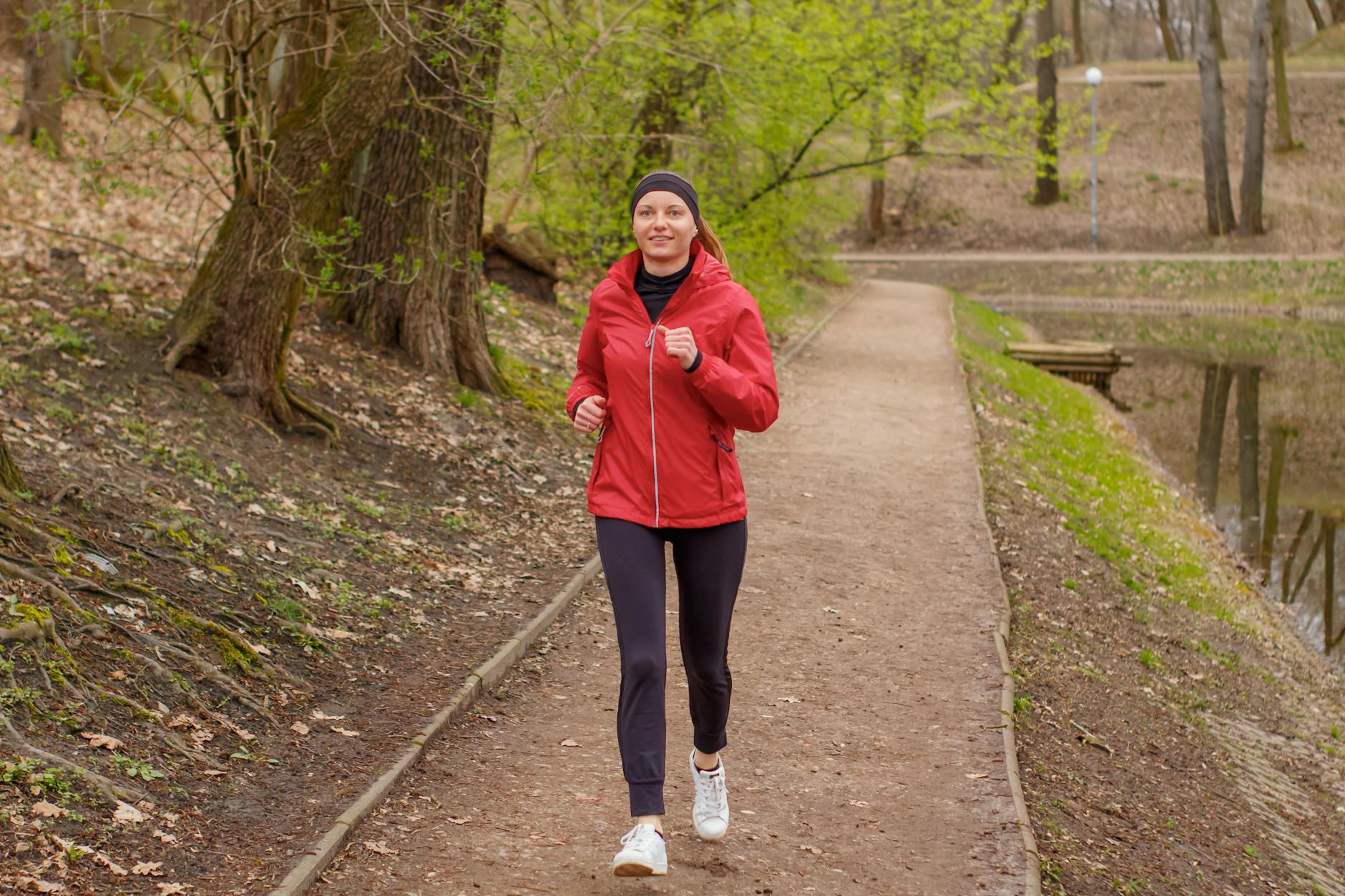
The good news is, you don't need fancy equipment or a gym membership to enjoy the benefits of low impact spring workouts. The world outside is your playground, and there are so many fantastic options available.
The Power of Walking and Hiking
Walking is, in my opinion, the most underrated exercise on the planet. It's accessible, requires no special skills, and can be done virtually anywhere. As spring arrives, hitting the trails for a walk or a gentle hike can be incredibly rewarding. It’s a chance to soak in the fresh air, enjoy the scenery, and get your body moving. For those looking to build stamina, focusing on hiking endurance training can be a great goal.
Finding the Right Pace
Even within walking, you can adjust the intensity. A brisk walk will elevate your heart rate more than a leisurely stroll. The key is to find a pace that challenges you slightly but doesn't leave you breathless or aching. This is a cornerstone of gentle spring exercise.
Cycling for Smooth Motion
Beginner bike rides in spring offer another wonderful way to experience the outdoors with minimal joint stress. Cycling is fantastic because your body weight is supported by the bike, taking the pressure off your knees and hips. It's a great way to build leg strength and improve cardiovascular health. If you're new to cycling, starting with beginner bike rides spring is the perfect way to get started.
Gear Up for Comfort
Ensure your bike is properly fitted to you. An ill-fitting bike can actually lead to discomfort, even in a low-impact activity. Adjusting your seat height and handlebars can make a world of difference.
The Soothing Embrace of Water Workouts
If you have access to a pool, water aerobics or swimming are absolute game-changers for joint health. The buoyancy of water supports your body, making movements feel almost effortless. It’s an incredible environment for spring rehabilitation exercises.
Exploring Different Strokes
Even if you're not a competitive swimmer, simply moving through the water can provide a fantastic workout. Kicking your legs, arm strokes, or even just walking laps in the pool can be incredibly beneficial.

Strength and Flexibility: The Pillars of Joint Support
While cardio is important, building strength and maintaining flexibility are equally vital for supporting your joints, especially during spring fitness for joints. This is where you can really start to feel the difference in your daily movement.
Bodyweight Strength Training
You don't need heavy weights to build strength. Bodyweight exercises are incredibly effective and can be modified for all fitness levels. Think squats (modified to a comfortable depth), lunges (with a focus on control), push-ups (on your knees if needed), and planks. If you're looking to take your outdoor strength training to the next level, exploring outdoor strength training: advanced spring circuits can be inspiring.
Focus on Form Over Quantity
I’ll be real with you, I used to be all about doing as many reps as possible. Now, I prioritize perfect form. Doing 10 controlled squats with excellent form is far more beneficial and safer than doing 30 sloppy ones.
The Importance of Mobility and Flexibility
Stiffness is often the enemy of joint health. Incorporating mobility exercises and stretching into your routine can make a huge difference. This isn't just about touching your toes; it's about improving your range of motion in all your joints.
Gentle Stretching Routines
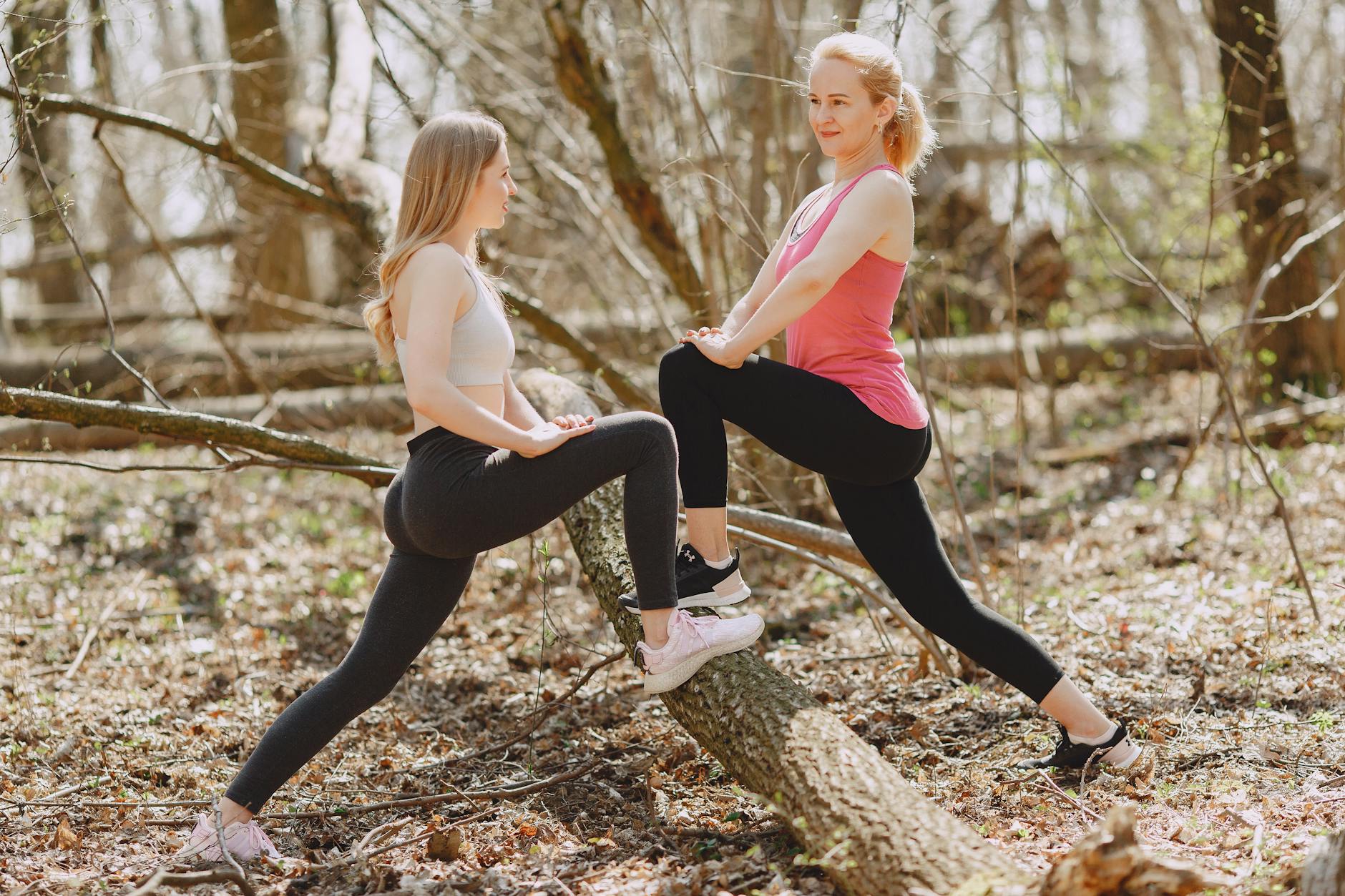
Dynamic stretches, like arm circles and leg swings, are great for warming up. Static stretches, held for longer periods, are best for cooling down. Focus on major muscle groups like your hamstrings, quadriceps, calves, and shoulders. This is where mobility exercises for seniors become incredibly relevant for everyone looking to maintain their active lifestyle.
Pilates and Yoga: Mind-Body Harmony
These disciplines are fantastic for building core strength, improving balance, and increasing flexibility, all while being inherently low impact. They encourage mindful movement and body awareness, which is crucial for preventing injuries. Many studios offer beginner classes, and there are countless online resources available for home practice.
Finding Your Style
There are many different styles of yoga and Pilates. Some are more vigorous, while others are very gentle. Experiment to find what feels best for your body.
Regenerative Exercises for a Stronger Spring
Sometimes, our bodies need a little extra TLC, especially after a period of inactivity or if we're dealing with chronic conditions like arthritis. Regenerative exercises focus on healing, recovery, and building resilience.
The Role of Active Recovery
Active recovery isn't about doing nothing; it's about engaging in light activities that promote blood flow and muscle repair without adding stress. Think a gentle walk, some light stretching, or foam rolling. It’s the perfect complement to more intense low impact spring workouts.
Timing is Everything
Active recovery days are best placed after your more strenuous workouts. Instead of jumping straight into another high-intensity session, give your body a chance to bounce back.
Joint Pain Relief Exercises
For those specifically looking for joint pain relief exercises, the focus shifts to strengthening the muscles that support the affected joints. For example, strengthening the quadriceps can help alleviate knee pain. Consulting with a physical therapist can provide personalized guidance for your specific needs. This is also where arthritis friendly spring activities come to the forefront.
Consistency is Key
These exercises are most effective when performed consistently. Even 10-15 minutes a day can yield significant improvements over time.
Post-Injury Spring Workout Strategies
If you're working through a post injury spring workout, it's absolutely vital to be guided by a healthcare professional or physical therapist. They can help you design a safe and effective program that promotes healing without re-injury. Low impact options are almost always the starting point for rehabilitation.
Gradual Progression
The key to recovering from an injury is gradual progression. Don't rush the process. Celebrate small victories and trust the healing journey.
Making Low Impact Workouts a Spring Staple
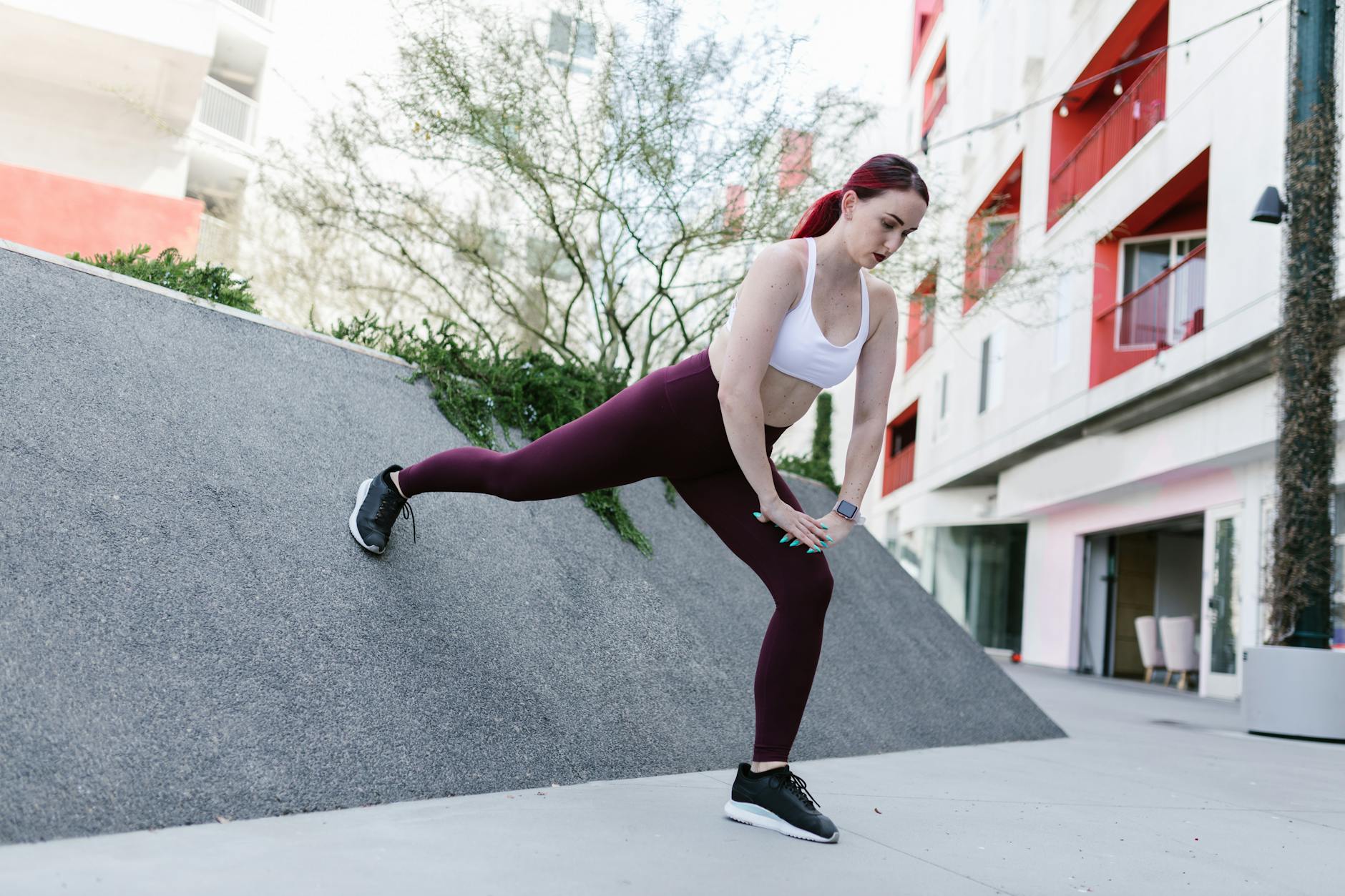
Integrating low impact spring workouts into your life doesn't have to be complicated. It's about making conscious choices that support your body and allow you to enjoy the season to its fullest.
Creating a Sustainable Routine
The best workout routine is one you can stick with. Mix and match different activities to keep things interesting and to work your body in various ways. Perhaps a brisk walk on Monday, a gentle bike ride on Wednesday, and some bodyweight strength training on Friday. This approach ensures you're getting a well-rounded fitness experience.
Setting Realistic Goals
Don't aim to run a marathon next week if you haven't run in years. Set achievable goals that build confidence and momentum. Maybe your first goal is to walk for 30 minutes three times a week.
The Mental and Emotional Boost
Beyond the physical benefits, engaging in safe spring fitness routines has a profound impact on your mental and emotional well-being. The fresh air, the connection with nature, and the sense of accomplishment can do wonders for your mood and stress levels. It’s a form of regenerative spring exercises for your mind, too.
Embrace the Outdoors
Make an effort to get outside as much as possible. Even on days when you might feel a bit sluggish, a short walk in the sunshine can be incredibly uplifting. It’s a simple yet powerful way to boost your energy.
Listen to Your Body, Always
This cannot be stressed enough. Your body is your most valuable asset. Pay attention to its signals, celebrate its capabilities, and treat it with the respect it deserves. Active recovery spring should be a priority, not an afterthought.
Think about the last time you felt truly invigorated after a workout, not exhausted but energized. That's the feeling low impact spring workouts can help you achieve, consistently, throughout this beautiful season and beyond. It’s about building a foundation of strength and well-being that will serve you for years to come.