
There's a lot of buzz around High-Intensity Interval Training, or HIIT, and for good reason. But honestly, a lot of people get it wrong. They think it's all about running yourself into the ground with sprints until you can't feel your legs. While that can be *part* of it, that's not the whole story. So, what is HIIT, really? At its core, what is HIIT is about short bursts of maximum effort followed by brief recovery periods. It's a training methodology, not a specific exercise. This distinction is crucial because it means you can apply the HIIT principle to almost anything, from cycling to bodyweight exercises. My goal here is to break down what is HIIT in a way that’s practical, actionable, and actually helpful, cutting through the jargon and the hype.
Understanding the HIIT Workout Meaning
The Core Principle: Work Hard, Recover Briefly
The fundamental idea behind the HIIT workout meaning is simple: push your body to its absolute limit for a short period, then give it just enough time to catch its breath before going all out again. Think of it like this: you're playing a game of intense sprints, but instead of running laps, you're doing burpees, jump squats, or even just sprinting up a hill. The "high intensity" part is key. We're talking about working at about 80-95% of your maximum heart rate. This isn't a casual jog; it's an all-out effort where holding a conversation would be impossible.
Intervals: The Building Blocks of HIIT
The "interval" in High-Intensity Interval Training refers to the work-to-rest ratio. A common starting point for beginners might be a 1:1 ratio, meaning 30 seconds of intense work followed by 30 seconds of rest. More advanced protocols might use ratios like 2:1 (40 seconds work, 20 seconds rest) or even shorter rest periods. The duration of your intervals can vary, but typically they range from 20 seconds to a couple of minutes. The recovery period is just that – recovery. It's not a complete stop, but a period where your heart rate comes down enough to allow you to give the next work interval your best shot. This structure is what makes HIIT so effective for burning calories and improving cardiovascular fitness in a short amount of time.
Why It's More Than Just Cardio
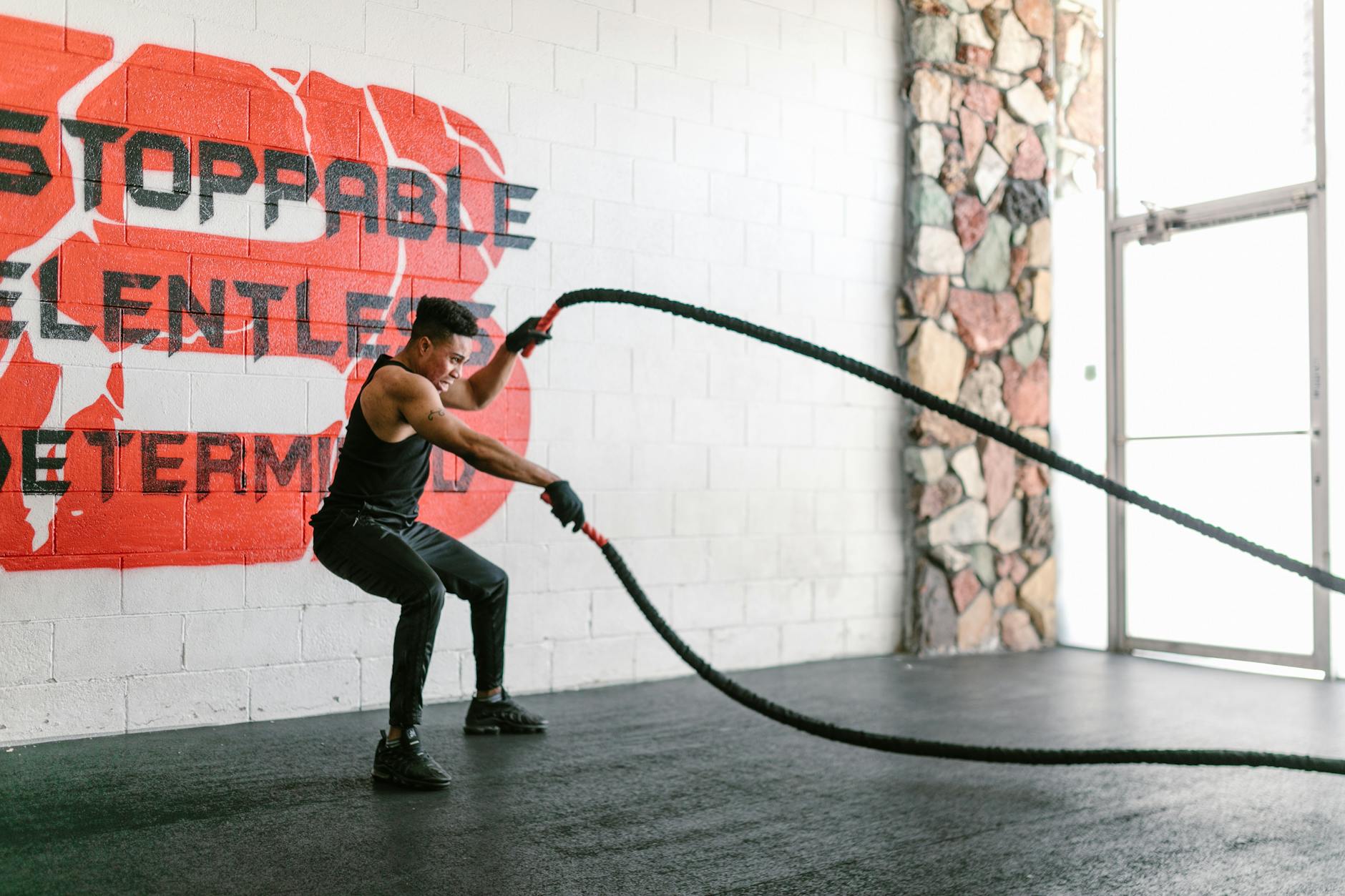
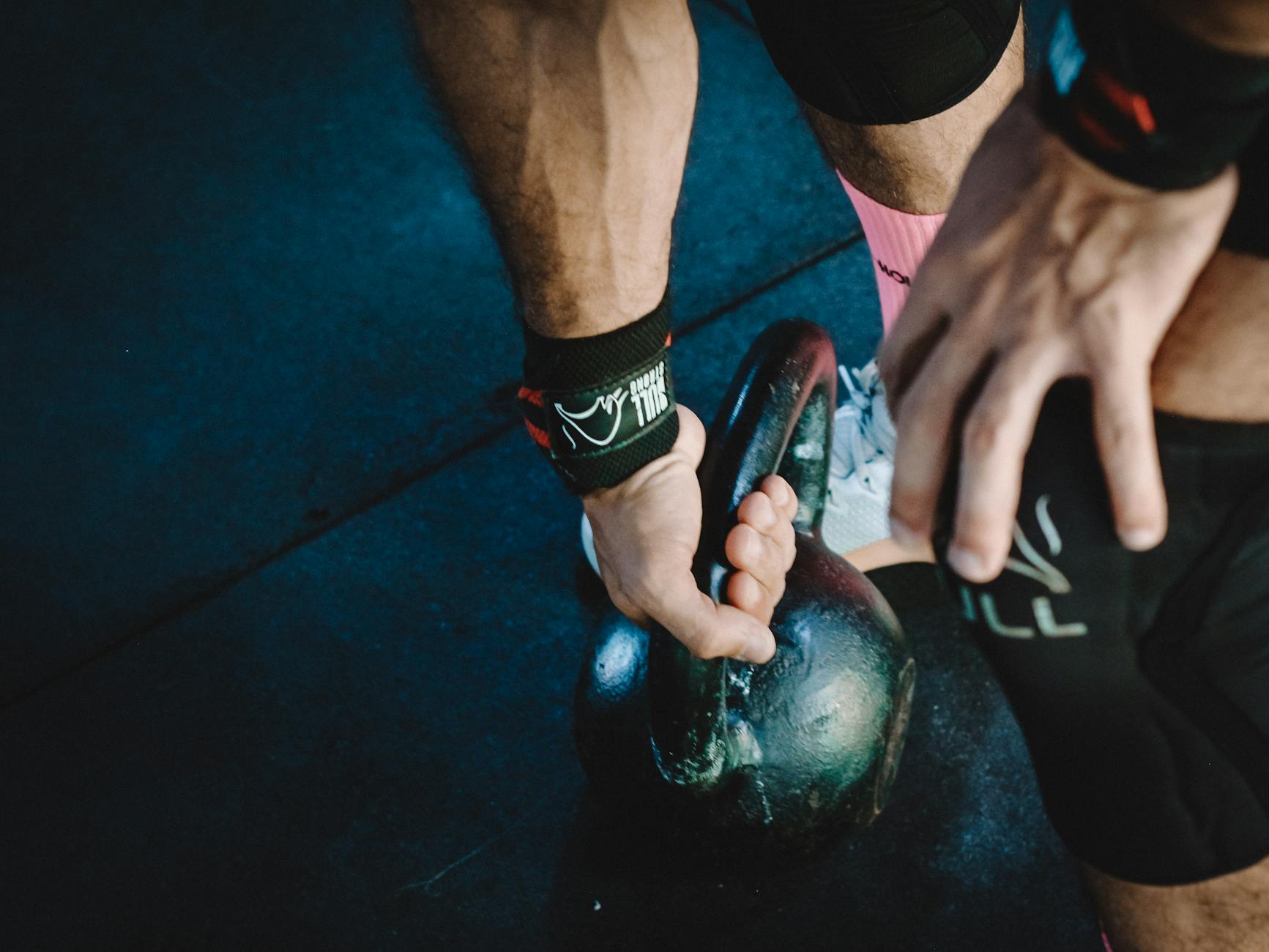
While many associate HIIT with cardiovascular benefits, the truth is it can be applied to strength training too. You can do a HIIT workout using weights, kettlebells, or even just your own body weight. The principle remains the same: short, explosive bursts of effort followed by brief recovery. This approach can help build lean muscle mass while simultaneously torching fat, making it a powerful tool for body recomposition. It’s this versatility that really appeals to me, as it means you can tailor it to your specific goals and preferences.
HIIT Explained: The Science and the Benefits
The "Afterburn Effect" and EPOC
One of the most talked-about benefits of HIIT is the "afterburn effect," scientifically known as Excess Post-exercise Oxygen Consumption (EPOC). When you engage in high-intensity exercise, your body uses a lot of oxygen. After your workout, your body needs to consume extra oxygen to return to its resting state. This process requires energy, and that energy comes from burning calories. So, even after you've finished your last burpee, your body is still burning calories at an elevated rate for hours. This is a significant part of why HIIT is so effective for HIIT fat loss.
Cardiovascular Improvements
HIIT is incredibly effective at improving your cardiovascular health. By pushing your heart rate into higher zones, you're training your heart and lungs to become more efficient. Studies, including those found in National Institutes of Health research on what is hiit, have shown that HIIT can improve VO2 max (a measure of your body's ability to consume oxygen) significantly, often more so than steady-state cardio of longer duration. This means you'll have more stamina and feel less winded during everyday activities or other forms of exercise.
Metabolic Adaptations
Beyond EPOC, HIIT triggers other metabolic adaptations. It can improve insulin sensitivity, meaning your body becomes better at using glucose for energy, which is crucial for preventing conditions like type 2 diabetes. It also stimulates the release of hormones like growth hormone, which aids in fat metabolism and muscle building. This multi-pronged approach to metabolic health is why HIIT is such a powerful tool for anyone looking to improve their overall fitness and body composition. It's not just about burning calories in the moment; it's about changing how your body functions long-term.

HIIT for Beginners: Getting Started Safely
Start Slow and Listen to Your Body
If you're new to exercise or haven't done anything intense in a while, jumping straight into a demanding HIIT routine is a recipe for injury. The best approach for HIIT for beginners is to start with shorter work intervals and longer rest periods. For example, try 20 seconds of effort followed by 40 seconds of rest. Focus on proper form over speed or intensity. It’s far better to do fewer repetitions with perfect form than to rush through and risk hurting yourself. You might be surprised how challenging even a few rounds can be when you're truly pushing yourself.
Choosing the Right Exercises
For beginners, bodyweight exercises are often the best starting point. Think squats, lunges, push-ups (on your knees if needed), jumping jacks, and high knees. These are compound movements that work multiple muscle groups, giving you more bang for your buck. As you get fitter, you can introduce other forms of cardio fat burning like cycling or rowing machines. The key is to choose exercises you can perform with good form, even when fatigued. If you're unsure about form, consider looking at Beginner Workout Routines: Easy Exercises for Fitness or even a gentle start with something like Yoga for Beginners DVD: Start Your Practice Today! to build foundational strength and body awareness.
Building a HIIT Workout Plan
A good HIIT workout plan for beginners might involve 15-20 minutes of total exercise time. This includes your warm-up and cool-down. You could aim for 4-6 rounds of a circuit, with each round consisting of 30 seconds of work and 60 seconds of rest. Don't feel pressured to do this every day. Two to three HIIT sessions per week, with rest days in between, is plenty to start seeing results. Gradually increase the number of rounds, the duration of your work intervals, or decrease your rest periods as you get stronger. Consistency is more important than intensity when you're just starting out.

HIIT vs. LISS: Which is Right for You?
What is LISS?
LISS stands for Low-Intensity Steady-State cardio. Think of activities like a brisk walk, a leisurely bike ride, or a gentle swim. The defining characteristic of LISS is that you maintain a consistent, moderate heart rate for an extended period, typically 30 minutes or more. You can usually hold a conversation while doing LISS. It's a fantastic way to build endurance, improve cardiovascular health, and burn calories without putting excessive stress on your body. Many people find LISS more enjoyable and sustainable long-term, especially if they have joint issues or are recovering from injury.
The Efficiency Factor
Here's the truth about efficiency: HIIT is generally more time-efficient for calorie burning. You can achieve a significant calorie burn in a 20-minute HIIT session that might take 45-60 minutes of LISS. This is due to the EPOC effect we discussed earlier. If you have limited time and want to maximize your calorie expenditure in that window, HIIT is the clear winner. However, efficiency isn't the only metric that matters. Some people simply prefer LISS, and consistency is king. A workout you enjoy and stick with will always yield better results than one you dread and abandon.
Complementary Approaches
The good news is that HIIT and LISS aren't mutually exclusive. In fact, they can complement each other beautifully. You might do a couple of HIIT sessions per week for those time-efficient, high-impact calorie burns and fat-burning benefits, and then incorporate LISS on other days for active recovery, endurance building, and to give your body a break from high intensity. This balanced approach can help prevent burnout, reduce the risk of overtraining, and contribute to a well-rounded fitness regimen. I've found that a mix keeps things interesting and addresses different fitness goals simultaneously. For many, finding the right balance is key to long-term success.
How to Do HIIT: Practical Steps and Tips
The Warm-Up is Non-Negotiable
Before you even think about launching into your high-intensity intervals, you absolutely must warm up. This doesn't mean just a couple of jumping jacks. A proper warm-up should include 5-10 minutes of light cardio to get your blood flowing, followed by dynamic stretches that mimic the movements you'll be performing. Think arm circles, leg swings, torso twists, and perhaps some light jogging or high knees. This prepares your muscles and joints for the demands of the workout, significantly reducing your risk of injury. Skipping this step is a major mistake.
Structuring Your Intervals and Rest
As a rule of thumb, aim for work intervals where you can reach 80-95% of your maximum effort. This means you should be breathing heavily and finding it difficult to speak more than a word or two. Common work-to-rest ratios for beginners are 1:2 or 1:1 (e.g., 30 seconds work, 60 seconds rest; or 30 seconds work, 30 seconds rest). As you progress, you can shorten the rest periods or lengthen the work intervals. For example, a more advanced ratio might be 2:1 (40 seconds work, 20 seconds rest). The total duration of your HIIT session, including warm-up and cool-down, can range from 15 to 30 minutes. Remember, quality over quantity.
The Cool-Down and Recovery
Just as important as the warm-up is the cool-down. Once your final interval is complete, don't just stop and collapse. Spend 5-10 minutes engaging in light cardio, such as walking or very slow cycling, to gradually bring your heart rate back down. Follow this with static stretching, holding each stretch for 20-30 seconds. Focus on the major muscle groups you used during your workout. Proper recovery is when your body adapts and gets stronger. This includes adequate sleep, nutrition, and listening to your body to avoid overtraining. This is where the real gains are solidified, so don't skimp on it. The National Institutes of Health also emphasizes the importance of recovery in their research on exercise physiology.
Your HIIT Workout Plan: Putting It All Together
Sample Beginner HIIT Circuit
Here’s a simple, effective HIIT fat loss circuit you can try. Perform each exercise for 30 seconds, followed by 60 seconds of rest. Complete 4-5 rounds.
- Jumping Jacks
- Bodyweight Squats
- Push-ups (on knees or toes)
- High Knees
- Lunges (alternating legs)
This circuit targets major muscle groups and gets your heart rate up. It’s a great starting point for understanding how to do HIIT.
Progression and Variation
Once this circuit feels manageable, you can start to progress. You might increase the work time to 40 seconds and decrease rest to 40 seconds, or add another round. You can also swap exercises to keep things fresh. Consider adding burpees, mountain climbers, or plyometric exercises like jump squats. For those who prefer not to jump, alternatives like step-ups or fast-paced walking lunges can be effective. The key is to continually challenge yourself without compromising form. This is where understanding cardio fat burning principles helps you tailor your approach.
Listening to Your Body and Seeking Guidance
Ultimately, the best HIIT workout plan is one that you can stick to and that works for your body. If you experience pain, stop. If you're feeling excessively fatigued, take an extra rest day. Consistency is more important than intensity, especially in the long run. If you're unsure about how to structure your workouts or if you have any underlying health conditions, consulting with a fitness professional or referring to resources like Mayo Clinic research on what is hiit can provide invaluable guidance and ensure you're training safely and effectively.
So, what is HIIT? It's a powerful training methodology that, when done correctly, can deliver incredible results in a short amount of time. It's not about punishing yourself; it's about smart, intense effort followed by recovery. Whether you're looking for improved cardiovascular health, faster fat loss, or just a more efficient way to get fit, understanding the principles of HIIT can transform your fitness journey. Give it a try, start smart, and you might just find your new favorite way to train.