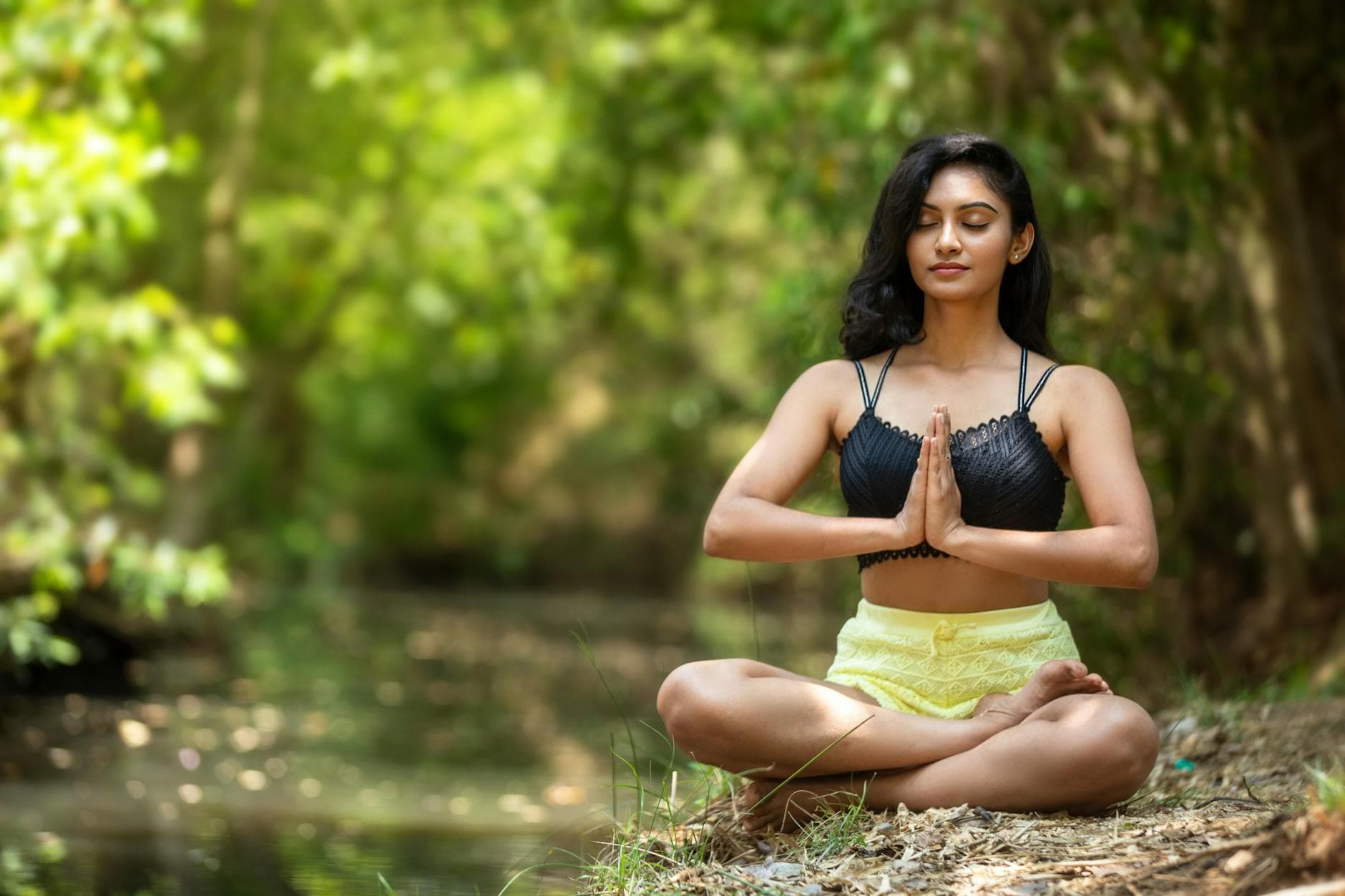
Did you know that over 36 million Americans practice yoga? And yet, a huge number of people still feel intimidated to start. That feeling often stems from the misconception that you need to be incredibly flexible or already in great shape to even try. The truth? It's simply not true! This guide is all about beginner yoga poses, designed to help you gently ease into the practice, no matter your current fitness level. We'll explore some accessible poses, talk about how to get started with yoga for absolute beginners, and address common concerns so you can feel confident and comfortable on your mat.
Debunking the Myths: Yoga Isn't Just for Super-Flexible People
Challenging Preconceptions About Yoga
You've probably noticed those Instagram feeds filled with pretzel-like contortions and assumed that's what yoga is all about. While advanced poses are part of the practice, they're not the foundation. The beauty of yoga lies in its adaptability. It's a practice you can tailor to your body, not the other way around. The core principle is about connecting with your breath and body, increasing your flexibility and strength, and finding a sense of calm.
The Real Benefits of Beginner Yoga
The advantages of starting with beginner yoga poses are numerous. It's fantastic for improving flexibility, which can help with everyday movements. Yoga also boosts your strength, especially in your core and stabilizing muscles. Beyond the physical, it's a powerful tool for stress reduction. Many find that practicing yoga helps them manage anxiety and improve their overall mental well-being. Studies from Harvard Health research on beginner yoga poses highlight these benefits.
Starting Where You Are: It's Okay to Modify
One of the best things about yoga is its inclusive nature. It doesn't matter your age, size, or fitness level. Modifications are not only accepted, but encouraged. If a pose feels too challenging, there's always a way to adjust it. Using props like blocks or straps can make poses more accessible and comfortable. The key is to listen to your body and never push yourself beyond your limits, especially when you're working with easy yoga for beginners.
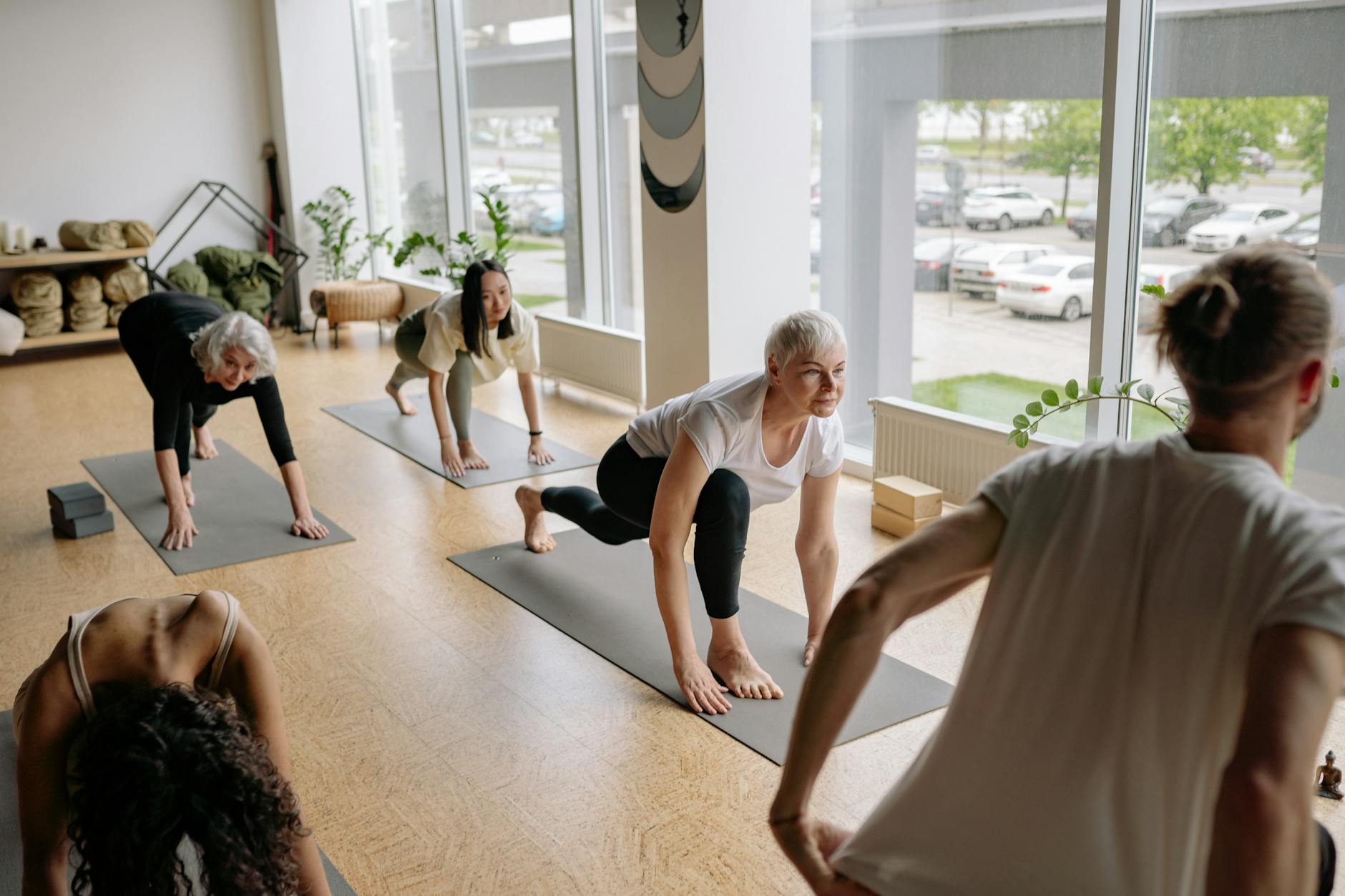
Essential Beginner Yoga Poses to Get You Started
The Foundation: Mountain Pose (Tadasana) and Child's Pose (Balasana)
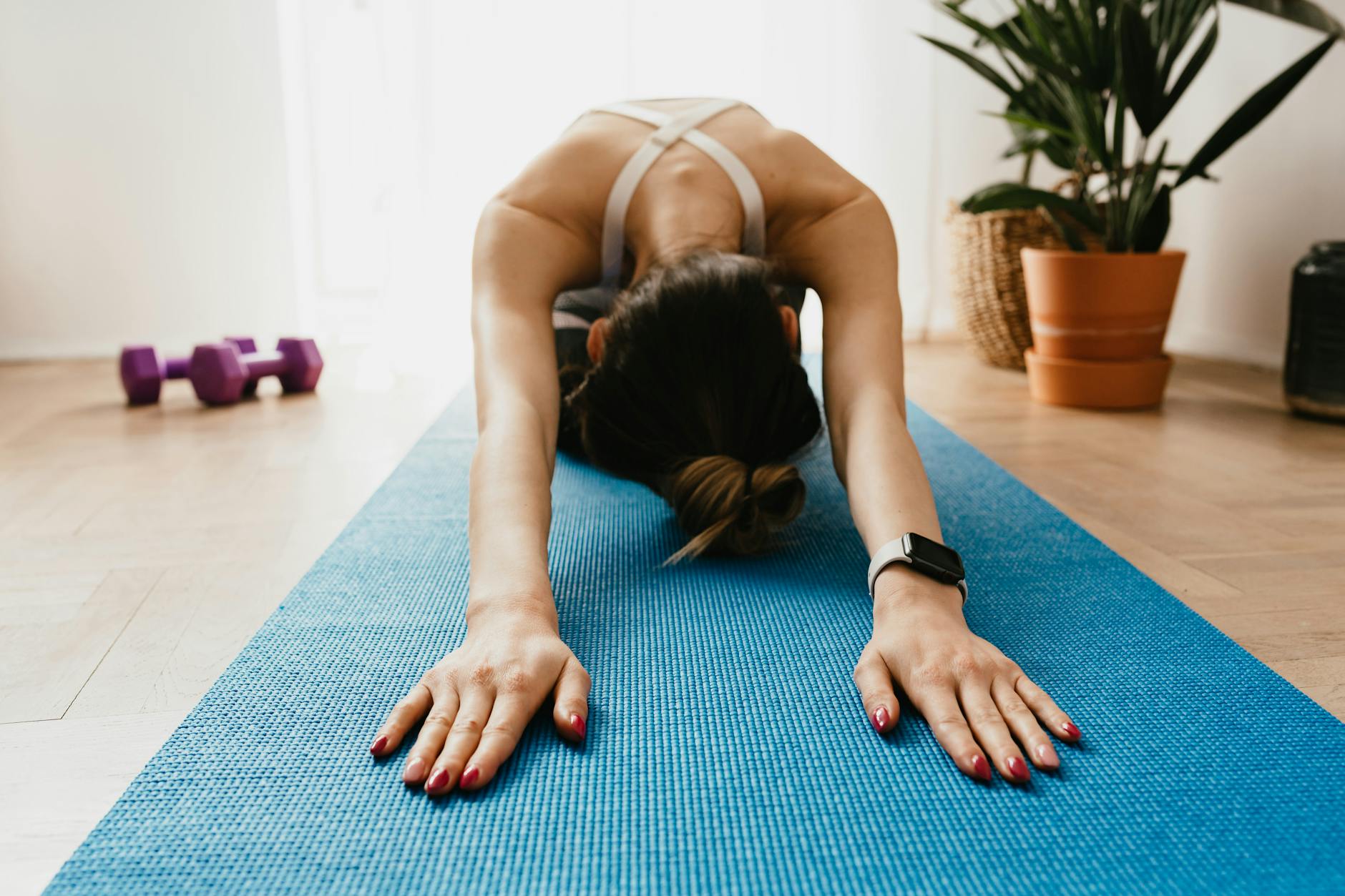
Mountain Pose, or Tadasana, is often considered the foundation of all standing poses. It may seem simple—standing tall with your feet grounded—but it's a great way to improve posture and body awareness. Think about pulling your shoulders back and down, engaging your core, and feeling the energy flowing from your feet to the crown of your head. Child's Pose, Balasana, is a resting pose. It's a gentle forward bend that can relieve stress and fatigue. You simply kneel, bring your big toes together, and rest your torso over your thighs, with your arms extended forward or alongside your body. It's a great pose to return to whenever you need a break.
Building Strength and Flexibility: Downward-Facing Dog (Adho Mukha Svanasana) and Cobra Pose (Bhujangasana)
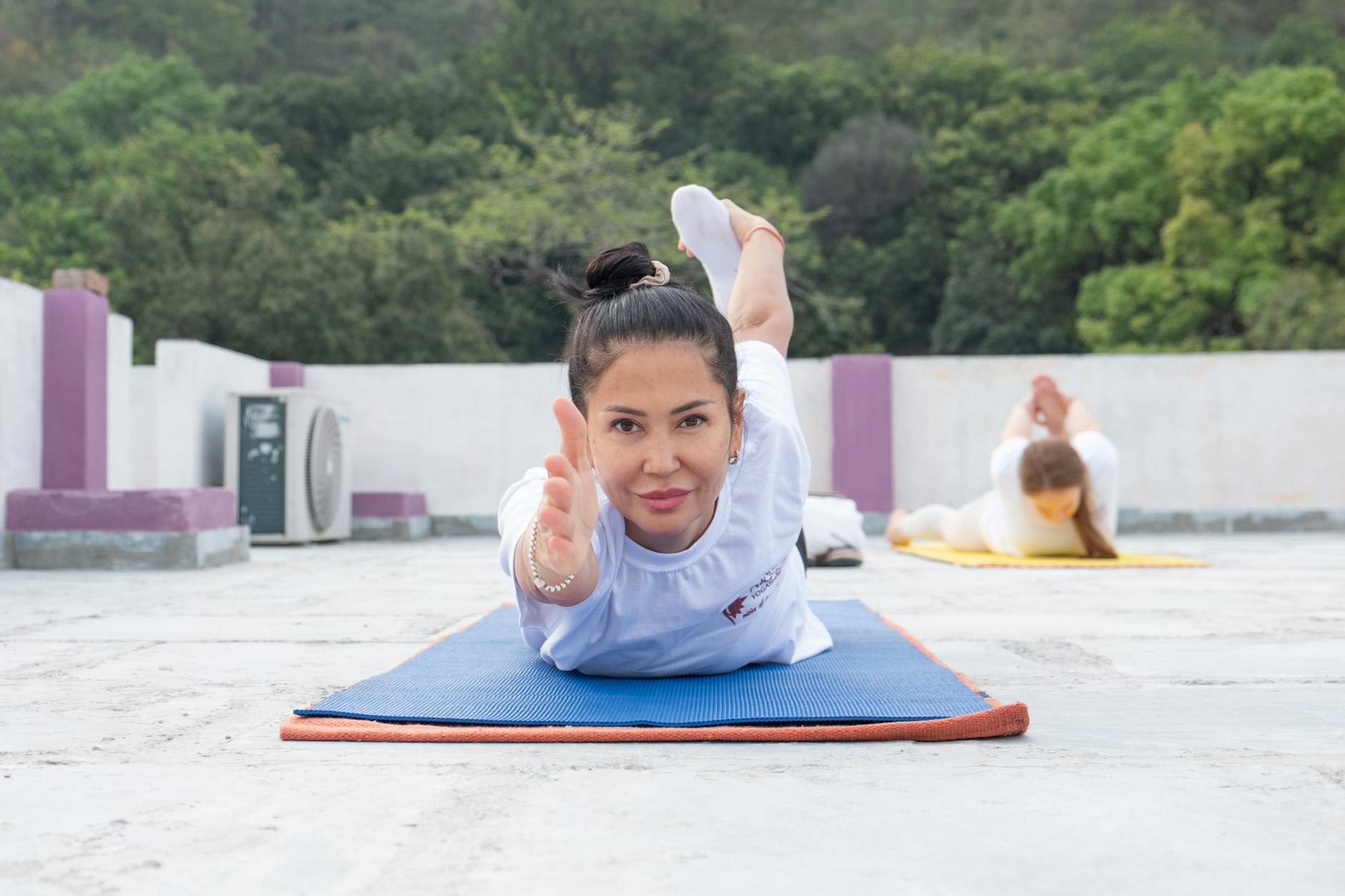
Downward-Facing Dog (Adho Mukha Svanasana) is a classic pose. It's a full-body stretch that strengthens your arms, legs, and core. Start on your hands and knees, then lift your hips up and back, forming an inverted V-shape with your body. It might take some practice to find the right alignment. Cobra Pose (Bhujangasana) is a gentle backbend. Lie on your stomach, place your hands under your shoulders, and lift your chest off the floor, keeping your elbows close to your body. This pose opens your chest and strengthens your back muscles. It's also an excellent stretch for improving your posture, which is especially helpful if you're working on exercises for bad posture.
Adding Twists and Balance: Triangle Pose (Trikonasana) and Tree Pose (Vrksasana)
Triangle Pose (Trikonasana) is a standing pose that stretches the sides of your body. Stand with your feet wide apart, turn one foot out, and bend to the side, reaching your hand towards your ankle while the other arm reaches up. Tree Pose (Vrksasana) is a balance pose. Stand tall, place the sole of one foot on your inner thigh (avoiding your knee), and bring your hands to prayer position in front of your chest. This pose improves balance and focus.
Creating Your Own Yoga Routine at Home
Finding the Right Environment
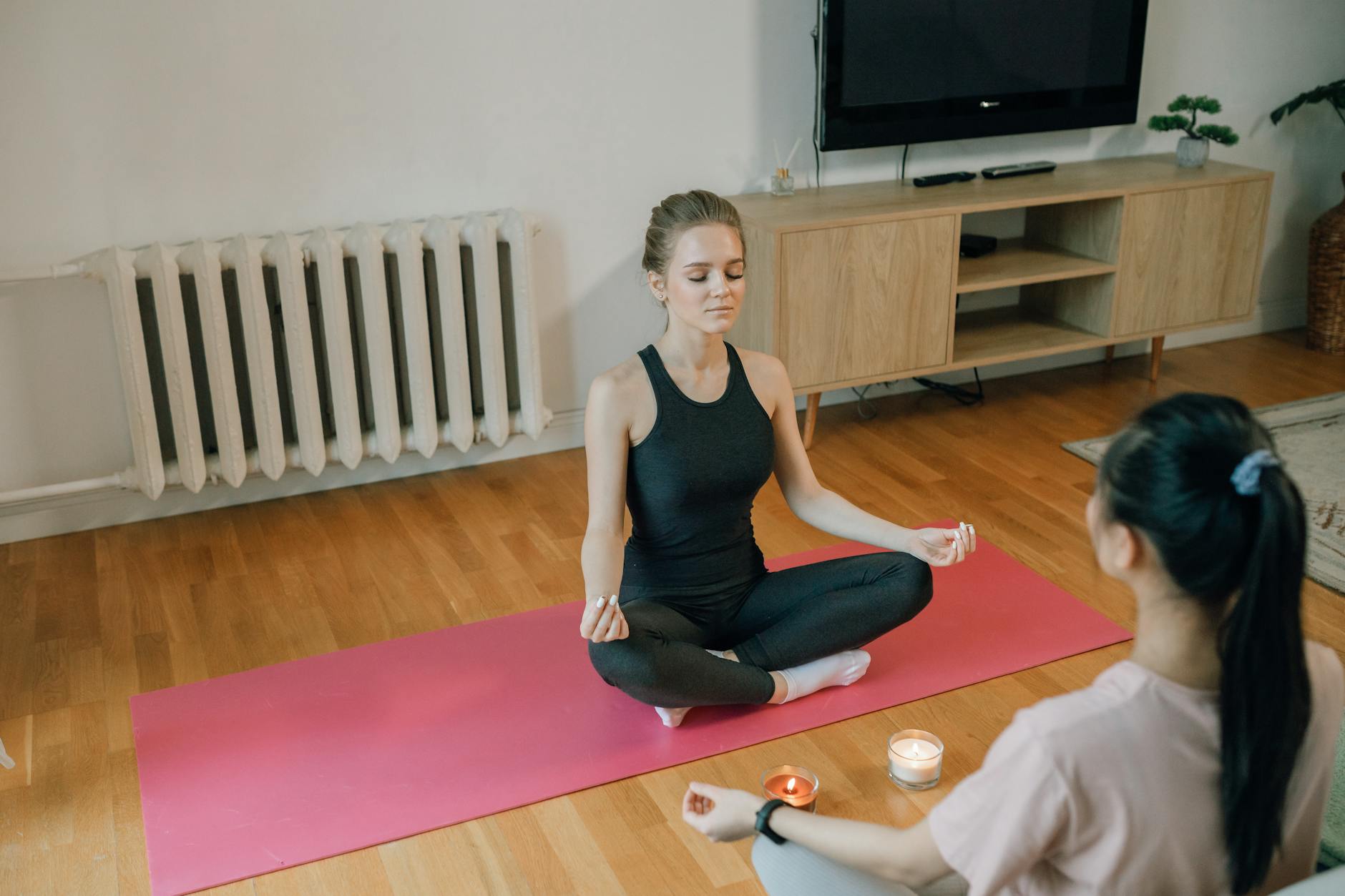
When you're practicing yoga for beginners at home, the environment is key. Find a quiet space where you won't be disturbed. You don't need a lot of space, but enough to comfortably move around. Dim the lights, light a candle, or play some calming music to create a relaxing atmosphere. Having a beginner yoga at home practice can be a game changer.
Structuring Your Yoga Sequence for Beginners
A typical yoga sequence for beginners usually starts with a warm-up, moves into a series of poses, and ends with a cool-down and relaxation. Begin with gentle stretches, such as neck rolls or arm circles. Then, move into some of the poses discussed above. Hold each pose for a few breaths, focusing on your breath. If you are looking for more structure, you can find a lot of great beginner yoga classes online. You can also find some great Centers for Disease Control and Prevention research on beginner yoga poses that can help you understand the benefits more clearly.
Breathing Exercises and Relaxation
Don't underestimate the importance of breathing exercises, or pranayama. Simple techniques like deep belly breathing can calm your mind and enhance the benefits of your practice. At the end of your session, take a few minutes for Savasana, or corpse pose. Lie flat on your back, close your eyes, and relax your entire body. This helps integrate the benefits of the poses and allows you to fully unwind. Incorporating these muscle recovery after workout tips can also help.
Common Mistakes and How to Avoid Them
Rushing Through Poses
One of the most common mistakes is rushing through poses. This can lead to improper alignment and a lack of awareness of your body. Take your time, focus on your breath, and move slowly and deliberately into each pose. Remember, it's not about how fast you can do it, but how well you connect with your body.
Ignoring Your Breath
Your breath is your anchor in yoga. It helps you stay present and connected to your body. Make sure to breathe deeply and evenly throughout your practice. If you find yourself holding your breath, it's a sign that you're pushing yourself too hard. Back off a bit, and focus on your breath to help you get the most out of each pose.
Comparing Yourself to Others
Honestly, this is a big one. It's very easy to look around in a class or online and feel like you're not "good enough." This is a huge mistake. Yoga is a personal journey. Focus on your own body and your own practice. Celebrate your progress, no matter how small. Remember, everyone starts somewhere.
Finding Resources and Furthering Your Practice
Exploring Online Resources and Classes
There are countless resources available to help you on your yoga journey. YouTube is filled with free beginner yoga videos. You can also find online classes and apps that offer guided sessions. Look for instructors who emphasize proper alignment and modifications. A few searches for "best yoga videos for beginners" or "gentle yoga for beginners" will give you a great start.
Considering a Yoga Class Near Me
If you prefer a more structured environment, consider attending a yoga class near you. This can be a great way to learn proper alignment and get personalized guidance from an instructor. Search for "yoga class near me" and read reviews to find a studio that suits your needs and experience level. A live class offers a community aspect that can be very motivating.
Continuing Your Education and Practice
As you progress, you can explore different styles of yoga, such as Hatha, Vinyasa, or Yin. Experiment to find what resonates with you. Consider investing in a yoga mat and other props. Keep practicing regularly, even if it's just for 15-20 minutes a day. The more you practice, the more you'll feel the benefits. If you have any Forward Head Posture Exercises: Fix Your Neck & Improve P..., yoga is a great way to improve it.
Final Thoughts
Starting with beginner yoga poses is an incredibly rewarding experience. It's about more than just the physical postures; it's about cultivating a deeper connection with your body and mind. It's about finding moments of peace and presence in your life. Don't let fear or intimidation hold you back. Take that first step, roll out your mat, and simply begin. The benefits are waiting for you, and I promise, it's a journey worth taking.