Remember that all-too-common feeling? That little twinge in your lower back when you bend over to pick up something relatively light – maybe a dropped pen, a grocery bag, or even your kid's toy. Or perhaps you just feel generally 'unstable' or weak when it comes to any movement that involves hinging at your hips. Yeah, I've been there, and honestly, it’s frustrating. For years, I chased big numbers on squats and deadlifts, thinking those were the only paths to a truly strong posterior chain. But then, I stumbled upon an exercise that quietly, almost stealthily, became a game-changer for my everyday strength, mobility, and injury prevention: the dumbbell good morning.
This isn't some flashy, Instagram-viral move, but trust me, it’s a powerhouse. It’s an old-school staple that often gets overlooked, especially in a world obsessed with complex machines and high-impact movements. But if you're serious about building resilience, developing powerful hamstrings and glutes, and fortifying your lower back, then learning how to do dumbbell good morning correctly is absolutely essential. It’s a foundational hip hinge exercise that translates to so much more than just a gym lift.
Why the Dumbbell Good Morning Deserves Your Undivided Attention
Look, I get it. There are a million exercises out there. Why focus on this one? Well, think about the last time you truly felt strong and stable from your hips down through your back. The dumbbell good morning works exactly those critical areas, targeting muscles that often get neglected in our desk-bound lives.
More Than Just a Hamstring Stretch
When you perform a good morning with dumbbells, you’re not just passively stretching your hamstrings; you're actively strengthening them under load. This dynamic stretch and contraction is incredibly effective for building both strength and flexibility in the back of your legs. It teaches your hamstrings to work synergistically with your glutes and lower back, which is crucial for overall athletic performance and injury prevention. This isn't just about looking good; it's about moving well and feeling robust.
Building a Bulletproof Lower Back
Here’s the thing: many people complain about lower back pain, and often, it stems from weakness or improper movement patterns in the posterior chain. The dumbbell good morning directly addresses this by engaging and strengthening the erector spinae muscles along your spine. When done correctly, it teaches your body to maintain a strong, neutral spine under tension, which is a core principle for lifting safely and preventing those nagging aches. It's a fantastic lower back strengthening exercise that, frankly, everyone should be doing.
The Foundation of Functional Movement
Honestly, the hip hinge is one of the most fundamental human movement patterns. We hinge to pick things up, to jump, to run, and even to sit down. The dumbbell good morning helps you master this movement, making you more efficient and safer in countless everyday activities. It's a key component of functional fitness, preparing your body for the demands of real life, not just the gym. You'll notice a difference when you bend down to tie your shoes or load groceries into the car.
Mastering the Dumbbell Good Morning Form: Your Blueprint for Success
Alright, so you’re convinced it’s important. Now, let’s talk about how to do dumbbell good morning the right way. Getting the form down is absolutely critical here. This isn't an exercise you want to rush or load up with heavy weight before you've got the movement pattern locked in.
Setting Up for a Perfect Rep
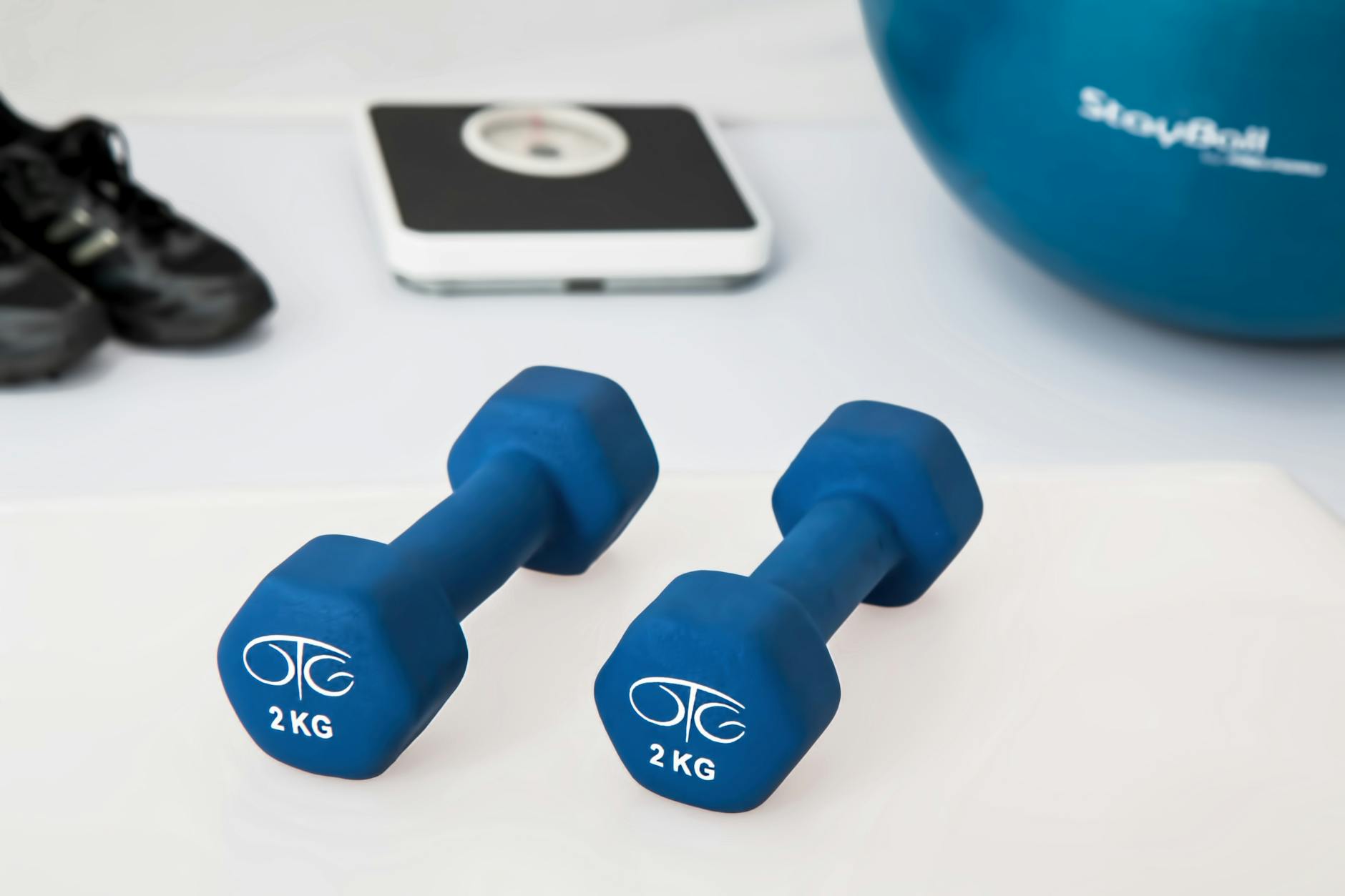
First things first, grab a pair of dumbbells that aren't too heavy. I often recommend starting with just 5-10 pounds in each hand, maybe even lighter if you're completely new to the movement. Hold one dumbbell in each hand, letting them hang naturally in front of your thighs. Stand tall with your feet about hip-width apart, knees slightly soft – not locked out, but not deeply bent either. Think of it as a relaxed, athletic stance. Your chest should be up, shoulders pulled back and down, and your core gently braced. This initial setup is key for proper dumbbell good morning form.
The Hip Hinge: It's All in the Hips
This is where the magic happens. Instead of bending at your waist or squatting down, you're going to push your hips straight back as if you're trying to touch a wall behind you with your glutes. Keep your back straight – imagine a broomstick running from your head to your tailbone, and you want to keep contact with that stick throughout the movement. The dumbbells will travel straight down, staying close to your legs. Your knees will naturally bend a little more as your hips go back, but the primary movement comes from the hip joint. You’ll feel a deep stretch in your hamstrings. Go down until you feel that strong stretch and your torso is roughly parallel to the floor, or as far as your hamstring flexibility allows without rounding your back. Then, powerfully squeeze your glutes and drive your hips forward to return to the starting position, keeping that straight back throughout. This controlled movement is what makes it such an effective hamstring exercise and glute workout.
Common Pitfalls to Avoid
Here's the truth: most people mess up the dumbbell good morning by turning it into a squat or rounding their lower back. You're not squatting; your knees shouldn't bend excessively, and your hips should be moving predominantly backward, not straight down. Another huge mistake is letting your back round. If you feel any strain in your lower back during the movement, or if you can't keep your spine neutral, stop immediately. Lighten the weight, focus on pushing your hips back, and consider working on your Hip Mobility Exercises: Improve Flexibility & Range of Mo... separately. Your ego might want to lift heavy, but your back will thank you for prioritizing form over weight. I used to think more weight was always better, but with this exercise, finesse absolutely trumps brute force.
Benefits Beyond the Gym: Real-World Strength and Resilience
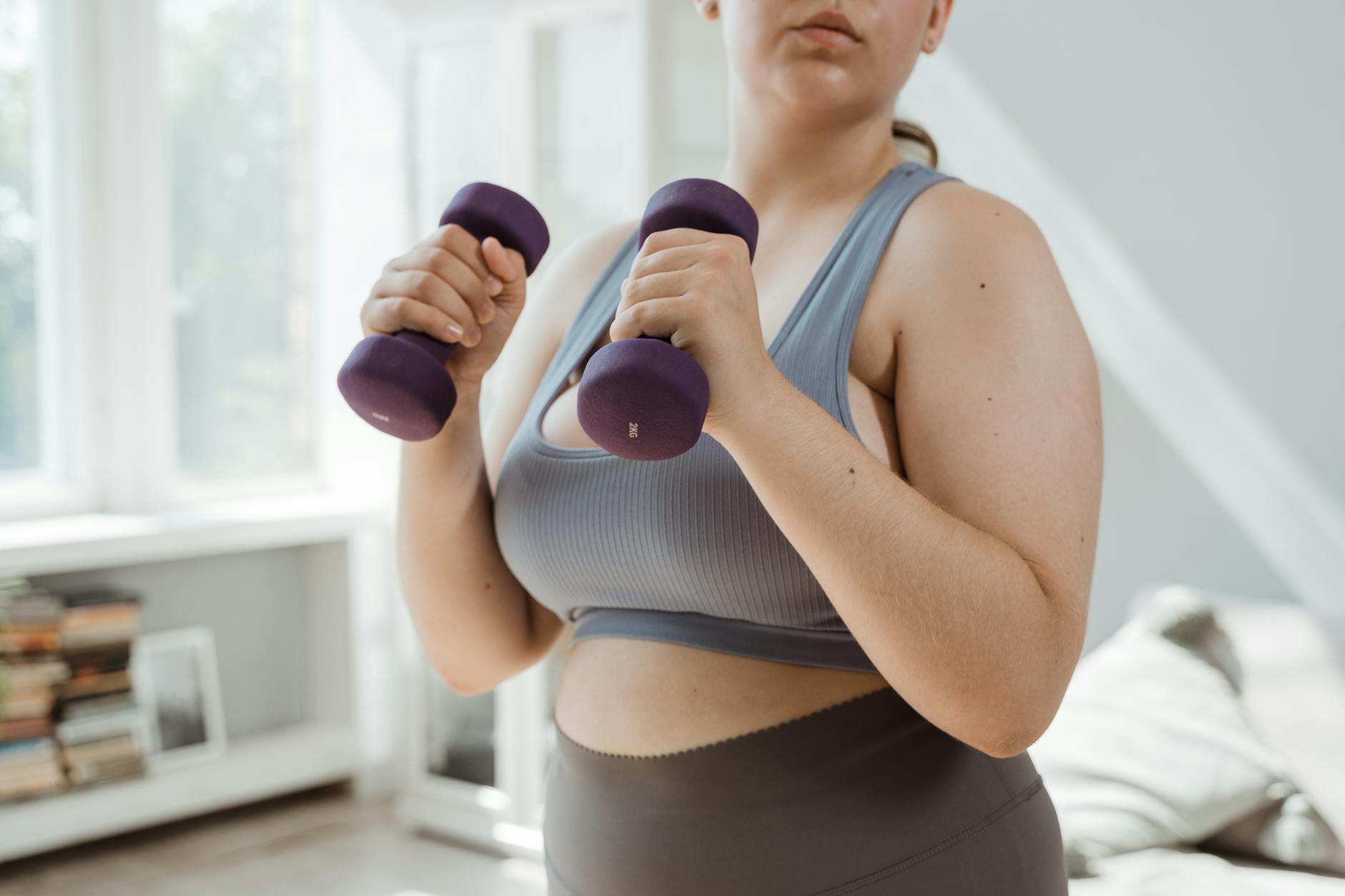
Once you nail the form, the benefits of incorporating the good morning with dumbbells into your routine are profound. It's not just about stronger muscles; it's about a more resilient, capable body.
Enhanced Everyday Performance
Think about all the times you bend over, lift, or carry things. From gardening to playing with kids, a strong posterior chain makes every one of these tasks easier and safer. By strengthening your hamstrings, glutes, and lower back, the dumbbell good morning directly improves your ability to perform these daily movements without strain. It's a fantastic addition to any Morning Workout Routine: Start Your Day Energized & Fit, setting you up for a day where you move with greater ease.
Preventing Those Pesky Back Issues
As I mentioned, a weak posterior chain is often a culprit in lower back pain. Regularly performing dumbbell good mornings, with proper form, builds the kind of strength and stability that acts as a protective shield for your spine. You’re teaching your body to move correctly under load, reducing the risk of injury from everyday activities or even more intense workouts. The Mayo Clinic research on dumbbell good morning highlights its role in core and posterior chain strengthening, which is paramount for spinal health.
A Versatile Tool for Any Home Workout
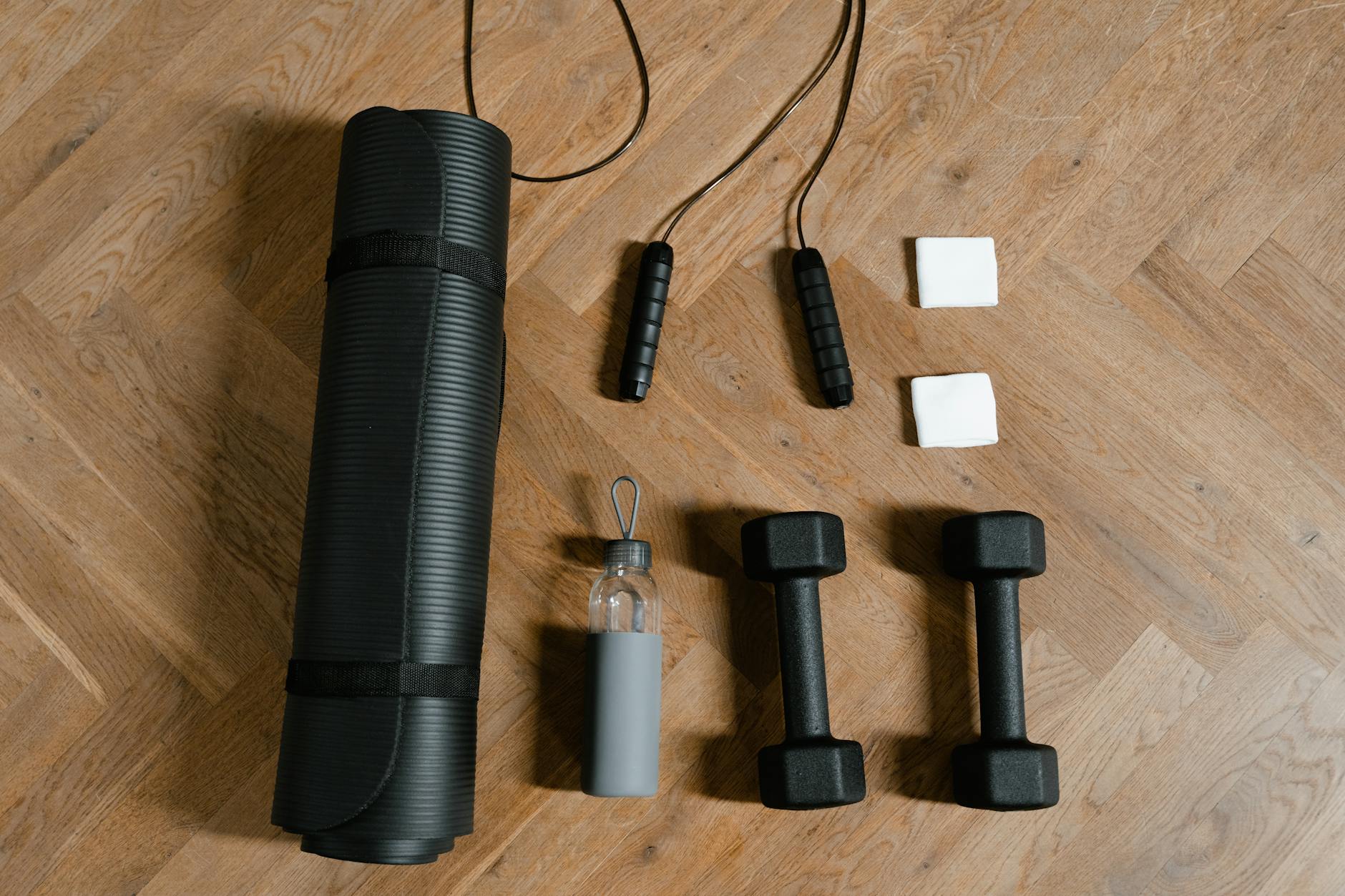
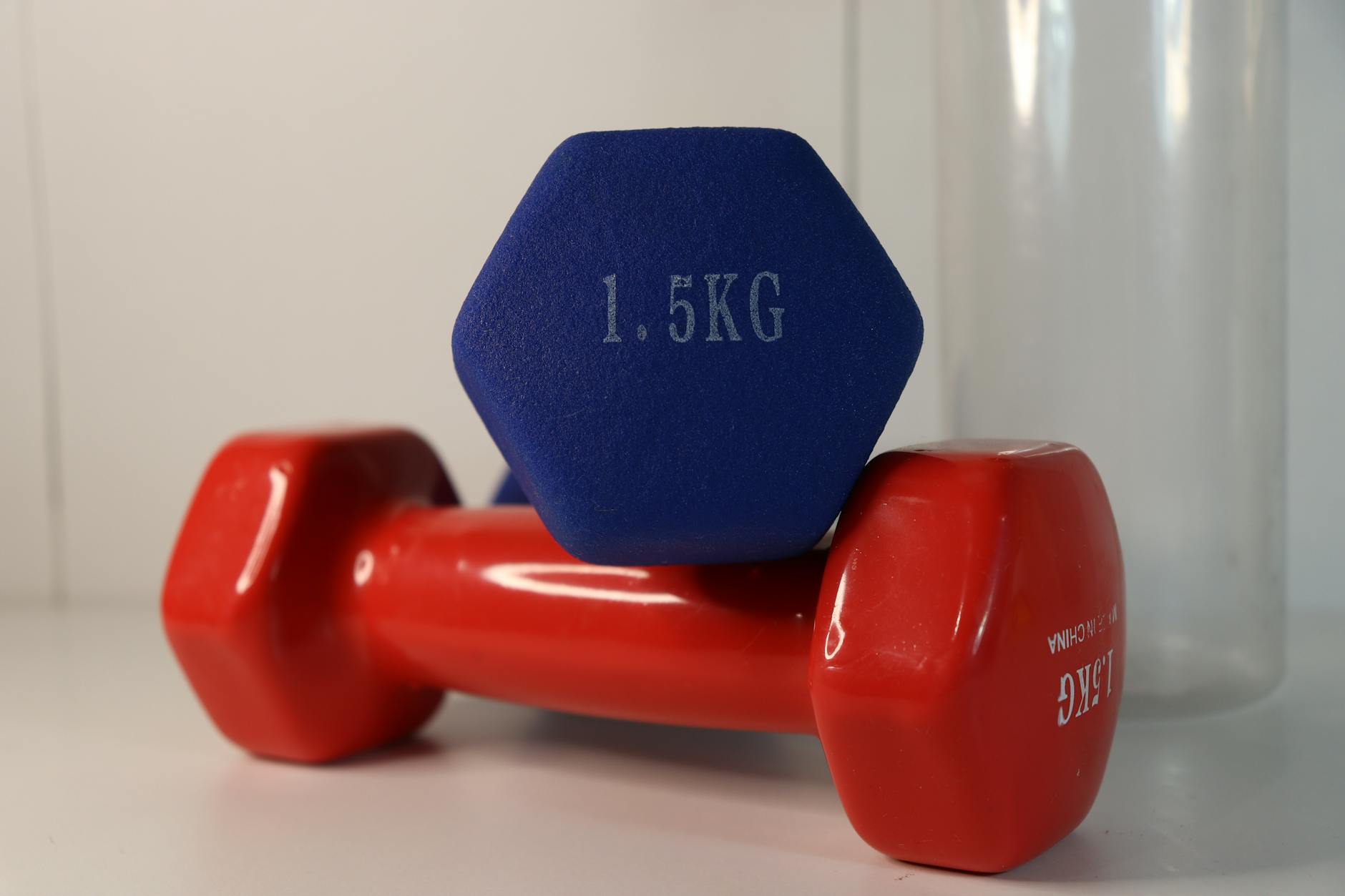
One of the things I love most about this exercise is its accessibility. You don't need a fancy gym or a barbell to get serious benefits. A couple of dumbbells are all it takes, making it a perfect home workout with dumbbells exercise. It's scalable too; you can start with very light weights and gradually increase as your strength and form improve. This makes it an ideal strength training exercise for beginners and seasoned lifters alike.
Integrating Dumbbell Good Mornings Into Your Training
So, how do you actually fit this into your routine? You might be wondering if it's a warm-up, a main lift, or an accessory. The beauty is, it can be a bit of all three, depending on your goals and the weight you choose.
Prepping for Heavier Lifts
I often use lighter dumbbell good mornings as part of my warm-up, especially before deadlifts or squats. It’s an excellent way to activate the glutes and hamstrings and reinforce that crucial hip hinge pattern. Think 2-3 sets of 10-12 reps with very light weight, really focusing on the stretch and contraction. It primes your body for the work ahead and improves your Flexibility Exercise Examples: Boost Your Mobility Today! before you even start.
As a Standalone Posterior Chain Powerhouse
For a dedicated posterior chain workout, the dumbbell good morning can be a primary exercise. Use a moderate weight that challenges you while allowing perfect form. Aim for 3-4 sets of 8-12 reps. This is where you really build strength in your hamstrings, glutes, and lower back. Pair it with other dumbbell leg exercises like Romanian deadlifts or walking lunges for a comprehensive lower body session. It’s definitely one of the Best Morning Exercises: Start Your Day Strong & Energized if you're looking to build foundational strength.
Progressing and Varying Your Good Morning
Once you’ve mastered the basic dumbbell good morning, there are ways to progress. You can increase the weight, of course, but always prioritize form. You can also experiment with different stances, like a slightly wider or narrower foot placement, to subtly shift the emphasis on your hamstrings and glutes. Some people even prefer holding a single dumbbell vertically against their chest, which provides a different challenge and might feel more comfortable for certain body types. Just remember, the core principle of the hip hinge remains the same.
The World Health Organization research on dumbbell good morning, among other studies, consistently points to the importance of posterior chain strength for overall health and longevity. It's not just about looking good in shorts; it's about having a body that supports you for a lifetime of activity.
So, there you have it. The dumbbell good morning is far from glamorous, but it is undeniably effective. It's an exercise that, when done right, offers profound benefits for your strength, your mobility, and your long-term physical health. Don't chase the heaviest weight or the flashiest move. Instead, chase perfect form, consistent effort, and the quiet satisfaction of building a truly resilient body, one perfect hip hinge at a time. Your back, your hamstrings, and your overall well-being will thank you for it.