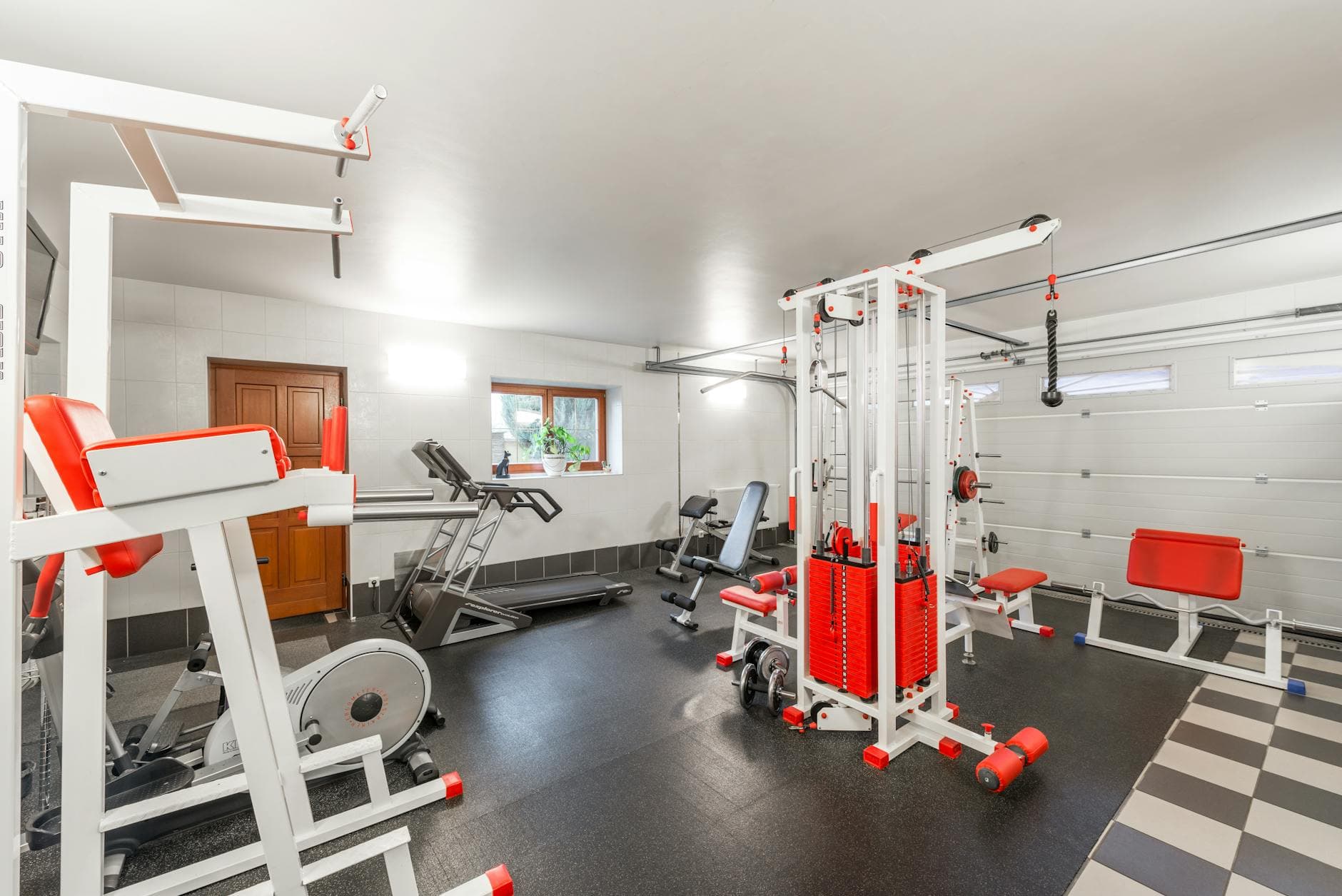
Ever bought a piece of fitness equipment with the best intentions, only for it to end up as an expensive clothes rack? Yeah, I've been there. It's a common story, and often, it starts with choosing the wrong gear for your actual needs. When it comes to finding the best treadmill for home use, it's not just about the flashiest model or the biggest motor. It's about finding a running machine that fits your life, your space, and your budget, something you'll actually use consistently.
I've logged countless miles on various treadmills, both in gyms and in my own living room. I've seen the good, the bad, and the downright flimsy. My goal here is to cut through the noise, the marketing jargon, and give you the real talk on what truly matters when you're investing in a home treadmill. We're talking about more than just a purchase; it's an investment in your health, your energy, and your consistency with home workout plan.
What Really Matters in a Home Treadmill?
Before we even get to specific models, let's talk about the fundamentals. You need to identify what kind of user you are, what kind of space you have, and what your fitness goals truly are. This isn't a one-size-fits-all situation, and honestly, anyone who tells you otherwise is probably trying to sell you something you don't need.
Understanding Your Workout Needs
Are you a casual walker, a power walker, a jogger, or a serious runner? This is probably the single most important question. A treadmill built for walking won't hold up to daily intense running, and a heavy-duty runner's treadmill might be overkill (and overpriced) for someone who just wants to walk a few times a week. Think about your heaviest user, too. If you're a featherweight but your partner is a heavier runner, you need to buy for their needs.
Space and Storage Considerations
This is often overlooked until the box arrives. Do you have a dedicated gym room, or will this treadmill be sharing space in your living room or bedroom? Folding treadmills are a godsend for smaller spaces, but they often come with trade-offs in stability or features. Measure your available area, both when the treadmill is in use and when it's folded for storage. Don't forget ceiling height, especially if you're tall and plan on using an incline.
Budgeting for Durability and Features
I'll be real with you: you get what you pay for. A super cheap treadmill might seem like a steal, but it often means a weaker motor, a smaller belt, and flimsier construction. That leads to more noise, less comfort, and a shorter lifespan. Consider your treadmill an investment. While you don't need to break the bank, setting a realistic budget that allows for decent quality will save you headaches (and potentially injuries) down the road. Think about the features you genuinely need versus the ones that are just nice to have. Do you really need a built-in TV, or would you be happy with a tablet holder?
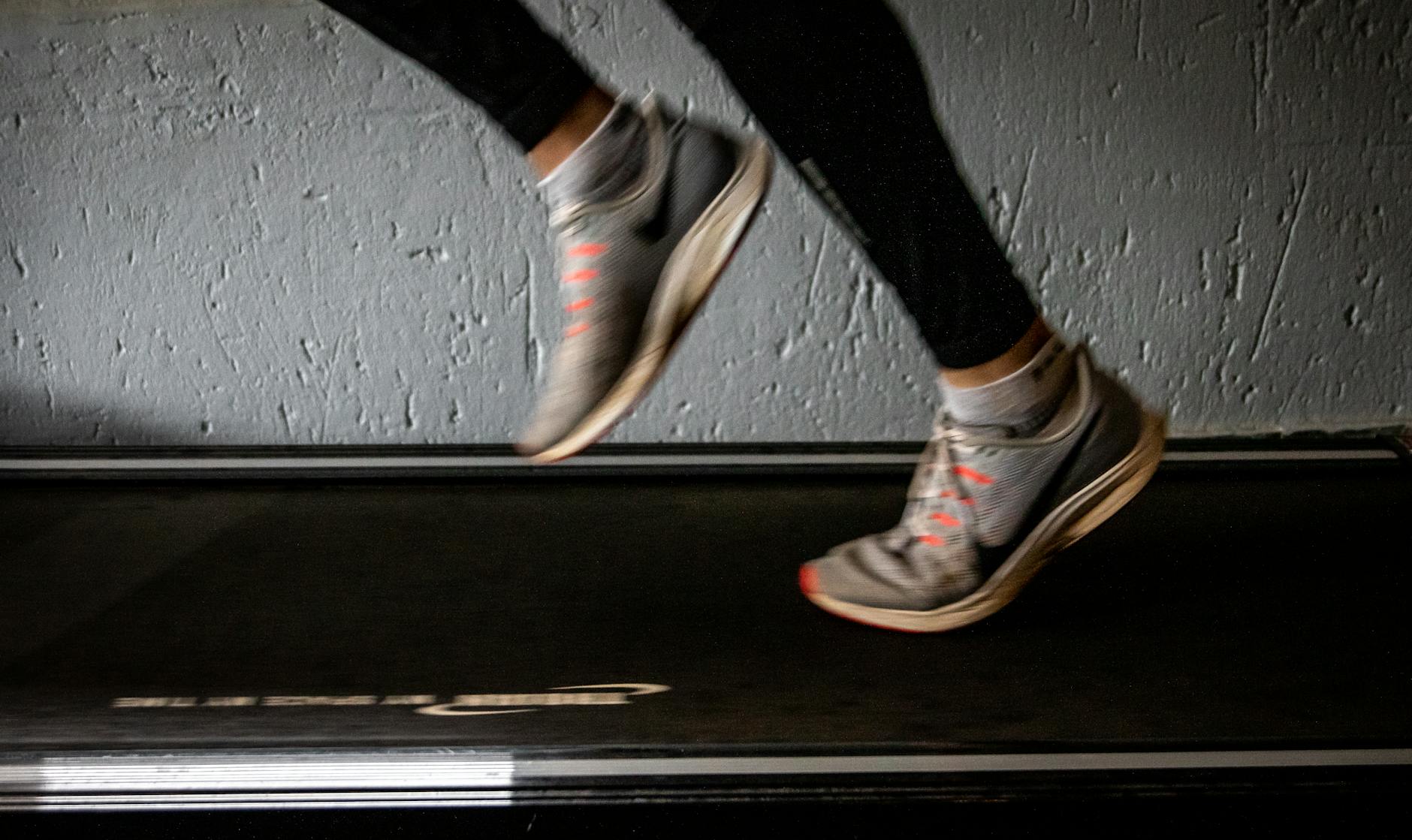
Key Features to Look For: My Non-Negotiables
Once you've got a handle on your needs, space, and budget, it's time to dive into the specs. These are the things I always scrutinize when evaluating any home treadmill. Ignore these at your peril.
Motor Power and Durability
This is the heart of your treadmill. Look for a Continuous Horsepower (CHP) rating, not just "peak" horsepower, which can be misleading. For walkers, 1.5-2.0 CHP is usually sufficient. Joggers should aim for 2.5 CHP or higher. Serious runners? You'll want 3.0 CHP or more. A stronger motor runs cooler, lasts longer, and provides a smoother, more consistent experience, especially at higher speeds or inclines. A good motor means less chance of frustrating pauses or slowdowns, which can really disrupt your gym workout for beginners or advanced users.
Belt Size and Cushioning
The running belt is where your feet will spend all their time. For walking, a belt of 18 inches wide by 50 inches long might suffice. For jogging or running, you absolutely need more space. I recommend at least 20 inches wide by 55 inches long, and for taller runners, 60 inches long is ideal. A wider, longer belt gives you more room to move naturally and reduces the feeling of being confined. Good cushioning is also vital to protect your joints. Look for systems that absorb impact effectively, especially if you have sensitive knees or hips. Mayo Clinic research on best treadmill for home often highlights the importance of proper cushioning for joint health.
Incline Options and Speed Range
Incline training is a fantastic way to increase calorie burn, build leg strength, and make your workouts more challenging without increasing impact. Most treadmills offer up to a 10-15% incline. Some advanced models go even higher, or offer decline options, which is a nice bonus. As for speed, ensure it goes fast enough for your maximum desired pace. Most treadmills hit 10-12 mph, which is plenty for most home users, but always check if you're a sprinter. Varying your incline and speed also helps prevent boredom, making your treadmill exercise more engaging.
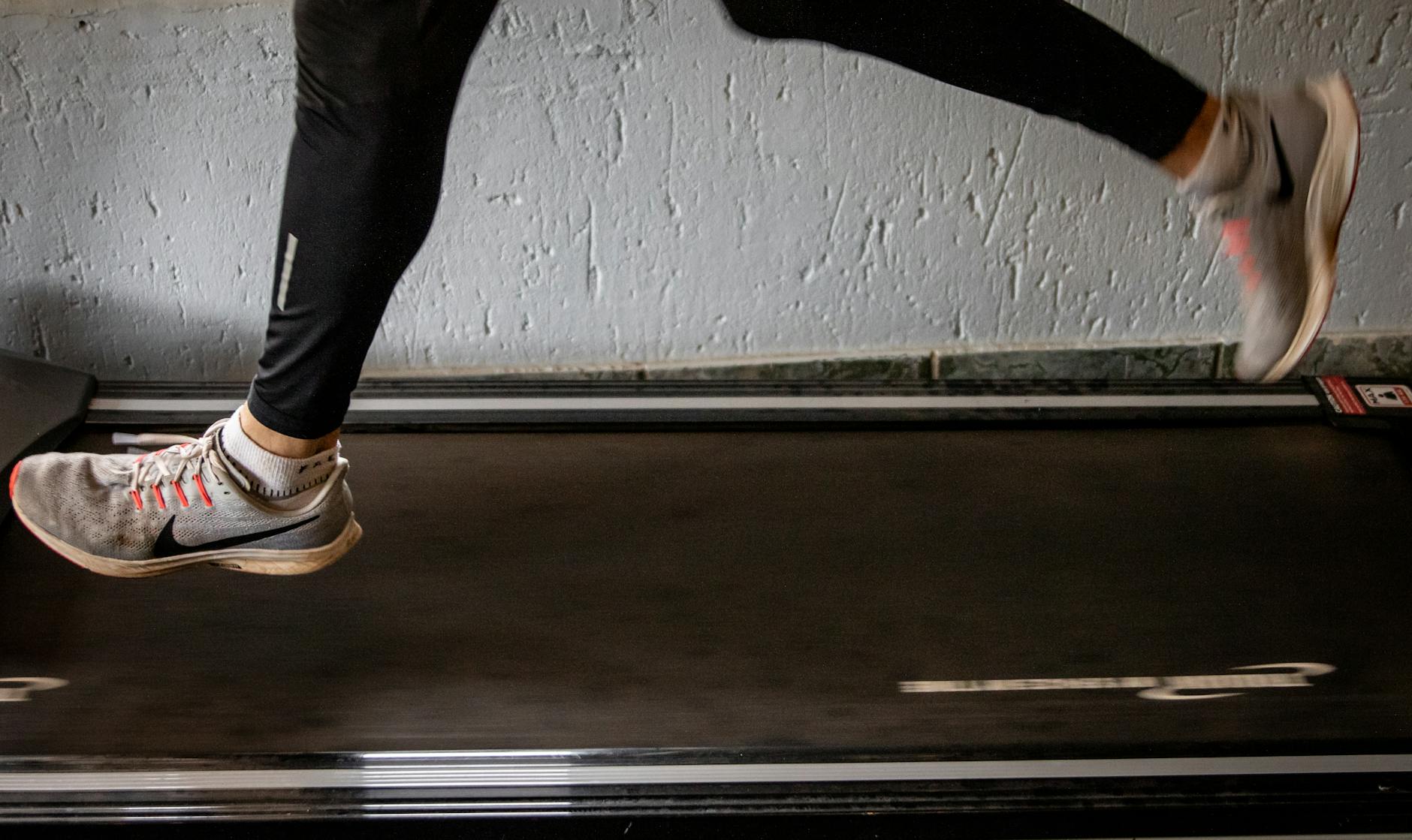
My Top Picks: The Best Treadmill for Home in Different Categories
Alright, enough with the theory. Let's talk about some specific types of treadmills that consistently impress me and deliver real value. I've broken them down by common needs, because, as I said, one size doesn't fit all.
For the Dedicated Runner: Horizon 7.8 AT
If you're serious about your running and want a machine that can keep up with daily miles, interval training, and long runs, the Horizon 7.8 AT is a fantastic choice. This one surprised me with its robustness for the price. It boasts a powerful 3.5 CHP motor, a generous 22x60-inch running deck, and excellent cushioning that feels great underfoot. The QuickDial controls are incredibly intuitive for on-the-fly speed and incline changes, which is a huge plus for interval training. It's a solid, stable machine that won't wobble, even during intense sprints. It's not the cheapest, but it’s built to last.
Why I Rate It Highly
- Powerful Motor: Handles serious running without breaking a sweat.
- Spacious Deck: Plenty of room for natural stride.
- Responsive Controls: Seamless adjustments during workouts.
Best Folding Treadmill for Small Spaces: Sole F63
For those living in apartments or smaller homes where space is at a premium, a compact treadmill that folds easily is essential. The Sole F63 consistently gets high marks, and for good reason. It offers an impressive 3.0 CHP motor and a comfortable 20x60-inch running surface, which is fantastic for a folding model. It's sturdy when unfolded, minimizing that "wobbly" feeling common with some folding units. The hydraulic assist makes folding and unfolding almost effortless. It's not tiny, but it tucks away nicely, making it an excellent affordable treadmill option that doesn't compromise too much on quality.
Compact Yet Capable
- Easy Folding Mechanism: Perfect for tight living situations.
- Solid Motor and Deck: Surprising performance for its class.
- Good Value: Excellent features for the price point.
Top Pick for Walkers and Light Joggers: NordicTrack T 6.5 S
If your primary goal is walking, power walking, or occasional light jogging, you don't need to overspend on a heavy-duty runner's machine. The NordicTrack T 6.5 S is a great entry-level option that provides good value. It has a 2.6 CHP motor, which is plenty for walking and light jogging, and a 20x55-inch deck. What NordicTrack really shines at is its iFit integration, offering guided workouts and scenic routes. While it's not as robust as the Horizon for serious runners, it's a perfectly capable and engaging machine for those looking for consistent cardio equipment without breaking the bank. Just be aware that iFit usually requires a subscription, which adds to the ongoing cost.
Ideal for Daily Movement
- iFit Integration: Keeps workouts fresh and engaging.
- Comfortable for Walking: Good belt size and cushioning for less impact.
- Reliable for Light Use: A solid choice for consistent, moderate exercise.
Beyond the Treadmill: Maximizing Your Home Workouts
Getting the right treadmill is a huge step, but it's only one part of the equation. To truly make the most of your investment and achieve your fitness goals, think holistically. Your treadmill is a tool, not a magic bullet.
Integrating Strength and Flexibility
Running or walking on a treadmill is fantastic for cardiovascular health, but it's not a complete fitness program. You absolutely need to incorporate strength training to support your joints, prevent injuries, and build a balanced physique. Even simple bodyweight exercises or a set of dumbbells can make a huge difference. Don't forget flexibility either; tight muscles can lead to pain and limit your range of motion. Consider adding lower back flexibility exercises or even exploring yoga classes for beginners to complement your cardio. The Centers for Disease Control and Prevention research on best treadmill for home use often emphasizes the importance of varied physical activity.
Setting Up Your Workout Space
Make your treadmill area inviting. Good lighting, a fan for airflow, and perhaps a small table for your water bottle and phone can make a huge difference in your motivation. If you plan to use a tablet for entertainment or guided workouts, make sure it's at eye level. A treadmill desk can also be a game-changer if you want to integrate more movement into your workday, turning passive screen time into active movement.
Consistency is King
Here's the thing: the best treadmill in the world is useless if it just sits there. Schedule your workouts. Start small, even if it's just 15-20 minutes a few times a week, and build up gradually. Find a workout buddy (even if it's a virtual one) for accountability. Track your progress. Remember why you bought it in the first place – for your health, your energy, your well-being. The World Health Organization research on best treadmill for home use consistently points to regular physical activity as a cornerstone of good health.
Final Thoughts on Choosing Your Home Treadmill
Choosing the best treadmill for home use isn't about finding the most expensive model or the one with the most bells and whistles. It's about finding the one that perfectly aligns with your lifestyle, your fitness goals, and your unique circumstances. Take the time to evaluate your needs honestly. Prioritize motor power, belt size, and cushioning based on how you'll actually use it. Don't be swayed by features you won't use.
Ultimately, this isn't just about a machine; it's about creating a consistent, sustainable fitness habit that serves you for years to come. Invest wisely, use it consistently, and enjoy the incredible benefits of having your own running machine right at home. Your future self will thank you.