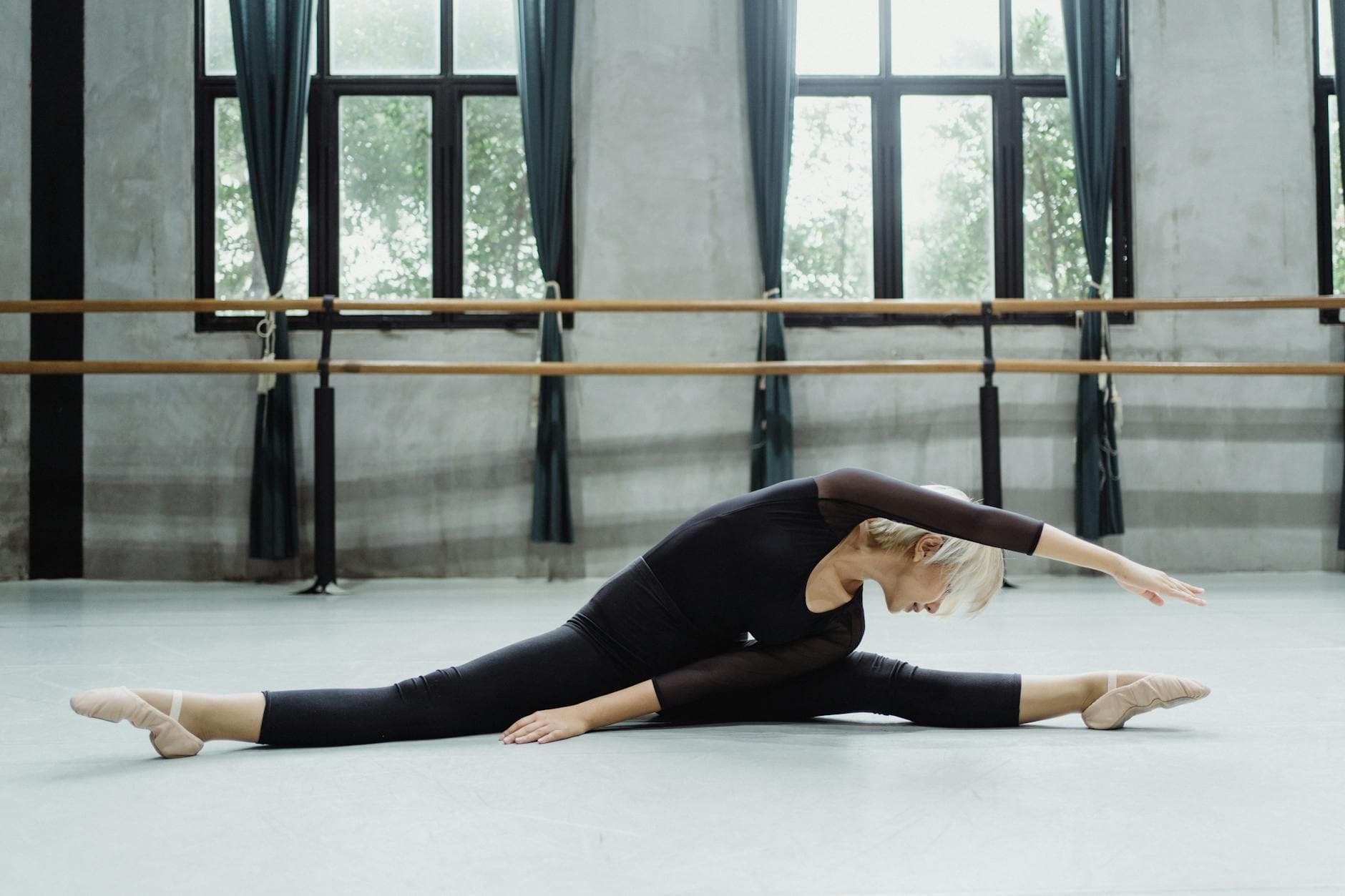
I'll be real with you, for years I thought "knee flexibility exercises" were just about bending your knees more. Like, if I could just squat deeper or touch my heels to my butt faster, I was good. Turns out, I was missing a huge piece of the puzzle. It’s not just about how far your knee *can* bend, but how smoothly and powerfully it can move through its entire range of motion. This understanding hit me hard after a nagging knee twinge kept me sidelined from my favorite hikes. It forced me to look beyond simple stretches and really dig into what makes knee joints happy and functional.
Unlocking Your Knee's Potential: Beyond the Bend
Think about it. Your knees are these incredible, complex hinges that bear a ton of weight and handle a massive amount of movement every single day. Whether you're walking, running, jumping, or just getting out of a chair, your knees are working overtime. When they get stiff or their range of motion is limited, it doesn't just affect your ability to do those things; it can throw off your entire kinetic chain, leading to problems in your hips, ankles, and even your back. Improving your knee flexibility isn't just about feeling looser; it's about enabling your body to move efficiently and pain-free.
The Hidden Impact of Tightness
When your quadriceps, hamstrings, or even your hip flexors are tight, they directly impact how your knee functions. For instance, super tight hamstrings can pull on your pelvis, altering your gait and putting extra stress on your knees. Similarly, tight quads can limit your ability to fully extend your knee. This ripple effect is why focusing solely on the knee itself can be a mistake.
Why Mobility Trumps Just Flexibility
Flexibility is about the length of your muscles and connective tissues. Mobility, on the other hand, is about your joints' ability to move actively and with control through a desired range of motion. You can be flexible (your muscles can stretch far), but if your joints aren't stable or strong through that range, you’re still at risk of injury. So, while we’re talking about knee flexibility exercises, remember we’re aiming for functional, controlled movement.
The Foundational Moves: Getting Started with Knee Mobility
Before you go all-in on advanced stretches, it’s crucial to build a solid foundation. These are the bedrock exercises that gently wake up your knee joint and surrounding muscles, preparing them for more demanding work. Don't underestimate the power of these seemingly simple movements.
Gentle Knee Bends
This is your absolute starting point. Sit on a chair with your feet flat on the floor.
Slow and Controlled Extension
Slowly extend one leg straight out in front of you, feeling a gentle stretch in the back of your thigh. Hold for a second, then slowly lower it back down. Repeat 10-15 times per leg.
Heel Slides
While still seated, gently slide one heel back towards the chair, bending your knee as much as comfortable. You should feel a slight compression or stretch in the front of your knee. Slide back to the starting position. Aim for 10-15 repetitions per leg.
Ankle Circles
Don't forget your ankles! Tight ankles can severely limit your knee's ability to move properly, especially during activities like walking downhill or squatting.
Clockwise and Counter-Clockwise
Sit with your legs extended. Lift one foot slightly off the ground and slowly rotate your ankle in a circular motion, first clockwise and then counter-clockwise. Perform 10-15 circles in each direction for each ankle.
Targeting the Key Players: Stretches for Knee Flexibility
Now that we’ve got the basics covered, let's get into specific stretches that directly target the muscles influencing your knee health. This is where you’ll really start to feel a difference in your overall knee range of motion.
Hamstring Harmony
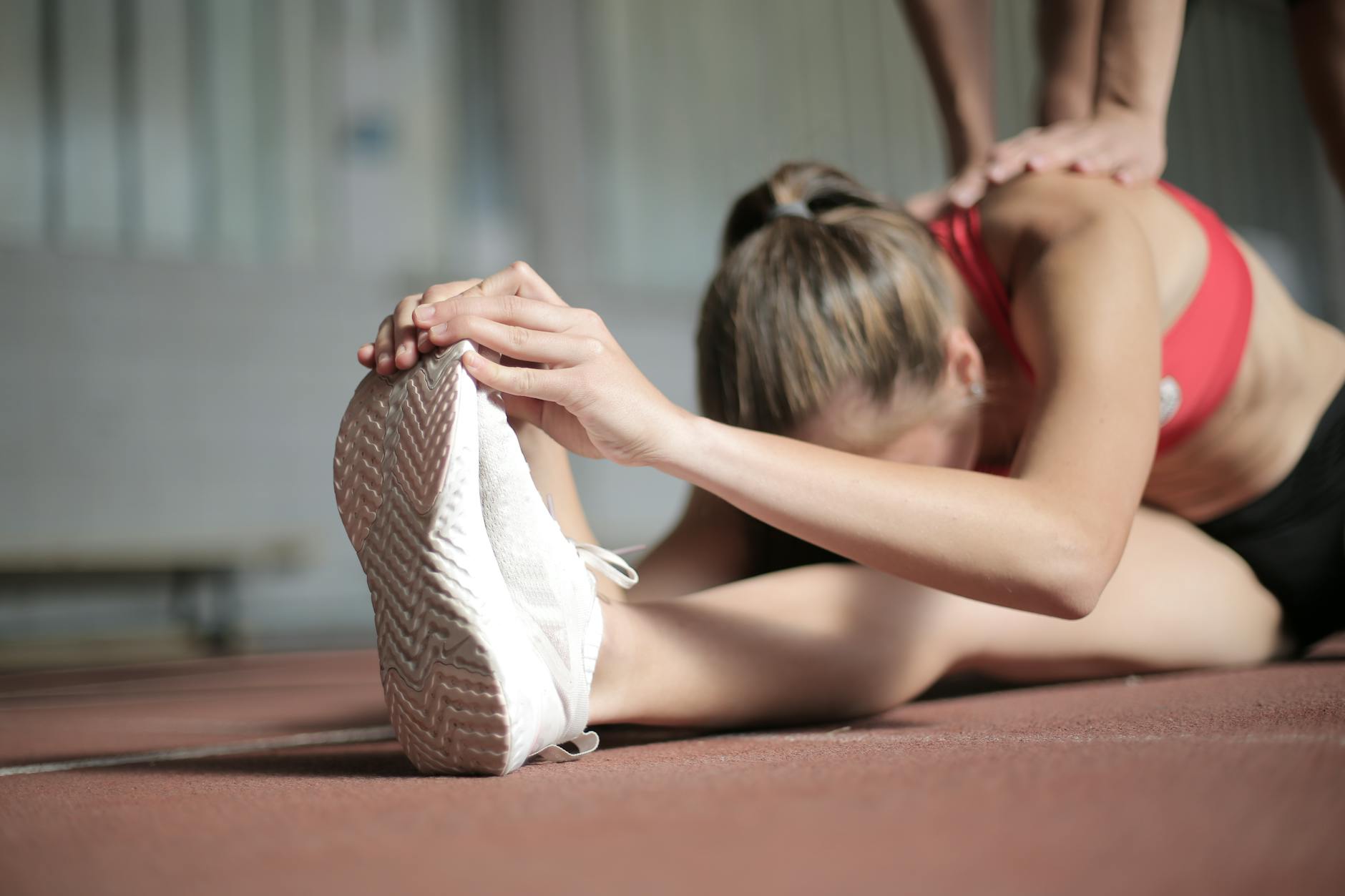
Stretching tight hamstrings is paramount for knee health. They attach just below your knee, and when they're tight, they can literally pull your shin bone backward, affecting how your knee joint moves.
Seated Hamstring Stretch
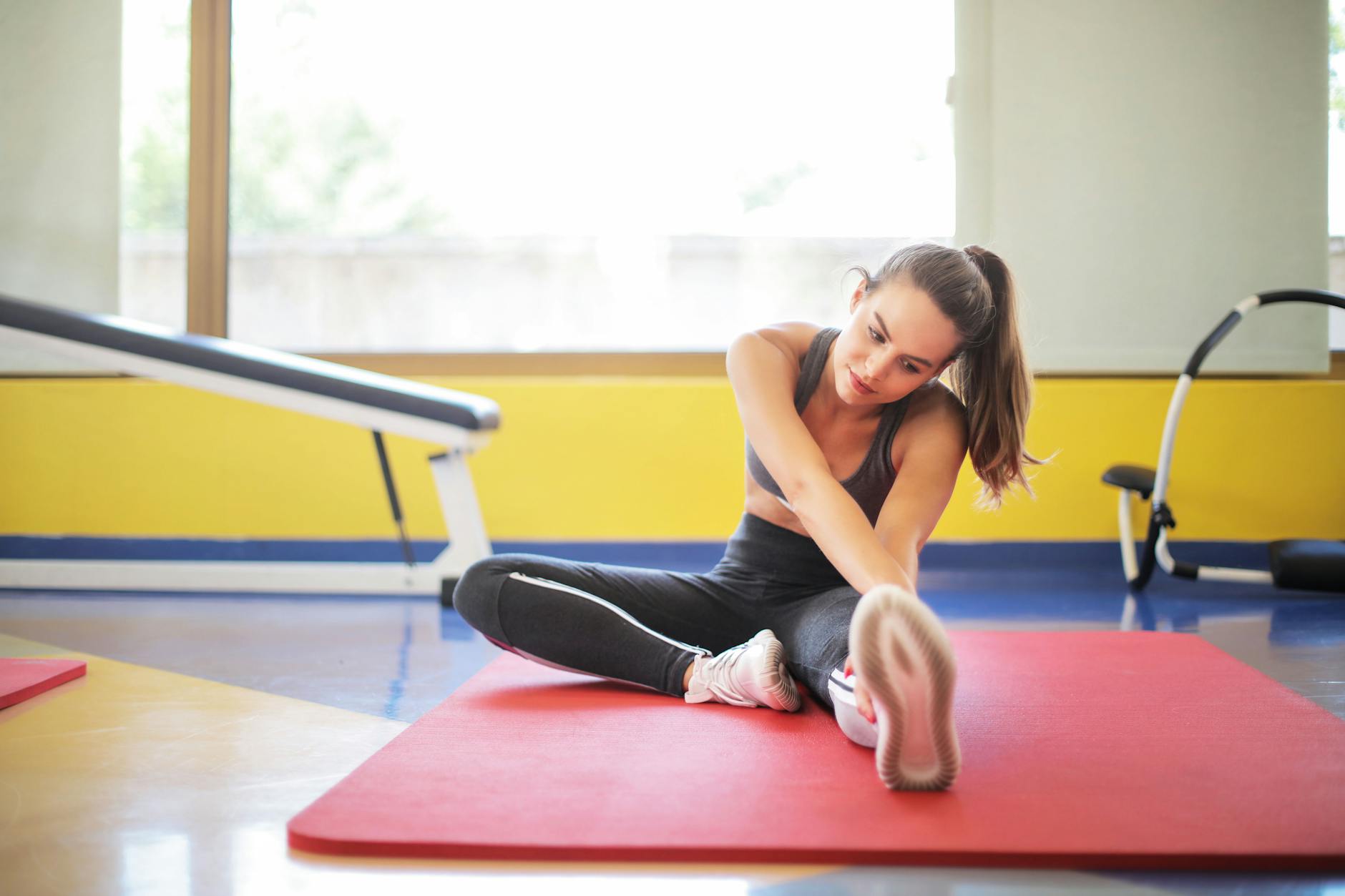
Sit on the floor with one leg extended and the other bent, with the sole of your foot resting against your inner thigh. Keeping your back straight, gently lean forward from your hips towards your extended foot. You should feel a stretch in the back of your thigh. Hold for 30 seconds, breathe, and repeat twice per leg.
Lying Hamstring Stretch with a Towel
Lie on your back with both legs extended. Loop a towel or strap around the ball of one foot. Keeping your other leg flat on the floor, gently pull the towel to lift your extended leg towards the ceiling. Keep a slight bend in your knee if needed. Hold for 30 seconds and repeat twice per leg. This one surprised me with how much deeper I could go compared to the seated version.
Quadriceps Quadrant
Your quads are the muscles on the front of your thigh. If they’re tight, they can prevent your knee from fully straightening.
Standing Quad Stretch
Stand tall, holding onto a wall or chair for balance. Bend one knee and reach back to grab your ankle or foot with the same-side hand. Gently pull your heel towards your glutes, keeping your knees close together. You’ll feel a stretch in the front of your thigh. Hold for 30 seconds and repeat twice per leg.
Kneeling Quad Stretch (Advanced)**
This one requires a bit more mobility. Kneel on one knee (use padding if needed). Extend the other leg out to the side, with your foot flat on the floor. You can either lean back into your heel to feel a stretch in the front of the kneeling thigh, or for a deeper stretch, carefully try to bring your heel towards your glute. Be very cautious with this one and only go as far as comfortable.
Calf Care for Knee Health
You might not think of your calves when you think about knee flexibility, but they play a surprisingly significant role. Tight calves can cause your foot to roll inward, affecting your knee alignment.
Gastroc Stretch (Straight Knee)
Stand facing a wall, about arm's length away. Place your hands on the wall. Step one foot back, keeping that leg straight and your heel firmly on the ground. Lean forward by bending your front knee, feeling the stretch in your calf. Hold for 30 seconds and repeat twice per leg.
Soleus Stretch (Bent Knee)
From the same starting position, now slightly bend the back knee while keeping the heel on the ground. This targets the deeper soleus muscle in your calf. You should feel a different, lower stretch. Hold for 30 seconds and repeat twice per leg.
Beyond Static: Dynamic Moves for Active Knee Flexibility
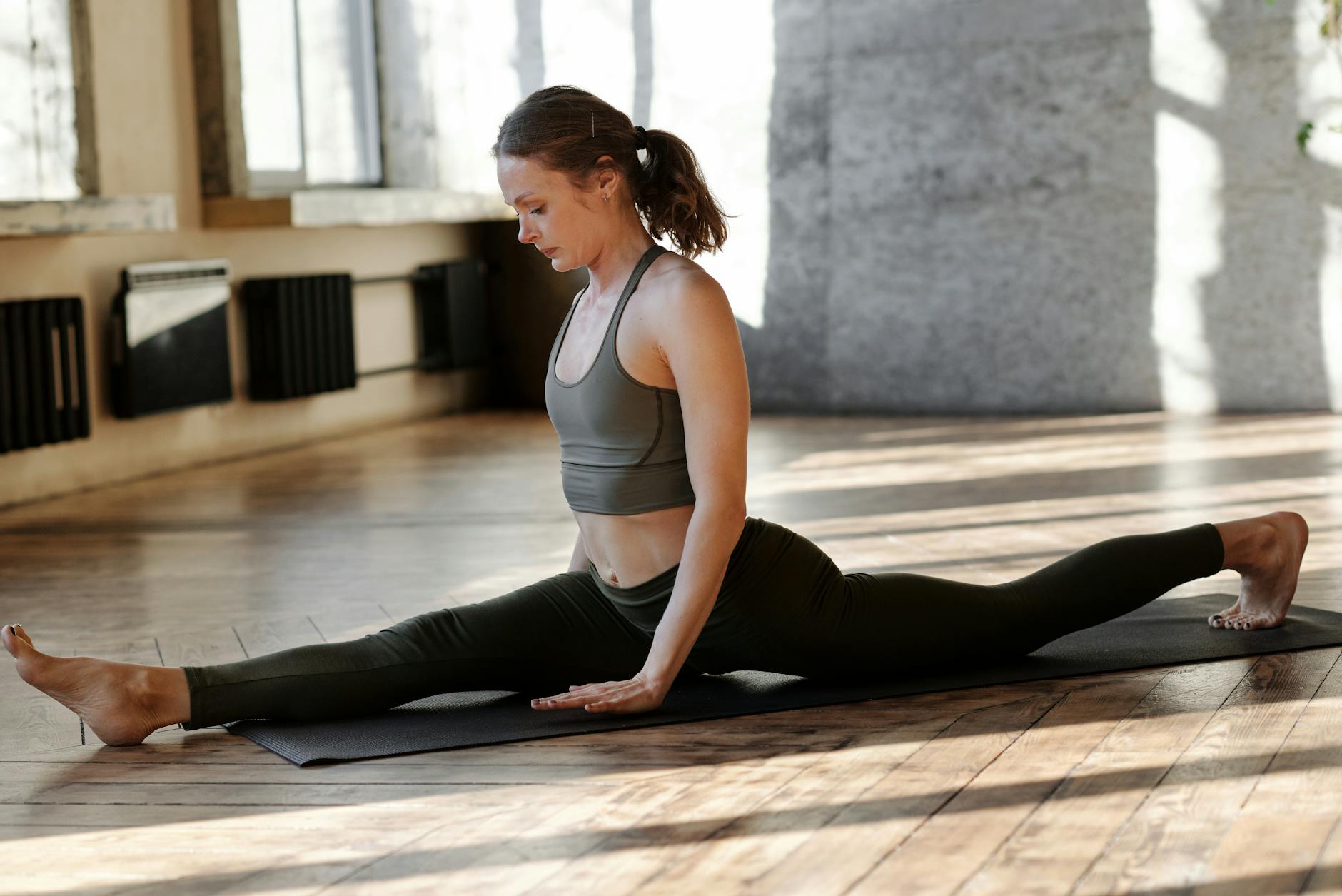
Static stretching is great, but for true functional knee mobility, you need dynamic movements. These get your joints moving through their full range of motion while engaging the muscles. They’re perfect for a warm-up.
Leg Swings (Forward and Backward)
Stand tall, holding onto a stable surface for support.
Controlled Momentum
Gently swing one leg forward and backward in a controlled manner. Start with small swings and gradually increase the range of motion as you feel comfortable. Focus on a smooth, continuous movement. Perform 10-15 swings per leg.
Leg Swings (Side to Side)
Facing your support, swing one leg across your body and then out to the side.
Hip and Knee Integration
This movement helps improve hip mobility, which directly impacts your knees. Again, start small and focus on control rather than speed. Do 10-15 swings per leg.
Walking Lunges
This is a fantastic compound movement that works your quads, hamstrings, glutes, and improves knee flexion and extension.
Step-by-Step Power
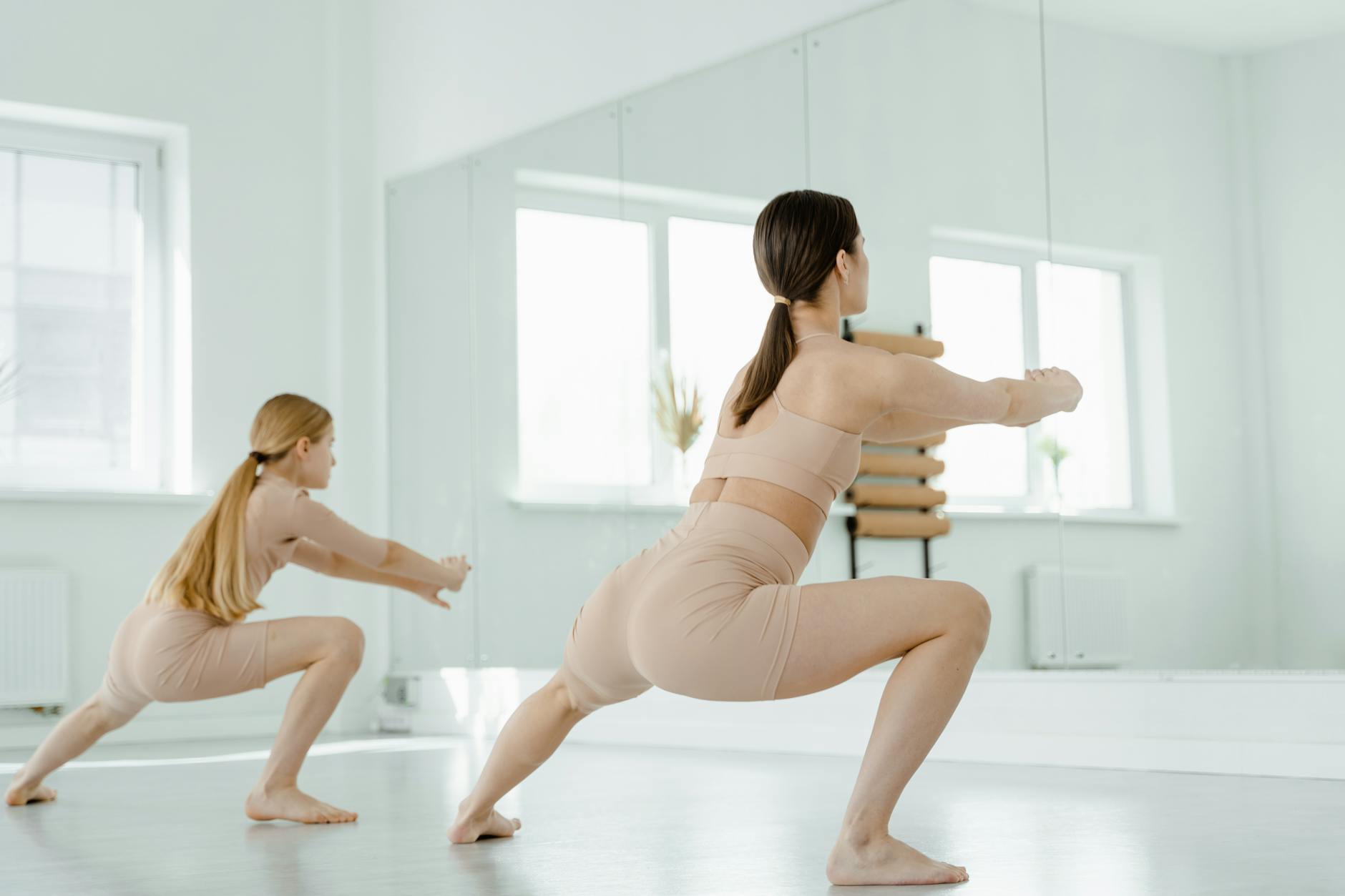
Step forward with one leg, lowering your hips until both knees are bent at approximately 90-degree angles. Your front knee should be directly over your ankle, and your back knee should hover just above the ground. Push off your back foot and step forward into the next lunge with the opposite leg. Aim for 10-12 lunges per leg.
The Unexpected Angle: Hip Flexor Stretches for Knee Health
Here’s the thing many people overlook: tight hip flexors can wreak havoc on your knees. When your hip flexors are short and tight, they can pull your pelvis into an anterior tilt, which forces your knees to hyperextend or alters your stride, leading to knee pain and reduced flexibility.
Kneeling Hip Flexor Stretch
This is a classic for a reason.
Lunge Position with a Twist
Start in a lunge position with your back knee on the ground (use padding). Keep your torso upright. Gently tuck your tailbone under and push your hips forward slightly. You should feel a stretch in the front of your hip on the side of your back leg. Hold for 30 seconds and repeat twice per side. You can add a gentle side bend away from the stretching hip for an extra release.
When to Seek Professional Help
While these knee flexibility exercises are fantastic for general improvement and maintenance, there are times when you need more. If you’re experiencing persistent knee pain, swelling, or a significant loss of range of motion that doesn't improve with these exercises, it’s time to talk to a professional.
Consulting a Doctor or Physical Therapist
They can diagnose the underlying cause of your knee issues, whether it's an injury, inflammation, or biomechanical problem. A physical therapist, in particular, can create a personalized program that might include specific exercises for knee pain relief, tailored to your unique needs. They can also assess your gait and recommend gait correction strategies if necessary.
The Importance of a Comprehensive Approach
Remember, knee health is part of your overall body mechanics. Sometimes, issues elsewhere, like weak glutes or tight IT bands, can manifest as knee problems. A professional can help identify these connections. The Mayo Clinic research on knee flexibility exercises highlights the importance of a holistic approach.
Integrating Knee Flexibility into Your Routine
So, how do you make these knee flexibility exercises a habit? Consistency is key. You don't need to dedicate hours each day.
Morning Wake-Up Routine
Try incorporating a few gentle knee bends and ankle circles into your morning routine before you even get out of bed. It’s a simple way to start the day with better joint readiness.
Pre-Workout Warm-up
Before any physical activity, especially activities like running or running, do a quick dynamic warm-up including leg swings and walking lunges. This prepares your knees for the stress they’re about to endure.
Post-Workout Cool-down
After your workout, dedicate 5-10 minutes to static stretches, focusing on your hamstrings, quads, and calves. This helps improve flexibility and reduce muscle soreness. Think of it as an investment in your future mobility.
The Long Game: Sustaining Knee Health
Improving knee flexibility isn't a one-time fix; it’s an ongoing commitment to your body's well-being. It's about building resilience and ensuring you can enjoy an active life for years to come. Don't get discouraged if you don't see drastic changes overnight. The most significant improvements often come from consistent, mindful effort.
Listen to Your Body
This is non-negotiable. If something feels sharp or painful, stop. Pushing too hard can lead to injury, setting you back even further. There's a difference between a productive stretch and a harmful one.
Embrace the Journey
Think about how much better you'll feel moving through your day with less stiffness and more confidence in your knees. That feeling is worth the effort. Consider it part of your overall lower body flexibility strategy. The National Institutes of Health research on knee flexibility exercises consistently points to long-term benefits from regular practice.
Ultimately, taking care of your knees through dedicated flexibility and mobility work is one of the smartest things you can do for your long-term health and activity levels. It’s about freedom of movement, and that’s something we should all strive for.