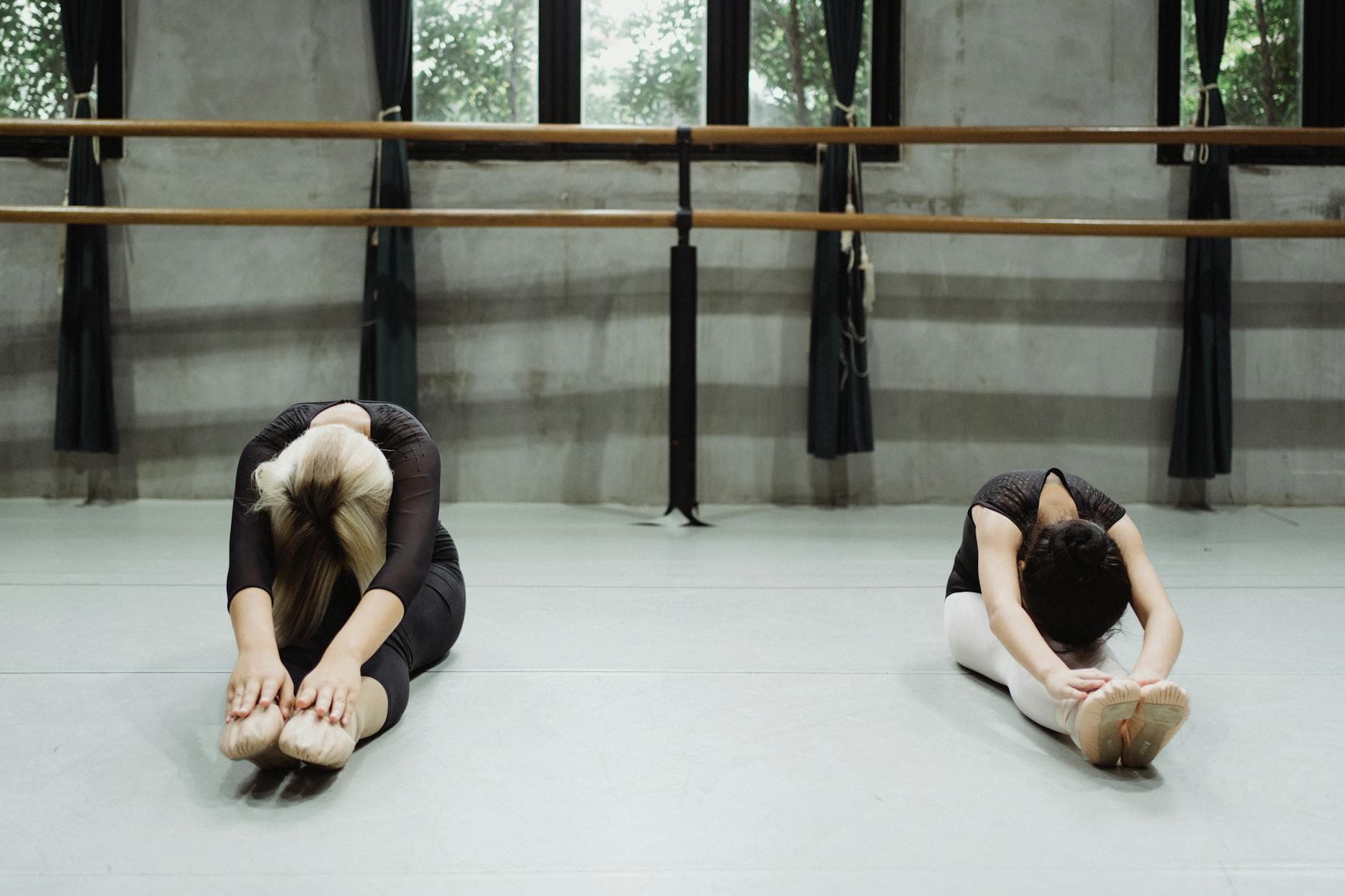
I remember the first time I truly understood the importance of lower body flexibility. I was in my early twenties, convinced I was invincible. I’d blast through workouts, pushing my muscles to their limits, but my flexibility? It was an afterthought. Then came that nagging ache in my hips, a tightness in my hamstrings that made even simple movements feel like a chore. It wasn't just uncomfortable; it was holding me back. I couldn't squat as deep, my running stride felt restricted, and my recovery took longer than it should have. This wasn't the path to peak performance I envisioned. It took a frustrating plateau and a wise old coach pointing out the obvious to make me realize that strength without mobility is like a powerful engine with a seized-up transmission. That’s when I started to genuinely invest in my lower body flexibility, and let me tell you, it’s been a game-changer.
The Unseen Power of a Flexible Lower Body
Beyond the Stretch: What Flexibility Really Means
When people hear "flexibility," they often picture someone contorting themselves into a pretzel. But it's much more than that. Lower body flexibility refers to the range of motion in your hips, knees, ankles, and the muscles surrounding them. It’s about allowing your joints to move freely through their intended paths without restriction or pain. Think about everyday activities: bending down to tie your shoes, stepping over an obstacle, or even just sitting comfortably. All of these rely on adequate flexibility.
The Ripple Effect: How Tightness Impacts Your Whole Body
Here’s the thing: your body is a connected system. When your hamstrings are chronically tight, for instance, they can pull on your pelvis, leading to lower back pain. This might seem counterintuitive, right? You’d think back pain comes from the back itself, but often, the root cause is elsewhere. Similarly, restricted hip mobility can force your knees and ankles to compensate, potentially leading to issues down the line. The Centers for Disease Control and Prevention research on lower body flexibility often highlights these interconnected issues, showing how improving one area can positively impact others.
Flexibility as a Performance Enhancer
For anyone involved in sports or regular exercise, improving lower body flexibility isn't just about avoiding injury; it’s about unlocking potential. Better leg flexibility exercises allow for a deeper squat, a more powerful stride in running, and a greater range of motion in dynamic movements like lunges or jump squats. Athletes who prioritize this often see improvements in their speed, agility, and overall power output. It’s about moving more efficiently, which translates directly to better performance. If you’re serious about your sport, ignoring this aspect is a missed opportunity.
Unlocking Your Hips: The Core of Lower Body Mobility
Why Hip Flexibility Exercises Matter So Much
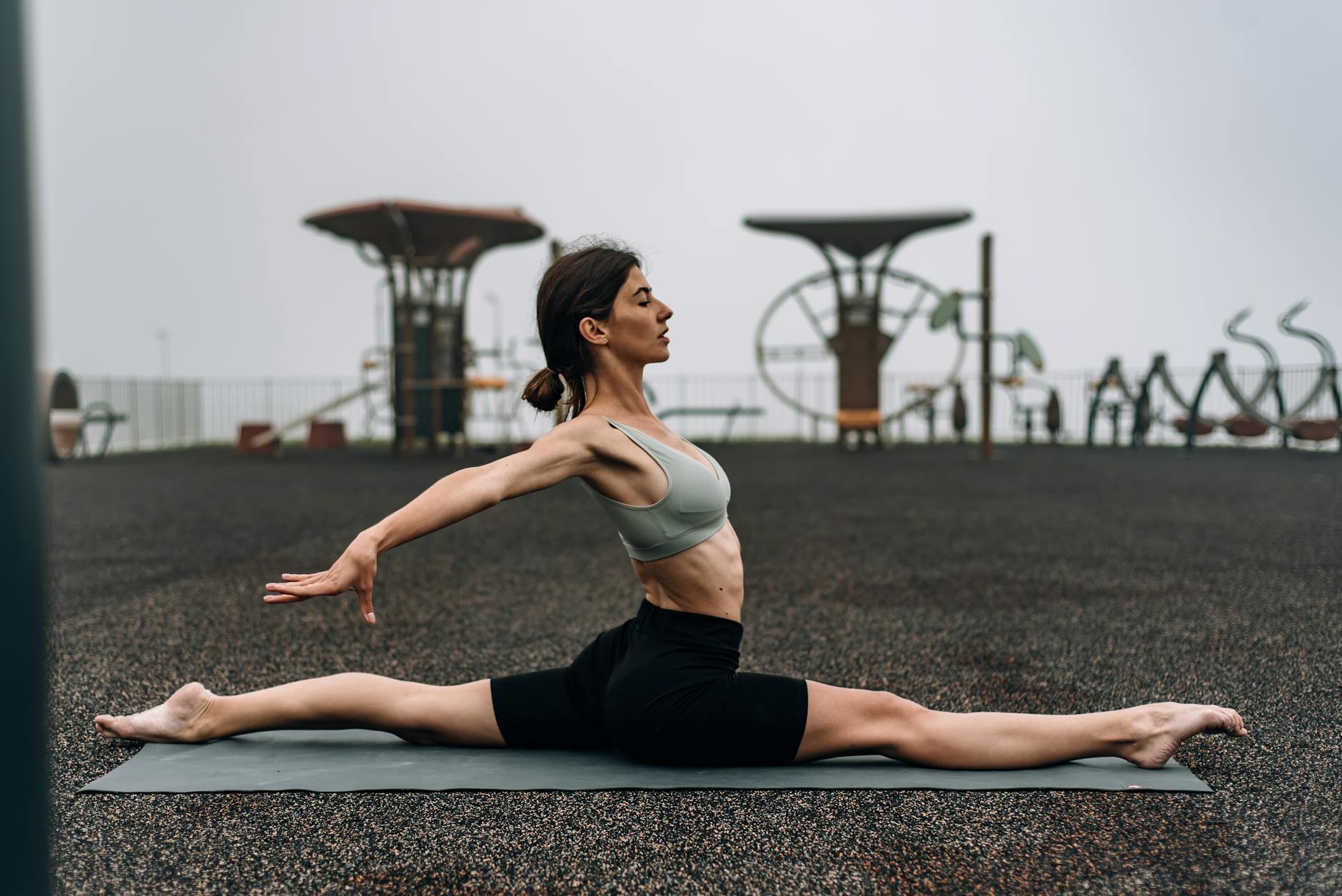
Honestly, the hips are often the biggest culprit when it comes to lower body stiffness. We sit a lot – at desks, in cars, on couches. This prolonged sitting shortens the hip flexors, leading to that tight, achy feeling. Improving hip flexibility exercises is crucial because your hips are ball-and-socket joints, designed for a wide range of movement. When they’re locked down, it affects everything from your gait to your ability to perform fundamental movements like squats. I’ve seen clients’ posture transform simply by addressing their hip mobility.
Key Movements for Reclaiming Your Hips
The Hip Flexor Stretch (Kneeling)
This is a classic for a reason. Start in a lunge position, with your back knee on the floor (use a cushion if needed). Tuck your pelvis slightly under – this is key to feeling the stretch in the front of your hip, not just your quad. Gently push your hips forward until you feel a stretch. Hold for 30 seconds, focusing on deep breaths. Repeat 2-3 times per side. Don't force it; a gentle pull is what you're looking for.
The Pigeon Pose (Modified)
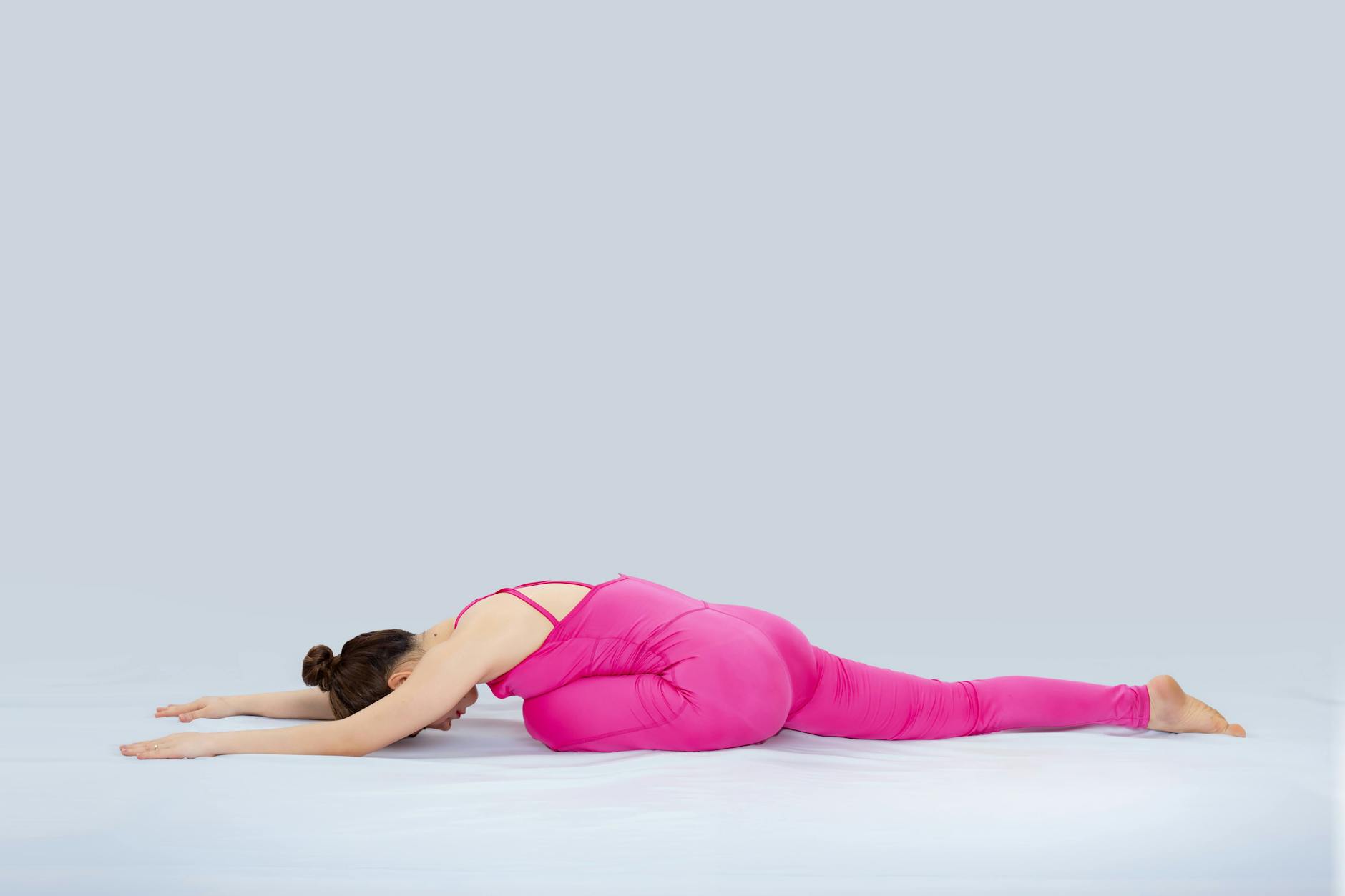
This yoga staple is fantastic for opening up the hips, especially the external rotators. Start on your hands and knees. Bring your right knee forward towards your right wrist, angling your shin so your right foot is somewhere in front of your left hip. Extend your left leg straight back. You can stay upright on your hands, or for a deeper stretch, fold forward over your front leg. If this is too intense, start with a figure-four stretch on your back. Hold for 30-60 seconds, breathing into the sensation. This one surprised me with how much it helped my lower back.
90/90 Stretch
This is another excellent way to target hip internal and external rotation. Sit on the floor with your right leg bent in front of you at a 90-degree angle (shin parallel to your body), and your left leg bent behind you at a 90-degree angle. Ensure both knees are at roughly 90-degree angles. Keep your torso upright and breathe. You should feel a stretch in the outer hip of your front leg and potentially the inner thigh of your back leg. Hold for 30-60 seconds, then switch sides. This is a more accessible variation than some other hip openers.
Taming the Hamstrings: Relief for Tight Hamstrings
Why Hamstring Flexibility is So Elusive
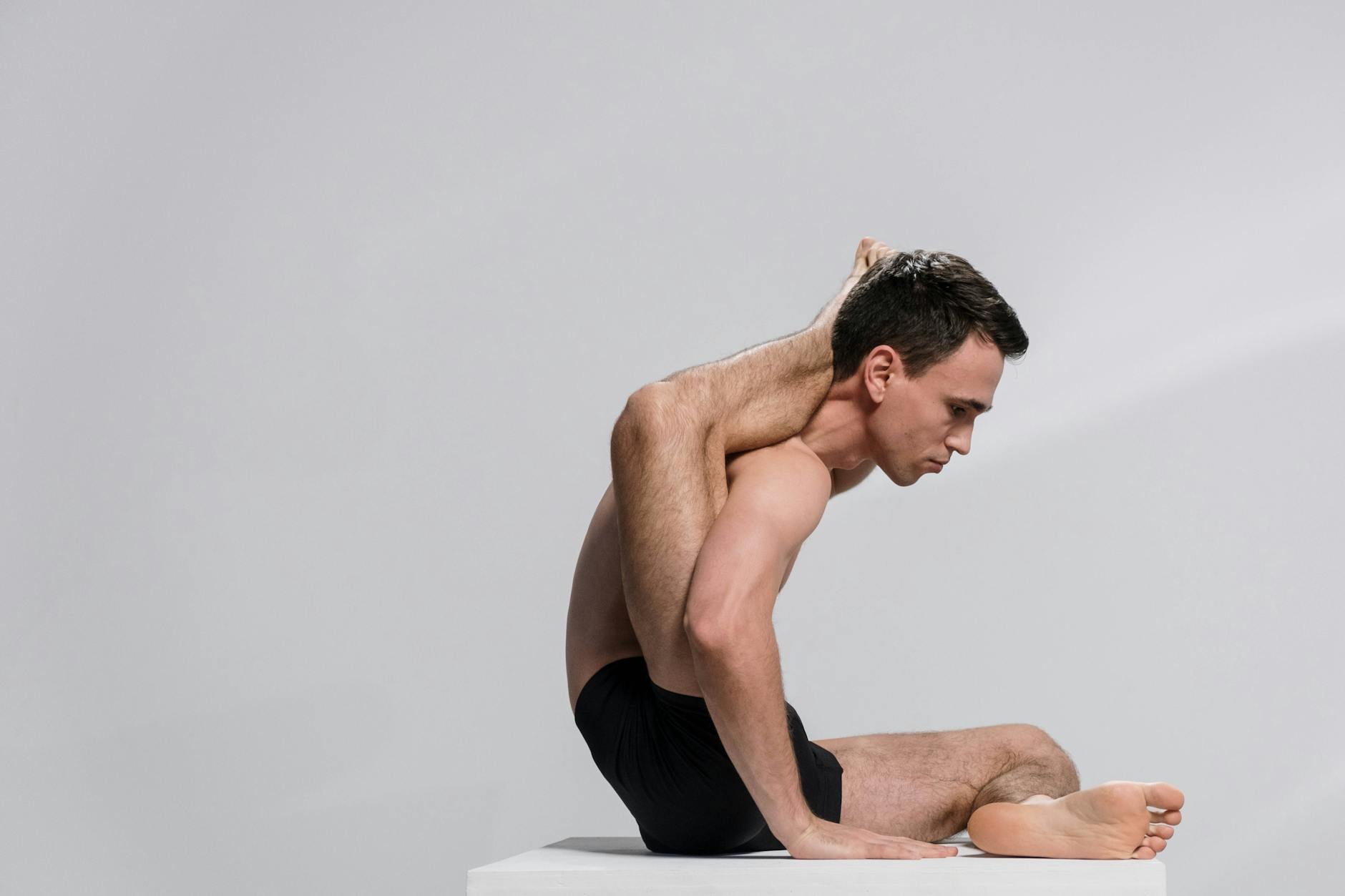
Ah, the hamstrings. For many, they’re the tightest muscles in their entire body. This is often due to a combination of prolonged sitting, certain training styles that prioritize quad development, and genetics. When your hamstrings are tight, they can limit your forward fold, make lunges feel awkward, and contribute to that feeling of being generally inflexible. The National Institutes of Health research on lower body flexibility often points to hamstrings as a primary area of concern for many individuals.
Effective Hamstring Flexibility Exercises
Standing Hamstring Stretch
A simple, effective way to start. Stand with your feet hip-width apart. Hinge at your hips, keeping your back as straight as possible, and reach towards your toes. Don’t worry if you can’t touch your toes; reach for your shins or calves. The goal is to feel a stretch down the back of your legs. Hold for 30 seconds, breathing deeply. You can also do this with one leg extended forward and the other bent, reaching towards the extended leg.
Seated Forward Fold (Paschimottanasana)
This is a more intense stretch, but incredibly rewarding. Sit on the floor with your legs extended straight in front of you. Sit up tall, then hinge at your hips, reaching your hands towards your feet. Keep your back as straight as possible. If your hamstrings are very tight, you can bend your knees slightly, or place a rolled-up blanket under your knees. The key is to feel the stretch in your hamstrings, not to round your back excessively. Hold for 30-60 seconds. This is a great way to work on hamstring flexibility for better mobility & performance.
Dynamic Leg Stretches for Warm-ups
Before a workout, static stretching can actually decrease performance. Instead, opt for dynamic leg stretches. Think leg swings (forward/backward and side-to-side), walking lunges with a twist, and high knees. These movements prepare your muscles for activity by increasing blood flow and gently taking your joints through their range of motion. For example, 10-15 controlled leg swings in each direction can make a huge difference before a run or leg day.
Quadriceps and Calves: Completing the Lower Body Picture
Don't Forget Your Quads: Quad Flexibility Exercises
Often overlooked in favor of hamstrings, tight quadriceps can also impact your lower body flexibility. They attach to your pelvis and can affect your posture and knee alignment. When your quads are short and tight, they can pull your pelvis forward, contributing to that anterior pelvic tilt and potentially exacerbating lower back pain. Incorporating quad flexibility exercises is essential for balanced lower body mobility.
Simple Stretches for Quads and Calves
Standing Quad Stretch
Stand tall and grab your right ankle with your right hand. Gently pull your heel towards your glutes, keeping your knees close together and your torso upright. You should feel a stretch in the front of your thigh. Hold for 30 seconds and repeat on the other side. If balance is an issue, hold onto a wall or chair for support. This is one of those stretches that feels great after a long walk or run.
Calf Stretch Against a Wall
Place your hands on a wall, step one foot back, keeping your back leg straight and your heel firmly on the ground. Lean forward until you feel a stretch in your calf. Hold for 30 seconds. To target the soleus muscle (lower calf), slightly bend the back knee while keeping the heel down. This is crucial, especially if you do a lot of walking or running. You can find great advice on these movements in articles about leg flexibility exercises.
Ankle Mobility Drills
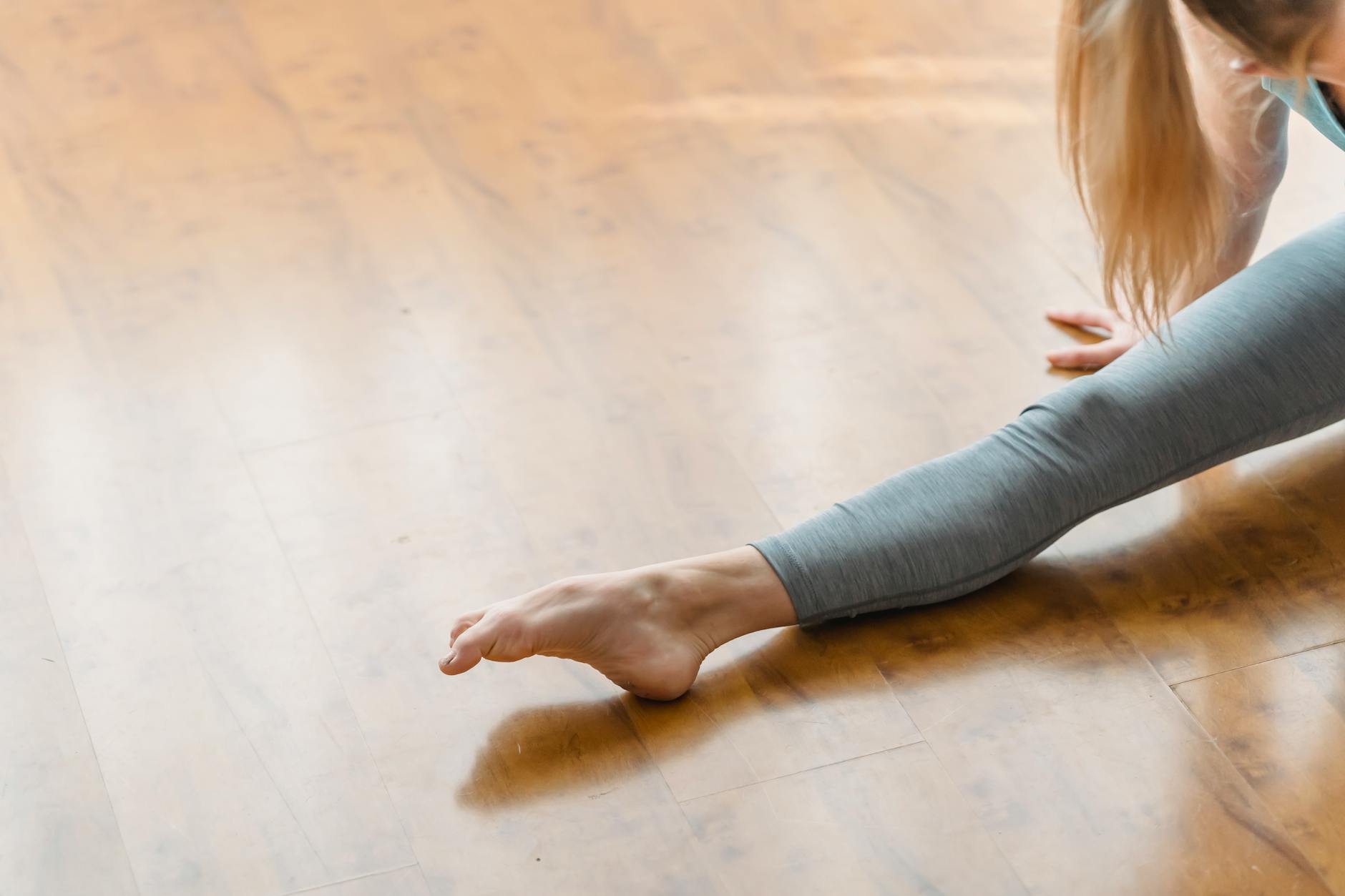
Often neglected, ankle flexibility is vital. Simple ankle circles, pointing and flexing your feet, and calf raises are all effective. Good ankle mobility allows your knees and hips to move more freely, preventing compensatory patterns. Think about the last time you walked on uneven terrain; good ankle mobility makes that much easier and safer.
Integrating Flexibility into Your Routine: Practical Tips
Making Time for Lower Body Flexibility
I’ll be real with you: consistency is king. It’s better to do 10 minutes of dedicated stretching every day than an hour-long session once a week. Here’s how to make it happen: make it part of your existing routine. Stretch while you’re watching TV, after your shower, or right before bed. Even 5 minutes of focused stretching can make a difference over time. You might be wondering if you need a specific routine, and while structured routines are great, small, consistent efforts add up.
When to Stretch: Dynamic vs. Static
This is a common point of confusion. Use dynamic leg stretches for your warm-up – think movements that mimic your activity. Save your deeper, static lower body stretches for after your workout or as a separate flexibility session. The Mayo Clinic research on lower body flexibility often emphasizes this distinction to maximize benefits and prevent injury. Static stretching before intense activity can temporarily reduce muscle power, so save those holds for when your muscles are warm and ready for a deeper stretch.
Listen to Your Body: Avoiding Overtraining and Injury
Flexibility training, like any other form of exercise, requires listening to your body. Pushing too hard, too fast, can lead to strains or tears. You should feel a stretch, a gentle pull, but never sharp or intense pain. If something hurts, back off. If pain persists, consult a healthcare professional. Remember, the goal is improved range of motion, not to endure agony. This is also where maintaining good posture comes into play; exercises like those discussed on Posture Exercises Reddit: Top Tips & Routines can complement your flexibility work.
The journey to better lower body flexibility isn't a race; it's a marathon. It’s about building a foundation of mobility that will serve you for years to come. It’s about moving through life with less restriction, less pain, and more freedom. Don't wait for an injury or a plateau to force your hand. Start incorporating these practices today, even in small ways. Your body will thank you for it, and you’ll discover a newfound ease and capability in your movements that you might not have thought possible. It’s about investing in yourself, and that’s always a worthwhile endeavor.