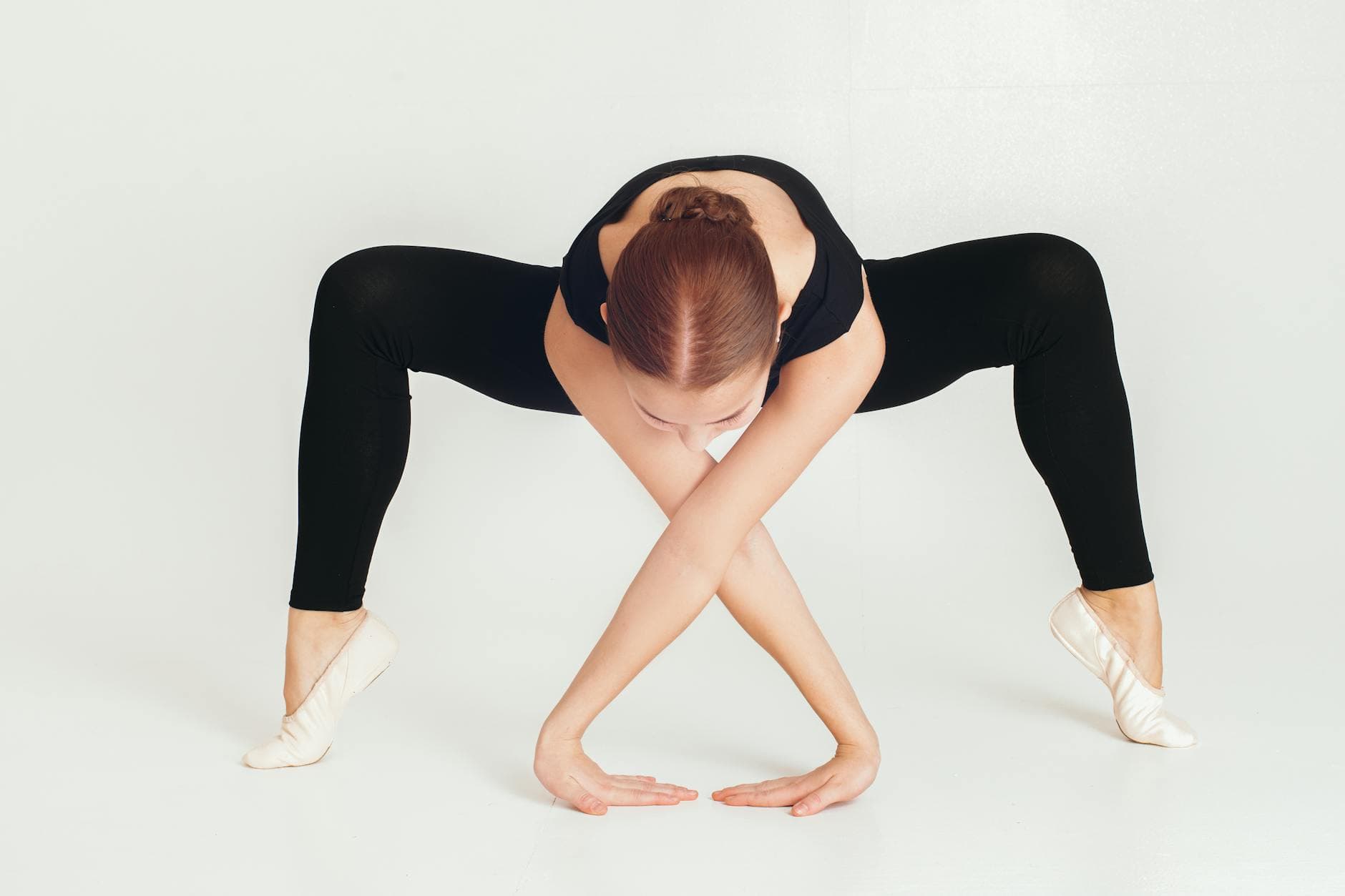
How often do your legs feel stiff after sitting for too long? Or maybe you've noticed a real limitation when trying to reach down to tie your shoes, or even a twinge when you lunge for a dropped item. If any of that sounds familiar, then diving into some focused leg flexibility exercises is a smart move. It’s not just about touching your toes; it's about improving your overall movement, reducing injury risk, and feeling better in your own body.
You might think flexibility is something you're either born with or you're not. I used to think that too. But the truth is, leg flexibility exercises are a trainable skill, and with consistent effort, you can make a significant difference. Whether you’re an athlete looking to boost performance, a busy professional trying to combat sedentary stiffness, or simply someone who wants to move more freely, this guide is for you. We'll break down practical, effective ways to improve your leg flexibility, covering everything from the basics to more advanced techniques.
Why Your Legs Need Some Love
Think about it: your legs are your foundation. They carry you everywhere. Yet, we often neglect their mobility until something hurts or feels restricted. Poor leg flexibility can lead to a cascade of issues, from lower back pain to knee problems and even a higher risk of strains and sprains.
The Foundation of Movement
Your legs house some of the largest and most powerful muscles in your body. The hamstrings, quadriceps, hip flexors, and calves all play a crucial role not just in walking and running, but in almost every physical activity you do. When these muscles are tight, they can pull your pelvis out of alignment, affecting your posture and putting undue stress on your spine.
Beyond the Gym
It’s not just about what happens when you’re working out. Tight leg muscles can make everyday tasks more challenging. Imagine struggling to get out of a low chair, or feeling that sharp pull when you try to step up onto a curb. These are direct consequences of limited range of motion. Improving your leg flexibility can make a surprising difference in your daily comfort and ease of movement.
Injury Prevention is Key
This is a big one for me, honestly. I’ve seen too many people push too hard, too soon, and end up sidelined with an injury because their muscles couldn't handle the demand. Flexible muscles are more resilient. They can absorb shock better and adapt to sudden movements without tearing or straining. Consistent leg flexibility exercises are one of the best defenses against common athletic injuries.
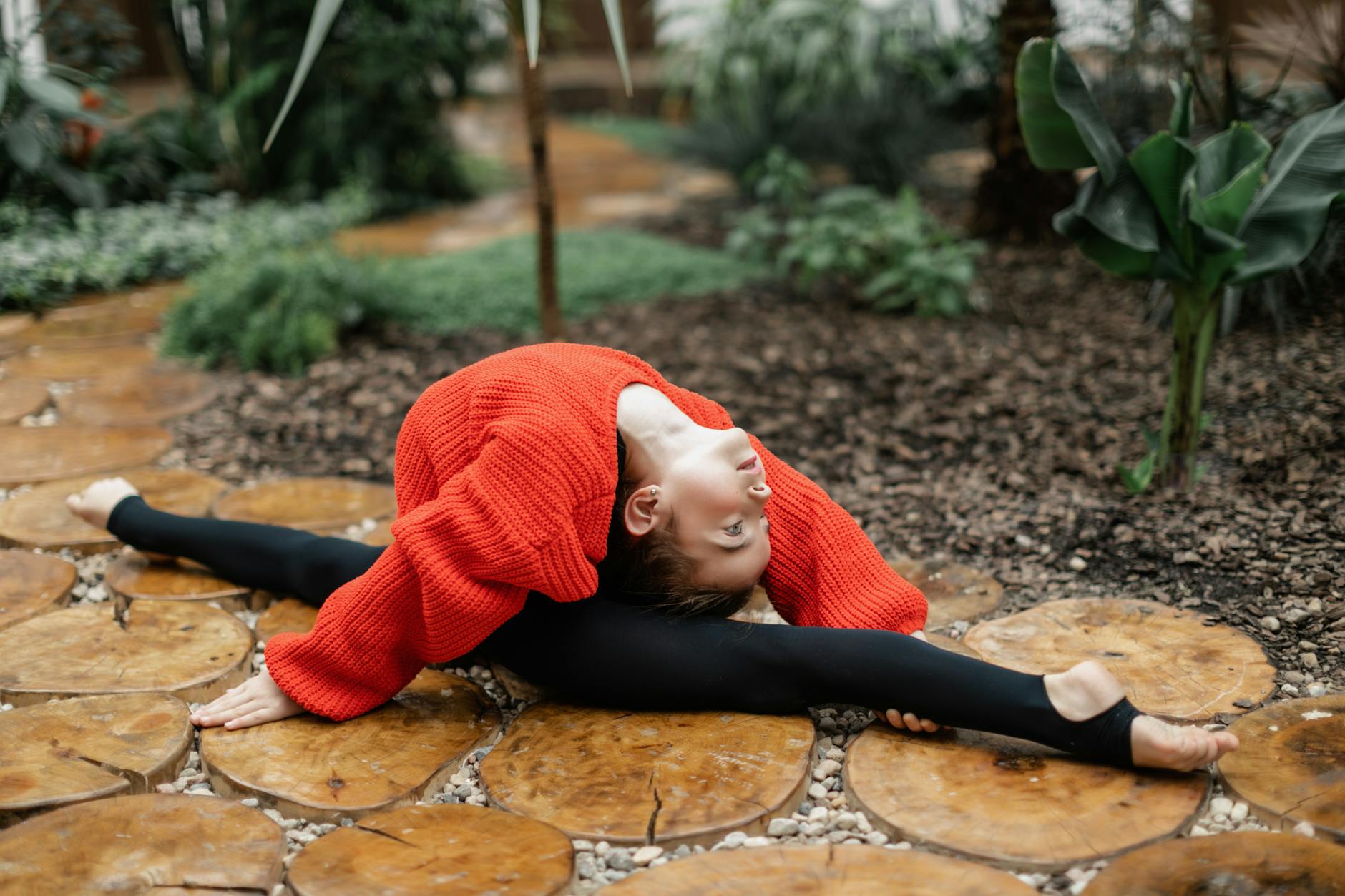
Understanding Dynamic vs. Static Stretches
Before we jump into specific exercises, it’s important to understand the two main types of stretching and when to use them. They serve different purposes, and using them correctly is crucial for getting the most benefit and avoiding harm.
Dynamic Leg Stretches: The Warm-Up Essential
Dynamic stretches involve moving your limbs through their full range of motion. They are active movements that mimic the activity you’re about to do. Think of them as preparing your muscles and joints for work. They increase blood flow, warm up the muscles, and improve neuromuscular coordination.
Examples of Dynamic Movements
- Leg Swings: Forward and backward, and side to side. Keep them controlled, not jerky.
- Walking Lunges with a Twist: As you step forward into a lunge, twist your torso towards the front leg.
- High Knees: Bring your knees up towards your chest while jogging in place.
- Butt Kicks: Bring your heels up towards your glutes while jogging in place.
I always start my workouts with a few minutes of dynamic leg stretches. It makes a world of difference in how my body feels and performs during the main session.
Static Leg Stretches: The Cool-Down Companion
Static stretches involve holding a stretch for a period of time, usually 20-30 seconds, without any movement. These are best performed when your muscles are already warm, typically after a workout. They help to lengthen the muscles and improve resting flexibility.
When to Hold It
Static stretching before a workout can sometimes reduce power output, so it's generally advised to save these for after. Holding a stretch for too long without proper warm-up can also be counterproductive. The goal is to gently ease into the stretch and hold it, breathing deeply.
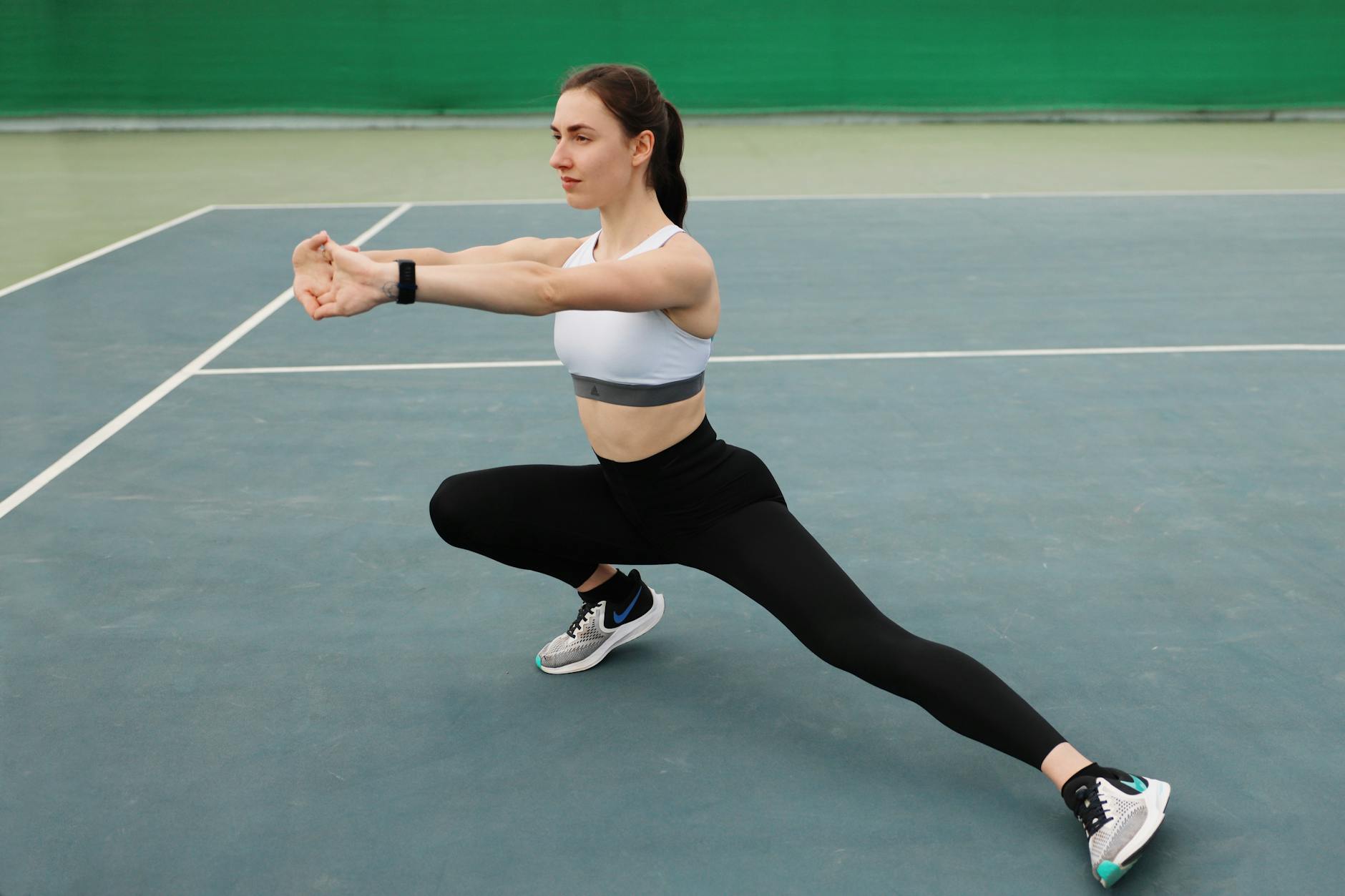
Targeting Key Leg Muscle Groups
To truly improve your leg flexibility, you need to address the major muscle groups that often get tight. Each area has its own unique set of stretches that will be most effective.
Hamstring Stretches: Reaching for the Sky (or the Floor)
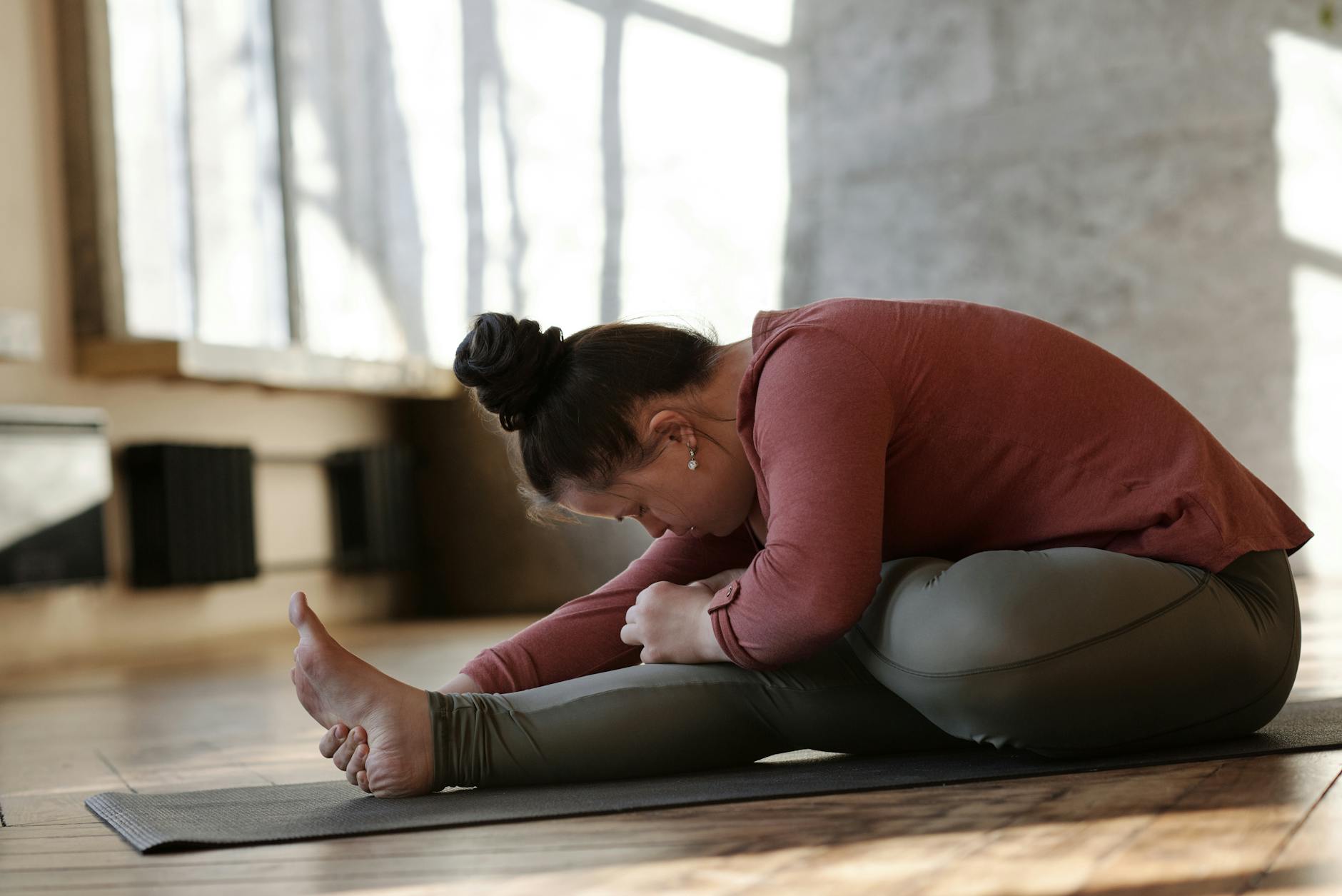
The hamstrings run down the back of your thigh. They are notoriously tight for many people, especially those who sit a lot. Tight hamstrings can contribute to lower back pain and limit your ability to perform movements like squats.
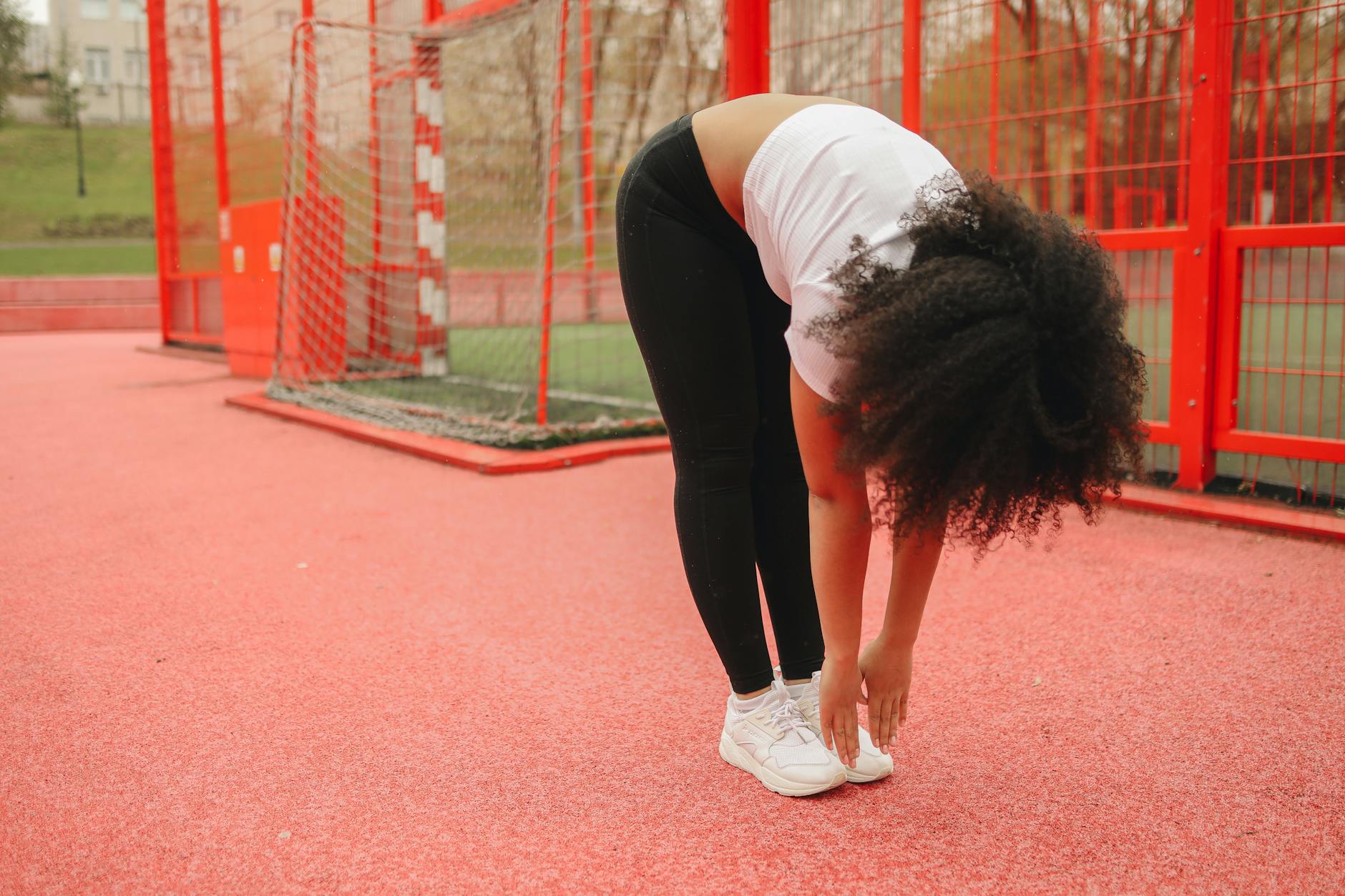
Standing Hamstring Stretch
Stand with your feet hip-width apart. Hinge at your hips, keeping your back straight, and reach towards your toes. Don’t worry if you can’t touch them; just go as far as you can comfortably. You should feel the stretch in the back of your thighs.
Lying Hamstring Stretch
Lie on your back with one leg extended straight on the floor. Loop a towel or strap around the sole of your other foot. Gently pull the leg towards you, keeping it as straight as possible, until you feel a stretch in the hamstring. Hold for 20-30 seconds, then repeat on the other side. This one surprised me with how effective it was when I first tried it.
Quadriceps Stretches: The Front of Your Thighs
Your quads are on the front of your thighs. They are essential for walking, running, and jumping. Tight quads can affect knee function and hip mobility.
Standing Quad Stretch
Stand tall and grab your right ankle with your right hand. Gently pull your heel towards your glutes, keeping your knees close together and your hips pushed slightly forward. You should feel a stretch in the front of your thigh. Hold for 20-30 seconds, then switch legs.
Kneeling Quad Stretch
This is similar to the standing version but can allow for a deeper stretch for some. Kneel on one knee, with your other foot flat on the floor in front of you (like a lunge position). Reach back and grab the ankle of the kneeling leg, gently pulling your heel towards your glutes.
Hip Flexor Stretches: Unlocking Your Hips
Your hip flexors are a group of muscles at the front of your hips. They get incredibly tight from prolonged sitting, which can lead to anterior pelvic tilt and lower back pain.
Kneeling Hip Flexor Stretch
Start in a lunge position with your back knee on the floor. Keep your torso upright and gently push your hips forward. You should feel a stretch in the front of the hip of the leg that’s on the ground. Engage your glute on the side of the kneeling leg for a deeper stretch.
Pigeon Pose (Yoga)
This is a more advanced stretch but incredibly effective. From a tabletop position, bring one knee forward towards your wrist, with your shin angled across your body. Extend the other leg straight back. Lower your hips towards the floor. You can stay upright or fold forward for a deeper stretch. This is a fantastic pose for improving hip flexibility and can be found in many Spring Yoga Poses for Growth & Renewal routines.
Calf Stretches: For Grounded Stability
Your calves are crucial for pushing off the ground when you walk or run. Tight calves can affect your ankle mobility and even contribute to shin splints.
Standing Calf Stretch (Gastroc)
Stand facing a wall, about arm’s length away. Place your hands on the wall. Step one foot back, keeping that leg straight and your heel on the ground. Lean forward, bending your front knee, until you feel a stretch in your calf.
Bent-Knee Calf Stretch (Soleus)
From the same position, slightly bend the back knee while keeping the heel on the floor. This targets the soleus muscle, which is deeper in the calf. Hold each calf stretch for 20-30 seconds.
Creating Your Leg Flexibility Routine
Consistency is king when it comes to improving flexibility. You don't need hours; even 10-15 minutes a few times a week can make a significant difference. Here’s how to build a routine that works.
Frequency and Duration
Aim to incorporate leg flexibility exercises at least three to five times per week. For static stretches, hold each stretch for 20-30 seconds, repeating 2-3 times per muscle group. Dynamic stretches should be part of your warm-up, lasting 5-10 minutes.
When to Stretch
As mentioned, dynamic stretches are for warm-ups. Static stretches are best performed after your main workout when your muscles are warm and pliable. You can also do a dedicated flexibility session on rest days. If you’re sitting for long periods, even a quick 5-minute stretch break can be beneficial. For those who find it hard to get to the floor, Chair Yoga Poses: Easy & Effective Stretches for All can be a great alternative.
Listen to Your Body
This is perhaps the most important piece of advice I can give you. Never force a stretch. You should feel a gentle pull, not sharp pain. Pushing too hard can lead to injury, setting you back. If a particular stretch causes discomfort, ease off or try a modification. National Institutes of Health research on leg flexibility exercises consistently emphasizes the importance of safe, progressive overload.
Putting It All Together: A Sample Routine
Here’s a sample leg flexibility routine you can adapt. Remember to perform dynamic stretches before, and static stretches after.
Warm-Up (Dynamic)**
- Leg Swings (forward/backward): 10-15 per leg
- Leg Swings (side-to-side): 10-15 per leg
- Walking Lunges with Torso Twist: 10-12 total
- High Knees: 30 seconds
- Butt Kicks: 30 seconds
Cool-Down (Static)**
- Standing Hamstring Stretch: 20-30 seconds per leg
- Lying Hamstring Stretch: 20-30 seconds per leg
- Standing Quad Stretch: 20-30 seconds per leg
- Kneeling Hip Flexor Stretch: 20-30 seconds per leg
- Standing Calf Stretch: 20-30 seconds per leg
- Bent-Knee Calf Stretch: 20-30 seconds per leg
This routine targets the major muscle groups and can be easily integrated into your existing fitness schedule. If you're a runner, proper stretching is vital, and you'll want to pair it with the Best Running Shoes: Top Picks for Every Runner for a complete approach.
Beyond Basic Stretches: Advanced Techniques and Considerations
Once you've mastered the basics, you might be wondering what else you can do to further improve your leg flexibility. There are always ways to deepen your practice.
Foam Rolling
Foam rolling, or self-myofascial release, can be a powerful addition to your flexibility routine. It helps to release tension in the muscles and fascia, which can improve range of motion and reduce soreness. Target your hamstrings, quads, calves, and IT bands. Spend about 30-60 seconds on each muscle group, pausing on tender spots.
Yoga for Leg Flexibility
Yoga is an excellent discipline for improving flexibility and strength. Poses like Downward-Facing Dog, Warrior poses, and Triangle Pose all engage and stretch the leg muscles. Regular practice can lead to significant gains in mobility. Many people find that yoga also helps with their overall Posture Exercises Reddit: Top Tips & Routines.
Interval Training and Flexibility
It might seem counterintuitive, but some forms of high-intensity interval training (HIIT) can actually complement flexibility work. For example, incorporating dynamic movements into your intervals can warm up the body effectively. However, it's crucial to differentiate between the intense bursts of HIIT and the sustained holds of static stretching. You can learn more about effective HIIT here: Interval Training Workouts: Boost Fitness Fast.
When to Seek Professional Help
If you experience persistent pain, significant limitations, or have concerns about a specific injury, don't hesitate to consult a healthcare professional, such as a physical therapist or sports doctor. They can assess your specific needs and provide tailored guidance. The National Institutes of Health research on leg flexibility exercises also highlights the importance of professional advice for persistent issues.
The Long-Term Benefits of Flexible Legs
Improving your leg flexibility isn't just about being able to do a split someday. It's about enhancing your quality of life. Think about the ease with which you’ll be able to move through your day, the reduction in aches and pains, and the greater confidence you’ll have in your physical abilities.
The commitment to consistent leg flexibility exercises is an investment in your long-term health and well-being. It’s a journey, not a destination, and every stretch, every movement, brings you closer to a more mobile, resilient, and comfortable you. So, start today. Your legs will thank you for it.