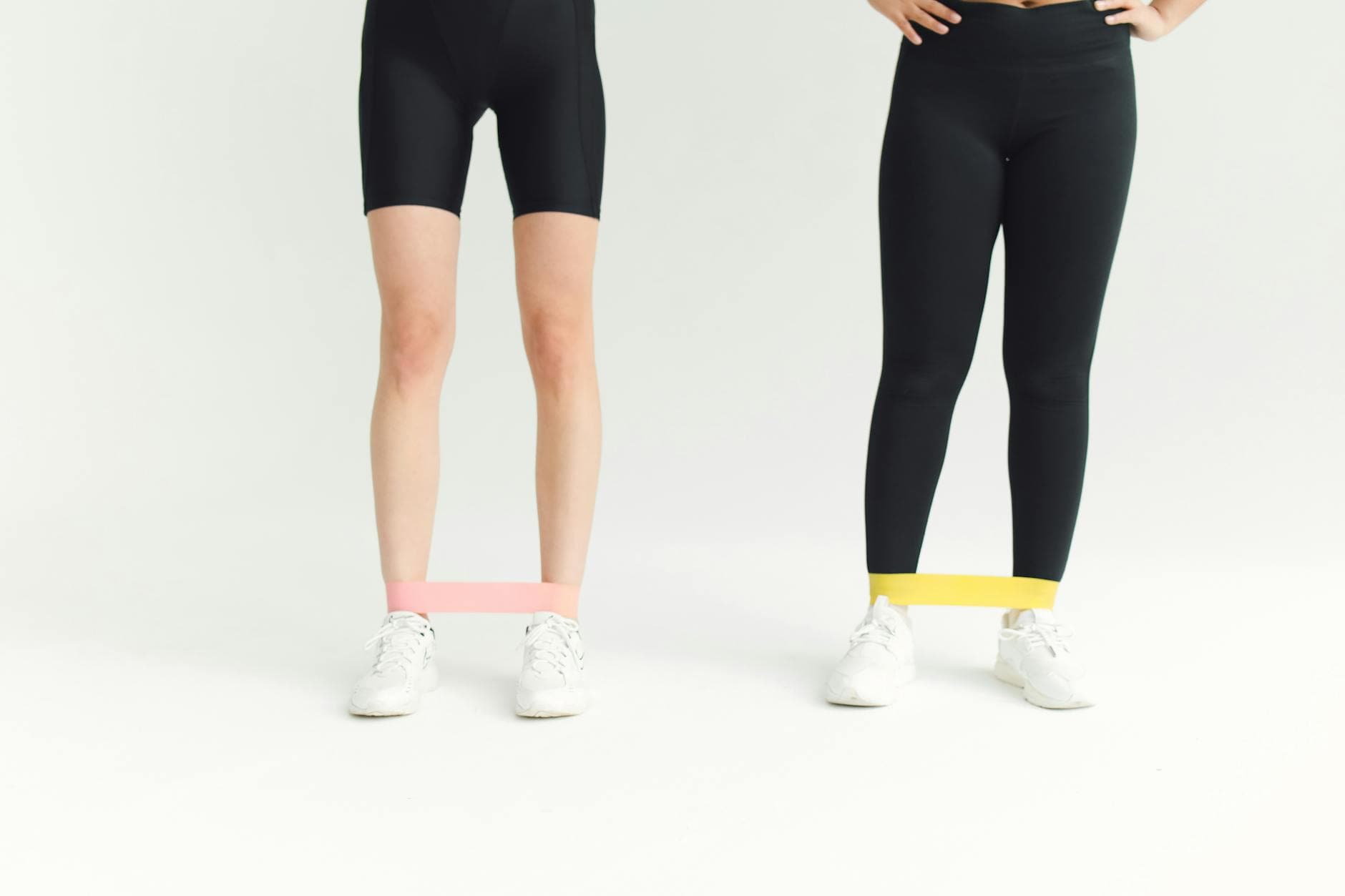
Look, I've heard it all before. People often dismiss resistance bands as glorified stretching tools, useful only for warm-ups, physical therapy, or maybe a light workout when you're traveling and can't find a gym. The common misconception is that they're just not "serious" enough to build real muscle or strength. Honestly, I used to think something similar when I first started in fitness, believing only heavy iron could deliver true results.
Here's the truth, though: that couldn't be further from reality. When used correctly, resistance bands are an incredibly powerful, versatile, and effective tool for building a strong, sculpted physique. They offer unique benefits that even free weights sometimes miss, and I'm here to show you how to craft the best resistance band workout that will challenge you, build muscle, and genuinely transform your body from the comfort of your own home or wherever you happen to be.
Why Resistance Bands Deserve Your Full Attention
You might be wondering, what makes these stretchy pieces of rubber so special? Think about it. We're talking about a portable, affordable, and incredibly joint-friendly way to train. They provide constant tension throughout the entire range of motion, which is a game-changer for muscle activation.
Unlocking Unique Training Benefits
Unlike dumbbells, which rely on gravity, resistance bands challenge your muscles differently. The tension increases as the band stretches, forcing your muscles to work harder at the peak contraction of an exercise. This progressive resistance activates more muscle fibers and can lead to superior strength and hypertrophy gains. I've seen clients achieve incredible results by simply incorporating resistance band training benefits into their existing routines, or even making them the primary focus.
Another huge benefit? They are incredibly kind to your joints. If you've got nagging aches or are recovering from an injury, bands allow you to build strength without the same impact or compressive forces associated with heavy weights. This makes them perfect for consistent, long-term training.
The Power of Portability and Accessibility
One of the most compelling arguments for a dedicated resistance band workout is its sheer convenience. You can literally carry a full gym in your backpack. Whether you're on a business trip, working out in a small apartment, or just prefer the privacy of your living room, bands remove every excuse for skipping a session. This accessibility is what truly allows for a consistent full body resistance band workout, no matter your schedule or location.
I'll be real with you, having a set of bands means you can get a serious pump and stimulate muscle growth even when you can't get to the gym. For anyone trying to maintain consistency, this is invaluable. I often recommend them to my clients who travel frequently, ensuring they don't lose progress on the road. For more flexible training options, you might also consider a Morning Workout for Men: Start Your Day Strong & Energized, incorporating bands to kickstart your day.
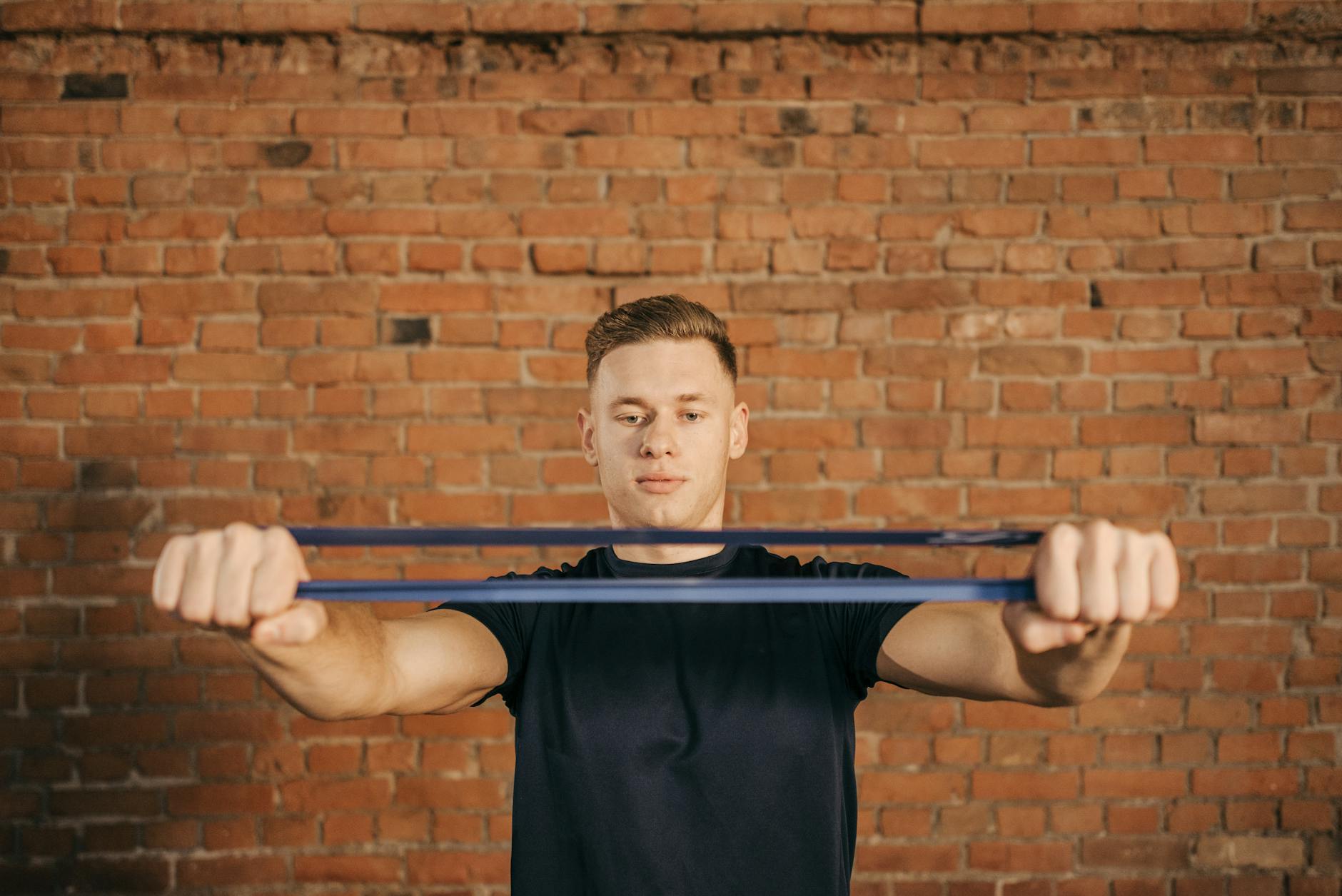
Building Your Ultimate Resistance Band Workout: The Foundation
Before we dive into specific exercises, let's talk about setting yourself up for success. Choosing the right bands and understanding how to anchor them safely are crucial steps. A good set of bands will last you years and provide varying levels of resistance, making them suitable for everything from a gentle warm-up to a truly challenging lift.
Selecting the Right Resistance Bands
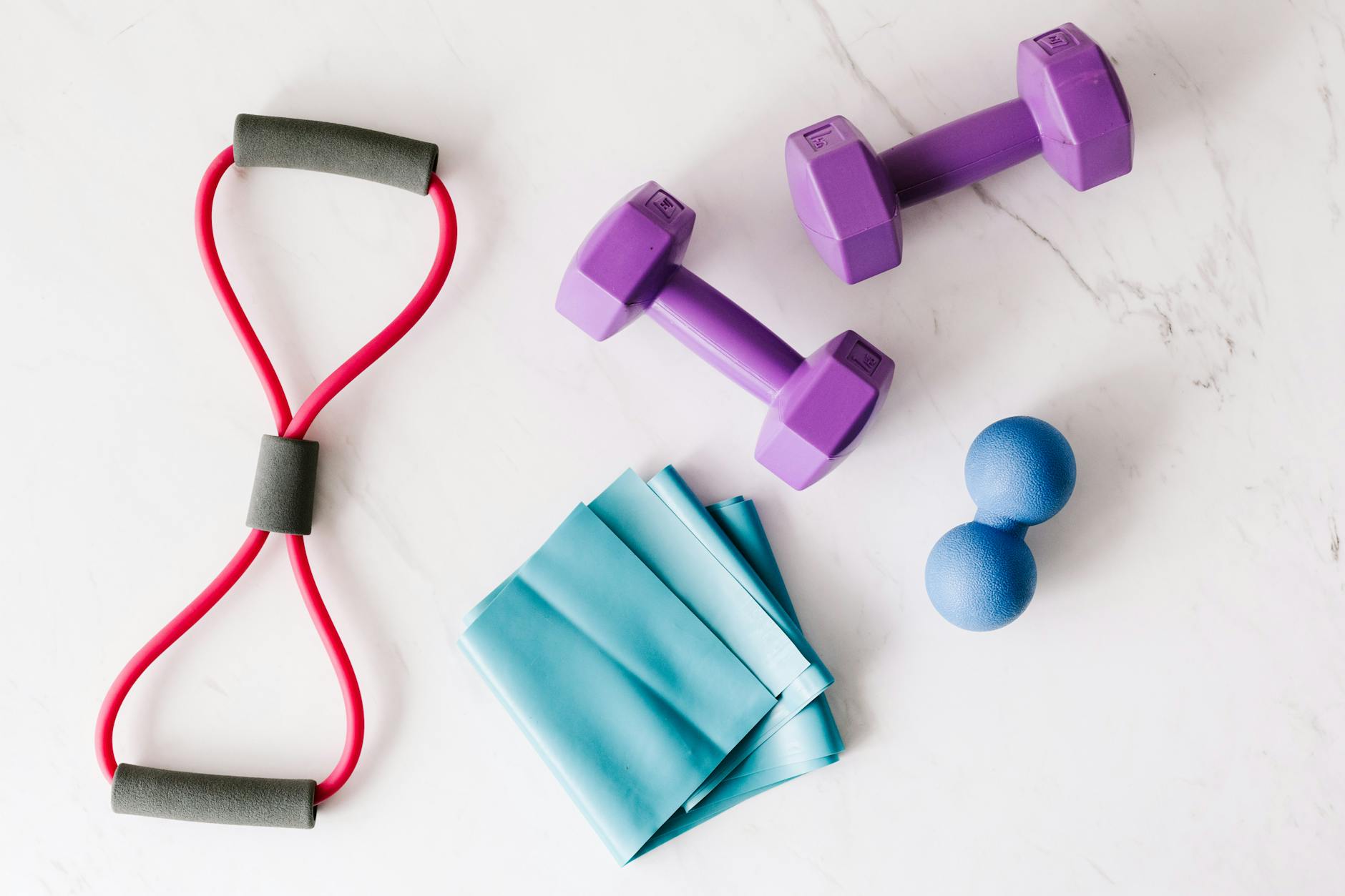
There are generally two main types of resistance bands you'll encounter: loop bands and tube bands with handles. Both have their place in a comprehensive resistance band workout. Loop bands are fantastic for lower body work, especially for activating glutes, while tube bands with handles mimic cable machines and are excellent for upper body pushes and pulls.
I always advise my clients to invest in a set that includes multiple resistance levels. This way, you can easily scale exercises up or down. You wouldn't use the same dumbbell for bicep curls as you would for squats, right? The same principle applies here. Start with a lighter band to master form, then progressively move to heavier ones as you get stronger. This is key to making any resistance band exercises effective for long-term growth.
Mastering Proper Form and Tension
Here's the thing about bands: they only work if you're using them correctly. Slack in the band means no tension, and no tension means no stimulus for your muscles. Always ensure there's tension from the very beginning of the movement. This is what truly differentiates a half-hearted attempt from the best resistance band workout you can possibly do.
You also need to pay attention to your body's mechanics. Maintain a strong core, keep your movements controlled, and focus on the muscle you're trying to work. Don't just yank the band; resist it. The eccentric (lowering) phase of each repetition is just as important as the concentric (lifting) phase, if not more so. This constant tension is what makes resistance band training so effective, as highlighted by National Institutes of Health research on best resistance band workout.
The Best Full Body Resistance Band Workout: My Go-To Routine
Okay, it's time to put it all together. This is my absolute favorite full-body routine that hits every major muscle group, ensuring you get a comprehensive and challenging session. Remember to warm up for 5-10 minutes with some light cardio and dynamic stretches before you start.
Upper Body Resistance Band Workout
For your upper body, we'll focus on pushing and pulling movements. You'll need tube bands with handles for some of these, and a door anchor can be incredibly helpful.
Banded Chest Press
- Anchor a tube band at chest height behind you, holding a handle in each hand.
- Step forward until there's tension, then press your hands straight out in front of you like a standing chest press.
- Slowly return to the starting position, controlling the band. Aim for 3 sets of 10-15 reps.
Banded Rows
- Anchor the band at chest height in front of you.
- Grab the handles, step back to create tension, and pull the handles towards your torso, squeezing your shoulder blades together.
- Control the release. This is fantastic for your back. Do 3 sets of 10-15 reps.
Overhead Press
- Stand on the middle of a loop band or a tube band, holding the handles at shoulder height.
- Press the bands straight overhead, fully extending your arms.
- Lower with control. This is a powerful shoulder builder. Shoot for 3 sets of 10-15 reps.
Lower Body Resistance Band Workout
This is where loop bands truly shine, especially for a killer resistance band glute workout. You'll feel these working your quads, hamstrings, and glutes intensely.
Banded Squats
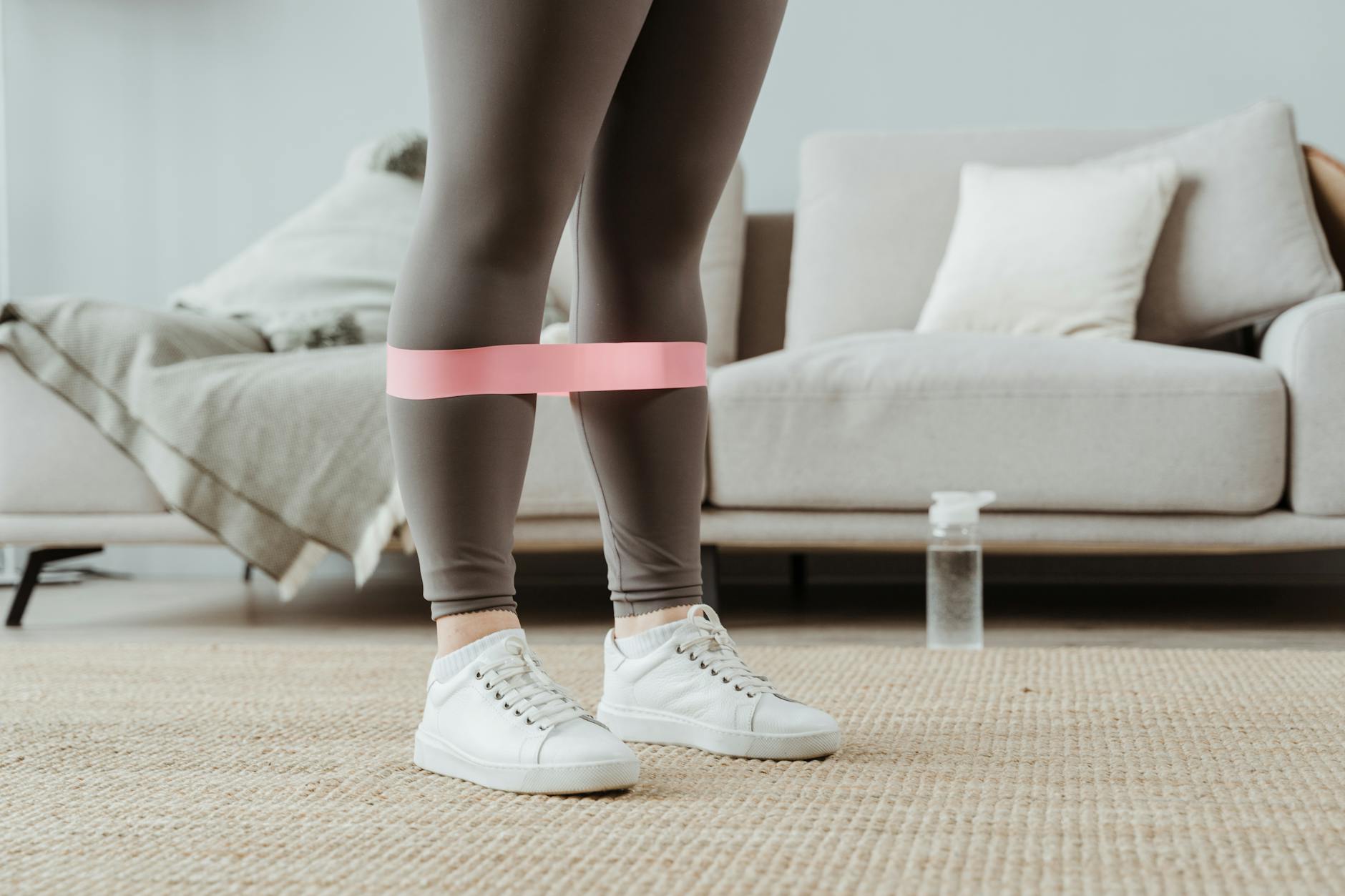
- Place a loop band just above your knees.
- Stand with feet shoulder-width apart, toes slightly out.
- Perform a squat, pushing your knees out against the band. This external resistance forces your glutes to engage more.
- Complete 3 sets of 12-20 reps.
Banded Glute Bridges
- Lie on your back, knees bent, feet flat on the floor. Place a loop band just above your knees.
- Drive your hips up towards the ceiling, squeezing your glutes hard at the top and pushing your knees out against the band.
- Lower slowly. This is a must for glute activation. Do 3 sets of 15-20 reps.
Banded Romanian Deadlifts (RDLs)
- Stand on the middle of a tube band, holding the handles.
- Keeping a slight bend in your knees and a straight back, hinge at your hips, lowering the handles towards the floor.
- Feel the stretch in your hamstrings, then drive through your glutes to return to standing. Aim for 3 sets of 10-15 reps.
Core Resistance Band Exercises
Don't forget your core! Bands can add incredible resistance to rotational and anti-rotational movements, which are vital for functional strength and stability.
Banded Pallof Press
- Anchor a tube band at chest height to your side.
- Stand perpendicular to the anchor point, holding the handle with both hands at your chest.
- Press the band straight out in front of you, resisting the band's pull to twist your torso.
- Hold for a second, then slowly return. This is fantastic for anti-rotation. Perform 3 sets of 10-12 reps per side.
Banded Wood Chops
- Anchor a tube band high and to your side.
- Grab the handle with both hands and pull it down and across your body towards the opposite hip, rotating your torso.
- Control the return. This builds rotational power. Do 3 sets of 10-12 reps per side.
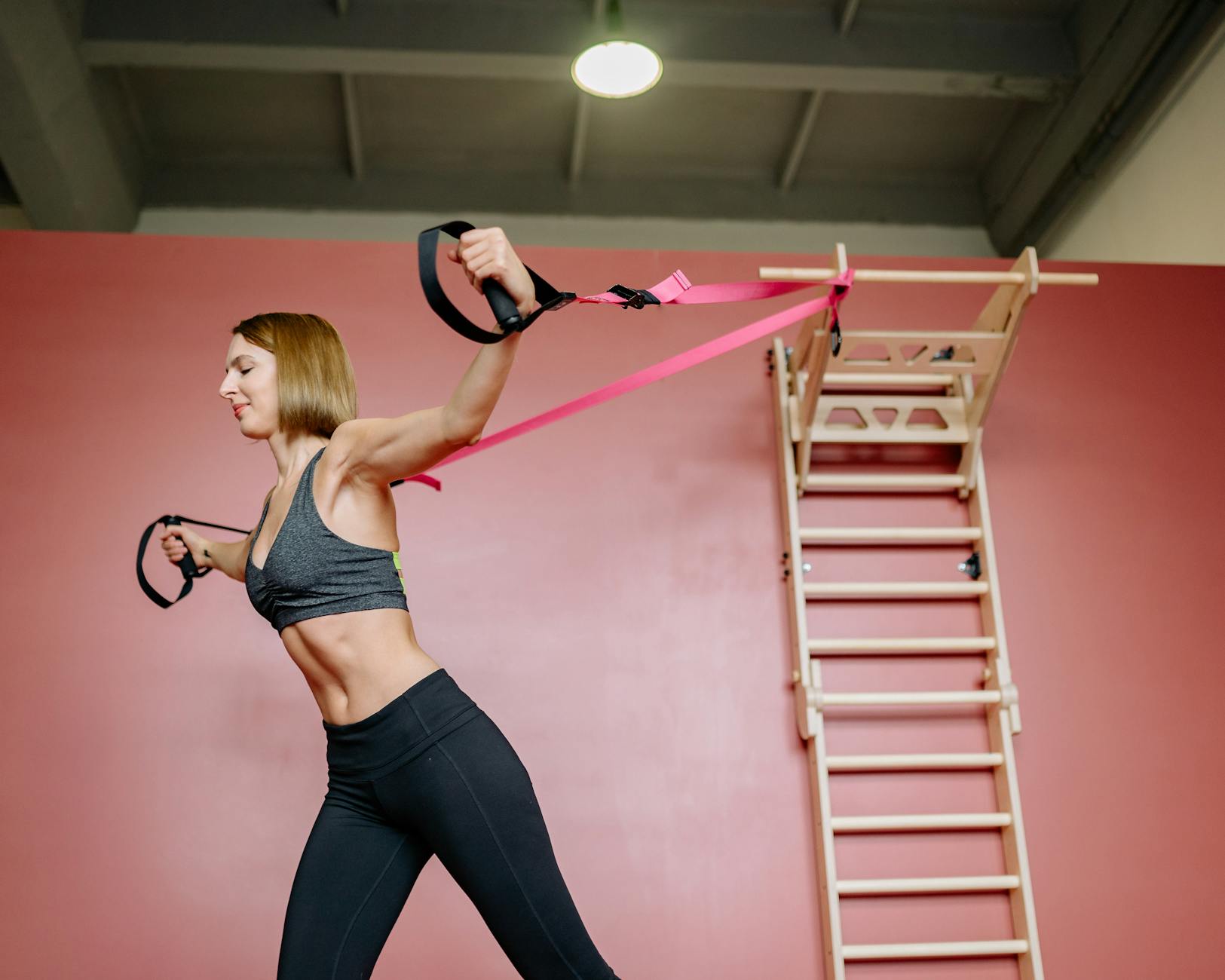
Crafting Your Ideal Resistance Band Workout at Home
Having a list of exercises is one thing; putting them into an effective resistance band workout plan is another. This isn't just about doing the movements; it's about structuring your sessions for maximum impact and continuous progress. You can get a seriously effective resistance band workout at home if you approach it strategically.
Structuring Your Sessions for Progress
I recommend a full-body approach 2-3 times a week, allowing a day of rest in between. For each exercise, aim for 3 sets. The rep range should typically be higher with bands, usually 10-20 repetitions, because the resistance profile often lends itself to more time under tension rather than pure heavy lifting. Focus on controlled movements, a 2-second concentric phase, a 1-second squeeze, and a 2-3 second eccentric phase.
What nobody tells you is that consistency and progressive overload are still paramount, even with bands. If an exercise feels too easy, don't just add more reps indefinitely. Increase the band resistance, shorten your rest periods, or slow down the tempo to increase time under tension. Just like with weights, you need to continually challenge your muscles. This principle is backed by Mayo Clinic research on best resistance band workout, emphasizing the importance of progressive overload for muscle growth.
Integrating Bands with Other Training Styles
Resistance bands aren't just for standalone workouts. They can be a fantastic complement to your existing routine. You can use them for activation exercises before lifting weights, adding extra resistance to bodyweight movements (like push-ups or pull-ups), or even as a warm-up or cool-down tool.
For example, if you follow a Push Pull Workout Routine: Build Muscle & Strength Fast, you could use bands on your push day to pre-exhaust your chest with banded flyes before doing dumbbell presses, or to add extra resistance to your triceps extensions. This versatility is one of their greatest strengths.
Avoiding Common Pitfalls and Maximizing Your Results
Even with the best intentions, it's easy to fall into traps that limit the effectiveness of your resistance band training. A few simple adjustments can make a world of difference.
The Problem of Slack and Lack of Tension
This is probably the biggest mistake I see. People start an exercise with a loose band, meaning the first half of the movement provides little to no resistance. Remember, bands work by being stretched. Always start with tension in the band, even if it means adjusting your foot placement or anchor point. No slack, no gain.
Another common issue is letting the band snap back. That's just wasted effort and potential injury. Control the band on the way back, resisting its pull. This eccentric phase is crucial for muscle growth and strengthening connective tissues. Think of it as a negative rep with weights.
Making It Challenging Enough: Beyond the Beginner Stage
While resistance band workout for beginners is fantastic, you don't stay a beginner forever. As you get stronger, you need to find ways to increase the challenge. Don't be afraid to combine bands, using two or three at once for greater resistance. Experiment with different anchor points to change the angle of resistance, or try pulsing movements at the peak contraction to really burn out the muscle.
Consider this: I had a client, let's call her Maria, who started with us convinced she needed a gym membership to see any real change. After 12 weeks of consistent No Equipment Home Workout: Best Exercises for All Levels, primarily using resistance bands 3-4 times a week, she gained 4 pounds of lean muscle, noticeably firmed up her glutes and arms, and could perform banded squats with a heavy black loop band that she once thought impossible. Her strength gains were measurable and visible, proving that bands are far from just a beginner's tool.
The Centers for Disease Control and Prevention also supports the effectiveness of bodyweight and resistance band training for overall health and strength, highlighting their accessibility for everyone, which you can read more about in Centers for Disease Control and Prevention research on best resistance band workout.
Ultimately, your fitness journey is about finding what works for you, what you can stick with, and what truly challenges your body. Resistance bands are more than just a convenient alternative; they are a legitimate, powerful training tool capable of building impressive strength and muscle. Give them the respect they deserve, apply the principles I've shared, and you'll discover a whole new dimension to your fitness potential. The best resistance band workout isn't just a fantasy; it's a reality waiting for you to grab hold of it.