
You’ve probably been there. Standing in the gym, staring at the weights, feeling a little lost. Maybe you’re doing a "bro split" – chest on Monday, back on Tuesday – and it feels like you're always playing catch-up, or worse, just spinning your wheels. Or perhaps you’re doing full-body workouts three times a week, and by the third session, your energy is just GONE. It’s frustrating, isn’t it? You want to see real progress, feel stronger, and build a physique you’re proud of, but the path feels unclear.
I’ve been in that exact spot, honestly. For years, I cycled through different programs, chasing the next big thing, only to find myself hitting plateaus or feeling perpetually sore. Then I discovered the power of a well-structured push pull workout routine, and everything changed. This isn't just another fad; it's a time-tested, incredibly effective way to organize your training, maximize muscle growth, and improve your strength without burning out. It’s a game-changer for anyone serious about their fitness journey, from beginners to seasoned lifters.
Understanding the Core of a Push Pull Workout Routine
Alright, let’s get down to brass tacks. At its heart, a push pull split routine is remarkably simple, and that’s part of its genius. You divide your strength training into three main categories based on the movement pattern of the exercises: push, pull, and legs (often with some core work thrown in). This strategic grouping ensures that you hit all your major muscle groups efficiently while allowing for adequate recovery.
What Defines "Push" Movements?
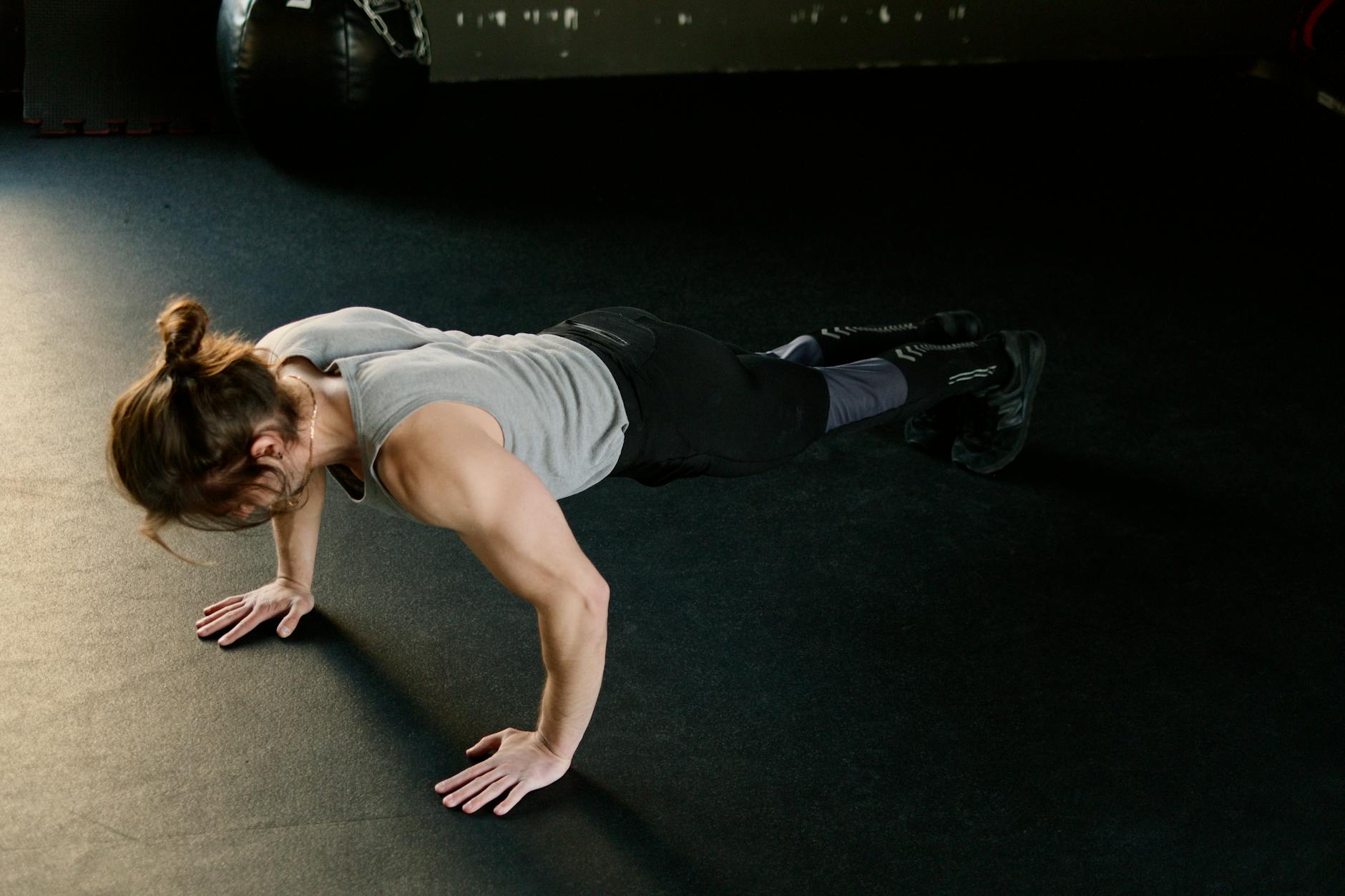
Think about any exercise where you're pushing weight away from your body. These movements primarily target your chest, shoulders, and triceps. These are the muscles that engage when you extend your arms, whether you're pushing a heavy door or pressing a barbell overhead. Grouping these together means you can thoroughly fatigue these muscle groups in one session, then give them dedicated time to recover and grow.
What Defines "Pull" Movements?
Conversely, pull movements involve bringing weight towards your body. This category works your back muscles (lats, rhomboids, traps) and your biceps. Imagine rowing a boat or doing a pull-up; those are classic pull exercises. Just like with push day, consolidating these movements allows for intense focus and effective stimulus to these muscle groups, setting them up for optimal growth.
Why Separate Legs?
Some people try to squeeze legs into push or pull days. I’ll be real with you, that's a mistake. Your legs house some of the largest and strongest muscle groups in your entire body. Squats, deadlifts, lunges – these are incredibly demanding exercises that require immense energy and focus. Giving them their own dedicated day ensures you can train them with the intensity they deserve, leading to greater strength, power, and overall athletic development. Plus, if you're doing dumbbell good mornings, you know how much a specific leg day helps.

The Undeniable Benefits of a Push Pull Split Routine
So, why should you ditch your current workout split and consider a push pull workout plan? Beyond the structural simplicity, this approach offers a cascade of advantages that directly translate to better results and a more sustainable training journey. I've seen it time and time again with people I've coached, and experienced it myself.
Optimized Muscle Recovery and Growth
This is probably the biggest win for most people. When you train a muscle group, it needs time to repair and rebuild stronger. With a traditional "bro split," if you hit chest on Monday and then shoulders on Tuesday, you're actually hitting your triceps and anterior deltoids (front of the shoulders) on back-to-back days, potentially hindering recovery. A proper push pull workout routine ensures that when you train your chest, shoulders, and triceps on push day, they get a full 48-72 hours of rest before being directly worked again. This allows for superior recovery, reducing the risk of overtraining and promoting better hypertrophy.
Increased Workout Frequency and Volume
Because your muscle groups are logically separated, you can hit each major muscle group more frequently within a week without over-stressing individual muscles. A common push pull gym workout structure is a 3-day split (Push, Pull, Legs) or a 6-day split (Push, Pull, Legs, Rest, Push, Pull, Legs). This higher workout frequency, especially when combined with appropriate volume, is a powerful driver for muscle growth and strength gains. Research, like studies found on the National Institutes of Health research on push pull workout routine, often points to higher frequency training as beneficial for experienced lifters.
Enhanced Strength and Hypertrophy
By grouping synergistic muscle groups, you can apply more intensity and volume to each workout. On push day, your chest, shoulders, and triceps all work together on compound exercises like the bench press or overhead press. On pull day, your back and biceps collaborate on movements like rows and pull-ups. This allows for heavy lifting and effective recruitment of multiple muscle fibers, leading to significant increases in both strength and muscle size. You're simply more efficient with your effort, meaning you get more bang for your buck on every single rep.

Crafting Your Best Push Pull Routine
Now, let's talk about putting this into practice. There’s no single "perfect" push pull workout routine, because what works best for you depends on your schedule, experience level, and goals. However, I can give you a solid framework and some excellent examples to get you started. Remember, the goal is progressive overload – consistently challenging your muscles over time.
Structuring Your Weekly Schedule
The most common and, honestly, the most effective weekly schedules are:
- 3-Day Split: Push, Pull, Legs, Rest, Repeat. This is fantastic for beginners or those with limited gym time. You hit each muscle group once a week, but with good intensity.
- 4-Day Split: Push, Pull, Rest, Legs, Full Body (or another Push/Pull/Legs day), Rest. This offers more frequency.
- 6-Day Split: Push, Pull, Legs, Rest, Push, Pull, Legs. This is often considered the best push pull routine for experienced lifters looking to maximize frequency and volume. You hit each major muscle group twice a week.
For most people starting out, a 3-day or 4-day split is ideal. It allows for plenty of recovery and builds a strong foundation.
Selecting Your Exercises: Compound is King
When it comes to exercise selection, prioritize compound exercises. These movements recruit multiple joints and muscle groups, giving you the most bang for your buck in terms of strength and muscle activation. Isolation exercises have their place, but they should be secondary. Think about the big lifts first.
Push Day Exercises
Here’s a typical lineup for a powerful push day. Focus on proper form over ego lifting, always.
- Barbell Bench Press: A foundational chest builder.
- Aim for 3-4 sets of 6-10 reps.
- Incline Dumbbell Press: Targets the upper chest, which is often neglected.
- 3-4 sets of 8-12 reps.
- Overhead Press (Barbell or Dumbbell): Builds strong, broad shoulders.
- 3-4 sets of 6-10 reps.
- Lateral Raises: Isolates the side deltoids for that wider shoulder look.
- 3 sets of 10-15 reps.
- Triceps Pushdowns (Rope or Bar): Great for isolating the triceps.
- 3 sets of 10-15 reps.
- Overhead Triceps Extension: Another excellent triceps builder, especially the long head.
- 3 sets of 10-15 reps.
Pull Day Exercises
For pull day, we’re focusing on building a thick, strong back and powerful biceps. Don't skip these; a strong back is crucial for posture and overall health, something the World Health Organization research on push pull workout routine often highlights in terms of functional fitness.
- Pull-ups or Lat Pulldowns: Essential for back width.
- 3-4 sets to failure (pull-ups) or 8-12 reps (pulldowns).
- Barbell Rows or Dumbbell Rows: Builds back thickness and strength.
- 3-4 sets of 6-10 reps.
- Face Pulls: Crucial for shoulder health and rear deltoid development. This one surprised me with how effective it is.
- 3 sets of 12-15 reps.
- Seated Cable Rows: Another excellent movement for back thickness.
- 3 sets of 8-12 reps.
- Barbell Bicep Curls: A classic for bicep mass.
- 3 sets of 8-12 reps.
- Hammer Curls: Targets the brachialis and brachioradialis for overall arm thickness.
- 3 sets of 10-15 reps.
Leg Day Exercises
Never, ever skip leg day. Seriously. It’s vital for hormone production, overall strength, and metabolic health. If you're looking for a good morning workout for men, a leg day can be a fantastic way to energize your entire body.
- Barbell Squats: The king of leg exercises, builds overall lower body strength.
- 3-4 sets of 5-8 reps.
- Romanian Deadlifts (RDLs): Fantastic for hamstrings and glutes, also builds a strong posterior chain.
- 3-4 sets of 8-12 reps.
- Leg Press: Allows for high volume and intensity without as much spinal loading.
- 3 sets of 10-15 reps.
- Leg Extensions: Isolates the quads.
- 3 sets of 12-15 reps.
- Hamstring Curls: Isolates the hamstrings.
- 3 sets of 12-15 reps.
- Calf Raises (Standing or Seated): Don't forget those calves!
- 3-4 sets of 15-20 reps.
Remember, this is a template. Adjust sets and reps based on your goals (lower reps for strength, higher for hypertrophy), and always prioritize perfect form. You might even find some no equipment home workout options for core work on your rest days.
Avoiding Common Pitfalls with Your Push Pull Gym Workout
Even the best push pull workout plan can be derailed if you make a few common mistakes. I used to think more was always better, but that’s rarely the case. Smarter is always better.
Overtraining and Under-recovering
Just because you can train more frequently doesn't mean you should push every session to absolute failure, especially if you're doing a 6-day split. Overtraining leads to diminishing returns, increased injury risk, and general fatigue. Listen to your body. If you're constantly sore, weak, or irritable, you might need more rest or to dial back the volume. Sleep is just as important as lifting weights, maybe even more so for recovery.
Neglecting Proper Form
This is non-negotiable. Lifting too heavy with sloppy form is a fast track to injury and ineffective workouts. You’re not impressing anyone by jerking around a weight you can't control. Focus on a full range of motion, controlled eccentrics (the lowering phase), and feeling the target muscle work. If you're unsure, record yourself or ask a qualified trainer for feedback. The Mayo Clinic research on push pull workout routine often emphasizes the importance of proper technique for safety and effectiveness.
Skipping Essential Warm-ups and Cool-downs
Think of your body like a finely tuned machine; you wouldn't just redline a cold engine. A proper warm-up prepares your muscles and joints for the work ahead, increasing blood flow and reducing injury risk. A cool-down helps with flexibility and can aid recovery. Dynamic stretches before your workout, static stretches afterward – it's a simple habit that makes a huge difference. You could even incorporate some elements of a morning workout routine into your warm-up.

Making the Push Pull Split Routine Work for You
Integrating a new workout split into your life requires a little planning, but it's totally worth it. The flexibility of the push pull split routine means it can adapt to almost any schedule.
Consistency is Your Superpower
The most effective workout routine is the one you stick to. Whether you choose a 3-day or 6-day split, commit to showing up. Life happens, I get it. If you miss a day, don't sweat it. Just pick up where you left off or adjust your schedule for the week. Don't let one missed session derail your entire week's progress.
Nutrition and Hydration: The Unsung Heroes
You can train as hard as you want, but if your nutrition isn't on point, you're leaving gains on the table. Focus on adequate protein intake (around 0.7-1 gram per pound of body weight) to support muscle repair and growth. Don't fear carbs; they're your primary energy source for intense workouts. And drink plenty of water throughout the day. Your muscles are over 70% water, and even slight dehydration can impair performance and recovery.
Listen to Your Body and Adapt
This is perhaps the most crucial piece of advice I can give. Your body isn't a robot. Some days you'll feel like a superhero, others you might feel sluggish. Learn to differentiate between genuine fatigue and just not wanting to go to the gym. If you're truly rundown, a deload week or an extra rest day might be exactly what you need. The push pull workout routine provides a framework, but you are the artist. Adjust the canvas as needed.
Adopting a push pull workout routine isn't just about changing your gym schedule; it's about adopting a smarter, more sustainable approach to building strength and muscle. It's about taking control of your progress and understanding how your body works. You'll find yourself stronger, more balanced, and with a clearer path to your fitness goals. Stop feeling lost in the gym. Start training with purpose. You've got this.