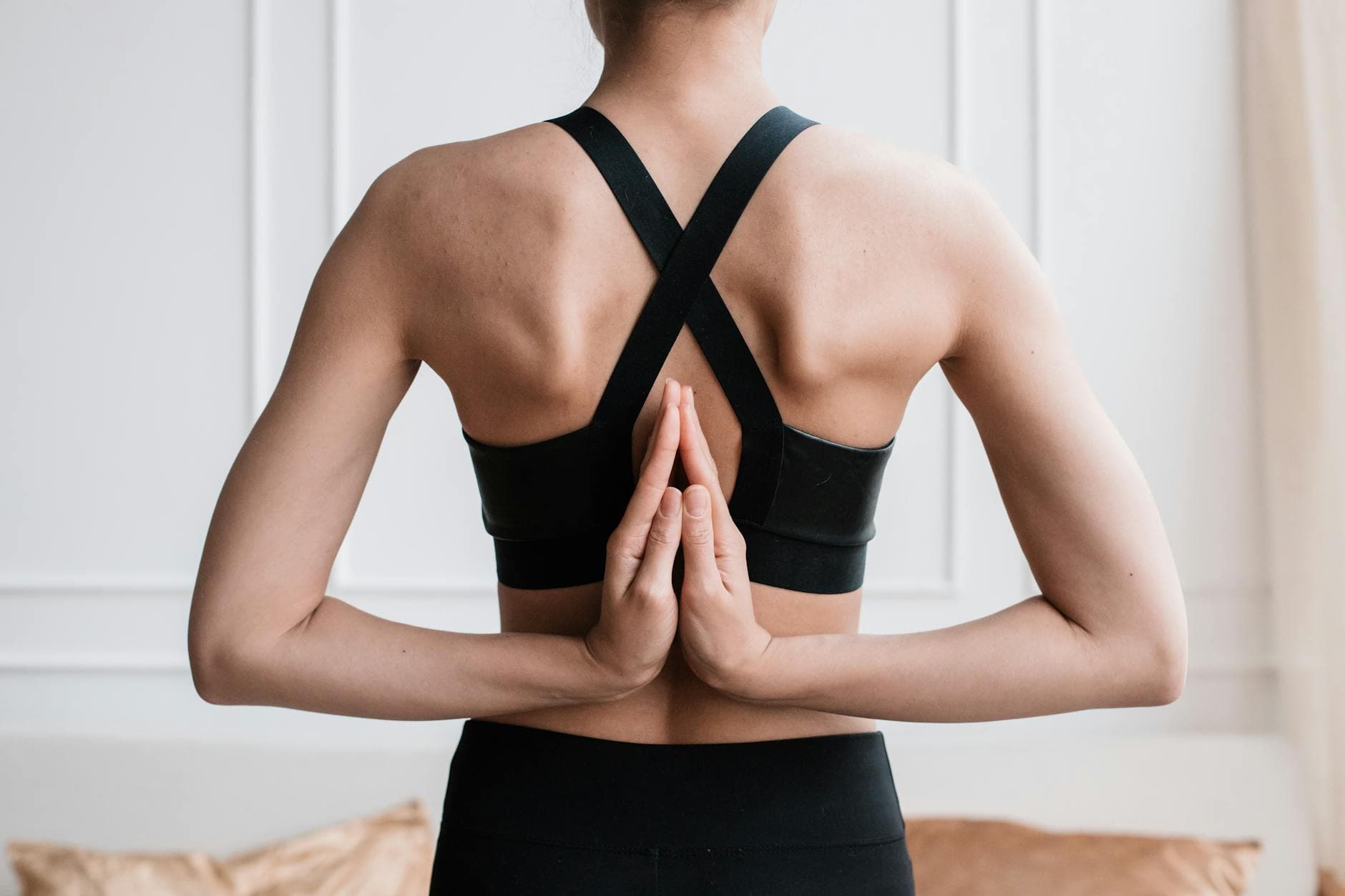
I remember looking in the mirror one day, probably mid-thirties, and just thinking, "Man, I look like a question mark." My shoulders were rounded, my head jutted forward, and there was this persistent, dull ache between my shoulder blades that just wouldn't quit. It wasn't about vanity; it was about feeling old before my time, about constant discomfort, and honestly, about losing a bit of my natural confidence.
That was my wake-up call. I knew I needed to do something, and that's when I really started diving deep into effective upper back posture exercises. What I discovered, and what I want to share with you today, is that it's not some magic bullet. It's a consistent, intentional effort that brings incredible rewards. You can absolutely reclaim your upright stance, alleviate pain, and feel stronger and more confident in your own skin. It takes work, yes, but it's work that pays dividends you'll feel every single day.
The Silent Epidemic: Why Your Upper Back Needs Attention
Let's be real: our modern lives are practically designed to wreck our posture. We spend hours hunched over screens, whether it's a computer at work, a tablet on the couch, or that tiny phone in our hands. This isn't just a casual slouch; it's a habitual pattern that reshapes our bodies, often leading to what's commonly called "tech neck" or "rounded shoulders exercises" territory.
The Modern-Day Slouch and Its Causes
Think about your typical day. How many hours are you sitting? How often do you catch yourself with your chin pointing at your keyboard? This constant forward flexion shortens the muscles in your chest and the front of your neck, while simultaneously lengthening and weakening the muscles in your upper back and the back of your neck. Over time, your body adapts to these positions, making it feel "normal" to be slumped. It’s a classic case of use it or lose it, but in reverse – you’re using the wrong muscles too much, and neglecting the right ones.
Beyond Aesthetics: The Real Costs of Poor Posture
Look, I get it. Nobody wants to look like Quasimodo. But the consequences of poor upper back posture correction go far beyond appearance. We're talking about chronic neck and shoulder pain, headaches, reduced lung capacity (because your chest is compressed!), and even digestive issues. Worse still, it can impact your mood and confidence. Standing tall isn't just about looking good; it's about feeling good, breathing deeper, and presenting yourself to the world with an open, confident demeanor. Research from institutions like the National Institutes of Health research on upper back posture exercises consistently highlights the widespread health implications of sedentary lifestyles and poor body mechanics.
Understanding the Mechanics: What We're Fixing
Before we jump into specific exercises, it's crucial to understand what we're actually trying to achieve. Improving your upper back posture isn't just about "pulling your shoulders back." It's a multi-faceted approach that involves mobility, strength, and awareness. We need to lengthen what's tight, strengthen what's weak, and teach our bodies a new, healthier default.
Thoracic Spine Mobility: Your Upper Back's Superpower
Your thoracic spine, the section of your spine where your ribs attach, is designed for rotation and extension. But thanks to all that sitting, it often becomes stiff and rigid. When your thoracic spine loses its mobility, other areas, like your neck and lower back, have to compensate, leading to pain and dysfunction. Freeing up this area is foundational for any effective posture correction workout.
Scapular Retraction: Pulling Those Shoulders Back
This is where the magic happens for rounded shoulders exercises. Your scapulae, or shoulder blades, are meant to glide smoothly across your rib cage. When your shoulders are rounded forward, your scapulae are protracted and often elevated. Scapular retraction means drawing your shoulder blades down and back, closer to your spine. This engages the muscles that literally pull your shoulders into a better position, opening up your chest and improving your overall alignment. These are key movements we'll focus on with the best exercises for upper back posture.
Weak Links: The Muscles That Need Strengthening
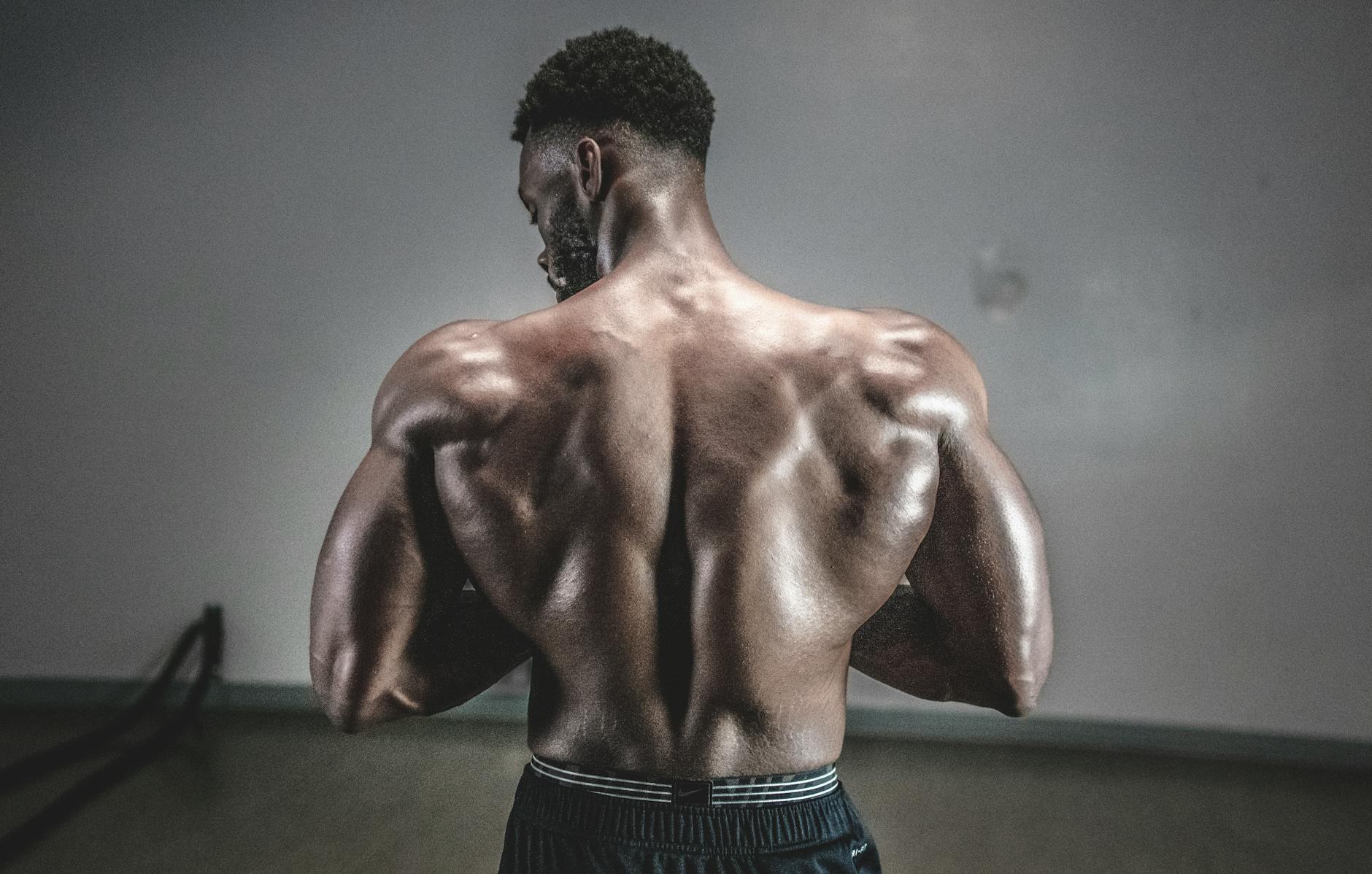
The posterior chain muscles of your upper back—think rhomboids, middle and lower trapezius, and rear deltoids—are often underdeveloped compared to your chest muscles. Our goal is to strengthen these muscles so they can actively hold your shoulders and spine in a healthier position. This isn't about brute force; it's about balanced strength and endurance.
My Go-To Upper Back Posture Exercises
Alright, let's get to the good stuff. These are the exercises for upper back posture that I've found most effective, both for myself and for countless others I've guided. Remember, consistency beats intensity here. A few minutes every day will yield far better results than one grueling session a week.
Foundation Builders: Everyday Essentials
These are your non-negotiables. They’re simple, require minimal equipment, and can be done daily.
Wall Angels
This one surprised me with how effective it is for thoracic spine mobility and scapular control. I used to think it was too easy, but the subtle engagement is powerful.
- Setup: Stand with your back against a wall, heels about 6 inches away. Press your lower back, upper back, and head against the wall.
- Arm Position: Bring your arms up, bending your elbows to 90 degrees, so your upper arms are parallel to the floor, and your forearms are pressing against the wall (like a goalpost).
- Movement: Slowly slide your arms up the wall, keeping your elbows, wrists, and the back of your hands in contact with the wall as much as possible.
- Execution: Go as high as you can without any part losing contact. Slowly slide them back down. Focus on feeling your shoulder blades glide.
- Repetition: Aim for 10-15 slow, controlled repetitions.
Scapular Wall Slides
Similar to Wall Angels but with a slightly different emphasis, perfect for activating those neglected muscles.
- Setup: Stand against a wall, same as Wall Angels.
- Arm Position: Place the back of your hands and forearms against the wall, palms facing away.
- Movement: Keeping your arms against the wall, slowly slide them up and down, focusing on squeezing your shoulder blades together as your arms come down.
- Execution: Imagine you're trying to put your shoulder blades in your back pockets.
- Repetition: Do 10-12 repetitions, feeling the burn in your mid-back.
Strength & Stability: Taking It Up a Notch
Once you've got the basics down, it's time to add some resistance. These will truly build the strength needed for lasting upper back posture correction.
Face Pulls
Honestly, if I could only pick one exercise for how to improve upper back posture, this might be it. It hits the rear delts, rhomboids, and external rotators beautifully. You can do these with a cable machine or a resistance band. For those looking to incorporate more Resistance Band Exercises: Full Body Workouts for Strength, this is a fantastic option.
- Setup: Attach a resistance band to a sturdy anchor point at chest height, or use a cable machine with a rope attachment. Stand a few feet back to create tension.
- Grip: Grab the band/rope with an overhand grip, palms facing each other.
- Movement: Pull the band towards your face, aiming for your forehead. As you pull, actively externally rotate your shoulders so your elbows flare out and finish higher than your hands.
- Execution: Squeeze your shoulder blades together hard at the end of the movement. Control the eccentric (return) phase.
- Repetition: 3 sets of 12-15 repetitions.
Band Pull-Aparts
Another fantastic resistance band exercise that directly targets the upper back and rear deltoids. Simple, effective, and portable.
- Setup: Hold a light-to-medium resistance band with both hands, arms extended straight out in front of you at shoulder height, palms facing down.
- Movement: Keeping your arms straight, pull the band apart, imagining you're trying to touch your shoulder blades together.
- Execution: Focus on squeezing your upper back muscles, not just moving your arms. Control the band as it returns to the starting position.
- Repetition: 3 sets of 15-20 repetitions. This is an excellent addition to any Full Body Resistance Band Workout: Build Strength Now!
Rear Delt Flyes
Whether with dumbbells or a machine, these are excellent for isolating the rear deltoids, which are crucial for pulling the shoulders back.
- Setup: Hold light dumbbells, hinge at your hips so your torso is almost parallel to the floor, letting the dumbbells hang beneath you. Keep a slight bend in your elbows.
- Movement: With control, raise the dumbbells out to the sides, squeezing your shoulder blades together at the top. Imagine you're trying to fly.
- Execution: Avoid shrugging your shoulders or using momentum. Focus on the contraction in your upper back.
- Repetition: 3 sets of 12-15 repetitions.
Mobility Movers: Unlocking Your Spine
These exercises help restore the natural range of motion in your thoracic spine.
Thoracic Extensions over a Foam Roller
This feels incredible if you have a stiff upper back.
- Setup: Lie on your back with a foam roller positioned horizontally under your upper back (just below your shoulder blades). Interlace your fingers behind your head for support.
- Movement: Gently extend your spine over the foam roller, allowing your head to drop towards the floor.
- Execution: Hold for a few seconds, then move the roller up or down an inch and repeat. Spend 30-60 seconds on this, focusing on controlled breathing.
Cat-Cow
A classic yoga pose that's fantastic for spinal mobility from top to bottom.
- Setup: Start on all fours, hands directly under your shoulders, knees under your hips.
- Cat: Exhale, round your spine towards the ceiling, tuck your chin to your chest, and pull your navel towards your spine.
- Cow: Inhale, drop your belly towards the floor, lift your chest and tailbone towards the ceiling, and gently look up.
- Execution: Flow smoothly between these two positions for 10-15 repetitions, synchronizing with your breath.
Integrating Posture Work into Your Life
Doing exercises is one thing, but how do you make it stick? How do you ensure that the benefits of these best resistance band workout movements translate into everyday life? It's about consistency and awareness.
The Desk Posture Workout: Micro-Breaks
You don't need to block out an hour every day. Even 5-10 minutes spread throughout your workday can make a huge difference. Set a timer to remind yourself to stand up, stretch, and perform a few band pull-aparts or wall slides every hour or two. These micro-breaks are incredibly powerful for resetting your posture and preventing stiffness from setting in. Think about how much time you spend sitting; dedicating even a small fraction of that to active posture work is a game-changer. For more specific guidance, check out articles on Correct Shoulder Posture Exercises for Better Alignment.
Consistency Over Intensity: Small Wins Add Up
I'll be real with you: you won't fix years of poor posture in a week. This is a marathon, not a sprint. The key is to be consistent. A few minutes every day, even when you don't feel like it, will always trump an intense, sporadic session. Make it a habit. Tie it to something you already do, like brushing your teeth or making coffee. That small, daily effort is what truly leads to lasting change, as affirmed by World Health Organization research on upper back posture exercises, which consistently points to the benefits of regular physical activity.

Common Pitfalls and How to Avoid Them
As with any fitness journey, there are common traps people fall into. Knowing them helps you sidestep frustration and stay on track with your upper back posture exercises.
Rushing Through Movements
This isn't about speed; it's about control and muscle activation. When you rush, you use momentum, not muscle. Slow down. Feel the muscles working. Focus on the squeeze, the stretch, the controlled release. Each repetition should be intentional.
Ignoring Your Core
Here's the thing: your posture isn't just about your upper back. Your core muscles play a massive role in supporting your spine. A weak core means your upper back has to work harder, or it simply collapses. Integrate core strengthening exercises into your routine. Plank variations, bird-dogs, and dead bugs are fantastic for building a strong, stable foundation.
Thinking It's Just About "Sitting Up Straight"
You might be wondering, "Can't I just try to sit up straight?" While conscious effort is part of it, simply trying to "sit up straight" without addressing underlying muscle imbalances is like trying to build a house on a shaky foundation. It's exhausting, unsustainable, and often leads to an overly rigid, unnatural posture. The goal is to build the strength and mobility so that good posture feels natural and effortless.
The Bigger Picture: Habits Beyond Exercise
While specific exercises are critical, they're only one piece of the puzzle. Your daily habits outside of your workout time significantly impact your posture.
Ergonomics That Actually Work
Take a hard look at your workspace. Is your monitor at eye level? Are your feet flat on the floor? Is your chair supporting your lower back? These details matter. A few simple adjustments to your desk setup can reduce strain and make it easier for your body to maintain better alignment throughout the day. Invest in a good chair, or at least a lumbar support pillow. Consider a standing desk if possible. Every little bit helps.
Mindful Movement: Checking In With Yourself
One of the most powerful tools you have is awareness. Throughout the day, just take a moment to check in with your body. Are your shoulders creeping up towards your ears? Is your head jutting forward? Are you slumping in your chair? A quick mental scan and a gentle correction can make a huge difference over time. It's about retraining your brain and body to recognize and correct poor postural habits. You can even use a Best Walking App: Find Your Perfect Fitness Companion Now! to remind yourself to stand tall during walks.
Improving your upper back posture isn't just about how you look; it's about how you feel, how you move, and how you engage with the world. It’s an investment in your long-term health, your energy levels, and your confidence. Start small, stay consistent, and be patient with yourself. Your body will thank you, and you'll stand a little taller, breathe a little deeper, and carry yourself with a newfound strength that radiates from the inside out. You've got this.