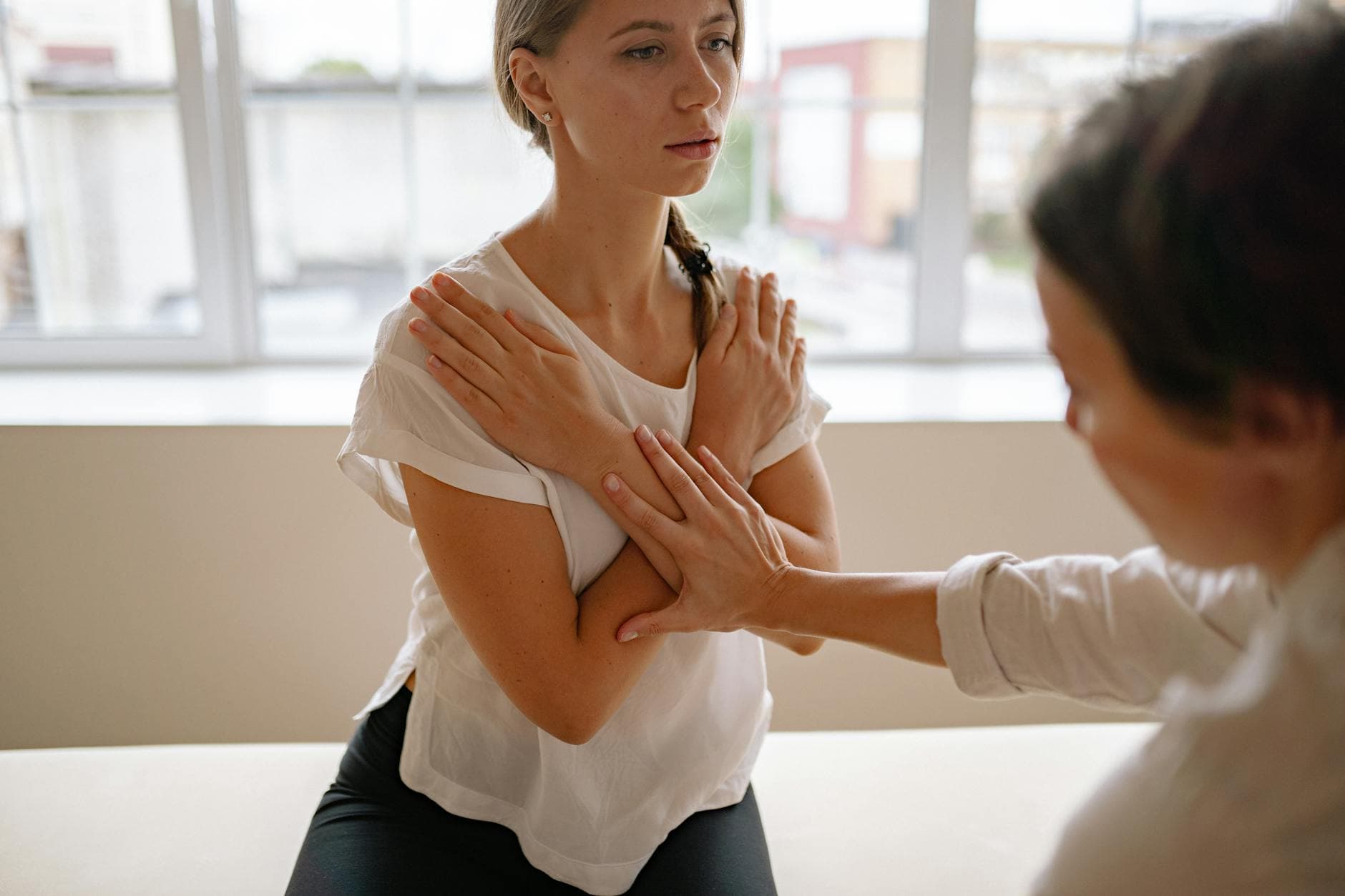
I remember the day it hit me. I was sitting at my desk, hunched over my laptop, trying to get some writing done, and my shoulders felt like they were trying to escape my body. Not in a good way, mind you. More like a dull, persistent ache that had become my constant companion. My neck was stiff, my upper back felt perpetually tight, and when I caught my reflection, I saw a familiar sight: shoulders rounded forward, head jutting out. It wasn't just uncomfortable; it looked… bad. That was my wake-up call to seriously tackle correct shoulder posture exercises.
For years, I'd been telling myself it was just part of the job, part of getting older. But honestly, that’s a cop-out. Our bodies are designed to move, to stand tall, and when we spend hours every day in compromised positions, things start to go awry. It’s not just about aesthetics; it’s about how you feel, how you breathe, how you carry yourself in the world. Good posture can genuinely change your life, and it all starts with understanding and implementing the right exercises for rounded shoulders.
The Silent Epidemic of Slouching
You’ve probably noticed it everywhere. Walk into any coffee shop, office, or even just observe people waiting in line, and you’ll see it: the modern slouch. It's a pervasive issue, fueled by our screens and sedentary lifestyles. This isn't just about looking a bit less confident; it's a structural problem that can lead to significant discomfort and long-term issues.
Understanding Rounded Shoulders and Forward Head Posture
Rounded shoulders, or what some call protracted shoulders, occur when your shoulder blades (scapulae) are pulled forward and away from your spine. Often, this goes hand-in-hand with forward head posture, where your head juts out in front of your body, straining your neck and upper back. Think of it like a permanent shrug, but forward instead of up.
This isn't just a habit; it's a muscular imbalance. The muscles on the front of your body – your chest (pectorals) and the front of your shoulders (anterior deltoids) – become tight and overactive. Meanwhile, the muscles in your upper back (rhomboids, mid-traps) and the back of your shoulders (posterior deltoids) become weak and stretched out. Your body adapts to the position you spend the most time in, and for many of us, that's sitting at a desk or looking at a phone.
More Than Just Aesthetics: The Real Costs
Beyond how it looks, poor shoulder posture has tangible consequences. It can lead to chronic upper back pain relief issues, neck pain, and even headaches. I used to think my occasional headaches were just from stress, but often, they were directly linked to the tension in my neck and shoulders from poor posture. It can also restrict your breathing, reducing lung capacity because your chest is constantly compressed. Over time, this can contribute to conditions like thoracic kyphosis, an excessive outward curvature of the upper back.
Consider the impact on your workouts. If your shoulders are rounded, movements like bench pressing, overhead pressing, or even pulling exercises can put undue stress on your shoulder joints, increasing the risk of injury. It literally limits your potential in the gym and in daily life. This is why addressing shoulder posture exercises is so crucial.

Why Most "Quick Fixes" Don't Last (and What Actually Works)
I'll be real with you: there's no magic bullet for posture. You can't just buy a brace, wear it for a week, and expect permanent change. Our bodies are complex, and correcting something as ingrained as posture requires a holistic approach, not a passive one.
The Root Cause: Imbalance, Not Weakness Alone
Here’s the truth that nobody tells you: it's rarely *just* weakness. While strengthening your upper back is vital, it's equally important to *lengthen* the tight, overactive muscles in your chest and the front of your shoulders. If you only strengthen the back without releasing the tension in the front, you're fighting an uphill battle. It's like trying to pull a rope that's already tied to a tree.
The goal of effective resistance band exercises and other posture work is to restore balance. We want to bring those shoulders back into alignment, allowing the shoulder blades to sit properly on the rib cage, a process called scapular retraction. This often means consistent work on both ends of the muscle spectrum.
The Truth About Passive Posture Correctors
I've seen countless people try posture braces, and while they might offer a temporary reminder to stand tall, they don't *fix* the problem. In fact, relying on them too much can actually weaken the very muscles you're trying to strengthen. Your body learns to depend on the brace rather than activating its own stabilizing muscles. They can be a decent tool for awareness in the very beginning, but they are not a long-term solution.
True posture correction comes from actively engaging and strengthening your muscles, not passively supporting them. It’s about teaching your body what correct alignment feels like and building the strength and endurance to maintain it throughout your day.
Building a Strong Foundation for Lasting Change
To really make a difference, you need a consistent strategy. Think of it as a two-pronged attack: first, release the tension in the tight muscles, and second, strengthen the weak ones. This isn't just about doing a few exercises; it's about integrating awareness into your daily life. The best exercises for shoulder posture aren't just movements; they're a commitment.
This means incorporating targeted upper back posture exercises, shoulder blade exercises, and stretches into your routine. It also means paying attention to your desk posture, how you sit, stand, and even how you sleep. It’s a holistic approach to posture correction.
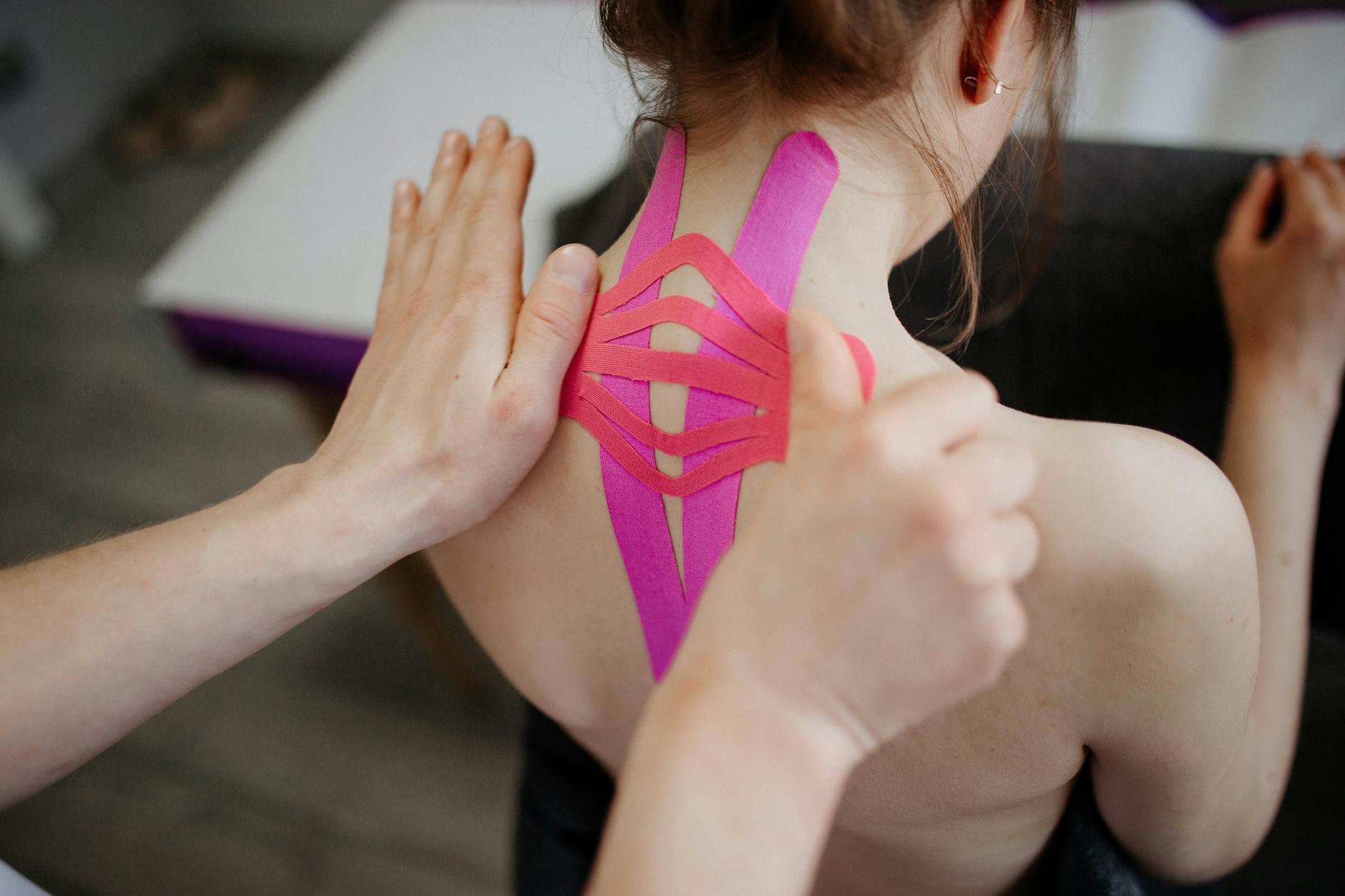
Essential Correct Shoulder Posture Exercises You Need to Master
Alright, let's get down to brass tacks. These are the movements that made the biggest difference for me. They target the key areas we discussed: strengthening the upper back and lengthening the chest. You don't need a fancy gym for all of them; many you can fix shoulder posture at home.
Strengthening the Weak Links: Upper Back & Scapular Retractors
These exercises focus on pulling your shoulder blades back and down, activating those crucial muscles that have likely been dormant.
Face Pulls
This one surprised me with how effective it is. Using a cable machine or a resistance band anchored at chest height, grab the handles with an overhand grip. Step back until the band is taut. Pull the handles towards your face, leading with your elbows, squeezing your shoulder blades together at the end of the movement. Imagine you're trying to show off your biceps to the wall behind you. Hold for a second, then control the release. I recommend 3 sets of 12-15 reps. This is one of the best upper back posture exercises out there.
Band Pull-Aparts
Grab a light to medium resistance band with both hands, palms down, hands about shoulder-width apart. Keep your arms straight (but not locked) and at shoulder height. Pull the band apart, squeezing your shoulder blades together as if you're trying to pinch a pencil between them. Your hands should move away from each other until your arms form a 'T'. Control the return. This is fantastic for activating the rhomboids and rear deltoids. Aim for 3 sets of 15-20 reps. It's a staple in any good best resistance band workout for posture.
Scapular Push-Ups/Wall Slides
For scapular push-ups, get into a push-up position (on your knees or toes). Instead of bending your elbows, just let your chest sink down towards the floor by squeezing your shoulder blades together, keeping your arms straight. Then push back up by protracting your shoulder blades. It’s a small, controlled movement that isolates the scapular muscles. For wall slides, stand with your back against a wall, pressing your lower back, head, and forearms (elbows bent to 90 degrees) against it. Slowly slide your arms up the wall, keeping everything pressed, then slide them back down. This is great for shoulder blade exercises and thoracic mobility.
Lengthening the Tight Spots: Chest & Front Deltoids
These stretches help release the tension in the muscles that pull your shoulders forward.
Doorway Chest Stretch
Stand in a doorway with your elbows bent at 90 degrees and your forearms resting on the doorframe. Step one foot forward through the doorway, gently leaning your body forward until you feel a stretch across your chest. Hold for 30 seconds, breathing deeply. This is a classic for a reason – it effectively opens up the chest and stretches the pectorals.
Pec Minor Stretch
This one targets the often-overlooked pec minor, a small muscle that can wreak havoc on shoulder posture. Lie on your back on a foam roller placed along your spine, from your tailbone to your head. Let your arms fall out to the sides, palms facing up. You should feel a gentle stretch across your chest. Hold for 2-3 minutes. If you don't have a foam roller, you can do a similar stretch using a corner of a wall, placing your forearm against one wall and your upper arm/shoulder against the other, then gently rotating away from the corner.
Integrating Core Stability for Whole-Body Posture
You might be wondering what core strength has to do with shoulder posture. A lot, actually! Your core acts as the stable base for all your movements, including those of your upper body. A weak core can lead to compensatory movements and poor posture further up the chain. Incorporating planks, bird-dogs, and dead bugs into your routine will provide that essential stability. Think of your body as a kinetic chain; a weakness in one link affects them all. This is why a well-rounded fitness regimen, perhaps even a Push Pull Workout Routine: Build Muscle & Strength Fast, can indirectly support better posture.

Crafting Your Daily Ritual: Fixing Shoulder Posture at Home
The key to success isn't just knowing the exercises; it's about consistently doing them and integrating awareness into your everyday life. You don't need hours; even 10-15 minutes a day can make a profound difference.
Consistency is Your Superpower
Look, if you only do these exercises once a week, you're not going to see much change. Our bodies are creatures of habit. You need to consistently challenge those weak muscles and consistently stretch those tight ones. Aim for 3-5 times a week for the strengthening exercises, and daily for the stretches. Make it a non-negotiable part of your morning or evening routine. I found that linking it to an existing habit, like brushing my teeth, helped me stick with it.
Desk Posture Hacks and Ergonomic Wins
Your desk setup is a major culprit for poor posture. Take a critical look at your workstation. Are your feet flat on the floor? Are your knees at a 90-degree angle? Is your monitor at eye level so you’re not craning your neck? Is your keyboard and mouse close enough that your shoulders aren't shrugged forward? Even small adjustments can make a huge difference in preventing desk posture issues. Set a timer to remind yourself to stand up and move every 30-60 minutes. A quick walk, even just to the kitchen, can reset your body.
Progressive Overload for Posture: Yes, It's a Thing
Just like building muscle, you need to progressively challenge your posture muscles. This might mean increasing the resistance on your bands for face pulls, doing more reps, or holding stretches for longer. As your posture improves, you'll find that maintaining it requires less conscious effort, but you still need to keep those muscles strong. Don't stop once you feel better; that's when you maintain and build on your progress.

My Honest Take on Why This Matters So Much
I genuinely believe that posture is one of the most overlooked aspects of overall health and well-being. It’s not just about looking better, though that's a nice bonus. It's about feeling better, moving better, and living with less pain.
Beyond the Gym: Confidence and Energy
Think about the last time you saw someone with truly great posture. They exude confidence, don’t they? Standing tall, shoulders back, head held high – it communicates strength and self-assurance. And it’s not just an outward signal; it affects you internally. Research has even shown that good posture can improve your mood and energy levels. When your body is aligned, it functions more efficiently, requiring less energy to simply exist.
A Lifelong Commitment, Not a Sprint
Correcting shoulder posture exercises isn't a one-time fix; it's a lifelong commitment to your body. Our modern lives will always try to pull us back into that hunched position. The good news is, once you build the awareness and the strength, it becomes second nature. You'll find yourself naturally correcting your posture throughout the day, catching yourself before you fall back into old habits.
Take these exercises, integrate them into your life, and be patient with yourself. It took years to develop poor posture, and it will take consistent effort to reverse it. But I promise you, the feeling of standing tall, free from aches and pains, is absolutely worth every single rep and every single stretch. Your future self will thank you for taking the time to truly invest in your posture, and in turn, in your overall quality of life.