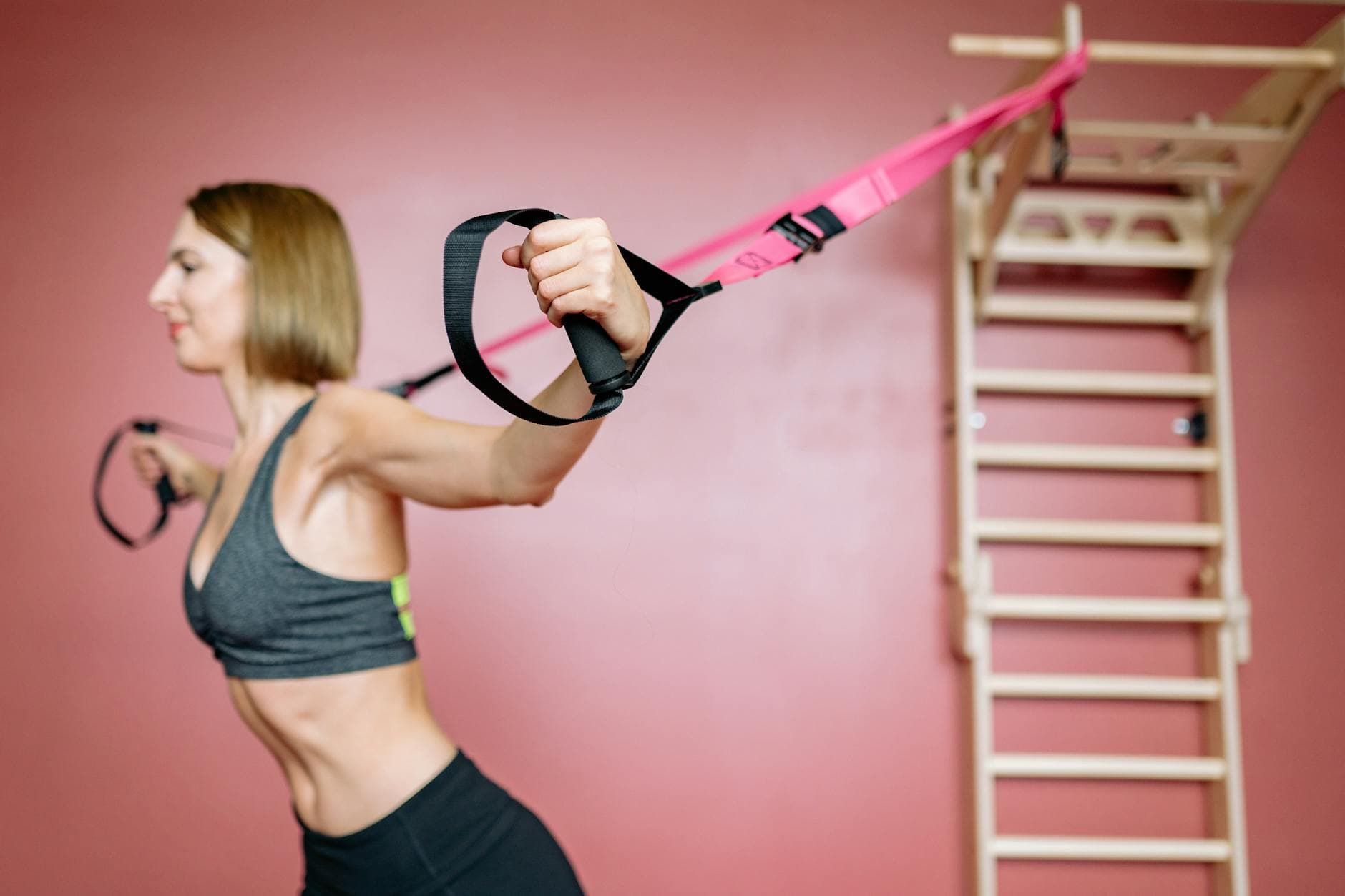
I’ll be real with you, for years, I was a total snob about resistance bands. Seriously. I used to think they were just for physical therapy, or maybe for folks who couldn't lift "real" weights. In my younger, more arrogant days, if it wasn't a barbell or a heavy dumbbell, I dismissed it as glorified stretching. That was a huge mistake, and honestly, a massive disservice to my own fitness journey. It took a while, but I finally saw the light, realizing the incredible potential for building strength, endurance, and even muscle with a well-designed full body resistance band workout. The truth is, these unassuming loops of latex are a game-changer, especially when you understand how to harness their unique resistance profile.
My epiphany came during a particularly hectic travel period. I was away from my usual gym, feeling frustrated and losing consistency. A friend, who’d been quietly crushing it with home workouts, handed me a set of bands and challenged my preconceptions. What followed was a humbling, yet incredibly effective, series of workouts that not only maintained my strength but actually highlighted weaknesses I hadn’t known I had. That's when I truly understood the power of a comprehensive no equipment home workout, especially when resistance bands are involved. This isn't just about convenience; it's about smart, effective training.
The Undeniable Power of Resistance Bands
Look, the benefits of resistance band training go far beyond just being portable. They offer a type of progressive resistance that's incredibly effective for muscle growth and strength development. Unlike free weights, where the resistance is constant, bands provide variable resistance, meaning the tension increases as you stretch the band. This unique characteristic forces your muscles to work harder through the entire range of motion, leading to better muscle activation and engagement, which is something I wish I'd learned earlier.
Why Bands Aren't Just for "Light" Work
Many still equate resistance bands with easy workouts, but that couldn't be further from the truth. The key lies in understanding tension and how to apply it. You can layer bands, use thicker bands, or increase the stretch to create immense resistance that will challenge even experienced lifters. I've seen guys who can deadlift hundreds of pounds struggle with a properly executed banded squat, simply because the stabilizing muscles and the continuous tension are a different beast altogether.
Understanding Progressive Resistance
This variable resistance is a huge advantage. Imagine a bicep curl: with a dumbbell, the heaviest part of the lift is often at the beginning. With a resistance band, the resistance is lowest at the start and peaks at the top, when the muscle is fully contracted. This forces your muscle to fight against increasing tension, promoting incredible muscle fiber recruitment. This is a crucial distinction that makes resistance band training incredibly effective for hypertrophy and strength gains, as supported by Mayo Clinic research on full body resistance band workout.
Beyond Muscle: Stability and Injury Prevention
Another aspect where resistance bands truly shine is in their ability to improve stability and target smaller, often neglected stabilizing muscles. When you're performing a squat with a band around your knees, for instance, your glutes are constantly engaged to prevent your knees from caving in. This isn't just about looking good; it's about building a more resilient, injury-resistant body. Think about it: how many times have you tweaked something because a smaller muscle wasn't ready to support the primary mover?
Activating Neglected Muscle Groups
These bands are phenomenal for pre-activating muscles before a heavier lift or for isolating specific areas that might be lagging. Want stronger glutes? Banded glute bridges, clam shells, and monster walks are incredibly effective. Want to bulletproof your shoulders? Band pull-aparts and external rotations are your best friends. This targeted activation helps prevent imbalances that can lead to injury down the line. It's a smart approach to fitness, not just a quick fix.
Crafting Your Ultimate Full Body Resistance Band Workout
Alright, let's get down to brass tacks. You're ready to embrace the band, and I'm here to guide you. A truly effective full body resistance band workout routine needs to hit all your major muscle groups, ensuring balance and comprehensive strength development. We're talking legs, glutes, chest, back, shoulders, and core – nothing gets left behind. The beauty is you can do this all from your living room, garage, or even a hotel room, making it a perfect resistance band workout at home solution.
The Warm-Up: Preparing Your Body
Before you jump into any intense resistance band training, a proper warm-up is non-negotiable. This isn't just about preventing injuries; it's about optimizing your performance and getting your muscles ready to fire. A dynamic warm-up that includes light cardio and mobility drills will elevate your heart rate, increase blood flow, and loosen up your joints. Think arm circles, leg swings, torso twists, and a few minutes of jumping jacks or marching in place.
Key Warm-Up Exercises
- Arm Circles: 10-15 forward, 10-15 backward. Start small, gradually increasing the size of the circle.
- Leg Swings: 10-15 forward/backward per leg, 10-15 side-to-side per leg. Focus on controlled movement.
- Torso Twists: 10-15 gentle twists to each side, keeping your hips relatively stable.
- Cat-Cow Stretch: 5-10 repetitions to mobilize your spine.
- Banded Glute Activation: Place a mini-band around your ankles and perform 10-15 banded walks sideways in each direction. This gets your glutes ready for action.
The Full Body Resistance Band Workout: My Go-To Moves
Here’s a sample routine that I personally use and recommend. Remember, form is king. Don't rush these movements. Control the eccentric (lowering) phase and really squeeze at the peak contraction. Aim for 3-4 sets of 10-15 repetitions for each exercise, adjusting the band tension to ensure the last few reps are challenging but not impossible. This isn't about ego; it's about effective muscle stimulation.
Lower Body & Core Focus
For these foundational movements, we're targeting the biggest muscle groups, which are crucial for overall strength and calorie burn, making this a great resistance band workout for weight loss.
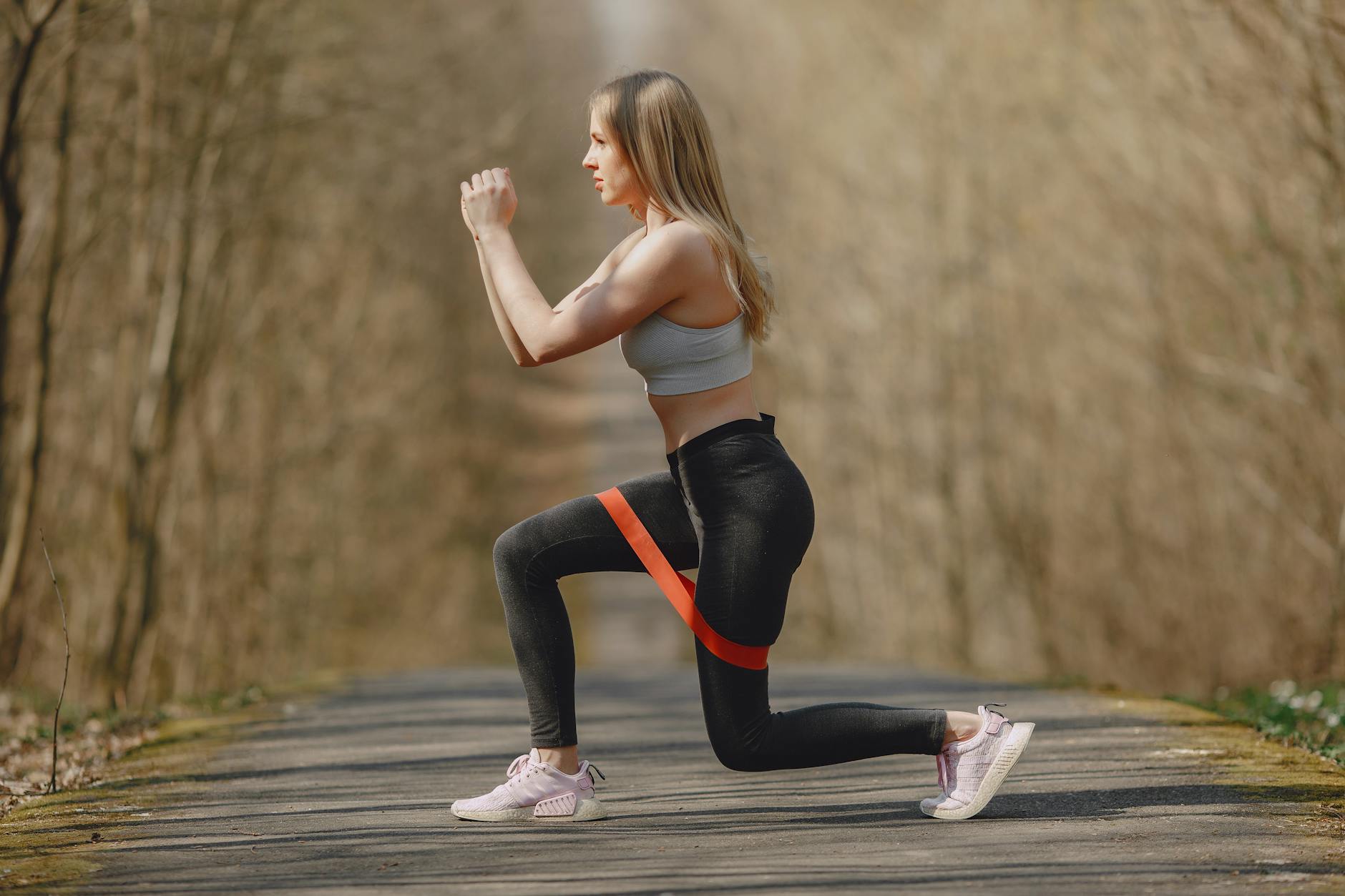
- Banded Squats: Place a loop band just above your knees. Stand with feet shoulder-width apart, toes slightly out. Push your hips back and down as if sitting in a chair, keeping your chest up. The band will actively try to pull your knees inward; resist this, pushing your knees out. This is a fantastic resistance band workout for legs and a prime mover for your entire lower body.
- Banded Glute Bridges: Lie on your back, knees bent, feet flat on the floor, a loop band above your knees. Drive through your heels, lifting your hips towards the ceiling until your body forms a straight line from shoulders to knees. Squeeze your glutes hard at the top, pushing your knees out against the band. This is one of my favorite resistance band workout for glutes exercises.
- Banded Romanian Deadlifts (RDLs): Stand on the middle of a long resistance band, holding the ends in each hand. Keep a slight bend in your knees, hinge at your hips, pushing your glutes back. Lower the bands towards the floor, keeping your back straight. Feel the stretch in your hamstrings. Return to the starting position by squeezing your glutes. This move, much like a Dumbbell Good Morning Exercise: Perfect Your Form Today!, is phenomenal for your posterior chain.
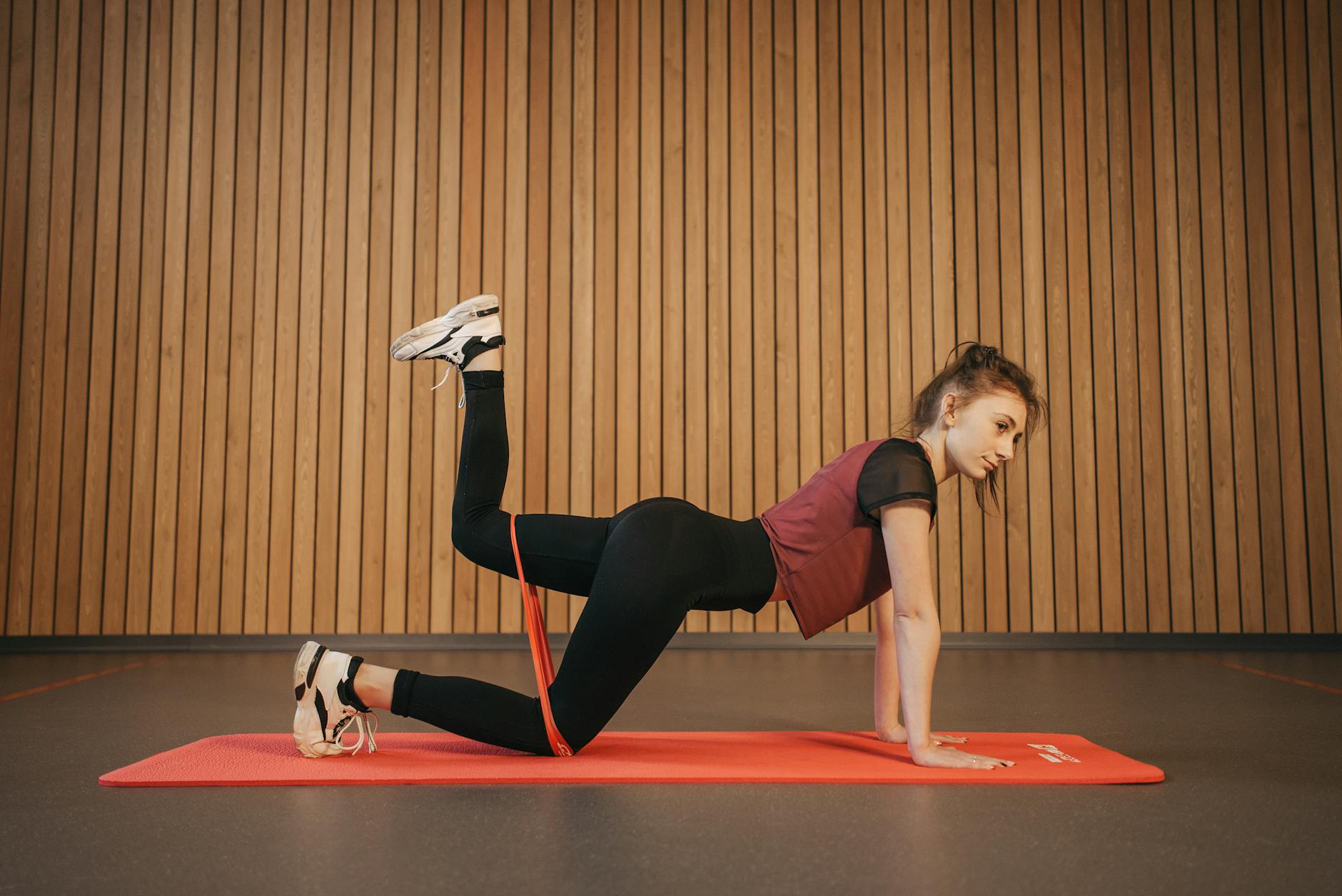
- Banded Plank with Leg Lift: Get into a plank position with a mini-band around your ankles. Maintain a strong core, then lift one leg a few inches off the ground, keeping it straight. Hold briefly, then lower. Alternate legs. This is an excellent resistance band workout for core stability and glute activation.
Upper Body & Back Builders
Don't think bands can build a strong upper body? Think again. The continuous tension is incredible for muscle recruitment.
- Banded Push-Ups: Loop a long resistance band across your upper back, holding the ends in each hand under your palms. Perform a push-up. The band will provide resistance throughout the movement, making it significantly harder. If traditional push-ups are too much, start on your knees.
- Banded Rows: Sit on the floor with your legs extended, looping a long resistance band around the soles of your feet. Hold the ends of the band with straight arms. Pull the bands towards your torso, squeezing your shoulder blades together. Control the release. This is a fantastic resistance band training exercise for your back.
- Banded Overhead Press: Stand on the middle of a long resistance band, holding the ends at shoulder height, palms facing forward. Press the bands directly overhead, extending your arms fully. Control the descent. This hits your shoulders beautifully.
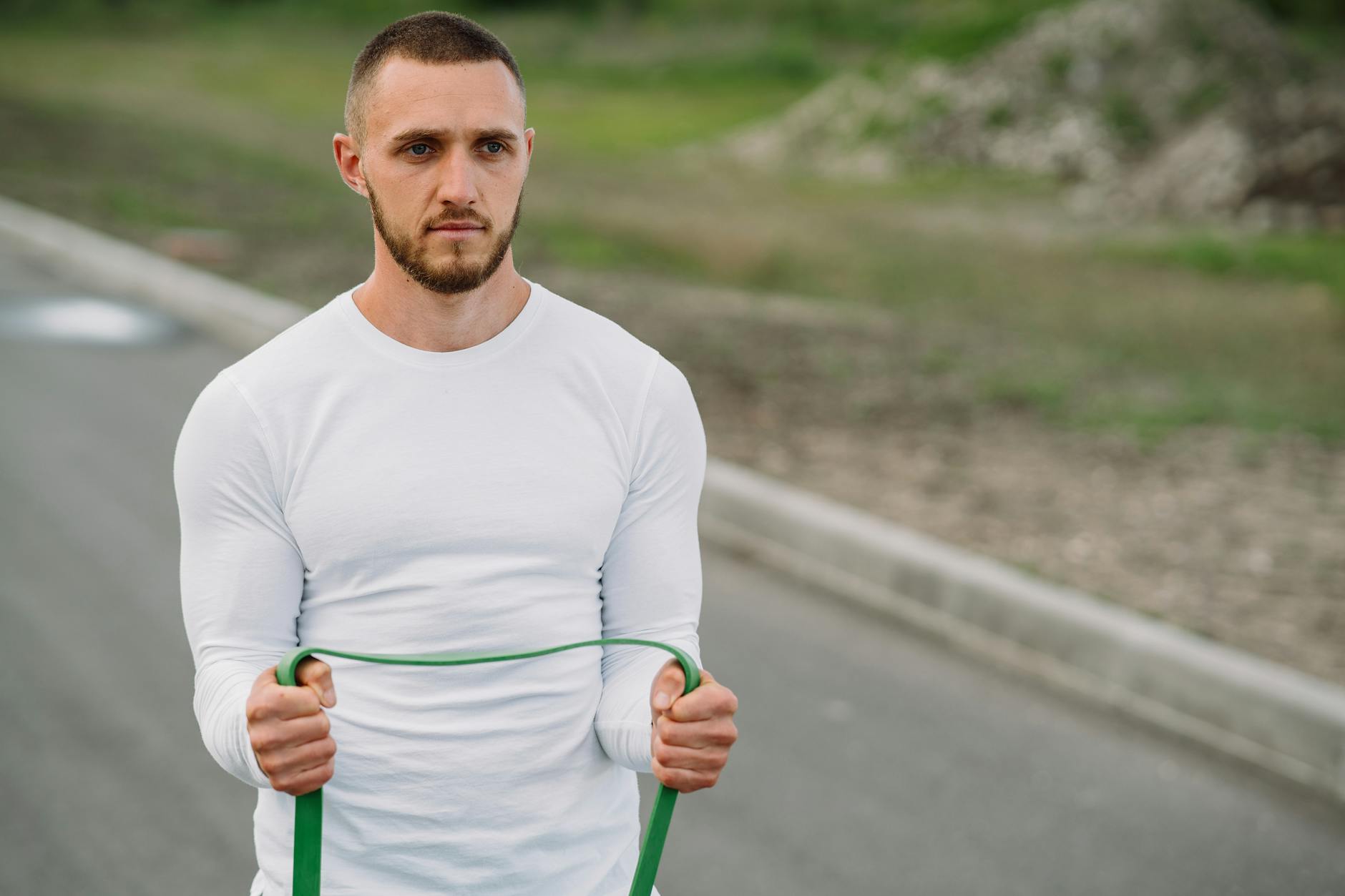
- Banded Bicep Curls: Stand on the middle of a long resistance band, holding the ends in each hand, palms facing forward. Curl the bands towards your shoulders, squeezing your biceps at the top. This is a staple resistance band workout for arms.
- Banded Triceps Extensions: Loop a long band over a sturdy anchor point (like a door frame or pole). Face away from the anchor, holding the end of the band with both hands above your head. Extend your arms, pushing the band down until your arms are straight. Feel the triceps work.
My Personal Take: Consistency Trumps Everything
Here's the thing about fitness, and this is where my personal reflection comes in: the most elaborate, perfectly designed workout program in the world is useless if you don't actually do it. I used to obsess over finding the "optimal" gym, the "perfect" split, the "best" equipment. But life happens, right? Travel, busy schedules, unexpected events – they all conspire to throw a wrench in your plans. This is precisely where resistance bands became my secret weapon. They removed every single excuse.
I remember one period where I was traveling for work almost constantly. I’d pack my bands, and no matter how small the hotel room, or how late I got back, I could always squeeze in a solid 30-minute morning workout for men or an evening session. It wasn't always glamorous, but the consistency was unwavering. That unbroken chain of effort, even with just bands, yielded far better results than sporadic, intense gym sessions ever did. The Centers for Disease Control and Prevention research highlights the importance of consistent physical activity for overall health, and bands make that consistency incredibly accessible.
Making It a Habit
The mental hurdle of "going to the gym" can be huge for many people. With resistance bands, you eliminate that. Your gym is wherever you are. This convenience dramatically lowers the barrier to entry and helps cement exercise as a non-negotiable part of your day. You might not have access to a full gym for a push pull workout routine, but you almost always have space for a few band exercises.
Listen to Your Body, Adjust Your Plan
You might be wondering, "How do I know which band to use?" My advice is simple: start lighter than you think you need. Focus on perfect form, feeling the muscle work. If you can easily hit 15 reps with good form, move up to a thicker band or double up. If you're struggling after 5 reps, go lighter. It’s a journey of discovery, and your body will tell you what it needs. Don't be afraid to experiment with different resistance band workout plan variations.
Beyond the Workout: Recovery and Nutrition
A great full body resistance band workout is only one piece of the puzzle. To see real results – whether it's muscle gain, fat loss, or improved fitness – you absolutely cannot neglect recovery and nutrition. Your muscles don't grow during the workout; they grow during rest, fueled by the nutrients you provide. This is a fundamental truth that often gets overlooked in the pursuit of the "perfect" exercise.
Fueling Your Progress
Think of your body as a high-performance machine. You wouldn't put cheap fuel into a sports car and expect it to run optimally, would you? The same goes for your body. Prioritize whole, unprocessed foods. Ensure you're getting enough protein to support muscle repair and growth, plenty of complex carbohydrates for energy, and healthy fats for overall health. Hydration is also incredibly important; drink water consistently throughout the day.
Protein Intake for Muscle Repair
For most active individuals, aiming for around 0.7 to 1 gram of protein per pound of body weight is a good target. This could come from lean meats, fish, eggs, dairy, legumes, or protein supplements. Distributing your protein intake throughout the day, rather than in one large meal, can also be beneficial for muscle protein synthesis, according to Harvard Health research on full body resistance band workout.
The Art of Recovery
Sleep is non-negotiable. Aim for 7-9 hours of quality sleep every night. This is when your body repairs itself, hormones are regulated, and your central nervous system recovers. Active recovery, like light stretching, walking, or foam rolling, can also help reduce muscle soreness and improve blood flow, aiding in the recovery process. Don't push yourself to exhaustion every single day; strategic rest is just as important as the effort you put in.
So, there you have it. My journey from resistance band skeptic to fervent advocate. If you’re looking for a versatile, effective, and incredibly convenient way to build a stronger, more resilient body, a full body resistance band workout is your answer. Ditch the excuses, grab some bands, and get to work. You'll be amazed at what these simple tools can help you achieve. The only regret you'll have is not starting sooner. Now go out there and make it happen.