
Your First Steps Towards a Stronger You: Crafting a Beginner Workout Plan
There's this idea out there that you need to hit the gym like a seasoned pro from day one, lifting heavy weights and sweating buckets. Honestly, that’s a surefire way to get discouraged or, worse, injured. The truth is, a truly effective beginner workout plan isn't about intensity; it's about consistency and building a solid foundation. I learned this the hard way, pushing myself too fast and ending up sidelined with nagging aches. What nobody tells you is that starting small, focusing on form, and gradually increasing the challenge is the real secret sauce to long-term success. This isn't about a quick fix; it's about creating a sustainable habit that will serve you for years.
The Foundation: Why Starting Slow Matters
When you're just getting started, your body isn't accustomed to the demands of exercise. Pushing too hard too soon can lead to muscle soreness that feels like torture, joint pain, and a general feeling of defeat. This is why understanding easy exercises for beginners and proper form is paramount. Think of it like learning to walk before you can run.
Building Muscle Memory
Your nervous system needs time to learn the movements. Focusing on controlled repetitions helps your brain connect with your muscles, making future workouts more efficient and safer. This is the bedrock of any good beginner fitness routine.
Preventing Burnout
Nobody wants to dread their workouts. Starting with manageable sessions and a progressive approach ensures you’re building momentum, not just experiencing temporary pain. It's about creating a positive association with movement.
Establishing Consistency
The most important element of any fitness journey is showing up. A plan that feels achievable makes it far more likely that you'll stick with it. Even a short, consistent workout is better than an occasional marathon session.
Your First Time at the Gym: Navigating the Space
Stepping into a gym for the first time gym workout can feel intimidating. The clanking of weights, the rows of machines – it’s a lot. But remember, everyone started somewhere. Most people are too focused on their own routines to notice you. Your goal here is to get comfortable with the equipment and the environment.
Familiarizing Yourself with Equipment
Don't feel like you need to know every machine. Start with the basics. Treadmills, ellipticals, and stationary bikes are your cardio friends. For strength, focus on machines that guide your movement initially.
Cardio Machines
These are your gateways to cardiovascular health. Treadmills offer a simple walking or jogging experience. Ellipticals provide a lower-impact option that still engages your whole body. Stationary bikes are great for leg strength and endurance.
Strength Training Machines
Machines like the leg press, chest press, and lat pulldown are designed with built-in safety features. They help you learn the motion of the exercise without requiring a spotter or perfect balance.
Asking for Help
Gym staff are there to assist you. Don't hesitate to ask a trainer or staff member to show you how to use a machine or demonstrate proper form for a specific exercise. It’s a sign of intelligence, not weakness.

Designing Your Beginner Workout Plan: The Core Components
A well-rounded beginner workout plan should incorporate a mix of strength training, cardiovascular exercise, and flexibility. This holistic approach ensures you’re building a balanced physique and promoting overall health. Think of these as the pillars of your fitness house.
Strength Training for Beginners
Strength training is crucial for building muscle, boosting metabolism, and improving bone density. For beginners, the focus should be on compound movements that work multiple muscle groups simultaneously. This is where you start seeing real changes.
Full Body Beginner Workout Approach
Doing a full body workout two to three times a week is incredibly effective when you’re starting out. This allows you to hit each major muscle group multiple times per week, promoting faster adaptation and growth. It’s efficient and gets the job done.
Key Exercises to Build Muscle
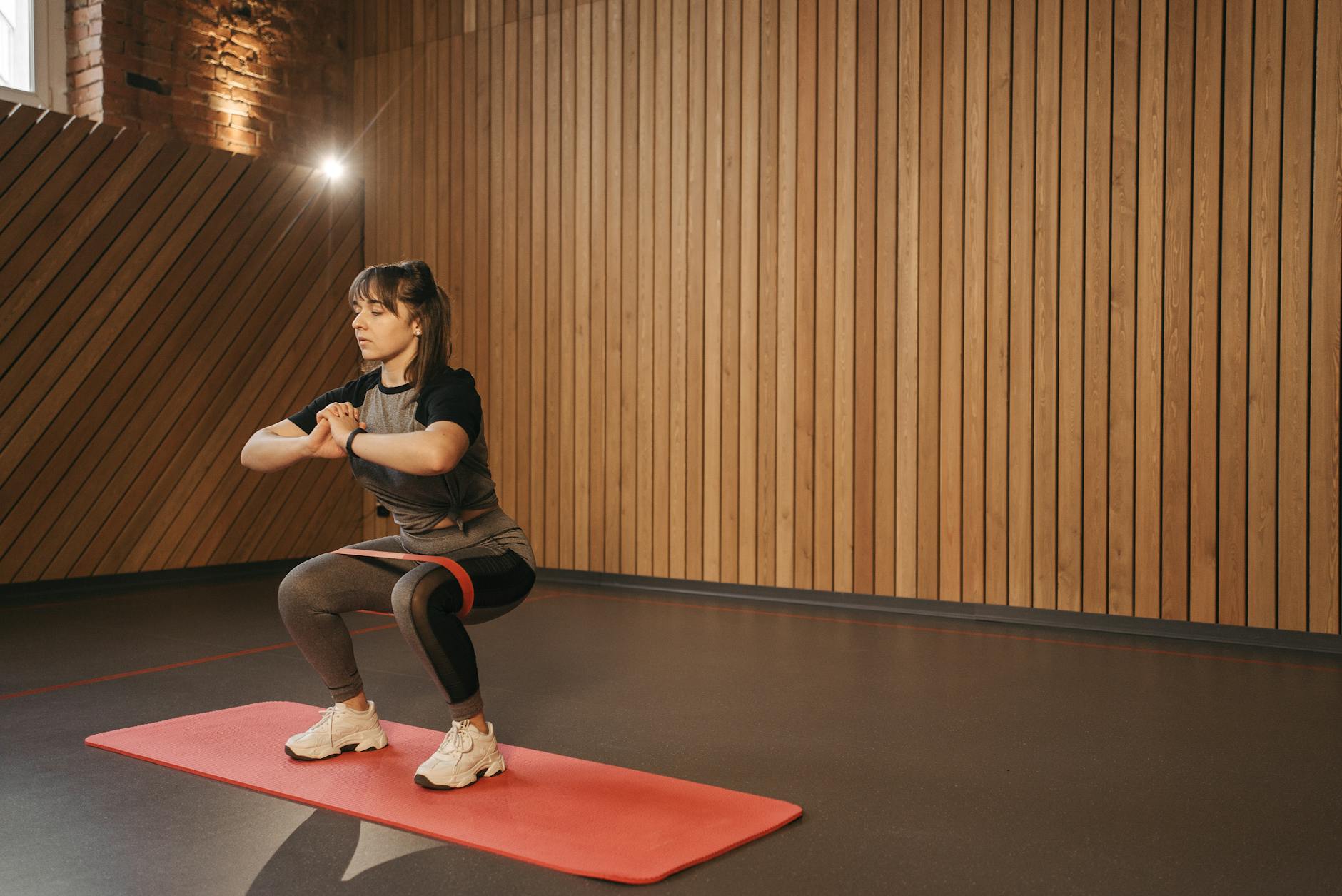
Focus on exercises like bodyweight squats, push-ups (even modified on your knees), lunges, and rows. For machines, consider the leg press, chest press, and lat pulldown. These movements are foundational and will serve you well as you progress.
For example, a basic full-body routine might look like this: Goblet Squats (3 sets of 10-12 reps), Push-ups (as many as possible with good form, aiming for 3 sets), Dumbbell Rows (3 sets of 10-12 reps per arm), and Plank (hold for 30-60 seconds, 3 sets). This hits your legs, chest, back, and core.
Importance of Proper Form
I cannot stress this enough: form over weight, always. Watch videos, use mirrors, and if possible, get a session with a trainer to learn the correct way to perform each movement. Bad form leads to injuries, and injuries derail progress.
Cardio for Beginners: Getting Your Heart Pumping
Cardiovascular exercise is vital for heart health, endurance, and calorie expenditure. The goal here is to get your heart rate up to a moderate level and sustain it for a set period.
Low Impact Exercises for Beginners
If you have joint concerns or are just starting, low-impact cardio is your best friend. Think brisk walking, cycling, swimming, or using an elliptical. These activities provide excellent cardiovascular benefits without excessive stress on your joints.
Duration and Frequency
Aim for 20-30 minutes of moderate-intensity cardio three to four times per week. Moderate intensity means you can talk, but not sing, during the activity. You can gradually increase the duration or intensity as your fitness improves. This aligns with recommendations from organizations like the World Health Organization research on beginner workout plan.
Mixing It Up
Don't get stuck doing the same thing every time. Variety keeps things interesting and challenges your body in different ways. Explore different machines or try outdoor activities like walking or cycling.
Beginner Stretching Exercises: The Often-Forgotten Piece
Flexibility and mobility are crucial for injury prevention and improving your range of motion. Stretching after your workouts helps your muscles recover and reduces stiffness.
Dynamic vs. Static Stretching
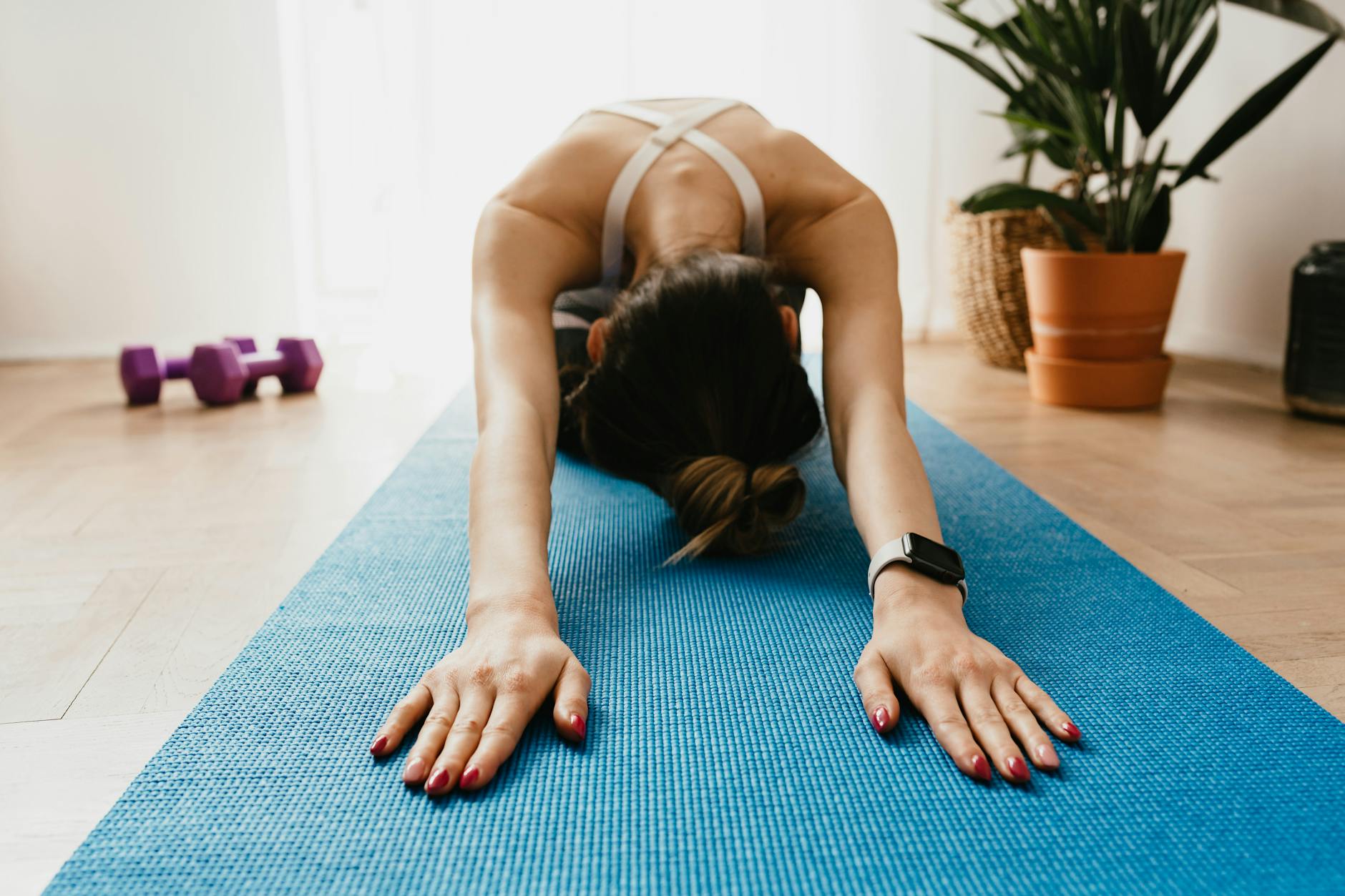
Before your workout, focus on dynamic stretches – movements that take your joints through their full range of motion, like arm circles and leg swings. After your workout, static stretches – holding a stretch for 20-30 seconds – are more appropriate for improving flexibility.
Key Stretches to Incorporate
Include stretches for major muscle groups: hamstrings, quadriceps, chest, back, and shoulders. A simple hamstring stretch, quad stretch, and chest stretch can make a significant difference.
When to Stretch
The best time for static stretching is after your main workout when your muscles are warm and pliable. However, gentle mobility work can be beneficial before exercise. This is a key part of a comprehensive beginner fitness routine.
Putting It All Together: Your Actionable Plan
Now, let’s talk about how to structure your week. The key is to allow for rest and recovery, which is just as important as the workouts themselves. This is where the magic of progressive overload begins to work.
Sample Weekly Schedule
Here’s a template to get you started. Remember, this is a guide, and you should adjust it based on your schedule and how your body feels. This sample plan emphasizes a full body beginner workout approach.
Day 1: Full Body Strength Training
Focus on compound movements. Perform 3 sets of 10-12 repetitions for each exercise. Rest 60-90 seconds between sets.
- Goblet Squats
- Push-ups (on knees or toes)
- Dumbbell Rows
- Overhead Press (light dumbbells or machine)
- Plank (hold for 30-60 seconds)
Day 2: Cardio and Flexibility
Engage in 30 minutes of moderate-intensity cardio (brisk walking, cycling, elliptical). Follow with 15-20 minutes of static stretching, holding each stretch for 30 seconds.
Day 3: Rest or Active Recovery
Your body needs time to repair and rebuild. Active recovery could be a light walk, gentle yoga, or simply resting.
Day 4: Full Body Strength Training
Repeat the Day 1 workout, focusing on maintaining good form. You might try to increase the weight slightly if the last set felt easy, but only if your form remains perfect. This is how you progress with your beginner workout plan.
Day 5: Cardio and Flexibility
Another 30 minutes of cardio, perhaps trying a different activity than Day 2. Follow with your stretching routine. You might find that your flexibility improves with consistent effort, a concept supported by Harvard Health research on beginner workout plan.
Day 6 & 7: Rest
Prioritize rest and allow your body to recover fully. This is crucial for preventing overtraining and ensuring you’re ready for the next week.
Progressing Your Plan
As you get stronger and fitter, you'll need to challenge yourself more. This is called progressive overload.
Increasing Weight or Resistance
Once you can comfortably complete 12 repetitions with good form for an exercise, it’s time to increase the weight slightly. For bodyweight exercises, aim for more reps or progress to a harder variation (e.g., from knee push-ups to standard push-ups).
Increasing Duration or Intensity
For cardio, you can gradually increase the length of your sessions or the intensity (e.g., faster pace, higher resistance). You might also explore options like High Intensity Interval Training once you have a solid base, but that's for later down the road.
Adding New Exercises
As you become more experienced, you can start incorporating new exercises to further challenge your muscles and add variety. For instance, you might add Romanian deadlifts or bench presses with dumbbells.
Here's the Truth: It's a Marathon, Not a Sprint
If there's one thing I wish someone had truly hammered home for me when I started, it's that fitness is a lifelong pursuit. There will be days you don't feel like working out. There will be plateaus. There will be weeks where life gets in the way. The difference between someone who succeeds and someone who quits is how they handle these moments. A solid beginner workout plan is designed to be sustainable through these ups and downs. It’s not about perfection; it’s about persistence.
Embracing Imperfection
Don't beat yourself up if you miss a workout or have an off day. Just get back on track with your next scheduled session. The Centers for Disease Control and Prevention research on beginner workout plan consistently highlights that consistency is key.
Listening to Your Body
Learn to distinguish between muscle soreness and pain. If something hurts, stop. Pushing through sharp pain is a fast track to injury. Rest and recovery are non-negotiable.
Finding Joy in Movement
The best exercise plan is one you actually enjoy. Experiment with different activities until you find something that makes you feel good. Whether it's a dance class, a hike, or lifting weights, find what sparks your motivation. You might even find that activities like Spring Hiking Guide: Essential Gear & Safety for Beginners or participating in a Spring Fat Burning: 30-Day Challenge for a Leaner You become motivating factors.
Starting your fitness journey with a well-structured beginner workout plan is the most empowering step you can take. It's about building a stronger, healthier you, one consistent effort at a time. Don't aim for perfection from day one; aim for progress. You've got this.