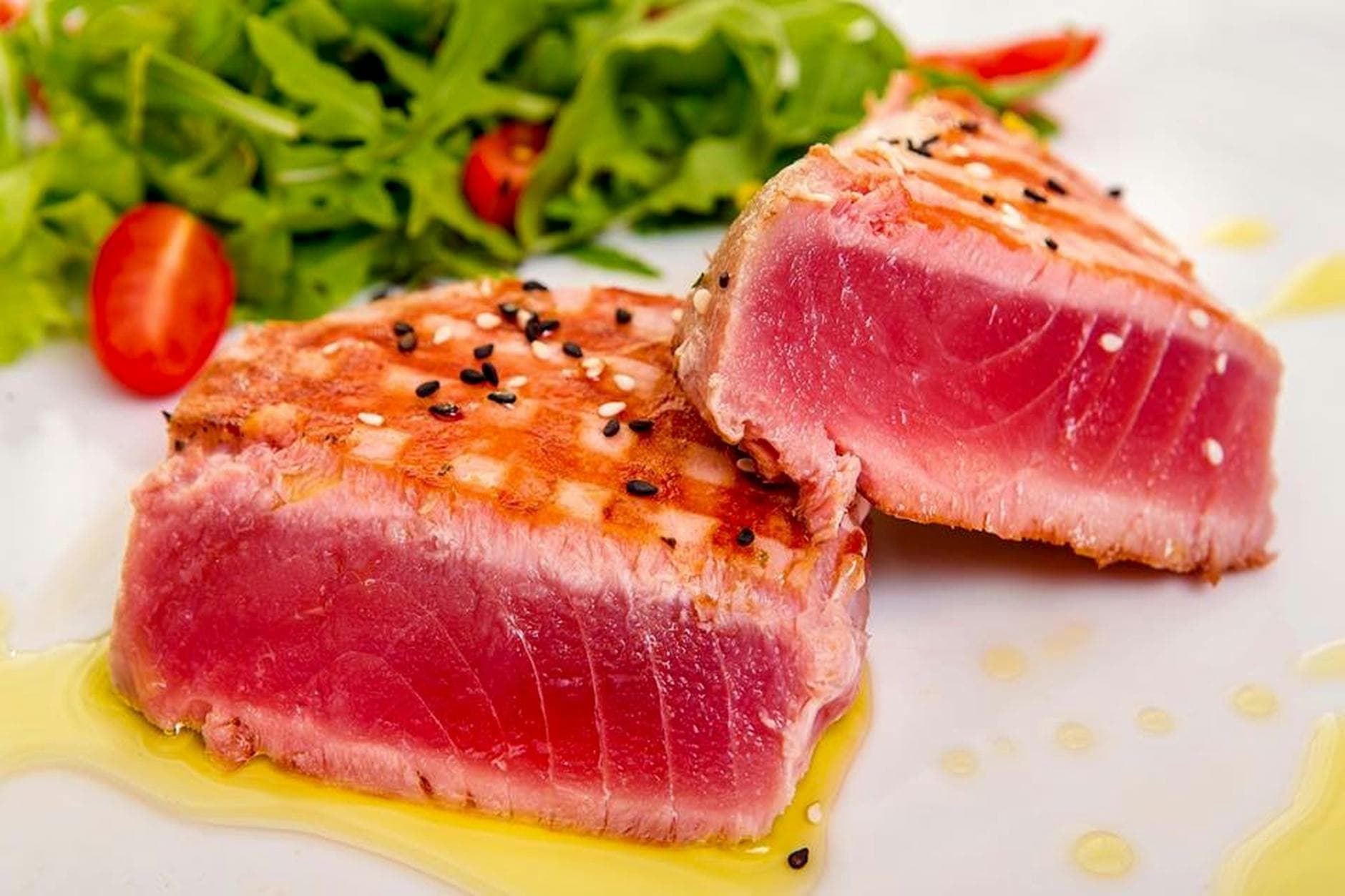
I remember standing in my kitchen, staring blankly at a fridge full of ingredients, feeling utterly defeated. It was about six years ago, and I was trying to navigate the murky waters of the high protein low carb lifestyle. I'd read all the articles, seen the dramatic before-and-after photos, and felt this immense pressure to get it "right." But my meals were bland, my energy levels were all over the place, and honestly, I was just hungry all the time. It felt like a punishment, not a sustainable way of eating. This journey taught me more than just what to eat; it taught me patience, how to listen to my body, and that "healthy" doesn't have to mean "joyless."
The Real Deal with High Protein Low Carb Eating
So, what’s the fuss about high protein low carb? At its core, it’s a dietary approach that emphasizes foods rich in protein while significantly reducing carbohydrate intake. This isn't a new fad; it's a strategy that has resonated with many for its potential to support weight management, improve satiety, and stabilize blood sugar levels. But here's the thing: it's not a magic bullet, and it's certainly not one-size-fits-all. My own experience, and the countless conversations I’ve had with clients since then, have shown me that the success lies in understanding the nuances and tailoring it to your individual needs and preferences.
Why the Buzz?
The appeal is understandable. Protein is incredibly satiating. It helps you feel fuller for longer, which can be a game-changer when you're trying to curb cravings and reduce overall calorie intake. When you pair this with a reduction in carbohydrates, particularly refined ones, you’re often looking at a diet that can lead to significant improvements in how you feel. Think steady energy, not those sugar-fueled highs and lows that leave you crashing by mid-afternoon. This is why many turn to a Low Carb Diet: Your Guide to Weight Loss & Health.
It's More Than Just Cutting Carbs
Many people mistakenly believe that "low carb" simply means avoiding bread and pasta. While those are certainly on the list, it’s a much deeper dive. It involves understanding the different types of carbohydrates, their impact on your body, and making conscious choices about where your energy is coming from. It’s about prioritizing nutrient-dense foods that provide a sustained release of energy and essential vitamins and minerals. This is where the "high protein" aspect becomes crucial; it ensures you're fueling your body with the building blocks it needs for muscle repair, hormone production, and overall metabolic function.
Crafting Your High Protein Low Carb Meals
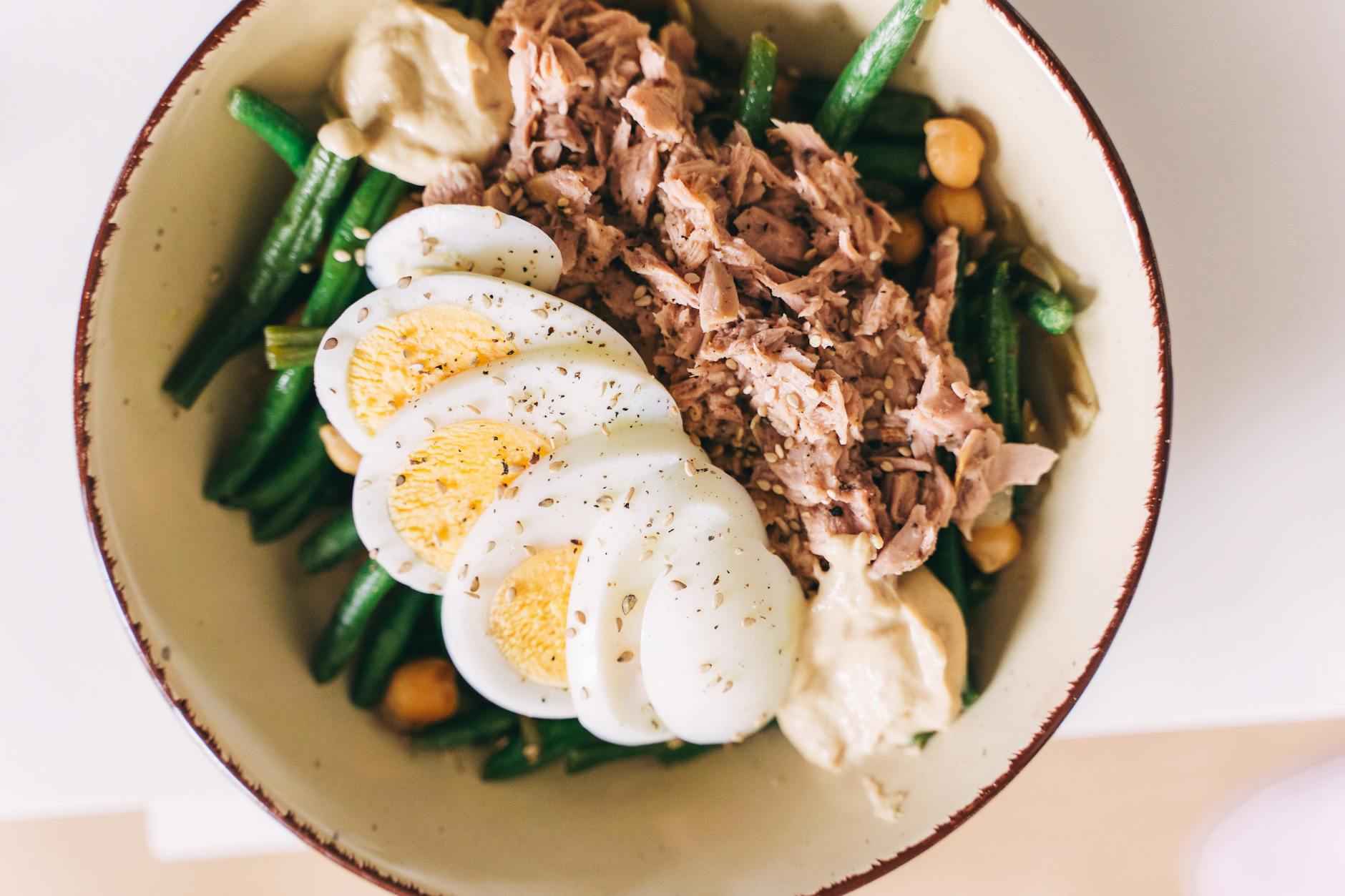
This is where the rubber meets the road. I used to think that high protein low carb meals were destined to be boring, dry chicken breasts and endless salads. Oh, how wrong I was! The culinary possibilities are vast and exciting once you move past the initial restrictive mindset. It’s about understanding flavor profiles, using healthy fats to enhance taste and texture, and embracing a wider variety of protein sources.
Lean Protein is Your Friend
When I talk about protein, I’m not just talking about any protein. I’m talking about quality. Lean protein sources are key to maximizing the benefits without adding unnecessary saturated fats. Think about salmon, chicken breast, turkey, lean cuts of beef, eggs, and even certain plant-based options like tofu and tempeh if you’re incorporating some plant-forward meals. These provide the essential amino acids your body needs to function optimally. I’ve found that incorporating a variety of Protein Fiber Foods: Boost Energy & Feel Full Longer has made a huge difference in my own energy levels.
The Role of Healthy Fats
Don’t fear the fat! Healthy fats are not the enemy. In a high protein low carb diet, they become your best friend for flavor and satiety. Avocado, olive oil, nuts, seeds, and fatty fish are all fantastic additions. They help you feel satisfied, aid in nutrient absorption, and can make your meals truly delicious. A simple grilled chicken breast can be transformed with a drizzle of good olive oil and some fresh herbs, or a dollop of avocado.
Vegetables: The Unsung Heroes
Low carb doesn't mean no vegetables. Far from it! Non-starchy vegetables are packed with fiber, vitamins, and minerals, and they are incredibly low in carbohydrates. Think leafy greens like spinach and kale, cruciferous vegetables like broccoli and cauliflower, bell peppers, zucchini, and asparagus. These add volume, crunch, and essential nutrients to your plate. I often found myself relying on these to bulk up meals and add that satisfying fullness. They are the backbone of many Easy Healthy Dinners: Quick & Delicious Recipes.
The Power of Low Carb High Protein Recipes
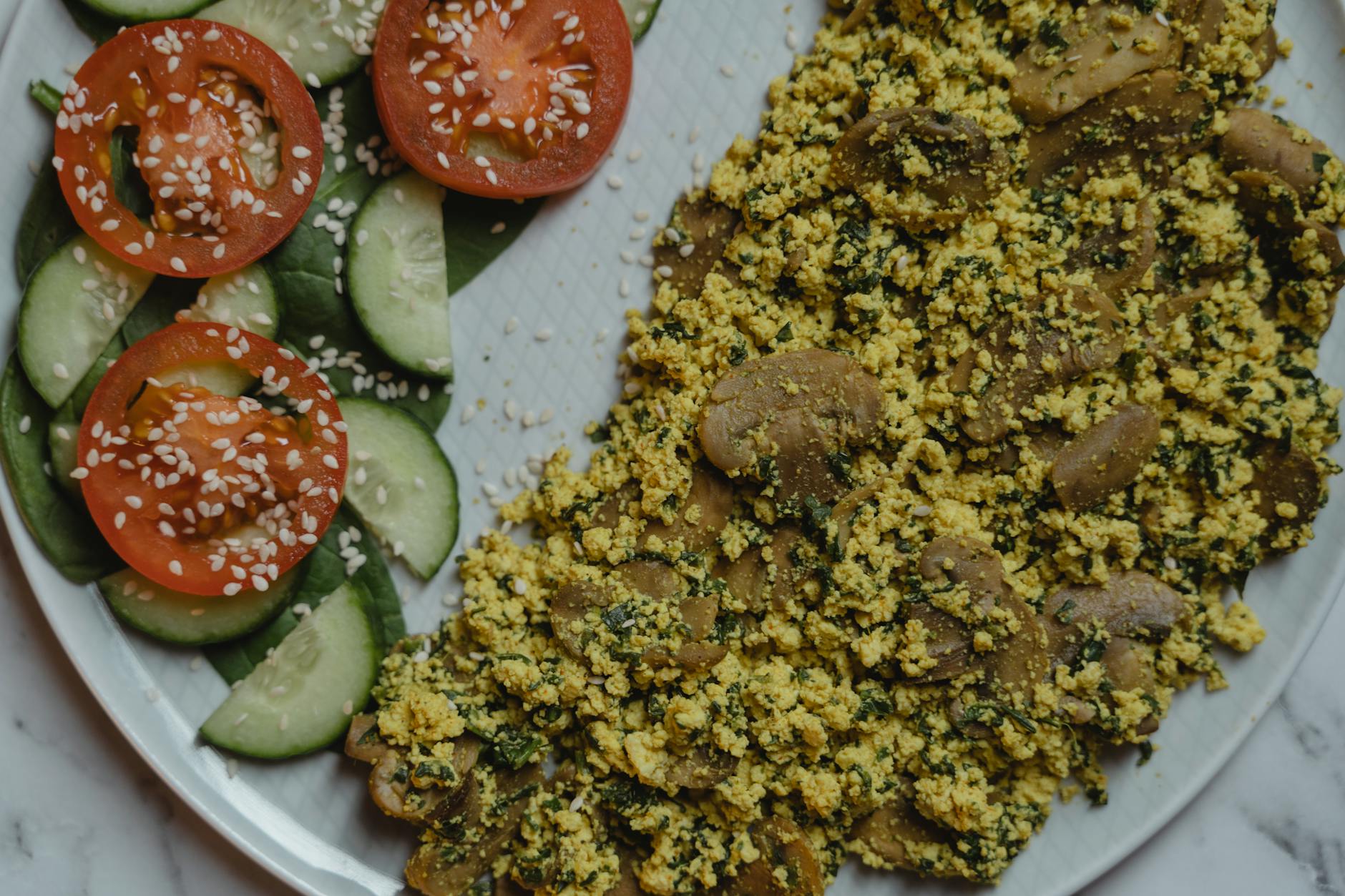
This is where the real magic happens. Moving beyond just "what" to eat, it’s about embracing the "how." Discovering and creating delicious low carb high protein recipes can transform your perception of this eating style from restrictive to abundant. It’s about flavor, satisfaction, and making food that you genuinely look forward to eating.
Breakfast Bliss
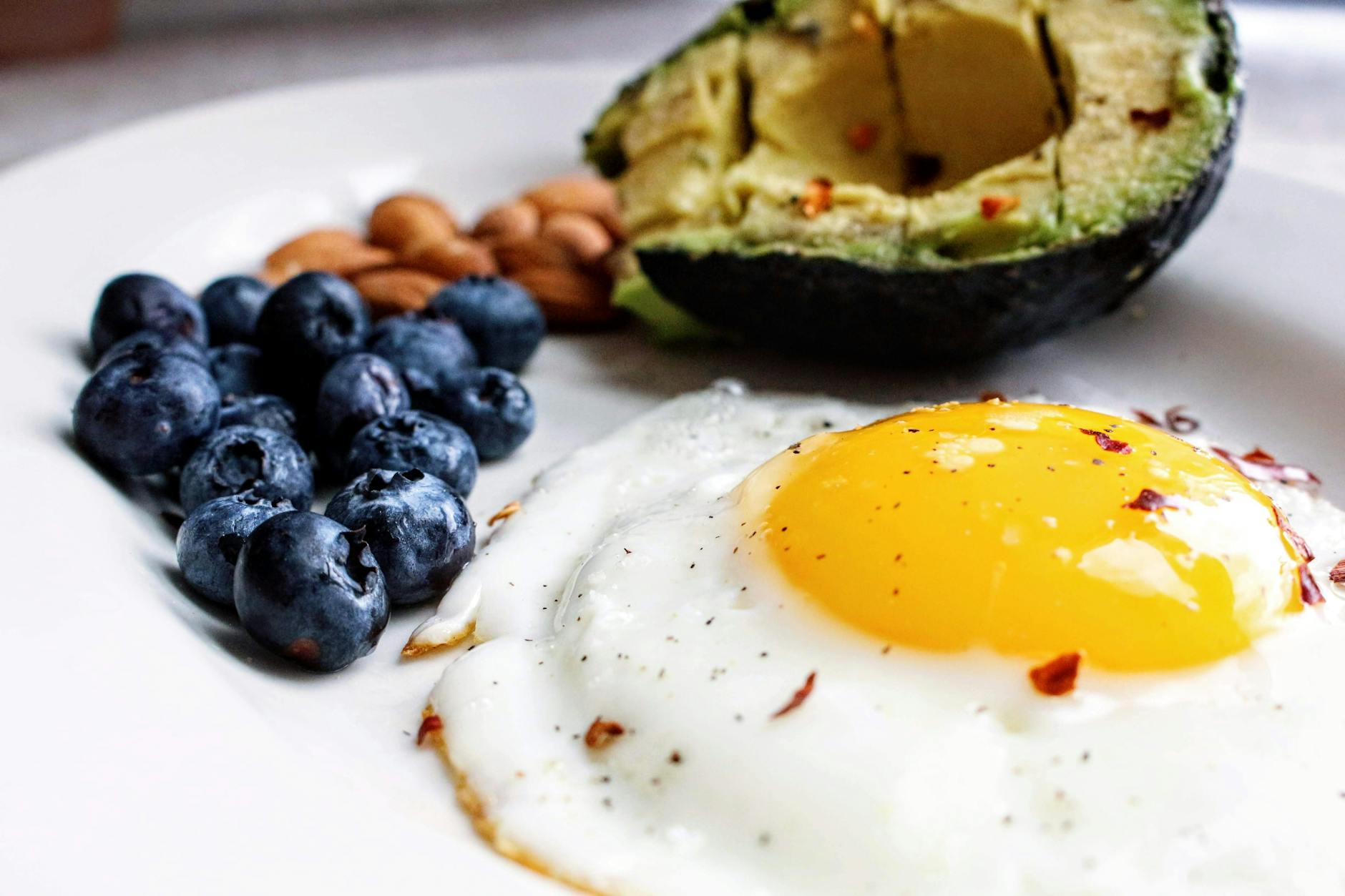
Forget sugary cereals. Mornings can be a powerhouse of protein. Scrambled eggs with spinach and feta, a simple omelet loaded with your favorite veggies, or even a protein-rich smoothie can set you up for the day. I’ll be real with you, my go-to for years was a simple protein shake, but once I started experimenting with things like avocado and berries in my Healthy Smoothie Recipe: Delicious & Easy Blender Ideas, my mornings became so much more enjoyable.
Lunchtime Wins
For lunch, think ahead. Leftovers from dinner are gold. Otherwise, a large salad with grilled chicken or salmon, a hearty tuna salad (made with Greek yogurt instead of just mayo for an extra protein boost), or even lettuce wraps filled with seasoned ground meat are fantastic options. The key is making it substantial enough to keep you going without that dreaded afternoon slump. This is also where Easy Meal Prep Ideas for Busy Weeks become your best friend.
Dinner Delights
Dinners are often the easiest to adapt. Think baked salmon with roasted asparagus, a lean steak with a side of sautéed mushrooms, or chicken stir-fry with plenty of colorful, low-carb vegetables. The trick is to build your meal around a quality protein source and then add your non-starchy vegetables and healthy fats. Many Easy Healthy Dinners: Quick & Delicious Recipes can be easily adapted to be high protein and low carb.
Navigating the High Protein Low Carb Diet
Embarking on a Low Carb Diet: Your Guide to Weight Loss & Health, especially with a focus on high protein, requires more than just a grocery list. It demands a shift in mindset and a commitment to understanding your body’s signals. I’ve seen so many people get discouraged because they try to follow a rigid plan without considering their personal needs.
Understanding Your Macros
For those serious about optimizing their results, understanding macronutrients (macros) is crucial. This involves looking at the balance of protein, carbohydrates, and fats in your diet. While the exact ratios can vary depending on your goals – whether it's weight loss, muscle gain, or simply better energy – having a general idea of your target macros can be incredibly helpful. For weight loss, focusing on a higher protein intake often helps with satiety and preserving muscle mass, which is why macros for weight loss can be so impactful.
Hydration and Electrolytes
This is a point often overlooked, but critically important. When you significantly reduce carbohydrate intake, your body can excrete more water and electrolytes. This can lead to what many call the "keto flu" or "low-carb flu" – symptoms like headaches, fatigue, and irritability. Staying well-hydrated and ensuring adequate intake of electrolytes (sodium, potassium, magnesium) is vital for a smooth transition and sustained well-being. Think about adding a pinch of sea salt to your water or incorporating electrolyte-rich foods.
Listen to Your Body
This is perhaps the most important piece of advice I can give. Your body will tell you what it needs. If you're feeling constantly drained, it might be a sign that you're not eating enough, or perhaps your fat intake is too low, or you're not getting enough electrolytes. If you're experiencing intense cravings, it might mean you need to adjust your meal composition or the types of foods you're eating. This is why I always advocate for a flexible approach to high protein low carb eating, rather than a rigid, one-size-fits-all plan.

Beyond the Plate: The Broader Benefits
While the immediate focus of a high protein low carb approach is often on physical changes like weight management, the ripple effects can be profound. I’ve witnessed firsthand how this way of eating can positively impact mood, cognitive function, and overall vitality. It’s not just about what you see in the mirror; it’s about how you feel in your skin.
Sustained Energy Levels
One of the most significant benefits I’ve experienced and observed is the stabilization of energy. When you’re not riding the blood sugar roller coaster fueled by refined carbohydrates, your energy levels tend to be much more consistent throughout the day. This means fewer energy dips, improved focus, and a greater capacity to tackle your daily tasks. It’s a subtle yet powerful shift that makes a huge difference in your quality of life. You're less likely to reach for sugar free recipes out of desperation.
Improved Satiety and Reduced Cravings
Protein is renowned for its ability to promote satiety. When you prioritize protein in your meals, you're much more likely to feel full and satisfied for longer periods. This, in turn, can significantly reduce cravings for sugary or high-carbohydrate snacks. I used to battle constant cravings, but once I consistently incorporated high-protein meals, those urges diminished dramatically. This is a key reason why many find low carb snacks that are protein-rich to be so effective.
Potential for Metabolic Health Improvements
Research, including studies referenced by organizations like the Harvard Health research on high protein low carb, suggests that diets emphasizing higher protein and lower carbohydrates can have positive effects on metabolic health markers. This can include improvements in blood sugar control and insulin sensitivity. While it's not a cure-all, it can be a powerful tool for individuals looking to support their metabolic well-being. The Centers for Disease Control and Prevention research on high protein low carb also highlights the potential benefits for various health outcomes.
My journey with high protein low carb eating wasn't a straight line. There were missteps, moments of doubt, and plenty of bland meals. But through it all, I learned that the most sustainable approach is one that is nourishing, enjoyable, and adaptable. It's about finding that sweet spot where you feel your best, both physically and mentally. Don't be afraid to experiment, to listen to your body, and to find the best high protein low carb recipes that truly resonate with you. Your health is a continuous exploration, and this way of eating can be a remarkable chapter in that story.