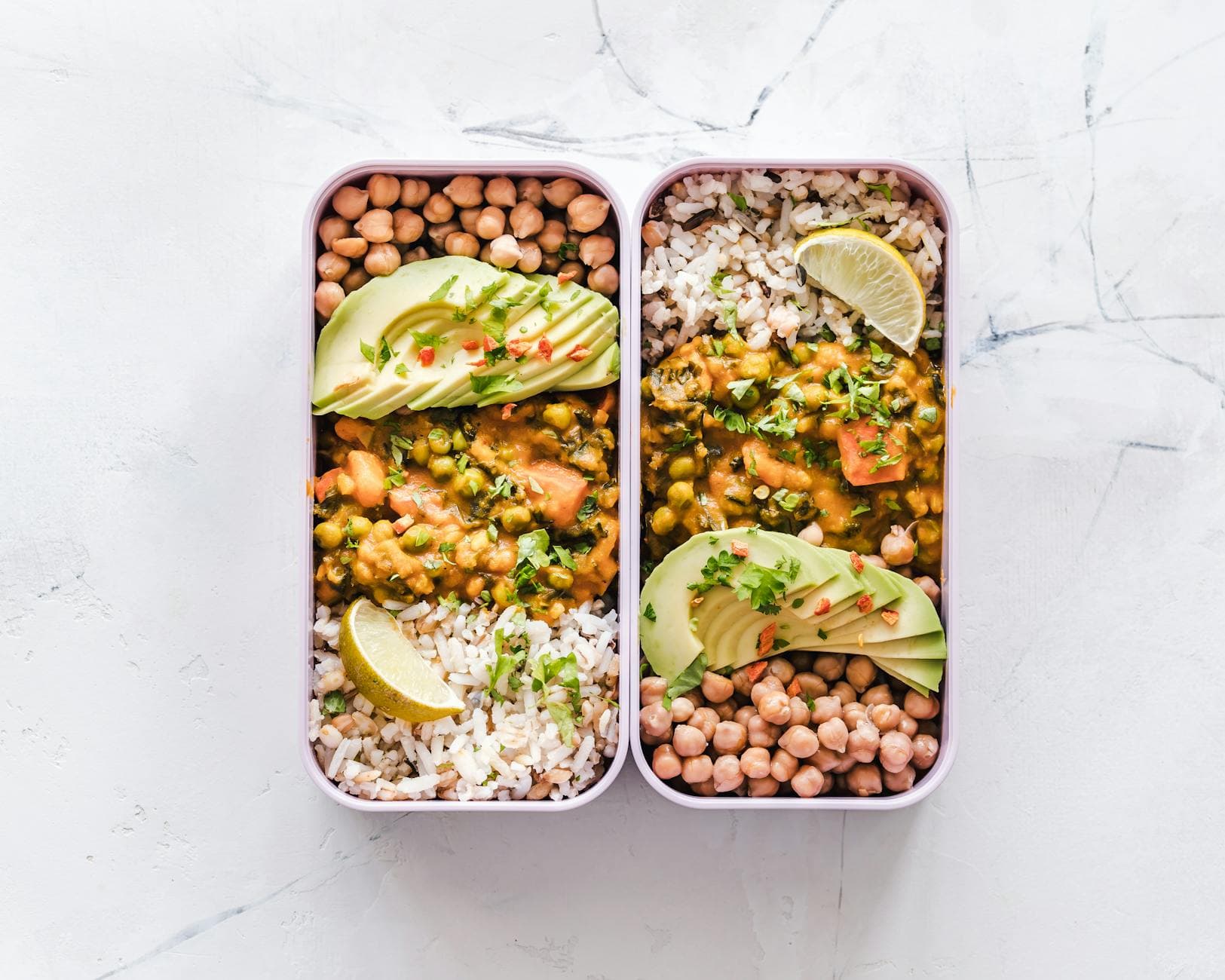
Did you know that many people think they're eating enough protein and fiber, but they're actually falling short on both? It's a common misconception, and it's costing them in terms of energy, satiety, and overall health. The truth is, combining these two powerhouse nutrients in your diet, through what I call protein fiber foods, is one of the most effective strategies for sustainable wellness. Forget fad diets and restrictive eating; embracing foods rich in both protein and fiber is the foundation of a truly nourishing lifestyle.
The Underrated Duo: Why Protein and Fiber Matter
For years, we've heard about protein for muscle building and fiber for digestion. But the synergy between them is where the real magic happens. When you consume foods that offer both, you're not just ticking boxes on a nutrient list; you're creating a powerful combination that impacts your body in profound ways.
Fueling Your Body, Sustaining Your Energy
Protein is the building block of life, essential for everything from muscle repair to hormone production. Fiber, on the other hand, plays a crucial role in digestion and helps regulate blood sugar. Together, they create a slow-release energy system that keeps you going without the dreaded afternoon slump.
The Satiety Factor: Feeling Full and Satisfied
This is where protein fiber foods truly shine. Protein takes longer to digest than carbohydrates, and fiber adds bulk, making you feel fuller for longer. Think about the last time you had a meal packed with lean protein and plenty of vegetables – you likely felt satisfied for hours, right? That's the power of this dynamic duo at work. It helps curb cravings and can be a game-changer for weight management.
Beyond the Basics: Deeper Health Benefits
The advantages extend far beyond just feeling full. Consuming a diet rich in protein fiber foods has been linked to improved heart health by helping to manage cholesterol levels, and it's a cornerstone for effective blood sugar control foods. Research published by the World Health Organization research on protein fiber foods consistently highlights the importance of these nutrients for metabolic health.
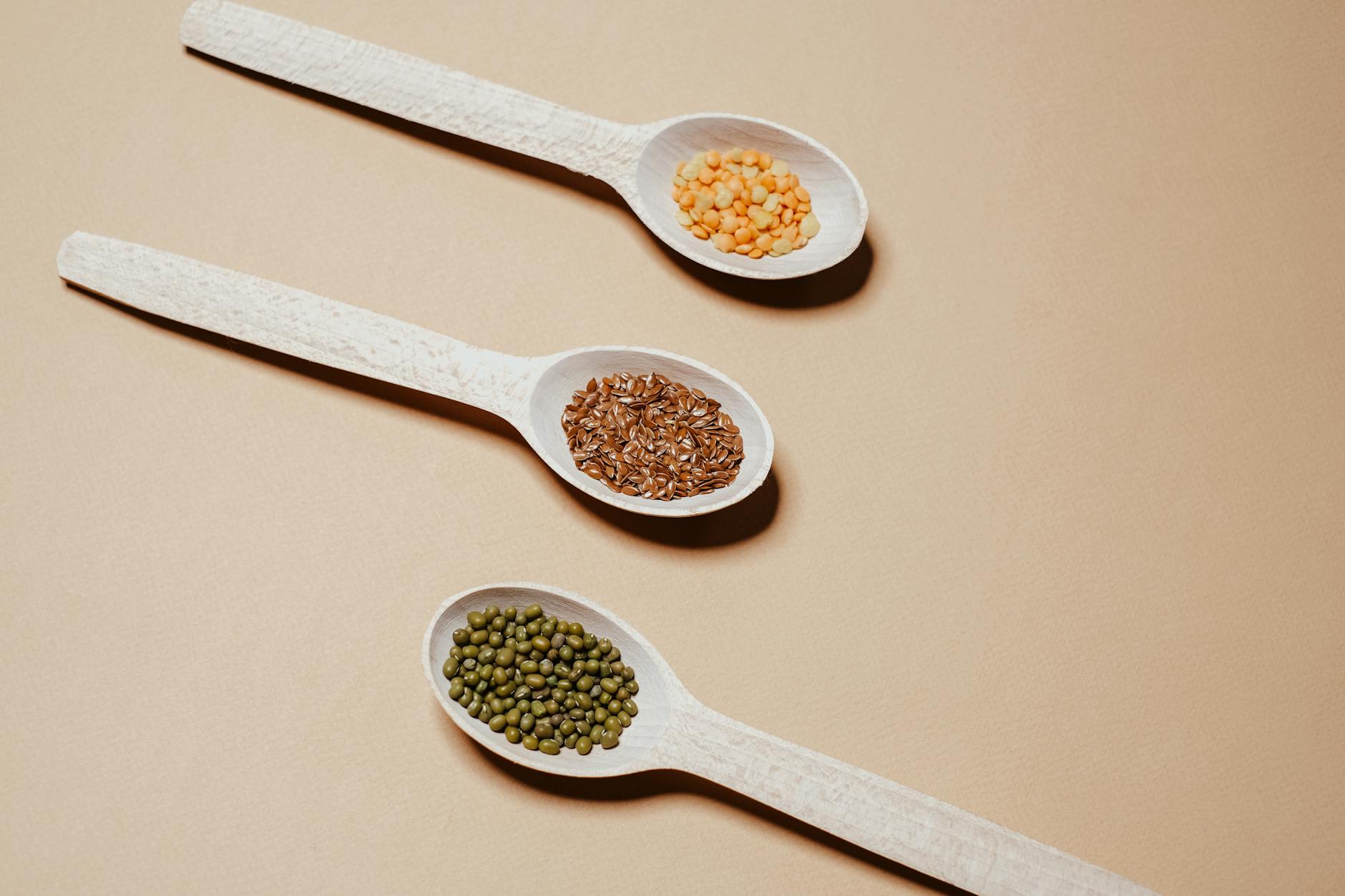
Discovering the Best Protein and Fiber Foods
So, what exactly are these miraculous protein fiber foods? The good news is, they're not exotic or hard to find. Many are staples in healthy diets worldwide. The key is to be intentional about incorporating them into your meals and snacks.
Plant-Based Powerhouses
For my vegetarian and vegan friends, you're in luck! The world of plant-based protein fiber is incredibly diverse and delicious. Legumes, in particular, are nutritional champions.
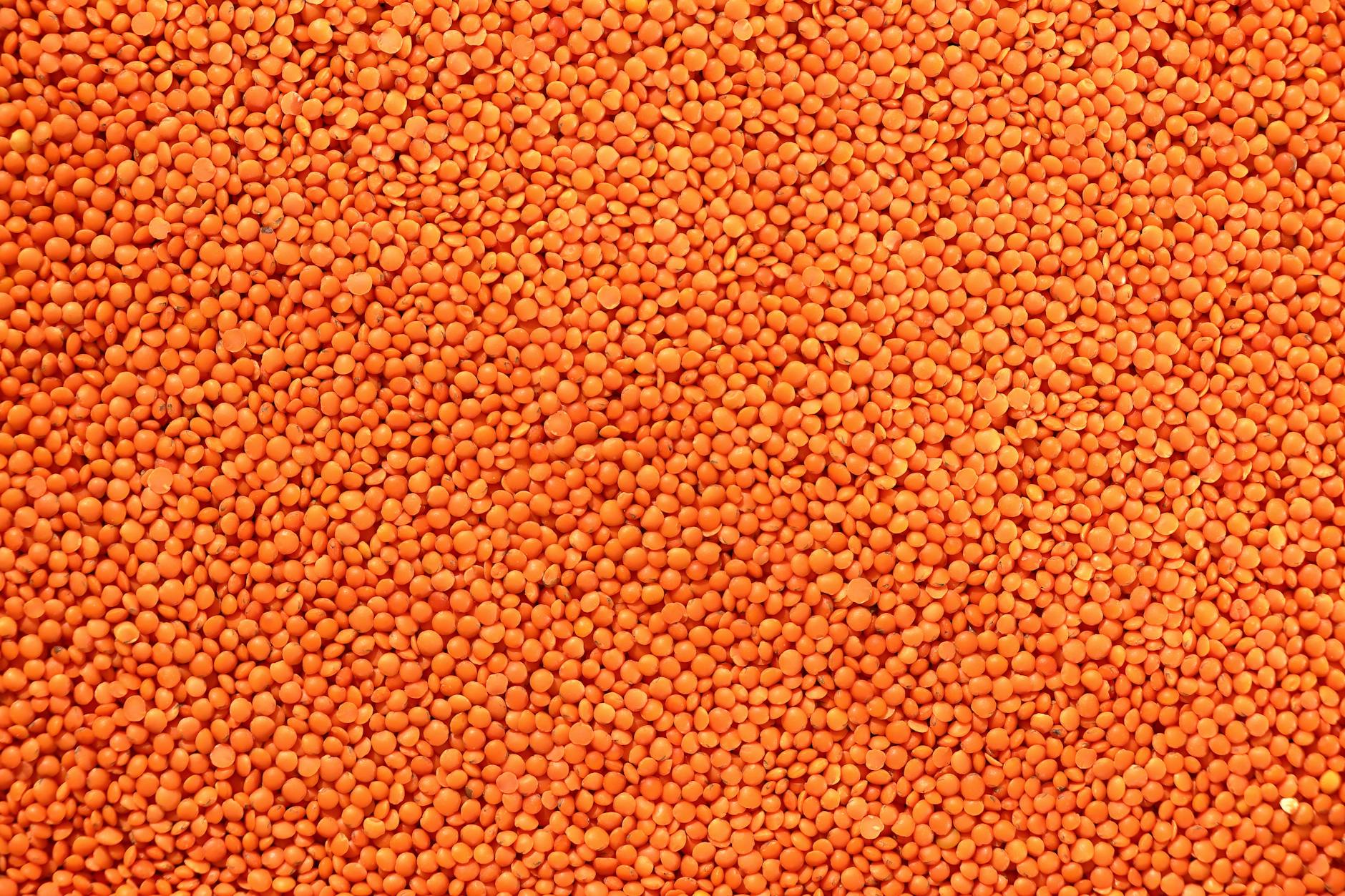
- Lentils: These tiny powerhouses are packed with both protein and soluble fiber, making them incredibly filling and great for heart health. A single cup of cooked lentils can provide around 18 grams of protein and 15 grams of fiber.
- Beans (Black Beans, Kidney Beans, Chickpeas): Versatile and affordable, beans are a fantastic source of plant-based protein and a significant amount of fiber. They're perfect for salads, soups, chilis, and dips.
- Edamame: These young soybeans are a complete protein and offer a good dose of fiber. They're a perfect snack or addition to stir-fries.
- Quinoa: Often mistaken for a grain, quinoa is actually a seed and a complete protein. It also provides a decent amount of fiber, making it a superior carbohydrate source.
Animal-Based Protein Fiber Sources
If you include animal products in your diet, there are excellent options that naturally combine protein and fiber, especially when paired with fiber-rich sides.
- Salmon: While not high in fiber itself, salmon is a top-tier lean protein source and rich in omega-3 fatty acids. Pairing it with a large serving of roasted vegetables or a side salad dramatically boosts the fiber content of your meal.
- Chicken Breast: Another lean protein staple, chicken breast is best enjoyed with whole grains and a generous portion of vegetables to create a balanced protein fiber meal.
- Eggs: A complete protein powerhouse, eggs are incredibly versatile. While they contain no fiber, they serve as an excellent protein base for meals that can easily incorporate fiber-rich accompaniments like spinach, whole-wheat toast, or avocado.
Nuts and Seeds: Small but Mighty
Don't underestimate the power of these little nutrient-dense snacks. They offer a fantastic combination of protein, fiber, and healthy fats.
- Almonds: A handful of almonds provides a good crunch, protein, and fiber, plus essential vitamins and minerals.
- Chia Seeds: These tiny seeds are fiber superstars, absorbing liquid to form a gel. They also offer a surprising amount of protein and are a fantastic addition to smoothies or overnight oats.
- Flaxseeds: Similar to chia seeds, flaxseeds are rich in fiber and omega-3s. Grinding them makes their nutrients more accessible.
- Pumpkin Seeds: A great source of protein, fiber, and magnesium, pumpkin seeds are a satisfying snack.
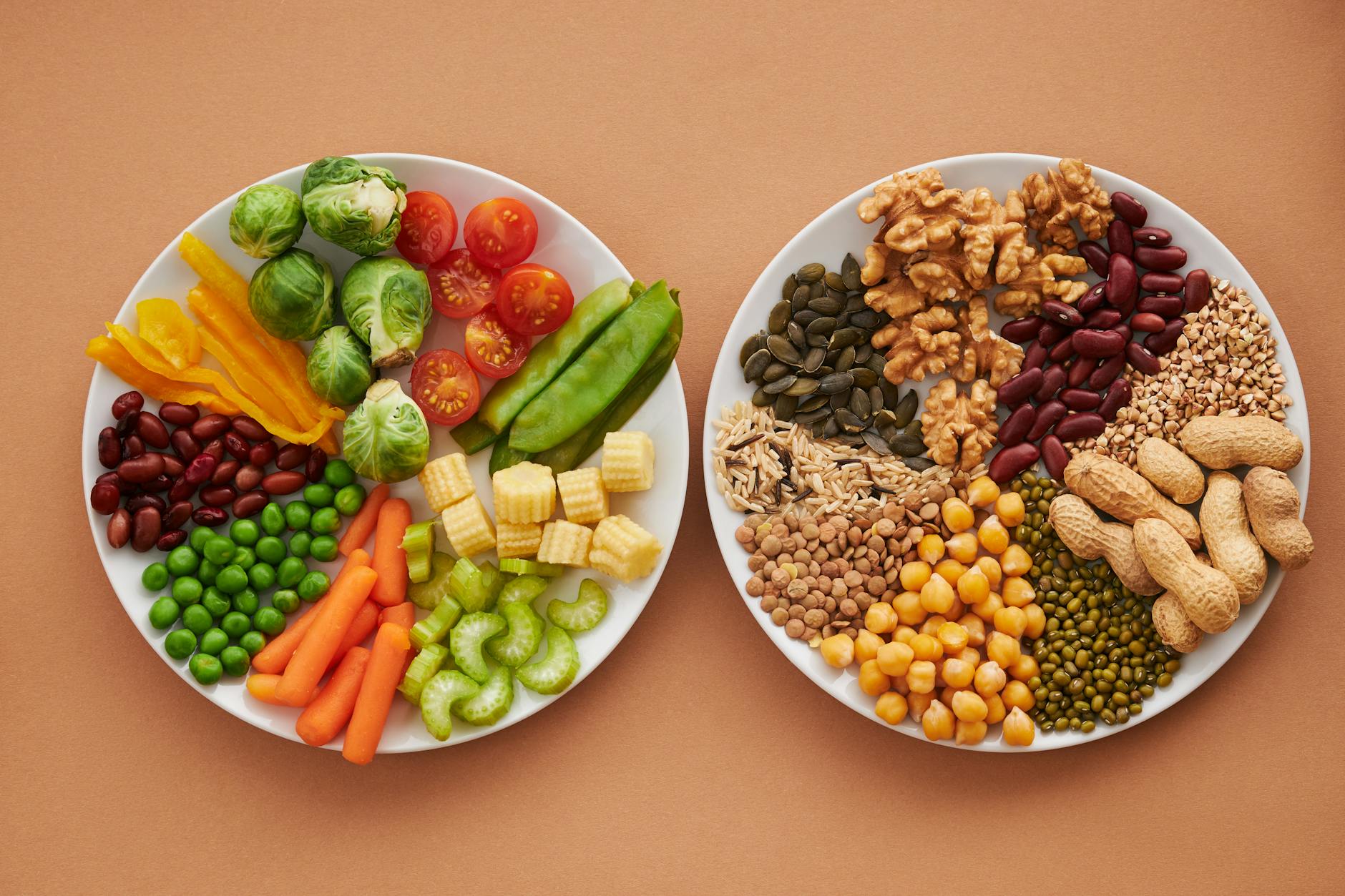
Crafting Protein Fiber Meal Ideas
Knowing the foods is one thing; putting them into practice is another. Here's how to build meals that are satisfying, nutritious, and delicious.
Breakfast Bliss: Starting Your Day Right
Mornings can be rushed, but a well-planned breakfast sets the tone for the entire day. The goal is to avoid the sugary cereals that lead to energy crashes.
- Overnight Oats with Berries and Nuts: Combine rolled oats with milk (dairy or plant-based), chia seeds, and a scoop of protein powder. Top with fresh berries and a sprinkle of almonds in the morning. This is one of my favorite healthy smoothies components, actually!
- Scrambled Eggs with Spinach and Whole-Wheat Toast: Two to three eggs scrambled with a generous handful of spinach, served alongside a slice of whole-wheat toast and a side of avocado.
- Greek Yogurt Parfait: Layer plain Greek yogurt (high in protein) with a handful of mixed berries and a tablespoon of chopped walnuts or pumpkin seeds.
Lunchtime Wins: Fueling Your Afternoon
Lunch is often where people make compromises. A balanced lunch can prevent that mid-afternoon energy dip and keep you focused.
- Lentil Soup with a Side Salad: A hearty bowl of homemade lentil soup, packed with vegetables, is a complete meal. Pair it with a fresh green salad with a light vinaigrette.
- Quinoa Salad with Black Beans and Corn: A vibrant salad featuring cooked quinoa, black beans, corn, diced bell peppers, and a lime-cilantro dressing. This is a fantastic example of foods rich in protein and fiber.
- Chicken or Chickpea Salad Lettuce Wraps: Use shredded chicken breast or mashed chickpeas mixed with Greek yogurt or avocado, celery, and onion. Serve in crisp lettuce cups instead of bread for a lower-carb, higher-fiber option.
Dinner Delights: Satisfying and Nourishing
Dinner is your last chance to load up on these essential nutrients before bed. Aim for a balanced plate that leaves you feeling content, not stuffed.
- Baked Salmon with Roasted Broccoli and Sweet Potato: A classic for a reason. The omega-3s from salmon, the fiber from broccoli, and the complex carbs from sweet potato create a wonderfully balanced meal.
- Chicken Stir-fry with Brown Rice and Mixed Vegetables: Lean chicken breast stir-fried with a medley of colorful vegetables like broccoli, snap peas, carrots, and bell peppers, served over a bed of brown rice.
- Vegetarian Chili: A hearty chili made with kidney beans, black beans, pinto beans, diced tomatoes, onions, and spices. It’s a true comfort food that’s also incredibly nutritious.
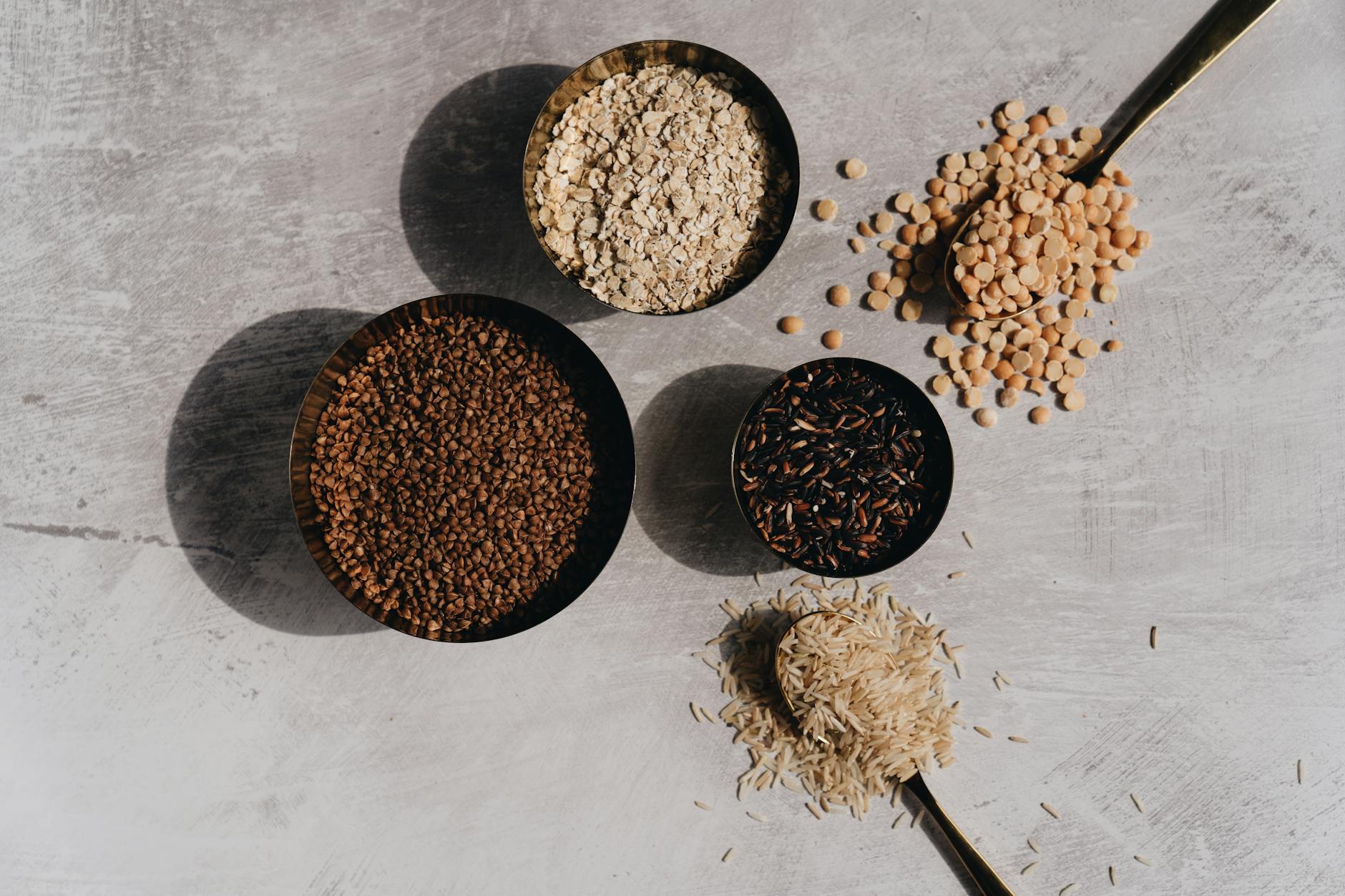
What Nobody Tells You About Protein Fiber Foods
Here's the truth: while the benefits are immense, there's a learning curve. You might be wondering why some people experience digestive discomfort when increasing their intake of high protein high fiber foods. It's usually because they increase them too quickly. Our digestive systems need time to adjust to a higher fiber load. Start gradually, drink plenty of water, and listen to your body. This approach ensures you reap the rewards without the discomfort.
The Gradual Approach is Key
If you're currently eating a diet low in fiber, don't suddenly switch to a diet packed with beans and whole grains overnight. You'll likely experience bloating and gas. Instead, slowly incorporate more fiber-rich foods over a few weeks. Add one serving of legumes or whole grains per day, and see how your body responds. This gentle transition is crucial for long-term success.
Hydration is Non-Negotiable
Fiber absorbs water. This is fundamental to how it works in your digestive tract, helping to create soft, bulky stools and preventing constipation. If you're increasing your fiber intake without increasing your water intake, you're setting yourself up for problems. Aim for at least 8 glasses of water a day, and more if you're active or in a hot climate.
Listen to Your Body's Cues
Everyone's digestive system is unique. What works perfectly for one person might not be ideal for another. Pay attention to how different foods make you feel. Some individuals might find certain high-fiber foods more challenging to digest than others. This doesn't mean you have to avoid them entirely, but it might mean adjusting portion sizes or how you prepare them. For example, cooking beans thoroughly or soaking them overnight can make them easier to digest.
The Long-Term Impact of Protein and Fiber
Embracing protein fiber foods isn't just about short-term weight management or feeling full. It's about investing in your long-term health. The consistent intake of these nutrients contributes to a healthier gut microbiome, which is increasingly recognized as vital for overall well-being, impacting everything from immunity to mood. Research from the National Institutes of Health research on protein fiber foods continues to unveil the intricate connections between diet and health outcomes.
Gut Health and Beyond
A diverse and healthy gut microbiome is linked to a stronger immune system, better mental health, and even reduced inflammation. Foods rich in both protein and fiber, particularly plant-based options, act as prebiotics, feeding the beneficial bacteria in your gut. This is why prioritizing digestive health foods like lentils, beans, and whole grains is so important.
Managing Chronic Diseases
The role of protein and fiber in managing and preventing chronic diseases cannot be overstated. Their combined effect on blood sugar regulation makes them invaluable for individuals managing or at risk of type 2 diabetes. Furthermore, their impact on cholesterol levels contributes to better cardiovascular health, aligning with recommendations from organizations like the Mayo Clinic research on protein fiber foods.
Ultimately, making protein fiber foods a cornerstone of your diet is a simple yet profoundly effective strategy for enhancing your health, energy levels, and overall well-being. It's about nourishment, not restriction, and the rewards are truly transformative.