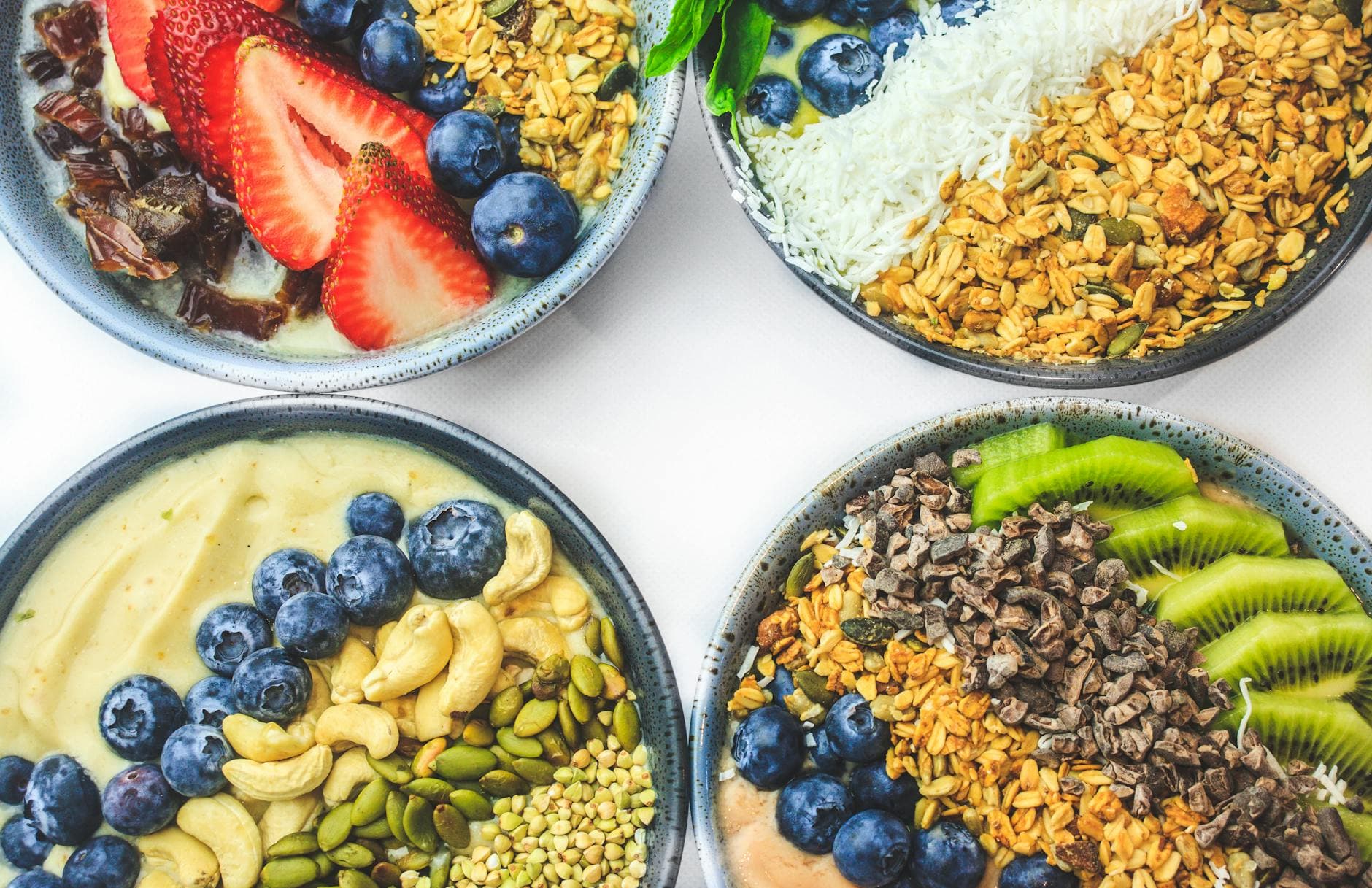
Imagine this: It’s 7 AM. The sun is just peeking over the horizon, painting the sky in soft hues of orange and pink. You’re standing in your kitchen, the quiet hum of the refrigerator your only companion. Your stomach rumbles, a gentle reminder that you need fuel for the day ahead. But the thought of a heavy breakfast feels… much. You crave something refreshing, something that will energize you without weighing you down. This is where a well-crafted healthy smoothie recipe truly shines.
The Art of the Perfect Healthy Smoothie Recipe
Why Smoothies Get a Bad Rap (and How to Fix It)
Honestly, I get it. You might think of smoothies as just blended fruit, a sugar bomb disguised as health food. And sometimes, that’s exactly what they are. I’ve had my share of overly sweet, vaguely nutritious concoctions that left me feeling more sluggish than before. The key isn't just to throw things in a blender; it's about understanding the balance, the ingredients, and what your body actually needs. This isn't about deprivation; it's about smart, delicious choices that support your well-being. When you nail it, a healthy smoothie recipe is a game-changer.
Your Personal Smoothie Blueprint
Think of building a healthy smoothie like building a house. You need a solid foundation, strong walls, and a functional roof. In smoothie terms, that means understanding the core components. For a truly nourishing blend, we’re looking for a good mix of macronutrients: carbohydrates for energy, protein for satiety and muscle repair, and healthy fats for hormone production and sustained energy. Fiber is also a crucial player, aiding digestion and keeping you feeling full. This careful assembly is what elevates a simple drink into a nutritional powerhouse.
The “Best” Smoothie Recipe is Your Smoothie Recipe
Here’s the thing: there isn't one single "best smoothie recipe" for everyone. What’s perfect for me might not be perfect for you. Your needs change based on your activity level, your goals, and even the time of day. The beauty of a smoothie is its adaptability. It’s a canvas for your creativity and your nutritional requirements. So, while I’ll share a fantastic go-to recipe with you, the real goal is for you to understand the principles so you can create your own signature blends. This is about empowerment, not just following instructions.
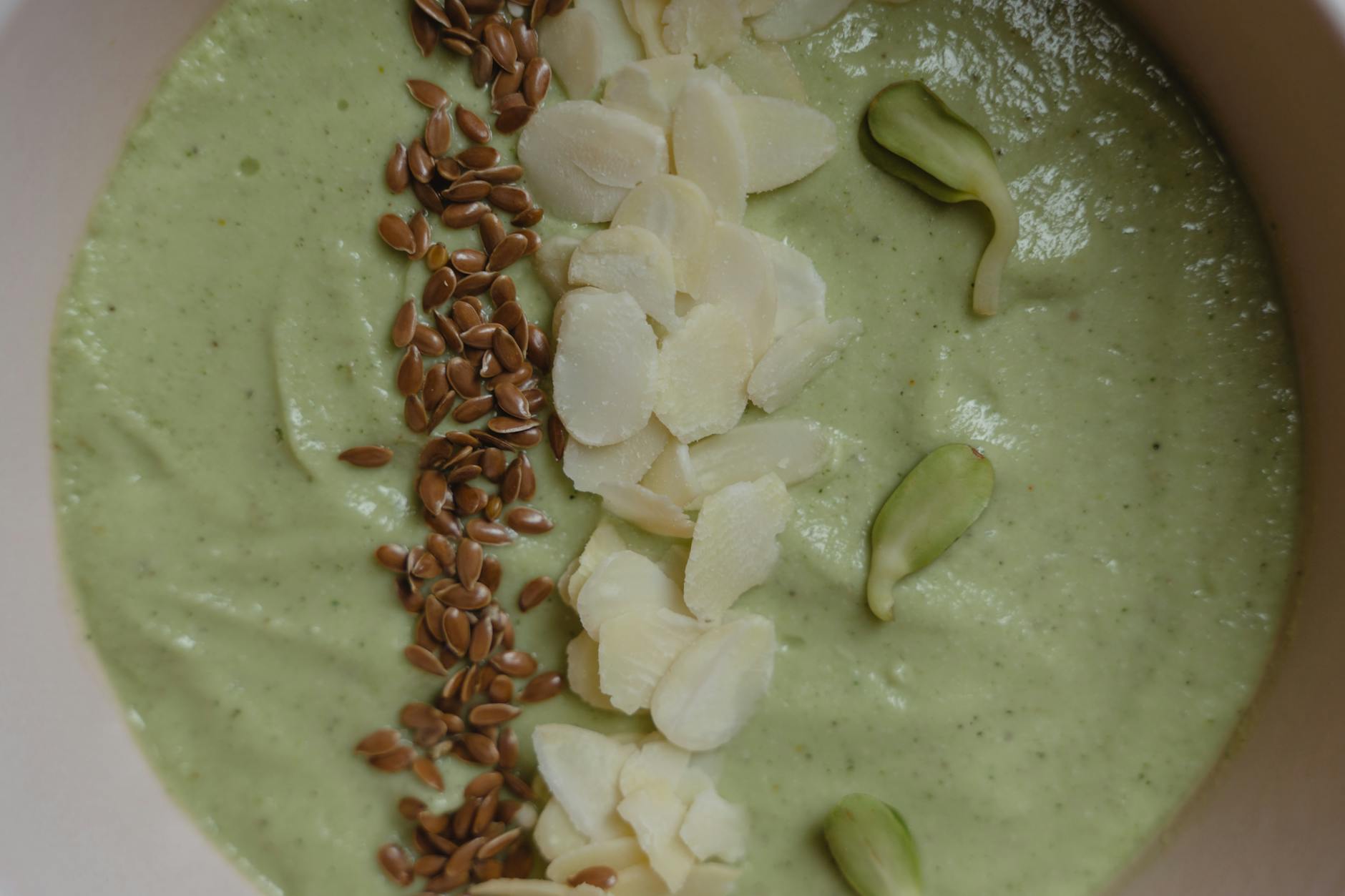
Building Blocks of a Nutrient-Dense Smoothie
The Liquid Base: More Than Just Water
Your liquid base sets the tone. While water is an option, it can sometimes make a smoothie feel a bit… thin. Unsweetened almond milk, coconut milk, or oat milk are excellent choices for a creamy texture and a subtle flavor without adding excessive sugar. For an extra protein boost, consider kefir or plain Greek yogurt. Even unsweetened green tea can be a surprisingly refreshing and antioxidant-rich base. I’ve found that using a combination, like half almond milk and half water, often hits that perfect sweet spot for consistency.
Fruits: Nature's Sweetness and Vitamins
Fruits are fantastic for flavor, sweetness, and a host of vitamins and antioxidants. Berries are my personal favorites – they’re packed with antioxidants and lower in sugar compared to some other fruits. Bananas add creaminess and potassium, but use them wisely if you're watching your sugar intake. Mango, pineapple, and peaches bring a tropical flair. A good rule of thumb is to aim for about one cup of fruit per serving, and try to incorporate at least one low-glycemic option like berries. This balance prevents blood sugar spikes and crashes.
Vegetables: The Sneaky Nutrient Powerhouse
This is where many people shy away, but trust me, you often can’t even taste them! Spinach is the undisputed champion for beginners. It’s mild, blends beautifully, and is loaded with vitamins A, C, and K, plus iron. Kale is another excellent choice, though it has a slightly stronger flavor. If you’re feeling adventurous, try a bit of cucumber for hydration, or even a small piece of cooked beet for an earthy sweetness and vibrant color. Adding a handful or two of greens is one of the easiest ways to boost the nutritional profile of any smoothie. It’s a fantastic way to sneak in those vital nutrients, and it’s a cornerstone of any healthy smoothie recipe.
Protein Power: For Sustained Satiety
Protein is crucial for feeling full and satisfied, which is especially important if your smoothie is a meal replacement or post-workout recovery drink. Plain Greek yogurt is a readily available and excellent source. Protein powders – whether whey, plant-based (like pea or hemp), or collagen peptides – are also popular options. Be mindful of added sugars in some protein powders; opt for unflavored or naturally sweetened varieties. Nuts and seeds, like chia seeds, flax seeds, or a tablespoon of almond butter, also contribute protein and healthy fats.
Healthy Fats: The Uns-Sung Heroes
Don’t fear the fat! Healthy fats are essential for nutrient absorption and keeping you satisfied for longer. Avocado is a secret weapon for creating an incredibly creamy texture and adding monounsaturated fats. A tablespoon of chia seeds or flax seeds not only adds fiber but also omega-3 fatty acids. Nut butters, like almond or peanut butter, offer a delicious flavor boost along with healthy fats and a bit of protein. Just a small amount goes a long way in transforming your smoothie from good to great.
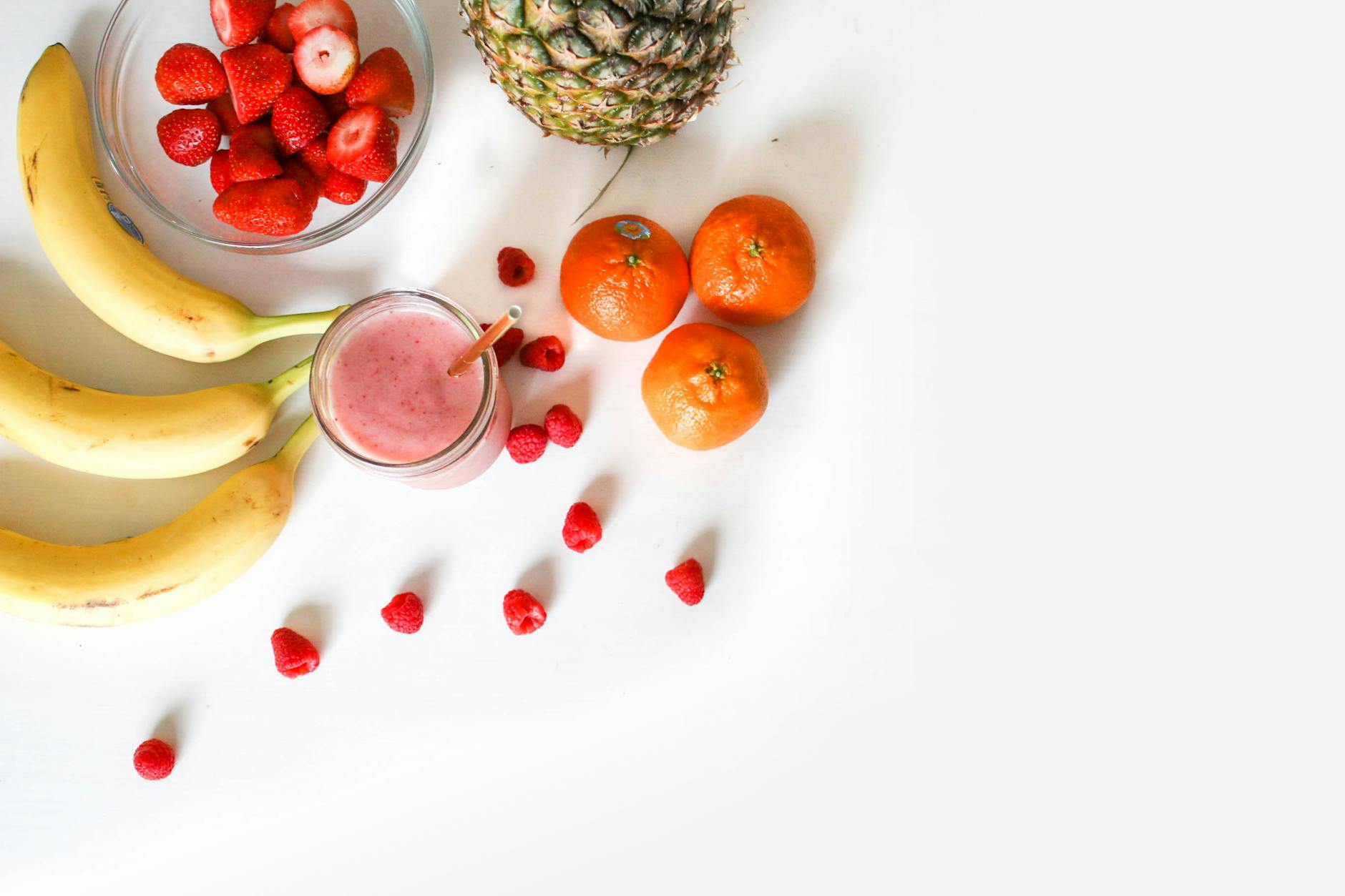
My Go-To Healthy Smoothie Recipe: The “Energizer”
The Foundation: Liquid and Greens
For this easy smoothie recipe, I start with 1 cup of unsweetened almond milk. Then, I pack in about 1.5 to 2 cups of fresh spinach. You really won’t taste it, I promise! This forms the nutrient-rich base that keeps things light and vibrant.
Fruity Sweetness and Creaminess
Next, I add about 1/2 cup of mixed berries (frozen works wonderfully for a thicker, colder smoothie) and 1/2 a ripe banana. The banana adds natural sweetness and that satisfying creamy texture that makes you feel like you’re indulging.
The Protein and Fat Boost
To keep me full for hours, I add 1 scoop of unflavored or vanilla protein powder (whey or plant-based, depending on my mood) and 1 tablespoon of almond butter. The almond butter is key for that rich, nutty flavor and sustained energy. A tablespoon of chia seeds also goes in here for added fiber and omega-3s.
Optional Add-ins for Extra Punch
Sometimes, I’ll throw in a few ice cubes if I’m not using frozen fruit. A sprinkle of cinnamon can add warmth and flavor. If I’m feeling a bit under the weather, a small piece of fresh ginger can be a game-changer. This is where you can really customize it to your liking!
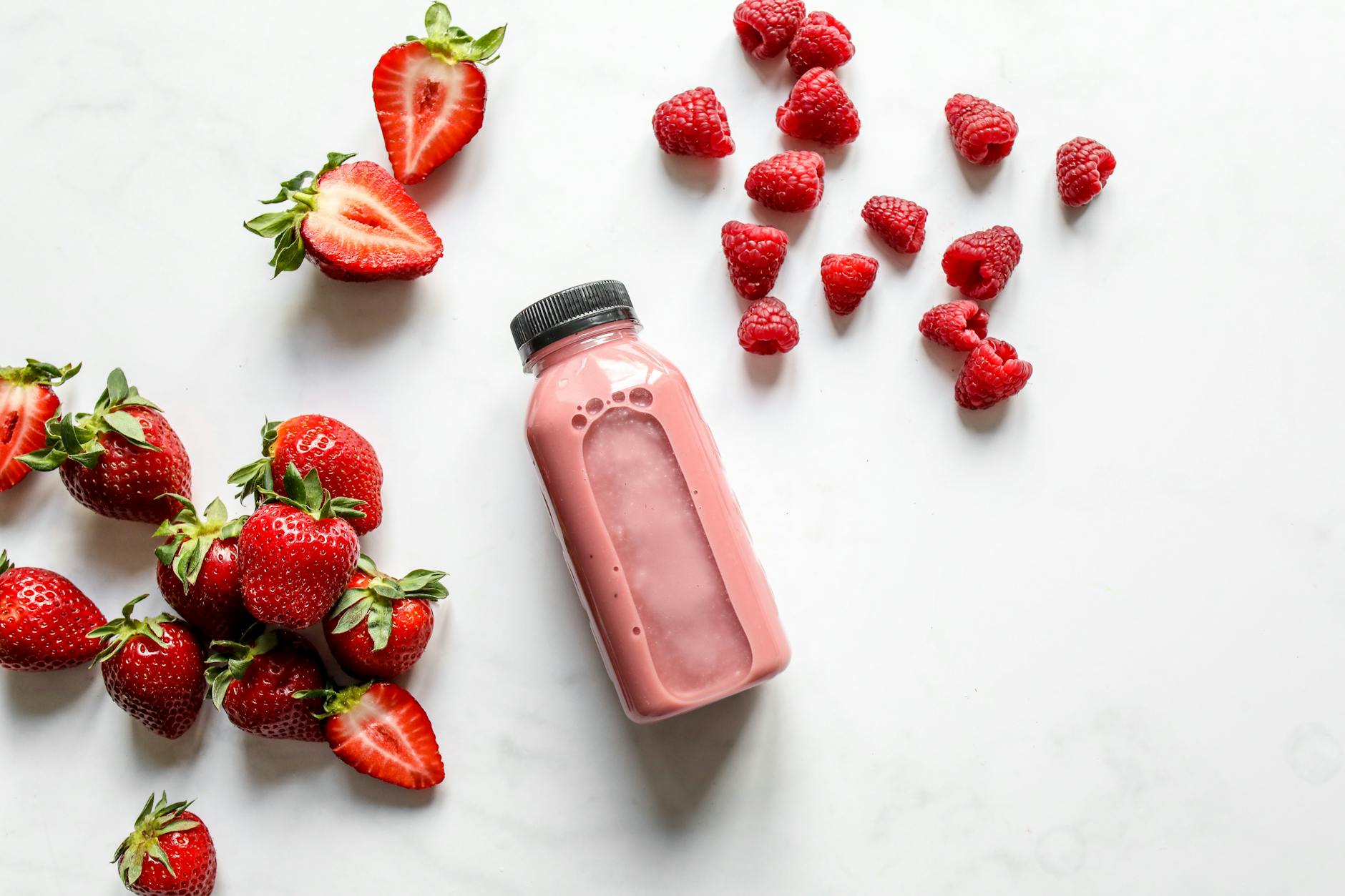
Tips for Making the Best Smoothie Every Time
The Order Matters: Smoothie Blender Secrets
If you have a less powerful smoothie blender, the order in which you add ingredients can make a difference. Start with your liquid base, then add softer ingredients like spinach and fruit. Follow with harder ingredients like ice or frozen fruit, and finally, add any powders or nut butters. This helps the blades catch everything and blend smoothly, preventing those annoying chunks. High-powered blenders are more forgiving, but it’s still good practice.
Frozen vs. Fresh: What's the Difference?
Frozen fruit is fantastic for creating a thick, ice-cream-like texture without diluting the flavor with ice. I often buy bags of frozen berries, spinach, or even pre-portioned fruit blends. Fresh fruit is also great, but you might need to add a few ice cubes to achieve that desired coldness and consistency. Don’t be afraid to experiment with both!
Sweetness: Natural is Best
My philosophy is to let the fruit do most of the sweetening. If you find your smoothie isn't sweet enough, try adding a few dates, a drizzle of honey or maple syrup, or a splash of stevia. Avoid artificial sweeteners, as they can have their own set of health implications. Remember, the goal is a healthy smoothie recipe, not a dessert masquerading as one.
Portion Control: Even Healthy Foods Have Calories
It’s easy to get carried away, especially when your smoothie tastes so good! Be mindful of your portion sizes, especially with calorie-dense ingredients like nut butters, avocados, and high-sugar fruits. If you’re using a smoothie for weight loss, paying attention to these additions is crucial. The National Institutes of Health research on healthy smoothie recipe often highlights the importance of calorie awareness, even with whole foods.
Beyond the Basic: Smoothies for Specific Goals
The Smoothie Diet: A Balanced Approach
The concept of a "smoothie diet" often gets a bad rap for being too restrictive. However, when approached as part of a balanced eating plan, smoothies can be incredibly effective. Replacing one or two meals with a nutrient-dense smoothie can be a great way to control calorie intake and ensure you're getting a good dose of vitamins and minerals. Just ensure the smoothies are well-rounded, containing protein, healthy fats, and fiber to keep you satisfied and prevent overeating later. It’s about smart substitutions, not just liquid restriction. This is where understanding the core components of a healthy smoothie recipe becomes paramount.
Smoothie for Weight Loss: Fueling Your Journey
For weight loss, the key is creating a smoothie that is filling and nutrient-dense without being excessively high in calories. Focus on low-sugar fruits, plenty of greens, a good source of protein (like Greek yogurt or protein powder), and healthy fats. Avoid added sugars and large quantities of high-calorie fruits. A smoothie rich in fiber and protein can help curb cravings and keep you feeling satisfied between meals, which is a major win when trying to shed pounds. The Mayo Clinic research on healthy smoothie recipe often points to satiety as a key factor in successful weight management.
Protein Smoothie: Muscle Recovery and Growth
If your goal is muscle building or recovery after exercise, a protein smoothie is your best friend. Combine your liquid base with a quality protein powder (whey is rapidly absorbed, while casein digests slower, providing sustained release). Add a banana for quick carbohydrate replenishment and potassium. You can also include ingredients like creatine or BCAAs if that aligns with your training regimen. This type of smoothie is designed to get nutrients to your muscles efficiently. For those looking for plant-based options, explore the Vegetarian Protein Sources: Top Foods for Vegans & Vegeta... to ensure you're meeting your needs.
Green Smoothie Recipe: A Nutrient Powerhouse
While my "Energizer" smoothie includes greens, a dedicated green smoothie recipe takes it to the next level. These are fantastic for boosting your intake of vitamins, minerals, and antioxidants. Think beyond spinach and kale! Try adding romaine lettuce, celery, or even a small amount of parsley. The key is to balance the green flavor with fruits like apple, pear, or pineapple. If you’re new to green smoothies, I highly recommend starting with the Healthy Green Smoothie Recipes: Boost Your Day! for some excellent and approachable options. They’re a brilliant way to incorporate more of the Best Anti Inflammatory Foods: Top Choices for Your Health into your diet.
So there you have it. Building a truly healthy smoothie recipe isn't complicated, but it does require a little intention. It’s about understanding the role of each ingredient and how it contributes to your overall health and energy levels. Don’t be afraid to experiment, to try new combinations, and to find what makes your body feel its absolute best. Think about the last time you felt truly energized and nourished from the inside out – a great smoothie can be a significant part of that feeling. Start with the basics, trust your taste buds, and enjoy the delicious journey to a healthier you.