
There's this common idea floating around that a low carb diet is all about deprivation, about saying goodbye to delicious food forever. Honestly, that couldn't be further from the truth. If you've ever felt overwhelmed by confusing diet advice, you're not alone. Many people think going low carb means a life of bland salads and existential dread. But here's the thing: it's actually about smart food choices and understanding how your body works. It's not about restriction; it's about re-education and finding what fuels you best.
Understanding the Low Carb Diet
So, what exactly is a low carb diet? At its core, it's an eating pattern that significantly reduces your intake of carbohydrates, focusing instead on proteins, healthy fats, and non-starchy vegetables. Think of carbs as your body's go-to energy source. When you eat them, your body breaks them down into glucose. If you're consuming a lot of carbs, especially refined ones, you can end up with a constant stream of glucose, leading to energy spikes and crashes, and often, unwanted weight gain.
The Science Behind Carb Reduction
When you cut back on carbs, your body starts to shift its primary fuel source from glucose to fat. This metabolic state is often referred to as ketosis, though not all low carb diets are strictly ketogenic. By limiting carbs, you help to stabilize blood sugar levels, which can have a profound impact on your energy, mood, and even your appetite. This is a key reason why many people find a low carb diet helpful for managing weight and improving overall metabolic health. Research from the National Institutes of Health research on low carb diet often explores these metabolic shifts.
What 'Low Carb' Really Means
The term "low carb" isn't a one-size-fits-all label. Some people aim for very low carb intake, often under 20 grams per day (which is the hallmark of a strict keto diet plan), while others might aim for a more moderate reduction, perhaps 50-100 grams a day. The exact amount of carbohydrates you choose to consume is a personal decision based on your goals, activity level, and how your body responds. It's less about hitting an arbitrary number and more about finding a sustainable way of eating that makes you feel good.

Benefits of Embracing a Low Carb Lifestyle
I'll be real with you, the benefits of a low carb diet go far beyond just shedding a few pounds. I've seen firsthand how it can transform people's energy levels and overall well-being. It's not just about the number on the scale; it's about feeling more vibrant and in control of your health.
Weight Management and Fat Loss
One of the most well-known benefits of a low carb diet is its effectiveness for weight loss. By reducing carb intake, you often reduce overall calorie intake because high-carb foods are frequently calorie-dense. More importantly, as I mentioned, your body starts tapping into its fat reserves for energy. This means you're not just losing water weight; you're actually burning stored body fat. This metabolic shift is a powerful tool for sustainable fat loss.
Improved Blood Sugar Control
For individuals managing blood sugar levels, particularly those with type 2 diabetes or insulin resistance, a low carb diet can be a game-changer. Carbohydrates have the most significant impact on blood glucose. By reducing them, you minimize those sharp spikes and subsequent crashes. This leads to more stable energy throughout the day and can significantly improve markers like HbA1c. Some studies published on the National Institutes of Health research on low carb diet highlight these improvements.
Enhanced Satiety and Reduced Cravings
Here's a benefit that surprises many: you often feel *more* full on a low carb diet. Protein and healthy fats are incredibly satiating. They keep you feeling satisfied for longer periods, which naturally curbs cravings, especially for sugary or processed snacks. Think about the last time you had a meal rich in healthy fats and protein – you probably didn't feel the urge to snack an hour later, right? This increased satiety is a major factor in making a low carb diet sustainable.
Navigating Low Carb Foods: What to Eat and What to Avoid
Getting a handle on low carb foods is crucial. It's not as complicated as it might seem. Once you understand the categories, building your meals becomes second nature.
Embrace These Low Carb Foods
The backbone of a low carb diet is simple: protein, healthy fats, and non-starchy vegetables. Think lean meats, poultry, fish, eggs, and full-fat dairy products like cheese and Greek yogurt. For fats, olive oil, avocado oil, coconut oil, nuts, and seeds are your friends. And the vegetables! Oh, the variety of low carb vegetables is incredible. Leafy greens like spinach, kale, and lettuce are fantastic. Broccoli, cauliflower, bell peppers, zucchini, asparagus, and mushrooms are also excellent choices. These provide essential vitamins, minerals, and fiber without a significant carb load.
Foods to Limit or Avoid
The primary culprits to reduce are sugary foods and drinks, grains, and starchy vegetables. This means cutting back on bread, pasta, rice, cereals, potatoes, corn, and most fruits (berries in moderation are usually okay). Sugary treats, sodas, fruit juices, and processed snacks high in sugar and refined carbohydrates should be avoided. It’s about making conscious choices to swap these out for nutrient-dense alternatives.
Understanding Net Carbs
A concept you'll often hear in low carb circles is "net carbs." This is calculated by taking the total carbohydrates in a food and subtracting the fiber content. Fiber is a type of carbohydrate that your body doesn't digest, so it doesn't impact blood sugar the same way. Many people on a low carb diet focus on net carbs rather than total carbs, as it gives a more accurate picture of the digestible carbohydrate impact. For example, if a vegetable has 10 grams of total carbs and 5 grams of fiber, its net carb count is 5 grams.

Creating Your Low Carb Meal Plan
A well-structured low carb meal plan is your roadmap to success. It helps you stay on track, prevents impulsive unhealthy choices, and ensures you're getting balanced nutrition. You don't need to be a gourmet chef to create delicious and satisfying meals.
Low Carb Breakfast Ideas to Start Your Day Right
Mornings can be busy, but that doesn't mean you have to skip a good breakfast or grab something unhealthy. Forget the sugary cereals. Instead, think scrambled eggs with spinach and cheese, or a simple omelet with mushrooms and bell peppers. If you're on the go, a couple of hard-boiled eggs or a handful of nuts can be a quick fix. Some people even enjoy leftover low carb dinner for breakfast! For more ideas, check out some healthy fast food breakfast options that can often be adapted.
Satisfying Low Carb Lunches
Lunch is a prime opportunity to pack in nutrients. Large salads topped with grilled chicken, salmon, or steak are fantastic. You can also opt for a hearty soup (check the ingredients for hidden carbs) or a lettuce wrap filled with tuna salad or chicken salad. Leftovers from a well-planned dinner are also a lifesaver. If you're looking for more inspiration, exploring healthy lunch recipes can provide a wealth of ideas that are easily adapted to a low carb approach.
Dinner Delights: Low Carb Recipes
Dinner is where you can really get creative with low carb recipes. Think baked salmon with roasted asparagus, grilled steak with a side of cauliflower mash, or a flavorful chicken stir-fry using plenty of low carb vegetables and a soy-based sauce. The key is to focus on protein as the centerpiece and build your meal around it with healthy fats and non-starchy vegetables. Planning your dinners ahead can also make Spring Meal Prep: Easy Fresh & Light Recipes for Busy Weeks much smoother, ensuring you have healthy options ready to go.
Smart Low Carb Snacks
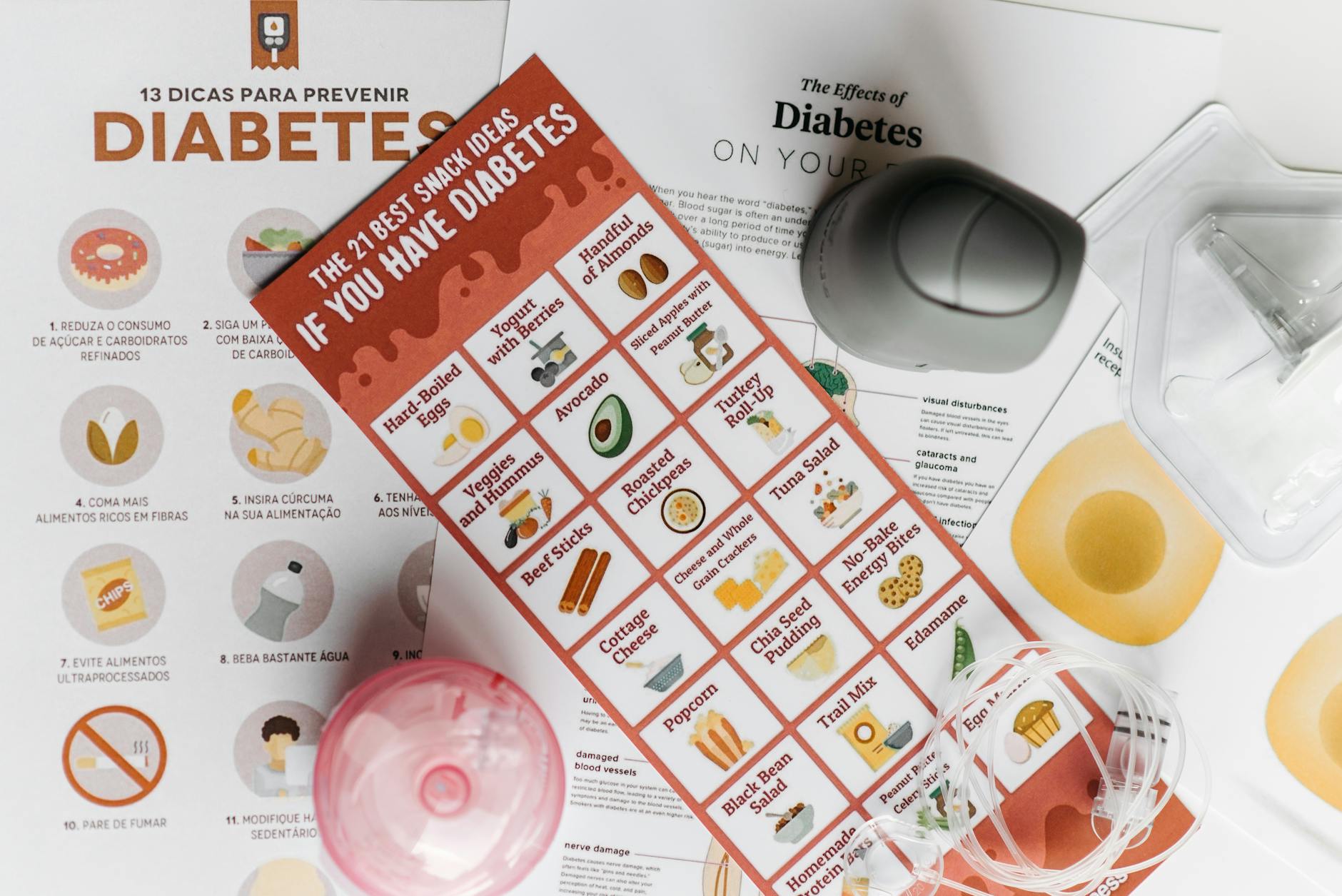
Snacking is where many people derail their low carb efforts. The good news is, there are plenty of satisfying low carb snacks. Hard-boiled eggs, a small handful of almonds or walnuts, cheese sticks, olives, or celery sticks with almond butter are all excellent choices. Avocado is another fantastic option – you can slice it and eat it with a spoon, perhaps with a sprinkle of salt and pepper. Even some sugar-free jerky can be a good option in a pinch.

Low Carb vs. Keto: What's the Difference?
You've probably heard the term "keto diet plan" thrown around, and it's often linked with low carb. While related, they aren't exactly the same. Think of it this way: all keto diets are low carb, but not all low carb diets are keto.
The Strictness of Keto
A ketogenic diet is a very low carbohydrate, moderate protein, high-fat diet. The goal is to get your body into a state of ketosis, where it efficiently burns fat for fuel. This typically means restricting carbohydrate intake to 20-50 grams of net carbs per day. The focus is heavily on fat intake to maintain this metabolic state.
Flexibility in Low Carb
A general low carb diet is much more flexible. While it still significantly reduces carbohydrate intake compared to a standard diet, it doesn't necessarily aim for the strict carb limits required for ketosis. You might be eating 50-150 grams of net carbs per day, which still offers many of the benefits of reduced carb intake without the intense restriction of keto. This flexibility makes it more sustainable for some people.
How to Start a Low Carb Diet
Starting a new eating pattern can feel daunting, but taking it step-by-step makes it manageable. My advice is always to start small and build momentum.
Gradual Reduction is Key
You don't have to go from eating a loaf of bread a day to zero carbs overnight. Try gradually reducing your carb intake. Start by cutting out sugary drinks, then move on to reducing bread and pasta, and then focus on limiting starchy vegetables. This gradual approach allows your body to adjust and makes the transition less shocking. I used to think I had to be perfect from day one, but that just led to frustration. Small, consistent changes are much more effective.
Educate Yourself on Low Carb Vegetables
Don't fear the produce aisle! Learning about low carb vegetables is essential. Focus on those that grow above ground. Root vegetables like carrots and potatoes are higher in carbs. But leafy greens, broccoli, cauliflower, zucchini, bell peppers, and asparagus are incredibly versatile and packed with nutrients. Experiment with different ways to prepare them – roasting, steaming, stir-frying. They add color, flavor, and crucial fiber to your meals.
Don't Forget About Hydration and Electrolytes
As you reduce carbs, your body can shed water weight, which can also mean losing electrolytes like sodium, potassium, and magnesium. This can sometimes lead to what's known as the "keto flu" or "low carb flu," characterized by headaches, fatigue, and irritability. Staying well-hydrated is paramount. Consider adding a pinch of salt to your water or incorporating electrolyte-rich foods. If you're concerned, looking into the best magnesium supplement might be a good idea, but always consult with a healthcare professional first.
Potential Low Carb Side Effects and How to Manage Them
While the benefits are significant, it's important to be aware of potential side effects and how to navigate them. Most are temporary and manageable.
The "Low Carb Flu"
As mentioned, the initial transition can sometimes bring on flu-like symptoms. This is your body adjusting to using fat for fuel instead of readily available glucose. Ensure adequate hydration and electrolyte intake. Sometimes, a little extra salt on your food or a magnesium supplement can help alleviate these symptoms. This phase usually passes within a few days to a week.
Digestive Changes
Some people experience changes in digestion, either constipation or diarrhea. This is often related to changes in fiber intake or the types of fats consumed. Increasing your intake of non-starchy vegetables and ensuring you're drinking enough water can help with constipation. If you experience persistent digestive issues, it's always wise to speak with a healthcare provider.
Nutrient Deficiencies
If your low carb diet is not well-planned, you could miss out on certain nutrients found in fruits and whole grains. This is why focusing on a wide variety of low carb vegetables, healthy fats, and proteins is so important. Making sure you're getting enough vitamins and minerals from your food is key. Research from the World Health Organization research on low carb diet often touches on the importance of nutrient density.
Ultimately, adopting a low carb diet is about empowering yourself with knowledge and making conscious choices that support your health goals. It's not about perfection, but progress. Find the foods you love, build meals that satisfy you, and listen to your body. You might be surprised at how good you can feel when you fuel yourself with the right kinds of foods. It’s a journey, and one that can lead to incredible improvements in your energy, clarity, and overall well-being. Think about the potential you're unlocking for yourself. The change starts with that first smart choice.