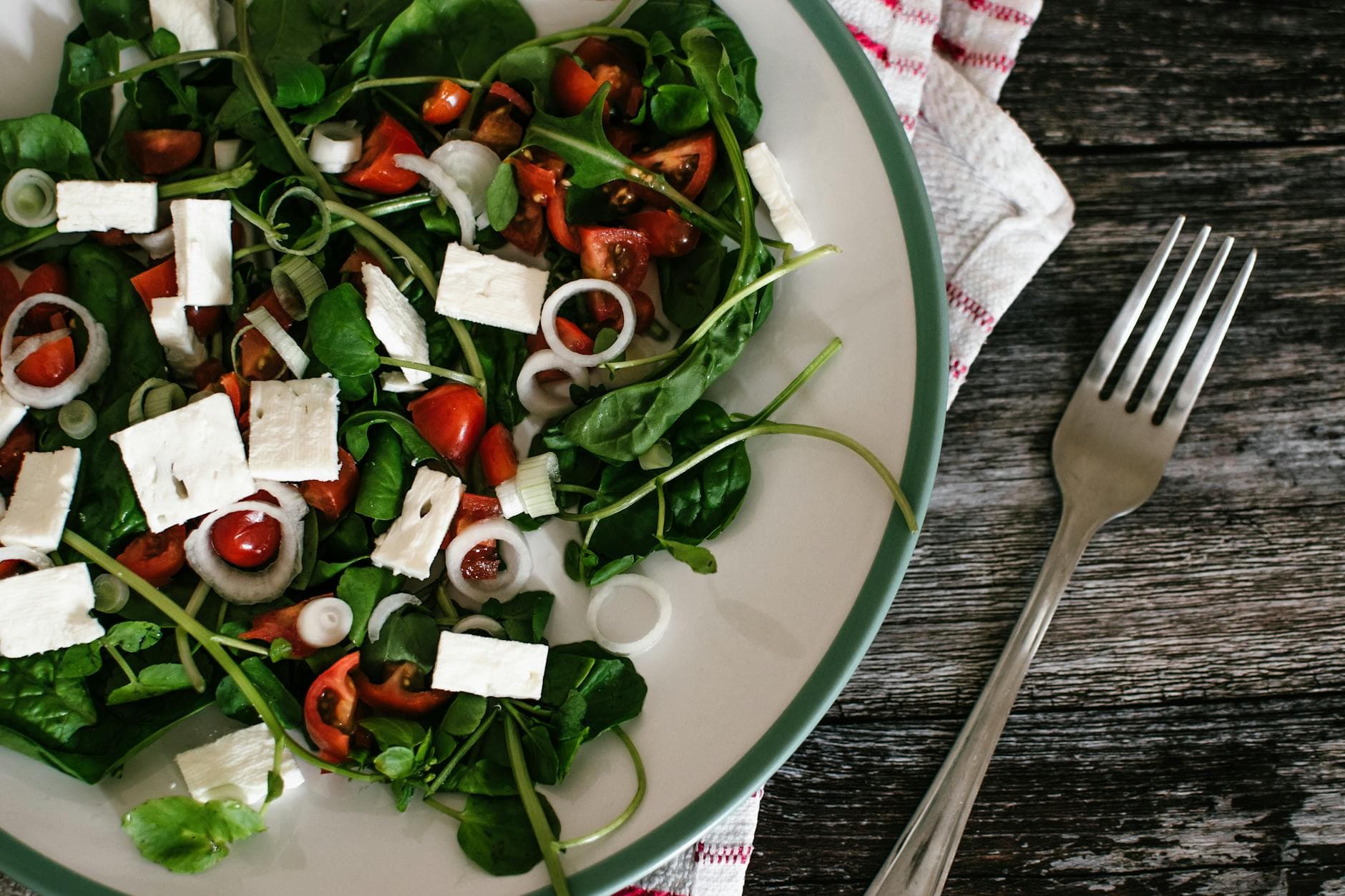
Okay, so picture this: it’s 7:15 AM. The school bus is due in twenty minutes, and you’ve got a sleepy kindergartener who’s suddenly decided he *hates* anything green, a middle schooler who’s already scrolling through TikTok with one eye open, and a lunchbox that looks… well, a bit sad. Sound familiar? Crafting healthy kids lunches that are also appealing can feel like a daily Olympic event. I’ve been there, staring into the abyss of the pantry, willing a magical, nutritionally balanced meal to appear. But here’s the thing: it doesn’t have to be a stressful scramble.
The Real Deal About Healthy Kids Lunches
Honestly, I used to think “healthy” meant bland and boring. My own childhood lunches were often a white bread sandwich with a single slice of processed cheese, maybe a few sad carrot sticks if I was lucky. But then I started digging into what really fuels growing bodies and minds, and I realized that healthy doesn't have to mean joyless. It’s about balance, variety, and making food fun. We’re not aiming for perfection every single day, but for consistent, nourishing choices that set our kids up for success, both in the classroom and on the playground.
Why It Matters More Than You Think
Think about it: that lunchbox isn’t just a container; it’s a fuel station for the second half of their school day. When kids are properly nourished, they can focus better, learn more, and even manage their moods more effectively. Low energy from a sugar crash or lack of essential nutrients can turn even the most cheerful kid into a grumpy, unfocused mess. The Centers for Disease Control and Prevention research on healthy kids lunches consistently highlights the link between good nutrition and academic performance.
Beyond the Sandwich Rut
Are you sick of the same old PB&J? I feel you. Breaking out of that sandwich rut is key to keeping things interesting. It’s about introducing new textures, colors, and flavors. Remember, kids’ palates are still developing, and repeated exposure to different foods is crucial. Don’t give up if they turn their nose up at something the first time; sometimes it takes ten or more tries!
Making It Sustainable for You
Let’s be real, as parents, our plates are already full. The idea of spending hours prepping elaborate meals for lunchboxes can feel overwhelming. The goal here is to find strategies that work for *your* life, not to add more pressure. We’re talking about smart planning and simple swaps that make a big difference.
Building a Balanced Lunchbox: The Core Components
At its heart, a healthy kids lunch is about hitting those key nutritional groups. It’s not rocket science, but it does require a little intention. I like to think of it as building blocks – each component plays a vital role in keeping kids energized and satisfied until dinner.
The Protein Powerhouse
Protein is crucial for sustained energy and keeping kids feeling full. It’s the building block for muscles and helps with concentration. Think beyond just chicken or turkey. Hard-boiled eggs are a classic for a reason – easy to make ahead and pack. Hummus is fantastic for dipping veggies or crackers. Lentils, beans, and even edamame can be surprisingly kid-friendly, especially when presented in fun ways.
Creative Protein Ideas
- Rolled-up turkey or ham slices with a smear of cream cheese
- Mini meatballs (homemade or good quality store-bought)
- Tuna salad or salmon salad in a small container
- Cheese cubes or string cheese
- Edamame pods
Whole Grains for Go-Power
Whole grains provide complex carbohydrates, which are the body’s preferred source of energy. They release glucose slowly, preventing those dreaded sugar crashes. Instead of refined white bread, opt for whole wheat, whole grain crackers, or even brown rice. Quinoa is another fantastic option that can be used in salads or as a side.
Grain-Based Lunchbox Stars
- Whole wheat pita pockets
- Whole grain crackers
- Mini whole wheat muffins (savory or slightly sweet)
- Cooked quinoa or brown rice
Fruity & Veggie Fun
This is where we often get pushback from picky eaters, but it’s so important! Fruits and vegetables provide essential vitamins, minerals, and fiber. The key is variety and presentation. Aim for a rainbow of colors to ensure a wide range of nutrients. Don’t be afraid to include them even if your child is hesitant; keep offering!
Vibrant Produce Picks
- Cherry tomatoes
- Cucumber slices
- Bell pepper strips (various colors)
- Snap peas or snow peas
- Berries (strawberries, blueberries, raspberries)
- Apple slices (toss with a little lemon juice to prevent browning)
- Orange segments or mandarin oranges
- Grapes (cut in half lengthwise for younger children to prevent choking)
Healthy Fats for Brain Power
Don’t shy away from healthy fats! They are essential for brain development and absorption of fat-soluble vitamins. Avocado, nuts (if your school is nut-free, try seeds like sunflower or pumpkin), and seeds are great sources. Even a little bit of olive oil in a salad dressing counts.
Fat-Loving Additions
- Avocado slices or guacamole
- A small handful of almonds or walnuts (check school policy)
- Sunflower or pumpkin seeds
- A drizzle of olive oil-based dressing for a side salad
Easy Kids Lunches: Strategies That Actually Work
I'll be real with you, the 'easy' in easy kids lunches is relative. It still requires some thought and prep. But there are definitely ways to streamline the process and make it less of a daily chore. Here are some of my go-to strategies that have saved my sanity.
The Power of Meal Prep
This is a game-changer. Dedicating even an hour or two on a Sunday can set you up for the week. Chop veggies, cook a batch of grains, hard-boil eggs, make a big batch of muffins or energy balls. Having these components ready to go means you can assemble lunches in minutes during the week. It’s like having a mini lunch assembly line.
Prep-Ahead Champions
- Hard-boiled eggs
- Cooked quinoa or brown rice
- Chopped raw veggies (carrots, cucumbers, bell peppers)
- Fruit salad
- Homemade granola or energy balls
Embrace Bento Boxes
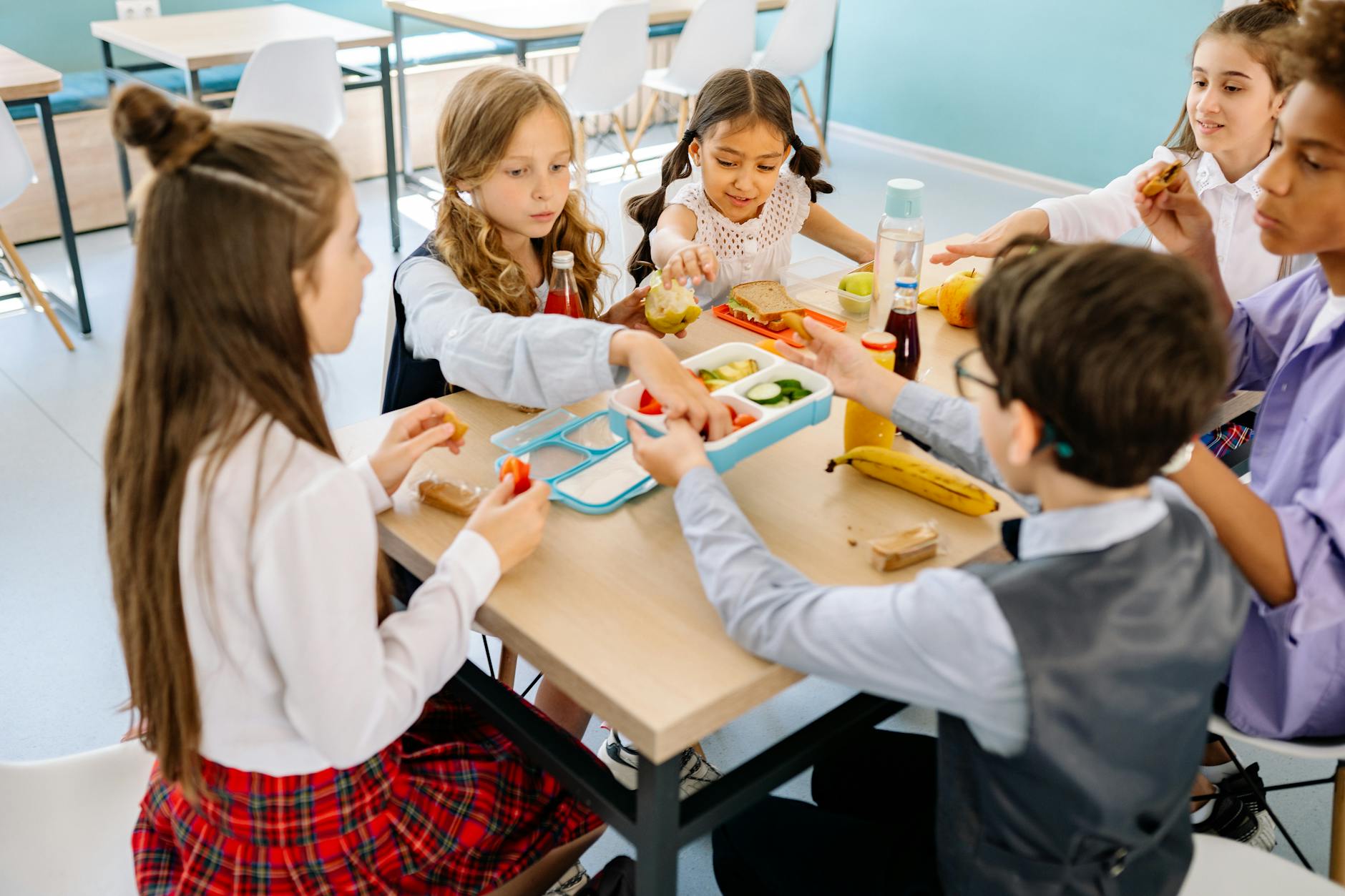
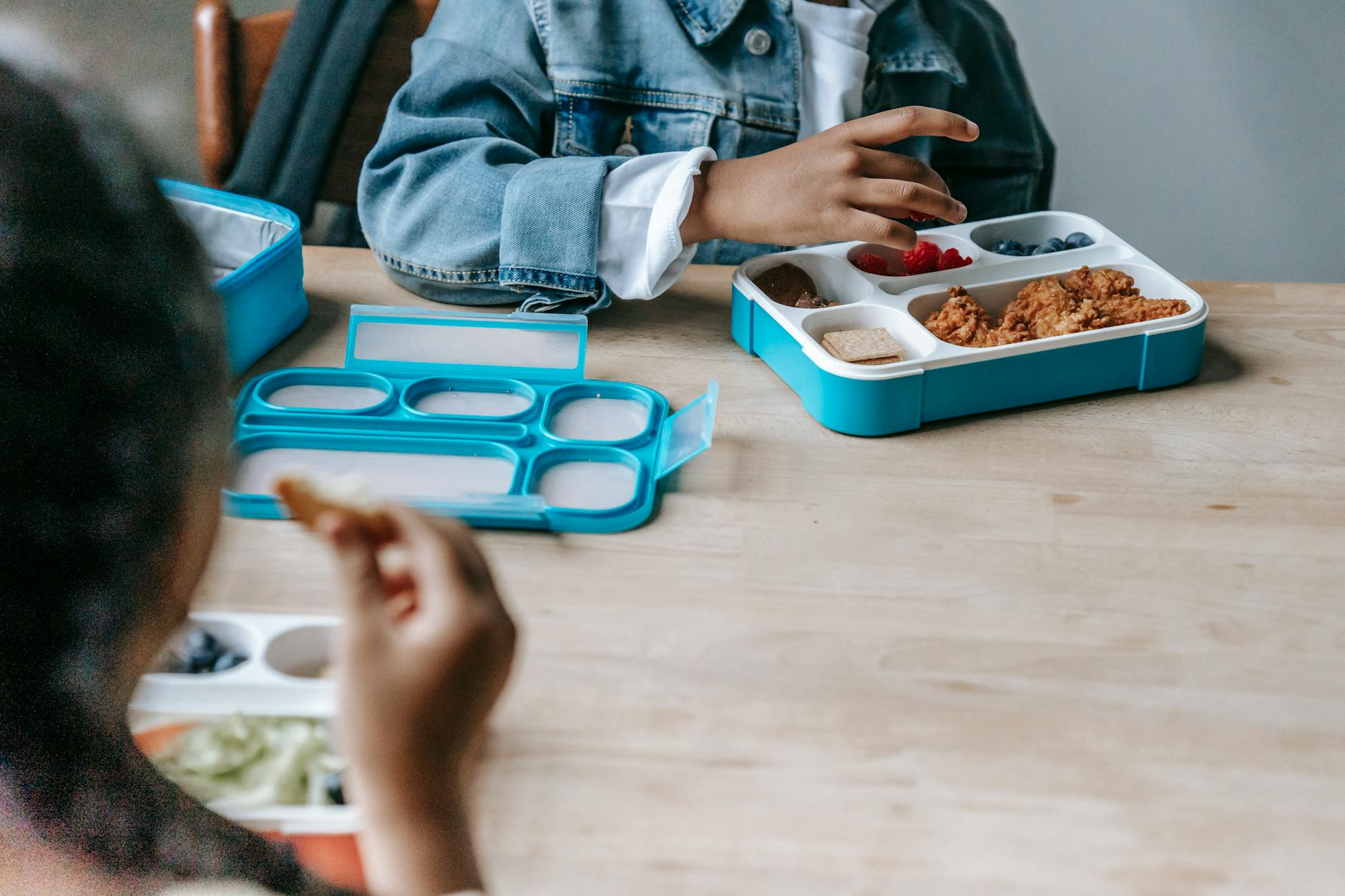
You’ve probably noticed these pop up everywhere, and for good reason! Bento boxes with their little compartments are fantastic for portion control and presentation. They make it easy to include a variety of foods and keep everything separate, which is a huge win for kids who don’t like their food touching. Plus, they just look more appealing!
Think "Deconstructed" Meals
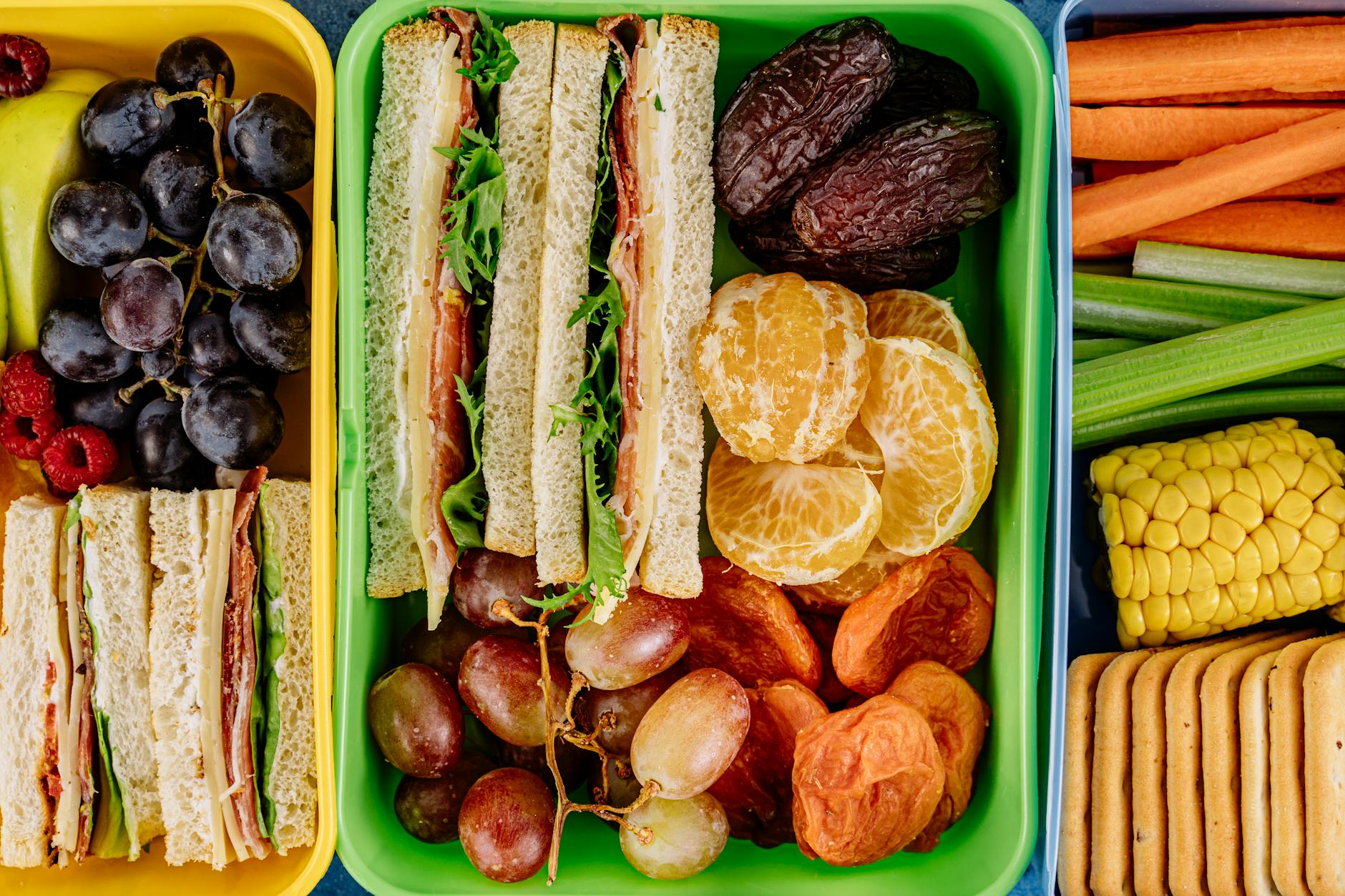
Sometimes, instead of a fully assembled meal, offering the components separately can be more appealing, especially for picky eaters. A "snack plate" style lunch can be a huge hit. Think crackers, cheese cubes, grapes, hard-boiled egg, and some veggie sticks. It gives them control and a sense of play.
Deconstructed Lunch Ideas
- Crackers, cheese, and deli meat roll-ups
- Mini bagels with cream cheese and fruit slices
- Veggie sticks with hummus or ranch
- Hard-boiled egg, fruit, and a small portion of whole grains
Leverage Leftovers
This is a brilliant way to reduce waste and prep time. Did you make extra roasted chicken or a big batch of pasta bake for dinner? Portion some out for lunch the next day. Make sure it’s something that reheats well or is good served cold. This is one of the easiest healthy kids lunches you can pull off!
Lunch Ideas for Picky Eaters: Winning Them Over
Ah, the picky eater. This is a challenge many of us face, and it can be incredibly frustrating. My youngest used to survive on plain pasta and cheese. But with patience and persistence, you can broaden their horizons. The key is to keep it low-pressure and make it fun.
Involve Them in the Process
Kids are more likely to eat something they’ve helped prepare. Let them choose between two approved fruits or veggies, help wash produce, or even assemble their own skewers. The sense of ownership can make a huge difference. For example, let them pick their own cookie cutters for sandwiches or cheese.
Start Small and Familiar
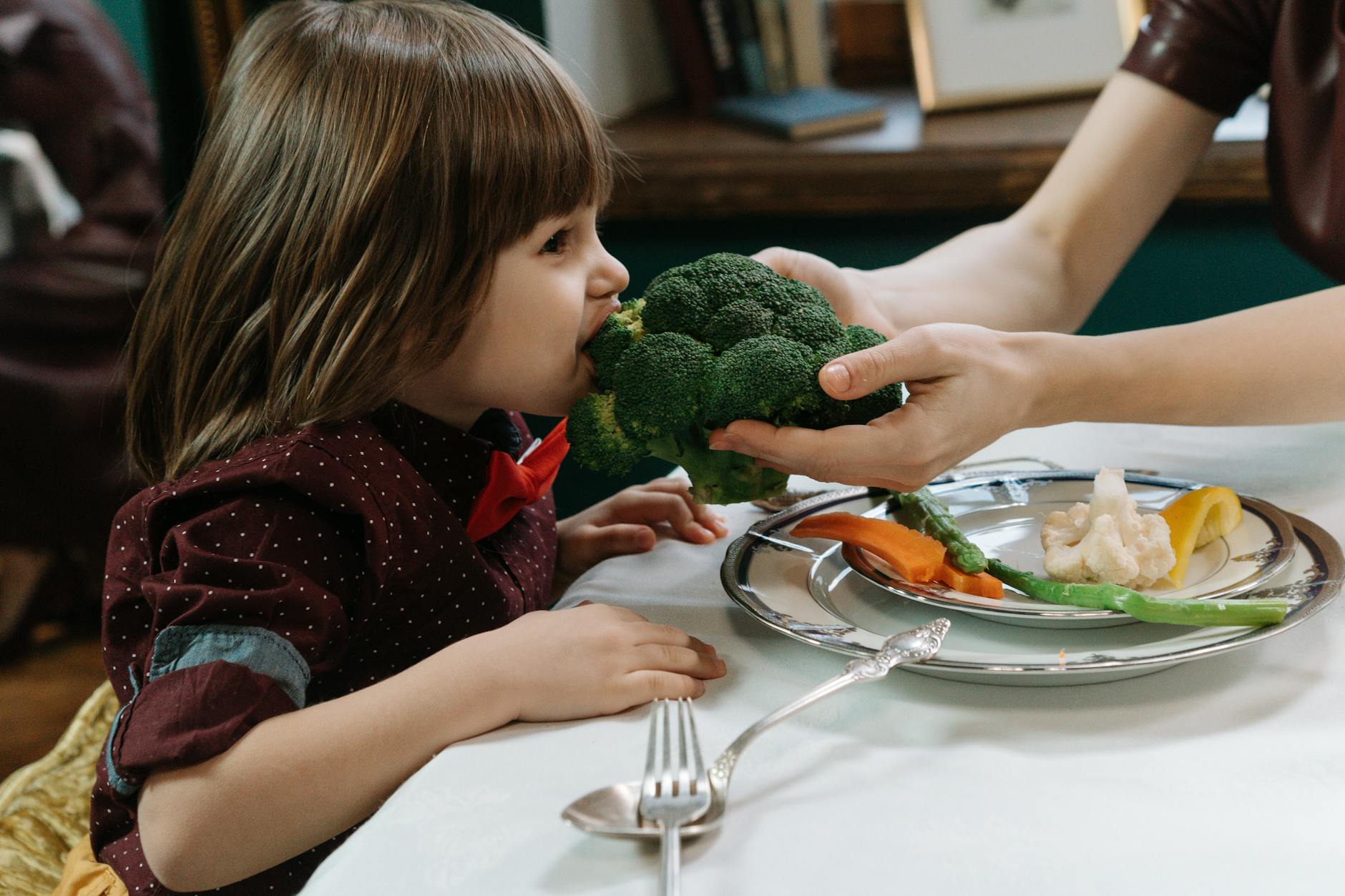
Don’t introduce five new foods at once. Start with one new item alongside their favorites. If they’re hesitant about broccoli, offer just one tiny floret. Pair new foods with familiar favorites. For instance, if they love chicken nuggets, try offering a small portion of steamed broccoli alongside them. This is how you build towards more healthy kid meals overall.
Make it Playful
Food doesn't always have to be serious. Use cookie cutters to make fun shapes out of sandwiches, cheese, or fruit. Create "food art" – smiley faces with fruit and veggies. Even just calling things fun names can pique their interest. This is how you make healthy kids lunches exciting.
Fun Food Presentation
- Sandwich cut into shapes (stars, animals)
- Fruit skewers with yogurt dip
- "Ants on a log" (celery with peanut butter and raisins)
- Vegetable sticks arranged like a "tree"
Don't Force It
This is perhaps the hardest rule, but the most important. Forcing a child to eat something often backfires, creating negative associations with food. Offer healthy options, encourage them to try a bite, but respect their boundaries. The Mayo Clinic research on healthy kids lunches often emphasizes a positive mealtime environment.
Healthy Snacks for School: The Perfect Lunch Companions
Sometimes, a lunchbox needs a little something extra to get them through the day. Healthy snacks provide sustained energy and prevent hunger pangs before lunch or after school. Think of them as mini fuel stops.
Smart Snacking Choices
The goal is to avoid the sugar rush and crash that comes with processed snacks. Focus on whole foods that offer a good mix of protein, fiber, and healthy fats. These are the kinds of snacks that keep them sharp and focused. These are key for healthy kid meals in general.
Snack Ideas to Pack
- Apple slices with a small container of almond butter
- Yogurt tubes or pouches (look for lower sugar options)
- Trail mix (nuts, seeds, dried fruit – check school policy for nuts)
- Whole grain crackers with cheese
- A small container of berries
- Rice cakes with a thin layer of avocado
- Mini whole wheat muffins
Hydration is Key
Don’t forget about drinks! Water is always the best choice. While juice boxes are convenient, they are often loaded with sugar. If you do offer juice, make sure it's 100% fruit juice and diluted with water. A reusable water bottle is a must-have for school.
The Unexpected Angle: Lunch as a Learning Opportunity
Here's something I didn't always consider: lunch isn't just about sustenance; it's a fantastic opportunity for learning. Think about the conversations you can have, the skills they can develop, and the connection to the wider world. It’s a chance to teach them about where food comes from, different cultures, and making healthy choices for themselves.
Cultural Explorations Through Food
Pack a "lunch of the day" from a different country. Maybe it's a mini version of a Japanese bento box with rice, edamame, and a small piece of grilled fish. Or perhaps a mini taco salad. It’s a fun way to introduce them to new flavors and cultures. This can spark curiosity and a broader understanding of the world.
Teaching About Food Origins
When you pack fruits and vegetables, talk about where they come from. Did it grow on a farm? Is it in season? This helps kids develop a connection to their food and appreciate the effort that goes into producing it. It’s a small step towards understanding sustainable food practices.
Empowering Their Choices
As they get older, involve them more in the planning and packing of their own lunches. Let them choose from a pre-approved list of healthy options. This not only lightens your load but also empowers them to take responsibility for their own nutrition. It’s a life skill they’ll carry with them. This is a crucial step towards future easy healthy dinners and overall food literacy.
Building healthy kids lunches is an ongoing adventure, not a destination. There will be days when the lunchbox comes back mostly untouched, and days when it’s licked clean. The most important thing is to keep showing up, keep offering variety, and keep the conversation around food positive and encouraging. You're doing great work fueling those little bodies and minds. Now, go forth and conquer that lunchbox!