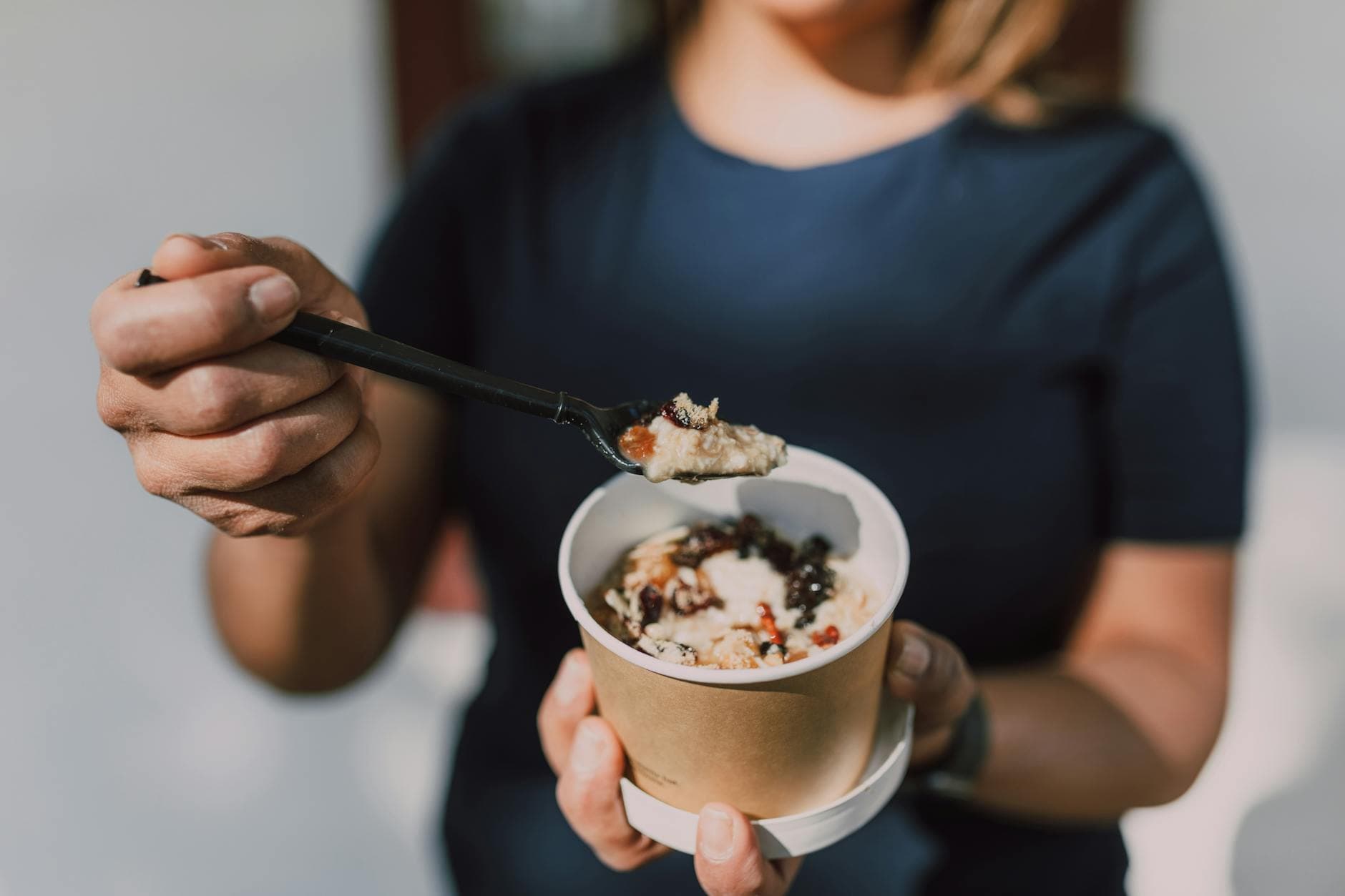
There's a common misconception floating around out there, one that suggests gut health is some kind of mystical, complicated science best left to expensive supplements or obscure diets. I used to think that too, honestly. For years, I chased quick fixes, trying every trendy detox and probiotic pill under the sun, hoping for that magic bullet to finally silence my persistent bloating and discomfort. But here's the thing: while supplements can play a role, the true, foundational power for a thriving healthy gut lies not in a pill bottle, but right on your plate. It's about understanding the best gut health foods and how to truly nourish your inner ecosystem.
I've learned, through years of personal struggle and professional research, that cultivating a healthy gut isn't about deprivation or strict rules. It's about abundance, about consciously choosing foods that support your digestive health and empower your body from the inside out. My journey taught me patience, consistency, and the profound impact of real, whole foods. And I'm here to share that hard-won wisdom with you.
The Gut: More Than Just Digestion
When we talk about the gut, many people picture just the stomach and intestines, a simple tube for processing food. But that's like looking at a rainforest and only seeing the trees. Your gut, specifically your gut microbiome, is a bustling, complex city of trillions of microorganisms – bacteria, fungi, viruses – all living in a delicate balance. This isn't just about breaking down your lunch; it influences everything from your immune system to your mood.
Your Inner Ecosystem
Think of your gut microbiome as a fingerprint: utterly unique to you, shaped by your genetics, environment, and most significantly, your diet. A diverse microbiome, rich in beneficial bacteria, is the cornerstone of good health. These tiny inhabitants produce vitamins, strengthen your gut lining, and even help regulate your metabolism. When this balance is disturbed, that's often when digestive issues, fatigue, and even brain fog can creep in. I've personally experienced the profound difference a balanced gut makes in my overall energy and clarity.
The Gut-Brain Connection
This one surprised me when I first truly understood it. Our gut and brain are in constant conversation, a two-way street known as the gut-brain axis. Ever felt butterflies in your stomach when nervous? That's the connection at work. Our gut produces neurotransmitters, like serotonin, which heavily influence mood and feelings of well-being. This is why when I talk about foods for gut health, I'm not just talking about digestion; I'm talking about mental resilience and emotional balance too. It's a holistic approach.
Why It Matters So Much
A healthy gut lining acts as a protective barrier, preventing unwanted substances from entering your bloodstream. When this barrier is compromised, sometimes called "leaky gut," it can contribute to systemic inflammation and a host of health problems. Prioritizing healthy gut foods is about building a strong foundation for your entire well-being, not just alleviating a tummy ache. It truly is one of the most proactive steps you can take for long-term health, as Centers for Disease Control and Prevention research consistently highlights the link between gut health and overall immunity.

Probiotics: The Live-Action Heroes Among Best Gut Health Foods
When people ask me about the best gut health foods, probiotics are often the first thing that comes to mind, and for good reason. These are the live beneficial bacteria that, when consumed in adequate amounts, confer a health benefit to the host. They are literal superheroes for your gut, helping to replenish and diversify your microbial community. But not all probiotic foods are created equal, and understanding their sources is key.
Fermented Wonders
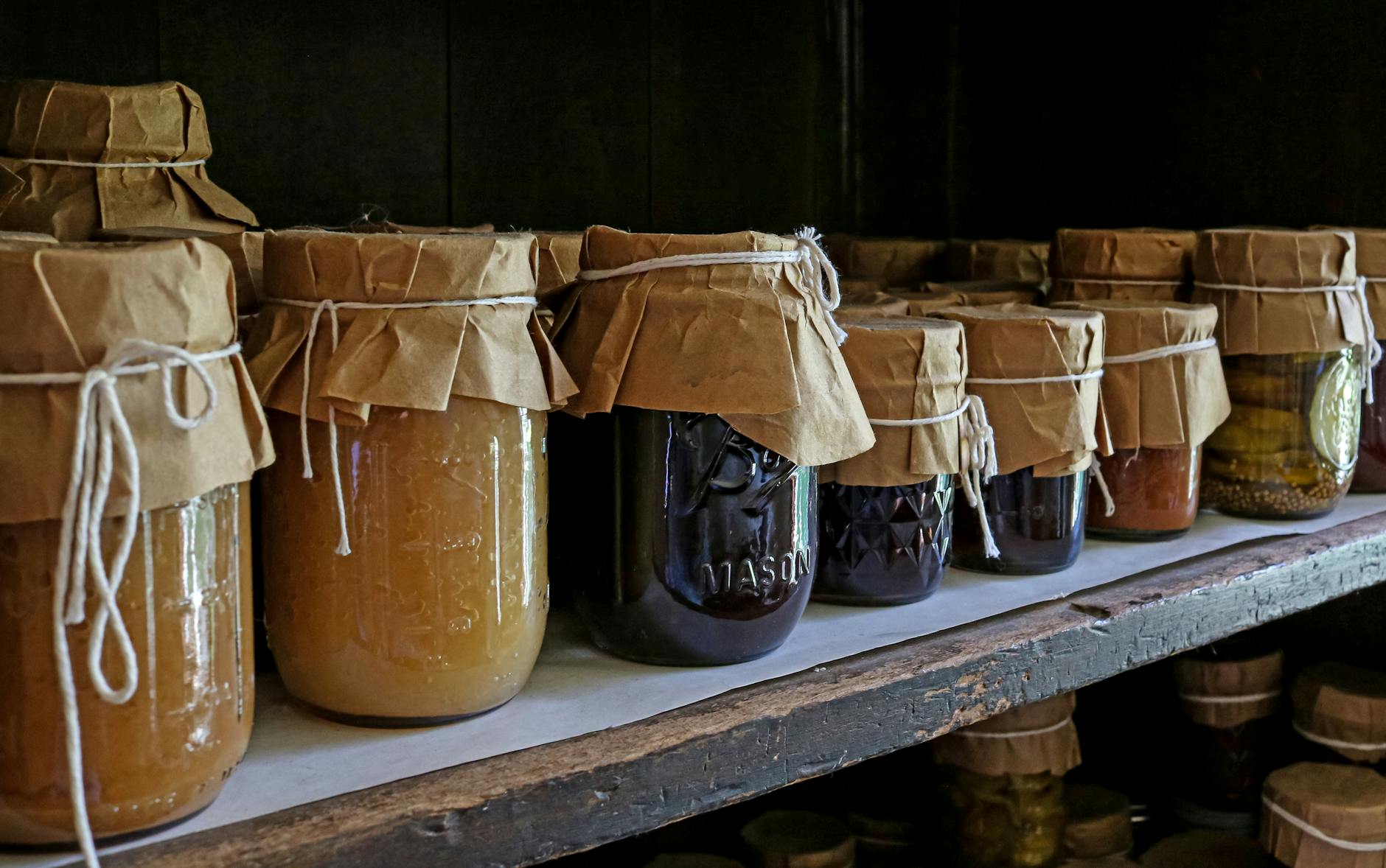
Fermented foods are the superstars of probiotic delivery. Through a process where microorganisms convert carbohydrates into alcohol or acids, these foods become teeming with beneficial bacteria. Think sauerkraut, kimchi, tempeh, and miso. I love adding a spoonful of homemade sauerkraut to my lunch; it's a simple habit that makes a world of difference. These aren't just trendy additions; they are ancient foods revered for their health-promoting properties.
My Journey with Kefir
I'll be real with you, I used to find kefir a bit intimidating. The tangy taste, the slightly viscous texture – it wasn't love at first sip. But after struggling with intermittent digestive issues for years, a nutritionist friend convinced me to give it a proper try. I started with just a quarter cup of plain, unsweetened kefir each morning. Within a few weeks, I noticed a subtle but significant improvement in my regularity and a reduction in bloating. It wasn't overnight, but the consistency paid off. Now, it's a non-negotiable part of my morning routine, often blended into a smoothie with best plant based protein powder and berries. The diverse strains of bacteria in kefir, often numbering in the dozens, make it a powerhouse among gut friendly foods.
Beyond Yogurt: Other Sources
While yogurt is a well-known probiotic source, it's important to choose varieties that contain "live and active cultures" and are low in added sugars. But don't stop there! Kombucha, a fermented tea, can also be a good option, though watch out for high sugar content in some brands. Traditional buttermilk and some aged cheeses also contain beneficial bacteria. The key is variety; incorporating a range of fermented foods ensures you're getting a diverse spectrum of microbes to support your gut microbiome.
Prebiotics: Fueling the Good Guys
Probiotics get a lot of glory, but they can't do their job effectively without their unsung partners: prebiotics. These are specialized plant fibers that act as food for the beneficial bacteria already living in your gut. Think of prebiotics as the fertilizer that helps your good gut bacteria flourish. Without them, even the best probiotic supplements or foods might not have a lasting impact.
The Fiber Factor
Fiber, particularly soluble fiber, is your gut's best friend. It passes undigested through your small intestine and reaches your colon, where your gut bacteria eagerly feast upon it. This fermentation process produces short-chain fatty acids (SCFAs) like butyrate, which nourish the cells lining your colon, reduce inflammation, and even have systemic health benefits. I often tell people that if they're only focusing on probiotics, they're missing half the story; prebiotics are crucial for genuine gut health benefits.
Unsung Heroes of the Produce Aisle
You might be wondering where to find these crucial prebiotic foods. They're often in surprisingly common ingredients. Garlic, onions, leeks, asparagus, bananas (especially slightly green ones), apples, oats, and legumes are all fantastic sources. Chicory root, a common ingredient in some coffee substitutes and fiber supplements, is also incredibly rich in inulin, a powerful prebiotic fiber. I make it a point to include at least one of these in most of my meals, like adding chopped onions and garlic to almost any savory dish, or having a banana with my breakfast.
A Word on Diversity
Just as with probiotics, diversity in your prebiotic sources is paramount. Different types of fiber feed different strains of bacteria, helping to create a robust and resilient gut microbiome. Don't just stick to oats; explore the full spectrum of fruits, vegetables, whole grains, and legumes. Aim for at least 25-30 grams of fiber per day from a variety of sources. This approach ensures you're providing a broad buffet for your tiny gut inhabitants, fostering a truly diverse and healthy ecosystem.

Beyond Probiotics and Prebiotics: Other Gut-Friendly Foods
While probiotics and prebiotics are foundational, the journey to optimal gut health doesn't end there. A holistic approach involves embracing a wider array of healthy gut foods that support various aspects of digestive health, from reducing inflammation to strengthening the gut barrier. It's about building a comprehensive nutritional strategy that goes beyond the basics.
The Power of Polyphenols
Polyphenols are plant compounds found in many fruits, vegetables, herbs, and spices, known for their antioxidant and anti-inflammatory properties. But here's the kicker: many polyphenols aren't fully absorbed in the small intestine. Instead, they travel to the colon, where they are metabolized by gut bacteria. This interaction is incredibly beneficial, promoting the growth of good bacteria and inhibiting the bad. Think berries, dark chocolate, green tea, red wine (in moderation, of course!), and brightly colored vegetables. I love adding a handful of mixed berries to my morning oatmeal for this very reason.
Essential Fats for Gut Integrity
Healthy fats play a crucial role in maintaining the integrity of your gut lining and reducing inflammation. Omega-3 fatty acids, found in fatty fish like salmon, mackerel, and sardines, as well as flaxseeds, chia seeds, and walnuts, are particularly important. These fats help produce compounds that can calm inflammation throughout the body, including in the gut. Virgin olive oil, with its monounsaturated fats and polyphenols, is another excellent choice for overall gut support. I always make sure to include sources of these essential fats in my gut friendly foods rotation.
Gut Healing Foods for Soothing & Repair
Sometimes, your gut needs a little extra love and repair, especially if you've been experiencing irritation or inflammation. Bone broth, rich in collagen, gelatin, and amino acids like glutamine, is often cited as a powerful gut healing food. These components can help repair the gut lining and reduce permeability. Aloe vera juice (ensure it's food-grade and decolorized) and slippery elm bark are also traditionally used for their soothing properties. While these aren't everyday staples for everyone, they can be incredibly supportive during periods of gut distress. I personally turn to a warm mug of bone broth when my stomach feels a bit off.
Crafting Your Gut-Friendly Plate: Practical Steps
It's one thing to know about the best gut health foods, and another to actually integrate them into your daily life. This isn't about perfection; it's about progress and creating sustainable habits. My experience has taught me that small, consistent changes yield the most profound and lasting results. You don't need to overhaul your entire diet overnight.
Starting Small, Staying Consistent
The biggest mistake I see people make is trying to do too much too soon. Instead of buying every fermented food and exotic fiber, pick one or two changes to start. Maybe it's adding a serving of lentils to your soup once a week, or swapping your regular yogurt for a probiotic-rich kefir. Once that feels natural, add another. Consistency is far more important than intensity. Remember, your gut microbiome thrives on regular nourishment, not occasional binges.
My Everyday Gut Health Strategy
For me, a typical day involves a few non-negotiables. Breakfast usually includes oats (prebiotic fiber!) with berries and a spoonful of kefir. For lunch, I often pack a salad or a hearty grain bowl loaded with diverse vegetables, legumes, and a protein source, sometimes with a side of kimchi or sauerkraut. Dinner might be roasted vegetables with fish, ensuring those beneficial omega-3s. Snacking involves nuts, seeds, or fruit. It’s not fancy, but it’s packed with gut friendly foods. This simple, consistent approach has transformed my digestive health and overall well-being.
Listen to Your Body
Perhaps the most crucial piece of advice I can offer is to truly listen to your body. What works wonderfully for one person might cause discomfort for another. When you introduce new foods for gut health, pay attention to how you feel. Do you notice less bloating? More regular bowel movements? Increased energy? Or perhaps some initial gas as your gut adjusts? This bio-individuality is real, and your body is the best guide you have. Keep a food diary if it helps you track patterns and identify what truly supports your unique gut.
Cultivating a healthy gut is a journey, not a destination. It's a continuous act of nurturing your inner garden with the right best gut health foods. It requires patience, curiosity, and a willingness to experiment. But the rewards – increased energy, improved mood, better digestion, and a stronger immune system – are profoundly worth the effort. Start today, one delicious, gut-friendly bite at a time, and watch how your body thanks you.