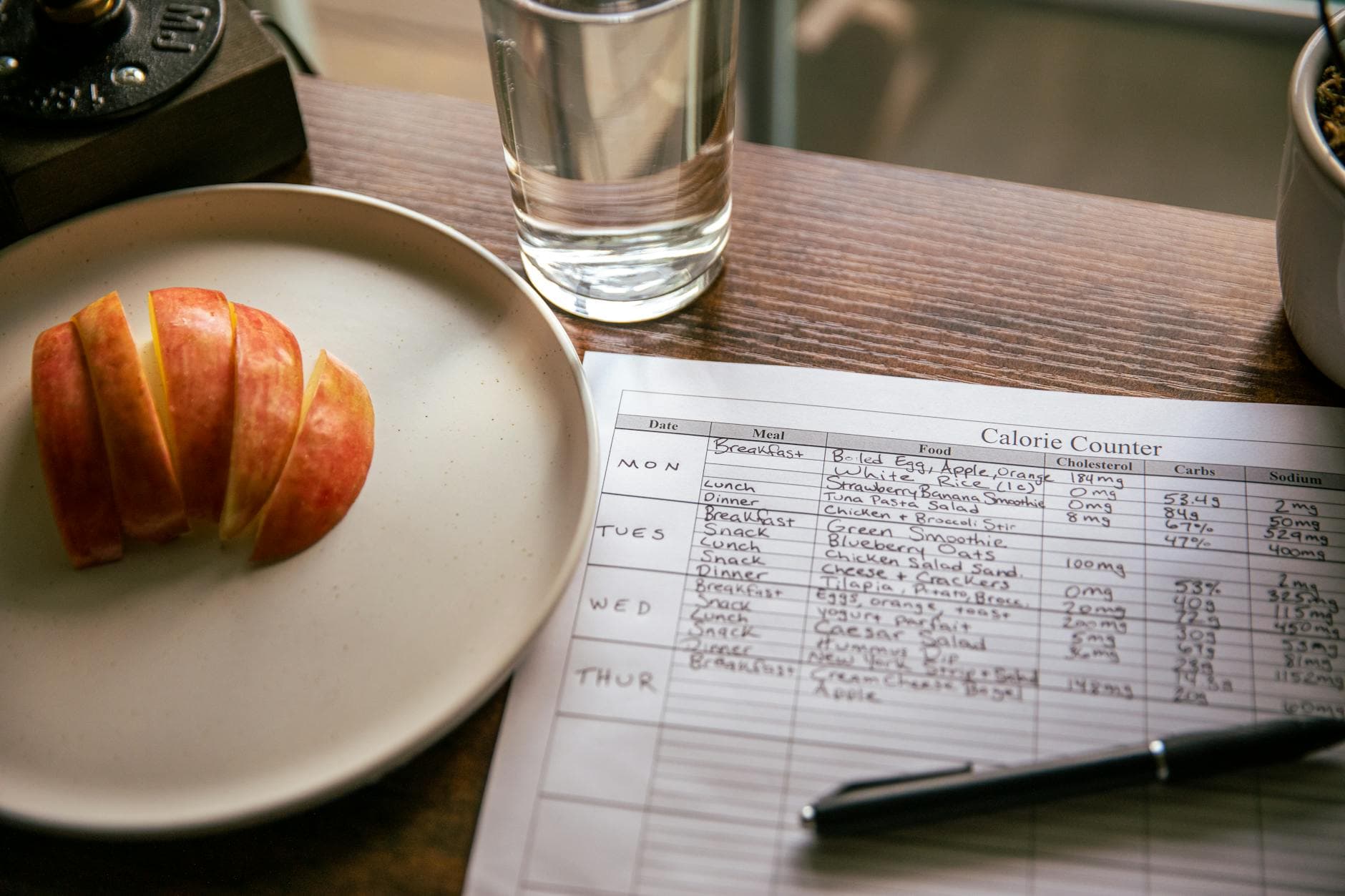
You know that feeling, right? You're standing in the grocery store aisle, cart half-empty, staring at a mountain of choices. One package screams "low-fat!" while another boasts "high-protein!" Then there's the organic section, the gluten-free aisle, the sugar-free everything. It's enough to make your head spin, and honestly, you just want to know what to put in your cart to truly feel good. You're not alone. For years, I felt the exact same overwhelm, trying to decipher conflicting messages and just wishing someone would hand me a clear, no-nonsense healthy food list.
I'll be real with you: healthy eating isn't about deprivation or chasing the latest fad diet. It's about building a foundation of nourishing foods that support your body, fuel your energy, and make you feel vibrant. My goal here isn't to give you a restrictive menu, but a practical, actionable guide – a true healthy food list – that empowers you to make smart choices every single day. We're going to cut through the noise and focus on what truly matters for your well-being.
Beyond the Buzzwords: What Really Makes a Food "Healthy"?
Before we dive into specific items, let's talk about the philosophy behind a truly healthy food list. You've probably noticed that the definition of "healthy" seems to change with every new cookbook or influencer post. But for me, as someone who lives and breathes nutrition, it boils down to a few core principles that stand the test of time, supported by extensive Mayo Clinic research on healthy food list principles.
The Whole Food Philosophy: My Non-Negotiable
Here's the thing: if it comes in a package with a long list of ingredients you can't pronounce, it's probably not a whole food. My golden rule for a healthy food list is to prioritize foods as close to their natural state as possible. Think about an apple versus apple juice, or a baked potato versus potato chips. Whole foods retain their fiber, vitamins, and minerals, which often get stripped away during processing. This focus on whole foods is the cornerstone of clean eating, and it makes all the difference.
Nutrient Density Over Calorie Counting
I used to think that health was all about calories in versus calories out. While energy balance is important, focusing solely on calories misses the bigger picture: nutrient density. A handful of almonds might have more calories than a rice cake, but the almonds offer healthy fats, protein, and fiber, making them far more satisfying and beneficial. We want foods that give our bodies the most nutritional bang for their buck, packed with vitamins, minerals, and antioxidants. This is how you build truly nutritious meals.
The Hidden Traps of "Diet" Foods
Honestly, this one surprised me when I first started digging into nutrition. Many foods marketed as "diet," "low-fat," or "sugar-free" are often loaded with artificial sweeteners, unhealthy fats, and processed ingredients to compensate for flavor. They might reduce one undesirable component, but add another that's equally, if not more, detrimental to your health. Don't fall for the marketing hype; always check the ingredient list. Sometimes, the full-fat, natural version is actually the healthier choice.
Your Everyday Healthy Food List: The Core Pillars
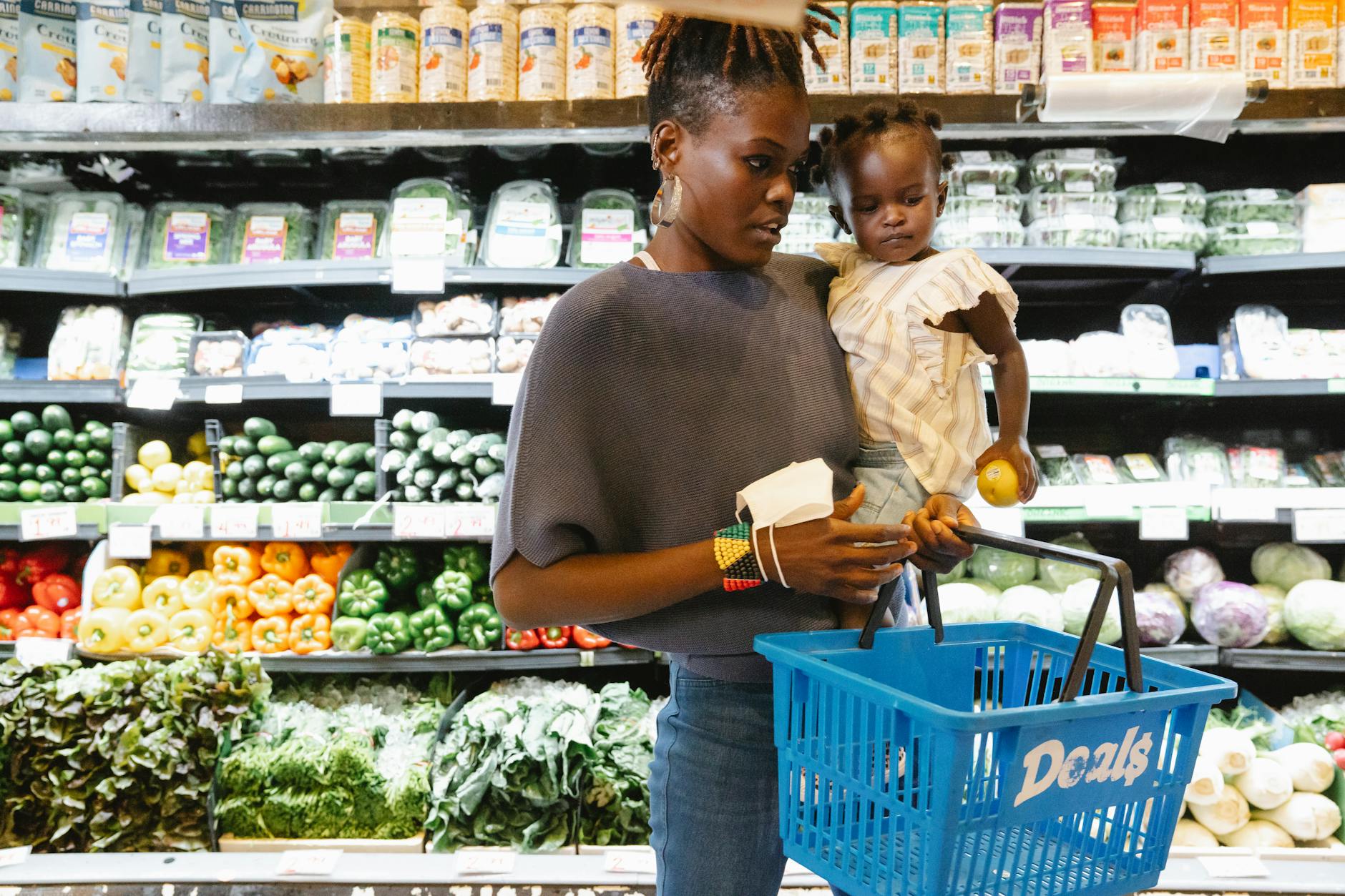
Alright, let's get to the good stuff. This is your practical, everyday healthy food list – the items that should form the bulk of your healthy grocery list. These are the workhorses of a balanced diet, easy to find, and incredibly versatile for creating delicious and nutritious meals. Think of these as your foundational building blocks.
Vibrant Fruits and Veggies: Nature's Powerhouses
No healthy food list is complete without a massive shout-out to fruits and vegetables. They are packed with vitamins, minerals, fiber, and antioxidants, and honestly, you can't really overdo them. Aim for a rainbow of colors each day to get a wide spectrum of nutrients. For example, think about the last time you had a truly vibrant plate – maybe a hearty salad with dark leafy greens, bell peppers, carrots, and berries. That's what we're aiming for!
- Leafy Greens: Spinach, kale, collard greens, Swiss chard. Great in smoothies, salads, or sautéed.
- Cruciferous Vegetables: Broccoli, cauliflower, Brussels sprouts, cabbage. Roasting brings out their best flavor.
- Root Vegetables: Sweet potatoes, carrots, beets, parsnips. Fantastic roasted or mashed.
- Berries: Blueberries, strawberries, raspberries, blackberries. High in antioxidants, perfect for snacks or breakfast.
- Citrus Fruits: Oranges, grapefruits, lemons. Vitamin C powerhouses.
- Apples & Bananas: Easy, portable, and always a good choice for a quick energy boost.
Smart Proteins: Building Blocks for Life
Protein is essential for building and repairing tissues, making enzymes and hormones, and keeping you feeling full and satisfied. Don't skimp on it! A balanced diet absolutely requires quality protein sources at every meal. This is a critical component of any comprehensive list of healthy foods, ensuring you have sustained energy throughout your day.
- Lean Meats: Chicken breast, turkey, lean beef (grass-fed if possible).
- Fish & Seafood: Salmon, tuna, cod, shrimp. Rich in omega-3 fatty acids. Try to get fatty fish a couple of times a week.
- Eggs: The incredible, edible egg! A complete protein, versatile and affordable.
- Legumes: Lentils, chickpeas, black beans. Fantastic plant-based protein and fiber sources.
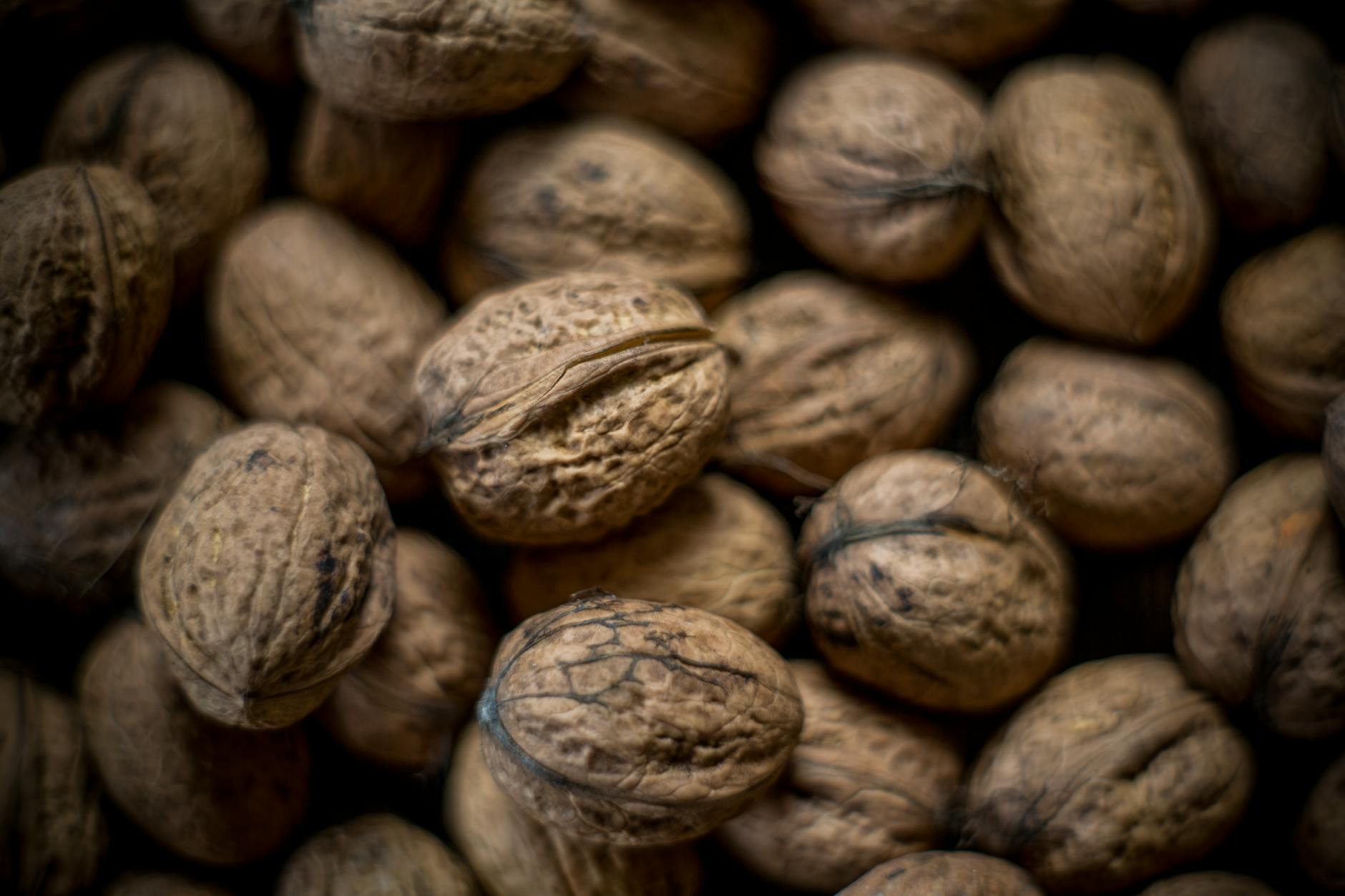
- Nuts & Seeds: Almonds, walnuts, chia seeds, flax seeds. Great for snacking or adding to meals.
- Greek Yogurt: High in protein and probiotics, just watch the added sugars.
- Plant-Based Protein Powder: For those days you need an extra boost, or if you follow a specific diet, consider a quality plant based protein powder.
Wholesome Grains and Legumes: Sustained Energy
Carbohydrates get a bad rap sometimes, but complex carbohydrates from whole grains and legumes are vital for energy, fiber, and B vitamins. They provide sustained energy, unlike refined carbs that can lead to energy crashes. This is where your body gets its primary fuel, so choose wisely.
- Oats: Old-fashioned rolled oats are a breakfast champion.
- Quinoa: A complete protein and a fantastic gluten-free grain alternative.
- Brown Rice: A staple, much better than white rice for its fiber content.
- Whole Wheat Bread/Pasta: Look for 100% whole wheat on the label.
- Lentils & Beans: Again, great for protein and complex carbs.
Diving Deeper: Unsung Heroes and Superfoods Worth Knowing
While the core pillars are your foundation, there are some specific items that deserve special mention on any truly effective healthy food list. These foods offer unique benefits, often packing a powerful nutritional punch for their size. Incorporating these into your routine can elevate your health even further, making your nutritious meals even more potent.
Healthy Fats: Don't Fear Them!
For too long, dietary fat was demonized. But healthy fats are absolutely essential for hormone production, nutrient absorption, brain health, and keeping you feeling full. The key is choosing the right kind of fats. Think about the rich, satisfying feeling you get from a perfectly ripe avocado – that's healthy fat at work!
- Avocado: Monounsaturated fats, potassium, and fiber.
- Olive Oil: Extra virgin olive oil is excellent for dressings and light cooking.
- Nuts & Seeds: Walnuts, almonds, chia seeds, flax seeds. Also provide protein and fiber.
- Fatty Fish: Salmon, mackerel, sardines. Rich in omega-3s.
Fermented Foods: Your Gut's Best Friends
This category is one of my personal favorites. A healthy gut microbiome is linked to everything from immunity to mood, and fermented foods are a fantastic way to support it. They contain beneficial bacteria that can do wonders for your digestion and overall health. You might be wondering, "What exactly counts?"
- Yogurt & Kefir: Look for plain, unsweetened varieties with live active cultures.
- Sauerkraut & Kimchi: Fermented cabbage, fantastic as a side dish.
- Tempeh & Miso: Fermented soy products, great for plant-based cooking.
- Kombucha: A fermented tea, but watch the sugar content in some brands.
Herbs and Spices: Flavor and Medicine
This is where you can really revolutionize your cooking and your health without even trying hard. Herbs and spices aren't just for flavor; many have powerful medicinal properties, packed with antioxidants and anti-inflammatory compounds. Think about how a sprinkle of cinnamon can transform your oatmeal, or how garlic and ginger elevate a stir-fry. They make healthy food ideas exciting!
- Turmeric: Powerful anti-inflammatory, often used in curries.
- Ginger: Great for digestion and reducing nausea.
- Garlic: Immunity booster and heart health supporter.
- Cinnamon: Helps regulate blood sugar.
- Oregano, Rosemary, Thyme: Antioxidant-rich, fantastic for savory dishes.

Building Your Healthy Grocery List: Practical Steps for the Aisle
Having a healthy food list is one thing; actually getting those items into your cart and onto your plate is another. This is where practicality comes in. I often hear people say, "It's too expensive," or "I don't have time." But with a few smart strategies, building a healthy grocery list becomes an easy healthy food habit.
The Perimeter Rule: Shop Smart, Not Hard
Think about the layout of most grocery stores. The fresh produce, dairy, meats, and seafood are typically found around the perimeter. The inner aisles are where you often find highly processed foods, sugary drinks, and snacks. My advice? Spend 80% of your time shopping the perimeter. This simple trick dramatically shifts what ends up in your cart, making your healthy grocery list a reality.
Reading Labels: My Quick Cheat Sheet
When you do venture into the inner aisles (because let's face it, we all buy some packaged goods), label reading is key. Don't just look at the front of the package. Flip it over and look at the ingredient list and the nutrition facts panel. Aim for ingredients you recognize and can pronounce. Watch out for added sugars (often disguised as corn syrup, dextrose, etc.) and unhealthy trans fats (partially hydrogenated oils). A short ingredient list is usually a good sign.
Meal Prep Ideas: Making Healthy Eating Easy
This is where consistency happens. If you wait until you're starving to decide what to eat, you're much more likely to grab something convenient but unhealthy. That's why meal prep ideas are so powerful. It doesn't have to be complicated; even a little bit of prep goes a long way towards ensuring you have nutritious meals ready to go.
Batch Cooking Basics
Dedicate an hour or two on a Sunday to cook a few staples. Roast a big tray of vegetables like broccoli and sweet potatoes. Cook a batch of quinoa or brown rice. Grill or bake chicken breasts. These components can then be mixed and matched into various healthy work lunch ideas or dinners throughout the week. For example, I might cook a big batch of lentils on Sunday, then use them in a salad on Monday, a soup on Tuesday, and a veggie burger on Wednesday.
Snack Prep Essentials
Having healthy snacks readily available prevents those desperate grabs for chips or candy. Portion out nuts, chop up veggies with hummus, or make a batch of hard-boiled eggs. You can find some fantastic healthy snack ideas that are quick and easy to prepare. Even something as simple as pre-washing and cutting up bell peppers or cucumbers can make a huge difference when hunger strikes. For those busy days, knowing some best Costco healthy snacks can be a lifesaver.
Making it Stick: Habits for a Lifetime of Nutritious Meals
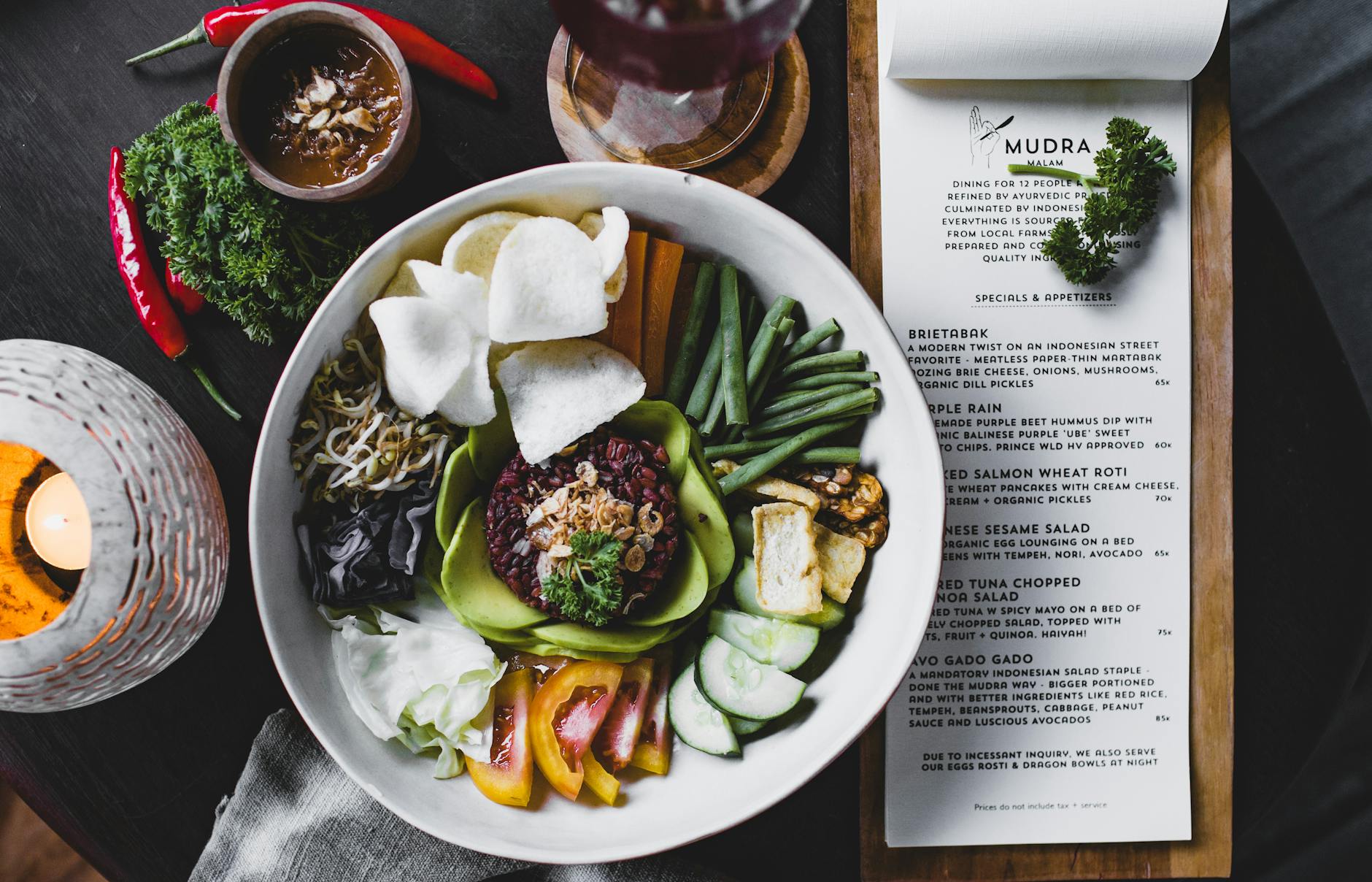
Building a healthy food list is just the beginning. The real magic happens when these choices become second nature, part of your daily rhythm. It's about more than just what you eat; it's about how you approach food and your body. The Centers for Disease Control and Prevention research on healthy food list consistently highlights the importance of sustainable habits.
Listen to Your Body: Intuitive Eating Matters
Beyond any list, your body is your best guide. Learn to recognize true hunger versus emotional eating. Pay attention to how different foods make you feel – do you feel energized or sluggish after a meal? This isn't about rigid rules; it's about developing a mindful relationship with food. Sometimes, an indulgent treat is perfectly fine, as long as it's a conscious choice and not a default.
Small Changes, Big Impact: Consistency is Key
Don't try to overhaul everything overnight. That's a recipe for burnout. Instead, pick one or two things from this healthy food list to focus on each week. Maybe you commit to adding a serving of leafy greens to one meal a day, or swapping out sugary drinks for water. These small, consistent changes accumulate over time, leading to significant benefits of healthy eating without feeling overwhelming. Think about it: adding one healthy item each week means 52 new healthy habits in a year!
The Joy of Cooking: Finding Your Kitchen Confidence
Cooking your own meals gives you control over ingredients and portion sizes, making it easier to stick to a balanced diet. You don't need to be a gourmet chef. Start with simple quick healthy lunches or dinners. Experiment with new spices, try a new vegetable. There's a real joy in preparing nourishing food for yourself and your loved ones. It's an act of self-care and a powerful way to connect with what you eat.
So, the next time you're standing in that grocery aisle, feeling a little lost, remember this guide. It's not just a healthy food list; it's a blueprint for a more vibrant, energized you. Start small, be kind to yourself, and trust that every nourishing choice you make is a step towards feeling your absolute best. You've got this.