Have you ever felt that nagging ache, that persistent fatigue, or a general "off" feeling that doctors just can't quite pinpoint? You know, the kind of subtle discomfort that chips away at your energy and enthusiasm, making you wonder if it's "just getting older" or if something deeper is at play. I'll be real with you, for years, I dismissed these whispers from my own body.
Then I stumbled upon the incredible, transformative power of the anti inflammatory diet, and honestly, it changed everything. It's not just about what you eat; it's about understanding how food speaks to your body, how it can either fan the flames of internal discomfort or gently extinguish them. This isn't some fad. This is a profound shift in how we approach our health, using the most fundamental tool we have: our plate.
Understanding the Silent Saboteur: What is Inflammation?
When most people hear "inflammation," they picture a swollen ankle or a red, angry cut. And that's absolutely correct – that's acute inflammation, your body's amazing first-responder system rushing to heal and protect you. It’s a vital, short-term process.
Acute vs. Chronic: The Crucial Difference
Here's the thing: while acute inflammation is a hero, its cousin, chronic inflammation, is a silent villain. This low-grade, persistent inflammation doesn't usually announce itself with dramatic swelling or pain. Instead, it simmers beneath the surface, a slow burn that can last for months or even years. This long-term internal stress can wreak absolute havoc, contributing to a startling array of serious health issues.
The Hidden Signs of a Body Under Siege
You might be wondering, how do you even know if you have chronic inflammation? It's often subtle. Think about persistent fatigue, brain fog, unexplained aches and pains, digestive issues, skin problems like acne or eczema, or even mood disturbances. These aren't just random annoyances; they can be your body's quiet cries for help. I used to think my afternoon slump was normal until I realized it was a symptom of something bigger.
Why Chronic Inflammation Wrecks Havoc
When inflammation becomes chronic, your immune system is essentially stuck in overdrive, constantly fighting a battle that isn't there. This sustained assault can damage healthy cells, tissues, and organs. Mayo Clinic research on anti inflammatory diet has highlighted how it's linked to everything from heart disease and type 2 diabetes to certain cancers and neurodegenerative conditions. It's truly shocking how much damage this internal unrest can cause.
The Foundation of an Anti Inflammatory Diet: Your Plate as a Healer
So, if chronic inflammation is the problem, what's the solution? The answer, thrillingly, lies largely in the food we choose to eat. An anti inflammatory diet isn't about deprivation; it's about abundance. It's about flooding your body with nutrients that calm and soothe, rather than irritate and provoke.
Embracing Whole, Unprocessed Goodness
The core principle is simple: prioritize whole, unprocessed foods. Think about what nature provides – vibrant fruits, crisp vegetables, wholesome grains, lean proteins, and healthy fats. These are the building blocks of a healthy body, packed with compounds that actively work to reduce inflammation naturally. When you eat real food, your body knows exactly what to do with it.
The Power of Antioxidants and Omega-3s
Two superstars in the anti-inflammatory world are antioxidants and omega-3 fatty acids. Antioxidants, found in colorful produce, fight off harmful free radicals that contribute to cellular damage and inflammation. Omega-3s, abundant in fatty fish, flaxseeds, and walnuts, are like peacekeepers, actively signaling your body to dial down inflammatory responses. It's truly incredible how these nutrients orchestrate such profound positive changes.
Why Your Gut is Ground Zero
This one surprised me when I first learned it: a massive chunk of your immune system resides in your gut. That means your gut health and inflammation are inextricably linked. A thriving gut microbiome, brimming with beneficial bacteria, can help regulate immune responses and keep inflammation in check. This is why a good gut health diet is so often an anti-inflammatory one.
Your Anti Inflammatory Diet Food List: What to Pile On!
Alright, let's get to the good stuff! What exactly should you be stocking your pantry and fridge with? This isn't about bland, boring meals, I promise. This is about discovering a world of flavor and vitality.
Nature's Pharmacy: Fruits and Vegetables Galore
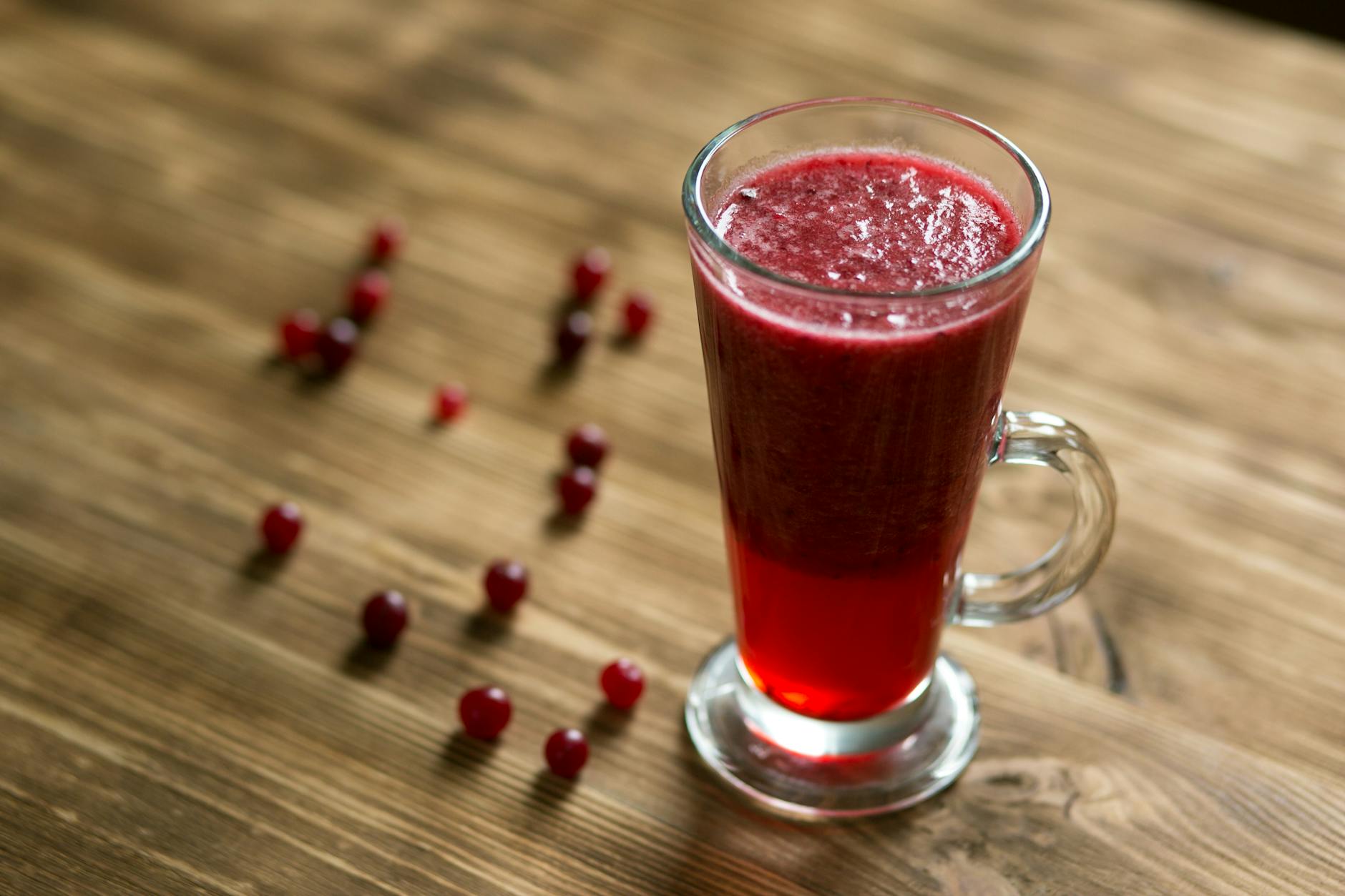
Think deep, rich colors. Berries (blueberries, raspberries, strawberries), cherries, oranges, and leafy greens like spinach, kale, and collards are packed with antioxidants. Broccoli, bell peppers, and artichokes also make the Healthy Food List: Discover Top 10 Nutritious Choices Today for a reason – they're nutritional powerhouses. Aim for a rainbow on your plate at every meal. Seriously, try to eat at least 5-7 servings a day; it makes a huge difference.
Smart Fats and Lean Proteins for Balance
Forget the old "fat is bad" mantra. Healthy fats are essential! Opt for extra virgin olive oil, avocados, nuts (almonds, walnuts), and seeds (chia, flax). For proteins, wild-caught fatty fish like salmon, mackerel, and sardines are champions of omega-3s. Lean poultry, beans, and lentils are also excellent choices. These ingredients form the backbone of many delicious anti inflammatory recipes.
Spices, Herbs, and Other Surprising Allies
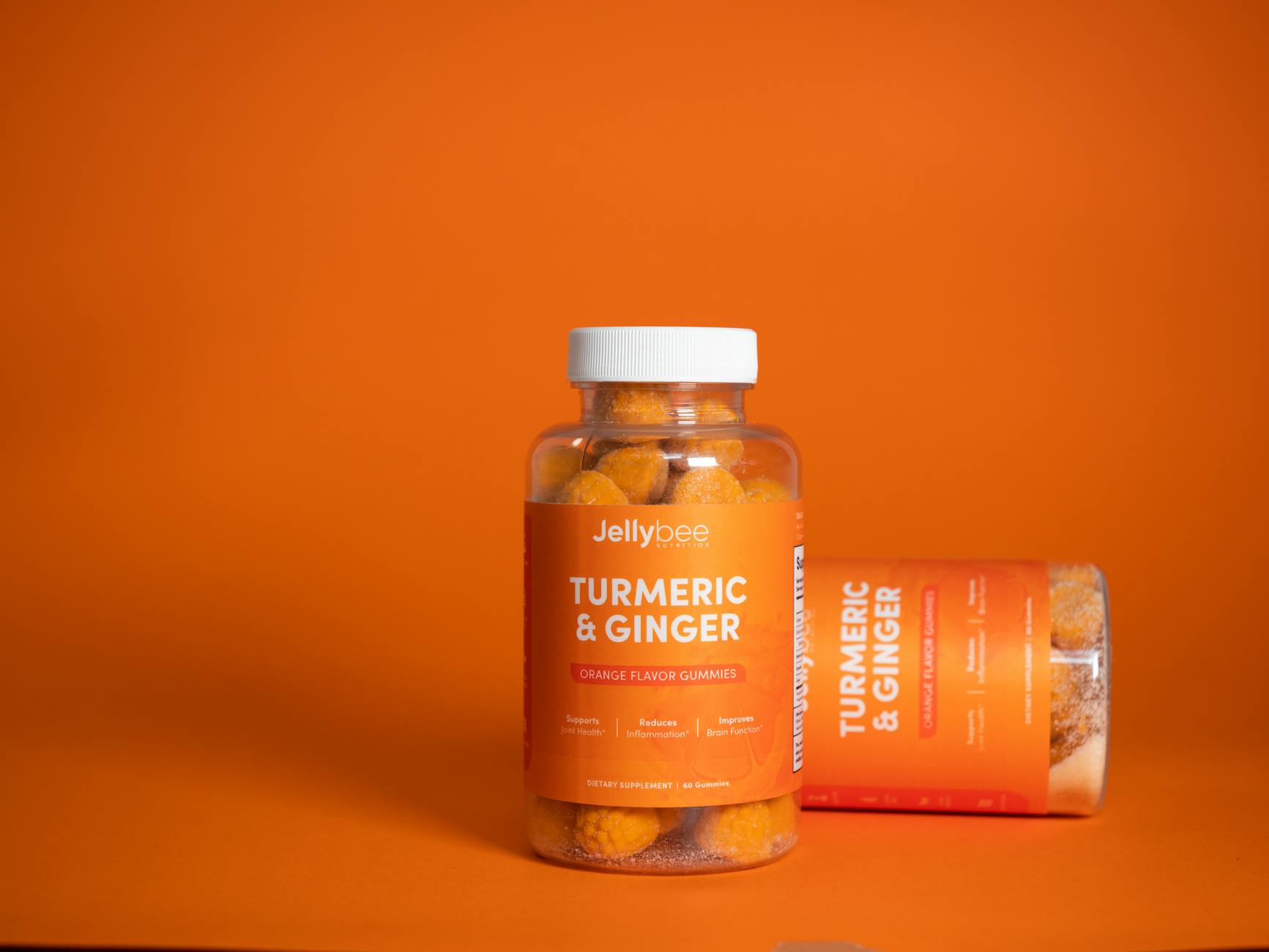
Don't underestimate the power of your spice rack! Turmeric, with its active compound curcumin, is a phenomenal anti-inflammatory agent. Ginger, garlic, cinnamon, and rosemary also bring their own potent healing properties. Green tea, with its catechins, is another fantastic addition. And let's not forget about fermented foods like kimchi, sauerkraut, and yogurt, which are excellent Probiotic Foods List: Top Fermented Options for Gut Health that boost your gut and, in turn, reduce inflammation.
A Quick List of Anti Inflammatory Foods:
- Leafy greens (spinach, kale, collards)
- Berries (blueberries, strawberries, raspberries, cherries)
- Fatty fish (salmon, mackerel, sardines)
- Nuts (almonds, walnuts) and seeds (chia, flax)
- Olive oil (extra virgin) and avocados
- Broccoli, cauliflower, Brussels sprouts
- Turmeric, ginger, garlic
- Green tea
- Legumes (beans, lentils)

The Unwelcome Guests: Foods to Avoid Inflammation
Just as some foods heal, others harm. Part of building an effective anti inflammatory diet plan involves consciously reducing or eliminating the things that actively trigger inflammation in your body. This isn't about punishment; it's about protection.
The Usual Suspects: Sugar and Processed Junk
This is probably the hardest pill to swallow for many, but added sugars and highly processed foods are inflammatory grenades. Think about sugary drinks, pastries, candies, and many packaged snacks. These items cause rapid blood sugar spikes, which can trigger an inflammatory response. Foods That Cause Inflammation: Avoid These 7 Triggers Now often feature these prominently, and for good reason.
Sneaky Triggers: Inflammatory Oils and Refined Grains
Some cooking oils, particularly those high in omega-6 fatty acids like corn, soybean, and sunflower oil, can contribute to an imbalance that promotes inflammation when consumed in excess. Refined grains, like white bread, white rice, and pasta made from white flour, also act similarly to sugar in the body, prompting an inflammatory cascade. It's not about cutting them out entirely for everyone, but certainly reducing their presence is key.
Beyond the Plate: Lifestyle Factors That Fuel the Fire
Look, diet is huge, but it's not the only piece of the puzzle. Chronic stress, lack of sleep, and insufficient physical activity are powerful inflammation boosters. Think about it: when you're stressed, your body releases cortisol, and while acute cortisol is helpful, chronic elevation can be inflammatory. This is all part of an anti inflammatory lifestyle, not just a diet.
Crafting Your Anti Inflammatory Diet Plan: Making it Real
Embarking on this journey doesn't mean a complete overhaul overnight. It's about making sustainable, positive changes. A good anti inflammatory diet plan integrates seamlessly into your daily life.
Simple Swaps for Everyday Meals
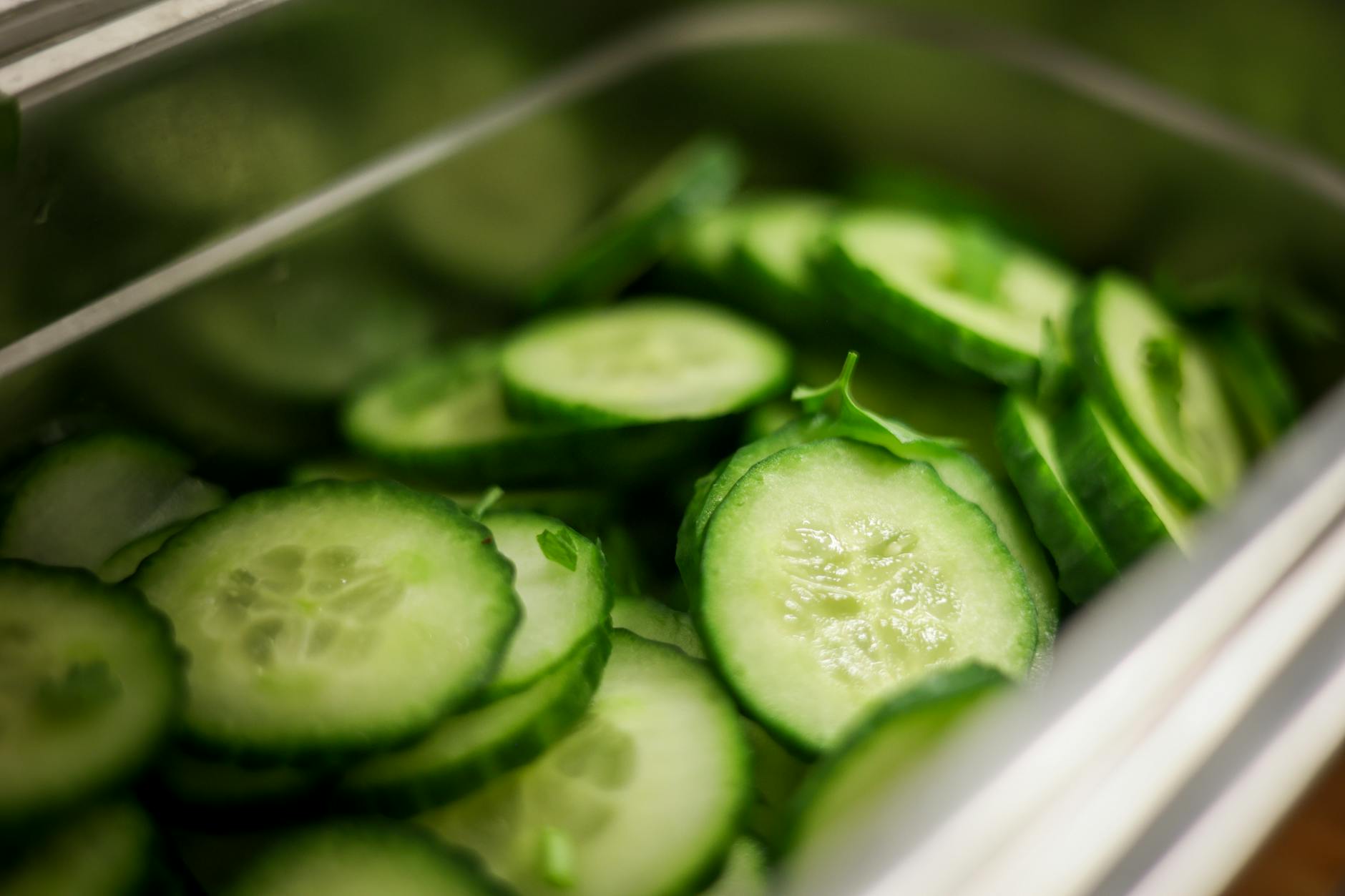
Start small. Instead of white rice, try quinoa or brown rice. Swap out that sugary cereal for oatmeal with berries and nuts. Use olive oil instead of vegetable oil. Replace soda with water infused with lemon or cucumber. These small shifts accumulate into significant benefits. For example, instead of grabbing a processed granola bar, reach for a handful of almonds and an apple. This one decision can drastically change your daily inflammatory load.
Exploring Delicious Anti Inflammatory Recipes
The beauty of this way of eating is the sheer variety! There are countless anti inflammatory recipes out there that are bursting with flavor. Think vibrant salads with grilled salmon, hearty lentil stews, turmeric-spiced chicken and vegetable stir-fries, or even delicious berry and spinach smoothies. Get creative in the kitchen! Cooking at home gives you control over your ingredients, which is paramount.
Consistency, Not Perfection, is Key
I'll be honest, no one is perfect. There will be times you deviate, and that's okay. The goal isn't absolute perfection; it's consistency. If you slip up, don't throw in the towel. Just get back on track with your next meal. The overall pattern of your eating habits is what truly matters for anti inflammatory diet benefits. This isn't a sprint; it's a marathon for better health.
Beyond Relief: The Broad Anti Inflammatory Diet Benefits
The rewards of adopting an A Boost for Brain and Body
Many people report improved mental clarity and focus. Less brain fog, more energy, and even better mood regulation are common benefits. When your body isn't constantly fighting internal fires, it can dedicate resources to other vital functions, including cognitive health. Furthermore, better energy levels mean you're more likely to engage in physical activity, creating a virtuous cycle of well-being. The World Health Organization research on anti inflammatory diet often highlights these systemic benefits.
Supporting Autoimmune Health and Beyond
For individuals dealing with autoimmune conditions, an autoimmune disease diet often aligns very closely with anti-inflammatory principles. By calming the immune system, it can help manage symptoms and improve quality of life. But even for those without specific diagnoses, the benefits are profound. This approach supports cardiovascular health, helps regulate blood sugar, and can even contribute to healthier skin and hair. The Best Gut Health Foods: Boost Your Digestion Naturally are often the same foods that reduce inflammation, leading to a double win for your body.
The Ripple Effect of a Healthy Lifestyle
Adopting an anti-inflammatory diet often inspires other positive healthy eating habits and lifestyle changes. You might find yourself wanting to move more, sleep better, and manage stress more effectively. These elements together create a powerful synergy that builds resilience and promotes long-term health. It's not just about what you omit; it's about what you invite into your life. The Centers for Disease Control and Prevention, for instance, emphasizes the role of diet in preventing chronic diseases, a core tenet of the Centers for Disease Control and Prevention research on anti inflammatory diet.
So, what does all this mean for you? It means you have immense power to influence your health, right in your kitchen. It's a journey of discovery, of listening to your body, and of nourishing it with kindness. The path to reducing chronic inflammation and embracing vitality starts with one conscious choice, one thoughtful meal at a time. Imagine waking up feeling truly refreshed, your mind clear, your body comfortable – that's the promise of living an anti-inflammatory life. Are you ready to taste the difference?