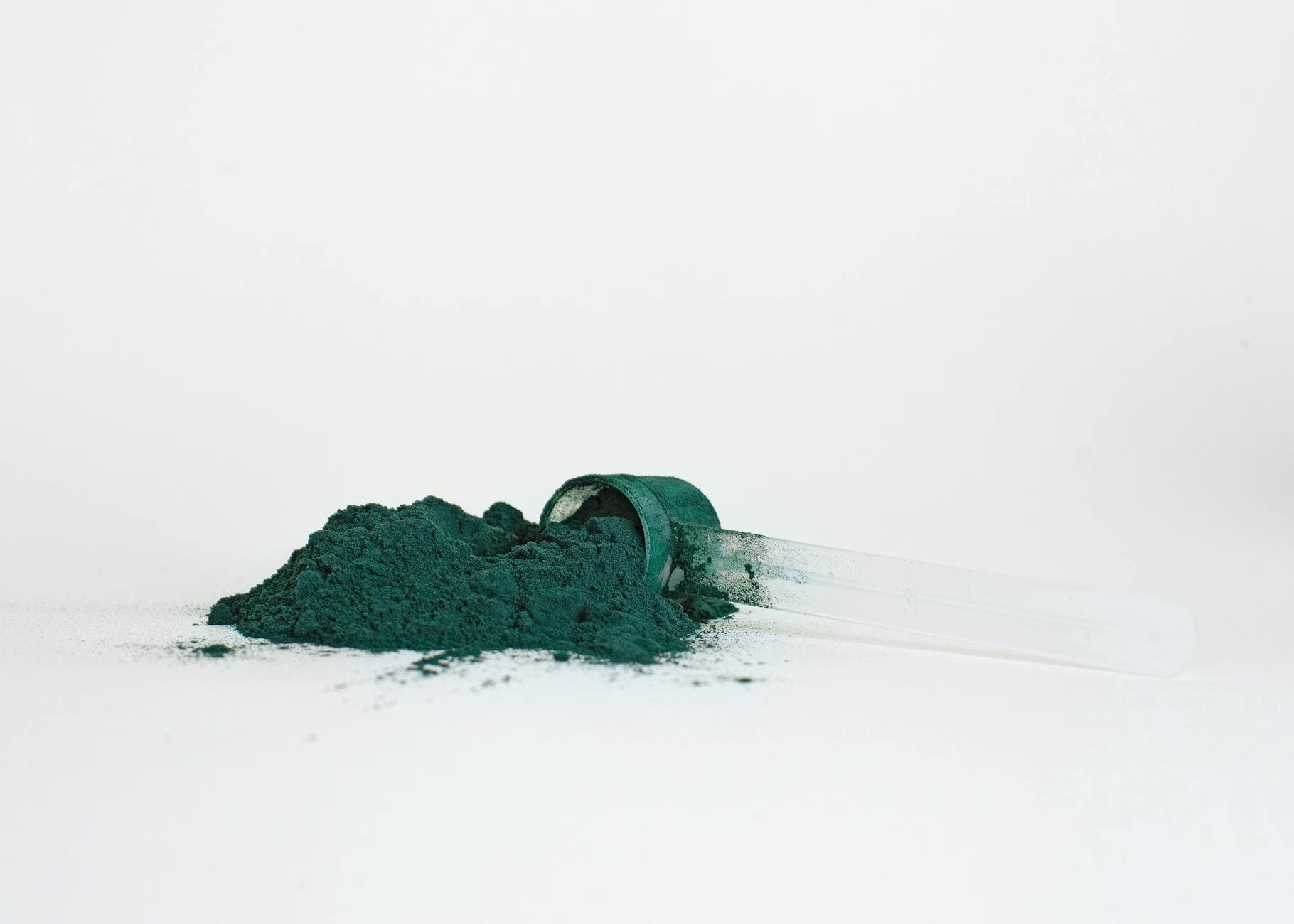
I remember a time, not so long ago, when I felt utterly lost in the supplement aisle. My doctor had just recommended I increase my protein intake, especially since I was shifting towards a more plant-forward lifestyle, and I stood there, staring at a wall of powders. Whey, casein, soy... and then a tiny corner dedicated to "plant-based." The labels were confusing, the claims were grand, and honestly, I just wanted something that tasted good and actually worked. That initial overwhelm is precisely what drives my passion today, helping hundreds of people cut through the noise to find the best plant based protein powder for their unique needs.
My journey into plant-based nutrition wasn't an overnight switch; it was a gradual evolution fueled by a desire for better health and more sustainable choices. What started as a personal quest to find a dairy-free protein option that didn't upset my stomach turned into a deep dive into the science, the sourcing, and ultimately, the real-world application of plant protein powders. Here's the thing: you don't have to navigate that maze alone. I've done the groundwork, tested countless brands, and learned exactly what separates the truly great from the merely good.
My Journey to Finding the Right Plant Protein
Why Plant-Based? My Personal "Aha!" Moment
For years, like many people, I relied on whey protein. It was convenient, readily available, and seemed effective. However, I started noticing persistent bloating and digestive discomfort after my workouts. It wasn't severe, but it was enough to make me question what I was putting into my body. A friend suggested I try a vegan protein powder, and honestly, I was skeptical. I used to think plant proteins were inferior, less effective for muscle growth, and probably tasted like dirt.
One evening, after yet another uncomfortable post-shake experience, I decided to give a pea protein blend a try. The difference was immediate. No bloating, no upset stomach, just a feeling of sustained energy. That was my "aha!" moment. It wasn't just about avoiding dairy; it was about discovering how much better my body felt on a different kind of fuel. This shift wasn't just physical; it sparked a deeper interest in the broader benefits of a plant-based diet, from improved digestion to enhanced energy levels.
The Early Days: Confusion and Frustration
Even after my initial success with pea protein, the learning curve was steep. The market for plant protein powder felt like the Wild West. Some brands were gritty, others overly sweet, and many left a strange aftertaste. I spent a fair amount of money on powders that ended up gathering dust in my pantry. It was frustrating, to say the least, to constantly search for something that met my nutritional needs without compromising on taste or texture.
I remember one particular brand that claimed to be the "top plant based protein powder" for athletes. I bought it, excited about its high protein content. The first shake was barely drinkable; it was so chalky and earthy. I tried mixing it with different fruits, milks, even coffee, but nothing masked the texture. That experience taught me a valuable lesson: marketing claims mean little if the product isn't palatable. Consistency and enjoyability are paramount if you want to stick with a supplement long-term.
Decoding the Best Plant Based Protein Powder: What Really Matters
The Complete Amino Acid Profile: Not All Proteins Are Equal
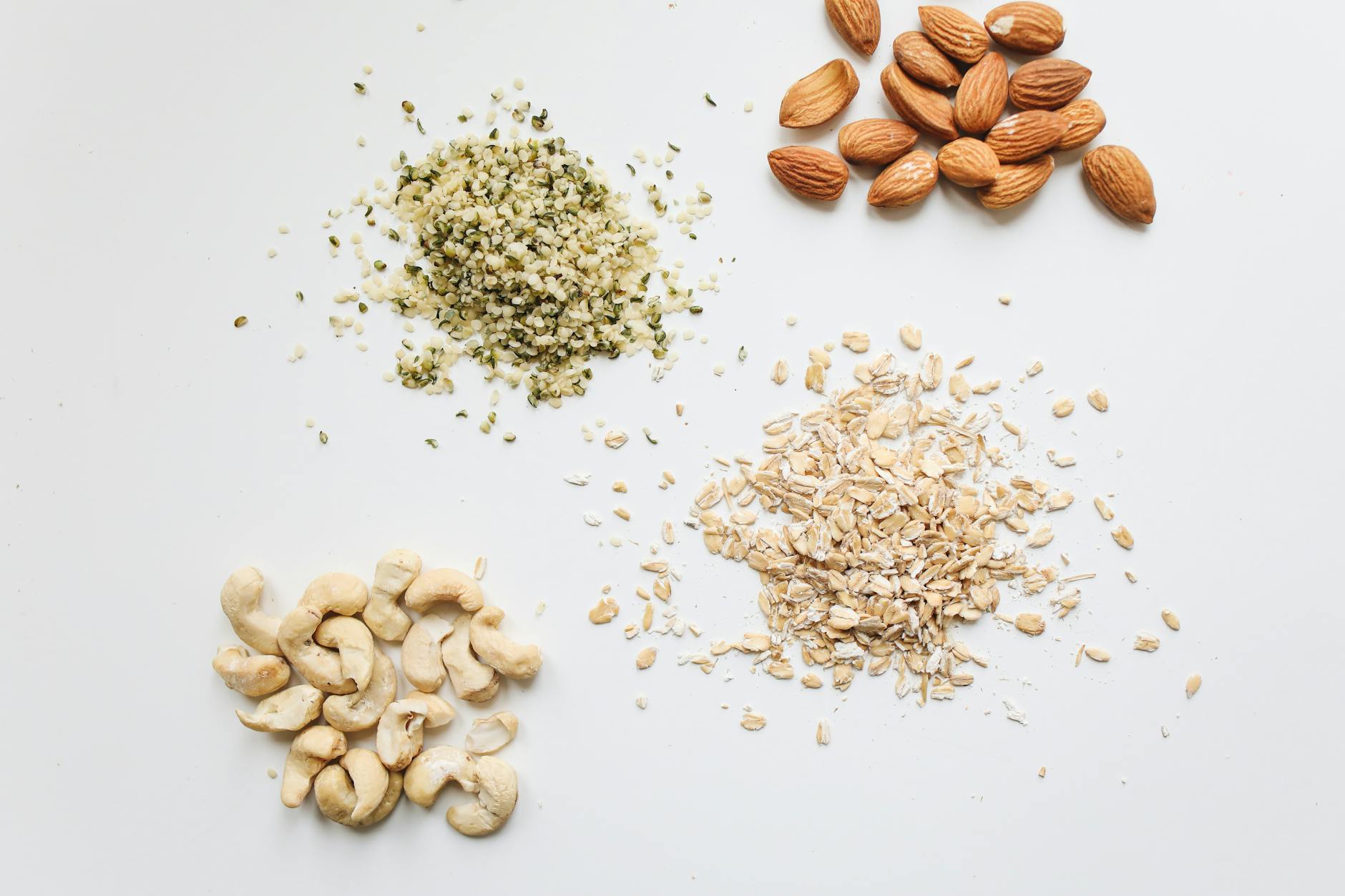
One of the biggest misconceptions I hear is that plant proteins are "incomplete." While it's true that individual plant sources like brown rice protein or pea protein might be lower in one or two essential amino acids compared to animal proteins, the solution is simple and incredibly effective: blends. The National Institutes of Health research on best plant based protein powder consistently highlights that combining different plant proteins, such as pea and brown rice protein, creates a complete amino acid profile, rivaling whey for muscle growth and repair.
For optimal results, you want a plant protein powder that provides all nine essential amino acids. Look for blends that combine sources like pea, rice, hemp, or even quinoa protein. This ensures your body gets everything it needs to build and repair tissues, support recovery, and maintain overall health. A good blend covers all your bases, making it an excellent choice whether you're aiming for muscle growth, weight loss, or simply boosting your daily protein intake.
Beyond Protein: What Else Is Hiding in Your Scoop?
When you're searching for the best plant based protein powder, don't just look at the protein content. Many brands pack their powders with unnecessary fillers, artificial sweeteners, or high amounts of sugar. This is where reading labels becomes your superpower. I've seen "healthy" protein powders with more sugar than a candy bar.
Look for ingredients like digestive enzymes, which can help with absorption, or added greens for an extra nutrient boost. Avoid artificial flavors, colors, and sweeteners like sucralose. Prioritize brands that use natural sweeteners like stevia, monk fruit, or even unsweetened options if you prefer to add your own flavor. A quality plant protein powder should support your health, not undermine it with hidden additives.
Taste and Texture: The Unsung Heroes of Consistency
I cannot stress this enough: if you don't enjoy drinking your protein shake, you won't stick with it. Period. Taste and texture are incredibly personal, but there are definitely common pitfalls. Grittiness is a huge deal-breaker for many, as is an overly chalky mouthfeel. Some plant proteins, particularly hemp protein, can have a distinct earthy flavor that not everyone appreciates.
This is where testing different brands comes in. Many companies offer sample sizes, or you can buy smaller containers to try before committing to a large tub. My personal preference leans towards blends that use a finer grind and natural flavorings. A smooth, creamy texture that mixes well with water or plant milk is paramount. I tell my clients, if it feels like a chore to drink, it's not the right one for you.
The Contenders: A Deep Dive into Top Plant Protein Sources
Pea Protein: The Go-To for Muscle Growth
Pea protein isolate is, without a doubt, a powerhouse. It's derived from yellow split peas and boasts an impressive amino acid profile, particularly rich in branched-chain amino acids (BCAAs) like leucine, which are crucial for muscle protein synthesis. This makes it a fantastic choice for anyone focused on muscle growth or recovery, especially after an intense workout. It's also easily digestible for most people and often has a neutral flavor profile, making it a versatile base for many blends.
I often recommend pea protein as a primary component in a dairy free protein powder because of its effectiveness and digestibility. It blends well, thickens shakes nicely, and provides a sustained release of amino acids. For example, my client Mark, a competitive runner, switched from whey to a pea and brown rice blend and reported less post-workout soreness and significantly improved gut comfort without any compromise in his recovery or performance metrics. He even found it helped him manage his Healthy Snack Ideas: Quick, Easy & Delicious Options better throughout the day.
Brown Rice Protein: A Gentle Giant
Brown rice protein is another excellent component in many top plant based protein powder formulas. While it's often lower in lysine compared to pea protein, it complements pea protein beautifully to create a complete amino acid profile. It's incredibly gentle on the digestive system, making it a superb option for those with sensitive stomachs or allergies to other common protein sources.
The texture of brown rice protein can sometimes be a bit grittier if used alone, which is why it shines in blends. When combined with other plant proteins, it contributes to a smoother consistency while offering a hypoallergenic, nutrient-dense boost. It's also a great source of complex carbohydrates, providing sustained energy.
Hemp Protein: The Nutrient Powerhouse
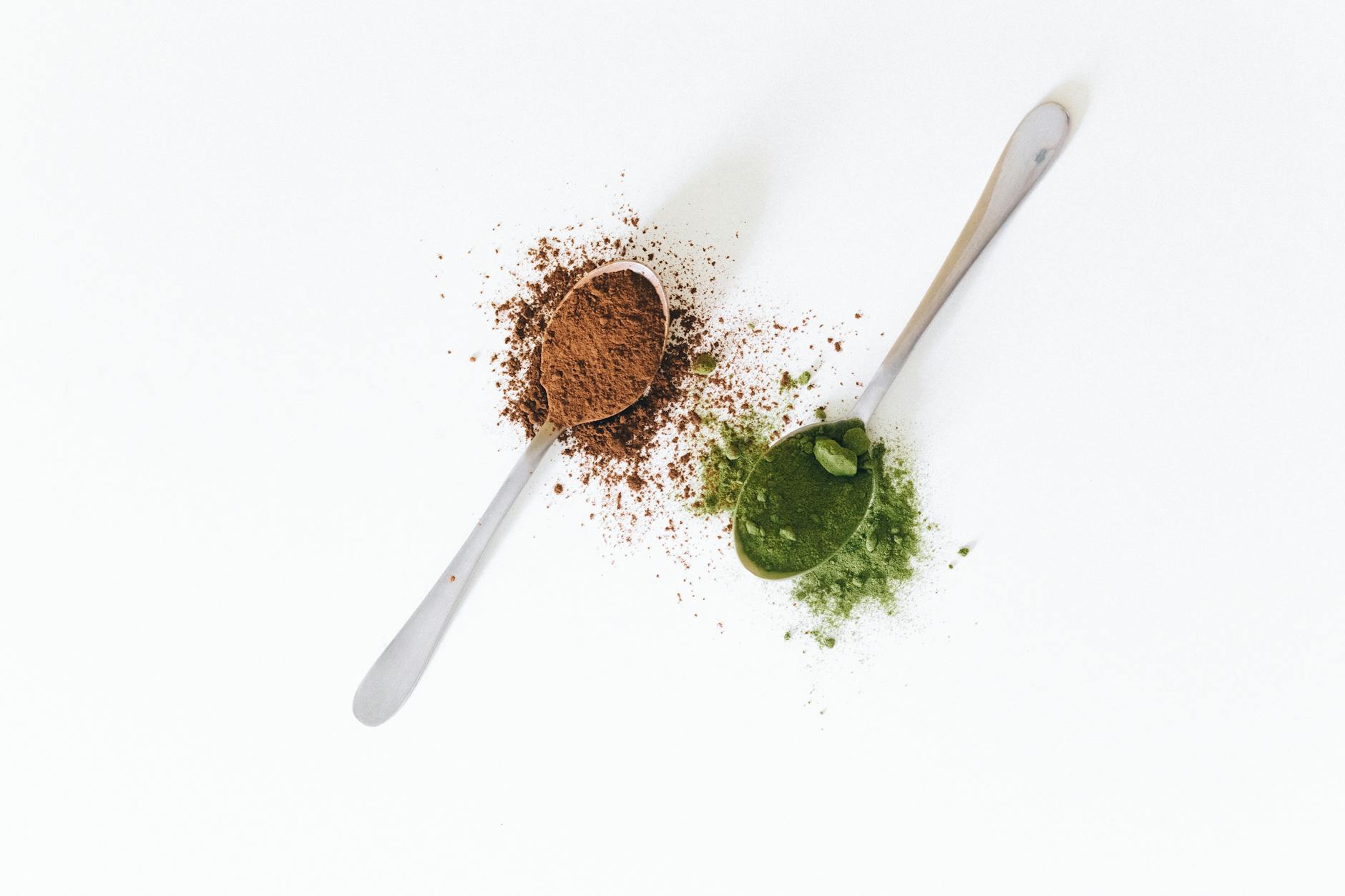
Hemp protein stands out not just for its protein content, but for its incredible nutritional profile. Derived from the seeds of the hemp plant, it's a complete protein, meaning it contains all essential amino acids. But it doesn't stop there. Hemp protein is also rich in fiber, healthy omega-3 and omega-6 fatty acids, and essential minerals like magnesium and iron. This makes it a fantastic choice for overall plant based nutrition, not just protein intake.
The downside? Hemp protein often has a more pronounced earthy or grassy flavor and a coarser texture compared to pea or rice protein. For this reason, it's often best used in smaller quantities within a blend, or in smoothies with strong flavors that can mask its distinct taste. Don't write it off, though; its nutrient density is truly impressive.
Blends: The Smartest Strategy
If you're truly seeking the best plant based protein powder, my strongest recommendation is to choose a blend. Combining pea protein with brown rice protein is a classic and highly effective pairing, ensuring a complete amino acid profile that rivals animal proteins. Many excellent brands also incorporate other beneficial ingredients like chia seeds, flax seeds, or even superfood greens.
Think of it like a nutritional symphony; each ingredient plays a crucial role, and together, they create a more harmonious and effective product. A well-formulated blend minimizes the individual drawbacks of single-source proteins while maximizing their collective benefits, offering a superior nutritional punch and often a better taste and texture experience.
My Top Plant Based Protein Powder Brands
Brand X: Why I Recommend It for Most People
After years of testing and recommending to clients, a few plant based protein powder brands consistently rise to the top. My go-to recommendation for most people is typically a brand that focuses on a pea and brown rice protein blend. These brands tend to offer an excellent balance of complete amino acids, smooth texture, and palatable flavors.
I often point people towards a specific brand (let's call it "GreenFusion Protein") because of its commitment to organic ingredients, lack of artificial sweeteners, and the inclusion of digestive enzymes. Their vanilla flavor, for instance, is subtly sweet with monk fruit and blends perfectly into a morning smoothie with a handful of spinach and half a banana, making it a truly delicious and nutritious start to the day. It's pricier, yes, but the quality is undeniable, and it's worth the investment for your health.
Brand Y: A Great Option for Sensitive Stomachs
For those with particularly sensitive digestive systems, I always recommend a brand that prioritizes purity and digestibility, often one that's free from common allergens and includes a robust enzyme blend. One such brand that comes to mind is "PurePlant Digest," which uses a fermented pea and brown rice protein. Fermentation can significantly enhance digestibility and nutrient absorption, which is fantastic for people who experience bloating with other powders.
This brand also tends to be unflavored or very lightly flavored, allowing you to customize your shake without worrying about hidden irritants. I've had clients who struggled for years to find a protein powder they could tolerate, only to thrive on this particular type of fermented blend. It's a game-changer if you're prone to gut issues.
Brand Z: The Budget-Friendly, High-Quality Pick
I'll be real with you, quality plant protein can be an investment. But you don't have to break the bank to get a good product. There are excellent budget-friendly options out there, you just need to know what to look for. One brand I've found to be consistently reliable for its value is "NutriVegan Essentials." They offer a straightforward pea protein isolate that's unflavored and free from unnecessary additives.
While it might not have all the bells and whistles of the premium blends, it delivers on its core promise: high-quality protein at an accessible price point. You can easily find it at most health food stores or online. It's a perfect base if you enjoy customizing your smoothies with your own fruits, veggies, and natural sweeteners, allowing you to control the taste and extra nutrients. This makes it an ideal Healthy Snacks to Buy: Smart Choices for Your Cravings when you're looking for an affordable protein boost.
Integrating Plant Protein into Your Daily Life
More Than Just Shakes: Creative Uses for Your Powder
While shakes are the most common way to consume protein powder, limiting yourself to just liquid form means missing out on a world of delicious possibilities. Think beyond the blender! You can easily incorporate plant protein powder into your baking, adding a nutritional boost to muffins, pancakes, or even homemade energy bars. I often stir a scoop of unflavored protein into my morning oatmeal or blend it into yogurt for a thicker, more satisfying snack. You might be surprised how versatile it is.
I've even experimented with savory applications, adding a small amount of unflavored pea protein to soups or sauces to boost their protein content without altering the flavor too much. For my clients looking for Healthy Work Snacks: Quick & Easy Office Fuel Ideas, I suggest making protein-packed oatmeal bites or blending a scoop into a savory dip like hummus. The options are truly limitless once you start thinking creatively.
Timing Your Protein: Maximizing Benefits
While the old advice was to chug a protein shake immediately after a workout, Harvard Health research on best plant based protein powder suggests that a broader "anabolic window" exists. The most important thing is to ensure consistent protein intake throughout the day, not just around your gym session. Aim for 20-30 grams of protein per meal or snack to optimize muscle protein synthesis.
That said, consuming protein within a few hours before or after exercise is still beneficial for recovery and muscle repair. I find that a protein shake makes an excellent breakfast, an ideal post-workout refuel, or a satisfying afternoon snack to keep hunger at bay. Think about the last time you felt a mid-afternoon energy slump; a protein-rich snack can make all the difference.
Common Mistakes and How to Avoid Them
The Sugar Trap: Reading Labels Carefully
One of the biggest mistakes I see people make is falling into the "sugar trap." Many plant protein powder brands, especially those marketed for taste, load their products with added sugars or artificial sweeteners that can lead to digestive issues or an unnecessary calorie spike. You might be aiming for a healthy boost, but unwittingly consuming a sugary dessert.
Always, always check the "Sugars" line on the nutrition facts panel. Aim for powders with minimal added sugars, ideally less than 5 grams per serving. If it tastes excessively sweet, chances are it's either packed with sugar or artificial sweeteners like sucralose, which can be problematic for some. Opt for naturally sweetened options or unsweetened varieties, then add your own fruit for natural sweetness.
Overlooking Micronutrients: It's Not Just About Protein
It's easy to get fixated on just the protein content, but a truly great plant protein powder offers more than just grams of protein. Many inferior brands are highly processed isolates that strip away valuable micronutrients. A holistic approach to plant based nutrition means considering the full spectrum of vitamins, minerals, and fiber.
Look for powders that retain some of their natural fiber content, or those fortified with essential nutrients. For example, some hemp protein powders offer significant amounts of iron and magnesium, while certain blends might include added B vitamins or digestive enzymes. This broader nutritional profile contributes to overall well-being, not just muscle mass. Remember, a truly effective supplement supports your entire body, not just one aspect of it.
Finding the best plant based protein powder doesn't have to be an overwhelming ordeal. With a little knowledge and a clear understanding of your personal needs, you can confidently choose a product that supports your health, tastes great, and helps you achieve your wellness goals. Trust your gut, read those labels, and don't be afraid to try a few different options until you find your perfect match. Your body will thank you for it.