What if you could unlock a hidden reservoir of energy, sharpen your focus to laser precision, and significantly boost your mood, all without a single pill or complicated regimen? It sounds too good to be true, right? But the truth is, this potent combination of benefits is readily available to almost everyone. The key lies not in adding something new to your life, but in addressing something fundamental that might be subtly, or not so subtly, sabotaging you: your sleep. Understanding the pervasive sleep deprivation causes is the first, crucial step toward reclaiming these vital aspects of your well-being.
The Silent Saboteur: How Lack of Sleep Erodes Your Health
You’ve probably noticed it yourself. That foggy feeling after a night of tossing and turning, the irritability that simmers just beneath the surface, the sheer effort it takes to concentrate on a simple task. This isn't just a bad mood; it's your body and mind crying out for rest. The impact of insufficient sleep is far more profound than many realize, touching nearly every facet of our physical and mental health. It's a silent saboteur, chipping away at our resilience and vitality piece by piece.
The Brain on Empty
Your brain is incredibly active during sleep, consolidating memories, clearing out toxins, and preparing you for the day ahead. When you don't get enough sleep, this essential maintenance doesn't happen. You might find yourself struggling with decision-making, problem-solving, and even creativity. It's like trying to run a complex computer system with a severely depleted battery – performance plummets.
Physical Tolls of Sleeplessness
Beyond cognitive function, a lack of sleep wreaks havoc on your physical health. Your immune system weakens, making you more susceptible to illness. Hormonal imbalances can occur, affecting everything from your appetite to your stress levels. Chronic sleep deprivation is linked to an increased risk of serious health problems, including heart disease, diabetes, and obesity. The World Health Organization research on sleep deprivation causes highlights these significant long-term risks.
Emotional Rollercoaster
Ever felt overly emotional or easily frustrated after a poor night's sleep? That's because sleep plays a critical role in regulating our emotions. When we're sleep-deprived, our amygdala, the brain's emotional center, becomes more reactive, leading to heightened feelings of anxiety, sadness, and anger. It can even exacerbate symptoms of depression and anxiety disorders, making everyday challenges feel insurmountable.
Common Culprits Behind Sleep Deprivation Causes
So, what exactly is keeping us awake? The reasons are as varied as the individuals experiencing them, but several common culprits consistently appear. Identifying these personal roadblocks is key to finding effective solutions for difficulty sleeping.
The Modern Lifestyle Paradox
We live in a world that glorifies busyness. Late nights at work, endless scrolling on social media, and the constant hum of digital notifications all conspire against restful sleep. Our internal clock, the circadian rhythm, gets thrown out of sync by artificial light and irregular schedules. This paradox of being more connected than ever yet feeling more isolated and exhausted is a significant contributor to widespread sleep issues.
Underlying Health Conditions
Sometimes, trouble sleeping isn't just about habits; it's a symptom of an underlying health issue. Conditions like sleep apnea, restless legs syndrome, and chronic pain can make falling asleep or staying asleep incredibly challenging. If you suspect a medical condition might be contributing to your insomnia treatment needs, consulting a doctor is essential. The National Institutes of Health research on sleep deprivation causes often points to these medical factors.
Stress and Anxiety: The Mind's Sleepless Vigil
This one I've experienced firsthand. When my mind is racing with worries, thoughts of to-do lists, or anxieties about the future, sleep feels like an impossible luxury. Stress and anxiety are powerful activators of the body's fight-or-flight response, making it incredibly difficult to switch off and relax. This creates a vicious cycle: lack of sleep fuels anxiety, and anxiety prevents sleep.
When Sleep Becomes a Battle: Insomnia and Its Forms
For many, the struggle to sleep isn't just an occasional inconvenience; it's a persistent battle. This is where insomnia treatment becomes a necessity. Understanding the different forms of insomnia can help in seeking the right kind of help.
Acute vs. Chronic Insomnia
Acute insomnia is short-term, often triggered by a stressful event or a change in routine. It usually resolves on its own once the trigger is gone. Chronic insomnia, however, persists for at least three nights a week for three months or longer, significantly impacting daily life. This is where professional intervention and dedicated insomnia treatment strategies are often required.
Sleep Cycle Disruptions
Our natural sleep cycle, typically involving periods of light and deep sleep, followed by REM sleep, is crucial for feeling refreshed. Disruptions to this cycle, whether due to shift work, jet lag, or other factors, can lead to feeling groggy and unwell. Re-establishing a regular sleep cycle is a cornerstone of effective sleep hygiene.
The Role of Lifestyle Choices
What we consume and when can profoundly affect our ability to sleep. Late-night caffeine or alcohol consumption, heavy meals close to bedtime, and even excessive screen time can all interfere with your sleep cycle. Making conscious choices about these habits is a vital part of addressing difficulty sleeping.
Beyond the Basics: Deeper Causes of Sleep Deprivation
Sometimes, the reasons for sleep deprivation are less obvious and require a deeper look. These can be subtle but have a significant impact on your overall sleep quality.
Environmental Factors
Your bedroom environment plays a crucial role in sleep. A room that's too bright, too noisy, or the wrong temperature can make it incredibly hard to fall asleep and stay asleep. Even a slightly uncomfortable mattress or pillow can contribute to restless nights. Think about the last time you slept in a truly dark, quiet, and cool room – the difference is palpable.
Medications and Substances
Certain medications, including some antidepressants, blood pressure drugs, and even over-the-counter cold remedies, can interfere with sleep. Similarly, while alcohol might make you feel drowsy initially, it disrupts later sleep stages, leading to fragmented rest. It's always worth discussing your medications with your doctor if you suspect they're affecting your sleep.
Age-Related Changes
As we age, our sleep patterns naturally change. We may experience lighter sleep, wake up more frequently during the night, and have a less robust circadian rhythm. While some changes are normal, significant trouble sleeping should still be addressed. The Mayo Clinic research on sleep deprivation causes includes information on age-related sleep shifts.
My Personal Journey: The Surprising Impact of a Simple Change
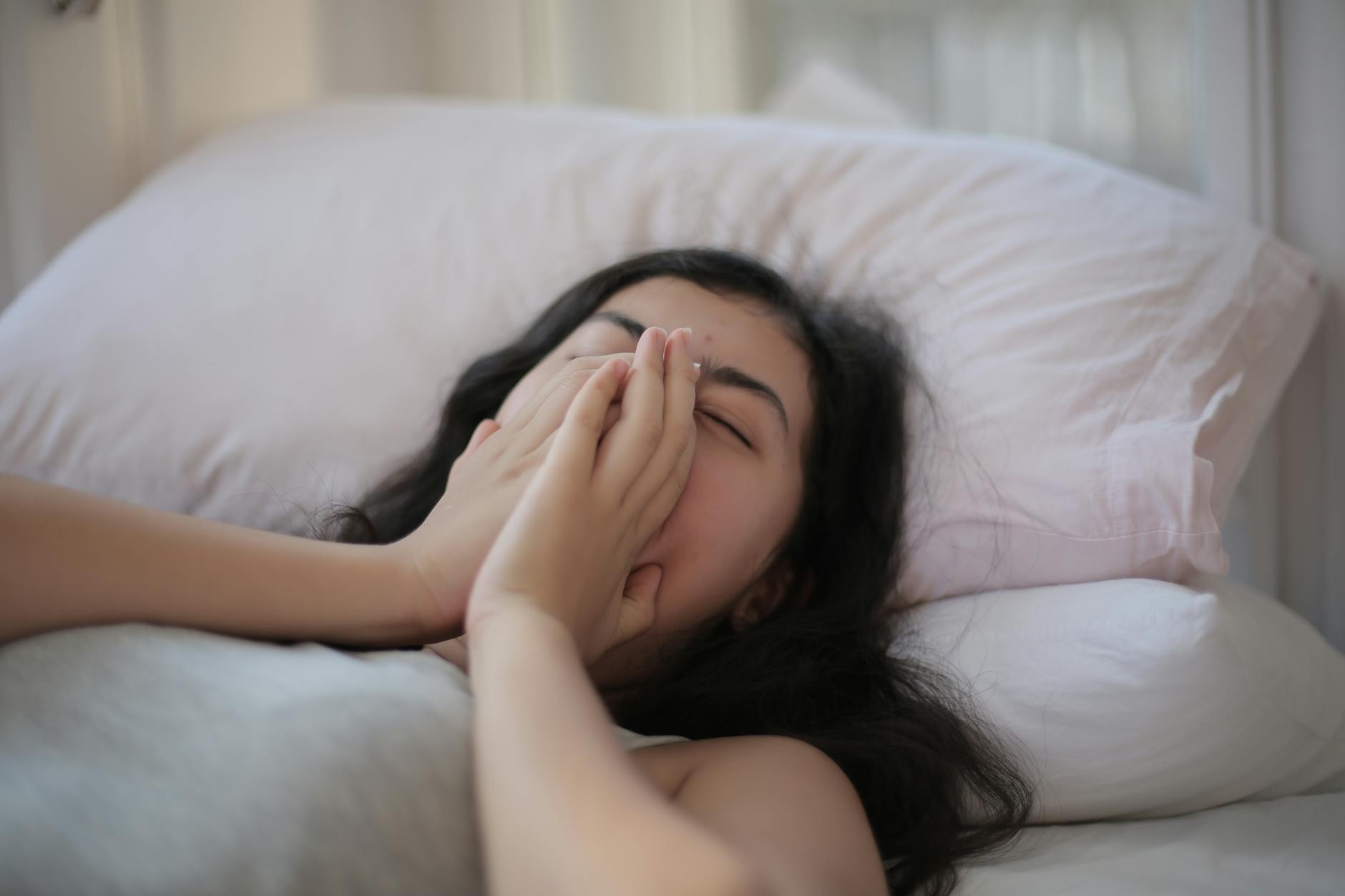
I'll be real with you. For years, I struggled with trouble sleeping. I’d lie awake for hours, my mind a frantic hamster wheel. I tried everything: blackout curtains, white noise machines, herbal teas. Some helped a little, but nothing was a game-changer. Then, I started paying closer attention to my daytime habits, specifically my exposure to natural light. I used to think that just avoiding caffeine after 2 PM was enough. This one surprised me: intentionally getting 15-20 minutes of bright sunlight within an hour of waking up made a remarkable difference in my ability to fall asleep at night. It helped reset my internal clock and regulate my sleep cycle. It wasn't about adding something complex; it was about embracing a simple, natural process. This is why I'm so passionate about sharing practical, often overlooked, strategies for better sleep.
The Power of Light Exposure
Our bodies are wired to respond to light. Morning sunlight signals to your brain that it's time to be awake and alert, while dimming the lights in the evening helps prepare your body for sleep. This simple act of syncing with natural light patterns can be incredibly powerful for regulating your sleep cycle and improving sleep quality. It’s a cornerstone of good sleep hygiene.
Mindfulness and Relaxation Techniques
When anxiety and stress are the primary drivers of sleeplessness, incorporating mindfulness and relaxation techniques can be incredibly beneficial. Simple breathing exercises, progressive muscle relaxation, or even gentle meditation can help calm a racing mind and prepare your body for rest. These are not complex therapies, but accessible tools for managing the anxiety and sleep connection.
Seeking Help for Persistent Sleep Problems
If you've tried various strategies and are still experiencing significant sleep deprivation, it's time to seek professional help. There are effective insomnia treatment options available that can make a world of difference.
When to See a Doctor
If your difficulty sleeping is impacting your daily functioning, mood, or overall health, don't hesitate to consult a healthcare professional. Persistent insomnia can be a sign of an underlying medical condition, and a doctor can help diagnose and treat it. They can also rule out sleep disorders like sleep apnea, which requires specific medical intervention.
Exploring Treatment Options
Treatment for sleep deprivation causes can range from cognitive behavioral therapy for insomnia (CBT-I), which is highly effective, to prescribed medications in some cases. Sometimes, simple adjustments to your sleep hygiene, guided by a professional, are all that's needed. For those seeking gentler approaches, exploring Natural Health Products: Boost Your Well-being Naturally might be a complementary option, but always discuss these with your doctor first.
Ultimately, understanding the myriad of sleep deprivation causes is about empowering yourself. It’s about recognizing that the quality of your sleep directly influences the quality of your life. Prioritizing rest isn't a luxury; it's a fundamental necessity for a healthy, vibrant existence. Start by examining your own habits and environment, and don't be afraid to reach out for support when you need it. Your body and mind will thank you for it.