Embrace the Awakening: Why Spring Trail Walking is Your Next Best Move
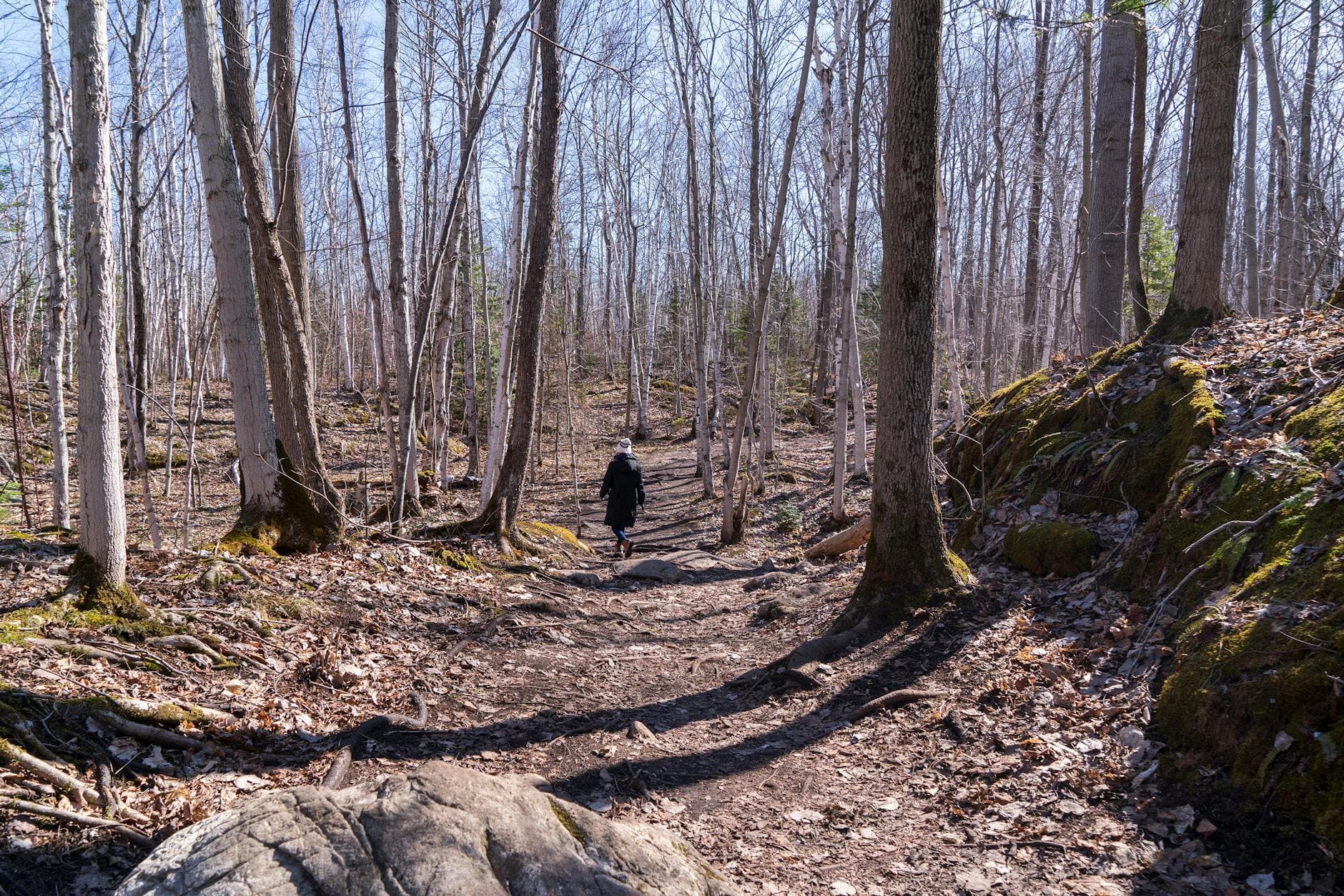
The first crisp morning of spring, the kind where the air still holds a hint of winter's chill but the sun feels genuinely warm on your face. I remember one year, after a particularly brutal winter, I was practically hibernating. My go-to gym felt stale, the same four walls mocking my dwindling motivation. Then, one Saturday, a friend dragged me out to a local park. The trails were still a bit muddy, a few stubborn patches of snow clung to the shaded spots, but the sheer *life* bursting forth was intoxicating. That first taste of spring trail walking wasn't just a walk; it was a reawakening. It reminded me why I fell in love with being active outdoors in the first place. If you're feeling that post-winter slump, that yearning for something more than treadmills and fluorescent lights, then spring trail walking might just be the perfect antidote. It’s more than just a walk; it's an experience that nourishes your body and soul.
The Irresistible Pull of the Trails This Season
There’s a magic to the transition from winter to spring that’s hard to replicate. The world shakes off its slumber, and suddenly, everything feels possible again. This is precisely where spring trail walking shines, offering a gentle yet powerful re-entry into fitness for many. It’s about reconnecting with nature as it bursts back to life, a stark contrast to the often monotonous indoor routines we fall into.
Why Now is the Perfect Time to Start
You’ve probably noticed the subtle shifts: the longer daylight hours, the tentative unfurling of leaves, the cheerful chirping of birds. These are nature's invitations. For those looking to get back into a fitness routine, especially after a sedentary winter, spring trail walking offers a less intimidating entry point than, say, hitting the pavement for a brutal run. The varied terrain and the sheer beauty of your surroundings can mask the effort you're putting in, making it feel more like an adventure than a chore.
Beyond the Physical: A Mental Reset
Honestly, the mental benefits are what kept me coming back, especially in those early days. The stress melts away with every step. Studies by organizations like the Mayo Clinic research on spring trail walking consistently highlight the positive impact of nature on mental well-being. The simple act of being surrounded by green, breathing fresh air, and listening to the sounds of the natural world can significantly reduce anxiety and improve mood. It’s a powerful form of therapy that doesn’t cost a dime.
Getting Started: Your First Steps on the Trail
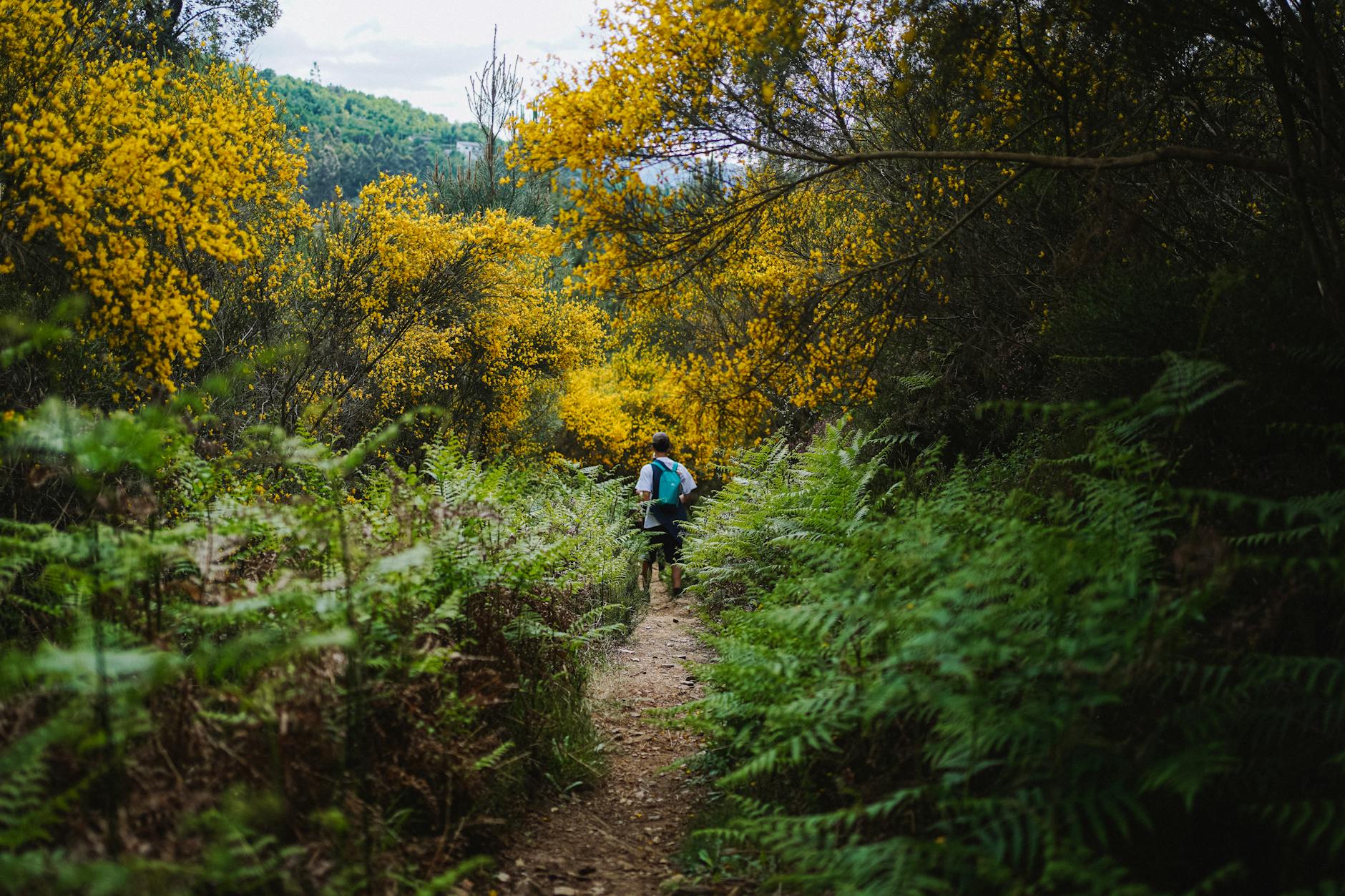
If the idea of spring trail walking is appealing but feels a bit daunting, I get it. I used to think you needed all the fancy gear and a map of obscure wilderness areas to even begin. That’s just not true. The beauty of trail walking, especially for beginners, is its accessibility. You don't need to be an elite athlete or a seasoned explorer to enjoy it. It's about taking that first step, literally and figuratively.
Finding Trails That Welcome You
The key to successful beginner trail walking is choosing the right environment. Forget the steep, technical mountain paths for now. Look for local parks, nature preserves, or even well-maintained paths in larger urban green spaces. Many park systems have websites that detail trail difficulty, length, and even provide maps. You’re looking for relatively flat, well-trodden paths. Think gentle inclines, clear signage, and maybe even a nice view to reward your effort. This is where you can really start to enjoy spring hiking for beginners.
Equipping Yourself for Comfort and Safety
You don't need a backpack full of specialized gear for a short walk. The most crucial elements are comfortable footwear and appropriate clothing. For most spring trails, sturdy athletic shoes or light hiking boots with good traction will suffice. Layers are your best friend. The weather in spring can be unpredictable, so a moisture-wicking base layer, a fleece or light jacket, and a water-resistant outer shell are ideal. You can find more in-depth advice on this in Spring Hiking Gear: Essential Tips for Safe Adventures.
The Art of Pacing Yourself
Here's the thing: nobody expects you to conquer a marathon on your first outing. For trail walking for fitness, consistency and enjoyment are far more important than speed or distance. Start with shorter walks, perhaps 30-45 minutes, and focus on maintaining a steady, comfortable pace. You should be able to hold a conversation without gasping for air. As you get fitter and more confident, you can gradually increase the duration or explore slightly more challenging terrain. This gradual approach is fundamental for effective post-winter workout conditioning.

The Multifaceted Rewards of Trail Walking for Fitness
When I first started focusing on trail walking for fitness, I was primarily thinking about burning calories and building stamina. And yes, it absolutely delivers on those fronts. But the true value of trail walking goes so much deeper than just a physical workout. It’s a holistic approach to wellness that engages your body and mind in ways that few other activities can.
A Superior Cardio Workout
Let’s talk about the heart. Trail walking is an excellent form of cardiovascular exercise. The varied terrain, with its inclines and declines, constantly challenges your heart and lungs more than walking on a flat surface. This variation is fantastic for improving your aerobic capacity. You’re not just going through the motions; you’re actively engaging different muscle groups and forcing your cardiovascular system to adapt. This can be a great alternative to structured Interval Training Cardio: Boost Fitness This Spring, offering a more sustained and less jarring challenge.
Building Strength You Didn't Know You Had
Don't underestimate the strength-building potential of trails. Your calves, hamstrings, glutes, and even your core are all working harder to navigate uneven ground, maintain balance, and push off with each step. I noticed this particularly after a few weeks of consistent trail walking; my legs felt stronger and more stable, even off the trail. This is why it’s such a great component of Outdoor Bodyweight Workout: Spring Circuits for Beginners, complementing bodyweight exercises beautifully.
The Unseen Benefits: Balance, Proprioception, and More
This one surprised me. Trail walking significantly improves your balance and proprioception – that’s your body’s awareness of its position in space. Constantly adjusting to uneven surfaces sharpens your neuromuscular connections. This translates to better coordination and can even help prevent falls as you get older. The World Health Organization research on spring trail walking often highlights these less obvious but crucial physical advantages.

Navigating Spring Trails: Safety First, Always
While the allure of spring trail walking is undeniable, it’s crucial to approach it with a healthy dose of respect for the outdoors and a commitment to safety. Spring can present unique challenges, from melting snow and mud to burgeoning wildlife. Being prepared ensures your adventures remain enjoyable and incident-free.
Understanding Potential Hazards
Mud is a given on many trails in early spring. It can make footing treacherous and slow you down. Watch out for slippery roots and rocks that might be hidden beneath leaf litter or mud. As the weather warms, ticks become a concern, so familiarizing yourself with tick-prevention strategies is wise. Keep an eye out for wildlife too; while often shy, it’s important to know how to react if you encounter animals. The Centers for Disease Control and Prevention research on spring trail walking often provides updated guidance on these environmental risks.
The Importance of the Buddy System (and Letting Someone Know)
While solo hikes can be incredibly meditative, for beginner trail walking, going with a friend is often a good idea. You can keep each other company, offer encouragement, and have an extra set of eyes for spotting potential hazards. If you are going alone, it’s absolutely vital to tell someone where you are going, your planned route, and your expected return time. Stick to that plan. This simple step is one of the most important trail walking safety tips you can follow.
Essential Gear for Peace of Mind
Beyond comfortable shoes and layers, a few other items can significantly enhance your safety and comfort. A small first-aid kit for minor scrapes or blisters is a must. Carrying water is non-negotiable; dehydration can happen even on a cool day. A fully charged phone is essential for emergencies, though reception can be spotty. A headlamp, even for daytime hikes, can be a lifesaver if you get caught out longer than planned. Packing a basic repair kit for your shoes or clothing can also be surprisingly useful.
The Deeper Connection: Nature's Therapy in Motion
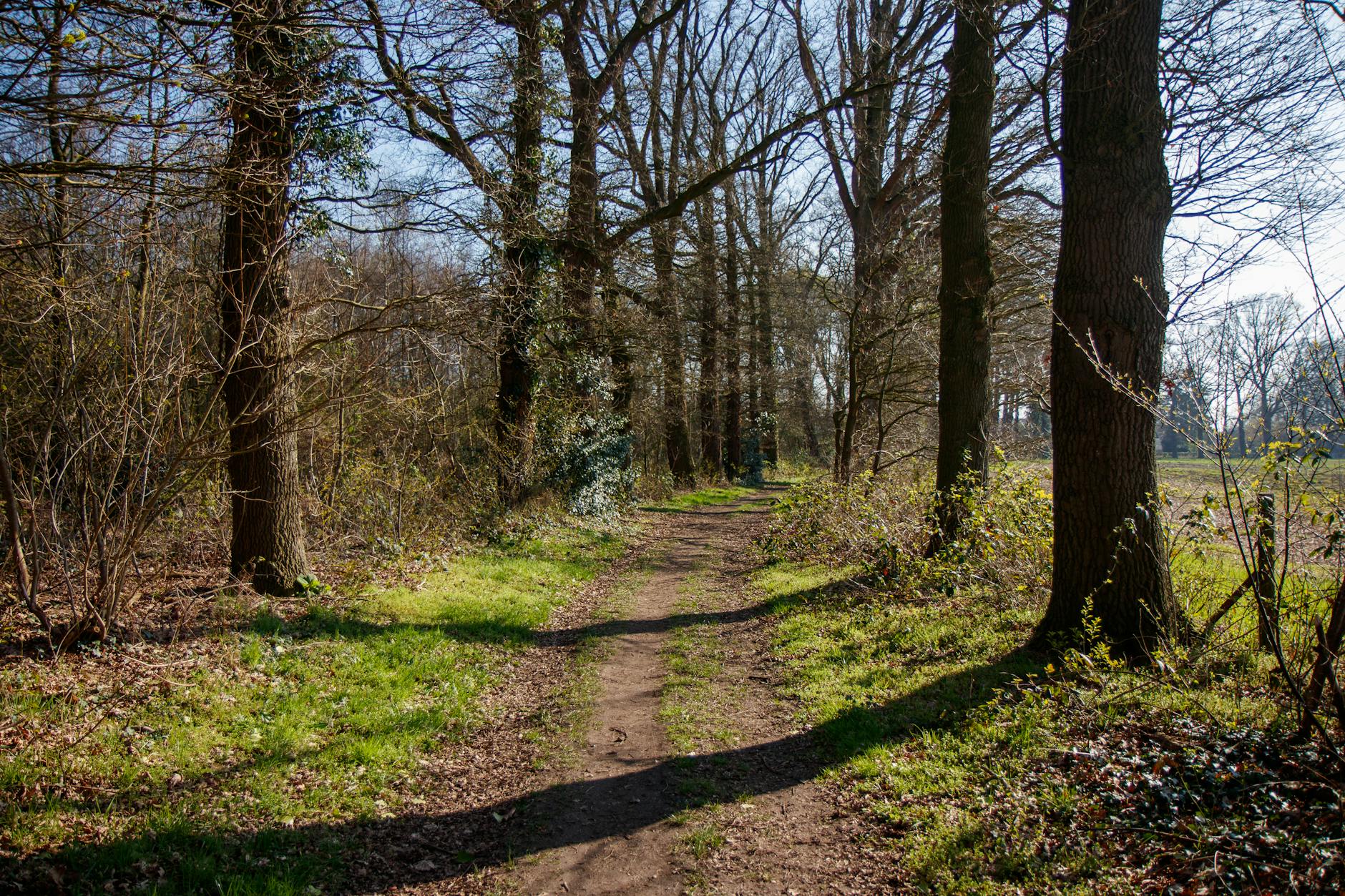
It’s easy to get caught up in the physical aspects of spring trail walking – the calorie burn, the muscle engagement, the improved cardiovascular health. But for me, and I suspect for many others, the most profound impact has been on my mental and emotional well-being. It’s more than just exercise; it’s a form of active meditation, a chance to unplug and reconnect.
Shedding Stress, One Step at a Time
Think about the last time you were truly stressed. Now imagine yourself on a quiet trail, the only sounds the crunch of your footsteps, the rustle of leaves, and the distant call of a bird. The sheer act of moving through nature has a way of untangling the knots in your mind. The constant demands of modern life fade into the background. This is why I often recommend spring fitness activities that get people outdoors, as the environment itself is a powerful stress reliever. The benefits of a good nature walk are well-documented and feel incredibly potent.
Cultivating Mindfulness in the Natural World
Spring trail walking is an excellent opportunity to practice mindfulness. Instead of letting your mind race ahead to your to-do list, try to focus on the present moment. Notice the intricate patterns on a new leaf, the way sunlight filters through the trees, the scent of damp earth. Engaging your senses in this way pulls you out of your head and anchors you to the here and now. It’s a beautiful way to practice being present, something we often struggle with in our hyper-connected world.
The Joy of Discovery and Exploration
Spring is a season of rebirth and discovery, and the trails reflect this perfectly. New wildflowers are emerging, animal tracks might be more visible in the mud, and the landscape is constantly changing. Embracing this sense of exploration can reignite a childlike sense of wonder. It’s about the joy of not knowing exactly what you’ll see around the next bend. This element of surprise and discovery is what makes trail walking for fitness so much more engaging than a predictable gym routine. It’s about the journey, not just the destination.
Making Trail Walking a Lasting Habit
The initial enthusiasm for spring trail walking is often easy to find. The warmer weather, the vibrant scenery – it’s a natural draw. The real challenge, and the true reward, lies in making it a consistent part of your life, not just a seasonal fling. It’s about weaving this beautiful practice into the fabric of your routine.
Listen to Your Body, Not Just the Calendar
While spring is a fantastic starting point, the principles of trail walking for fitness apply year-round. Don’t feel like you have to stop when the leaves turn or the snow flies. The key is to adapt. If the trails become too challenging or weather-dependent, you can always incorporate indoor workouts or switch to less demanding routes. The goal is to find a sustainable rhythm that works for you, regardless of the season. This is part of the broader advice for anyone embarking on a Post Winter Workout: Quick Fitness & Nutrition Boosts – sustainability is paramount.
Set Realistic Goals and Celebrate Progress
When I first started, I’d sometimes get discouraged if I couldn’t match my previous walk’s distance or pace. That’s a trap. Instead, focus on small, achievable goals. Maybe it’s exploring a new trail each week, or increasing your walking time by 10 minutes. Celebrate these milestones! Acknowledge the progress you’re making, both physically and mentally. This positive reinforcement is crucial for long-term adherence. You might be wondering how to track progress; often, simply journaling your walks, noting how you felt, and the distance covered, is incredibly motivating.
The Community Aspect: Find Your Tribe
While I cherish my solo walks, I’ve also found immense value in connecting with other trail walkers. Many areas have local hiking or walking groups. Joining one can provide motivation, introduce you to new best trails for beginners, and offer a sense of camaraderie. Sharing the experience with others amplifies the joy and can help push you forward when your own motivation wanes. It transforms trail walking safety tips into shared knowledge, enhancing everyone's experience.
The world is waking up, and the trails are calling. Don't let another season pass you by. Lace up those shoes, step outside, and let the simple, profound act of spring trail walking work its magic. It’s an invitation to move, to breathe, and to reconnect with yourself and the vibrant world around you. Go find your path.