Ever had that little moment of panic when you cough, sneeze, or laugh a bit too hard, and suddenly you feel a tiny leak? Or maybe you’ve experienced a persistent, nagging pelvic ache that nobody seems to understand. Honestly, these are far more common than most people realize, and they’re often linked to a part of your body that doesn't get nearly enough attention: your pelvic floor. Here's the thing, many of us just accept these issues as part of life, especially after childbirth or as we get older, but I’m here to tell you that doesn't have to be your story. One of the most powerful, yet often overlooked, tools for addressing these concerns is the practice of pilates for pelvic floor health.
I used to think pelvic floor issues were just about doing Kegels, a quick squeeze-and-release, and calling it a day. Boy, was I wrong. While Kegels have their place, they’re just one small piece of a much larger, more intricate puzzle. Pilates offers a holistic, intelligent approach to strengthening not just those specific muscles, but the entire core system that supports them, leading to profound and lasting relief.
The Unspoken Truth About Your Pelvic Floor (and Why It Matters)
Your pelvic floor is this incredible sling of muscles, ligaments, and connective tissues nestled at the base of your pelvis. Think of it like a hammock supporting your bladder, uterus (for women), and bowel. It plays a crucial role in everything from bladder and bowel control to sexual function and even spinal stability. When this area is weak, overactive, or simply not coordinating properly, you can run into a whole host of problems.
Understanding Pelvic Floor Dysfunction
Pelvic floor dysfunction is an umbrella term for when these muscles aren't doing their job effectively. This could mean they're too weak, leading to issues like stress incontinence – that little leak when you jump or laugh. Or they might be too tight, causing chronic pelvic pain, painful intercourse, or difficulty with bowel movements. It’s a spectrum, and many people experience a mix of both.
Why It's More Than Just a "Women's Issue"
While often associated with women's health pilates, especially postpartum recovery exercises, men also have a pelvic floor and can experience dysfunction, particularly after prostate surgery. The impact on quality of life, regardless of gender, is significant. Imagine constantly worrying about finding a bathroom, or living with daily discomfort. It affects confidence, relationships, and daily activities. This isn't just about physical symptoms; it's about reclaiming a sense of freedom and control.
Why Pilates for Pelvic Floor is a Game Changer
So, why pilates? Why not just stick to those traditional Kegels? The beauty of pilates lies in its emphasis on deep core engagement, precise movements, and breathwork. It teaches you to connect with your body in a way that isolated exercises simply can't. You learn to activate your pelvic floor as part of a larger, integrated system, which is how it's designed to work in real life.
Beyond the Basics: Integrated Core Strength
Pilates isn't just about squeezing your pelvic floor muscles in isolation. It focuses on strengthening your entire "powerhouse," which includes your deep abdominal muscles (transversus abdominis), your diaphragm, and the multifidus muscles along your spine, all in harmony with your pelvic floor. This comprehensive approach builds genuine core strength, which is essential for supporting your pelvic floor effectively. You're not just patching a leak; you're rebuilding the entire foundation.
The Power of Breath and Mind-Body Connection
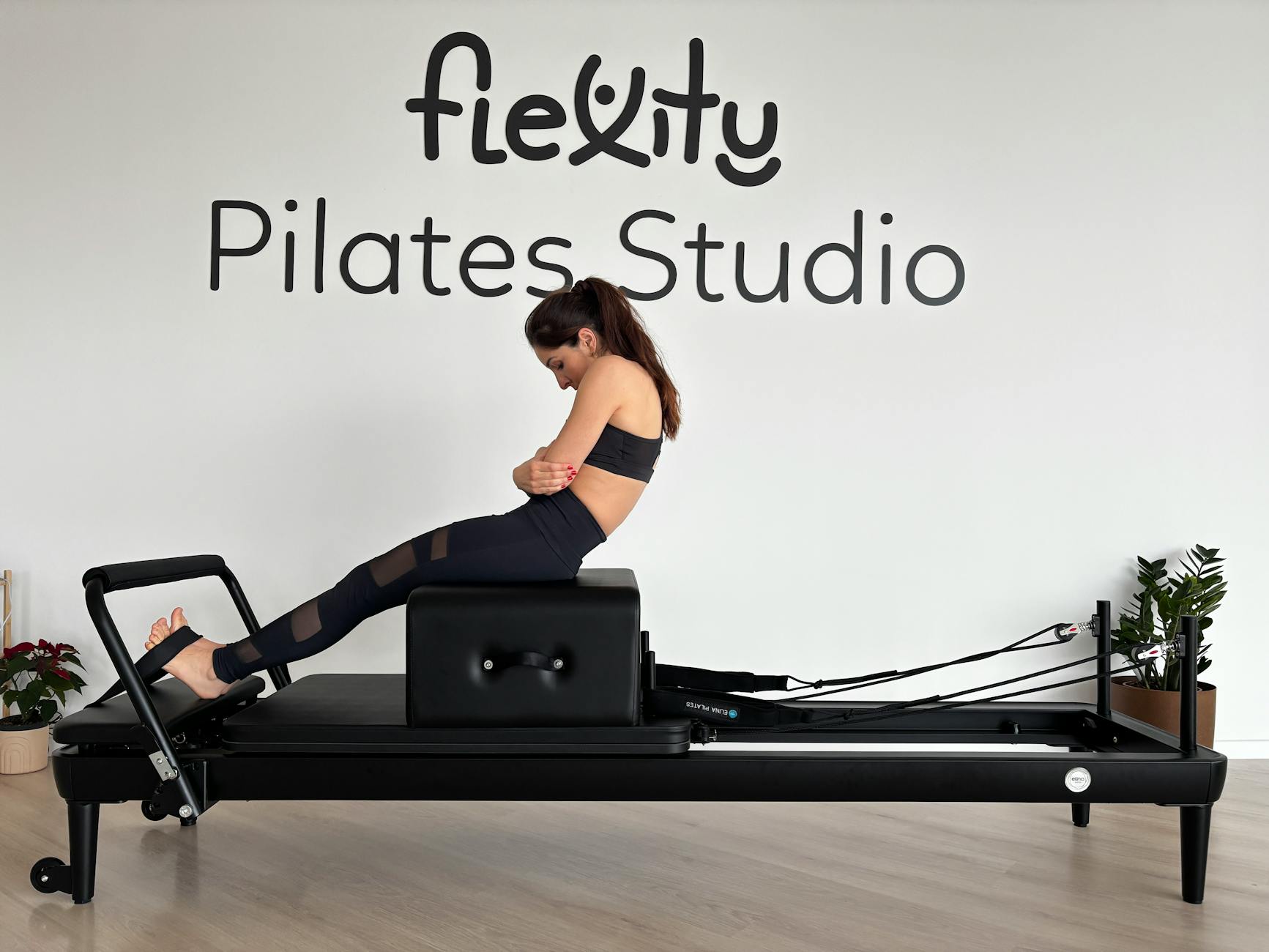
A huge part of effective pelvic floor strengthening pilates is the breath. Joseph Pilates himself emphasized the importance of breathing deeply and fully. In pilates, you learn to coordinate your breath with your movements, using your exhale to gently lift and engage your pelvic floor, and your inhale to release. This mindful connection helps you become truly aware of these muscles, which for many, is the first step towards control. This mindful practice is also why I often recommend practices like Cold Water Swimming Benefits: Boost Your Health & Mood for overall body awareness, as it truly forces you into the present moment.
Getting Started: Essential Pelvic Pilates Exercises
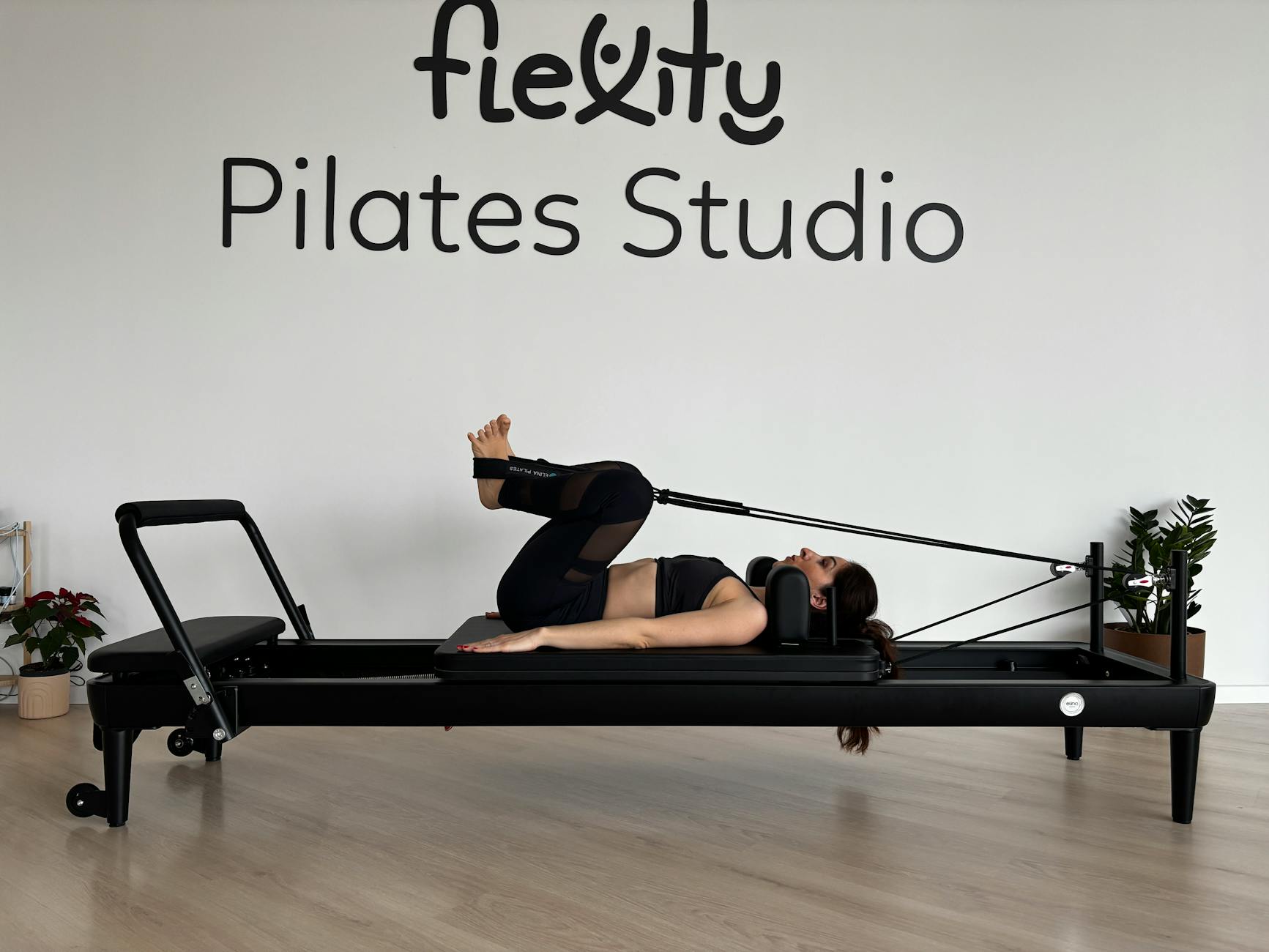
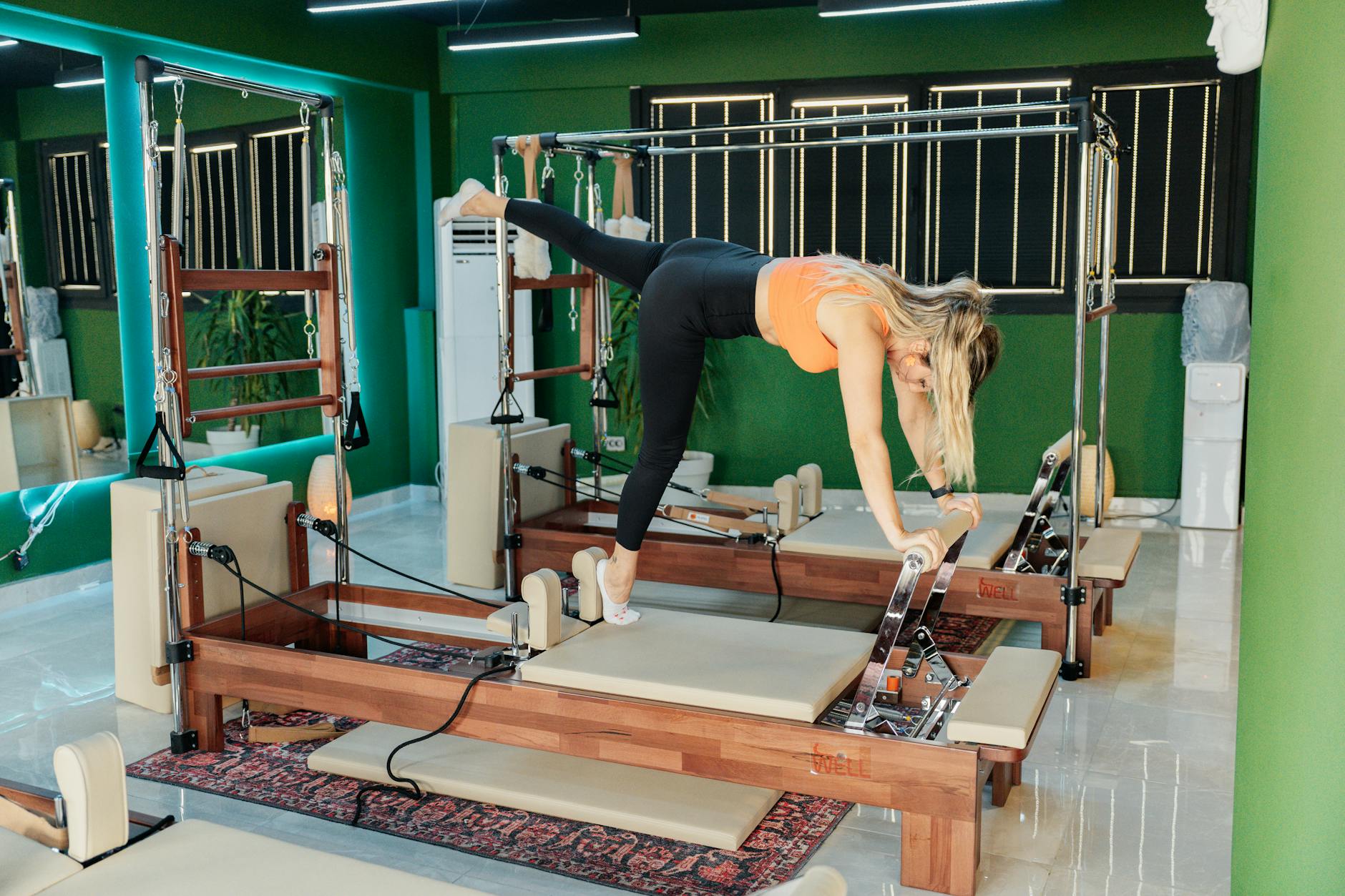
Look, you don't need fancy equipment to start incorporating pilates pelvic floor exercises into your routine. Many foundational movements can be done right on a mat at home. The key is quality over quantity, and truly understanding what you're trying to achieve with each movement. I'll be real with you, it takes practice to feel these muscles working correctly, but the effort is worth it.
Finding Your Pelvic Floor: The Foundation
Before you even move, you need to learn to locate and activate your pelvic floor. Imagine you're trying to stop the flow of urine mid-stream, or trying to prevent passing gas. That gentle lift and squeeze is your pelvic floor engaging. But here's the crucial part: avoid squeezing your glutes, inner thighs, or abs too hard. It’s a subtle internal lift. Practice this in different positions: lying down, sitting, and standing. Once you can consistently do this, you're ready for more. The National Institutes of Health research on pilates for pelvic floor emphasizes this initial awareness as critical for effective results National Institutes of Health research on pilates for pelvic floor.
Gentle Movement: Pelvic Tilts and Bridges
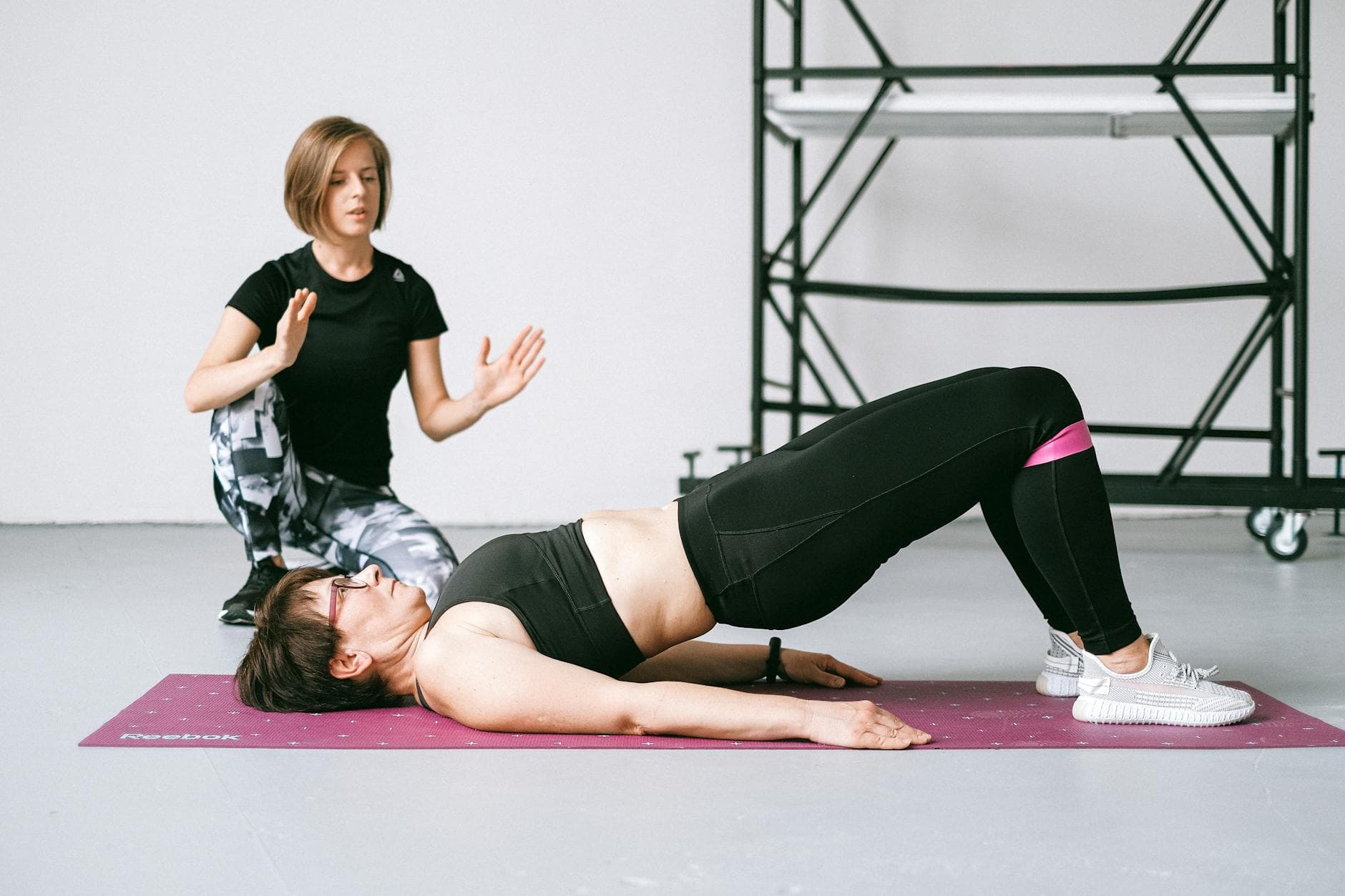
Pelvic tilts are fantastic for improving mobility in your lower back and pelvis while gently engaging your deep core. Lie on your back, knees bent, feet flat. Gently flatten your lower back into the mat, feeling your pubic bone tilt towards your navel, engaging your lower abs and pelvic floor. Then release. A bridge takes this a step further: from the pelvic tilt, slowly lift your hips off the mat, one vertebra at a time, still feeling that gentle pelvic floor engagement. Hold briefly, then slowly lower. These are classic Swimming Benefits for Health: Boost Your Body & Mind! warm-ups too, surprisingly, showing how interconnected our bodies truly are.
Leg Slides and Toe Taps: Core Stability Challenges
Once you’re comfortable with the basics, leg slides and toe taps introduce a controlled challenge to your core and pelvic floor. Lie on your back, knees bent. As you exhale, gently engage your pelvic floor and slide one heel away from you, keeping your pelvis perfectly still. Inhale as you return. Similarly, with toe taps, lift one foot off the ground just enough to tap your toes down, maintaining that deep core connection. The goal isn't to move your leg far; it's to keep your core and pelvis absolutely stable. This one surprised me with how much it challenged my stability when I first tried it.
Common Mistakes to Avoid on Your Pelvic Health Journey
It's easy to fall into old habits or push too hard, too fast. I see it all the time. But with pelvic floor work, patience and precision are your best friends. Rushing through exercises or using the wrong muscles can actually do more harm than good.
The "Bearing Down" Trap and Over-Squeezing
One of the most common errors is bearing down instead of lifting, especially during Kegel exercises. This puts downward pressure on your pelvic floor, which is the opposite of what you want. Another mistake is over-squeezing with your glutes or inner thighs. Remember, the pelvic floor activation should feel subtle and internal, almost like a gentle elevator lift rather than a forceful clench. The World Health Organization research on pilates for pelvic floor highlights the importance of proper technique to avoid adverse effects World Health Organization research on pilates for pelvic floor.
Ignoring Diastasis Recti or Pelvic Pain
If you're dealing with diastasis recti (abdominal separation, common postpartum) or experiencing chronic pelvic pain relief, it's crucial to approach pilates for pelvic health with extra care. Some exercises might need modification or should be avoided initially. Always listen to your body, and if something causes pain, stop. Consulting with a qualified women's health physical therapist or certified pilates instructor specializing in pelvic health is always a smart move. They can provide personalized guidance and ensure you’re moving safely and effectively.
Real-Life Impact: Stories of Transformation
Let me tell you about Sarah, a client I worked with a few years back. She was 42, a mother of two energetic boys, and an avid runner. But after her second pregnancy, she started experiencing significant incontinence exercises. She’d leak every time she ran, jumped, or even laughed hard with her kids. It got so bad she almost gave up running, which was her sanctuary. She'd tried traditional Kegels for months with little improvement, feeling incredibly frustrated. Her doctor even suggested surgery.
From Frustration to Freedom
When Sarah came to me, she was skeptical. I introduced her to a structured program of pilates for a weak pelvic floor, focusing not just on the muscles themselves, but on integrating them with her breath and her deep core. We started slow, with gentle pelvic pilates exercises like breath connection and modified bridges. Within 8 weeks, she noticed a difference. After 6 months of consistent practice, she was back to running 5Ks without a single leak. Her confidence soared, and she told me she felt stronger and more connected to her body than ever before. This wasn't just about stopping leaks; it was about getting her life back.
Integrating Pilates into Your Daily Life
You might be wondering how to actually fit all this into an already busy schedule. The beauty of pelvic floor strengthening pilates is that even short, consistent sessions make a huge difference. You don't need an hour every day.
Consistency Over Intensity
Honestly, five to ten minutes of focused pelvic pilates exercises a few times a week is far more beneficial than one long, intense session every fortnight. Think about the last time you committed to a new habit; it's the small, regular actions that build momentum. You can even incorporate mini-pelvic floor engagements into your daily routine – while waiting for coffee, sitting at your desk, or even brushing your teeth. Mayo Clinic research on pilates for pelvic floor often emphasizes this consistency for long-term benefits Mayo Clinic research on pilates for pelvic floor.
Beyond the Mat: Mindful Movement
Pilates for pelvic floor isn't just about the exercises you do on the mat; it’s about how you carry that awareness into your everyday life. Think about your posture when you stand or sit. Are you slumping, putting pressure on your pelvic floor? How do you lift heavy objects? Are you bracing your core or just straining? Bringing mindfulness to these everyday movements can profoundly impact your pelvic health. It's a continuous conversation with your body.
Your Pelvic Floor: A Lifelong Relationship
Your pelvic floor is a vital, often unsung hero of your body. It deserves your attention and care, not just when problems arise, but as part of your ongoing wellness journey. Embracing pilates for pelvic floor health is more than just a quick fix; it's an investment in your long-term comfort, confidence, and overall well-being. It's about empowering yourself with knowledge and movement, allowing you to live fully, without the constant worry of those little leaks or nagging pains. Start slow, be patient with yourself, and remember that every small effort you make is a step towards a stronger, healthier you. And hey, while you're at it, maybe check out some tips for Natural Acne Treatment: Clear Skin Remedies That Work, because truly, holistic health means caring for every part of you, inside and out.