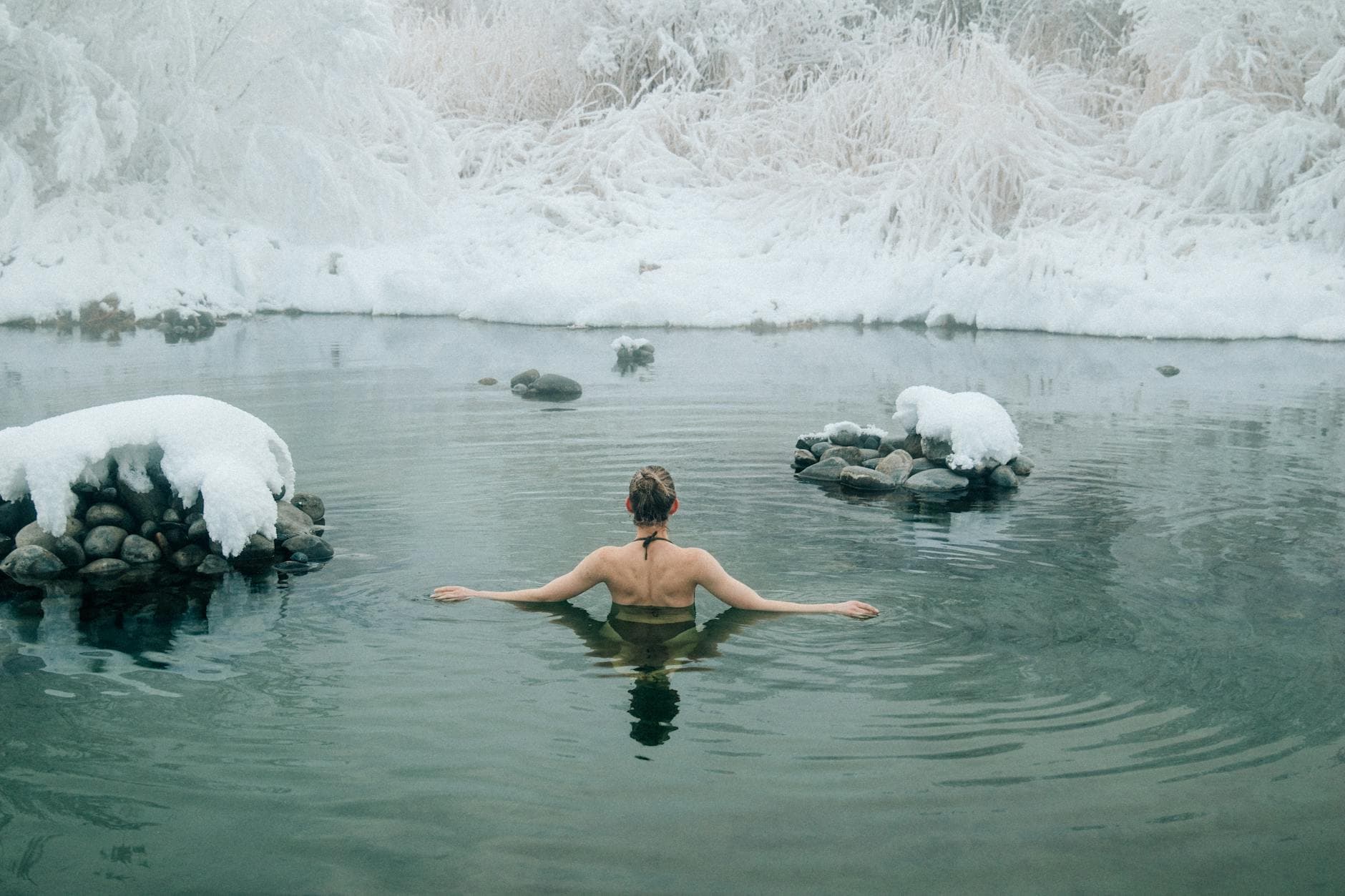
Taking the Plunge: My Journey into Cold Water
Here's a confession: I used to think anyone who willingly jumped into icy water was a bit…crazy. You know, the type who'd happily embrace hypothermia for a fleeting thrill. Honestly, the thought made me shudder. But then, a few years ago, I started experiencing chronic back pain. I was desperate for relief, and after exhausting other options, I stumbled upon the idea of cold water therapy. Initially skeptical, I cautiously dipped my toes in, and that first plunge completely changed my perspective. I began to understand the incredible potential of what we now call the “cold water swimming benefits.”
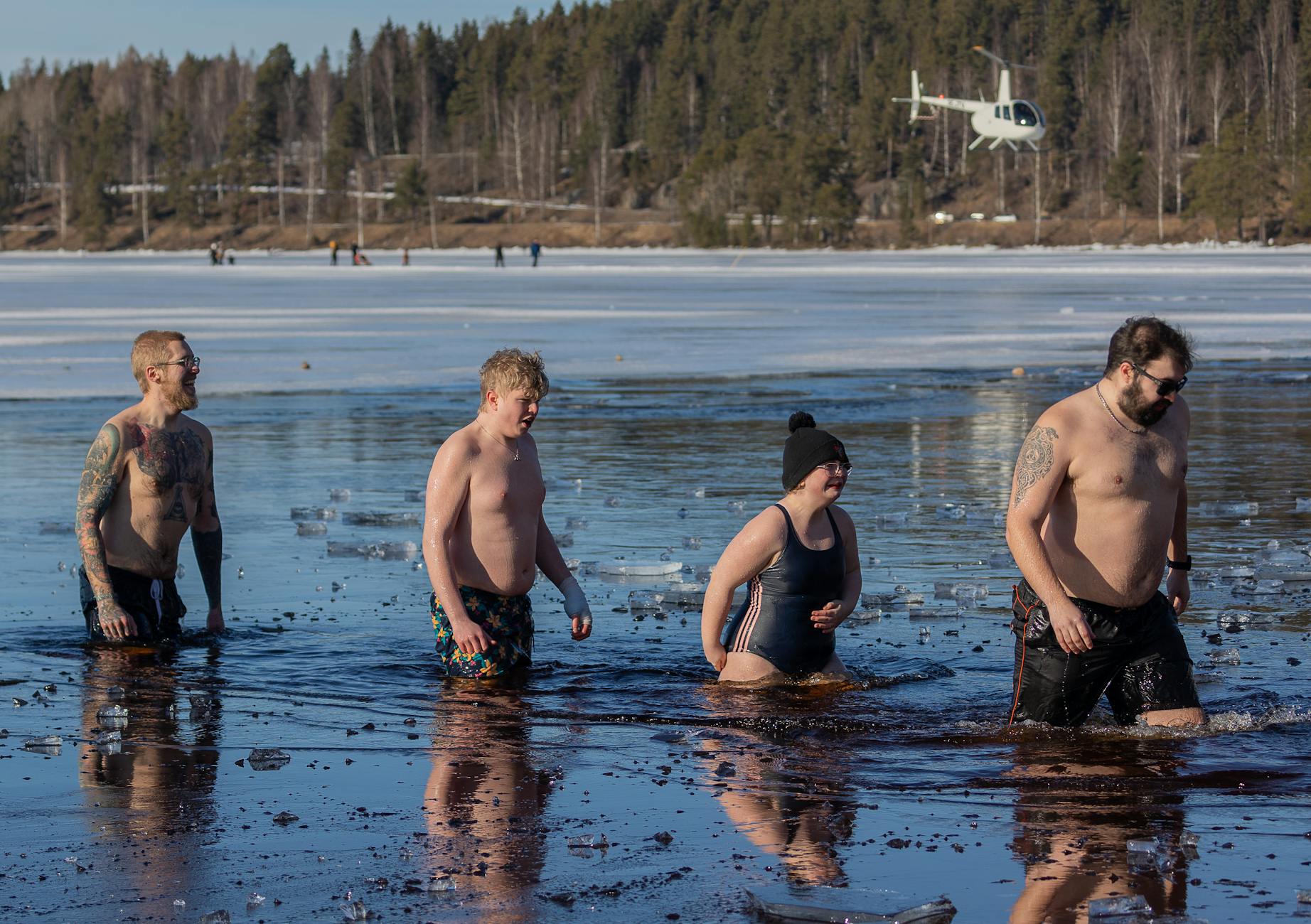
The Unexpected Upsides of Cold Water Swimming Benefits
The initial shock of cold water is undeniable; your breath hitches, your muscles tense, and your mind screams, "Get out!". However, the body is an amazing machine, and it quickly begins to adapt. Beyond the immediate jolt, there's a cascade of positive effects that unfold. It’s a practice that's grown in popularity, and for good reason.
A Powerful Boost for Your Immune System
One of the most compelling of the cold water swimming benefits is the potential for an immune system boost. Regular cold exposure triggers an increase in the production of white blood cells, the body's primary defense against illness.
Think about it: Your body is constantly under attack from various pathogens. By regularly exposing yourself to the cold, you force your immune system to become more vigilant, more efficient. Studies suggest that those who regularly engage in cold water immersion experience fewer sick days and a stronger ability to fight off infections.
Stress Reduction and Mental Clarity
You might be wondering: How can something so initially uncomfortable be good for mental health? Well, the cold water experience activates the body's natural stress response, but in a controlled and temporary way. This, in turn, can lead to a greater resilience to stress over time.
Also, cold water therapy can have profound mental health benefits. It's not just about the physiological effects; there's also a significant psychological component. The act of confronting the cold, of pushing through the initial discomfort, builds mental toughness and a sense of accomplishment. This can translate into greater confidence and a more positive outlook on life.
Unlocking the Physiological Benefits
Beyond the mental and emotional advantages, the physical benefits are equally impressive. Cold water swimming can have a significant impact on your body's inner workings.
Improved Circulation and Cardiovascular Health
Here's something you may not know: cold water exposure causes your blood vessels to constrict, then dilate. This process, known as vasoconstriction and vasodilation, is a workout for your circulatory system.
When you enter cold water, your blood vessels constrict to conserve heat. Then, as your body warms up, they dilate, increasing blood flow throughout your body. This improved circulation can lead to a healthier cardiovascular system and a reduced risk of heart disease.
Muscle Recovery and Inflammation Reduction
For those who are active, whether you're a weekend warrior or a professional athlete, cold water swimming can be a game-changer for muscle recovery. The cold helps to reduce inflammation, which is a major contributor to muscle soreness and fatigue.
I experienced this firsthand. After a particularly grueling hike in the mountains, I took a dip in a nearby lake. The next day, I woke up with significantly less muscle soreness than I normally would have. This one surprised me.
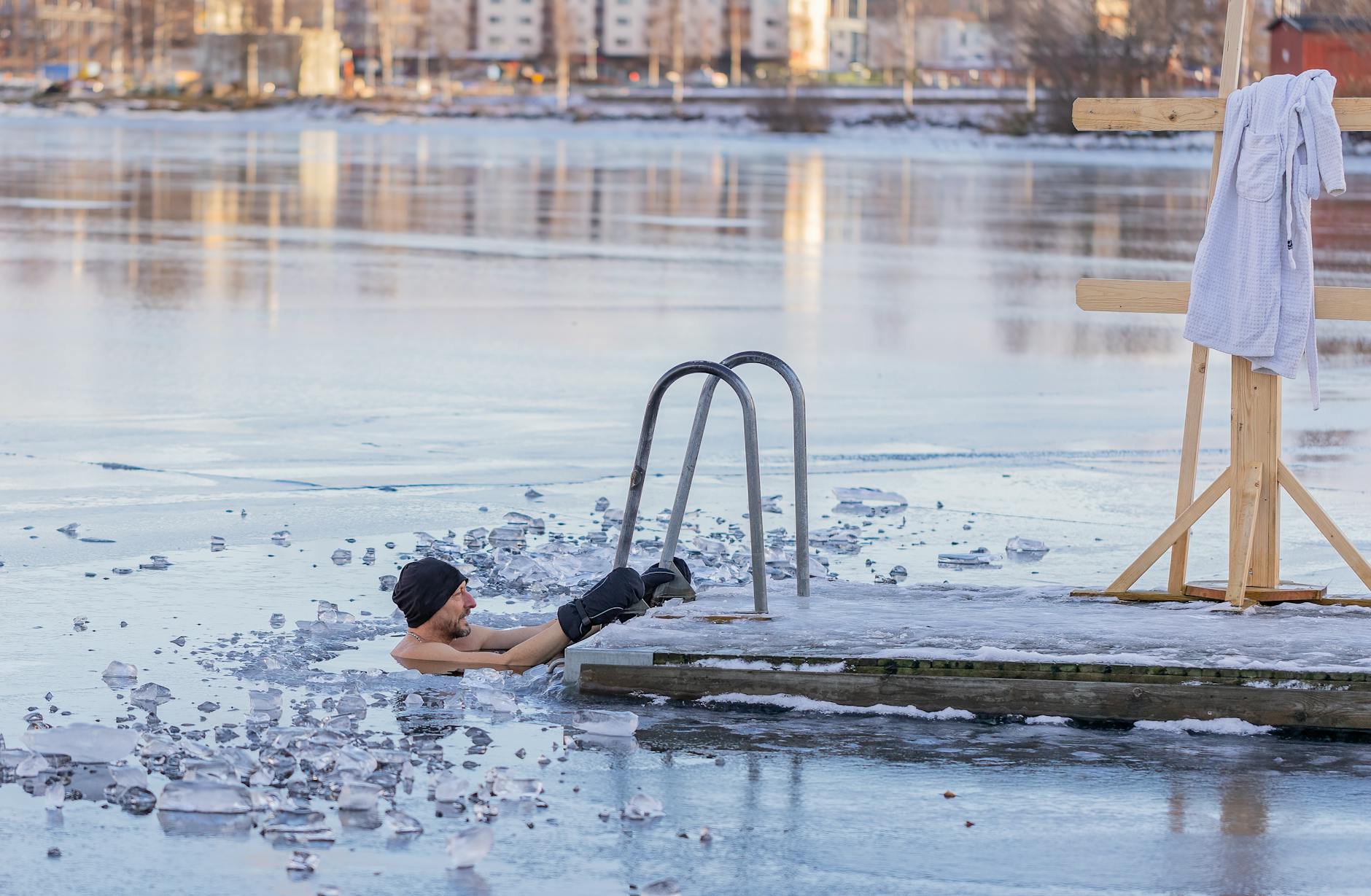
Winter Swimming Health Benefits: Beyond Summer Fun
While many people associate cold water swimming with summer, the benefits are amplified during the winter months. The shock of the cold is more intense, and the body's response is even more pronounced.
The Unique Challenge of Winter Swimming
Winter swimming is a different beast altogether. The air temperature is often freezing, and the water is even colder. This creates a more significant challenge for the body, but it also amplifies the potential rewards.
The key is to start gradually, listening to your body, and never pushing yourself beyond your limits. It's crucial to have a safe exit strategy and to be aware of the signs of hypothermia.
Safety First: Essential Precautions
Before you even consider cold water swimming, you need to prioritize safety. Never swim alone, especially during the winter. Make sure someone knows where you are and when you expect to be back.
It's also essential to acclimatize gradually. Don't jump straight into freezing water; start with shorter durations and gradually increase your time in the water as your body adapts. Pay close attention to your body's signals, and get out of the water immediately if you start to feel unwell.
Embracing the Cold: Practical Tips and Considerations
Ready to take the plunge? Here's how to get started safely and effectively.
Getting Started: Gradual Acclimatization
The most important thing to remember is to start slowly. Don't try to be a hero. Begin by spending just a few seconds in the cold water, and gradually increase your time as your body adapts.
Consider beginning with cold showers. This is an easy and accessible way to introduce your body to cold exposure. Over time, you can gradually increase the duration and decrease the temperature of your showers.
Where to Swim: Finding Safe Locations
Choose your swimming location carefully. Look for bodies of water that are clean and safe, with easy access and exit points. Ensure there are no strong currents or hidden hazards.
Local swimming clubs or groups are a great resource for finding safe and suitable locations. They can also provide valuable advice and support.
Listening to Your Body: Knowing Your Limits
This is non-negotiable. Pay close attention to how your body responds to the cold. If you start to feel any warning signs, such as shivering, numbness, or dizziness, get out of the water immediately.
Also, be aware of the impact of other factors, such as fatigue, illness, and medication. These factors can affect your body's ability to cope with cold exposure.
Beyond the Plunge: Integrating Cold Water into Your Life
Cold water swimming isn't just a physical activity; it's a practice that can transform your entire approach to health and well-being. It can also complement other healthy habits.
Complementing Other Healthy Habits
Cold water swimming can be a powerful tool for enhancing your overall health. It can be particularly effective when combined with other healthy habits, such as a balanced diet, regular exercise, and stress management techniques.
For example, I've found that cold water swimming complements my yoga practice beautifully. The cold helps to reduce inflammation and muscle soreness, while the mental discipline required for yoga helps me to stay focused and calm during my swims.
The Long-Term Commitment
The benefits of cold water swimming are not a one-time thing. To truly experience the long-term positive effects, you need to make it a regular practice.
This doesn't mean you need to swim every day. Even a few times a week can make a significant difference. Find a routine that works for you and stick with it.
The Takeaway: A Transformation Awaits
Cold water swimming benefits are more than just a passing trend; they're a testament to the body's incredible ability to adapt and thrive. From the initial shock to the eventual feeling of invigoration, it's a journey that can transform not only your physical health but also your mental and emotional well-being.
Consider this: you've probably noticed that in a world of constant distractions and overstimulation, finding moments of genuine connection with yourself can be challenging. Cold water swimming offers that connection. It forces you to be present, to focus on your breath, and to confront your own limitations.
The cold water is waiting. Are you ready to dive in? And if you're looking for other ways to stay active and thrive as you age, be sure to check out Healthy Aging Tips Seniors: Stay Active & Thrive!. For parents, don't miss the chance to learn about Swimming Benefits for Children: Boost Health & Happiness!