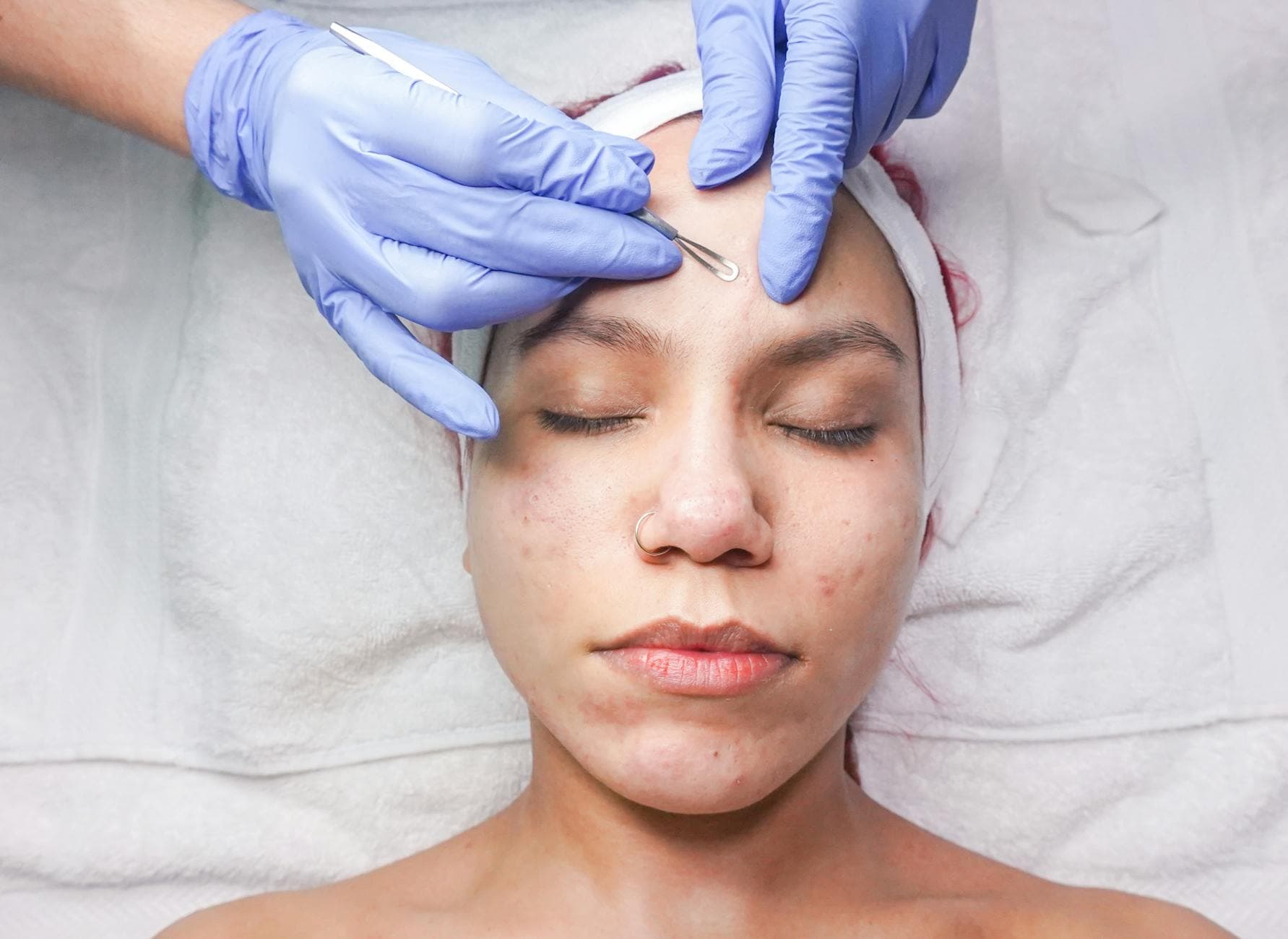
I’ll be real with you, for years I thought acne was just a surface problem. I spent a small fortune on every "miracle" cream, harsh cleanser, and prescription topical you could imagine. I scrubbed, I dried out my skin, I even convinced myself that if I just bought the most expensive product, my breakouts would magically vanish. Honestly, I was so wrong. It wasn't until I started looking beyond the skin's surface, delving into the interconnectedness of our bodies, that I truly began to understand and effectively address acne for myself and for hundreds of others. That's when I discovered the profound impact of a genuine natural acne treatment.
My journey taught me that persistent acne isn't just about clogged pores; it's a distress signal from your body, often pointing to deeper imbalances. Shifting my focus from quick fixes to holistic health was a game-changer. It wasn't always easy, and there were certainly moments of frustration, but the results — truly clear, healthy skin — were absolutely worth it. My aim here is to share what I've learned, to give you a roadmap that’s rooted in real experience and a deep understanding of how our bodies work.
Unpacking the Root Causes: Why Acne Isn't Just Skin Deep
Beyond Surface-Level Solutions
Many of us grew up believing acne was simply a hygiene issue or bad luck. You might remember being told to wash your face more often, or that certain foods had no impact. This narrow view, I've come to realize, is precisely why so many people struggle for years without finding lasting relief. Acne, in its essence, is an inflammatory condition, and inflammation rarely operates in isolation.
Think about the last time you saw a persistent breakout. Was it during a particularly stressful week? Or after a string of unhealthy meals? Our skin is an organ of elimination, a mirror reflecting our internal environment. Ignoring the internal factors means we're constantly fighting a losing battle, simply treating symptoms rather than addressing the core problem.
The Hormonal Connection
Here's the thing: hormones play a massive role, especially for adults. Fluctuations in androgens, those "male" hormones present in both men and women, can ramp up sebum production and contribute to clogged pores. This is why many women experience breakouts around their menstrual cycle, during pregnancy, or even as they approach menopause. It’s a classic example of hormonal acne natural remedies becoming essential for long-term clarity.
Sometimes, this hormonal imbalance can be subtle, not necessarily showing up as a full-blown medical condition, but enough to trigger persistent breakouts, particularly along the jawline, chin, and neck. Understanding this connection is vital because it shifts our focus from just what we put on our skin to what's happening inside our bodies.
Stress, Inflammation, and Your Skin
Stress is a silent assassin for clear skin. When you're stressed, your body releases cortisol, which can increase oil production and trigger inflammation. This creates a perfect storm for acne. I've seen it time and again with clients: once they learn to manage stress effectively, their skin improves dramatically. It's not just a feeling; it's a physiological response that directly impacts your complexion.
Chronic inflammation, whether from stress, diet, or environmental factors, is a significant driver of acne. Our bodies are constantly trying to maintain balance, and when inflammation is high, it manifests in various ways, with skin issues being a very common one. This is why an approach that focuses on reducing systemic inflammation is so powerful for natural acne treatment.

The Power of Food: Eating Your Way to Clear Skin
Anti-Inflammatory Foods You Need
If there's one piece of advice I wish I'd embraced sooner, it's this: your plate is your most powerful tool for clear skin. Focusing on anti-inflammatory foods can significantly calm your complexion. Think vibrant fruits and vegetables, rich in antioxidants. Berries, leafy greens, and colorful bell peppers are fantastic.
Omega-3 fatty acids are also crucial. Incorporate wild-caught salmon, chia seeds, flaxseeds, and walnuts into your diet. These healthy fats help to reduce inflammation throughout the body, directly benefiting your skin. Honestly, making these dietary shifts can be more effective than any topical cream for many people.
What to Avoid: The Gut-Skin Axis
Now, let's talk about what to cut back on. High-glycemic foods (sugary drinks, refined carbs, white bread) cause blood sugar spikes, which can trigger hormonal responses that lead to acne. Dairy is another common culprit for many people, as it can be inflammatory and contain hormones that exacerbate breakouts. I’m not saying everyone needs to cut dairy entirely, but if you’re struggling, it’s definitely worth an elimination trial.
The gut-skin axis is a real thing. An unhealthy gut microbiome can lead to systemic inflammation and impact skin health. Processed foods, unhealthy fats, and artificial ingredients can disrupt your gut balance, so minimizing these is a huge step towards achieving clear skin. Eating fermented foods like kimchi or sauerkraut can also support a healthy gut. For many, this is the first step in finding effective home remedies for acne.
Hydration is Non-Negotiable
This one might seem basic, but it's often overlooked. Drinking enough water is fundamental for skin health. Water helps flush toxins from your body, keeps your skin cells plump and hydrated, and supports overall bodily functions. Dehydrated skin can actually trigger more oil production as your body tries to compensate, leading to more breakouts. Aim for at least eight glasses of clean, filtered water a day.
Consider adding a squeeze of lemon or some cucumber slices to your water for added benefits and flavor. Proper hydration is a simple, yet incredibly effective part of any holistic acne treatment plan. You'd be surprised how many people see improvements just by consistently hydrating.
Topical Treasures: Effective Natural Acne Treatment Ingredients
Tea Tree Oil: A Potent Ally
When it comes to topical natural remedies for acne, tea tree oil for acne is at the top of my list. This essential oil has powerful antibacterial and anti-inflammatory properties. It can kill the P. acnes bacteria responsible for many breakouts and reduce redness and swelling. But here's a crucial point: never apply it undiluted.
Always mix a few drops with a carrier oil like jojoba oil or aloe vera gel. A common ratio is 1-2 drops of tea tree oil per 12 drops of carrier oil. Apply this diluted mixture directly to individual spots or use it as a spot treatment. This one surprised me with how effective it can be, especially for stubborn cystic acne.
Apple Cider Vinegar: More Than a Salad Dressing
Apple cider vinegar for acne is another fantastic natural solution, but again, dilution is key. Raw, unfiltered apple cider vinegar contains acetic acid, which can help exfoliate the skin, balance pH, and kill bacteria. It's particularly useful for reducing redness and inflammation.
To use it, mix one part apple cider vinegar with three to four parts water. Apply this mixture to your clean face with a cotton ball, let it sit for a few minutes, then rinse. Do this once a day, and always patch test first. Some people find the smell a bit strong, but the benefits are often worth it. This is one of those organic acne solutions that has stood the test of time.
Aloe Vera and Honey: Soothing Solutions
For soothing inflamed skin and promoting healing, pure aloe vera gel and raw honey are incredible. Aloe vera is packed with anti-inflammatory compounds and can accelerate wound healing, making it perfect for calming angry breakouts. Honey, especially Manuka honey, is a natural antiseptic and humectant, meaning it draws moisture to the skin while fighting bacteria.
You can apply a thin layer of pure aloe vera gel directly to your skin as a moisturizer or spot treatment. For honey, create a simple mask by applying a thin layer to your face for 10-15 minutes before rinsing. These gentle options are particularly good for sensitive or irritated skin, providing relief without harsh chemicals.
Crafting Your Holistic Skincare Routine for Oily Skin
Gentle Cleansing is Key
Many people with oily, acne-prone skin fall into the trap of over-cleansing or using harsh cleansers. I used to think the squeaky-clean feeling meant my skin was truly clean, but what I was actually doing was stripping my skin of its natural oils, leading to irritation and even more oil production. The truth is, gentle cleansing is paramount.
Use a mild, sulfate-free cleanser twice a day – once in the morning and once at night. Avoid hot water, which can be drying, and instead opt for lukewarm water. Massage the cleanser in gently for about 30-60 seconds, then rinse thoroughly. This simple step can dramatically improve your skin's balance and reduce irritation, paving the way for other natural acne treatment methods to work more effectively.
Targeting with DIY Acne Remedies
After cleansing, it's time to target specific concerns with your chosen DIY acne remedies. This is where your diluted tea tree oil or apple cider vinegar comes in. Apply these carefully to active breakouts or areas prone to congestion. Remember, consistency is more important than intensity. You're aiming to support your skin's natural healing process, not bombard it.
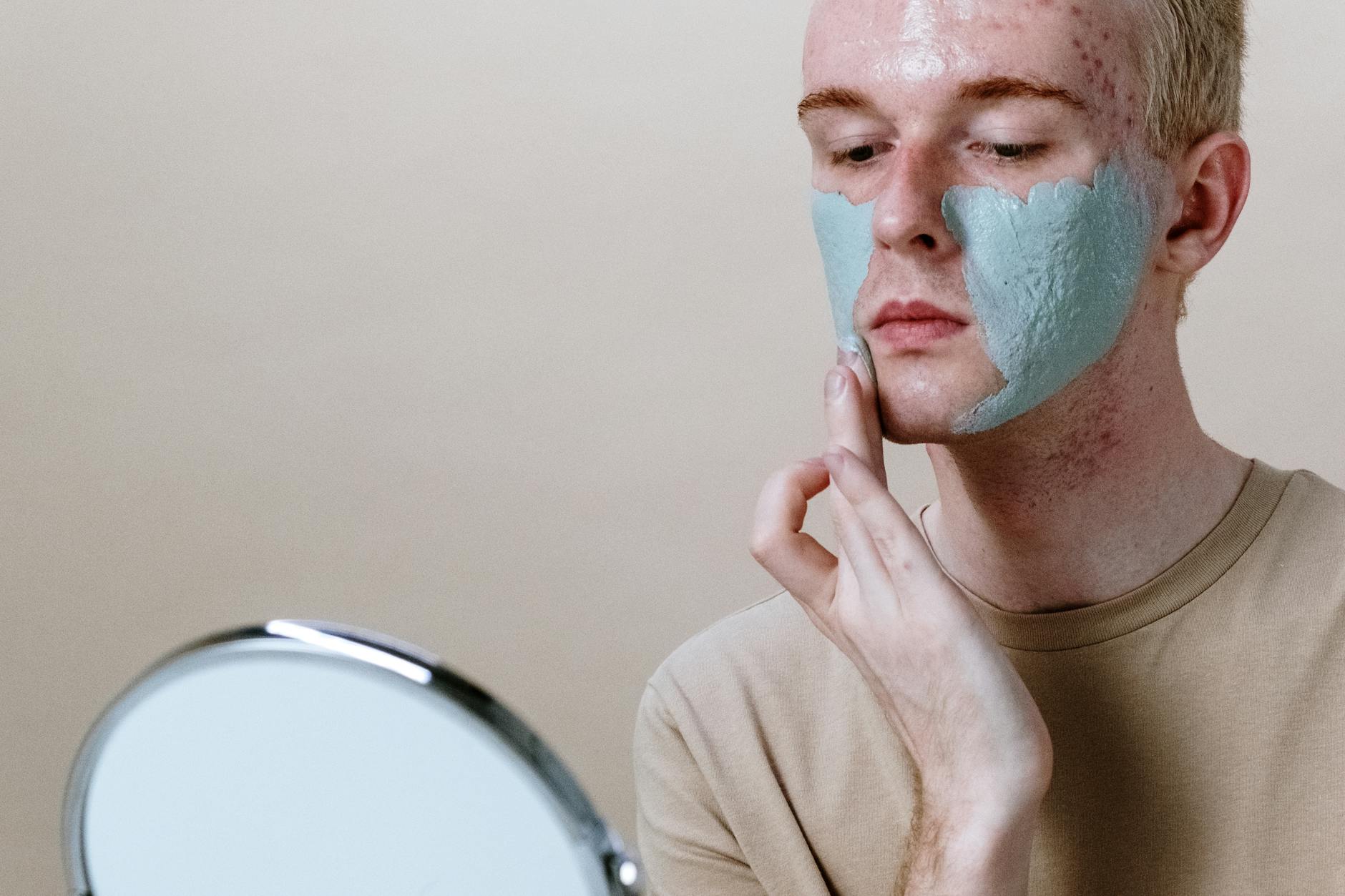
A clay mask once or twice a week can also be incredibly beneficial for oily skin. Bentonite clay or French green clay can draw out impurities, absorb excess oil, and reduce inflammation. Mix a tablespoon of clay with a little water or apple cider vinegar to form a paste, apply for 10-15 minutes, then rinse. It’s a powerful, yet natural way to detoxify your pores.
Moisturize, Don't Strip: Non-Comedogenic Products
This is probably the biggest misconception I encounter: "My skin is oily, so I shouldn't moisturize." Wrong! Even oily skin needs hydration. Skipping moisturizer can trick your skin into producing even more oil to compensate for dryness. The trick is to choose the right moisturizer.
Opt for a lightweight, non-comedogenic product – meaning it won't clog your pores. Look for ingredients like hyaluronic acid, glycerin, or jojoba oil. Jojoba oil, in particular, mimics your skin's natural sebum, helping to balance oil production. Applying a light layer of moisturizer after cleansing and treating will help maintain your skin barrier, calm inflammation, and prevent excessive oiliness. This is a vital step in any effective skincare routine for oily skin.
The Lifestyle Shift: Beyond Creams and Cleansers
Managing Stress: A Game Changer for Hormonal Acne Natural Remedies
We touched on stress earlier, but let me emphasize its importance. If you're constantly stressed, even the best natural acne treatment won't fully deliver. Learning to manage stress is not just good for your mental health; it's transformative for your skin. Think about incorporating practices like meditation, deep breathing exercises, or gentle yoga into your daily routine.
Even a simple 10-minute walk outside can make a difference. These activities help lower cortisol levels, reducing inflammation and supporting hormonal balance. Remember, your skin is a reflection of your internal state, and a calm mind often leads to calmer skin. You might also find that improving your overall well-being, perhaps through activities like swimming benefits for health, can reduce stress significantly.
Sleep, Sweat, and Sunshine
Quality sleep is non-negotiable for skin repair and regeneration. When you're sleeping, your body goes into repair mode, healing and regenerating cells. Aim for 7-9 hours of uninterrupted sleep each night. A consistent sleep schedule can also help regulate hormones, which is crucial for those dealing with hormonal acne natural remedies.
Regular exercise that makes you sweat can help detoxify the body and improve circulation, delivering vital nutrients to your skin. Just be sure to cleanse your skin immediately after sweating to prevent clogged pores. And don't shy away from a little sunshine, responsibly. Vitamin D is essential for immune function and can have anti-inflammatory effects. Just ensure you're protecting your skin from excessive UV exposure.
The Truth About Supplements
Here's what nobody tells you about supplements for acne: they're not magic pills, and they work best in conjunction with diet and lifestyle changes. However, certain supplements can be incredibly supportive. Zinc is fantastic for immune function and reducing inflammation; many people with acne are deficient. Omega-3 fatty acids, as mentioned, are powerful anti-inflammatories. Probiotics can support gut health, which in turn benefits skin.
Vitamin D, especially if you live in a less sunny climate, can also be beneficial. Before starting any new supplement regimen, though, it's always wise to consult with a healthcare professional, especially if you're taking other medications. They can help you determine the right dosage and ensure there are no contraindications. You can find more general health tips, like those for healthy aging tips seniors, which often include good nutritional advice that can indirectly benefit skin.
When to Seek Professional Guidance
Recognizing Persistent Issues
While natural acne treatment can be incredibly effective, there are times when professional guidance is necessary. If you've diligently followed a holistic approach for several months and are still experiencing severe, painful, or cystic acne, it's time to consult a dermatologist or a functional medicine practitioner. Don't feel like you've failed; sometimes, the underlying issues require a different level of intervention.
Deep, cystic lesions can lead to scarring, and early intervention can prevent long-term damage. They might be able to offer specific tests to identify hormonal imbalances or other internal factors that you haven't been able to pinpoint on your own. My philosophy is always to start with the least invasive, most natural approaches, but to know when to bring in the big guns.
Partnering with a Dermatologist
Working with a dermatologist doesn't mean abandoning your natural approach. Instead, it can be a partnership. You can discuss your dietary and lifestyle changes with them and explore how their treatments can complement your holistic efforts. For instance, they might suggest a prescription topical that works synergistically with your anti-inflammatory diet, or offer light therapy that enhances healing.
Many dermatologists are becoming more open to holistic perspectives, understanding that skin health is intricately linked to overall health. Be open about your preferences for natural acne treatment and work together to create a comprehensive plan that feels right for you.
Patience and Persistence
The journey to clear skin, especially with natural methods, requires patience and persistence. You won't see results overnight. It took time for your skin to get to its current state, and it will take time for it to heal and rebalance. I've seen clients get discouraged after a few weeks, but the ones who stick with it, who truly commit to the lifestyle changes, are the ones who see lasting, transformative results.
Celebrate small victories, be kind to yourself during setbacks, and remember that every positive choice you make for your body is a step towards healthier, clearer skin. This isn't just about getting rid of pimples; it's about fostering a deeper connection with your body and understanding its needs. It’s about creating a foundation of health that extends far beyond your complexion, impacting your energy, your mood, and your overall quality of life. Embrace the process, and trust that your body has an incredible capacity to heal.