The Truth About Natural Health Products: Beyond the Hype
I'll be real with you. For years, I was skeptical. I thought "natural health products" was just a fancy marketing term for expensive placebos. I pictured people in tie-dye shirts, burning sage and believing it could cure everything from a headache to a broken heart. I was wrong. Deeply wrong. It took a personal health scare, a persistent nagging issue that conventional medicine couldn't quite pin down, for me to reluctantly explore the world of natural wellness supplements. What I discovered wasn't magic, but a nuanced, often evidence-backed, approach to health that deserves a much closer look. This journey into natural health products has taught me more than I ever expected.
My Own Wake-Up Call
It started with fatigue, the kind that no amount of sleep seemed to fix. Then came brain fog, making simple tasks feel monumental. Doctors ran tests, offered generic advice, but nothing really shifted the dial. I felt like I was in a holding pattern, just waiting for something to break. That’s when a friend, someone I trusted and who had always been grounded, suggested I look into some basic nutritional deficiencies and explore some herbal health remedies.
The Shift in My Perspective
Initially, I dismissed it. But the desperation to feel *normal* again gnawed at me. I started researching, not just on trendy blogs, but looking for actual studies, for reputable organizations. I was surprised to find a growing body of research, even from places like the Mayo Clinic research on natural health products, discussing the potential benefits of certain plant-based supplements and lifestyle interventions. It wasn't about replacing doctors, but about adding tools to my wellness toolkit.
Navigating the Sea of Natural Wellness Supplements
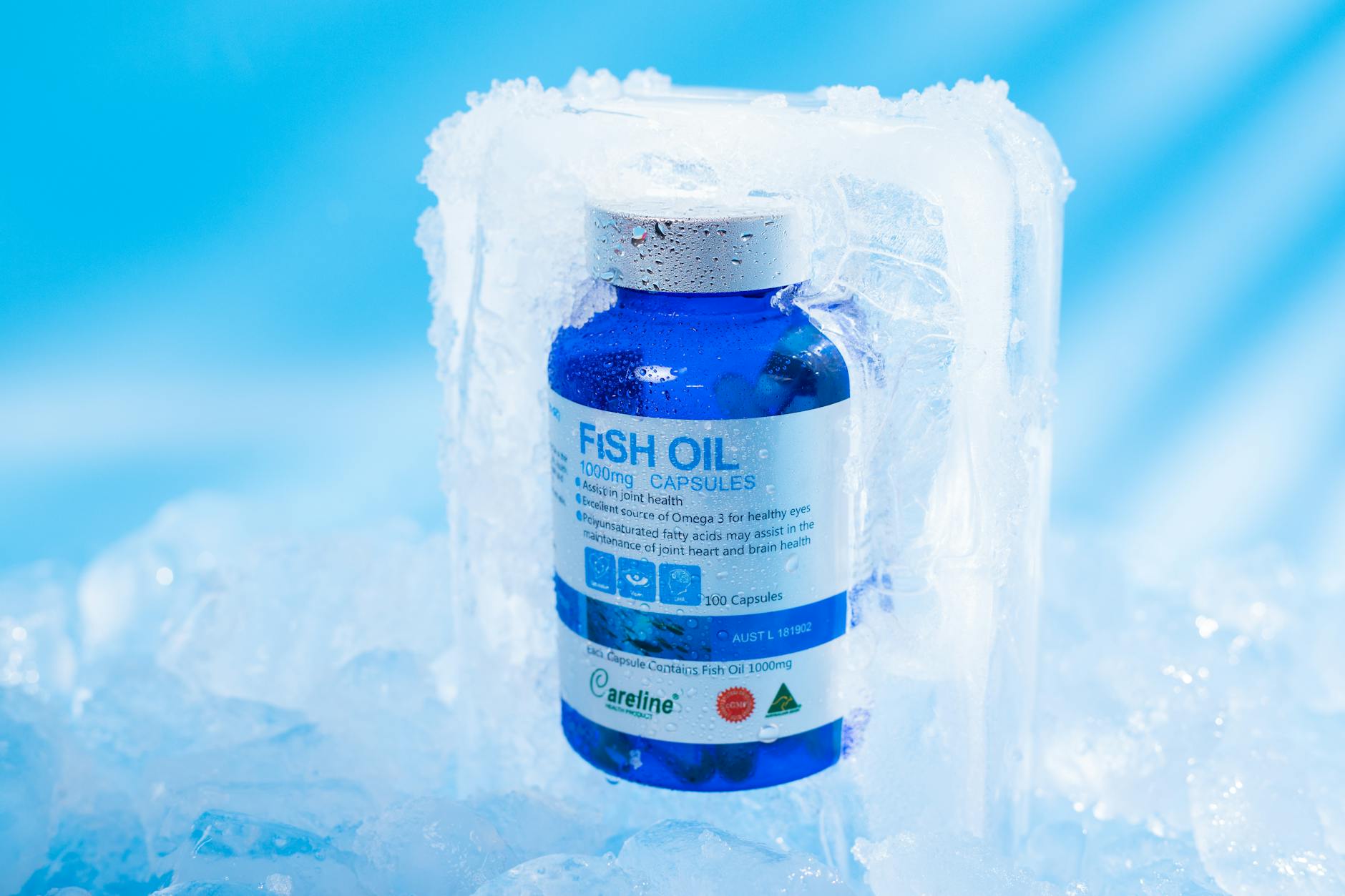
The sheer volume of options can be overwhelming. Organic health products, tinctures, capsules, powders – it's a lot to process. The key, I've learned, is education and a discerning eye. You can't just grab the prettiest bottle off the shelf. Understanding what you're putting into your body is paramount.
Deciphering the Labels
This is where many people get tripped up. A label that says "natural" doesn't automatically mean "good for you." I learned to look for certifications that actually mean something, like USDA Organic seals for food-based supplements, or third-party testing seals (like NSF or USP) which verify that the product contains what it says it contains and is free from contaminants. This diligence helps separate genuine organic health products from those that are just riding the trend.
Understanding Your Needs
Before you even *look* at a product, you need to understand your own body. What are you trying to achieve? Are you looking for better sleep? More energy? Relief from occasional digestive upset? This is where consulting with a healthcare professional, who is open to integrative approaches, can be invaluable. They can help identify potential deficiencies or imbalances that natural remedies might address. For instance, if you're experiencing joint pain, looking into Arthritis Back Pain Relief: Find Your Comfort Now might lead you to supplements with ingredients like turmeric or glucosamine, backed by some scientific literature.

Herbal Health Remedies: Ancient Wisdom for Modern Ailments
Herbs have been used for millennia. It's easy to dismiss them as old wives' tales, but there's a rich history and a growing scientific understanding of how certain plants can support our health. These aren't always cures, but they can be powerful allies.
The Power of Plants
Think about the common cold. While there's no magic bullet, many people turn to elderberry syrup. Studies, some of which are reviewed by organizations like the World Health Organization research on natural health products, have explored its potential to shorten the duration of flu-like symptoms. Or consider chamomile for relaxation. It’s a gentle way to unwind after a stressful day, a far cry from the harsh side effects some pharmaceuticals can have. This is about harnessing the natural world's pharmacy.
When to Be Cautious
Here's the thing: "natural" does not mean "risk-free." Some herbs can interact with medications, and others can be potent and require careful dosing. For example, St. John's Wort, often used for mood support, can interfere with a wide range of prescription drugs, including birth control and antidepressants. It's crucial to have an open conversation with your doctor or a qualified herbalist before incorporating new herbal health remedies, especially if you have pre-existing conditions or are pregnant or breastfeeding.
Beyond Supplements: Holistic Health Solutions
Natural health products are just one piece of a much larger puzzle. True wellness often comes from a combination of approaches, focusing on the whole person. This is the essence of holistic health solutions.
The Importance of Lifestyle
You can take all the supplements in the world, but if you're not sleeping well, eating poorly, and constantly stressed, you're fighting an uphill battle. I found that focusing on foundational aspects of my health made a significant difference. Ensuring I was drinking enough water, for instance – and not just guessing, but actually understanding How Much Water Spring: Your Daily Needs Revealed – was a simple yet powerful change. Similarly, addressing Bad Posture Correction: Fix Your Slouch & Feel Better wasn't just about looking better; it improved my energy levels and reduced tension.
Mind-Body Connection
The connection between our mental and physical states is undeniable. Practicing mindfulness, engaging in gentle exercise, and even spending time in nature can have profound effects. The changing seasons can even impact our mood, and understanding Spring Seasonal Affective Disorder: Symptoms & Tips can be crucial for some. And when it comes to rest, the science behind Daylight Sleep Science: Unlock Better Rest Now highlights how our environment plays a role in our sleep cycles. These are all integral parts of a natural approach to well-being.
Clean Beauty and Non-Toxic Living
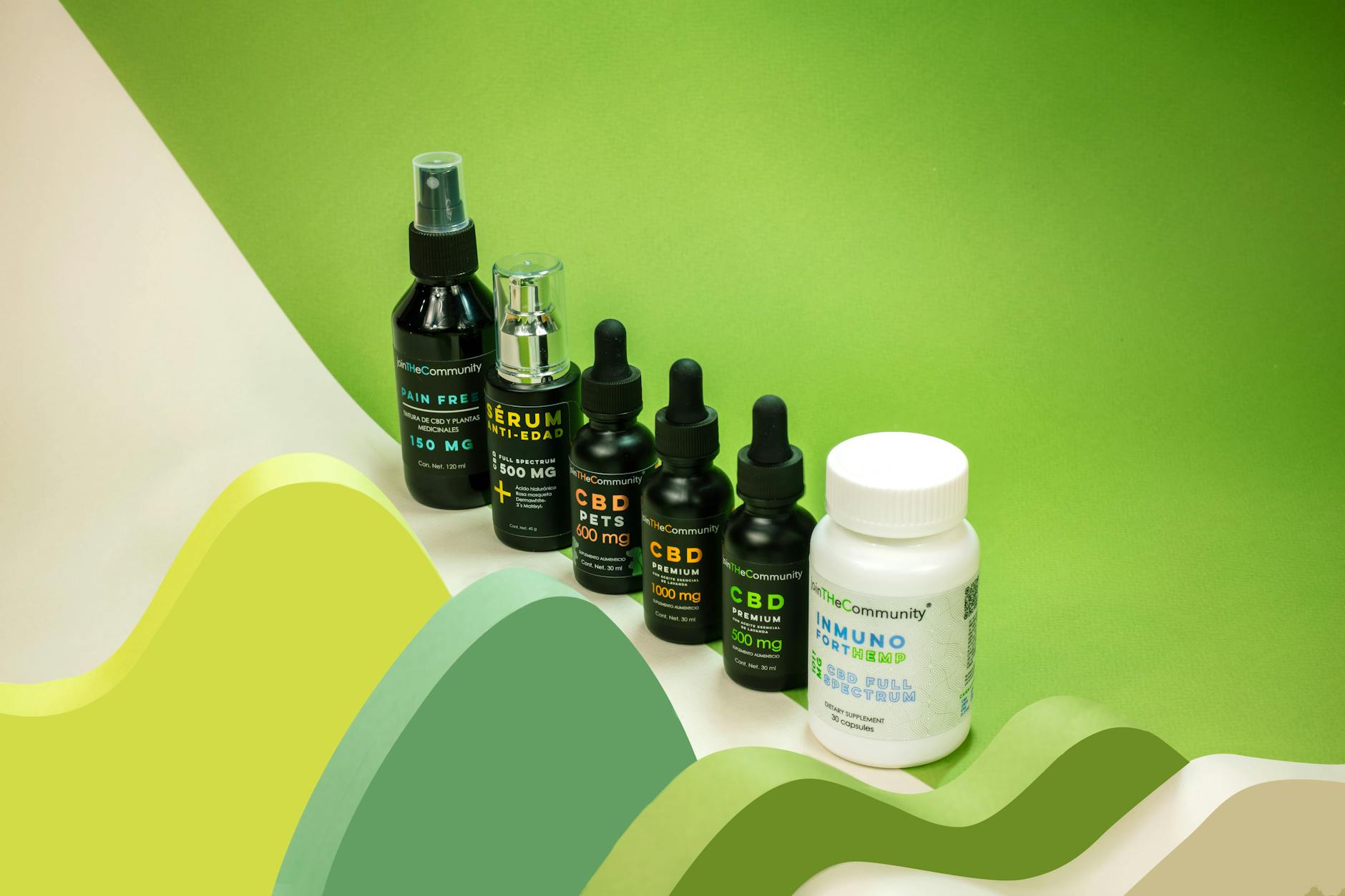
The principles of natural health extend beyond what we ingest. What we put *on* our bodies matters too. This is where clean beauty products and the broader concept of non-toxic personal care come into play.
What's Really in Your Products?
I used to grab whatever shampoo or lotion was on sale, never really thinking about the ingredients. Then I started reading labels and realizing how many common personal care items contain parabens, phthalates, synthetic fragrances, and other chemicals that are questionable at best. This awareness led me to seek out non-toxic personal care options, products that prioritize plant-based ingredients and avoid harsh chemicals. It’s about making conscious choices for our skin and our overall health.
Sustainable Wellness Brands
Beyond the ingredients themselves, I've also become more aware of the companies behind the products. Many sustainable wellness brands are committed not only to creating effective natural health products but also to ethical sourcing, eco-friendly packaging, and fair labor practices. Supporting these businesses feels like a win-win – good for me, and good for the planet. This has also led me to explore the benefits of essential oils, not just for their aroma but for their therapeutic properties in creating a healthier home environment.
My Takeaway: Informed Choices, Not Blind Faith
The world of natural health products is vast and can be confusing. My initial skepticism has been replaced by a cautious optimism, an understanding that these products, when chosen wisely and used appropriately, can be valuable additions to a comprehensive health strategy. It’s not about abandoning conventional medicine, but about integrating the best of both worlds.
The Importance of Critical Thinking
Ultimately, my advice is simple: be informed. Do your research. Consult with professionals who are open to a holistic view of health. Don't fall for miracle cures or outrageous claims. Instead, look for evidence, understand the ingredients, and listen to your body. The journey to better health is a personal one, and natural health products can be powerful allies when approached with knowledge and a healthy dose of critical thinking.