I remember my first spring training season after a long, cold winter. I felt like a coiled spring, ready to explode. The sun was out, the air was crisp, and I hit the ground running – literally. Within twenty minutes, though, I was gasping for air, my legs felt like lead, and a dull headache was starting to pound behind my eyes. I’d completely forgotten about one of the most crucial elements of effective spring training hydration. It’s a classic rookie mistake, and one I see far too often. You’re so focused on getting back into the groove, pushing your limits, and shedding those winter layers that you neglect the simple, fundamental act of drinking enough water.
The Spring Training Hydration Awakening
Why Winter Habits Don't Cut It
When the temperature drops, our bodies naturally conserve heat. We tend to sweat less, and our thirst cues can become a bit muted. You might be perfectly content sipping on a hot tea or coffee, not really thinking about fluid intake beyond that. This is where the danger lies. Transitioning from a low-sweat environment to the increasing demands of spring training means your fluid needs skyrocket, often without you even realizing it.
The Subtle Signs of Dehydration
You might think dehydration hits you like a ton of bricks, but it’s often far more insidious. That slight fatigue you’re feeling? The fuzzy thinking? The muscle cramps that seem to come out of nowhere? These are all classic indicators that your body is screaming for more water. Honestly, I used to dismiss these as just 'pushing through it,' but that’s a recipe for injury and poor performance. Recognizing these early signals is key to effective hydration for athletes.
When Spring Weather Tricks You
Here’s the thing about spring: it’s unpredictable. One day it’s warm and sunny, perfect for an outdoor workout, and the next it’s cool and breezy. This variability can be a major hurdle for maintaining consistent spring training hydration. You might feel perfectly hydrated on that warm day, but then forget to adjust your intake when the temperature dips, thinking you don't need as much. But even in cooler weather, increased activity means increased fluid loss through respiration and sweat, even if it’s less noticeable.
Crafting Your Spring Training Hydration Plan
Beyond Just Water: The Electrolyte Equation
While water is the foundation, it’s not the whole story, especially when you’re really pushing yourself. As you sweat, you lose more than just water; you lose vital electrolytes like sodium, potassium, and magnesium. These are crucial for muscle function, nerve signaling, and fluid balance. If you're engaging in prolonged or intense workouts, relying solely on plain water can actually dilute the electrolytes you *do* have, leading to hyponatremia – a dangerous condition. This is where sports drinks, electrolyte tablets, or even a pinch of salt in your water can make a significant difference.
Pre-Hydration: Setting the Stage for Success
Think of pre-hydration as priming the pump. You can’t expect peak performance if you start your workout already in a deficit. Aim to be well-hydrated *before* you even begin your training session. A good rule of thumb is to drink about 16-20 ounces of water two to three hours before your workout, and another 8 ounces about 20-30 minutes before you start. This helps ensure your body has ample fluid reserves to draw upon. This simple step can dramatically improve your energy during workouts.
During-Workout Hydration: Staying Ahead of the Curve
This is where many people fall short. It’s easy to get caught up in the rhythm of your training and forget to sip. For workouts lasting longer than an hour, or in hot and humid conditions, you need a strategy. Aim to drink 7-10 ounces of fluid every 10-20 minutes. This isn’t about chugging a whole bottle at once; it’s about consistent, small sips. This consistent intake is a cornerstone of a solid sports hydration strategy.
Post-Workout Rehydration: The Recovery Essential
The work isn’t over when you stop moving. Replenishing lost fluids and electrolytes after your workout is critical for faster workout recovery. Your body needs to rebalance its fluid levels and repair muscle tissue, and hydration plays a massive role in both. Weighing yourself before and after a workout can give you a tangible measure of fluid loss. For every pound lost, aim to drink about 16-24 ounces of fluid. This is also a prime time to focus on nutrient-dense foods to aid in recovery, like those found in Best Hiking Trail Snacks: 7 Energizing Fuel Ideas.
Common Pitfalls and How to Avoid Them
The "Thirst is Enough" Fallacy
This is perhaps the most dangerous misconception. By the time you feel thirsty, you’re already slightly dehydrated. It’s like waiting until you’re starving to eat; you’re already behind the eight ball. Developing a proactive hydration habit, rather than relying on thirst cues, is paramount for optimal athlete hydration plan development. You’ve probably noticed that if you wait until you’re parched, your next drink feels amazing, but that’s your body’s desperate plea being answered, not a sign of perfect hydration.
Over-Reliance on Sugary Drinks
While sports drinks can be beneficial, many are loaded with sugar that can lead to energy crashes or unwanted calorie intake. Not all fluids are created equal. For shorter, less intense workouts, plain water is often sufficient. If you’re opting for a sports drink, choose one with a balanced electrolyte profile and moderate sugar content, or consider diluting it. This is a crucial aspect of performance hydration.
Forgetting the Little Things
It’s not just about the water you drink during your workout. Think about your fluid intake throughout the entire day. Are you starting your day with a glass of water? Are you sipping on water during your commute or at your desk? Are you choosing water over sugary sodas or excessive caffeine? These small, consistent habits build a strong foundation for your overall hydration. This is why a comprehensive Spring Hydration Plan: Boost Your Performance Now is so important.
Ignoring Environmental Factors
Humidity, wind, and altitude can all significantly impact your hydration needs. High humidity makes it harder for sweat to evaporate, meaning your body is working harder to cool itself and you can lose fluids more quickly. Wind can increase insensible water loss through respiration. Altitude can also increase fluid loss. Be mindful of these variables and adjust your intake accordingly. This is where listening to your body and understanding the science, like World Health Organization research on spring training hydration, becomes vital.
Hydration for Endurance and Performance
Fueling Longer Efforts
For endurance activities like long runs, cycling, or hiking, proper hydration is non-negotiable. Dehydration can severely impair your ability to sustain effort, leading to premature fatigue and a significant drop in performance. For these longer efforts, you’ll likely need a combination of water and electrolytes, and a well-timed fueling strategy. Think about the last time you went for a long hike and hit a wall; it might have been a hydration issue more than a food issue. Developing solid hydration for endurance capabilities requires practice and planning.
The Impact on Cognitive Function
Here’s one that surprised me: dehydration doesn’t just affect your muscles; it messes with your brain, too. Even mild dehydration can impair concentration, reaction time, and decision-making. This is critical for any athlete, whether you’re a runner navigating a course, a team sport player making split-second decisions, or even someone just trying to maintain focus during a tough training session. This cognitive dip can directly impact your workout energy boost.
Performance Metrics Don't Lie
Studies have consistently shown a direct correlation between hydration status and athletic performance. For example, a 2% body weight loss due to dehydration can lead to a noticeable decrease in aerobic performance. For a 150-pound athlete, that’s about three pounds of fluid loss – a surprisingly small amount that can have a big impact. This is why paying attention to performance hydration is not just about feeling good; it’s about maximizing your physical output. Research from institutions like the Mayo Clinic research on spring training hydration consistently highlights these points.
Making Hydration a Habit
Invest in the Right Gear
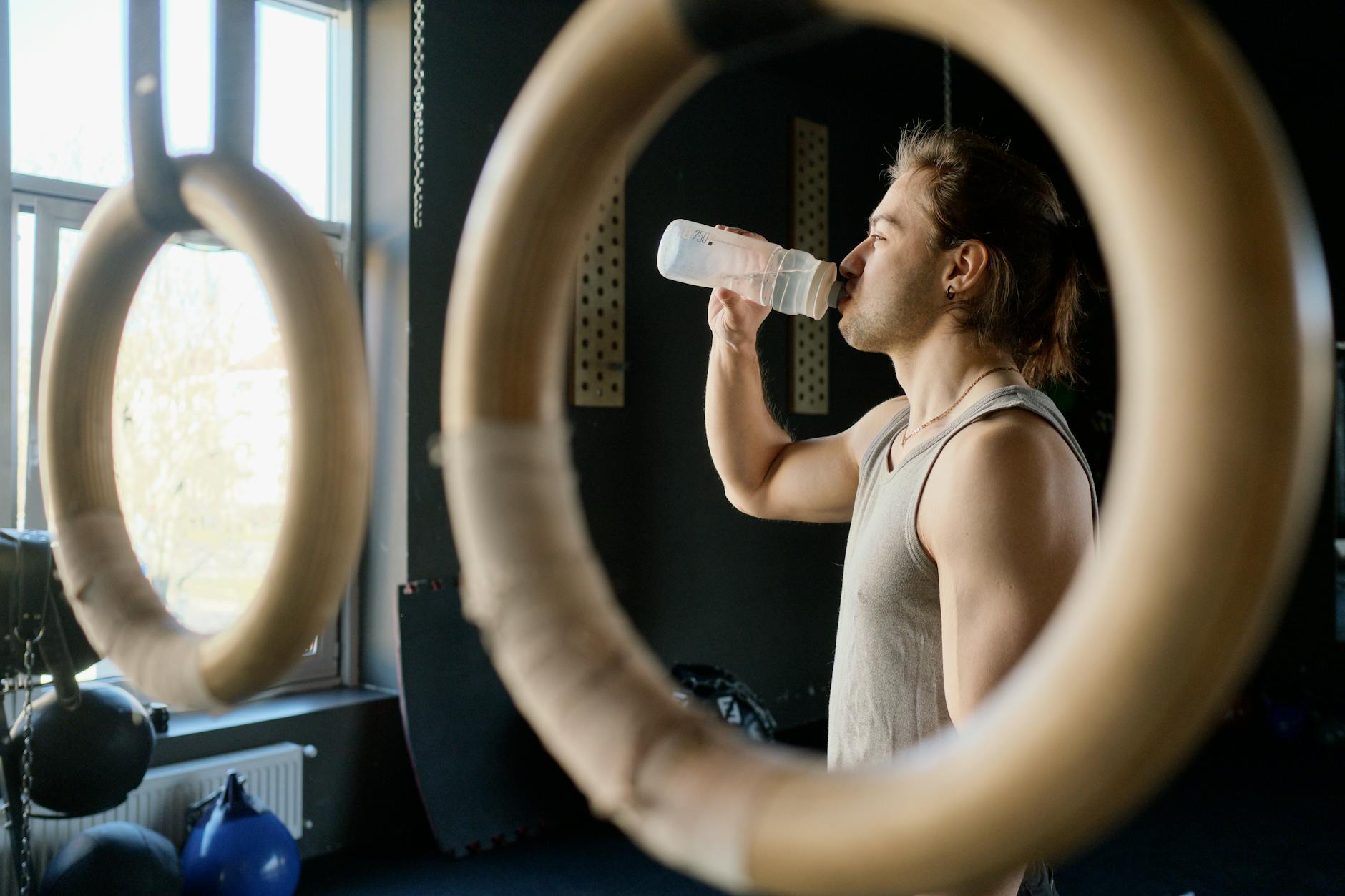
Sometimes, the simplest tools can make the biggest difference. A good water bottle that you enjoy using, a hydration pack for longer adventures, or even a dedicated hydration tracker app can help you stay accountable. Find what works for you. Having a visually appealing water bottle on your desk can be a constant reminder to sip throughout the day.
Integrate Hydration into Your Routine
Link your water intake to existing habits. Drink a glass of water immediately upon waking. Have a water bottle with you during your commute. Sip water while watching TV in the evening. The more you weave hydration into the fabric of your day, the less you’ll have to think about it, and the more consistent you’ll be. This is how you build an effective athlete hydration plan that sticks.
Listen to Your Body, But Educate Yourself
While I’ve stressed the importance of not waiting until you’re thirsty, it’s also vital to pay attention to your body’s unique signals. You might have a higher sweat rate than others, or specific dietary needs that impact hydration. Combine this self-awareness with knowledge from reliable sources, such as National Institutes of Health research on spring training hydration, to create a personalized approach. If you’re feeling unusually fatigued or experiencing persistent headaches, it’s worth examining your fluid intake.
Celebrate Small Wins
Did you hit your water goal for the day? Did you remember to rehydrate properly after a tough workout? Acknowledge these successes! Building new habits takes time and effort, and positive reinforcement can go a long way. Think about how much better you feel when you’re properly fueled and hydrated; that’s the reward. It’s a crucial part of your overall Spring Fitness Goals: Plan Smart for Success.
Spring training is an exciting time, a chance to shake off the winter cobwebs and build momentum for the year ahead. But don’t let a simple oversight like inadequate hydration derail your progress. It’s the unsung hero of performance, recovery, and overall well-being. By understanding your needs, planning accordingly, and making hydration a consistent part of your routine, you’ll unlock a new level of energy and resilience. So, grab that water bottle, and let’s make this your most hydrated, most successful spring yet.