
The Secret Weapon Against Desk Life: Embracing Desk Stretches
I remember a Tuesday afternoon, about five years ago. The kind of Tuesday where the clock seemed to be moving backward. I was deep into a report, hunched over my keyboard, my shoulders feeling like two rocks trying to escape my neck. My lower back was screaming, and I could feel that familiar tingle in my wrists. Sound familiar? If you spend more than a couple of hours glued to a screen, chances are you know that feeling all too well. It's the sedentary lifestyle's subtle, yet persistent, way of telling you it's not happy. That day, I realized I couldn't just power through. I needed a solution, and it had to be something I could actually *do* at my desk. That’s when I truly embraced the power of desk stretches.
Why Sitting is the New Smoking (Sort Of)
We hear it all the time: sitting is bad for us. And while it's not *exactly* like smoking a pack a day, the research is pretty stark. Prolonged sitting is linked to a laundry list of health issues, from cardiovascular disease to metabolic syndrome. It messes with our circulation, tightens our hips, and generally makes our bodies stiff and unhappy. The World Health Organization has published extensive World Health Organization research on desk stretches highlighting the dangers of inactivity.
The Immediate Impact of Movement
But here's the good news: even small bursts of movement can make a massive difference. Think about it. Your body is designed to move. When you interrupt that stillness, even for 30 seconds, you're sending a vital signal to your muscles and joints. You're telling them, "Hey, we're still alive and kicking!" This simple act of breaking up sedentary periods can improve blood flow, reduce muscle fatigue, and even give your brain a little jolt of energy. It’s not about a full workout; it’s about intelligent, consistent micro-movements.

Unlocking Relief: Stretches for Your Neck and Shoulders
The neck and shoulder area is often the first to suffer when we’re desk-bound. That forward head posture and rounded-shoulder slump can lead to chronic pain and tension. Luckily, there are incredibly effective desk stretches you can do right in your chair to combat this.
The Gentle Neck Release
Let’s start with the neck. I used to think I had to do these dramatic head rolls, but honestly, that can sometimes make things worse if you’re already tight. A gentler approach is key.
Chin Tucks
Sit up tall, shoulders relaxed. Gently draw your chin straight back, as if you're trying to make a double chin. You should feel a stretch at the base of your skull. Hold for 5 seconds, then release. Repeat 10-15 times. This is fantastic for counteracting that forward head posture.
Ear-to-Shoulder Stretch
While sitting tall, gently tilt your head, bringing your right ear towards your right shoulder. Don't force it. You should feel a stretch along the left side of your neck. For an added benefit, gently press your left shoulder down. Hold for 20-30 seconds, then switch sides. This one is a game-changer for releasing tightness from looking at a screen all day.
Shoulder Rolls and Scapular Squeezes
Your shoulders carry a lot of our daily stress. Releasing this tension is crucial.
Forward and Backward Shoulder Rolls
Inhale as you roll your shoulders forward, up towards your ears, and then exhale as you roll them back and down. Do this 10 times. Then, reverse the direction: inhale as you roll them backward, up, and exhale as you bring them forward and down. 10 more times. This helps to lubricate the shoulder joint and release upper back tension.
Scapular Squeezes
This is one of my favorites for improving posture. Sit up straight and imagine you're trying to pinch a pencil between your shoulder blades. Squeeze them together, hold for 5 seconds, and then relax. Repeat 15-20 times. You'll feel your upper back muscles engage, which helps counteract the tendency to round your shoulders forward.
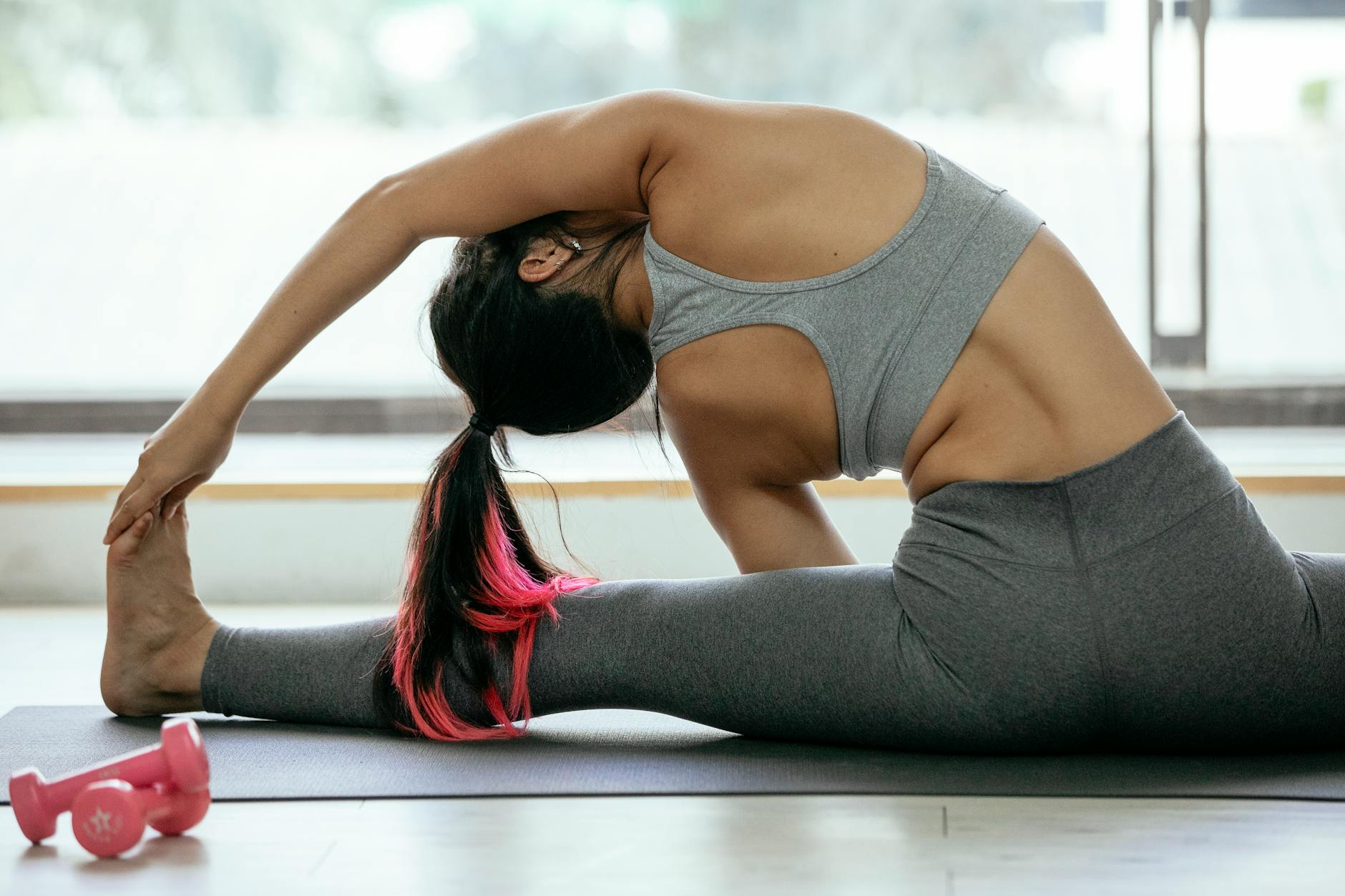
Tackling Back Pain: Office Stretches That Work
Back pain is incredibly common for anyone with a sedentary job. The constant pressure on your lumbar spine and the tightening of your hip flexors can create a vicious cycle. Fortunately, a few simple desk exercises can offer significant relief.
The Seated Spinal Twist
This is a classic for a reason. Twisting your spine gently can help to mobilize it and release tension in the muscles along your back.
How to Do It
Sit on the edge of your chair with your feet flat on the floor. Inhale and lengthen your spine. As you exhale, gently twist your torso to the right, using the back of your chair or your armrest for support. Keep your hips facing forward as much as possible. Hold for 20-30 seconds, breathing deeply. Return to center and repeat on the left side. This is excellent for counteracting the stiffness from sitting.
Hip Flexor Release (Desk Edition)
Your hip flexors, located at the front of your hips, get incredibly tight when you sit for long periods. Tight hip flexors can pull on your lower back, contributing to pain.
Kneeling Hip Flexor Stretch (Modified)
If you have a little space, or even just enough room to extend one leg, you can do a modified version. Stand up and step one foot forward as if you're about to lunge. Keep your back leg extended behind you. You can place your hands on your desk for balance. Gently push your hips forward, feeling a stretch in the front of your back hip. Hold for 30 seconds, then switch legs. This one surprised me with how much it helped my lower back.
Cat-Cow Pose (Seated Version)
This yoga staple is surprisingly effective when adapted for your chair.
The Movement
Start sitting tall with your hands on your knees. As you inhale, arch your back, draw your shoulders back, and look slightly up (Cow pose). As you exhale, round your spine, tuck your chin to your chest, and let your shoulders round forward (Cat pose). Flow between these two movements for 10-15 breaths. It’s a fantastic way to mobilize your entire spine.
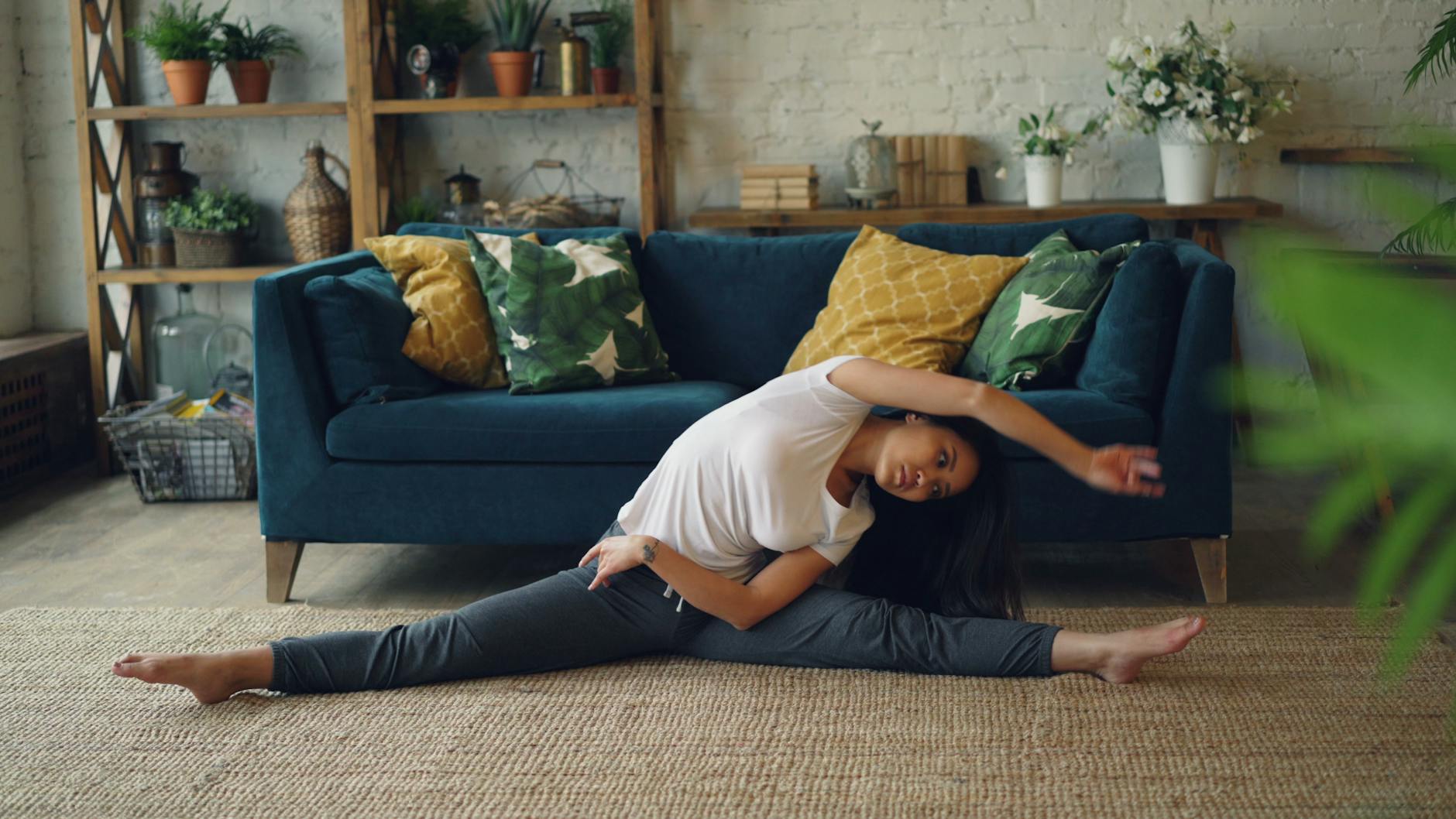
Boosting Productivity and Well-being with Desk Exercises
It’s not just about pain relief; incorporating regular desk exercises can actually make you *better* at your job. When your body feels good, your mind follows.
Improving Posture for a Sharper Mind
Think about the last time you felt completely energized and focused. Chances are, you weren't slouching. Good posture isn't just about looking confident; it allows your diaphragm to expand fully, improving oxygen intake. Better oxygenation means a clearer, more alert brain. Many people struggle with improve posture because their muscles have adapted to prolonged sitting. Simple exercises that strengthen your core and upper back can make a huge difference.
Core Engagement
Even while sitting, you can engage your core. Simply draw your belly button in towards your spine, as if you're bracing for a gentle punch. Hold this for 10-15 seconds while you continue breathing normally. Do this periodically throughout the day. It’s subtle but incredibly effective for supporting your spine.
Combating Stiffness and Fatigue
When you’re stiff and achy, your energy levels plummet. A quick stretch can be more effective than another cup of coffee. These aren't just sedentary lifestyle stretches; they are energy boosters.
Wrist and Finger Stretches for Carpal Tunnel Relief
Typing and using a mouse can wreak havoc on your wrists and hands. I’ve had friends deal with carpal tunnel syndrome, and it’s no joke. Simple stretches can help prevent and alleviate this.
Wrist Flexor and Extensor Stretch
Extend one arm straight out in front of you, palm facing up. With your other hand, gently pull your fingers down towards the floor, feeling a stretch in your forearm. Hold for 20-30 seconds. Then, flip your palm to face down and gently pull your fingers towards the floor for another stretch. Repeat on the other arm. These are crucial carpal tunnel stretches.
Finger and Thumb Stretches
Open your hand wide, spreading your fingers as far as you can. Hold for a few seconds. Then, make a tight fist. Repeat 10-15 times. For your thumb, gently move it across your palm and then extend it outward. Do this 10 times for each hand. These small movements can prevent a lot of discomfort.
The Power of Hydration and Movement
It’s easy to forget the basics when you’re swamped. But staying hydrated is crucial, especially when you're trying to keep your body moving. Think of it like preparing for a hike; you need good fuel and water. Proper hydration is key for muscle function and can even help with your Spring Training Hydration. Combining sips of water with quick desk stretches is a powerful productivity booster.
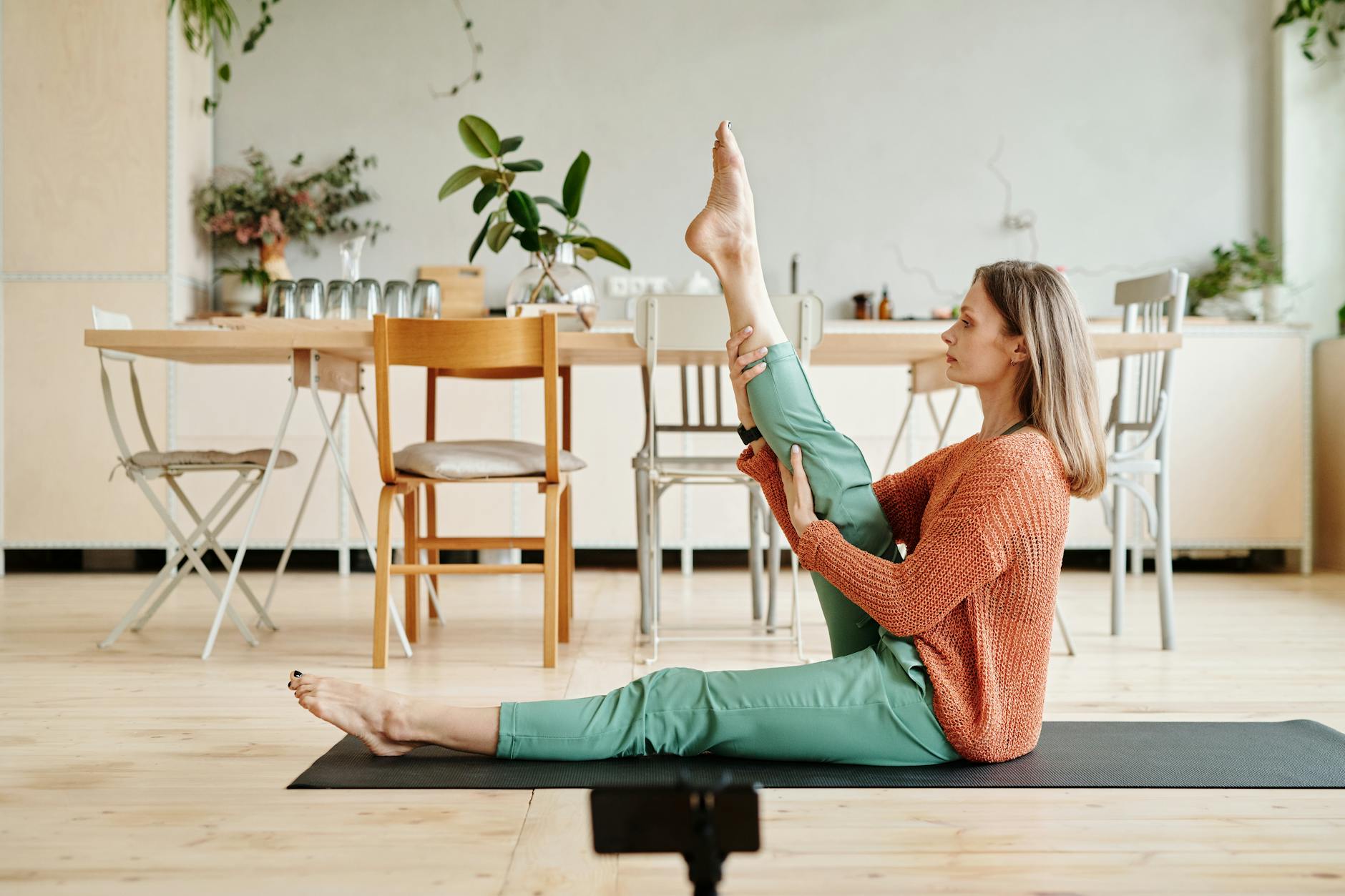
Making Desk Stretches a Habit
The biggest hurdle with any new fitness routine, even simple desk stretches, is consistency. It’s easy to get caught up in the day and forget. Here’s how I’ve managed to make it stick.
Schedule It In (No, Really)
I know, I know. Another thing to add to your calendar. But honestly, this is the most effective strategy. Set a recurring reminder on your phone or computer for every hour. Even 60 seconds of movement is better than nothing. It could be a quick stretch, a few squats under your desk, or even just standing up and walking to get water. Think of it as scheduled self-care.
Listen to Your Body
Some days you’ll feel tighter than others. On those days, focus on the gentler movements and holds. Don’t push through sharp pain. The goal is relief and long-term health, not injury. If you’re experiencing persistent pain, it’s always a good idea to consult with a healthcare professional. They can offer personalized advice, perhaps even specific Mayo Clinic research on desk stretches relevant to your condition.
Vary Your Routine
Don't get bored! Mix and match the stretches. Some days, focus on your neck and shoulders. Other days, target your back and hips. You can even incorporate quick desk exercises like calf raises or glute squeezes. If you’re looking for more structured ideas, you might find inspiration in something like Winter Body Reset: 5 Quick Strength Circuits for You, adapting some of those movements to be office-friendly.
The Long-Term Benefits
It might seem like a small thing, but consistently integrating these simple movements into your workday can have profound effects. You’ll likely notice reduced pain, better energy levels, and improved focus. It’s a foundational step towards a healthier, more active lifestyle, even if your primary job keeps you seated. The Centers for Disease Control and Prevention have documented the benefits of regular movement, even in small doses, in their Centers for Disease Control and Prevention research on desk stretches. It's about building a sustainable relationship with your body, one stretch at a time.
So, the next time you feel that familiar stiffness creeping in, don't just sigh and push through. Reach for your desk stretches. Your body will thank you, and honestly, your productivity will too. It’s a small investment of time for a massive return in well-being.