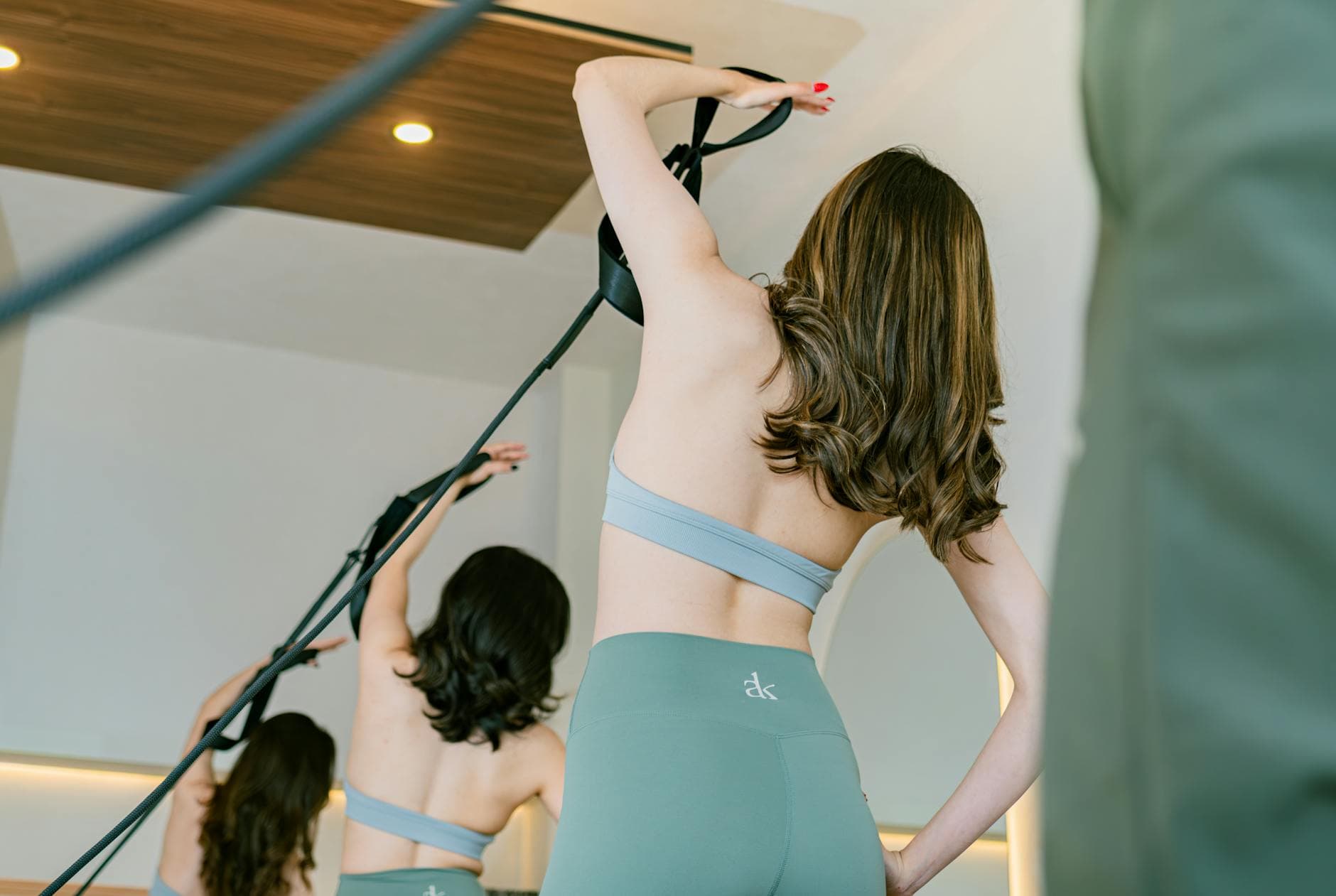
Okay, confession time. When I first started getting serious about fitness, I thought anything that wasn't a heavy barbell or a complex machine was basically a toy. And resistance bands? I honestly dismissed them as something for physical therapy or maybe a light warm-up. Boy, was I wrong. My journey with **resistance band abs** has been a revelation, and I’m here to tell you why you might be leaving a serious powerhouse of an ab workout on the table if you’re doing the same. Forget the fancy gym equipment for a moment; these simple loops of elastic can absolutely sculpt your core.
The Underestimated Power of Bands for Your Core
Here's the thing about your core: it's not just about a six-pack. A strong core is the foundation for pretty much everything you do, from lifting your kids to crushing a tough workout. It stabilizes your spine, improves your posture, and can even help prevent injuries. I used to think that meant I needed to go all-in on crunches and sit-ups, but bands offer a different, and often more effective, way to challenge those muscles.
Why Bands Are Secretly Awesome
Bands provide what's called accommodating resistance. This means the resistance increases as you stretch the band further. Think about it: when you're doing a crunch with no weight, the hardest part is at the top when your muscles are most contracted. With a band, the effort ramps up as you extend, hitting your muscles in a different, often more challenging, way. It’s a subtle difference that can lead to significant gains.
The "Core" of the Matter: What Are We Actually Training?
When we talk about "abs," we're usually referring to the rectus abdominis – those coveted six-pack muscles. But your core is a complex system that includes your obliques (the muscles on the sides of your waist), your transverse abdominis (the deep muscles that act like a natural corset), and even muscles in your back and hips. A good band ab workout targets all of these, not just the superficial layer. This is crucial for functional strength and injury prevention.
Getting Started: Your First Band Ab Workout
So, you've got your bands, and you're ready to dive in. That's fantastic! For beginners, the key is to start with lighter bands and focus on proper form. You don't need to be straining to the point of shaking uncontrollably. The goal is controlled movement and feeling the engagement in your core muscles.
Choosing the Right Band
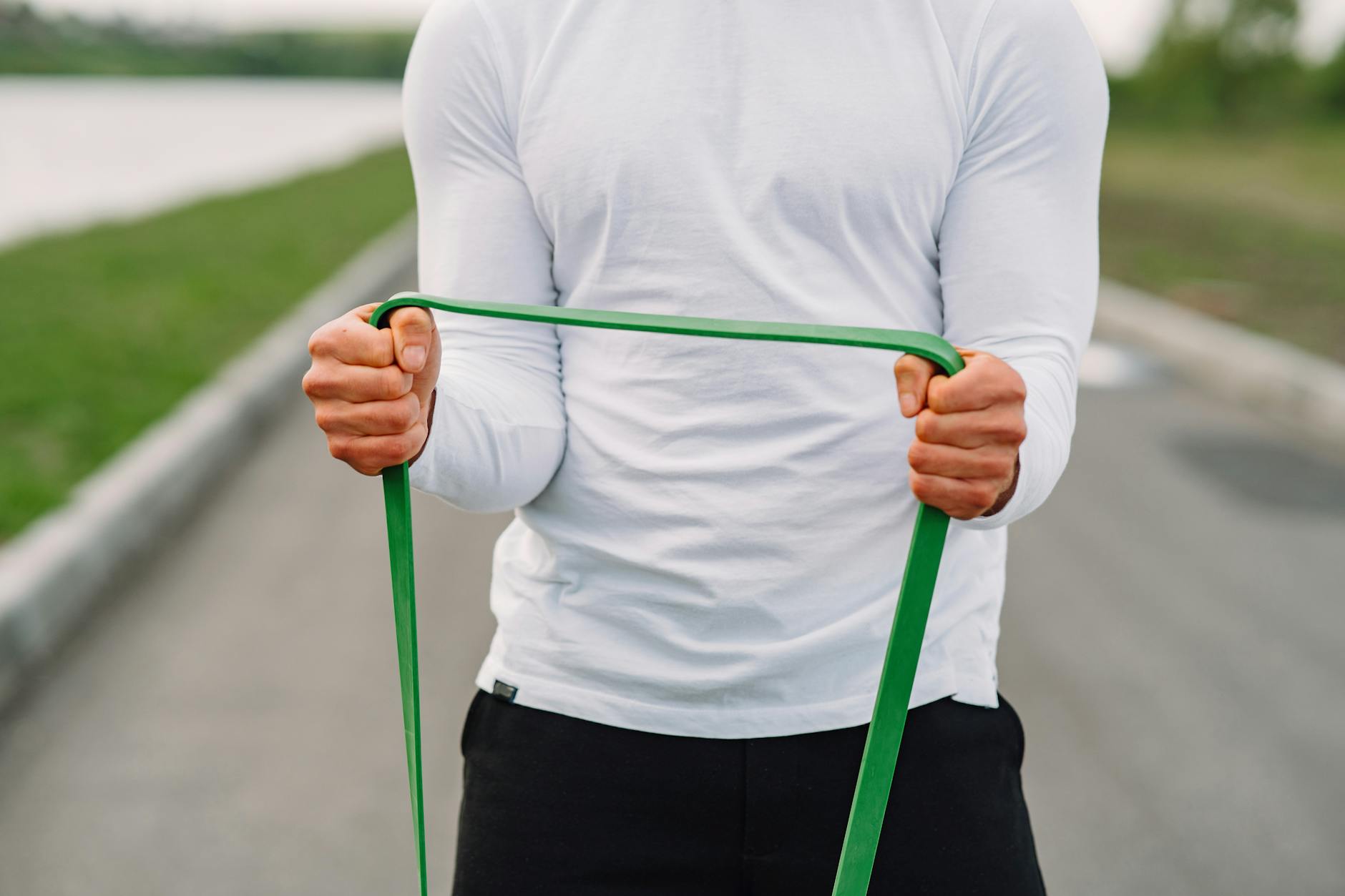
There are different types of resistance bands: loop bands, tube bands with handles, and therapy bands. For most ab exercises, loop bands are ideal. They come in various resistance levels, usually color-coded. Start with a light or medium band. You can always increase the resistance or the number of repetitions as you get stronger. Don't be tempted to grab the thickest band right away; that's a recipe for bad form and potential injury.
The Foundational Band Ab Exercises
Let's get down to business with some effective ab exercises bands can help you with. These are the ones I’d recommend to anyone starting out, or even as a warm-up for more advanced routines. They hit all the key areas without being overly complicated.
1. Banded Crunches
This is a classic with a twist. Lie on your back with your knees bent and feet flat on the floor. Loop a resistance band around your feet, holding the ends in your hands. As you crunch up, gently pull the band ends towards your chest. This adds tension throughout the movement, making it more challenging than a bodyweight crunch. Focus on squeezing your abs at the top.
2. Banded Bicycle Crunches
Another excellent exercise. Lie on your back, loop the band around your feet, and lift your legs off the ground, knees bent at 90 degrees. Bring one knee towards your chest while twisting your opposite elbow towards it, mimicking a cycling motion. Alternate sides. The band adds constant tension, making those obliques work harder.
3. Banded Leg Raises
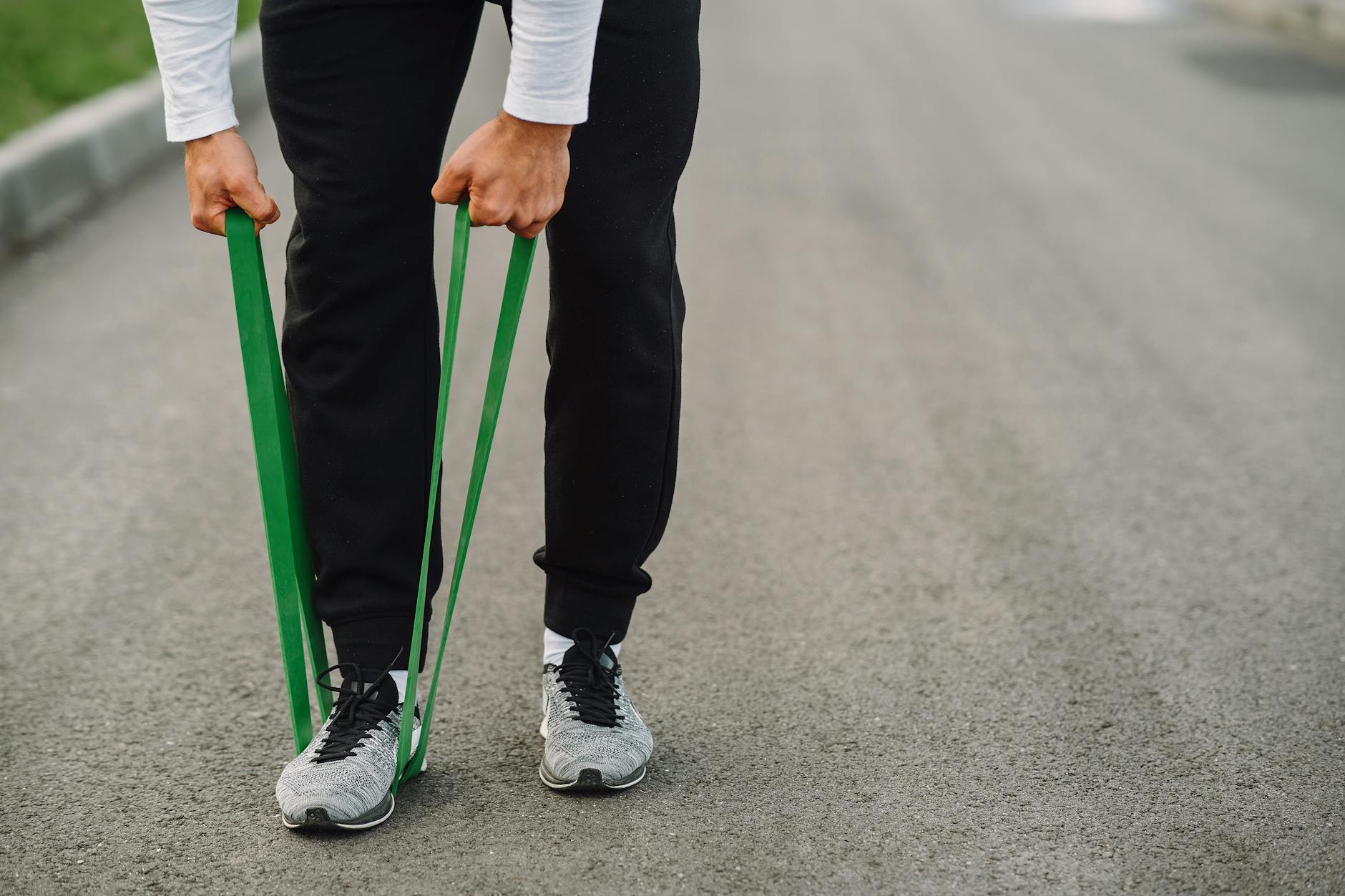
This one targets the lower abs. Lie on your back with your legs extended. Loop the band around your feet. Keeping your legs as straight as possible, lift them towards the ceiling, engaging your core. Lower them slowly, stopping just before they touch the floor. The band’s resistance makes this significantly tougher than unassisted leg raises.
Taking Your Resistance Band Abs to the Next Level
Once you've got the basics down, it's time to amp things up. This is where you’ll really start to see and feel the difference. We’ll introduce some exercises that require a bit more stability and control, really pushing those core muscles.
Unlocking Oblique Power with Bands
Your obliques are crucial for rotational movements and spinal stability. Neglecting them is a common mistake. Resistance bands are fantastic for targeting these muscles effectively. You might be surprised at how quickly you feel the burn.
1. Banded Russian Twists
Sit on the floor with your knees bent and feet flat or slightly elevated for an extra challenge. Loop a resistance band around your feet, holding the ends together. Lean back slightly, keeping your back straight, and twist your torso from side to side, bringing the band with you. Focus on controlled rotation and squeezing your obliques.
2. Banded Side Bends
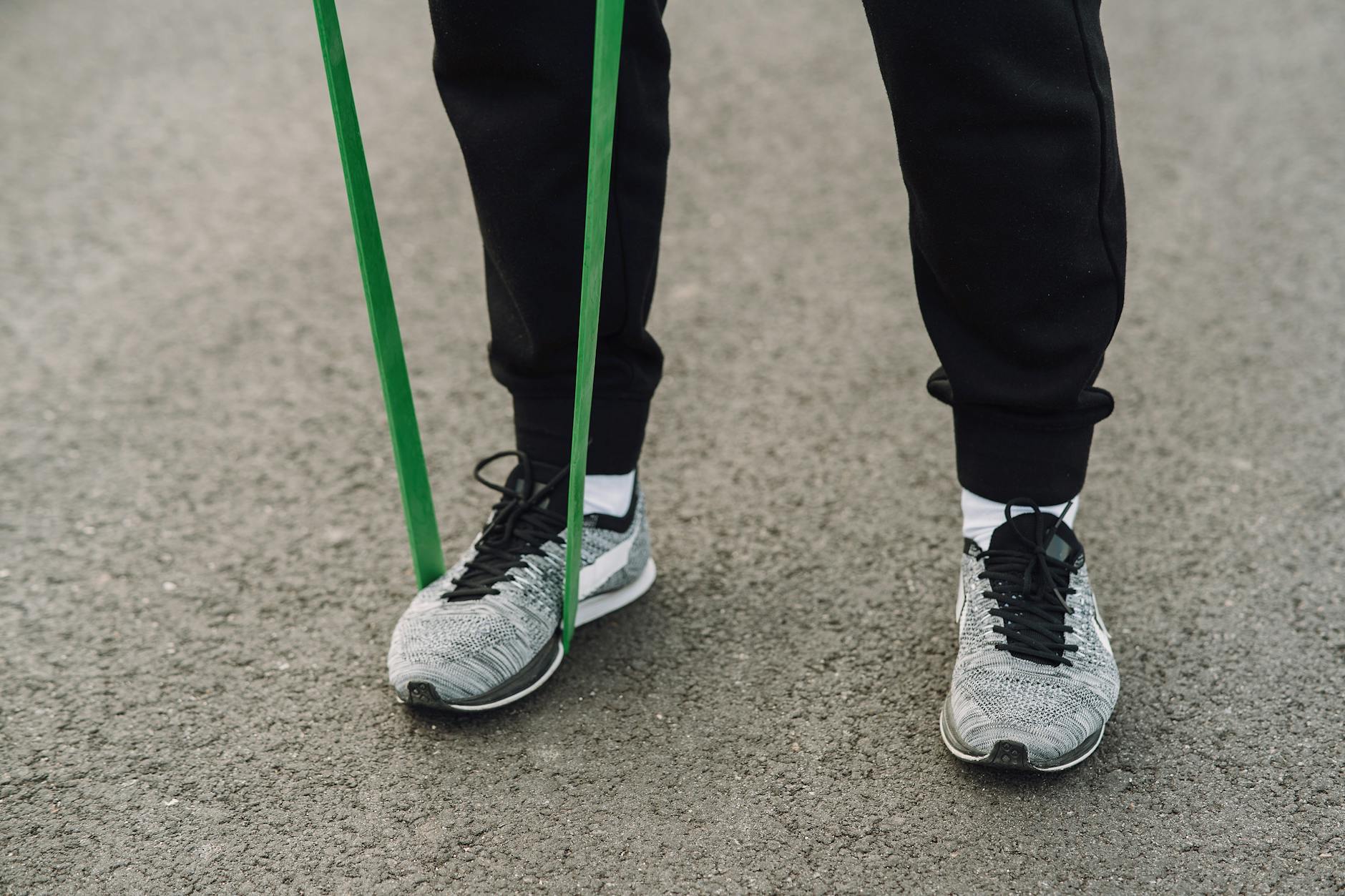
Stand with your feet shoulder-width apart, holding one end of a resistance band in each hand. Step on the band with one foot, or anchor it securely under that foot. Extend your arms overhead. Keeping your chest up and back straight, slowly bend to the side, feeling the stretch in your obliques. Return to the starting position. Repeat on the other side. This is a fantastic way to isolate and strengthen your lateral core muscles.
Advanced Band Core Workouts
Ready for a real challenge? These band ab exercises will push your limits and build serious core strength. They require good body control and a solid foundation.
1. Banded Wood Chops
Stand with your feet shoulder-width apart, holding a resistance band with both hands. Anchor the band under one foot, or have a partner hold it. Start with the band high on the opposite side of your body. Pull the band diagonally across your body towards the opposite knee, as if you were chopping wood. Engage your obliques and core throughout the movement. This is a functional exercise that translates to many real-world movements.
2. Banded Plank Variations
Planks are fantastic for core stability. Add a band, and you’re in for a whole new level of challenge. You can loop a band around your wrists or ankles. For example, in a forearm plank, try lifting one arm forward while keeping your core tight and body stable. The band’s tension will fight against you, forcing your core to work overtime to maintain position. Another great option is a banded bird-dog, where you extend opposite arm and leg while the band is looped around your feet.
Making Resistance Band Abs a Habit
Consistency is king, right? It’s easy to get excited about a new tool or a new workout, but making it a lasting part of your routine is where the real magic happens. Bands make it incredibly easy to get a solid ab workout in, no matter where you are.
The Convenience Factor: Home Ab Workout Bands
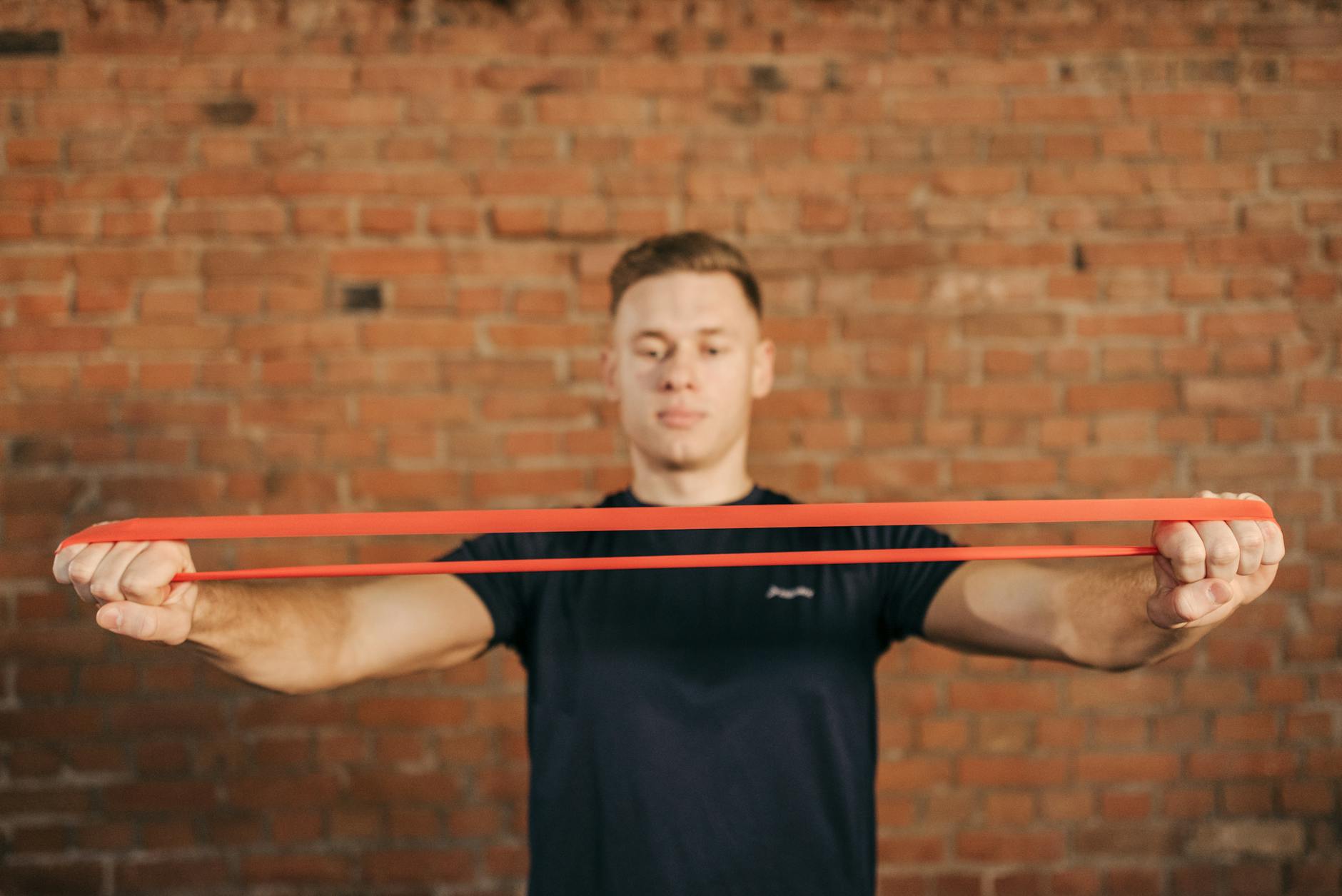
One of the biggest wins for resistance band abs is their portability and ease of use. You don't need a dedicated space or bulky equipment. You can do these exercises in your living room, a hotel room, or even outside. This makes a home ab workout with bands incredibly accessible. I’ve packed mine for trips and gotten in a quick core session before heading out for the day. It’s a game-changer for maintaining consistency.
Integrating Bands into Your Routine
Don't feel like you need to dedicate an entire workout solely to resistance band abs. You can easily sprinkle these exercises into your existing routine. For example, after your strength training session, you could do a few sets of banded Russian twists or banded leg raises. Or, use them as part of your warm-up before a run, perhaps incorporating some dynamic banded movements. Think about your spring fitness goals and how bands can help you achieve them.
Progressing Your Band Ab Workout
As you get stronger, you’ll need to challenge yourself. How do you do that with bands?
- Increase Band Resistance: Simply use a stronger band.
- Increase Reps or Sets: Do more repetitions per set, or add more sets.
- Decrease Rest Time: Shorten the breaks between sets.
- Slow Down the Tempo: Focus on the eccentric (lowering) phase of each movement. This is where a lot of muscle damage and growth happens.
- Add Holds: At the peak contraction of an exercise, hold for a few seconds.
Common Pitfalls and How to Avoid Them
Even with something as straightforward as resistance bands, there are ways to mess it up. I've seen plenty of people do it, and I've probably done some of it myself early on. Being aware of these can save you frustration and help you get the most out of your effort.
Form Over Everything
This is non-negotiable. It’s far better to do fewer repetitions with perfect form than to blast through a high number with sloppy technique. Poor form not only reduces the effectiveness of the exercise but also significantly increases your risk of injury. Focus on controlled movements and feeling the target muscles working. If you’re unsure, watch videos, ask a trainer, or even record yourself to check your technique.
Ignoring Other Core Muscles
As I mentioned, your core is more than just your rectus abdominis. Don't fall into the trap of only doing crunches. A well-rounded resistance band core routine should include exercises that target your obliques and deep stabilizing muscles. Think about rotational movements, anti-rotational exercises, and movements that challenge your stability.
Using the Wrong Band for the Job
Just like using too much weight, using a band that's too heavy can compromise your form. Conversely, a band that's too light won't provide enough stimulus for muscle growth. You should feel a challenge by the last few reps of your set, but not to the point where your form breaks down. Listen to your body and adjust as needed. The Centers for Disease Control and Prevention research on resistance band abs often emphasizes proper usage for optimal results and safety.
The Takeaway: Embrace the Band
Look, I get it. Sometimes the simplest solutions are the ones we overlook. But I’m telling you, resistance bands are an absolute goldmine for building a strong, sculpted core. They’re versatile, affordable, and incredibly effective. Whether you're a seasoned athlete or just starting your fitness journey, incorporating resistance band abs into your routine is a smart move. You'll be amazed at the results you can achieve with these humble loops of elastic. So grab a few bands, try out some of these exercises, and feel the power of a truly engaged core. Your body will thank you.