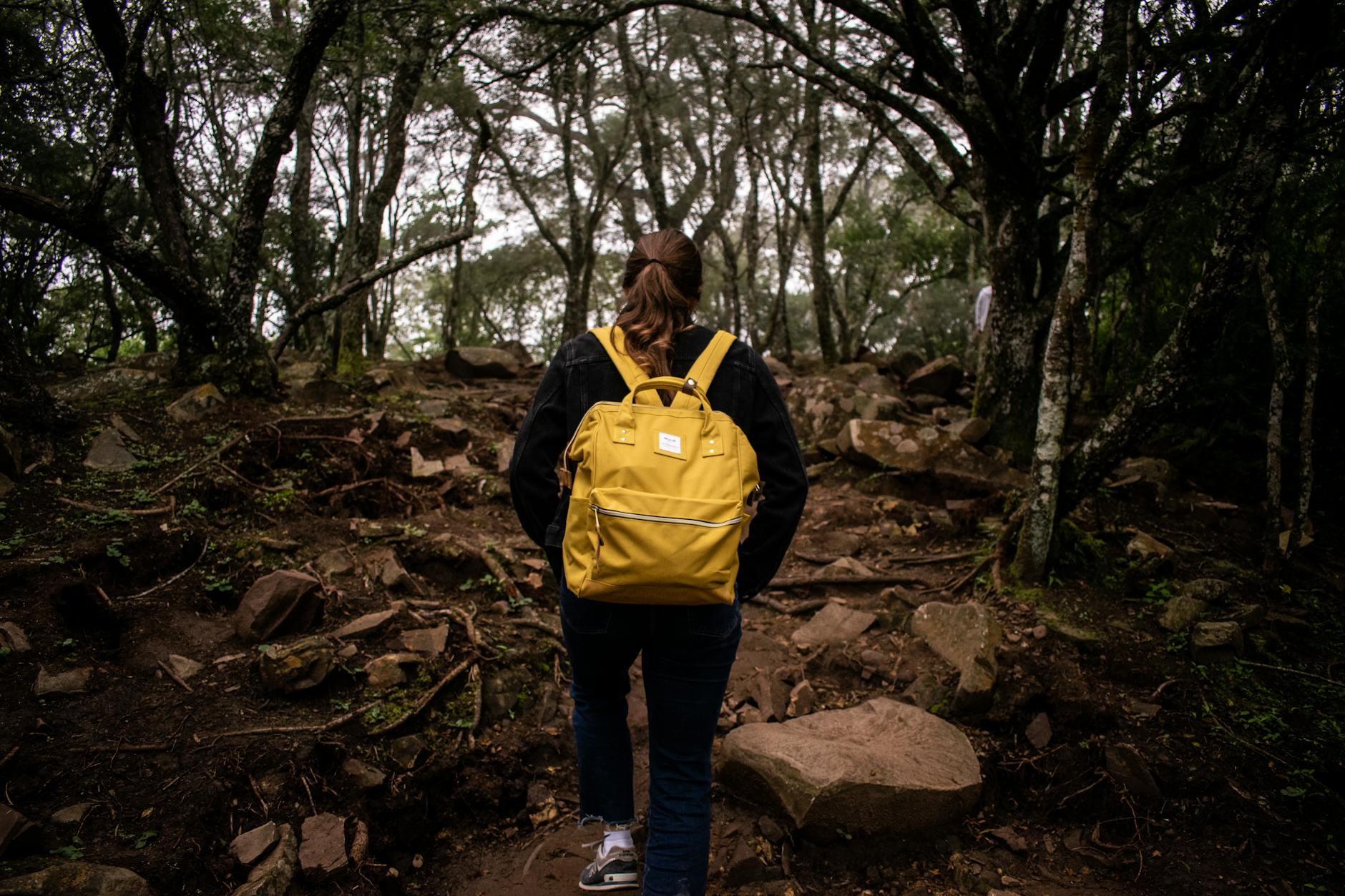
I remember my first really challenging hike. It was a late spring day, the air still carried a hint of chill, and I’d packed what I thought were the essentials: a couple of granola bars and a water bottle. By mile five, I was dragging. My legs felt like lead, my head was swimming, and the beautiful mountain vista was blurred by sheer exhaustion. That’s when I learned a crucial lesson: the right hiking trail snacks aren't just a nice-to-have; they're the fuel that keeps you going, that turns a grueling slog into an invigorating adventure.
It’s easy to underestimate just how much energy a good hike demands. You’re not just walking; you’re ascending, descending, navigating uneven terrain, and often carrying a pack. Your body is working overtime, and if you don't replenish that energy, you're setting yourself up for a disappointing experience. I’ve seen it countless times – people bonking halfway up a peak, their dreams of summit views dissolving into a desperate need for a nap. But it doesn’t have to be that way. With a little planning and the right knowledge about hiking trail snacks, you can conquer any trail.
The Science of Trail Fuel: What Your Body Actually Needs
When you’re out on the trail, your body burns through calories at an accelerated rate. Think of it like a car on a steep incline; it needs more gas to keep moving. The primary fuel sources your body craves during physical exertion are carbohydrates for quick energy and fats for sustained energy. Protein also plays a role, especially in muscle repair, but for immediate trail performance, carbs and fats are king.
Carbohydrates: The Quick Energy Boosters
Carbohydrates are your body's preferred energy source for moderate to high-intensity activities like hiking. They are broken down into glucose, which is readily used by your muscles. For hiking, you want a mix of simple and complex carbohydrates. Simple carbs offer a rapid energy spike, while complex carbs provide a more sustained release, preventing that dreaded sugar crash.
Simple Sugars for Immediate Power
When you feel that initial wave of fatigue creeping in, a quick hit of simple sugars can be a lifesaver. These are digested and absorbed very quickly, providing an almost instant energy boost. Think of dried fruits like raisins or dates, or even a small piece of hard candy. This is why many energy gels and chews are so popular among endurance athletes, though for most day hikes, whole foods suffice.
Complex Carbs for Lasting Stamina
For longer efforts, you need carbohydrates that release their energy slowly. These complex carbs will keep your energy levels more stable throughout your hike. Whole grain crackers, for example, are a fantastic option. They offer sustained energy without the rapid spike and subsequent drop often associated with highly processed sugary snacks.
Fats: The Long-Haul Fuel
While carbohydrates are the immediate go-to, healthy fats are crucial for longer hikes, especially those spanning several hours or multiple days. Fats are a more calorie-dense fuel source and are metabolized more slowly, providing a steady stream of energy that can prevent you from hitting a wall.
Healthy Fats for Sustained Release
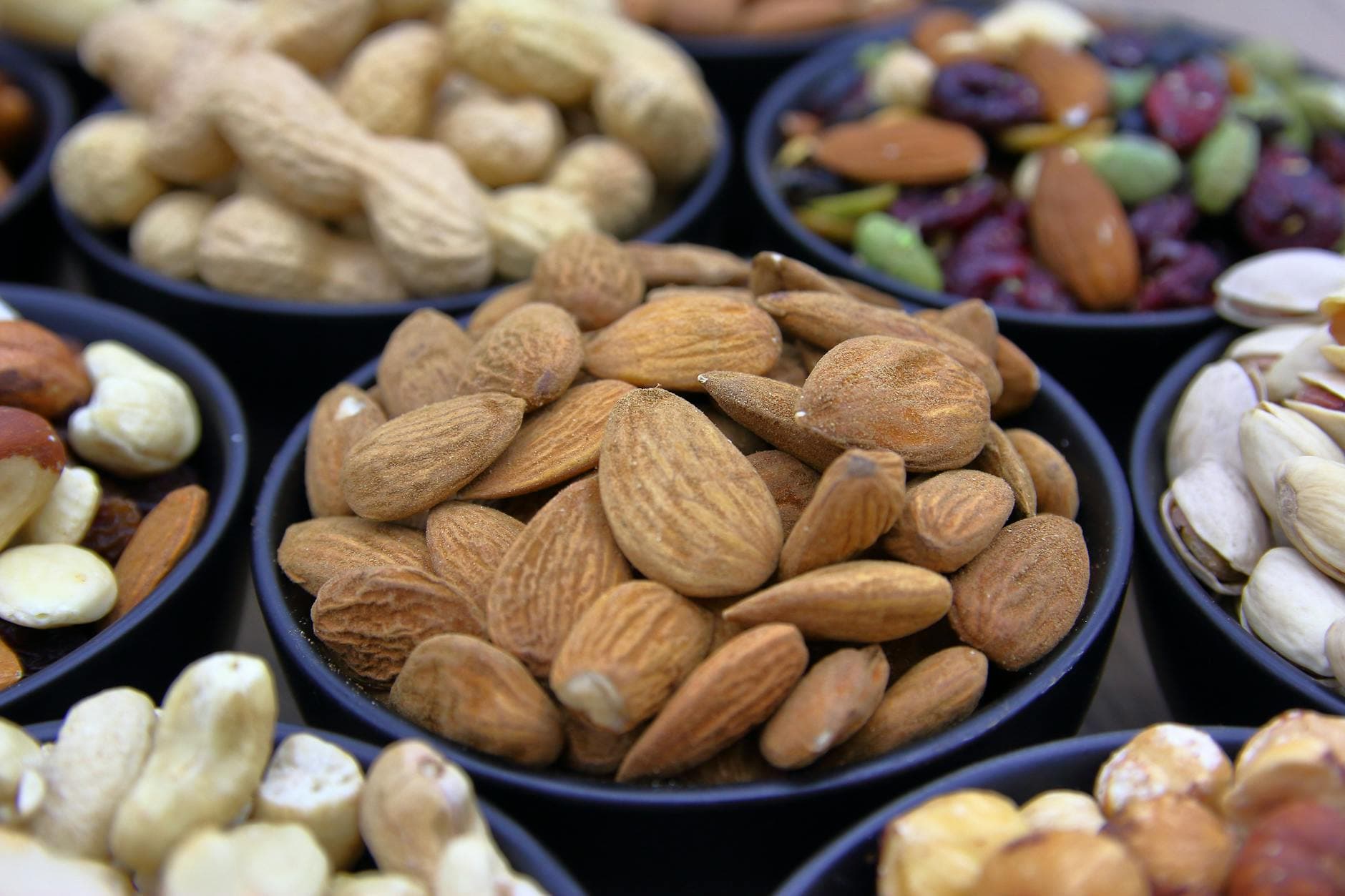
Nuts and seeds are a hiker’s best friend when it comes to healthy fats. Almonds, walnuts, cashews, pumpkin seeds, and sunflower seeds are packed with beneficial fats, along with protein and fiber. This combination makes them incredibly satisfying and provides long-lasting energy. Just a handful can make a significant difference.
Protein: Repair and Recovery
While not the primary fuel for immediate hiking performance, protein is vital for muscle repair and recovery after your hike. Including some protein in your snacks can aid in muscle rebuilding and reduce soreness, helping you bounce back faster for your next adventure.
Balancing Macronutrients on the Trail
The ideal hiking trail snack often provides a balance of these macronutrients. This means you're not just getting a sugar rush that quickly fades, but a more complete nutritional profile that supports sustained energy and well-being. This is where the "best trail snacks" truly shine – in their ability to offer a well-rounded energy source.
Crafting Your Perfect Hiking Trail Snacks: Practical Tips and Ideas
Choosing the right hiking trail snacks is an art, not just a science. It’s about understanding your personal needs, the duration and intensity of your hike, and what you actually enjoy eating. Nobody wants to choke down something they detest just because it’s technically "good for them."
Pre-Hike Fueling: Setting Yourself Up for Success
What you eat *before* you hit the trail is just as important as what you bring with you. A solid pre-hike meal ensures you start with a full tank of energy. This isn't about stuffing yourself, but about providing your body with the necessary fuel.
The Pre-Hike Meal Strategy
Aim for a meal that's rich in complex carbohydrates and moderate in protein and healthy fats. This could be oatmeal with berries and nuts, whole-wheat toast with avocado and eggs, or a balanced smoothie. Avoid overly fatty or spicy foods that might cause digestive upset during your hike. This prepares you for the exertion ahead, making your chosen energizing snacks even more effective.
On-Trail Nutrition: The Art of the Snack Break
Snack breaks are not a sign of weakness; they are strategic opportunities to refuel and maintain optimal performance. I always encourage my clients to take regular breaks, even if they don't feel hungry. This proactive approach prevents dips in energy.
Frequency and Timing Matters
Generally, aim to eat something every 60-90 minutes on longer hikes. Listen to your body, but don't wait until you're ravenous. Small, frequent snacks are much more effective than one large meal mid-hike. This consistent intake of hiking energy food keeps your metabolism humming.
Easy Hiking Snacks: Convenience is Key
For most day hikes, convenience is paramount. You want snacks that are easy to pack, easy to eat, and don't require much preparation. Messy or complicated foods can be a hassle on the trail, especially with cold hands or in windy conditions.
Packable Powerhouses
Think about items that are individually wrapped or can be easily portioned into small containers or reusable bags. This keeps things clean and organized in your backpack. Here’s the thing: nobody wants to deal with a sticky mess when they’re trying to enjoy a scenic view.
My Top Picks for the Best Trail Snacks
Over the years, I’ve tried just about everything. Some things were great, others… not so much. Based on my experience and feedback from hundreds of hikers, here are some of the most reliable and delicious hiking trail snacks that consistently get the job done.
The Classics: Tried and True Favorites
These are the go-to options for a reason. They’re reliable, widely available, and provide excellent nutritional value for the effort.
Nuts and Seeds Galore
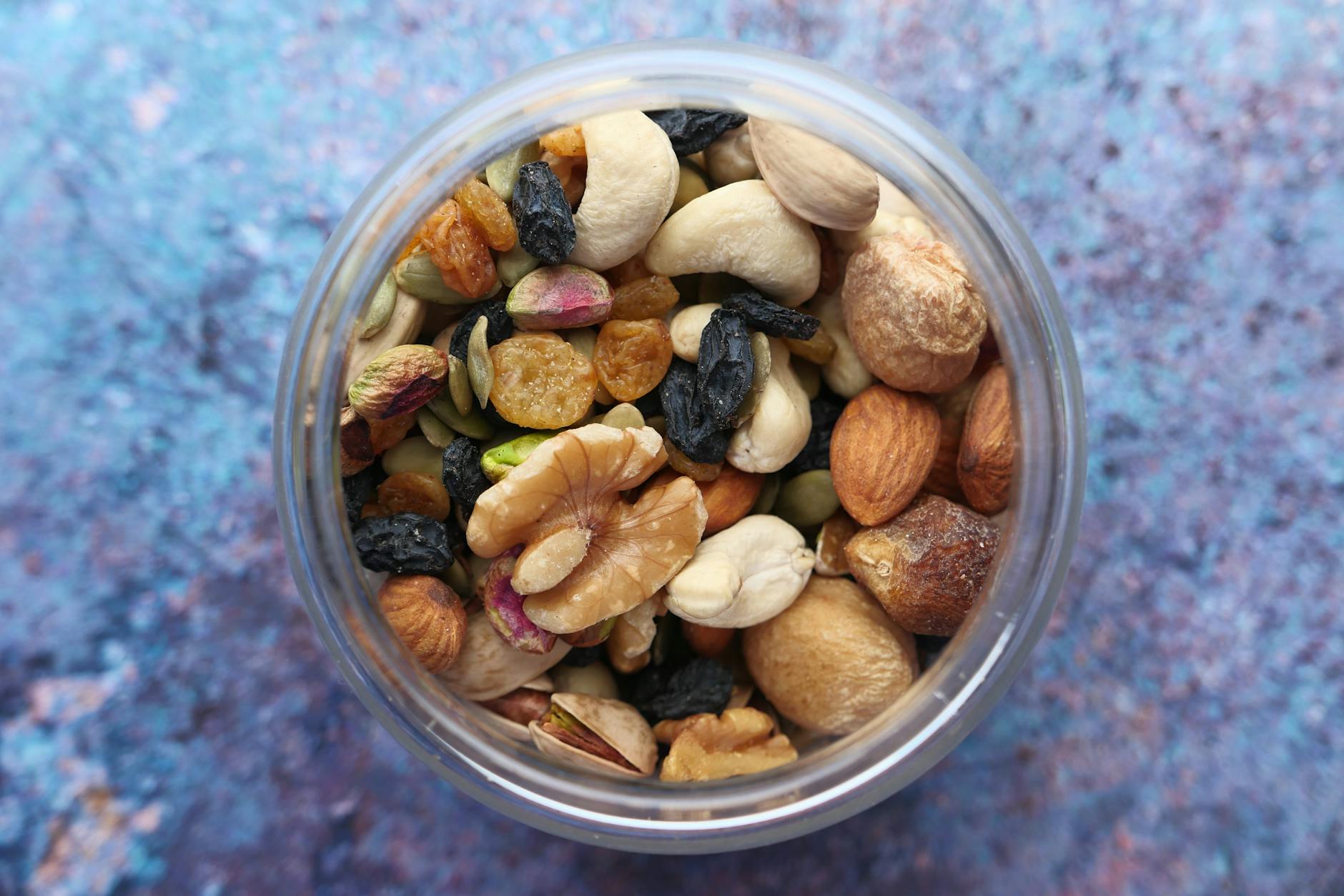
A mixture of almonds, walnuts, pecans, and pumpkin seeds is a fantastic starting point. You can buy pre-made trail mixes, but I often prefer to create my own. This allows me to control the ratios and add other goodies. Some people add a few dark chocolate chips for a little treat, and I certainly can't blame them!
Dried Fruits: Nature’s Candy
Dates, apricots, figs, and mangoes are excellent sources of quick energy. They're naturally sweet and packed with carbohydrates. I always carry a small bag of dates; they’re like little power bombs. They are incredibly dense in calories and easy to digest, making them perfect for a quick energy boost.
Savory Options: For When You Crave Something Different
Not everyone loves sweet snacks. Fortunately, there are plenty of savory hiking trail snacks that are just as effective.
Jerky: The Protein Powerhouse
Beef, turkey, or even plant-based jerky offers a good dose of protein and salt, which is important for replenishing electrolytes lost through sweat. Just be mindful of the sodium content and choose options with minimal added sugar.
Crackers and Cheese
Whole-grain crackers paired with a hard cheese like cheddar or gouda can be a surprisingly satisfying and energy-rich combination. The crackers provide complex carbs, and the cheese offers protein and fat. This is a great option for longer hikes or cooler weather.
Homemade Wonders: For the Enthusiastic Preparer
If you enjoy a bit of kitchen prep, homemade snacks can be incredibly rewarding and often healthier and more cost-effective than store-bought options.
Energy Balls/Bites
These are incredibly versatile. My favorite recipe involves oats, dates, nut butter, chia seeds, and a touch of honey. Roll them into bite-sized balls, and you have perfectly portioned, nutrient-dense snacks. They’re compact, easy to eat, and provide sustained energy. I’ve found that making a big batch at the beginning of the week means I always have healthy options ready to go.
Trail Mix Upgrade
Go beyond just nuts and dried fruit. Add some whole-grain cereal, a sprinkle of dark chocolate, and maybe some toasted coconut flakes. This makes your trail mix both more nutritious and more exciting. It’s amazing how a few simple additions can elevate a basic snack into something truly special.

Spring Hiking Food: Adapting Your Snacks for the Season
Spring hiking presents a unique set of challenges and opportunities when it comes to food. The weather can be unpredictable, and your body might still be adjusting from a winter of less activity. This is the perfect time to focus on energizing snacks and a robust spring hydration plan.
Hydration is Paramount, Especially in Spring
As temperatures rise and you start to exert yourself more, staying hydrated becomes absolutely critical. Dehydration can mimic hunger, lead to fatigue, and significantly impair your performance. It’s easy to think about snacks, but often the first sign of trouble is thirst.
Electrolytes for Replenishment
When you sweat, you lose electrolytes like sodium and potassium. For longer or more strenuous hikes, especially in warmer spring weather, consider snacks that help replenish these. Salty nuts or jerky can be beneficial. Some people also opt for electrolyte powders to add to their water.
Seasonal Considerations for Spring Hiking Food
Spring often means cooler mornings and warmer afternoons. Your snacks should reflect this variability. You want things that won’t freeze in a chilly morning pack but also won’t melt into a sticky mess when the sun comes out.
Light and Refreshing Options
Fresh fruit, like apples or oranges, can be wonderfully refreshing on a warmer spring afternoon. While they contain natural sugars for energy, they also provide hydration. Just be sure to pack them carefully to avoid bruising.
Beyond the Snack Bag: Other Considerations for Outdoor Nutrition
Your hiking trail snacks are a vital part of your overall outdoor nutrition strategy, but there are other factors to consider for optimal performance and enjoyment.
Post-Hike Recovery: Replenishing Your Stores
The work isn't done when you reach the trailhead. Proper post-hike recovery is essential for muscle repair and preparing your body for your next outing. This is where focusing on protein and carbohydrates becomes even more important.
The Importance of Post-Hike Nutrition
Within 30-60 minutes after finishing your hike, aim to consume a meal or snack that combines protein and carbohydrates. This helps replenish glycogen stores and provides the building blocks for muscle repair. A smoothie with protein powder and fruit, or a chicken breast sandwich on whole-wheat bread, are excellent choices. This aids in your Bodyweight Strength Reset: Rebuild Power Post-Winter.
Listen to Your Body: The Ultimate Guide
While I can offer recommendations and share my experiences, the most important guide is your own body. You’ll learn what works best for you through trial and error. Pay attention to how different foods make you feel on the trail. Do you have sustained energy? Do you experience digestive issues?
Experimentation is Key
Don’t be afraid to try new hiking trail snacks. What one person finds amazing, another might not. Keep a small journal of what you eat and how you feel during your hikes. This personal data is invaluable for refining your strategy.
Ultimately, the goal is to enjoy your time in nature. Well-chosen hiking trail snacks are not just about survival; they're about enhancing your experience, giving you the energy to explore further, and making sure you can truly appreciate the beauty around you. So, pack smart, fuel wisely, and happy trails! Remember, planning your Spring Fitness Goals: Plan Smart for Success should include how you'll fuel your adventures.