Why Your Flexibility Feels Like a Straitjacket (And How to Break Free)
So, you're looking to dial up your flexibility, huh? Maybe you've heard that a good flexibility stretching routine is key to feeling better, moving more freely, and even preventing injuries. That's true. But I’ll be real with you – a lot of people think flexibility is just about being able to touch your toes. That’s a tiny piece of the puzzle. The real magic of a consistent stretching practice goes so much deeper. It’s about reclaiming your body’s natural range of motion, reducing everyday aches, and actually enjoying movement again. If you’ve ever felt stiff after sitting for too long, or like your body’s just not cooperating, this is for you.
The Myth of the "Born Flexible" Person
You might look at some people and think they were just born with incredible flexibility. I used to think that too. But here's the truth: flexibility, like strength or endurance, is largely developed. It’s a skill, and skills can be learned and improved with consistent effort. Genetics play a role, sure, but they are far from the deciding factor for most of us. It’s about understanding how your muscles and connective tissues work and giving them what they need.
What Nobody Tells You About Stiffness
That feeling of being “tight” isn't just an inconvenience. Chronic tightness can actually lead to imbalances in your body. One muscle group might be overworking while another is underactive. This can put undue stress on your joints, leading to pain and increasing your risk of injury. Think about the last time you reached for something and felt a sharp twinge – that’s often your body sending a warning signal because something is out of whack. Improving your flexibility isn't just about looking good in a yoga pose; it's about functional health.
Building Your Foundation: The Essentials of a Flexibility Stretching Routine
Let’s get down to brass tacks. Creating a successful flexibility stretching routine doesn't require hours in the gym or contorting yourself into shapes only a pretzel could love. It’s about consistency, proper technique, and listening to your body. We're aiming for sustainable progress, not a quick fix that leaves you sore and discouraged.
Understanding Dynamic vs. Static Stretching
This is a crucial distinction. Dynamic stretching involves controlled movements that take your joints through their full range of motion. Think leg swings, arm circles, or torso twists. These are fantastic for warming up before a workout, preparing your muscles for activity, and increasing blood flow. They’re active and fluid. On the other hand, static stretching involves holding a stretch for a period of time, typically 15-60 seconds. This is what most people picture when they think of stretching. Static stretching is best done when your muscles are already warm, like after a workout or a dedicated warm-up, and it’s excellent for increasing long-term flexibility and muscle length. Trying to force deep static stretches on cold muscles can be counterproductive and even risky.
The Importance of Proper Form
This one surprised me when I first started taking my flexibility seriously. It’s not about how far you can push into a stretch, but how you get there. Rushing a stretch, bouncing, or forcing your body into positions it’s not ready for is a recipe for disaster. You need to feel a gentle pull, not sharp pain. If you’re feeling pain, you’re pushing too hard. It’s better to hold a mild stretch correctly for longer than to hold an intense, painful stretch poorly. Precision over intensity, always.
Consistency Trumps Intensity
Here’s the thing: a 15-minute daily stretching routine performed consistently is infinitely more effective than a grueling 2-hour session once a month. Your muscles and connective tissues adapt gradually. They need regular stimulus to change and lengthen. Think of it like watering a plant. You don't drown it once a month; you give it a little water every day. That’s how you build lasting flexibility.
Your Go-To Full Body Stretching Routine for Improved Flexibility
This routine is designed to hit all the major muscle groups, promoting a balanced and comprehensive approach to improving your flexibility. Remember, this is a template. Feel free to adjust the hold times or repetitions based on how your body feels. The goal is to build a solid full body stretching practice.
Warm-Up: Get the Blood Flowing
Before diving into static stretches, you need to warm up your body. This doesn't need to be intense. A few minutes of light cardio will do wonders. Think:
- 5 minutes of brisk walking or jogging in place.
- 10-15 jumping jacks.
- A few minutes of dynamic movements like arm circles (forward and backward), leg swings (forward/backward and side-to-side), and torso twists.
This prepares your muscles and joints, making them more receptive to stretching and reducing the risk of injury. It's a small investment for a big return in safety and effectiveness.
Lower Body Focus: Releasing Tight Hips and Legs
Many of us carry a lot of tension in our lower bodies, especially from sitting. These stretches target those common problem areas.
Hamstrings: The Usual Suspects
Tight hamstrings are incredibly common and can contribute to lower back pain and reduced mobility. To improve hamstring flexibility:
- Standing Hamstring Stretch: Stand tall, then hinge at your hips, keeping your back straight and a slight bend in your knees. Reach towards your toes. Hold for 30 seconds. Repeat 2-3 times.
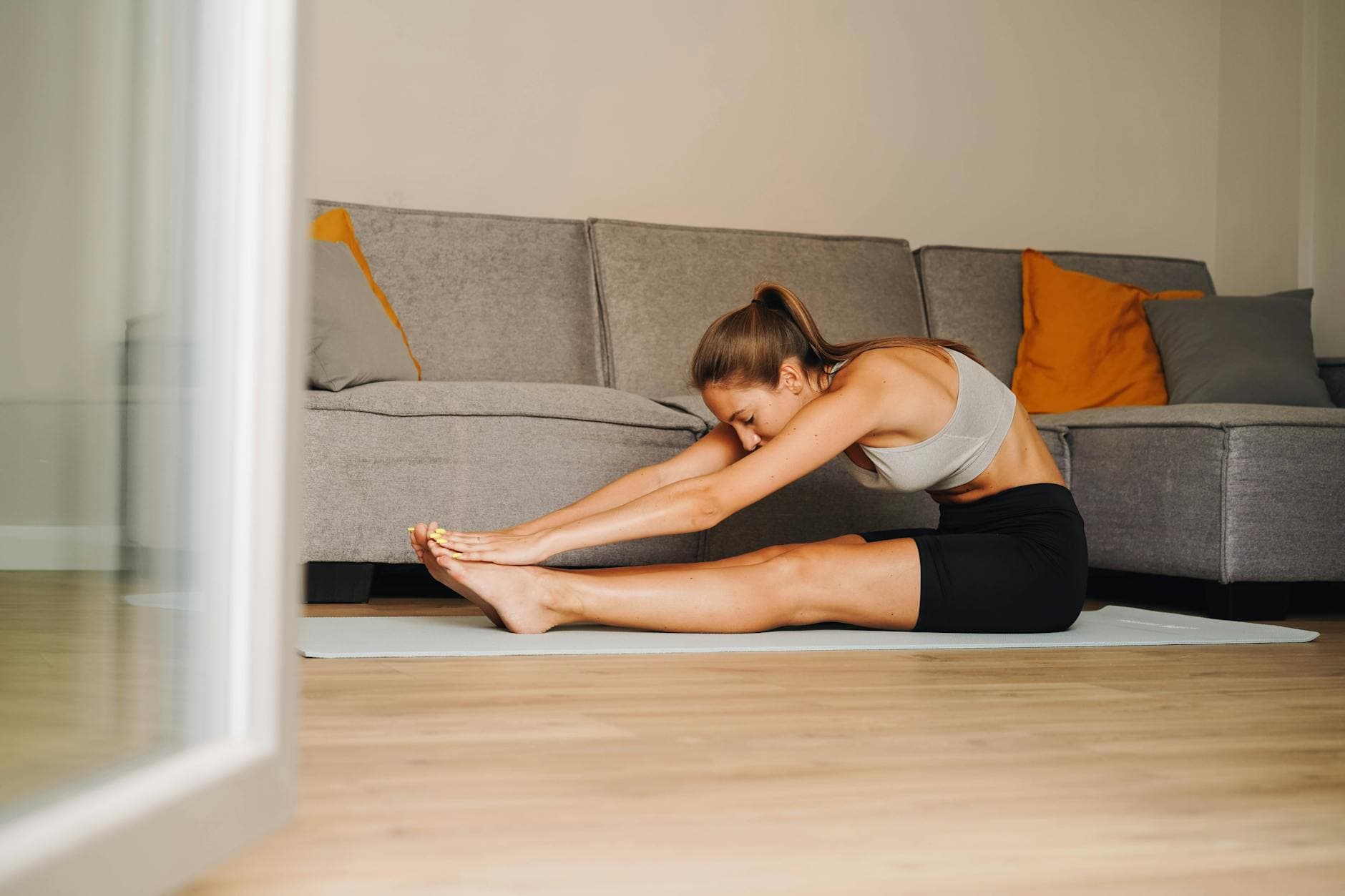
- Seated Hamstring Stretch: Sit on the floor with one leg extended and the other bent, foot towards your inner thigh. Hinge at your hips to reach towards the extended foot. Hold for 30 seconds per side. Repeat 2-3 times.
If you’re finding this tough, don't worry. Even a slight forward lean is a start. Focus on feeling the stretch in the back of your thigh.
Quadriceps and Hip Flexors: Unlocking Your Stride
These muscles get tight from sitting and running. Releasing them can make a huge difference in your posture and stride.
- Kneeling Quad Stretch: Kneel on one knee, with the other foot flat on the floor in front of you. Gently tuck your pelvis under and lean forward, feeling the stretch in the front of your thigh and hip. Hold for 30 seconds per side. Repeat 2-3 times.
- Pigeon Pose (Modified): This is a fantastic hip opener. Start on your hands and knees. Bring one knee forward towards your wrist, letting your shin angle across your body. Extend the other leg straight back. You can stay upright or fold forward over your front leg. Hold for 30-60 seconds per side. For beginners, keeping your front shin parallel to the front of your mat might be too intense; a more angled shin is fine.
These lower body exercises, when incorporated into a stretching routine, are powerful for overall mobility.
Calves and Ankles: Don't Forget the Foundation
Often overlooked, tight calves can impact your gait and even contribute to foot pain.
- Calf Stretch Against a Wall: Stand facing a wall, place your hands on it for support. Step one foot back, keeping that leg straight and the heel on the ground. Lean forward until you feel a stretch in your calf. Hold for 30 seconds per side. Repeat 2-3 times.
Upper Body and Torso: Releasing Desk-Job Tension
Hours spent hunched over a computer can lead to stiffness in your shoulders, chest, and back. These stretches aim to counteract that.
Shoulders and Chest: Opening Up
This is where you feel the effects of poor posture most acutely.
- Doorway Chest Stretch: Stand in a doorway and place your forearms on the frame, elbows bent at 90 degrees. Step forward gently until you feel a stretch across your chest and the front of your shoulders. Hold for 30 seconds. Repeat 2-3 times.
- Cross-Body Shoulder Stretch: Bring one arm across your body, keeping it straight. Use your other arm to gently pull it closer towards your chest. You should feel a stretch in the back of your shoulder. Hold for 30 seconds per side. Repeat 2-3 times.
Back and Neck: Easing the Strain
These are vital for overall comfort and posture.
- Cat-Cow Pose: Start on your hands and knees. Inhale as you drop your belly, arch your back, and look up (Cow). Exhale as you round your spine, tuck your chin to your chest, and draw your navel in (Cat). Flow between these for 5-10 breaths. This is a fantastic spinal mobility exercise.
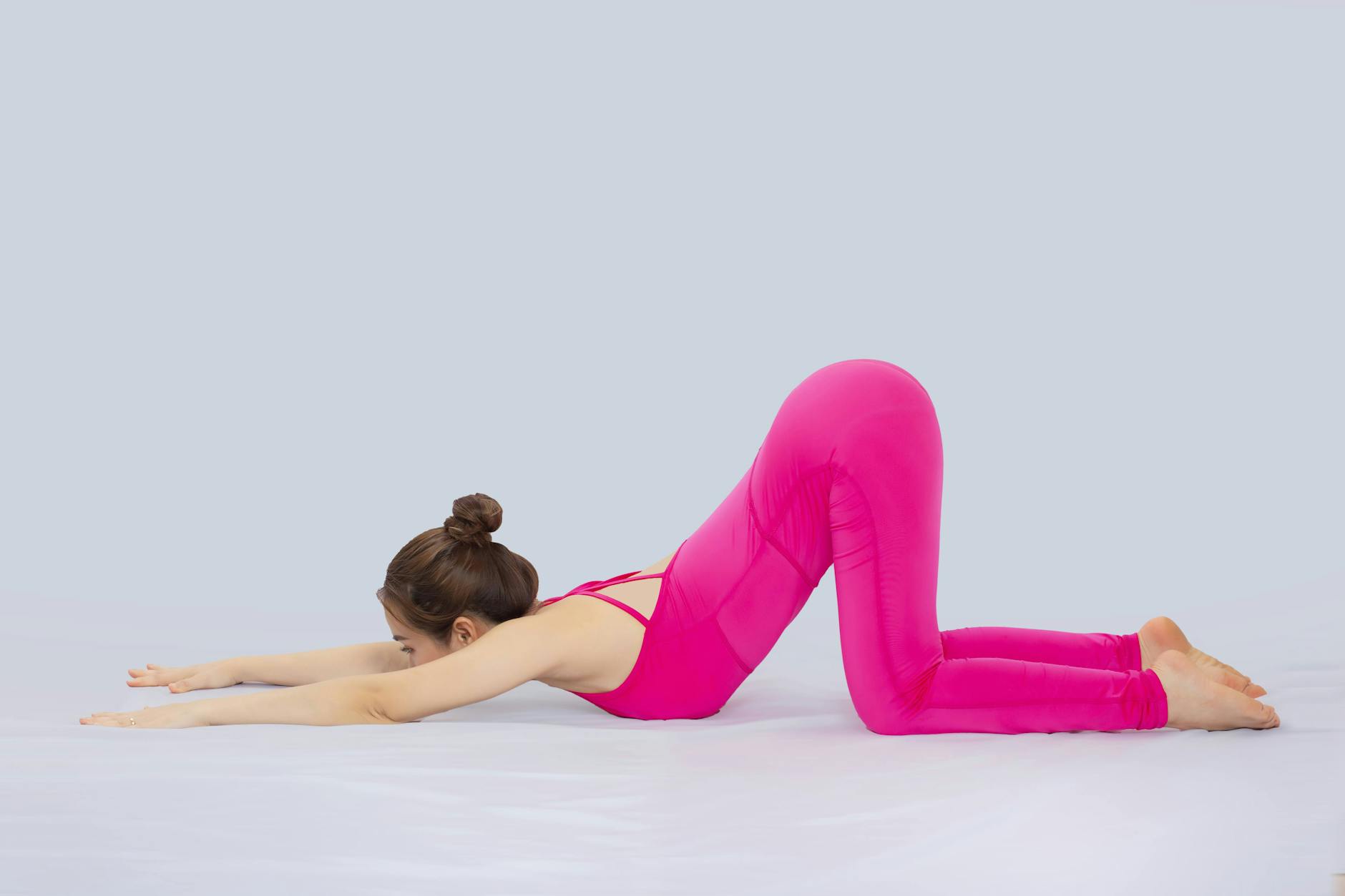
- Child's Pose: Kneel on the floor, sit back on your heels, and fold your torso forward, resting your forehead on the mat. Extend your arms overhead or let them rest by your sides. This is a calming stretch for the back and shoulders. Hold for 30-60 seconds.
- Gentle Neck Stretches: Slowly tilt your head towards one shoulder, feeling a stretch on the opposite side of your neck. Hold for 15-20 seconds. Repeat on the other side. Then, gently turn your head to look over one shoulder. Hold for 15-20 seconds. Repeat on the other side. Avoid rolling your neck in full circles.
Making Flexibility a Habit: Tips for Beginners
If you're new to this, it can feel a bit overwhelming. Don't try to do everything at once. Start small and build from there. These beginner exercises for flexibility can be your stepping stone.
Start Small, Stay Consistent
You don't need to dedicate an hour every day. Even 10-15 minutes of focused stretching can yield significant results over time. Pick a few key stretches that address your tightest areas and commit to doing them daily. It's much better to do a few stretches well, every day, than to attempt a marathon session and burn out.
Listen to Your Body
This is paramount. Your body will tell you what it needs. If a stretch feels painful, back off. If you’re feeling particularly stiff one day, focus on gentler movements. Flexibility isn't a competition. It's a personal journey of understanding and improving your own physical well-being. The Centers for Disease Control and Prevention emphasizes listening to your body to prevent injuries during physical activity.
Incorporate Movement into Your Day
Beyond a dedicated stretching routine, look for opportunities to move and stretch throughout your day. Stand up and walk around every hour. Do a few shoulder rolls while waiting for your coffee. These small bursts of movement add up and prevent your muscles from becoming stagnant. Think about incorporating some mobility exercises into your daily breaks.
Consider Yoga or Pilates
If you’re looking for structured guidance, classes focused on yoga for flexibility or Pilates can be incredibly beneficial. These disciplines emphasize controlled movements, breathwork, and proper alignment, which are all essential for safe and effective flexibility gains. Many studios offer beginner-friendly classes that can help you learn the fundamentals.
The Long-Term Payoffs: Beyond Just Touching Your Toes
The benefits of a consistent flexibility stretching routine extend far beyond your ability to perform a split. You'll notice improvements in your posture, a reduction in nagging aches and pains, and an overall greater sense of physical freedom. This improved mobility can translate into better performance in other physical activities, whether it's playing sports or simply carrying groceries. Research from the Mayo Clinic research on flexibility stretching routine supports the idea that regular stretching can improve joint function and reduce the risk of injuries.
Improved Athletic Performance
For athletes, increased flexibility means a greater range of motion, which can lead to more efficient movements, better power output, and a reduced risk of strains and tears. Whether you're a runner, weightlifter, or team sport player, enhancing your flexibility can give you a competitive edge and help you stay in the game longer. Think about the difference between a sprinter with tight hamstrings and one with elastic, responsive ones.
Injury Prevention and Pain Relief
This is a big one for many people. When your muscles are flexible and balanced, they can handle stress more effectively. This reduces the likelihood of strains, sprains, and other common injuries. Furthermore, many types of chronic pain, particularly in the back and neck, are exacerbated or caused by tight muscles. Releasing this tension can bring significant relief. Studies published on the National Institutes of Health research on flexibility stretching routine have highlighted the role of flexibility in managing musculoskeletal pain.
Enhanced Daily Function and Well-being
Imagine getting out of bed without feeling like a rusty robot. Imagine bending down to tie your shoes without a groan. This is the everyday magic of improved flexibility. You’ll find that simple tasks become easier and more comfortable. This translates to a better overall quality of life and a greater ability to engage in activities you enjoy without physical limitations. It's about feeling more capable and at ease in your own body.
Your Next Step: Embrace the Stretch
So, there you have it. A roadmap to a more flexible you. Remember, this isn't about perfection; it's about progress. Start today with a few stretches, feel the difference, and build from there. Your body will thank you for it. Don’t let the myth of innate flexibility hold you back. You have the power to improve, to feel better, and to move with greater ease. Embrace the process, be patient with yourself, and enjoy the journey to a more flexible, resilient you.