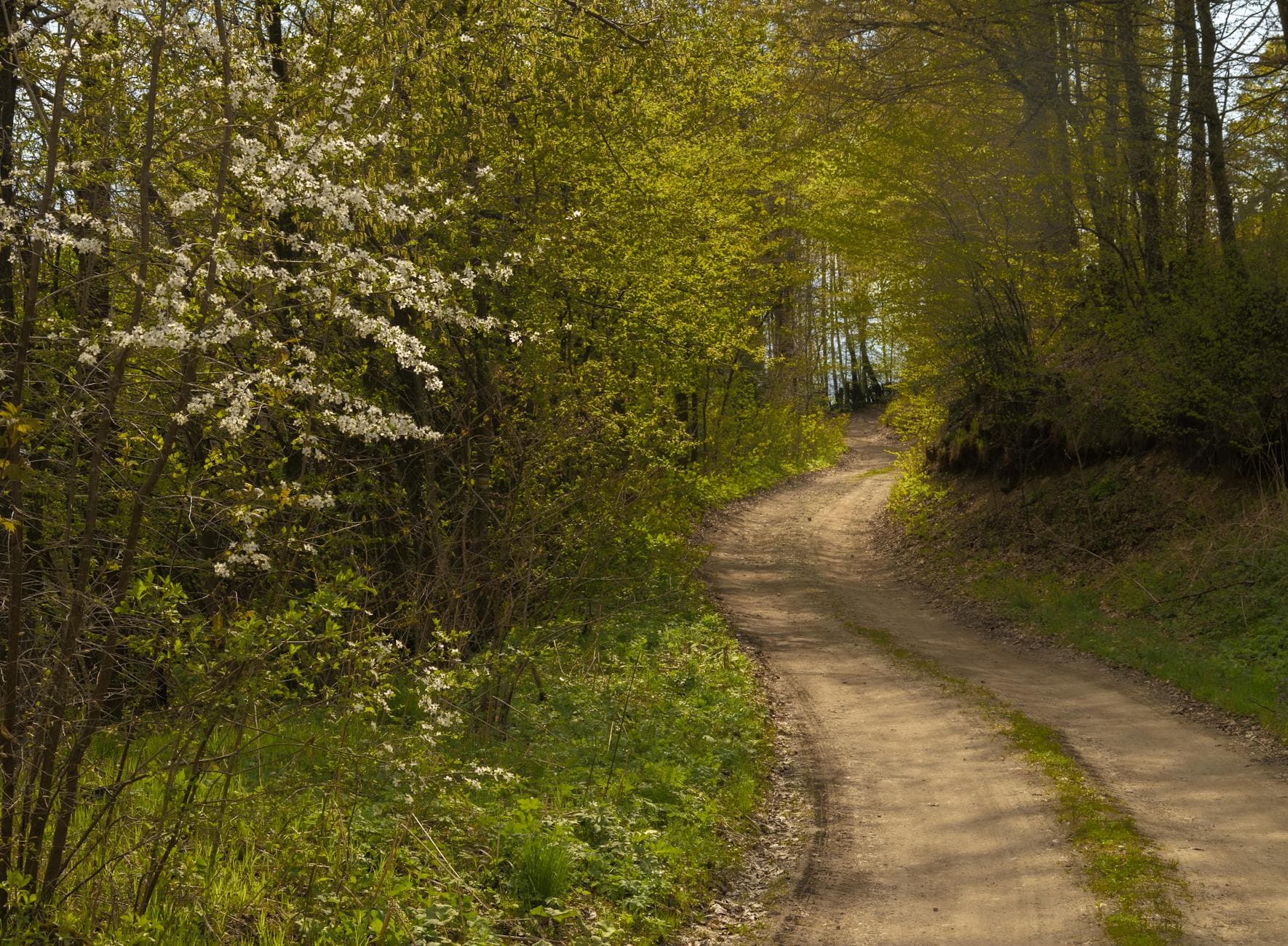
The Unassuming Magic of Spring Hiking for Beginners
Did you know that most people underestimate the sheer joy and accessibility of getting out on the trail as the world awakens? It’s true. We often associate hiking with grueling mountain ascents or arduous multi-day treks, but honestly, the most profound experiences can be found in the simplest of steps. Spring hiking for beginners isn't just a pleasant pastime; it's an invitation to reconnect with nature, boost your physical and mental well-being, and discover a profound sense of accomplishment, all without needing to be an elite athlete. This season, the earth is literally bursting with life, and the trails are calling.
I’ll be real with you, my first few hikes were… less than glamorous. I was underprepared, a little intimidated, and frankly, I didn’t fully grasp the transformative power of just putting one foot in front of the other on a natural path. But as I started to explore, especially during the vibrant rebirth of spring, something shifted. The crisp air, the explosion of green, the symphony of birdsong – it all worked its magic. This is why I’m so excited to share the incredible world of spring hiking for beginners with you. It’s an adventure waiting to happen, and it’s far more attainable than you might think.

Why Spring is Your Perfect Hiking Season
Spring offers a unique window for those just dipping their toes into the world of hiking. The harshness of winter has softened, and the intense heat of summer hasn’t yet arrived. This sweet spot is ideal for building your stamina and getting comfortable on the trails.
The Gentle Awakening of Nature
The world sheds its winter coat, revealing a breathtaking tapestry of new life. Wildflowers begin to paint the landscape in vibrant hues, a sight that never fails to lift my spirits. You'll see trees budding, hear the cheerful chirping of returning birds, and feel the warmth of the sun on your skin without the oppressive humidity. It’s a sensory feast that makes every step feel rewarding.
Comfortable Temperatures for New Hikers
One of the biggest hurdles for beginners can be managing temperature fluctuations. Spring hiking typically means mild, pleasant weather. You won’t be battling sweltering heat or freezing winds, making it much easier to focus on the experience and your physical exertion. This comfort is crucial for building positive associations with hiking.
Fewer Crowds on the Trails
While popular trails can get busy, spring often sees fewer crowds than the peak summer months. This means you can enjoy a more serene and intimate experience with nature. Imagine having a beautiful vista all to yourself, or the quiet solitude of a forest path – spring makes that a reality for beginners.
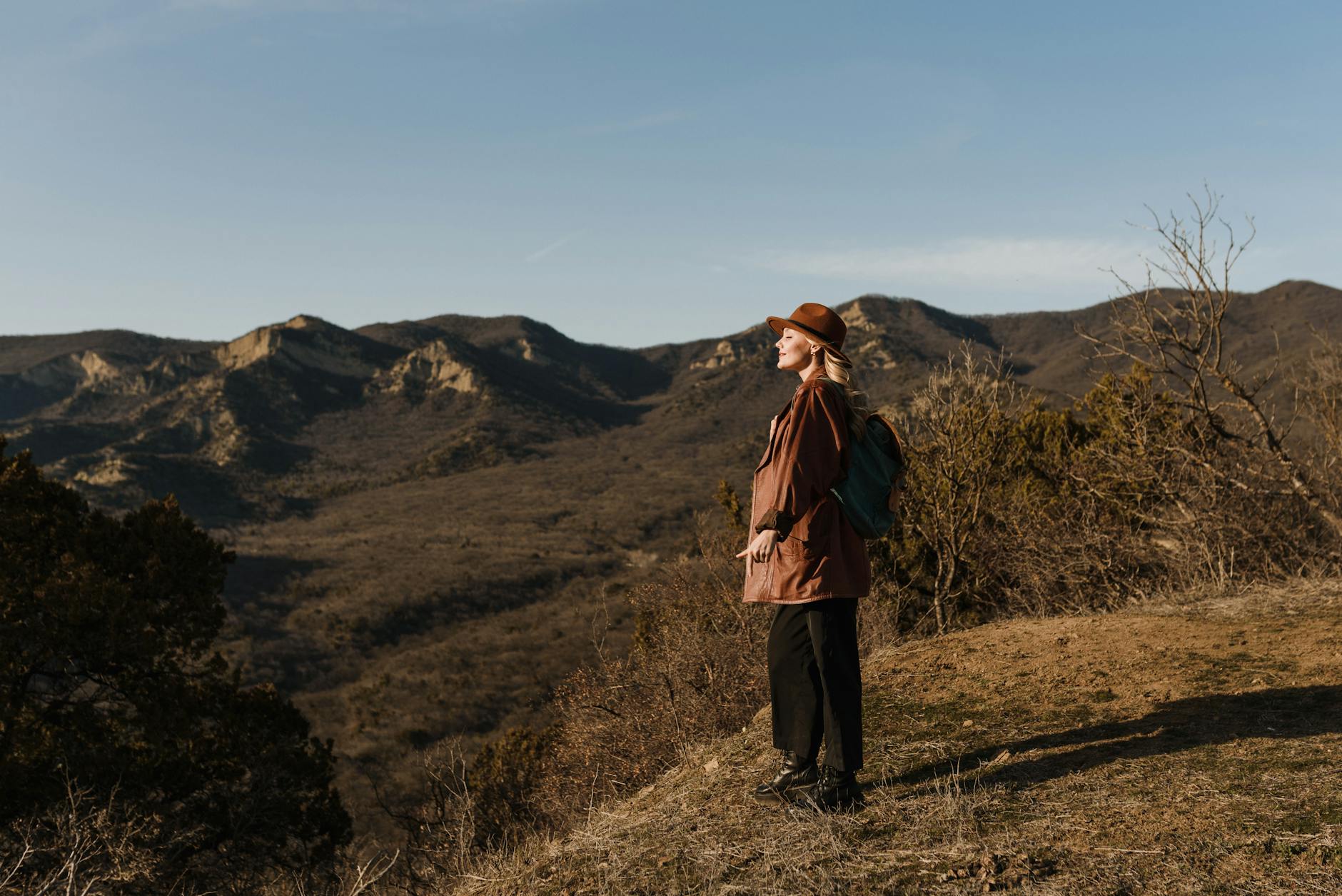
Finding Your First Steps: Beginner Hiking Trails
The key to a successful first hike is choosing the right terrain. You don't need to conquer Everest on your inaugural outing. Start with routes that build your confidence and allow you to enjoy the journey.
What Makes a Trail "Beginner-Friendly"?
Look for trails that are relatively flat, well-maintained, and clearly marked. Shorter distances, typically under 3 miles, are a great starting point. Avoid trails with significant elevation gain, rocky terrain, or stream crossings until you’ve built up your experience. Many parks and nature preserves offer specific trails designated for beginners.
Discovering Easy Spring Hikes Near You
Use online resources like AllTrails, local park websites, or even a quick search for "easy spring hikes near me" to find suitable options. Look for descriptions that mention gentle inclines and clear paths. Remember, the goal is enjoyment and building a foundation. A local park with a paved or gravel loop can be an excellent first step.
The Joy of Local Exploration
You don't need to travel far to find fantastic beginner hiking trails. Often, the most accessible and rewarding routes are right in your own backyard. Exploring local trails can be just as enriching as venturing to a renowned national park, and it makes getting out for a hike much more convenient.
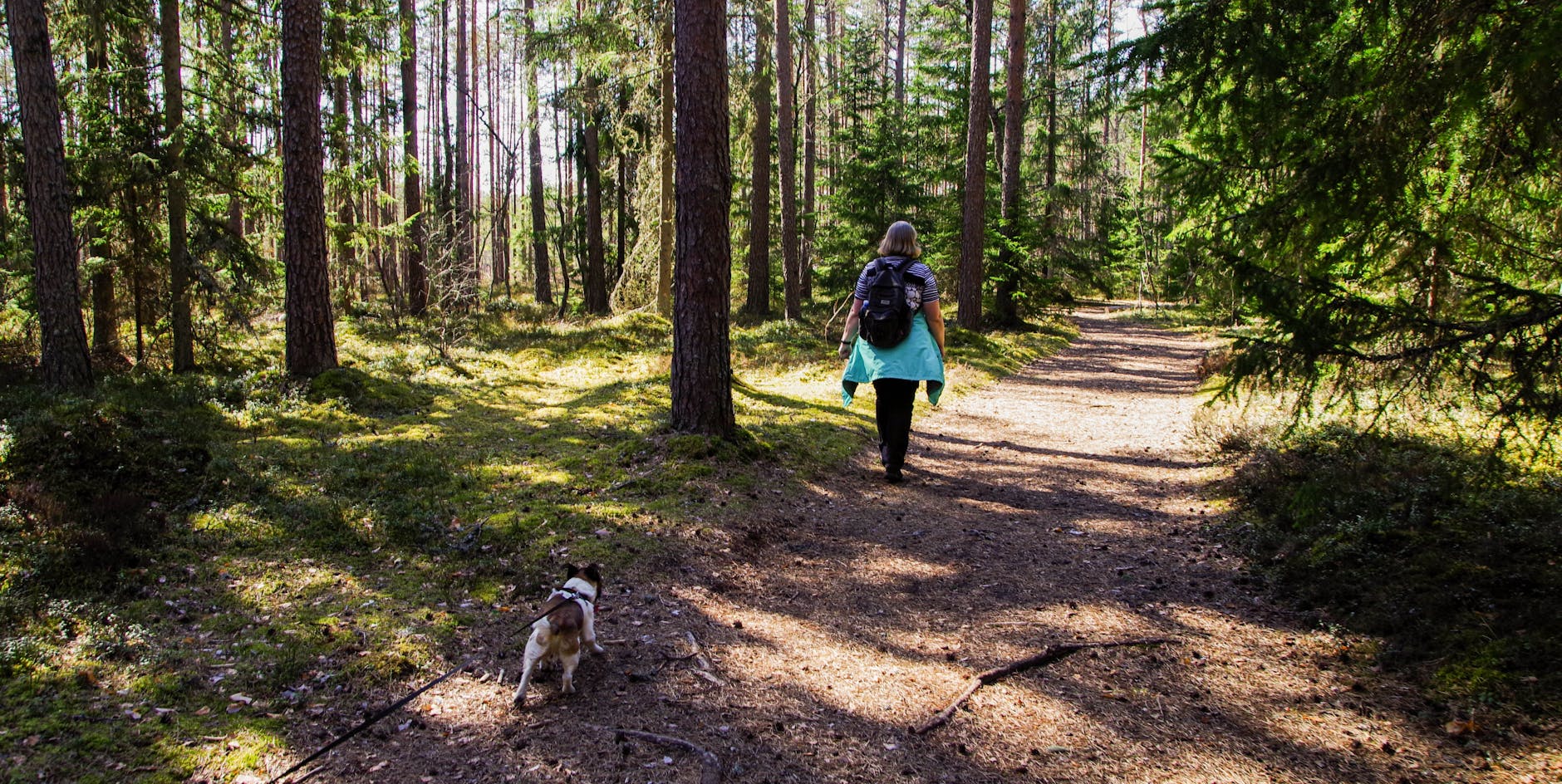
Gear Up Smart: Essential Hiking Gear for Beginners
You don't need a backpack full of expensive gadgets for your first few hikes. Focus on the essentials that will keep you comfortable and safe.
The Foundation: Footwear and Clothing
Comfortable Footwear
This is non-negotiable. Forget fashion; think function. Sturdy, broken-in athletic shoes or trail runners with good traction are perfect for spring hiking for beginners. Avoid brand-new boots that can cause blisters. Make sure they have decent ankle support if you’re opting for something more robust.
Layering is Key
Spring weather can be unpredictable. Dressing in layers is your best defense. Start with a moisture-wicking base layer (avoid cotton, as it holds moisture), add an insulating middle layer like a fleece jacket, and top it off with a waterproof and windproof outer shell. You can shed layers as you warm up and add them back as needed.
Carrying Your Essentials: The Daypack
What to Pack in Your Pack
A small to medium-sized daypack is all you need. Inside, always carry:
- Plenty of water (more than you think you’ll need)
- A high-energy snack (trail mix, granola bar, fruit)
- A basic first-aid kit (band-aids, antiseptic wipes, pain relievers)
- Sunscreen and insect repellent
- A fully charged phone
- A map of the trail (even if you have a phone app)
Don't Forget the Little Things
A hat for sun protection, sunglasses, and perhaps a small trowel if you’re going to be in areas where you might need to go to the bathroom (and pack out what you pack in!). Even for short hikes, these small items can make a big difference in your comfort.
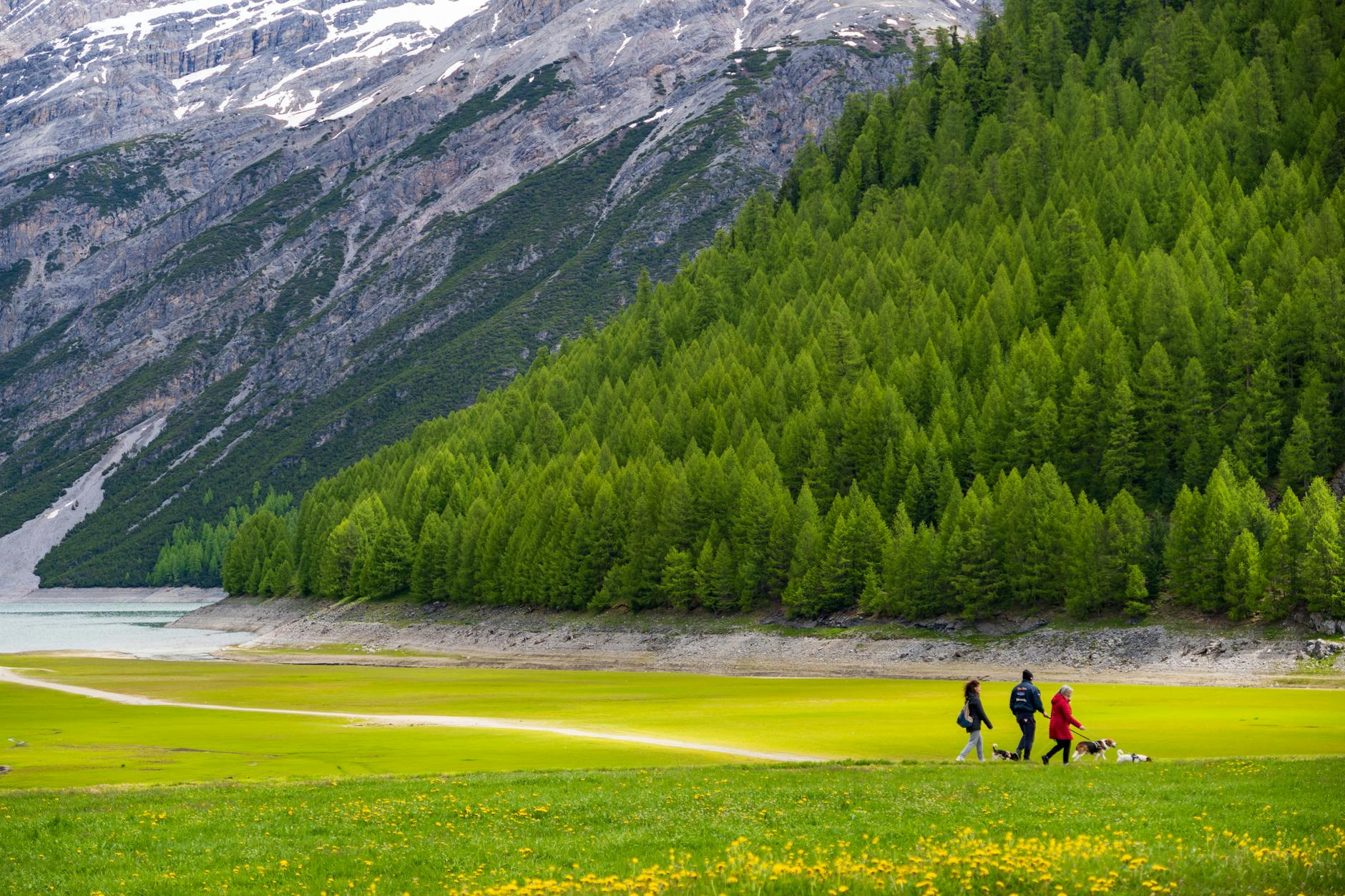
Spring Hiking Safety: Staying Aware on the Trail
Safety is paramount, especially when you're new to an activity. Being prepared and aware will ensure your spring hiking adventures are positive and memorable.
Understanding Springtime Hazards
Weather Vigilance
While spring is generally mild, sudden rain showers or even late-season snow can occur in some regions. Always check the weather forecast before you head out and be prepared for changes. Hypothermia can be a risk even in milder temperatures if you get wet and the wind picks up.
Wildlife Encounters
Spring is also when wildlife becomes more active. Be aware of your surroundings. Make noise as you walk to avoid surprising animals. Never feed wild animals, and maintain a safe distance. Familiarize yourself with common wildlife in your area and how to react if you encounter them.
The Importance of Hydration and Nutrition
Fueling Your Hike
Even on shorter hikes, staying hydrated is crucial. Dehydration can lead to fatigue, headaches, and poor decision-making. Bring water and sip it regularly. Pack snacks that provide sustained energy, like nuts, dried fruit, or energy bars. You’ll be surprised at how much more energy you have when properly fueled.
Listening to Your Body
This is perhaps the most important safety tip. If you feel tired, sore, or unwell, it’s okay to turn back. Pushing too hard on your first few hikes can lead to injury and discourage you from future outings. Enjoy the process and build up your endurance gradually. This is where beginner workouts can really help build a solid foundation.
Telling Someone Where You're Going
Always let a friend or family member know your hiking plans, including your intended trail and your expected return time. This is a simple yet vital safety measure. If something were to happen, someone would know where to look for you.
Embracing the Experience: Hiking in Nature
Beyond the physical benefits, hiking offers a profound mental and emotional uplift. Spring is a particularly potent time for this kind of rejuvenation.
The Mental Health Boost
The simple act of walking in nature has been shown to reduce stress, anxiety, and symptoms of depression. The fresh air, the natural light, and the rhythmic motion of walking can clear your head and boost your mood. You might find that your worries seem smaller when viewed from a quiet trail. This is why spring outdoor workouts are so popular.
Connecting with the Natural World
Hiking allows you to slow down and truly observe the environment around you. You'll notice the intricate details of a leaf, the pattern of bark on a tree, or the way sunlight filters through the canopy. This deepens your appreciation for the natural world and fosters a sense of connection. It's a powerful antidote to the constant stimulation of modern life.
Building Confidence and Resilience
Each hike you complete, no matter how short or easy, builds your confidence. You’ll learn to trust your body, your preparation, and your ability to navigate. This newfound resilience can spill over into other areas of your life. The accomplishment of reaching a viewpoint or completing a loop feels incredibly satisfying. It’s a fantastic way to complement activities like a beginner yoga routine or a dedicated core workout day.
Your Spring Hiking Adventure Awaits
Spring hiking for beginners is more than just a trend; it's a gateway to a healthier, happier you. It’s about embracing the simple act of putting one foot in front of the other and discovering the incredible rewards that await. The trails are beckoning, the air is fresh, and the season is ripe for exploration. Don't let apprehension hold you back. Start small, be prepared, and most importantly, enjoy the journey. The natural world offers an abundance of beauty and tranquility, and it’s waiting for you to experience it. Think about the last time you felt truly present, truly alive – that feeling is often found on the trail. So, lace up those shoes, pack a snack, and step into the magic of spring. You might just find that this is the beginning of a lifelong love affair with the outdoors. The calorie burn alone can be significant, making it a fantastic way to get active – check out Hiking Calorie Burn: Maximize Your Spring Trail Workout for more on that!