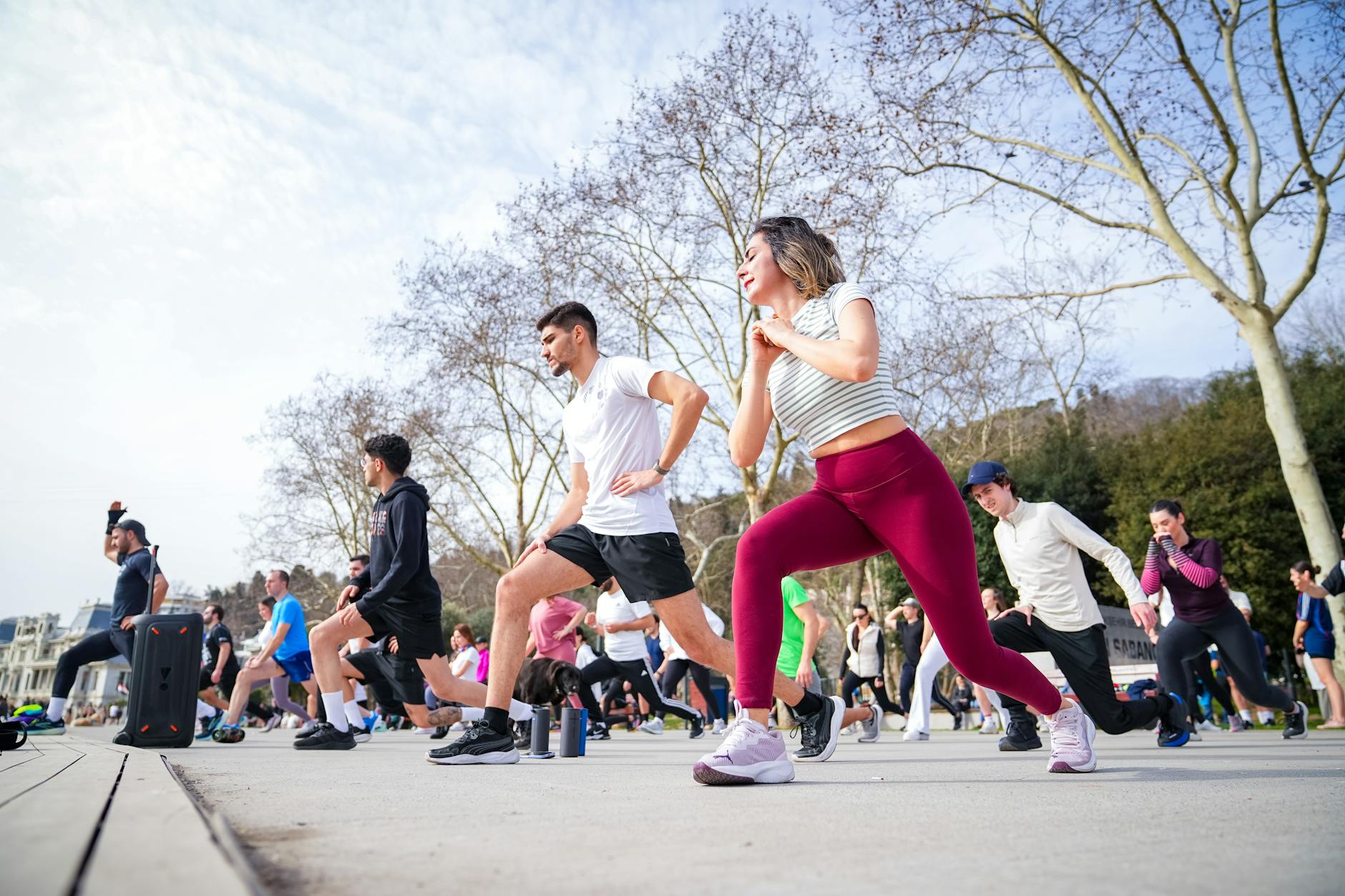
The Untapped Power of Outdoor HIIT Workouts
There's this lingering idea that you need fancy gyms, expensive equipment, and perfectly curated playlists to get a truly effective workout. I'll be real with you, for years I bought into that. I’d spend hours indoors, meticulously planning my routines, only to feel a bit… stifled. Then, one crisp spring morning, I dragged myself out to the park, not really knowing what to expect, and discovered the sheer, unadulterated power of outdoor hiit workouts. It wasn't just a change of scenery; it was a fundamental shift in how I approached fitness. The air was cleaner, the ground uneven, and suddenly, my body felt more alive, more engaged. This isn't just about getting a sweat on; it's about reconnecting with movement in its most natural form.
Beyond the Treadmill: Why Outdoors Matters
The notion that indoor environments are superior for structured training is, frankly, a myth perpetuated by convenience. While gyms offer controlled conditions, they often lack the dynamic challenges and mental rejuvenation that the outdoors provides. Think about the last time you felt truly energized after a workout – chances are, it involved more than just four walls.
The Mental Edge of Nature
Being outside, even for a demanding session, has a profound impact on your psyche. The fresh air, the sunlight, the natural sounds – they all contribute to reduced stress and improved mood. This mental boost isn't just a nice-to-have; it translates directly into better focus and motivation during your exercises. I’ve found that when I’m feeling mentally sluggish, a quick session of spring outdoor workouts can completely reset my mindset.
Environmental Variety as a Training Tool
The ground beneath your feet isn't always flat and uniform when you're outdoors. You encounter inclines, declines, uneven terrain, and even weather elements. These variations force your body to adapt, engaging stabilizer muscles that might otherwise go dormant in a gym. This is where advanced outdoor training truly shines, pushing your body in ways you might not anticipate.
Crafting Your Outdoor HIIT Workouts
High intensity interval training outdoors, or HIIT, is all about maximizing your effort in short bursts, followed by brief recovery periods. The beauty of taking this outdoors is the sheer versatility of your "gym." You don’t need machines; you have your own body and the environment.
Bodyweight HIIT Outdoors: The Foundation
The most accessible form of outdoor hiit workouts relies on your own bodyweight. This means you can do them anywhere, anytime. Think of classic exercises like burpees, jumping jacks, high knees, and mountain climbers. The key is intensity. You’re not just going through the motions; you’re pushing your limits for those designated work intervals.
The Power of the Park Bench
A simple park bench can become an incredible piece of equipment. Use it for elevated push-ups, triceps dips, or even jump-overs. This adds a new dimension to your bodyweight movements, increasing the challenge and variety.
Leveraging Natural Elements
Don't underestimate the power of inclines. Hill sprints are a fantastic example of outdoor interval training that builds incredible leg strength and cardiovascular endurance. Find a moderately steep hill and sprint up it as fast as you can for 30 seconds, then walk or jog back down for recovery. Repeat this 8-10 times. This is a staple in my own advanced outdoor training routines.
Structuring Your Outdoor Interval Training
The principles of HIIT remain the same whether you're indoors or out: short, intense bursts followed by active or passive recovery. However, the environment can influence how you structure these intervals.
The 20-10 Protocol Outdoors
A popular and effective HIIT protocol is the 20 seconds of work followed by 10 seconds of rest, repeated for a set number of rounds. This is often called Tabata. When applying this to outdoor hiit workouts, you could do 20 seconds of fast feet against a sturdy tree, followed by 10 seconds of rest, then 20 seconds of jump squats, and so on.
Longer Intervals for Outdoor Cardio HIIT
For a more cardio-focused approach, you might opt for longer work intervals, say 45 seconds to 1 minute, with 30-60 seconds of rest. This is ideal for activities like running or cycling in a park, where you can maintain a higher intensity for a sustained period. The interval training benefits outdoors are amplified when you can cover more ground.
Incorporating Active Recovery
Instead of just standing still, use your recovery periods for active movement. This could be a brisk walk, some dynamic stretching, or even light jogging. This keeps your heart rate slightly elevated and contributes to the overall calorie burn.
Seasonal Fitness Trends and Outdoor HIIT
As the seasons change, so too should our approach to fitness. Spring, in particular, is a prime time for embracing outdoor hiit workouts. After months of being indoors, the warmer weather and longer days offer a perfect opportunity to shed winter inertia and re-engage with more dynamic training.
Spring Fitness Training: Reawakening Your Body
Post-winter workouts often involve a gradual reintroduction of intensity. Outdoor hiit workouts are excellent for this because they can be scaled. You can start with shorter durations and fewer intervals, gradually building up as your body becomes accustomed to the demands. Remember, proper post-winter workouts focus on safety and gradual progression.
Summer Intensity: Embracing the Heat
When summer arrives, the heat can be a factor. It's crucial to stay hydrated and adjust your workout times to avoid the hottest parts of the day. However, the heat can also increase the cardiovascular challenge, making outdoor hiit workouts even more potent.
Autumn's Crisp Challenge
Autumn offers a refreshing coolness that’s ideal for intense exercise. The vibrant scenery provides a beautiful backdrop for your high intensity interval training outdoors. This is a fantastic time for challenging outdoor workouts as the temperature is often perfect.
Making the Most of Your Outdoor HIIT Workouts
To truly harness the benefits of outdoor hiit workouts, there are a few key considerations that can elevate your experience from good to great. It’s not just about showing up; it’s about being smart and strategic.
The Importance of Warm-up and Cool-down
This is non-negotiable, regardless of where you train. Before you dive into your intense intervals, spend 5-10 minutes on dynamic movements like arm circles, leg swings, and torso twists. This prepares your muscles and reduces injury risk. After your workout, dedicate another 5-10 minutes to static stretching to improve flexibility and aid recovery.
Listen to Your Body: Injury Prevention
While the appeal of challenging outdoor workouts is strong, pushing too hard, too soon, is a recipe for disaster. Pay attention to any aches or pains. If something feels wrong, stop. It's better to cut a workout short than to be sidelined for weeks. Consulting with a fitness professional can also help you identify any imbalances or weaknesses. The Centers for Disease Control and Prevention research on outdoor hiit workouts often highlights the importance of proper form and gradual progression.
Hydration and Nutrition: Fueling the Fire
You're expending a lot of energy with outdoor hiit workouts, so proper hydration and nutrition are paramount. Drink water before, during, and after your session. Fuel your body with nutrient-dense foods to support muscle repair and energy levels. This is a fundamental aspect of core workout day preparation too, ensuring your entire system is ready.
The Best Outdoor HIIT: Finding What Works for You
Honestly, the "best" outdoor hiit workouts are the ones you'll actually do consistently. It’s about finding a rhythm and a location that inspires you. Whether it's a quiet trail, a bustling park, or even your own backyard, the key is to embrace the freedom and adaptability that outdoor training offers.
The Simple Power of Running Intervals
If you're new to outdoor hiit workouts, starting with running intervals is incredibly effective. Find a track or a stretch of road and alternate between sprinting for 30 seconds and jogging or walking for 60 seconds. Repeat this 10-15 times. It’s a straightforward way to experience the benefits of interval training fitness.
Bodyweight Circuits in the Park
As mentioned earlier, park hiit workouts are fantastic. Create a circuit of 4-6 exercises, such as jump squats, push-ups, lunges, plank jacks, and burpees. Perform each exercise for 45 seconds, followed by 15 seconds of rest. Complete 3-5 rounds of the entire circuit. This offers a comprehensive full-body challenge.
Beyond the Obvious: Creative Outdoor HIIT
Don't be afraid to get creative. Use park benches for step-ups, stairs for calf raises and sprints, or even sturdy trees for resistance exercises. The world is your gym when you commit to outdoor hiit workouts. This is where the true spirit of advanced outdoor training lies – in adapting and innovating. The National Institutes of Health research on outdoor hiit workouts often points to the psychological benefits of varied environments.
The truth is, the most profound fitness transformations I've experienced have come from stepping outside my comfort zone, both physically and environmentally. Outdoor hiit workouts offer an unparalleled blend of physical challenge and mental rejuvenation. They remind you of your body’s innate strength and resilience, fueled by the raw power of nature. So, the next time you're contemplating your workout, consider leaving the gym behind. Embrace the sunshine, the fresh air, and the boundless possibilities of the great outdoors. Your body will thank you for it.