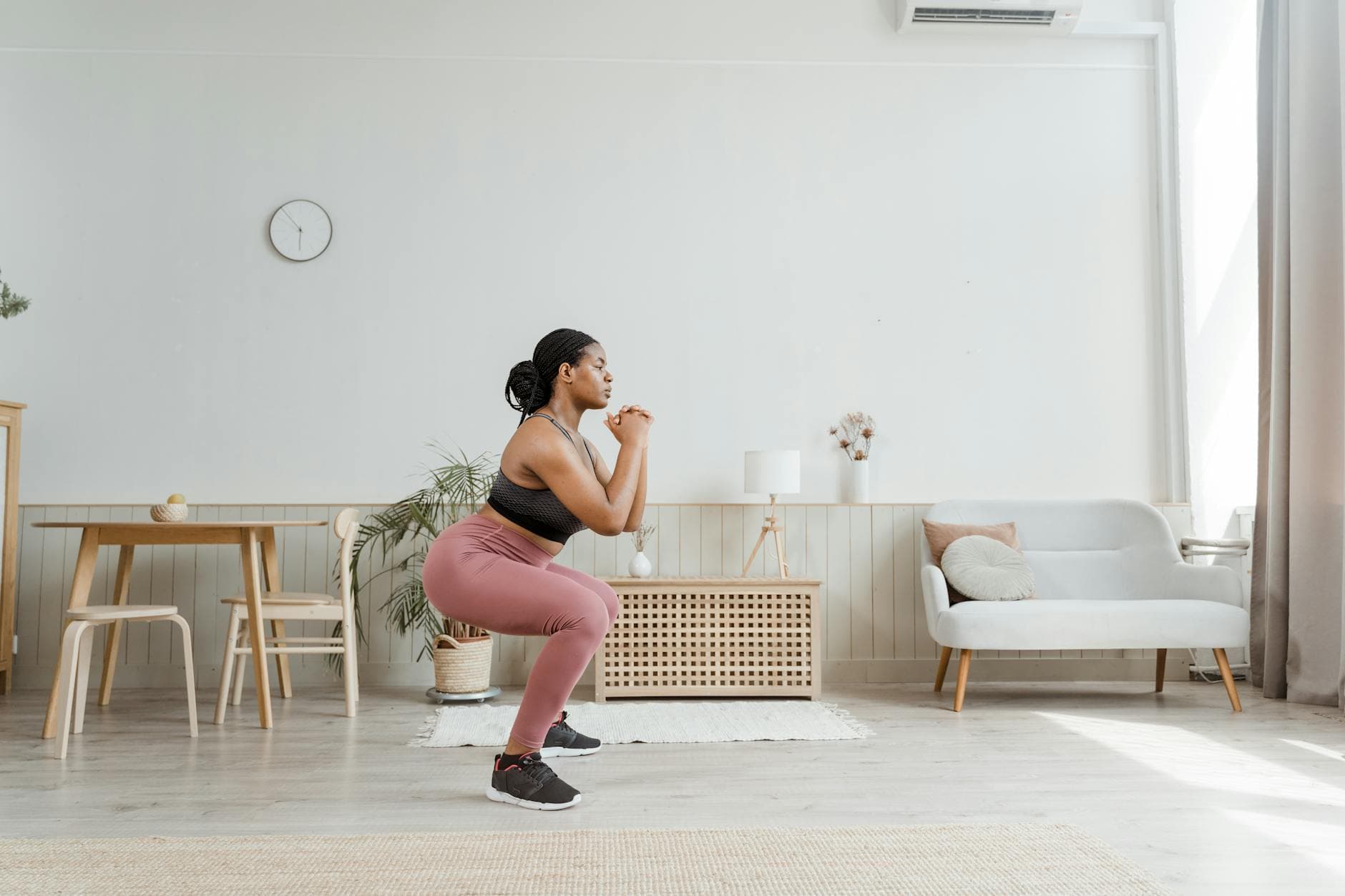
I remember staring at my dusty dumbbells in the corner of my living room, feeling utterly uninspired. The gym felt like a faraway land, and frankly, I just didn't have the time for hour-long sessions. Then, it hit me: the power of a well-designed hiit workout at home. It wasn't just about fitting exercise into a busy schedule; it was a revelation in how effective, efficient, and frankly, *fun* fitness could be, right in my own space. This isn't just another workout trend; it’s a game-changer, and I'm buzzing to share it with you.
The High-Intensity Revolution You Can Do Anywhere
You’ve probably heard the buzzwords: HIIT, High-Intensity Interval Training. But what does that really mean for you, especially when you're trying to get a solid workout done at home? It means short bursts of maximum effort, followed by brief recovery periods. Think of it as a sprint, not a marathon. This method is incredibly potent for boosting your metabolism and burning calories, even after you've finished your last rep. It’s a scientific approach to fitness that leverages your body’s natural mechanisms for peak performance and results. The beauty of a hiit workout at home is its adaptability; it’s a versatile tool for anyone looking to improve their fitness.
What Exactly is HIIT?
At its core, High-Intensity Interval Training is about pushing your limits. You'll alternate between periods of intense anaerobic exercise and periods of lower-intensity recovery or complete rest. The duration and intensity of both the work and rest intervals can be adjusted to suit your fitness level and goals. This isn’t about slogging through a moderate-intensity workout for an hour; it’s about making those 20-30 minutes absolutely count. The physiological response is profound, leading to significant cardiovascular improvements and enhanced fat oxidation. It’s a powerful way to challenge your body and stimulate adaptation.
Why is it So Effective for Home Workouts?
The simplicity of a hiit workout at home is its superpower. You don't need fancy equipment or a sprawling gym. Most routines can be performed using just your body weight, making it accessible to everyone. This means no excuses! Whether you have a tiny apartment or a spacious house, you can carve out enough space for a dynamic session. The time efficiency is also a massive draw. In as little as 15-20 minutes, you can achieve a workout that rivals a much longer, moderate-intensity session in terms of calorie burn and metabolic impact. This is particularly valuable for individuals juggling work, family, and other commitments.
The Science Behind the Burn
The magic of HIIT lies in the EPOC effect – Excess Post-exercise Oxygen Consumption. After a high-intensity workout, your body needs more oxygen to recover, which means it continues to burn calories at an elevated rate for hours afterward. Studies published in journals like the Journal of Strength and Conditioning Research have consistently shown that HIIT can lead to greater improvements in aerobic capacity and fat loss compared to steady-state cardio. The National Institutes of Health research on hiit workout at home further supports its efficacy in improving cardiovascular health and metabolic markers. It’s a smart way to train.
Crafting Your Perfect Home HIIT Routine
So, you’re ready to jump in. Fantastic! The key to a successful hiit workout at home is thoughtful planning. It’s not just about randomly doing jumping jacks and burpees until you’re exhausted. A well-structured routine ensures you’re hitting different muscle groups, maximizing your effort, and minimizing your risk of injury. Think of it as building a mini-factory of fitness in your living room, where every movement has a purpose.
Choosing Your Exercises: No Equipment HIIT Powerhouses
The beauty of a no equipment hiit workout is its accessibility. You don't need to invest in expensive machines. Your own body is the ultimate tool. Here are some fantastic hiit exercises at home that require absolutely nothing but you:
- Jumping Jacks: A classic for a reason. They get your heart rate up quickly and engage multiple muscle groups.
- Burpees: The king of full-body exercises. They combine a squat, a push-up, and a jump. They are tough but incredibly effective.
- High Knees: Imagine sprinting in place, bringing your knees as high as possible towards your chest.
- Butt Kicks: Similar to high knees, but you're aiming to kick your heels towards your glutes.
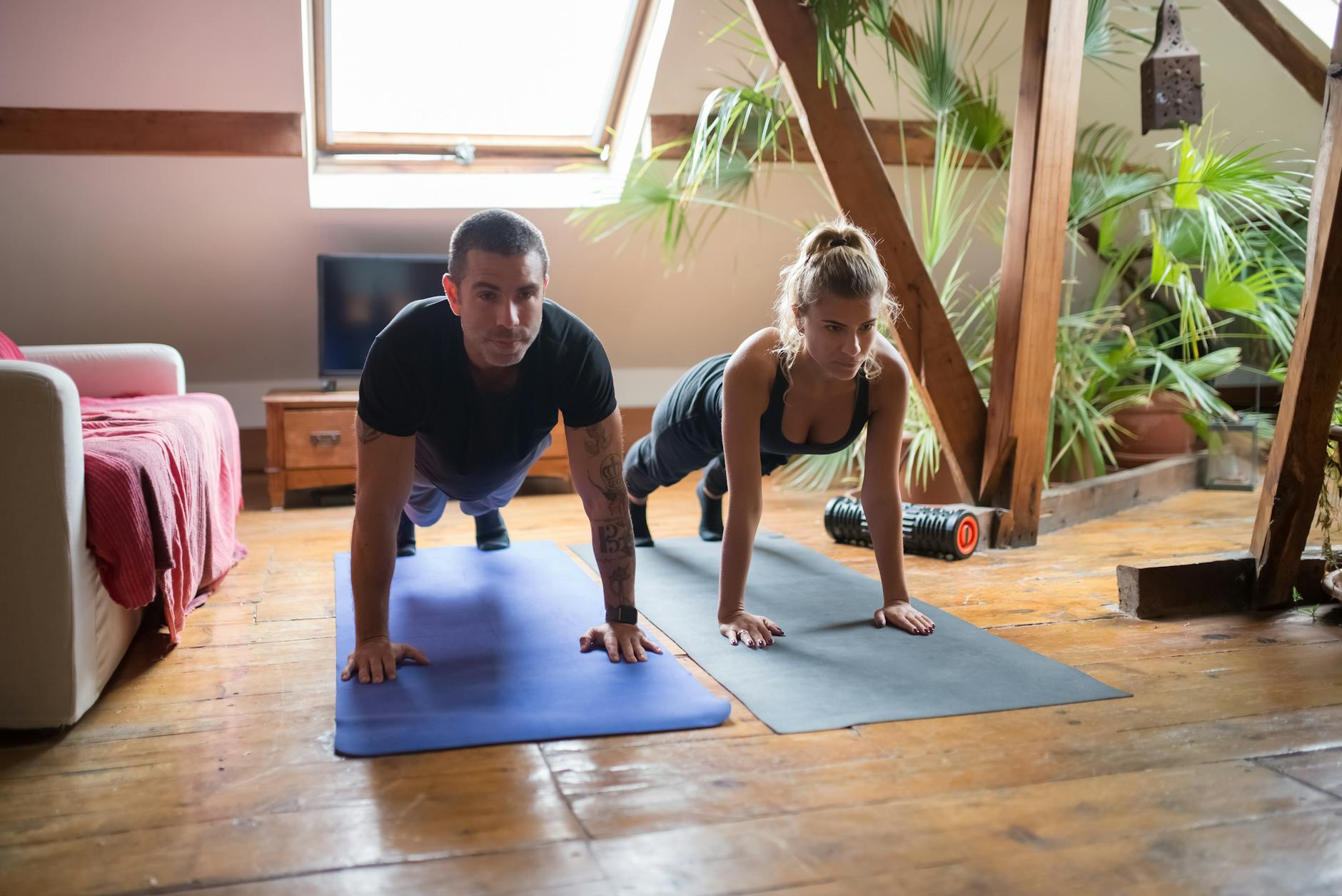
- Mountain Climbers: Start in a plank position and alternate bringing your knees towards your chest, as if you're climbing a mountain.
- Jump Squats: Perform a regular squat, then explode upwards into a jump. Land softly and immediately go into the next squat.
- Push-ups: A fundamental upper-body exercise. If standard push-ups are too difficult, modify them by doing them on your knees.
- Plank Jacks: Start in a plank position and jump your feet out wide, then back together, mimicking a jumping jack motion with your legs while your core stays engaged.
Structuring Your Intervals: The Work/Rest Ratio
This is where the "interval" in High-Intensity Interval Training really comes into play. A common starting point for a bodyweight hiit routine is a 2:1 work-to-rest ratio. For example, you might perform an exercise for 40 seconds at maximum effort, followed by 20 seconds of rest or very light activity. As you get fitter, you can adjust this. Some people prefer 30 seconds on, 30 seconds off, while others might do 45 seconds on, 15 seconds off. The goal is to push hard enough during the work interval that you *need* that rest.
Here’s a sample structure for a full body hiit workout:
Warm-up (5 minutes)
Light cardio like jogging in place, arm circles, leg swings.
Workout Circuit (20 minutes)
Choose 4-5 exercises. Perform each exercise for 40 seconds, followed by 20 seconds of rest. Complete 3-4 rounds of the circuit.
Cool-down (5 minutes)
Static stretching, holding each stretch for 30 seconds.
Progression and Variation: Keeping it Fresh
Your body is smart; it adapts. To keep seeing results from your hiit workout at home, you need to challenge it progressively. This could mean increasing the duration of your work intervals, decreasing your rest periods, adding more rounds to your circuit, or introducing more challenging exercise variations. For instance, if regular jump squats become easy, try tuck jumps. If push-ups on your knees are your go-to, work towards standard push-ups. Variety is key to preventing plateaus and keeping your enthusiasm high. Don't be afraid to mix and match exercises from different categories to create new routines.
The Incredible Benefits of Your Home HIIT Workout
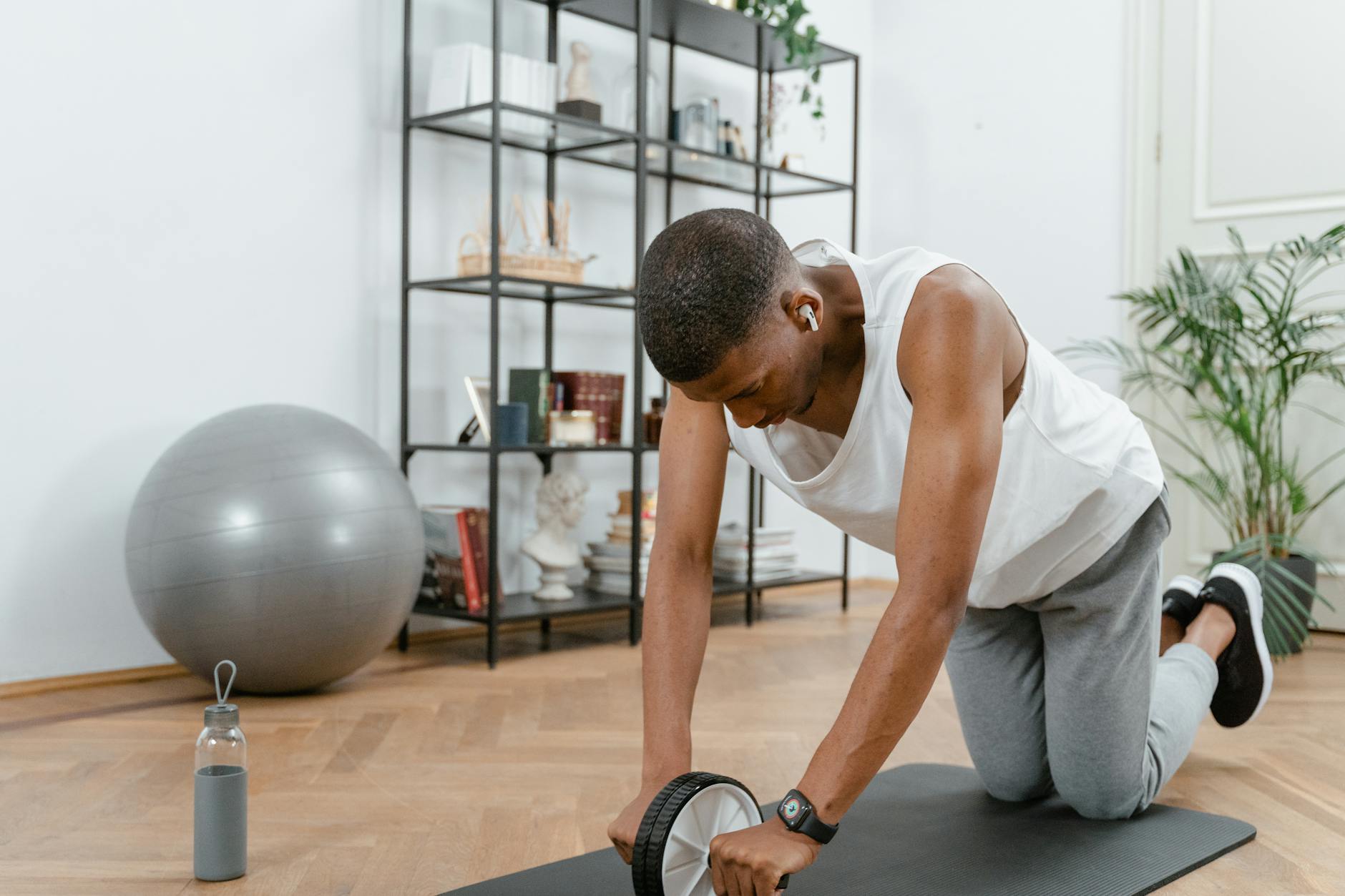
Honestly, the benefits of incorporating a regular hiit workout at home into your life extend far beyond just burning calories. It’s a holistic approach to fitness that impacts your physical and mental well-being in profound ways. I’ve seen it in myself and in countless others I’ve coached. It’s genuinely transformative.
Unlocking Serious Fat Burning Potential
This is the big one for many people. A fat burning hiit session is incredibly effective. Because of the high intensity, your body works overtime to recover, leading to that significant EPOC effect I mentioned earlier. This means you’re burning calories long after your workout is done. Research from the Centers for Disease Control and Prevention research on hiit workout at home consistently highlights its role in improving body composition and reducing body fat. It’s not just about the calories burned *during* the workout; it’s the metabolic furnace you ignite.
Boosting Your Cardiovascular Health
Don’t let the "home" aspect fool you; these workouts are serious cardiovascular conditioning. By pushing your heart rate into higher zones, you’re strengthening your heart muscle, improving blood circulation, and increasing your VO2 max (the maximum amount of oxygen your body can utilize during exercise). This translates to better stamina, improved energy levels throughout the day, and a reduced risk of heart disease. The World Health Organization research on hiit workout at home emphasizes the importance of such intense training for overall cardiovascular well-being.
Building Lean Muscle Mass
While HIIT is often associated with cardio, it's also fantastic for building and preserving lean muscle mass, especially when using bodyweight hiit exercises. Compound movements like burpees, jump squats, and push-ups recruit multiple muscle groups simultaneously, stimulating muscle growth and strength. More muscle mass means a higher resting metabolic rate, meaning you burn more calories even when you're not exercising. It’s a win-win for body composition.
The Mental Edge: Stress Relief and Confidence
Here’s something that often gets overlooked: the mental impact. Pushing yourself through a tough hiit workout at home, conquering those challenging intervals, and seeing your progress builds incredible mental resilience and self-confidence. It’s a powerful way to manage stress, clear your head, and boost your mood, thanks to the release of endorphins. That feeling of accomplishment after a killer session is unbeatable. It’s a tangible reminder of what you’re capable of.
Getting Started: Your First Home HIIT Workout Plan
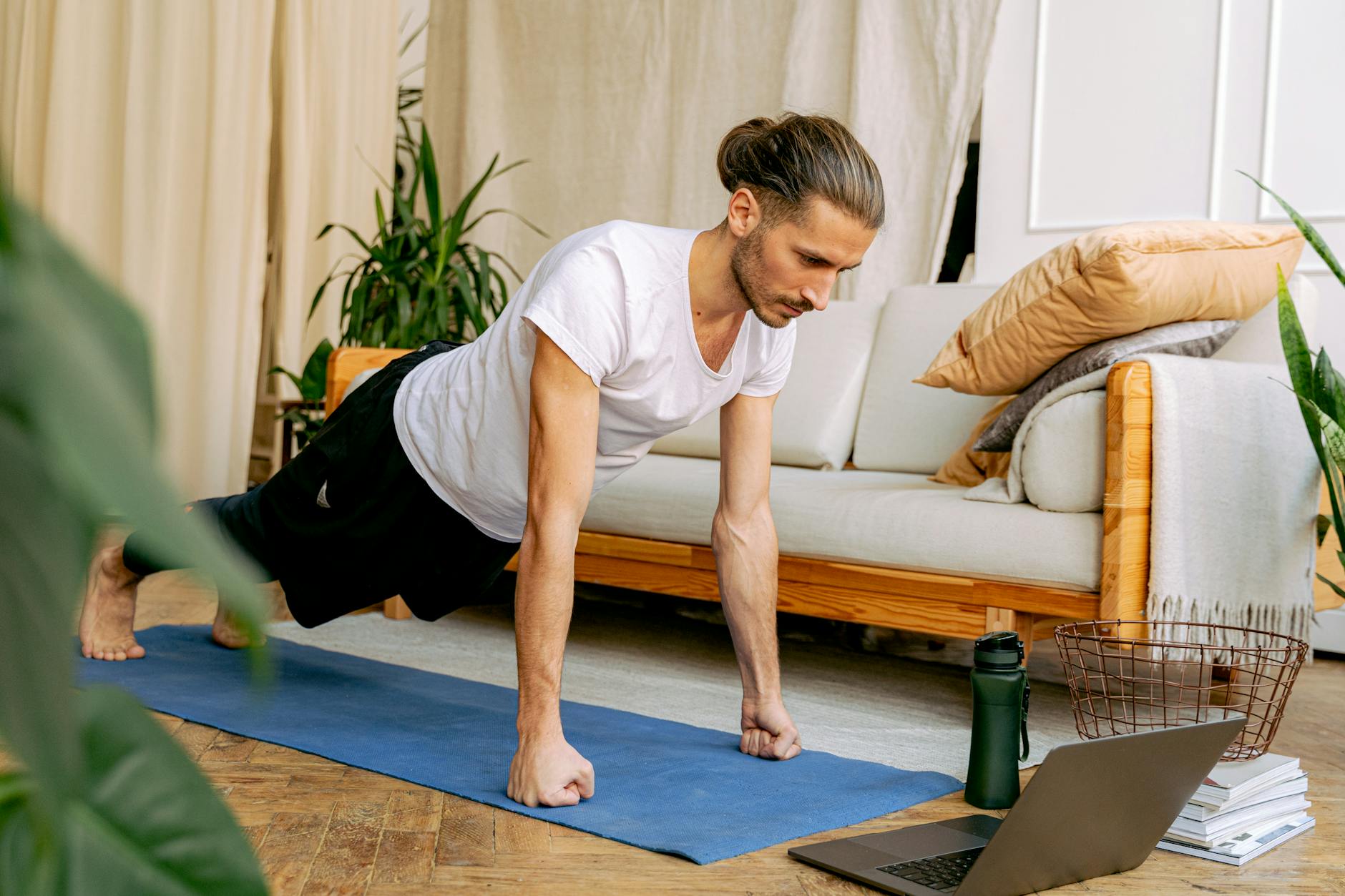
You might be wondering how to actually put this into practice. It’s simpler than you think. The key is to start smart and build momentum. For those new to this intensity, I always recommend beginning with a beginner hiit at home approach. This means shorter work intervals, longer rest periods, and choosing exercises you can perform with good form.
The 15-Minute Starter: A Full Body Blast
This is designed to be a quick, effective introduction. Don't underestimate its power!
- Warm-up (3 minutes): Light jogging in place, dynamic stretches like arm circles and leg swings.
- Circuit (10 minutes): Perform each exercise for 30 seconds, followed by 30 seconds of rest. Complete 2 rounds.
- Jumping Jacks
- Bodyweight Squats
- Mountain Climbers
- Push-ups (on knees if needed)
- Cool-down (2 minutes): Light stretching.
This is a fantastic entry point. As you get comfortable, you can increase the work time, decrease the rest, add more exercises, or do an extra round. It’s all about gradual progression. Think about the last time you felt truly energized after a workout; this can be your new normal.
Listen to Your Body: The Golden Rule
This is crucial, especially when you’re starting out or trying new exercises. Pushing yourself is important, but so is preventing injury. If something feels sharp or wrong, stop. Modify the exercise or take a longer rest. A good hiit cardio session should leave you feeling challenged and invigorated, not in pain. For a more comprehensive approach to building foundational strength, consider looking into Beginner Workouts: Top Exercises for Easy Fitness Success.
Consistency Over Intensity (Initially)
It’s better to do a shorter, effective hiit workout at home three times a week consistently than to do one grueling session and then be too sore or unmotivated to continue. Build the habit first. Once consistency is established, you can gradually increase the intensity and duration. This approach helps ensure long-term success with your hiit for weight loss goals and overall fitness.
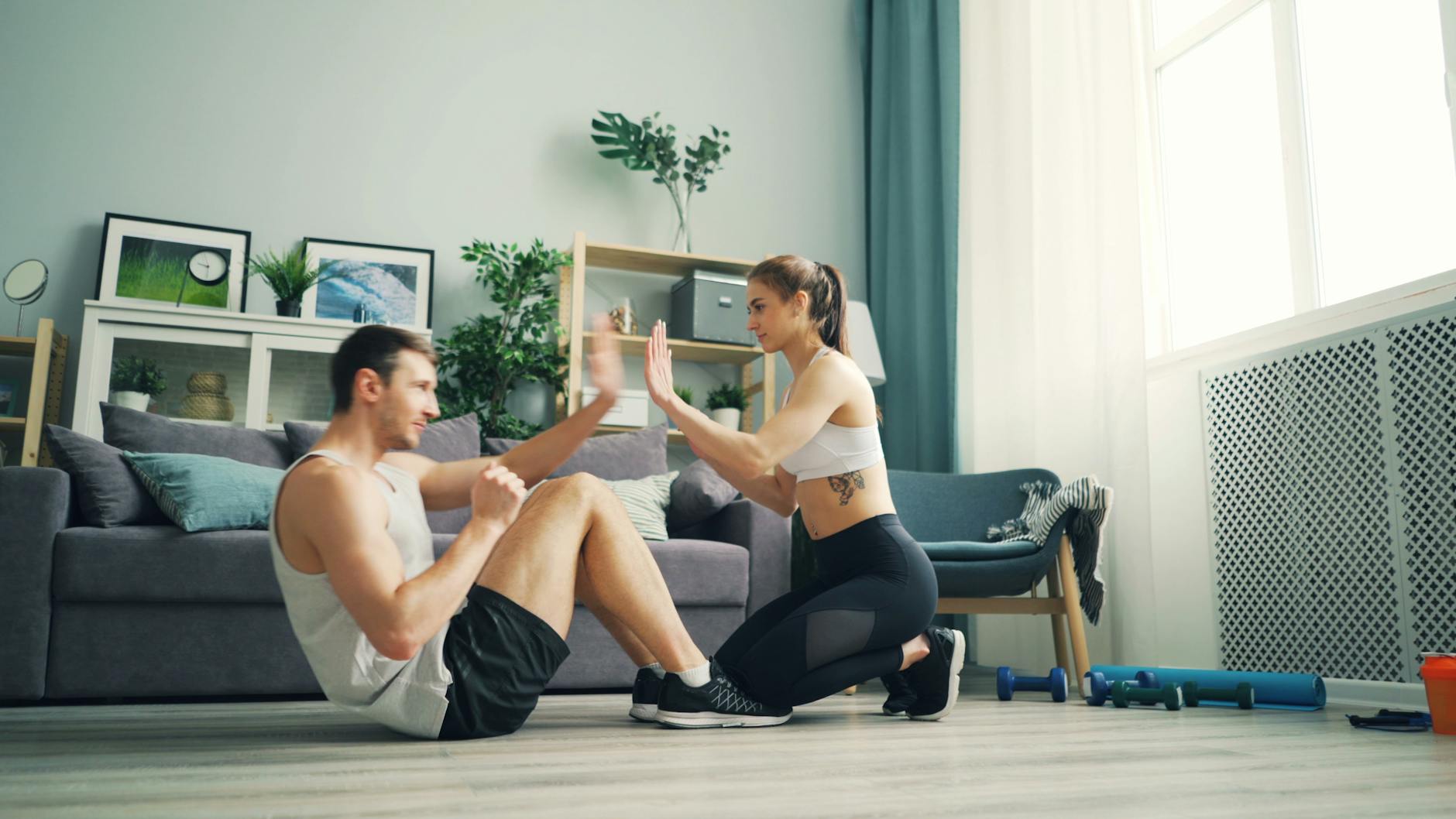
Beyond the Workout: Lifestyle Integration
A hiit workout at home is a powerful tool, but it’s most effective when integrated into a healthy lifestyle. Think of it as the engine, but you need to fuel it correctly and ensure it’s maintained.
Nutrition: Fueling Your Fire
What you eat plays a massive role in your energy levels, recovery, and results. After a high-intensity workout, your body needs quality protein to repair muscle tissue and carbohydrates to replenish glycogen stores. Focus on whole, unprocessed foods. Lean proteins, fruits, vegetables, and healthy fats will support your fitness journey. Hydration is also paramount; drink plenty of water throughout the day.
Rest and Recovery: The Unsung Heroes
You don't get fitter *during* the workout; you get fitter during recovery. Your muscles repair and grow stronger when you rest. Aim for 7-9 hours of quality sleep per night. Active recovery, like light walking or stretching on your off days, can also be beneficial. For those looking to build a strong foundation, dedicating specific days to Core Workout Day: Build a Stronger Midsection Now! can complement your HIIT training perfectly.
Mindset Matters: Embracing the Challenge
The mental aspect of fitness is as important as the physical. Embrace the challenge of HIIT. Celebrate your small victories, like completing an extra burpee or holding a plank for longer. This positive reinforcement will keep you motivated. Remember why you started and how good you feel after a great session. If you’re looking to get back into fitness after a break, a structured approach like Post Winter Workouts: Recover Safely & Get Back to Fitness can be a great starting point before diving into intense HIIT.
The beauty of the hiit workout at home is its sheer accessibility and power. It’s a testament to the fact that you don't need a fancy gym membership or hours of free time to transform your health. You just need a commitment to yourself and the willingness to push your limits, even if it’s just for a few minutes a day. So, clear a little space, put on some energizing music, and get ready to discover what your body is truly capable of. You might just surprise yourself.